Cuba grows sugarcane above everything else, covering roughly half of the island's cultivated land. Beyond that dominant crop, you'll find tobacco, rice, coffee, citrus fruits, plantains, cassava, corn, tomatoes, and potatoes filling out both the export economy and the everyday Cuban diet. The mix of crops shifts depending on which part of the island you're looking at, because Cuba's soils, rainfall patterns, and topography vary considerably from west to east and coast to inland.
What Does Cuba Grow Main Crops and Where They Grow

Samuel Rourke
13 May 2026
Cuba's climate and why it matters for crops
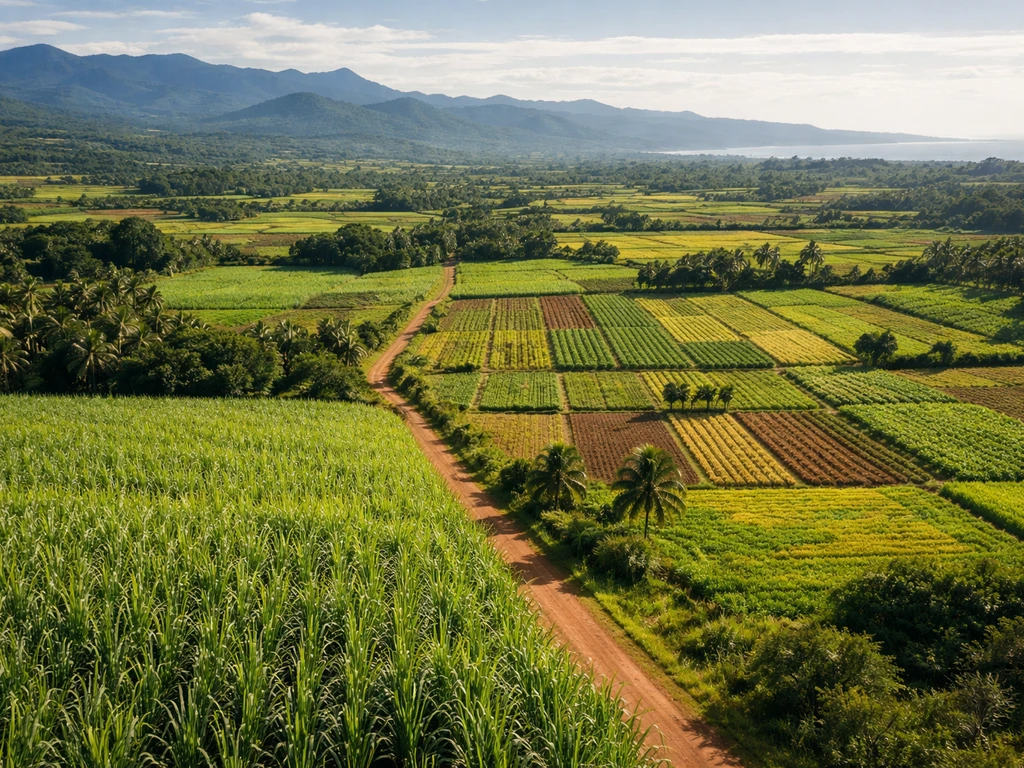
Cuba sits in a tropical wet-and-dry climate (Köppen Aw), which means hot, wet summers and warm, dry winters. The two seasons break down pretty cleanly: a rainy season running from May through October, and a dry season from November through April. Temperatures across the island generally stay in a range of about 20 to 25 °C (68 to 77 °F) in the zones most suited to agriculture, making year-round growing possible for most crops. That said, the rainy season also brings hurricane risk, with the peak danger months being September and October. A serious storm can wipe out standing crops across entire regions, so farmers and planners here have always had to factor that in.
Cuba's soils add another layer. A broad band of highly fertile red limestone soil stretches from west of Havana down to near Cienfuegos on the southern coast, and this belt forms the backbone of Cuba's agricultural output. In lower-lying coastal areas with shallow water tables, salinization is a real risk, especially if irrigation water or groundwater carries salt. Good drainage matters a lot in those zones. FAO's agro-ecological zoning approach for Cuba ties crop suitability directly to combinations of climate, topography, and soil type, which is why knowing the region is as important as knowing the crop.
The main crops Cuba grows today
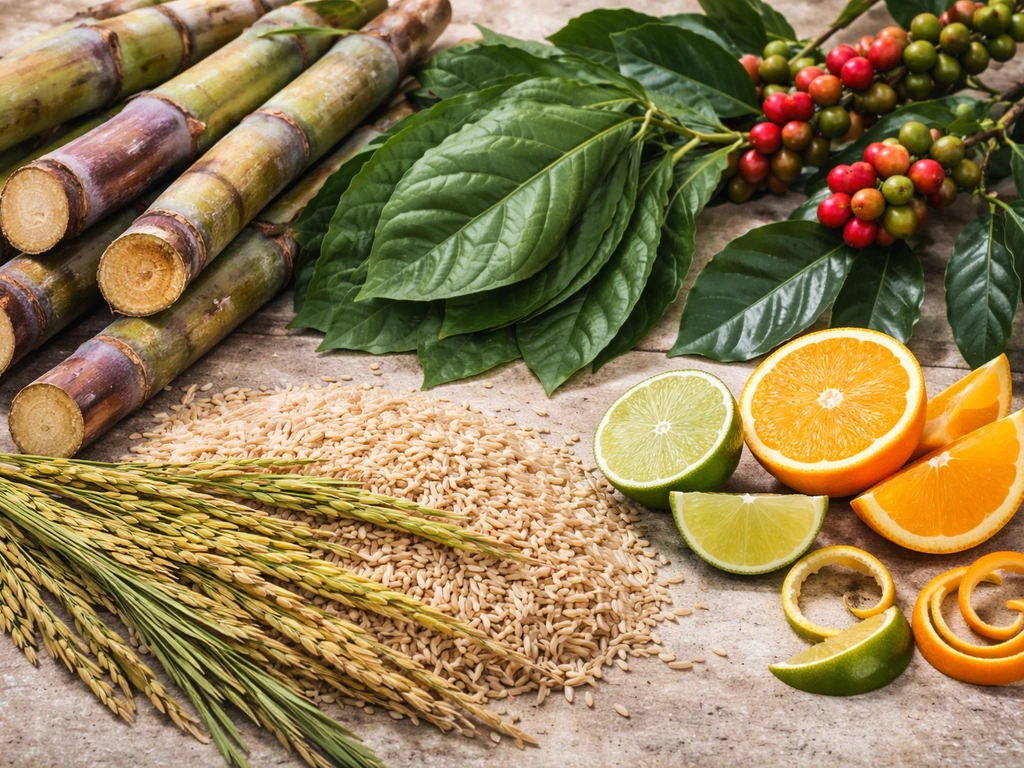
Here's a practical breakdown of Cuba's key crops, covering both what gets exported and what ends up on the table. Production has declined significantly in recent years, with non-sugarcane crops falling more than 25 percent between 2017 and 2021, but the crop mix itself has remained fairly consistent.
| Crop | Primary Role | Approximate Cultivated Area (relative scale) | Key Growing Region |
|---|---|---|---|
| Sugarcane | Export / industrial | ~1,770 (thousands of hectares, dominant) | Island-wide, especially central plains |
| Rice | Staple food | ~224 | Lowland and irrigated areas island-wide |
| Coffee | Export / domestic | ~141 | Eastern highlands (Guantánamo) |
| Citrus fruits | Export / food | ~93 | Western and central regions |
| Maize (corn) | Staple food | ~85 | Central and eastern regions |
| Tobacco | Export (premium) | ~67 | Pinar del Río (west), central areas |
| Plantains/Bananas | Staple food | Significant, not separately tabulated | Island-wide |
| Cassava (manioc) | Staple food | Significant, not separately tabulated | Island-wide |
| Potatoes | Staple food | Significant, not separately tabulated | Western and central regions |
| Tomatoes | Staple food / local markets | Significant, not separately tabulated | Island-wide, especially urban farms |
Sugarcane is in a class of its own in terms of land use, but tobacco punches well above its acreage in economic importance. Cuba's cigars are globally recognized, and premium tobacco from Pinar del Río commands serious prices on the export market. Coffee, particularly from the eastern end of the island, also has strong export value. Rice and the root/starchy crops like cassava and plantains are the everyday food staples that most Cubans rely on.
Where these crops are actually grown on the island
Cuba is about 1,200 kilometers long and narrows considerably east to west, so conditions vary more than you might expect for an island. Here's how the main crop regions break down.
Western Cuba (Pinar del Río and surroundings)
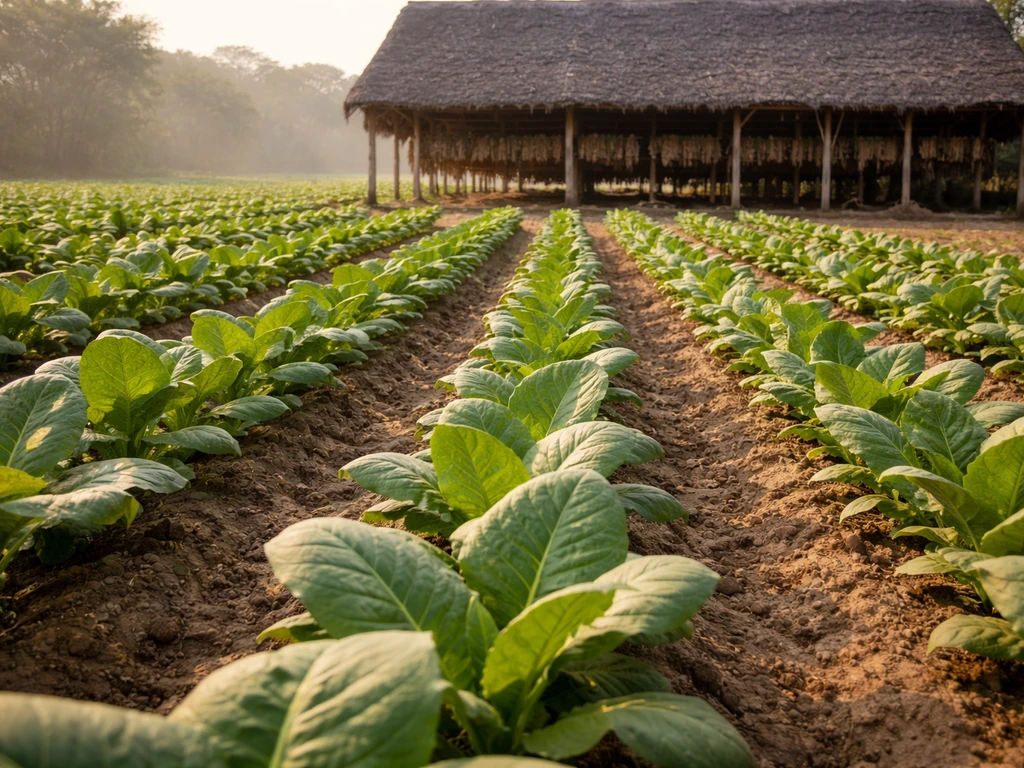
This is tobacco country, full stop. The Vuelta Abajo region within Pinar del Río is considered one of the finest tobacco-growing zones in the world, prized for its specific soil composition and microclimate. The sandy, well-drained soils here suit tobacco perfectly. Citrus is also grown in western Cuba, and the fertile red limestone belt running toward Havana and south toward Cienfuegos supports mixed crop production, including vegetables and some sugarcane.
Central Cuba
The broad central plains are Cuba's sugarcane heartland. The relatively flat terrain, combined with fertile soils and reliable rainfall during the wet season, makes this zone ideal for large-scale cane production. You'll also find tobacco in some central areas, as well as rice in lower, wetter sections. Maize and root crops show up throughout.
Eastern Cuba (Oriente)
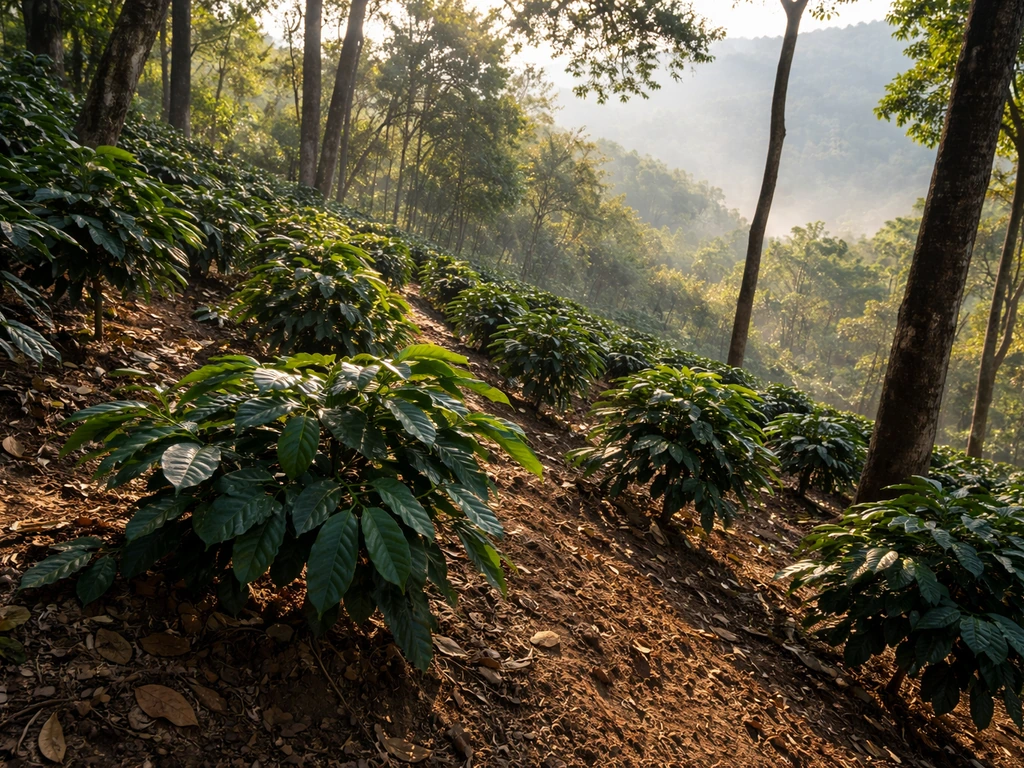
The east is where coffee dominates. Guantánamo province is known as Cuba's coffee capital, and the Sierra Maestra and surrounding highland zones provide the elevation, shade, and rainfall that coffee plants need. Eastern Cuba also grows sugarcane on its lowland plains, along with food staples like cassava, plantains, maize, and rice. The eastern tip of the island is generally wetter than the west, which opens options for moisture-loving crops but also raises soil drainage considerations.
Coastal and urban areas
Urban and peri-urban agriculture has grown significantly across Cuban cities, especially Havana. Tomatoes, vegetables, herbs, and some root crops are grown in city gardens (organoponicos) and small plots. Coastal soils need extra attention because of salinity risk, especially in areas with high water tables.
Seasonality and growing conditions
Because Cuba has two distinct seasons, crop timing is fairly predictable once you understand the wet-dry cycle. Rice is the clearest example: Cuba runs two separate rice cropping seasons per year. The main season is planted in March and April, with harvest coming in November and December. The second season flips the calendar, planting in December and January and harvesting in June and July. This dual-season pattern is possible because of Cuba's reliable wet season (May to October) providing irrigation support, and dry season conditions that still allow cropped fields to function with managed water.
Sugarcane is harvested during the dry season (roughly November through May), when lower humidity and cooler temperatures improve sugar content and make mechanical or manual harvesting easier. Tobacco planting typically falls in the dry season months as well, since tobacco dislikes heavy rainfall during its curing period. Coffee in the east generally flowers during the dry season and produces cherries ready for picking late in the year. Vegetables and food staples are grown year-round but often managed carefully around hurricane season in August through October.
For anyone planning crop cultivation in Cuba's conditions, irrigation access is a key variable. Water availability varies by region, and FAO's irrigation area data for Cuba shows significant differences in how much land has access to managed irrigation. Soil testing before planting is worth prioritizing in coastal or low-lying areas where salt accumulation can silently stress crops, especially if drainage is limited.
How Cuba's crop mix has changed over time
Cuba's agricultural history is dominated by two eras. The colonial and early post-colonial period revolved almost entirely around sugar, with plantation agriculture shaped by Spanish colonial trade demands and later by the U.S. market relationship. Tobacco was always the second pillar, but sugar ruled the land-use picture for well over a century.
The 1959 revolution brought nationalization and a shift toward Soviet-bloc agricultural support, which kept Cuba heavily dependent on subsidized inputs including fertilizers, pesticides, and fuel. That model collapsed between 1989 and 1991 when the Soviet Union disintegrated, and Cuba lost more than half of its agricultural input supply almost overnight. The resulting food crisis was severe. Cuba's response was genuinely notable: the government distributed land to farmers under usufruct arrangements, prioritized crop rotations, pushed food crops into areas that had only grown sugarcane, and invested heavily in city gardens (the organoponicos system). Agroecological approaches replaced chemical-intensive ones out of necessity, not ideology.
Citrus production, which had been a significant export sector, fell by about 55 percent in the first half of the 1990s during this transition. Sugarcane's dominance in land use has persisted, but its actual production and processing capacity has declined substantially from its peak. Today, food security concerns drive much of Cuba's crop-planning conversation, and the diversity of food crops grown has expanded compared to the monoculture-heavy plantation era.
Practical next steps for gardeners and farmers
If you're trying to figure out what to grow in Cuba's conditions, or in a climate that resembles Cuba's, here's how to think through it practically. For readers in Puerto Rico, the best crops to grow in Puerto Rico also depend on your local rainfall pattern, soil type, and whether you can manage irrigation during the drier months what to grow in Cuba's conditions. If you are also researching what Costa Rica grows, its tropical climate and rainfall patterns play a similar role in shaping the kinds of crops that thrive. If you’re also wondering what Puerto Rico grows, start by comparing its climate and rainfall patterns to Cuba’s wet-dry cycle what does puerto rico grow.
- Match your crop to your region's rainfall pattern first. Western Cuba (drier in parts) suits tobacco and citrus. Eastern Cuba (wetter, higher elevation available) suits coffee. Central plains with good water access suit sugarcane and rice. Don't fight the regional climate baseline.
- Check your soil type before anything else. The red limestone belt near Havana and Cienfuegos is highly productive. Sandy soils in the west drain well and suit tobacco. Low-lying coastal soils may need drainage infrastructure and a salinity check before you plant anything sensitive.
- Plan around the two seasons. The dry season (November to April) is your window for sugarcane harvest, tobacco, and dry-season vegetable rotations. The wet season (May to October) supports rice, plantains, cassava, and other moisture-tolerant staples. Hurricane risk peaks in September and October, so avoid staging a harvest-critical phase in those months if you can.
- Think about irrigation access early. Cuba has formal irrigation infrastructure in some areas, but availability varies widely. If your plot relies on rainfall alone, you're essentially limited to wet-season crops or drought-tolerant staples like cassava and maize.
- For food crop diversity, lean on what the island already grows well: plantains, cassava, sweet potatoes, maize, and tomatoes are all well-adapted and have a long track record across most of Cuba's climate zones.
- If you're researching comparable climates for crop selection, Puerto Rico and Costa Rica share several overlapping tropical wet-and-dry characteristics with Cuba and grow many of the same staple crops. Exploring what those islands grow can give you useful cross-reference points for what thrives in this general climate type.
Cuba's agricultural geography rewards anyone who takes the time to understand the regional variation instead of treating the island as a single uniform growing environment. The west, center, and east are genuinely different places from a crop-suitability standpoint, and the wet-dry seasonal rhythm controls timing as much as any other factor. Once you've mapped your region and season, the crop list largely takes care of itself. If you are wondering what does El Salvador grow, it helps to look at its own climate, rainfall patterns, and soil regions much the same way Cuba’s geography affects crops. If you're also curious about what Suarez Farms grows, the same idea applies: start with the region, then match crops to the growing season and conditions.
FAQ
Is sugarcane the only major crop in Cuba, or does the answer change by region?
Yes, but the island is not uniform. Sugarcane is the biggest by land area overall, yet the dominant crop in a given area changes by soil and rainfall, for example tobacco in Pinar del Río, coffee in Guantánamo and highlands, and different mixes of staples across central and eastern lowlands.
Can I grow the same crops everywhere in Cuba, including coastal areas?
Not everywhere. Low-lying coastal and irrigated zones are more vulnerable to salinization, so crops that need consistent, low-salt water usually perform worse unless drainage and water quality are managed.
When are Cuba’s crops planted and harvested relative to hurricane season?
Cuba typically times field work around the wet-dry cycle, with hurricane risk concentrated in late summer and early fall. Plantings and, especially, harvest and curing schedules for tobacco and other moisture-sensitive crops are usually designed to avoid heavy-rain windows.
Does Cuba grow crops year-round, or are there specific growing seasons beyond rice?
Rice is a clear example of planned seasonality, with two yearly cropping windows. Many other crops are more year-round, but even then growers often adjust planting or harvest to align with wet-season water availability and dry-season conditions for quality.
If temperatures are fairly steady, what prevents Cuba from growing any crop year-round?
Cuba can have suitable temperatures for many crops most of the year, but production still depends heavily on irrigation access. In regions with limited managed water, yields and the choice of water-sensitive crops are often constrained even if the climate looks favorable on paper.
What’s the biggest mistake people make when thinking about growing tobacco in Cuba’s climate?
For a tobacco operation, curing conditions matter as much as planting. Heavy rainfall during curing can degrade leaf quality, which is why tobacco planting is often aligned with the drier months.
How should a beginner decide which Cuba crops match their specific location?
Because farms and irrigation access vary, the same crop can behave differently from one province or even one district to another. If you are planning cultivation, treat “Cuba” as multiple growing zones, not one blanket set of conditions.
Does Cuba’s modern agricultural system change what crops are realistically grown?
Usufruct arrangements and historic shifts in inputs mean availability of fertilizers, pest control, and fuel can affect what is practical to produce. Even when a crop fits climate and soil, production plans often change based on what inputs and labor systems are accessible locally.
What crops are most common in urban and peri-urban growing in Cuba?
Organoponicos and peri-urban plots often focus on vegetables, herbs, and quick-turn root crops. If you are comparing “what Cuba grows” to home gardening, urban conditions favor shorter crop cycles and careful water management, especially near coastal areas.
Next Articles

What Does Suarez Farms Grow? Crops, Climate, and Verification
What Suarez Farms grows, crop list and climate fit, plus steps to verify current plantings via farm and local sources.
What Does Puerto Rico Grow Best Here Are the Main Crops
Discover what Puerto Rico grows best: staple foods, fruits, plantation cash crops, and the conditions that make them thr
What Did the Delaware Colony Grow: Crops, Uses & Legacy
Colonial Delaware’s main crops, grains, hay, flax, fruits, vegetables, livestock, why they thrived and how they were sold.