Puerto Rico grows a wide range of tropical crops, with plantains leading by value (21.3% of total crop production value in 2022), followed by coffee, vegetables, fruits, and various forage grasses that support its livestock sector. In the 2022 Puerto Rico Census of Agriculture briefing, plantains are shown as the top crop category by value share at 21.3%. The island's total agricultural output hit $703 million in 2022, a 45% jump from 2018, so this is a more active farming economy than most people realize. The mix of crops is directly tied to where you are on the island: the wet, mountainous interior produces coffee and shade-grown crops, the lower coastal zones handle plantains and bananas, and the drier south leans on irrigation for vegetables and field crops.
What Does Puerto Rico Grow Best Here Are the Main Crops

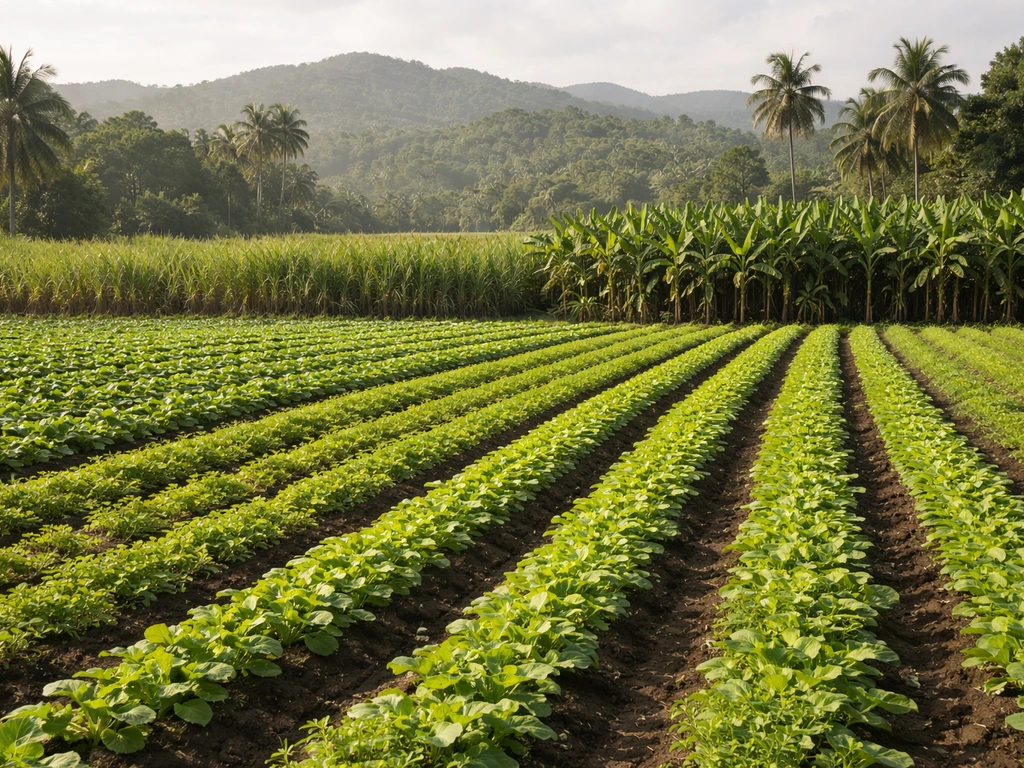
The Big Picture: Puerto Rico's Main Crops at a Glance
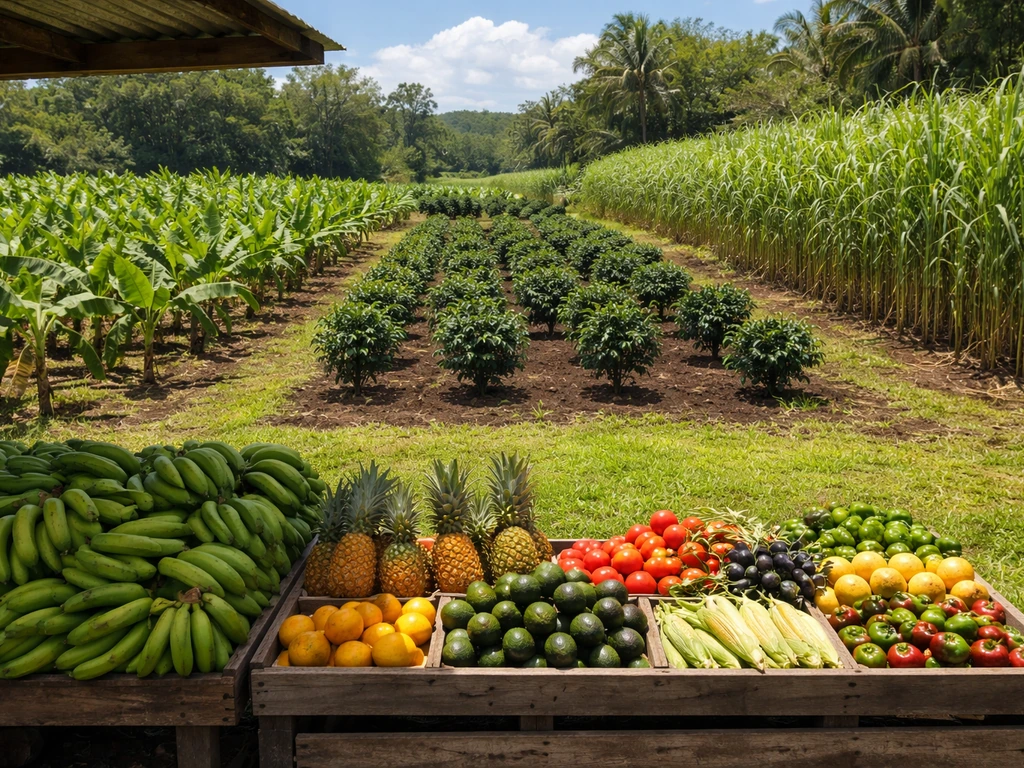
Puerto Rico's agriculture breaks into four broad categories: staple food crops (plantains, root crops, rice), cash and plantation crops (coffee, sugarcane, tobacco), fruits and vegetables (tomatoes, cucumbers, squash, tropical fruits), and feed and forage crops (elephant grass, Guinea grass, corn, sorghum silage). Historically, the island's economy was built on large plantation systems, especially sugarcane and later coffee, and those patterns still shape where farms operate today. Modern Puerto Rican agriculture has diversified significantly, but plantains and coffee remain the most economically important crops by value.
Why Crops Grow Where They Do: Climate and Soil on the Island
Puerto Rico is small, but the variation in growing conditions from one side of the island to the other is dramatic. The Cordillera Central and the Sierra de Cayey act as a wall that splits the island into wet and dry zones. Winds come in from the northeast and drop most of their moisture on the north and east (windward) sides. The Sierra de Luquillo, for example, averages about 169 inches of rain per year. The north coast averages around 61 inches annually, while the south coast drops to about 35 inches. That's almost half, over a distance of just 20 to 30 miles. The southern coast sits in a rain shadow and relies heavily on irrigation.
Elevation adds another layer. Interior mountain areas stay cooler, with mean temperatures ranging from roughly 22°C at night to 25°C during the day. The coasts run warmer year-round. Tropical moist forest conditions cover more than half the island, with annual rainfall between 40 and 80 inches, while about 18% of the island falls into tropical dry forest territory with just 24 to 40 inches of rain annually. Those distinctions map almost directly onto what you can reliably grow without irrigation.
Soils add a third variable. Ultisols and Oxisols dominate large portions of Puerto Rico's interior. These are deep, heavily weathered soils with naturally low fertility and high acidity, which means crops that do well here tend to be acid-tolerant, and farmers often need to lime and fertilize to compensate for leached nutrients. Coastal lowlands have their own challenges: acid sulfate soils in some coastal zones require careful management. Steep mountain slopes combine intense rainfall with weathered soils, creating landslide risk that limits what land is safely cultivable. If you want to match specific crops to a specific parcel, USDA's Web Soil Survey (available at websoilsurvey.sc.egov.usda.gov) gives you soil map units and limitations for any point in Puerto Rico.
Staple Food Crops: What Feeds the Island
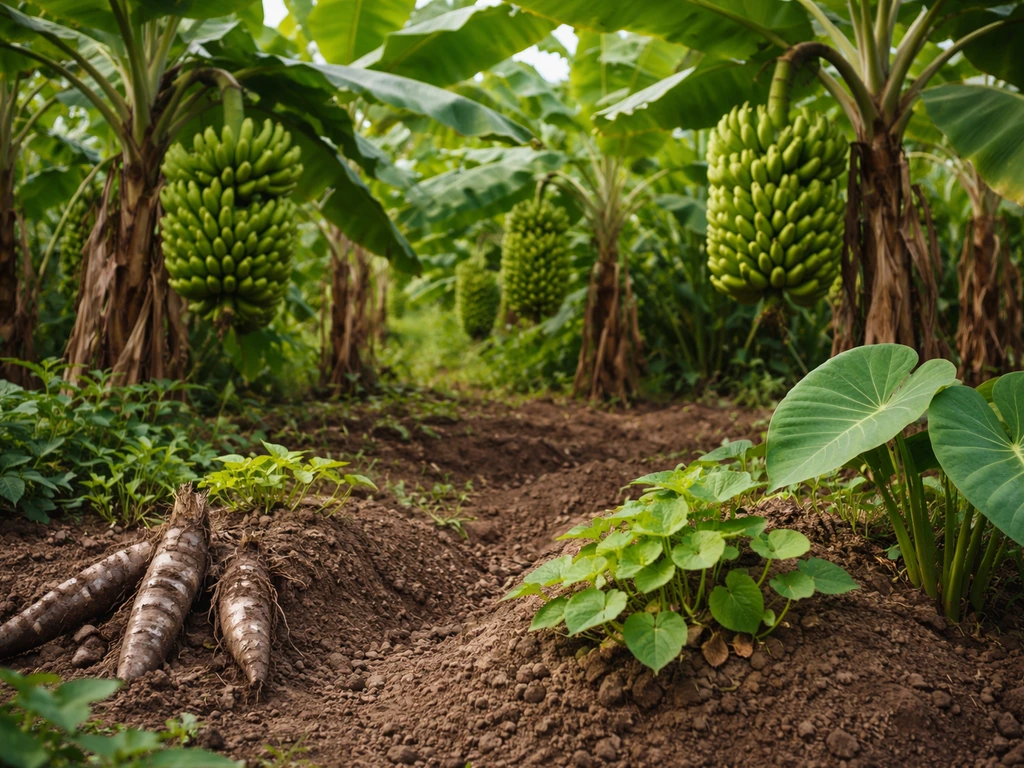
Plantains are the undisputed staple crop of Puerto Rico. Survey data shows that on about 77% of farms where a single crop dominates, plantain is that crop. They grow across a wide range of elevations and rainfall zones, but they need reliable moisture: the rule of thumb is at least 65 inches of annual rainfall well distributed throughout the year, or supplemental irrigation. On the island, roughly 88 to 90% of plantain acreage depends on rainfall alone, with the remaining 10 to 12% using drip irrigation. Caguas, in the northeast interior, is the top production region by value. Bananas are closely related and grown under nearly identical conditions, often on the same farms.
Root crops like yuca (cassava), yautia (taro), and sweet potato round out the traditional starch base. These crops tolerate the island's often humid, warm conditions and are common in home gardens and small farms. Rice has historically been a dietary staple but is largely imported today rather than produced locally at scale, because the island's terrain and land costs make large-scale rice cultivation economically difficult compared to importing.
Cash Crops and Plantation History: Coffee, Sugarcane, and Tobacco
Coffee is Puerto Rico's most iconic cash crop and the one most tied to a specific geography. If you are also wondering what a specific farm like Suarez Farms grows, the best starting point is its crop list and the local conditions it plants for what does suarez farms grow. It grows almost exclusively in the mountainous interior, particularly in the western and central Cordillera, where elevation, shade, and cooler temperatures create the right conditions. Utuado is the top coffee-producing municipality and accounts for a dominant share of the island's coffee value. Puerto Rico's coffee production system is largely shade-grown, which means coffee plants are cultivated under a canopy of taller trees. This approach moderates temperature swings, retains moisture, and reduces certain disease pressures. Under normal production conditions, the island has historically produced around 14,000 to 15,000 tons of coffee per year, though hurricane damage and subsequent farm recovery have impacted those numbers significantly in recent years.
Sugarcane once defined Puerto Rico economically. Through the 19th and much of the 20th century, the island's coastal lowlands were dominated by large cane plantations, particularly on the flat, irrigated southern coast and in the wetter north. That plantation system has largely collapsed; most of the old sugar estates have been converted to other uses or left fallow. Small-scale sugarcane cultivation continues for local rum production and artisan panela (raw cane sugar), but it's no longer a commercial powerhouse. Tobacco had a significant place in Puerto Rico's agricultural history as well, particularly in the interior municipalities, but like sugarcane it has declined sharply from its peak and now represents a very small slice of total production.
Fruits and Vegetables: Gardens, Small Farms, and Market Production
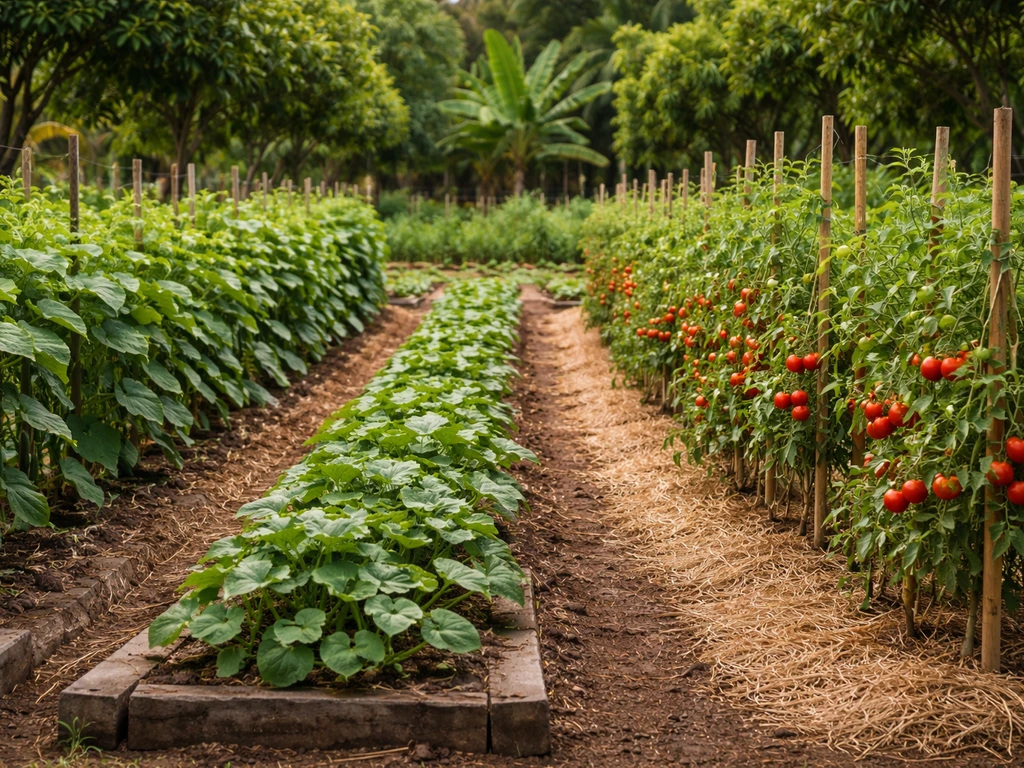
Vegetables are a growing part of Puerto Rico's farm economy. By weight, cucumbers lead market vegetable production, followed by tomatoes and squash. USDA crop insurance data confirms vegetables as a recognized and insured crop category on the island, reflecting real commercial scale. These crops are grown across multiple regions but concentrate in areas with reliable water access, either through rainfall or irrigation infrastructure.
Tropical fruits are everywhere in Puerto Rico's small-farm and garden culture. Mangoes, papayas, avocados, breadfruit, guava, passion fruit, and citrus all grow well across the island's lowland and mid-elevation zones. Many of these are grown in mixed agroforestry systems or home gardens rather than monoculture plantations. Pineapple has a history of commercial cultivation in Puerto Rico as well, particularly in the northeastern interior around Arecibo and the north coast. The wet tropical conditions of the north and east side of the island are especially well suited to fruit production that needs consistent moisture.
| Crop | Primary Region/Zone | Key Growing Condition |
|---|---|---|
| Plantains / Bananas | North/east lowlands, Caguas area | 65+ in/yr rainfall or drip irrigation, warm lowland temps |
| Coffee | Central/western mountains, Utuado | Shade, cooler elevation temps, 60–80 in/yr rainfall |
| Cucumbers | Multiple regions with irrigation | Well-drained soil, reliable water, warm temperatures |
| Tomatoes | Multiple regions | Well-drained soil, warm temperatures, irrigation in south |
| Squash | Multiple regions | Warm, well-drained conditions, moderate moisture |
| Mangoes / Papayas | Lowland to mid-elevation, island-wide | Tropical heat, 40–80 in/yr rainfall |
| Sugarcane | Coastal lowlands (historical), south coast | Flat irrigated land, high heat, 35–60 in/yr with irrigation |
| Yuca / Yautia | Island-wide, small farms | Warm, humid, tolerates moderate soil acidity |
| Elephant / Guinea grass | Island-wide grazing lands | High rainfall, warm temps, tolerates humid mountain zones |
Feed and Forage Crops: What Keeps the Livestock Sector Running
Puerto Rico's livestock industry, particularly cattle, depends heavily on tropical forage grasses. The main harvested forage crops are elephant grass, digit grass, and Guinea grass, all of which are productive in the island's warm, humid conditions. Corn and sorghum are also grown specifically for silage, not grain harvest, because making hay is genuinely difficult in Puerto Rico: frequent rain during growing seasons keeps forage wet, making field drying impractical. Silage, which ferments under anaerobic conditions, is the practical solution and has been the dominant preserved forage approach on the island for decades.
Research from the Corozal Experiment Substation in the humid mountain region has evaluated grasses like Brachiaria humidicula and Bermuda grass (Cynodon dactylon) for forage yields under mountain conditions, and those grasses persist well in the wetter interior. On drier southern farms, forage production requires either irrigation or drought-tolerant grass varieties. If you're farming with livestock in mind, the NRCS Caribbean grazing lands guidance is the most practical starting point for matching grass species to your specific zone.
Matching Crops to Puerto Rico's Microclimates: A Practical Framework
The single most useful framing for deciding what to grow in Puerto Rico is to think in three zones: the wet north and east coast (roughly 55 to 80+ inches of rain annually), the mountainous interior (cooler, often 60 to 100+ inches but with slope and soil constraints), and the dry south coast (35 to 50 inches, irrigation often required). If you want the best crops to grow in Puerto Rico, this three-zone approach makes it easier to choose varieties that match local rain and temperature what to grow in Puerto Rico. Here's how crops map onto those zones practically:
- North and east lowlands: Best for plantains, bananas, tropical fruits (mango, papaya, citrus), market vegetables with good drainage, and pineapple.
- Mountain interior (1,000 to 3,000+ ft): Best for shade-grown coffee, root crops, some vegetables in humid valleys, and forage grasses for cattle.
- South coast: Best for irrigated vegetables, some fruit crops with water access, and historically sugarcane with irrigation infrastructure.
If you're trying to narrow down what to plant on a specific parcel, start with USDA's Web Soil Survey to pull the soil limitations for your exact location. Then layer in your average annual rainfall using USGS climate data for Puerto Rico. That two-step check will quickly tell you whether your land needs amendment for pH, drainage, or water availability before you commit to a crop. For anyone going deeper into what works at the farm level in the island's different zones, looking at farm-specific operations like those covered in profiles of individual Puerto Rico growers gives a useful ground-level view of how these climate and soil factors play out in practice.
Puerto Rico's agriculture has gone through dramatic shifts, from sugar plantation dominance to diversified tropical farming, and the 2022 census data shows a sector that's growing in value even as it stays concentrated in a relatively small number of high-value crop categories. Plantains and coffee drive the most economic weight today, but the island's geography supports a much broader range of crops than most people expect. If you're comparing Puerto Rico's agricultural profile to neighboring Caribbean and Central American countries like Cuba or Costa Rica, you'll find a lot of overlap in the crop list but meaningful differences in scale, export orientation, and the specific elevation and rainfall zones where each crop concentrates. If you're comparing Puerto Rico's agricultural profile to neighboring Caribbean and Central American countries like Cuba, Costa Rica, or el Salvador, the crop list and what each country can grow tend to shift with rainfall, elevation, and growing zones what does el salvador grow. You can use the same climate and soil logic to figure out what Costa Rica grows, since crops there are shaped by rainfall, elevation, and growing zones.
FAQ
What is the single most important factor that determines what Puerto Rico grows on a farm?
In practice it is water reliability. Even if a crop can tolerate heat, farmers still have to match it to the island’s wet north and east, the cooler mountainous interior, or the drier south where irrigation is often the difference between success and failure.
Do plantains and bananas grow in the same places, or are there differences?
They are closely related and generally overlap in growing conditions, but bananas tend to be more sensitive to wind and can be more demanding on farm management (windbreaks, canopy care, and drainage). If your parcel has strong exposure, plantain usually handles it better.
Can rice be grown successfully in Puerto Rico, or is importing the only realistic option?
Rice can be grown, especially on farms with reliable water and flatter land, but large-scale production is hard because of terrain, land cost, and irrigation needs. Small or niche production is more feasible than broad commercial rice cultivation on steep or fragmented parcels.
If my property is in the dry south, can I still grow coffee or do I need to switch to other crops?
Coffee is strongly tied to the mountainous interior conditions and is usually not the easiest fit for the dry south unless you can provide consistent moisture, appropriate shade, and manage erosion on sloped land. Many dry-south farms shift toward vegetables with irrigation, drought-tolerant forage, or other fruit systems.
What mistakes do people commonly make when choosing crops for Puerto Rico?
The most common error is picking a crop based on tropical climate alone, then ignoring the wet-versus-dry rainfall zone and soil limitations. Another frequent mistake is assuming all interior land is fertile, even though many areas have naturally acidic, low-fertility soils that require lime and fertilizer to get yields.
How do I know whether I need irrigation for my intended crop?
Start with the crop’s rainfall threshold and how evenly rain falls across the year. A useful example is plantain, where most acreage relies on rain, but the small portion that uses drip irrigation is there because rainfall distribution or local water access is limiting. Then confirm your site’s rainfall history and check whether drainage issues will increase the “effective dryness.”
Are tropical fruits best grown as mixed gardens or as monoculture orchards?
Both exist, but mixed plantings and agroforestry are common because they help manage shade, moisture retention, and pest pressure in a hot, humid environment. If you plan monoculture, you usually need more intensive pest management and careful spacing to avoid disease and nutrient competition.
What does “shade-grown coffee” change for a grower?
Shade systems affect more than comfort, they change moisture retention, temperature swings, and disease pressure. Practically, you also have to choose or manage companion trees, consider canopy management labor, and plan for how the shade structure will be established on your specific slope and soil.
For livestock, is hay practical in Puerto Rico?
For most situations, hay drying is difficult because frequent rain keeps forage wet during the ideal drying window. Many operations instead focus on silage, fermenting forage under anaerobic conditions, which fits Puerto Rico’s humid climate more reliably.
Where can I start if I want a crop recommendation for a specific address rather than “Puerto Rico overall”?
Use the USDA Web Soil Survey to pull soil limitations for your point, then overlay typical rainfall for the nearest local climate data. This two-step approach helps you decide whether your real constraints are pH, drainage, erosion risk, or water availability before you choose a crop or variety.
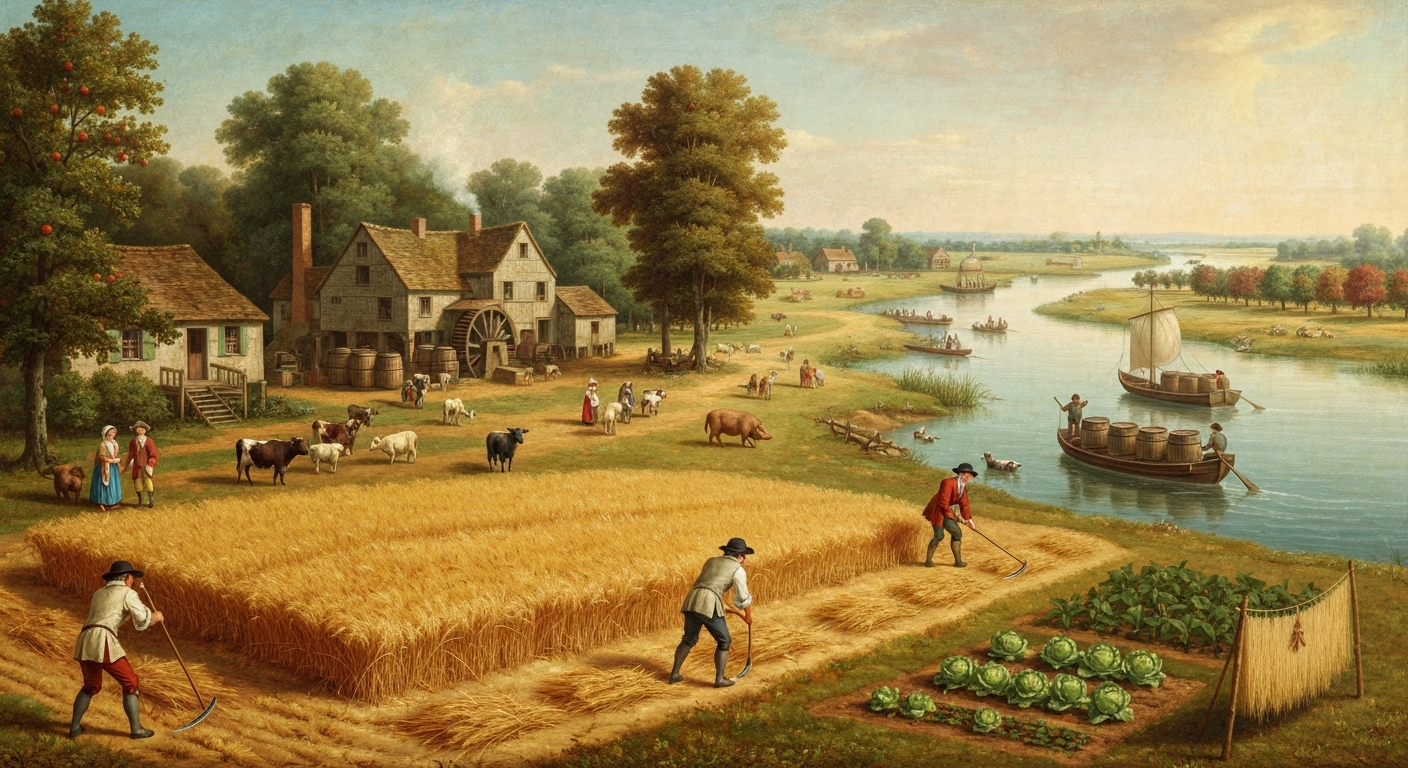
Colonial Delaware’s main crops, grains, hay, flax, fruits, vegetables, livestock, why they thrived and how they were sold.
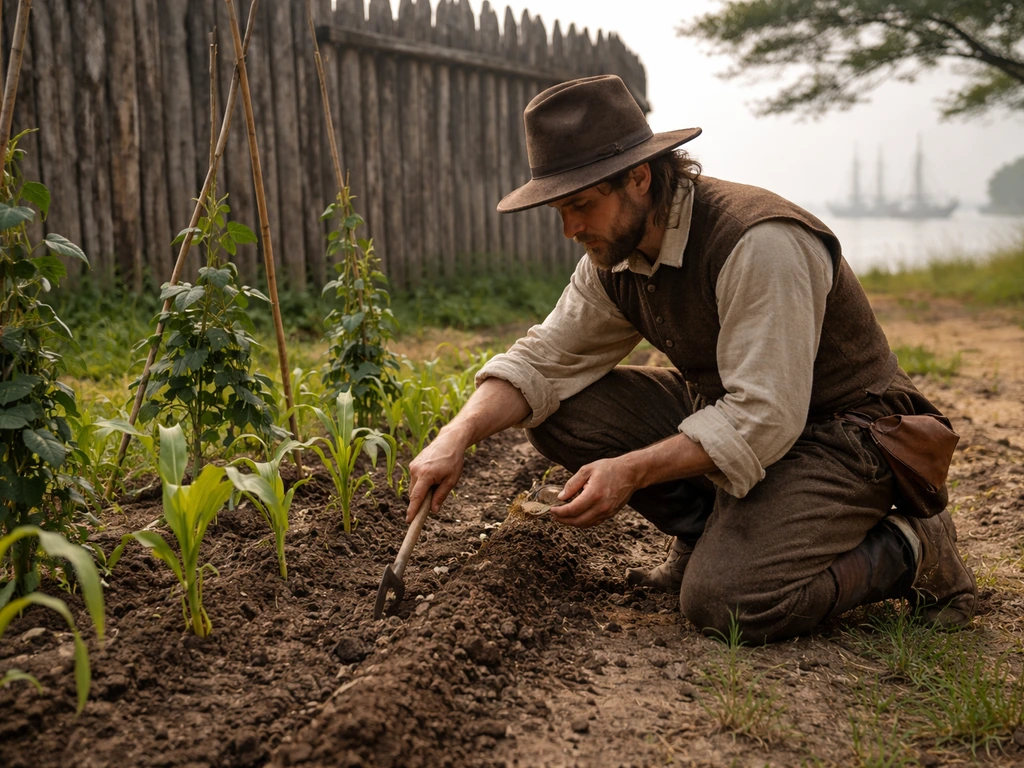
Learn what Jamestown colonists grew and the methods they used to plant, harvest, and adapt crops to Virginia conditions.
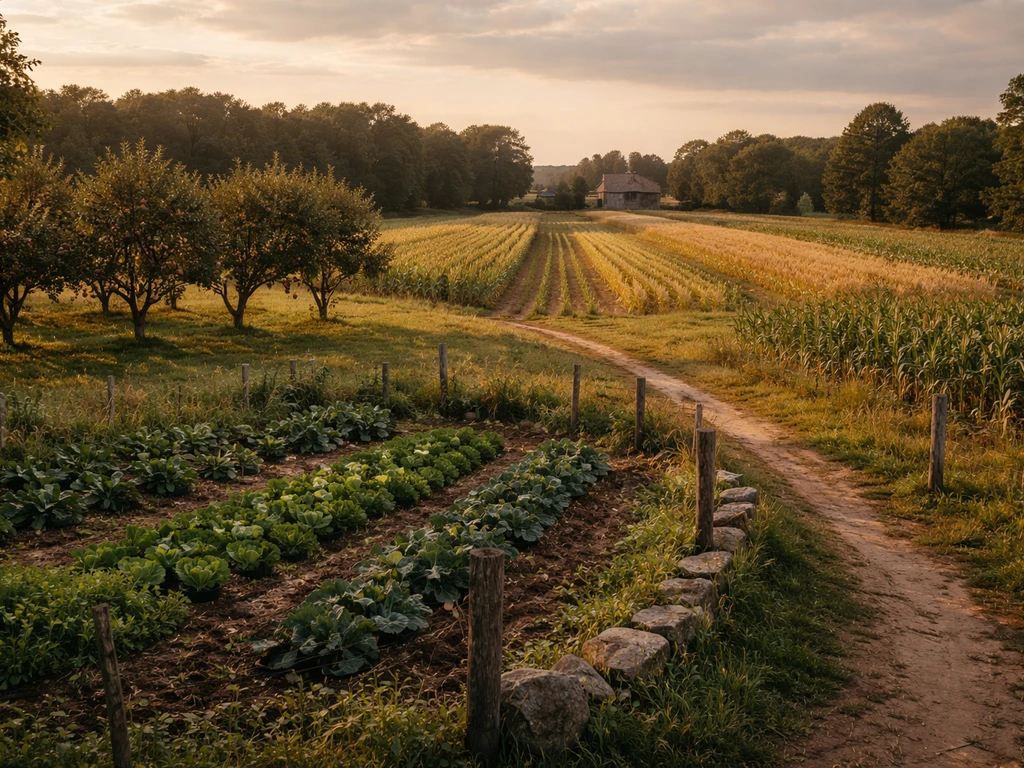
Major New England colonial crops explained by climate and soil, from corn and wheat to beans and hay, plus today’s paral