
California farmers grow an extraordinarily wide range of crops, but the biggest hitters by value are almonds, grapes, strawberries, pistachios, lettuce, tomatoes, walnuts, and dairy (which often tops the list). In 2024, California's total agricultural production topped $61.2 billion for the first time. Almonds alone accounted for roughly $5.7 billion and grapes around $5.6 billion. Where you are in the state matters enormously: the Central Valley is the engine for nuts, row crops, and stone fruit, the coast leans toward berries, brassicas, and wine grapes, and the northern valleys and foothills add a layer of orchard crops and specialty grains. Read on for a regional breakdown and practical tips for figuring out exactly what's growing in your county.
What Do Farmers Grow in California Most Common Crops

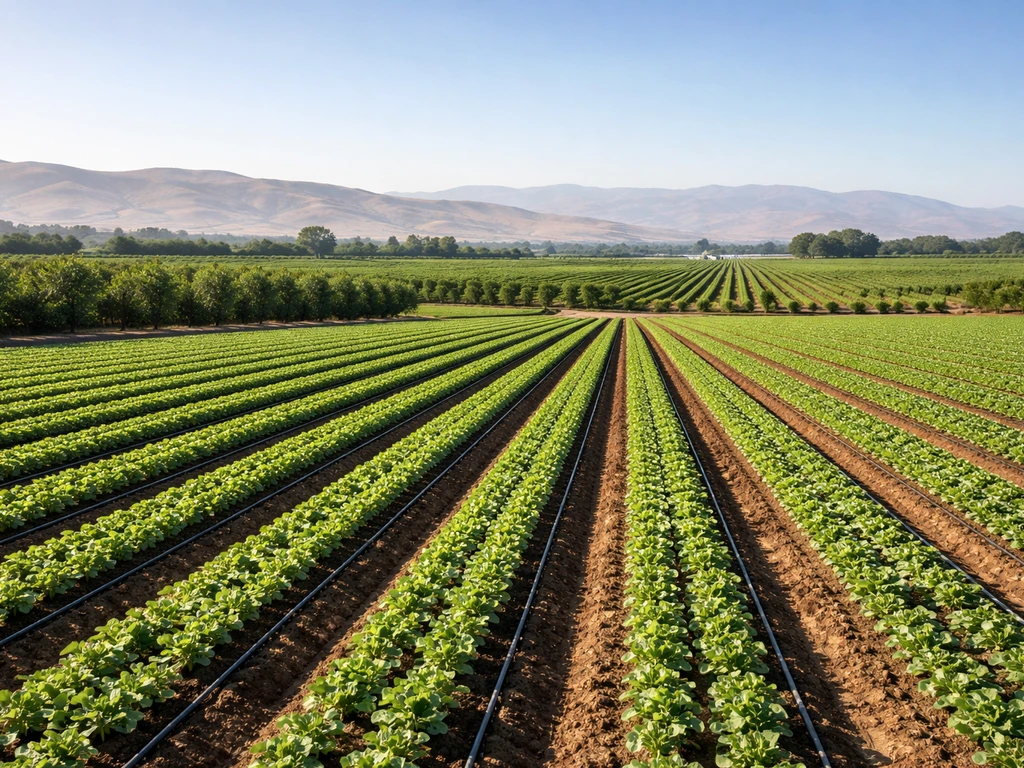
Major California crops by region, at a glance
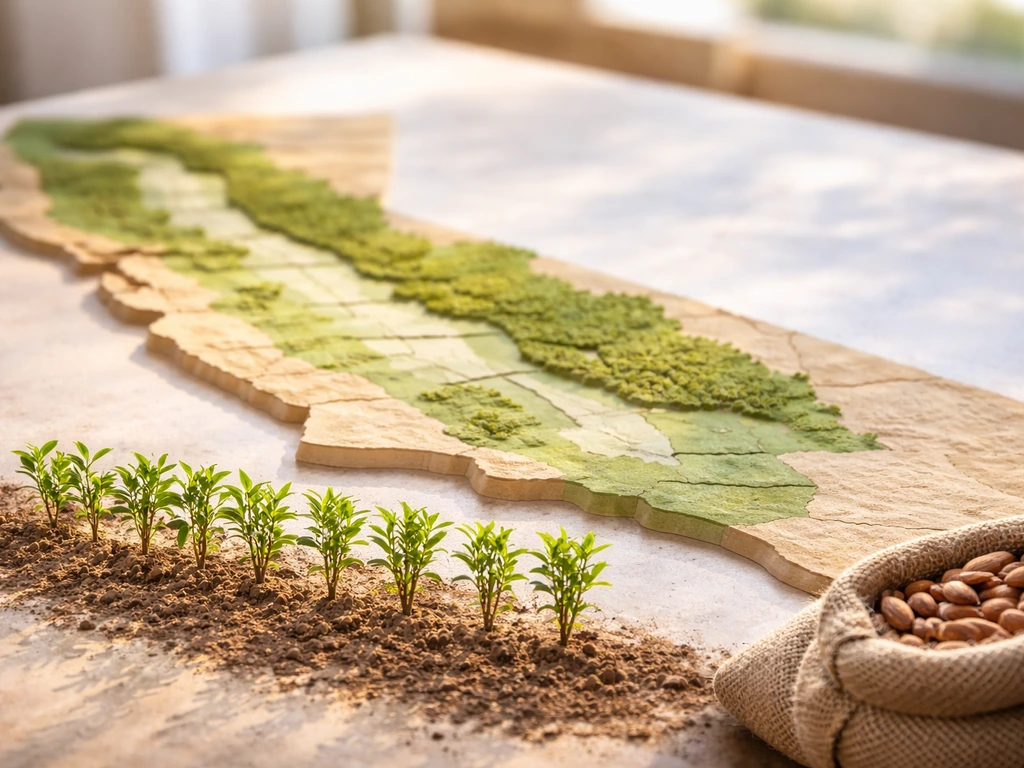
| Region | Major Crops | Notes |
|---|---|---|
| Central Valley (San Joaquin & Sacramento) | Almonds, grapes, tomatoes, pistachios, walnuts, cotton, wheat, rice, stone fruit | Largest agricultural region; irrigation-dependent |
| Central Coast (Monterey, SLO, Santa Barbara) | Lettuce, strawberries, wine grapes, broccoli, cauliflower, carrots, avocados | Cool fog keeps leafy crops viable year-round |
| Sacramento Valley / Northern Interior | Rice, almonds, tomatoes, prunes, wine grapes, walnuts, sunflowers | Wet winters, hot summers; heavy rice acreage in Glenn/Colusa |
| Inland Empire / Southern California | Avocados, citrus, wine grapes | Shrinking farmland due to urbanization |
| Desert Valleys (Coachella, Imperial) | Table grapes, dates, citrus, lettuce, melons, alfalfa | Two growing seasons possible; very high irrigation demand |
| Sierra Foothills / Mountain Areas | Wine grapes, apples, pears, small-scale vegetables | Elevation limits choices; local/specialty focus |
Why these crops thrive: climate and geography
California's core agricultural advantage is its Mediterranean climate: mild, wet winters and long, dry summers. That pattern suits permanent crops like almonds and grapes perfectly because the trees and vines can harden off in winter, then receive intense sunshine during fruit and nut development. The downside is that summer rain is essentially zero in most of the state, which is why you see irrigation infrastructure everywhere. Water is the limiting factor, not sunlight or heat.
The Central Valley sits between the Sierra Nevada to the east and the Coast Ranges to the west, which blocks both marine moisture and cold air for long stretches. That creates an almost perfectly controlled agricultural environment when water is available. The Sacramento Valley in the north is cooler and wetter, which is why rice thrives there but cotton doesn't. The San Joaquin Valley to the south is hotter and drier, which suits almonds, pistachios, and cotton but requires heavy irrigation. The coastal strip gets marine layer influence, which keeps temperatures moderate year-round and makes it ideal for delicate crops like lettuce, celery, strawberries, and artichokes that would bolt or stress in inland heat.
Soil type matters too, but water availability and temperature are usually the deciding factors in California. The deep alluvial soils of the valley floor are some of the most productive in the world when irrigated. Sierra foothill soils are shallower and less consistent, which is why that region tends toward wine grapes (which actually prefer some stress) and specialty orchard crops rather than row crops.
Central Valley row crops vs. coastal and northern crops
Central Valley: where most of America's produce comes from
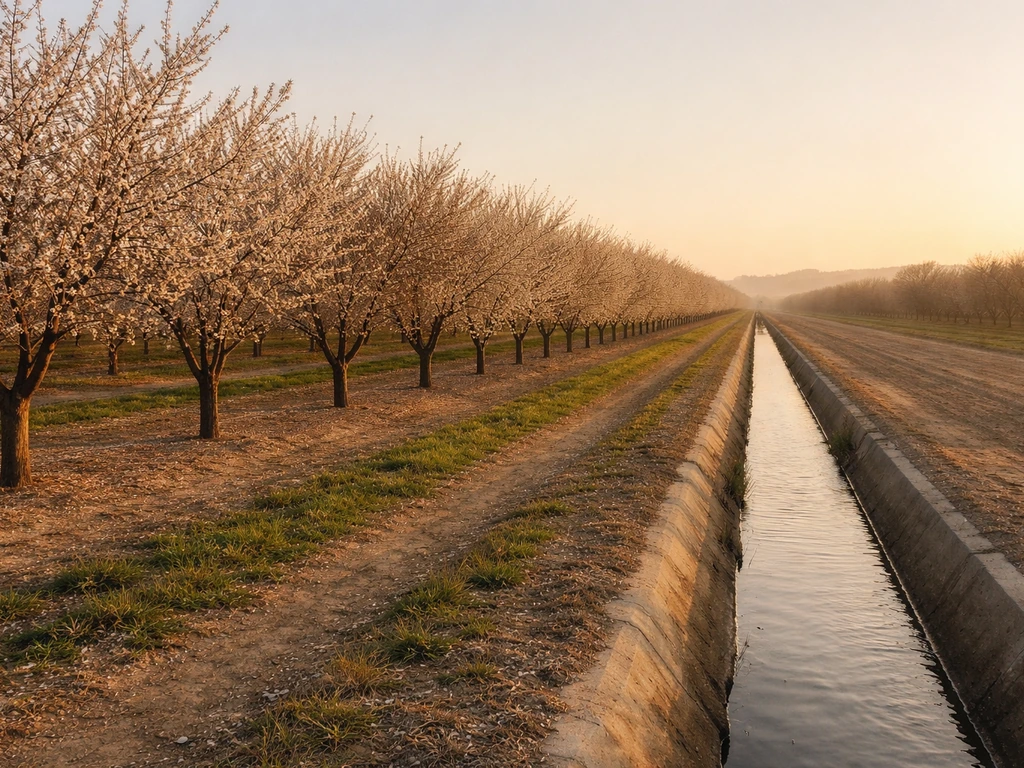
If you're thinking about California agriculture in volume terms, the Central Valley is the story. It produces the vast majority of the state's almonds, pistachios, walnuts, tomatoes, cotton, grains, and stone fruit. Processing tomatoes are enormous here: in 2024, open-field tomatoes covered roughly 238,700 harvested acres statewide, and the vast majority of that is in the San Joaquin and Sacramento valleys. Fresno County alone is one of the most productive agricultural counties in the country, with almonds, grapes, pistachios, and cotton leading by value.
Yolo County is a good example of the Sacramento Valley mix: almonds moved to the top-ranked crop in 2024 at around $178.9 million in value, edging out tomatoes, which slipped due to acreage and price changes. Colusa County, just to the north, had almonds leading at about $279 million. Rice dominates the wettest, heaviest-clay soils in Glenn and Colusa counties, where other crops struggle. This kind of county-level variation is important: even within the Central Valley, what's growing ten miles away can look completely different.
Coastal regions: the cool-weather crop belt
The Central Coast from Monterey down through San Luis Obispo is one of the world's most intensive vegetable-producing regions. Head lettuce harvested 82,800 acres statewide in 2024, and a huge share of that comes from the Salinas Valley in Monterey County, sometimes called the 'salad bowl of the world.' Monterey's top crops include lettuce, grapes, almonds, pistachios, strawberries, tomatoes, and carrots. San Luis Obispo County puts strawberries at the top, followed by wine grapes and avocados. The coastal fog and mild temperatures let farmers grow cool-season crops nearly year-round, which is something the Central Valley simply can't match.
Northern California's coastal counties (Humboldt, Mendocino, Sonoma) lean toward wine grapes, dairy, and timber rather than vegetable row crops. Sacramento County, which straddles urban and agricultural land, had wine grapes as its leading cash crop in 2024, generating over $167 million and accounting for about 31% of total gross crop value.
Orchards and perennial crops: nuts, fruit, and grapes
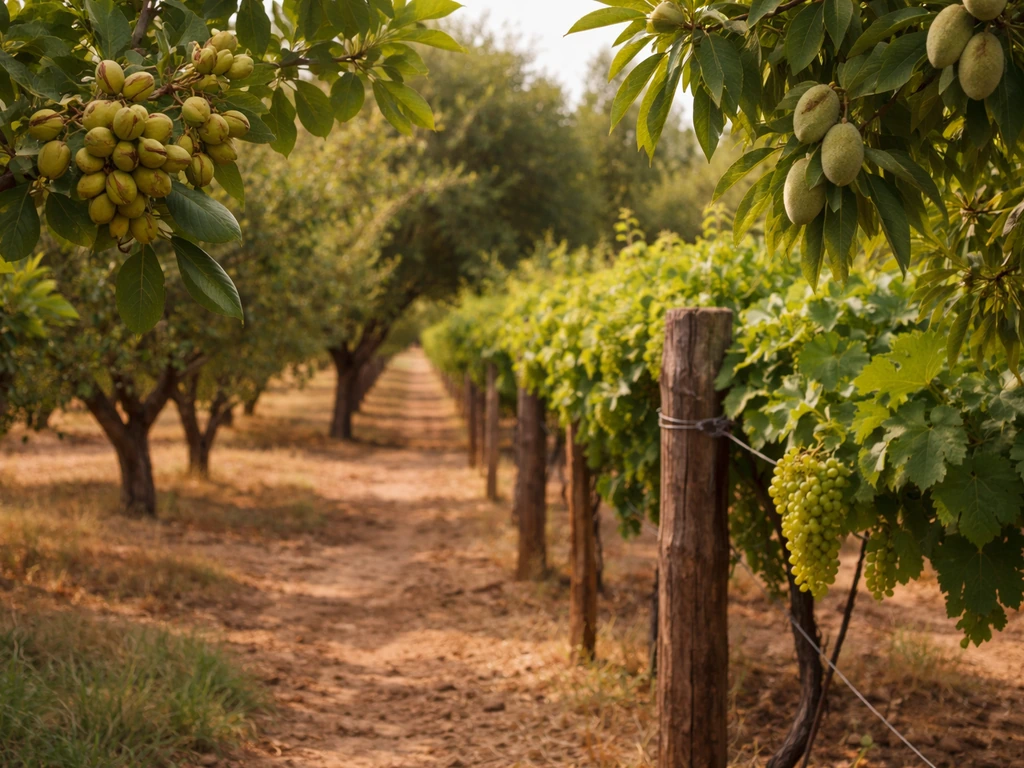
This is where California truly dominates U.S. agriculture. California produces essentially 100% of U.S. almonds, artichokes, celery, figs, garlic, kiwi, pistachios, plums, prunes, raisins, table grapes, and walnuts. That's not a marketing claim; it reflects the fact that no other state has the right combination of climate, water access, and established orchard infrastructure to compete at scale.
Tree nuts: almonds, pistachios, and walnuts
Tree nuts are the single most valuable crop category in the state. In 2024, California had about 1.38 million bearing acres of almonds (62% of total tree nut acreage), with pistachios at 22% and walnuts at 16%. That pistachio number is notable: pistachios recently overtook walnuts in bearing acreage for the first time, reflecting a shift in grower preferences over the past decade. Almonds are concentrated in the San Joaquin Valley from Kern County up through the Sacramento Valley. Pistachios tend to cluster in Fresno, Kern, and Tulare counties, where the hotter, drier conditions suit them well. Walnuts are more common in the Sacramento Valley and parts of the Central Coast foothills.
Grapes: wine, table, and raisin
Grapes are grown across a huge swath of California, from the Central Valley to Napa, Sonoma, and dozens of smaller appellations in between. Wine grapes dominate in cooler coastal regions and foothill areas. The San Joaquin Valley is where raisin grapes and table grapes are produced at scale, particularly around Fresno and Tulare counties. Total grape value in 2024 was approximately $5.6 billion statewide. The grape sector shows up in county crop reports across almost every region of the state.
Citrus and stone fruit
Citrus (navels, Valencias, lemons, mandarins) is concentrated in Tulare, Fresno, Ventura, and Riverside counties. Stone fruit (peaches, nectarines, plums, cherries) is a San Joaquin Valley specialty, particularly in Fresno and Tulare counties. Avocados have traditionally been a Southern California and Central Coast crop, though production has contracted as urbanization squeezes farmland in areas like San Diego.
How to find out what's growing in your specific county
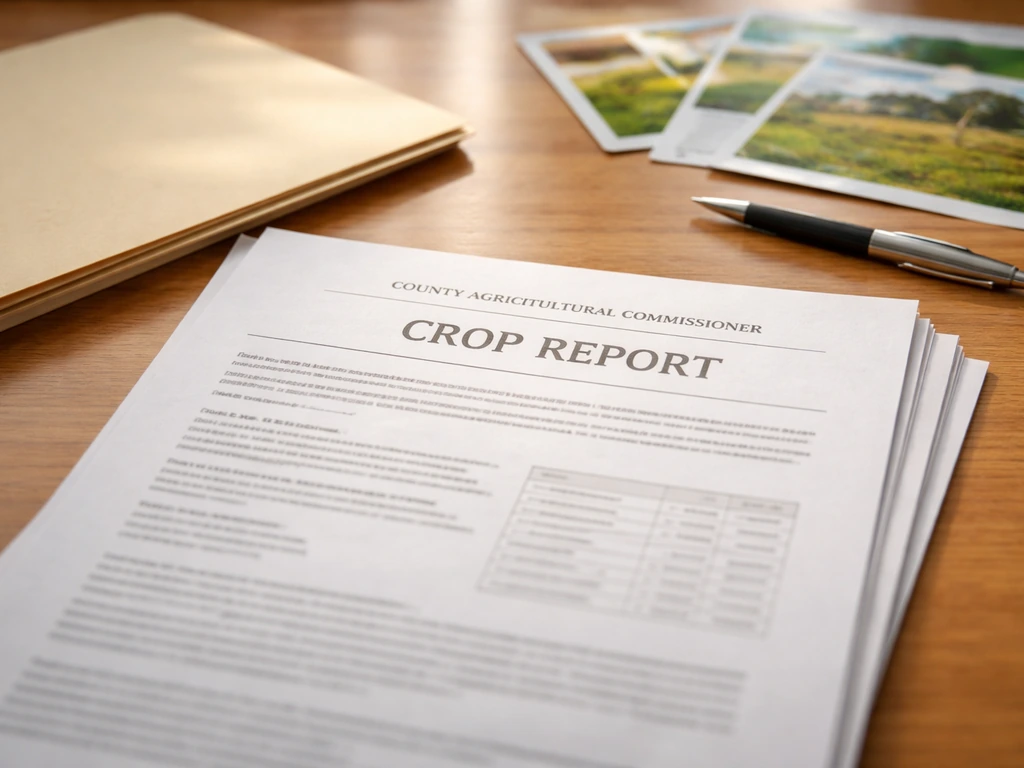
The best single source is your county's Agricultural Commissioner crop report. Those reports also help you confirm whether less common wild forbs like liberty caps show up in local cow pasture areas county's Agricultural Commissioner crop report. Every California county publishes one annually, and most are freely available online. These reports list harvested acres, production volume, and value by commodity for every significant crop in the county. UC Davis's CalAg library holds California county crop reports going back to 1908, which is invaluable if you want historical comparisons. For current data, just search for '[your county] agricultural commissioner crop report 2024' and you'll almost always find a PDF.
For a broader statewide picture, the CDFA publishes an annual California Agricultural Statistics Review that includes a 'leading commodities by county' table. This lets you see at a glance which crops dominate each county by gross value. The USDA NASS also maintains a Cropland Data Layer (CDL), which is an annual satellite-derived map showing crop-specific land cover down to a 30-meter resolution. If you want to see exactly what's planted in a specific area, the CDL is one of the most powerful free tools available.
- County Agricultural Commissioner crop report (annual PDF, county website or UC Davis CalAg library)
- CDFA California Agricultural Statistics Review (statewide + county-level tables)
- USDA NASS Quick Stats (pull harvested acres and value by county and commodity)
- USDA NASS Cropland Data Layer (satellite map of crop-specific land cover by year)
- UC Cooperative Extension farm advisors (can answer local 'what's grown here' questions directly)
When things get harvested: California's crop calendar
Because California has multiple growing regions with different climates, harvest timing varies more than in most states. UC ANR divides the state into North and North Coast, South Coast, Interior Valleys, and Desert Valleys for planting guidance, and the differences are real. A lettuce crop in the Salinas Valley can be harvested in winter, while the same crop in the desert valleys peaks in late spring. Here's a general calendar to orient yourself:
| Season | Crops Typically Harvested |
|---|---|
| Winter (Dec–Feb) | Navel oranges, lemons, winter vegetables (coastal), some citrus varieties |
| Spring (Mar–May) | Strawberries (begin peak), asparagus, early stone fruit (cherries), artichokes, spring lettuce |
| Summer (Jun–Aug) | Tomatoes, table grapes, stone fruit (peaches, plums, nectarines), Valencia oranges, melons, corn, early almonds |
| Fall (Sep–Nov) | Almonds (peak), wine grape harvest, walnuts, pistachios, late tomatoes, winter squash, persimmons, pomegranates |
| Year-round (coastal) | Lettuce, celery, broccoli, cauliflower, spinach, herbs |
Citrus timing is worth a closer look because it spreads across much of the year. Navel oranges are typically harvested from November through March. Valencia oranges come later, usually March through July. Mandarins peak November through January. Lemons are essentially year-round in California's warmest coastal and inland areas. The UC ANR harvest calendar and UC IPM citrus guidance are good references for variety-specific windows.
How California's crop mix has changed over time
California's agricultural history is a story of constant reinvention. Farmers grow field beans as a practical rotation crop because they can improve soil and fit well in climates where water and temperature allow efficient production. In the late 19th and early 20th centuries, wheat was king in the Central Valley, with enormous dry-farm operations covering millions of acres. That gave way to irrigated fruits and vegetables as water infrastructure expanded. By the mid-20th century, cotton became a dominant San Joaquin Valley crop. In recent decades, the big shift has been away from row crops and annual vegetables toward permanent crops, especially tree nuts.
Almonds experienced decades of acreage growth driven by global export demand, particularly from India, the Middle East, and Europe. Pistachio acreage has climbed sharply since the 2000s as growers saw stronger returns. Even walnuts, a traditional Sacramento Valley crop, have expanded into new ground. This shift toward permanents has been partly driven by economics and partly by water: permanent crops use water more efficiently per dollar of output than many row crops, which matters as water costs and scarcity have grown.
More recently, the almond boom has shown signs of plateauing. Almond acreage declined for the third consecutive year in 2024, as growers responded to lower prices and higher input costs by removing orchards rather than replanting. Some of that ground is being converted back to row crops or to pistachios and other nuts with stronger current margins. Cotton acreage has also contracted significantly from its peak. Meanwhile, wine grape acreage has shifted geographically as warming temperatures push some premium varieties toward cooler coastal appellations and higher elevations.
Water policy is the single biggest wild card in California's agricultural future. The shift away from water-intensive crops like cotton and alfalfa has accelerated as water costs rise, while nuts and wine grapes have generally justified higher input costs with higher output values. For anyone studying crop patterns over time, comparing county crop reports from different decades is one of the clearest ways to see these shifts play out at a local level.
Your next steps: going from 'California' to your specific area
If you want to go deeper than this overview, here's a practical path from general to specific. Start with the CDFA's California Agricultural Statistics Review for a statewide and county-level summary. Then pull your specific county's Agricultural Commissioner crop report for the most recent year. If you want to see what's actually planted on specific parcels, use the USDA NASS Cropland Data Layer on CroplandCROS.nass.usda.gov, where you can zoom into any area and see crop-by-crop land cover for 2024. For historical depth, the UC Davis CalAg library's county report archive goes back to 1908 and is free to access online.
- Look up your county's most recent Agricultural Commissioner crop report (search '[county name] ag commissioner crop report 2024')
- Cross-reference with the CDFA California Agricultural Statistics Review for the statewide context
- Use USDA NASS Quick Stats to pull commodity-level data filtered by county and year
- Check the USDA NASS Cropland Data Layer (CroplandCROS) for a satellite-based map of what's actually planted
- Contact your local UC Cooperative Extension farm advisor for ground-level insight on what's changing in your area
Understanding what farmers grow in different places is exactly the kind of question that opens up into broader patterns about soil, water, climate, and history. If you're curious about how crop choices vary in other farming contexts, questions like why farmers rotate different crops in a field or what drives crop selection in paddy field agriculture follow similar geographic and ecological logic. If you focus on paddy field agriculture, you typically see rice grown in flooded or waterlogged fields, with other crops appearing depending on local conditions what drives crop selection in paddy field agriculture. California is an unusually rich case study because its diversity of climates compresses into one state what most countries spread across thousands of miles.
FAQ
What do farmers grow in California besides the biggest cash crops?
You will also see smaller, region-specific categories like artichokes on the Central Coast, avocados in parts of Ventura and nearby coastal areas, cotton and grains in select interior counties, and a variety of stone fruit concentrated in parts of the San Joaquin Valley. County crop reports often list dozens of commodities, including specialty crops that are not among the statewide top earners.
Why does the answer change so much if I’m looking at my county?
California crops track water access and temperature first, then soil and local planting choices. Within the Central Valley, even short distances can shift the dominant crop because of irrigation source, field drainage, and microclimates, so county-by-county crop reports are the most reliable way to answer for your exact area.
How can I tell what farmers grow right now versus what is harvested later?
Don’t rely only on crop calendars by commodity, because harvested acres and planted acres can differ by year. Use your county’s Agricultural Commissioner report for the latest harvested year, and if you need “what’s on the ground” timing, pair it with the USDA Cropland Data Layer for the same reference year.
Are California’s “leading commodities by county” ranked by acres or by value?
Typically they are ranked by gross crop value, which means a crop with fewer acres can still lead if prices are high. If you want acreage patterns, you should look at both the harvested acres and the value fields in the county report rather than the ranking alone.
What if my county report lists a crop I never hear about locally?
That can happen because the report includes all significant commodities for that county, even if they are not culturally prominent. Also, some crops show up on pasture or rangeland grazing-adjacent areas under specific conditions, so the best next step is to check whether the report lists “harvested acres” versus “production” categories for that commodity.
Do California farmers mostly grow annual crops or permanent crops?
Both are common, but permanent orchards and vineyards dominate much of the long-term value because of established infrastructure and climate fit. Recent shifts toward tree nuts and wine grapes have also changed the balance away from many row crops, so you may see more long-lived acreage than you expect.
Why are tree nuts such a big part of the California crop picture?
They fit the Mediterranean pattern because vines and trees can go dormant during winter and then benefit from long, dry summers for development. The other reason is economics, growers often transition toward permanents when water costs and long-run returns make sense, which is why almond, pistachio, and walnut acreage changes can drive statewide totals.
How does irrigation influence what farmers grow in California?
Where rainfall is too low in summer, irrigation determines what can be planted and how consistently yields perform. If your county has limited water deliveries or relies on costly pumping, you’ll often see crop choices shift toward crops or varieties that pencil out under those water constraints.
Does climate change crop choices within the same region?
Yes. Warming trends can push some premium grape production toward cooler coastal areas and higher elevations, and it can also affect heat stress risk for certain vegetables. The practical way to spot this is to compare multiple years of county reports and look for changes in which commodities top the list.
If I want to verify crops on specific parcels, what’s the best workflow?
Start with the USDA Cropland Data Layer for the year you care about, then confirm with your county’s Agricultural Commissioner report for that same year for context and harvested-acre totals. If you need very fine detail, consider that satellite crop classification can mislabel mixed fields or small plantings, so ground-truth data or local records may still be needed.
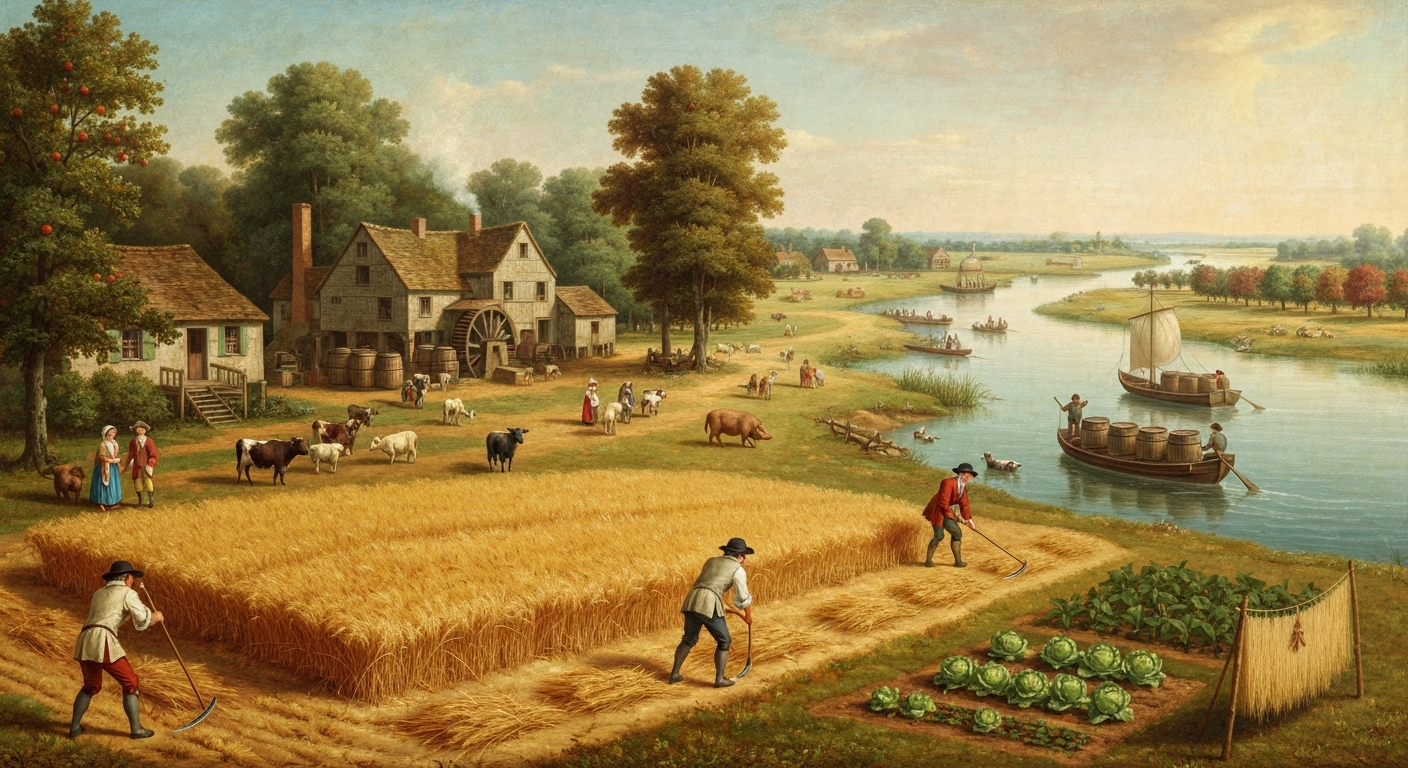
Colonial Delaware’s main crops, grains, hay, flax, fruits, vegetables, livestock, why they thrived and how they were sold.

Learn what Jamestown colonists grew and the methods they used to plant, harvest, and adapt crops to Virginia conditions.
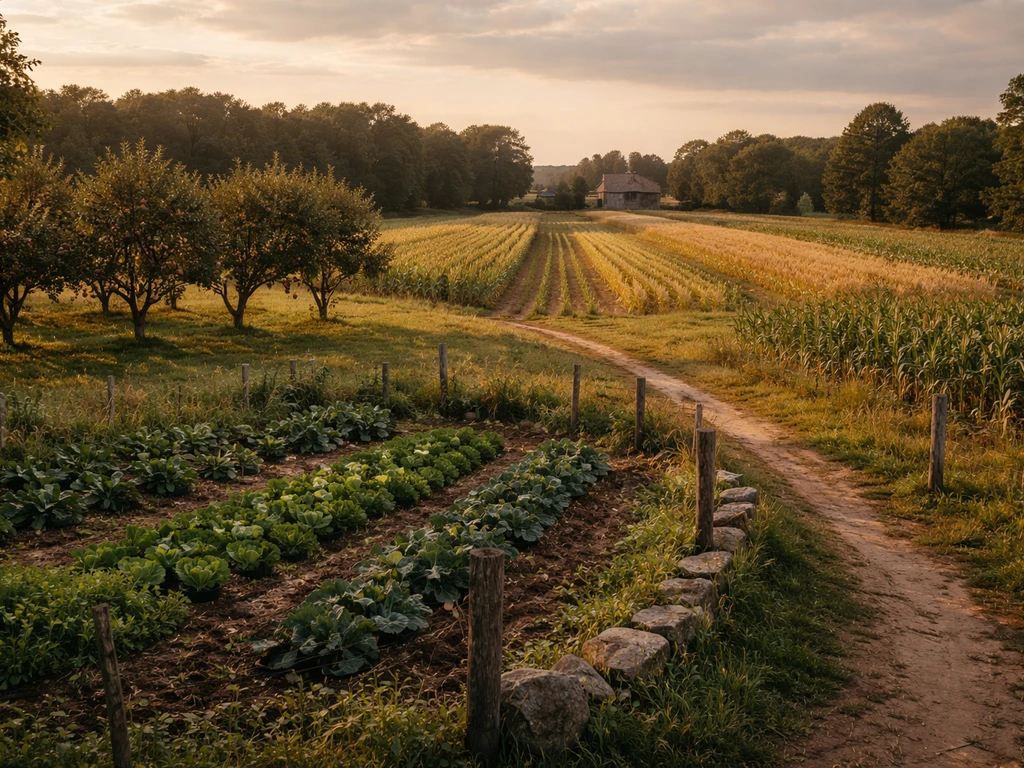
Major New England colonial crops explained by climate and soil, from corn and wheat to beans and hay, plus today’s paral