For most gardeners and farmers in temperate climates, the best crops to grow in summer are tomatoes, peppers, cucumbers, beans, corn, squash, and melons. These are warm-season crops that need soil temperatures above 60°F to thrive, handle long days well, and produce their best yields when nighttime temps stay above 50°F. If you're in a hot-dry region like the Southwest, you'll lean toward heat-tolerant varieties like black-eyed peas, okra, and sorghum. If you're in a humid Southeast summer, sweet potatoes and watermelon shine. The exact "best" crop always comes down to three things: how hot your summer gets, how long it lasts, and how much water you can reliably deliver.
Best Crop to Grow in Summer: Pick 3–5 Winners by Region

Samuel Rourke
1 May 2026
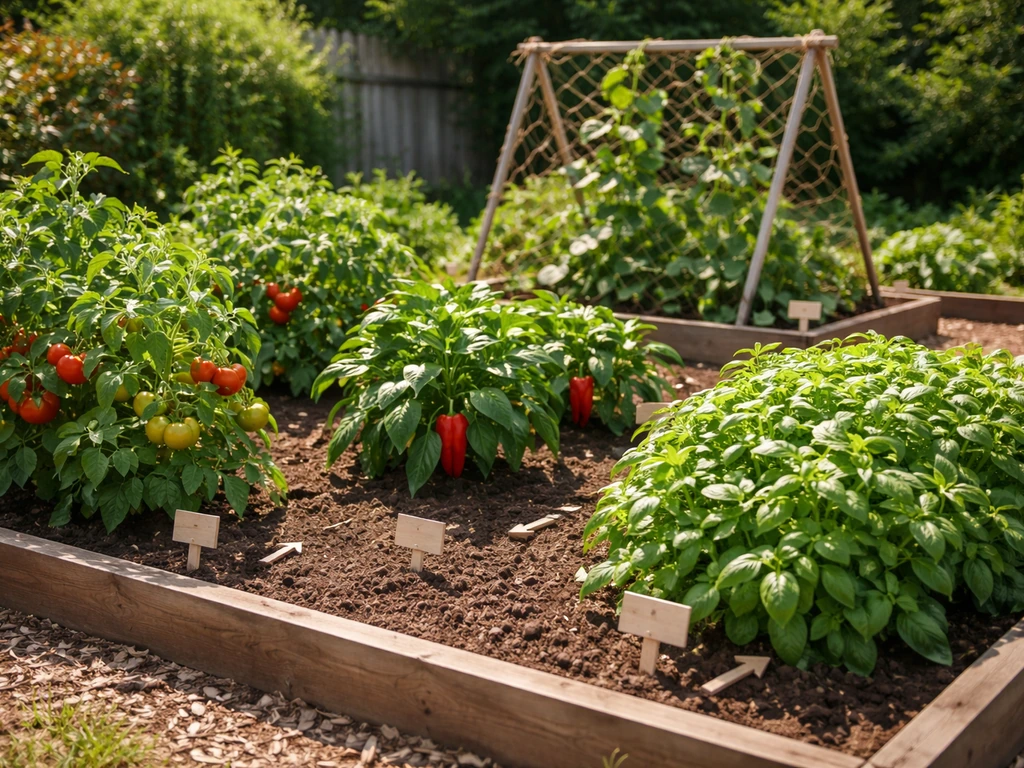
Summer-crop selection basics: heat, season length, and water
Every crop has a heat threshold it needs to develop, flower, and produce. Plant scientists measure this as "growing degree days" (GDD), which is essentially the accumulation of warmth above a crop's base temperature over time. Corn, for example, needs a base soil temperature of around 50°F to germinate and anywhere from 2,400 to 2,700 GDD to reach maturity. Tomatoes need soil above 60°F to get started and require a season long enough to accumulate enough heat for fruit set. The USDA AgroClimate tools include a planting date planner and crop season planner that use GDD to help you predict development stages for your specific location, which is genuinely useful if you're managing a larger plot or farming commercially.
Season length matters just as much as heat intensity. A short, blazing summer in Kansas gives you enough heat but a narrower window than a long, mild summer in coastal California. Fast-maturing varieties (look for "days to maturity" on the seed packet) let you squeeze more crops into a short season. Slow-maturing crops like watermelon (75–90 days) and winter squash (80–100 days) need to go in early to finish before fall frost arrives.
Water is the deciding factor that most people underestimate when planning a summer garden. Most summer vegetables want consistent moisture at the root zone, especially during flowering and fruit set. Drip irrigation is far more efficient than overhead watering in summer heat, reducing evaporation loss and keeping foliage dry (which helps prevent fungal disease). If you're relying on rainfall, pay attention to your region's summer rainfall patterns before picking crops. Okra and cowpeas can push through dry spells that would wilt a cucumber bed.
Best crops for summer by growing space
Garden beds
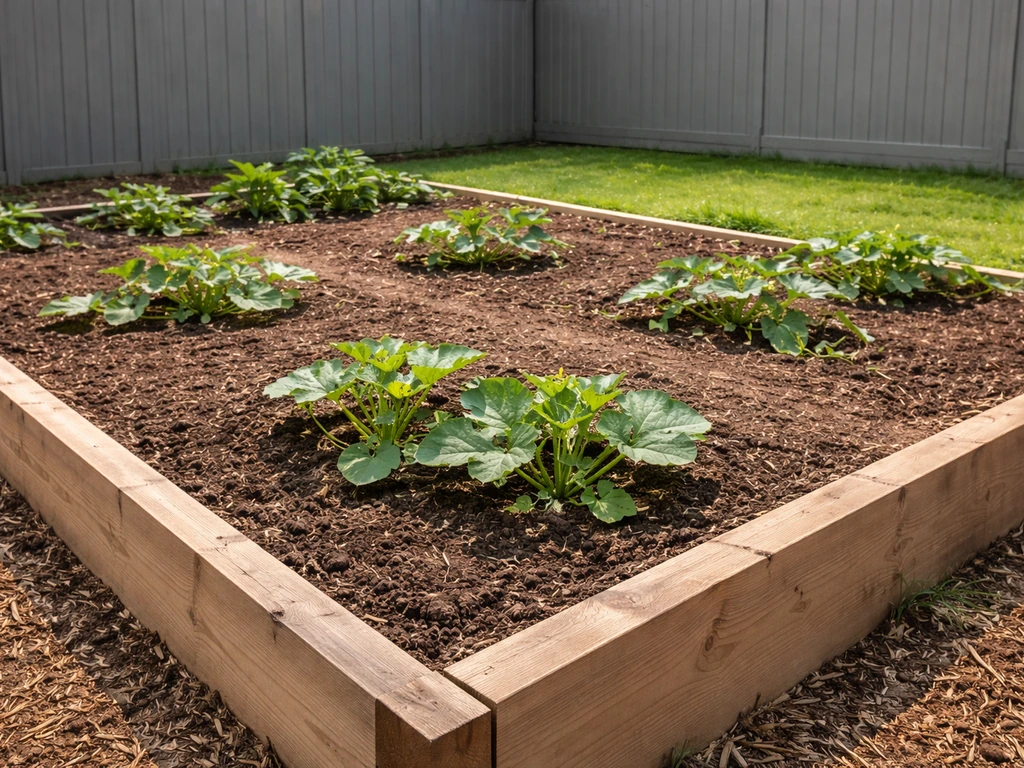
In-ground or raised beds give you the most flexibility. You can grow virtually any summer crop here, including sprawling plants like squash and melons if you give them room. Raised beds warm up faster in spring, which is a real advantage for getting tomatoes and peppers started earlier. Aim for at least 12 inches of soil depth for root crops and 18 inches for heavy feeders like corn. Beds also let you control soil quality much more easily than open farm rows.
Containers
Containers work well for compact or bush varieties. Patio tomatoes, pepper plants, bush beans, cucumbers (with a small trellis), and herbs like basil and cilantro all perform well in pots. The key limitation is water: containers dry out fast in summer heat, sometimes needing daily watering. Use at least a 5-gallon pot for tomatoes and peppers, 3-gallon for beans and herbs. Self-watering containers with reservoirs are worth the investment if you're away from home often. Avoid large root crops like sweet potatoes in containers unless you have very deep, wide pots (15+ gallons).
Farm rows
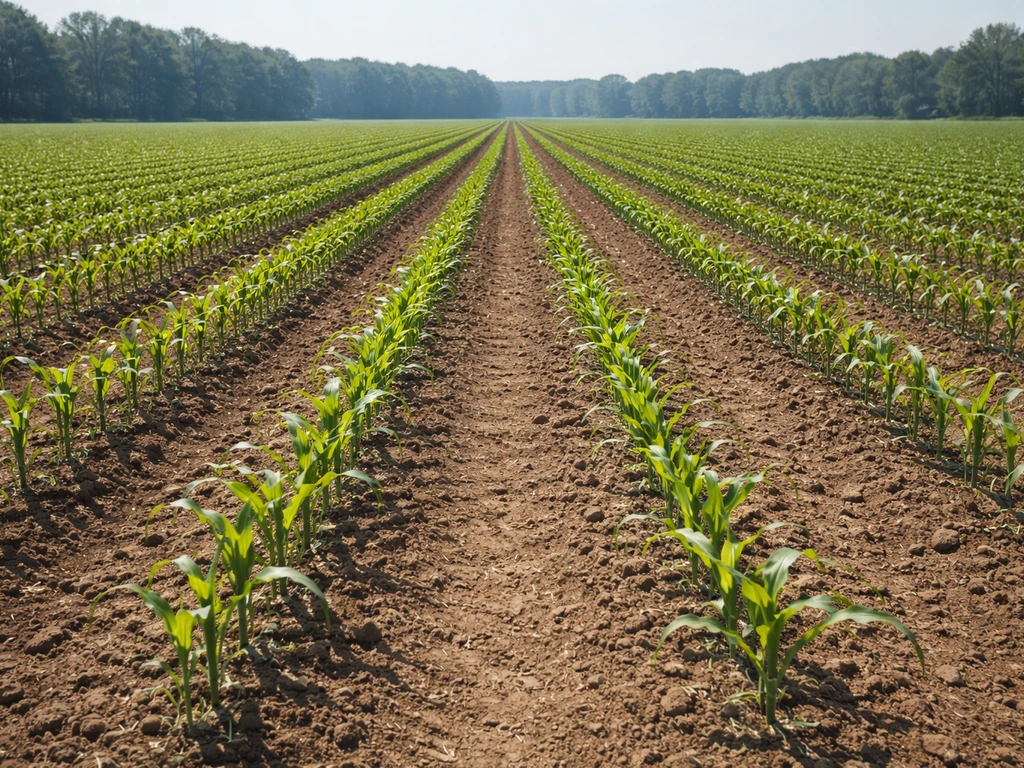
At farm scale, summer is the season for high-value row crops: sweet corn, field corn, soybeans, grain sorghum, cotton (in southern states), and large-scale vegetable production of tomatoes, peppers, cucumbers, and squash. Row spacing, irrigation infrastructure, and pest management become more critical at this scale. Drip tape or center-pivot irrigation dramatically improves yields over dry-land farming in most summer-crop scenarios. Row-crop growers should also be thinking about cover crop planning for what follows after summer harvest.
Top summer crops by type
| Crop Type | Top Summer Picks | Days to Maturity | Key Requirement |
|---|---|---|---|
| Vegetables | Tomatoes, peppers, cucumbers, zucchini, okra, eggplant | 50–85 days | Consistent water, warm nights above 50°F |
| Fruits (garden) | Watermelon, cantaloupe, honeydew | 70–90 days | Long warm season, well-drained soil |
| Grains | Sweet corn, field corn, grain sorghum, millet | 60–110 days | Full sun, adequate nitrogen |
| Legumes | Bush beans, pole beans, cowpeas, soybeans, black-eyed peas | 50–80 days | Well-drained soil, no heavy nitrogen |
| Roots & Tubers | Sweet potatoes, beets (early summer), turnips | 90–120 days (sweet potato) | Loose soil, warm temps for sweet potatoes |
Vegetables are where most summer gardens start, and for good reason: tomatoes, peppers, cucumbers, and squash produce heavily through the hottest months and keep giving if you stay on top of harvest. Okra is an underrated champion in heat zones, producing prolifically in conditions that stress other crops. Legumes like bush beans and cowpeas fix their own nitrogen and tolerate drought better than most summer vegetables, making them excellent gap-fillers. Sweet potatoes are one of the best crops for humid, hot summers in the Southeast, historically thriving in the same regions that grew them for centuries. For grains at any scale, grain sorghum deserves more attention than it gets: it outperforms corn in heat and drought, and its use in the southern U.S. Great Plains goes back well over a century.
Regional picks: what grows in summer where you live
U.S. regional breakdown
| Region | Summer Climate | Best Summer Crops |
|---|---|---|
| Pacific Northwest (OR, WA) | Mild, dry summers; cooler nights | Beans, brassicas, cucumbers, corn (short-season varieties), squash |
| California (Central Valley) | Hot, dry summers; irrigation-dependent | Tomatoes, peppers, melons, almonds, grapes, cotton |
| Southwest (AZ, NM, NV) | Extreme heat, very dry | Okra, black-eyed peas, sorghum, heat-tolerant peppers, tepary beans |
| Great Plains (KS, NE, OK) | Hot, variable rainfall, high wind | Corn, soybeans, grain sorghum, sunflowers, wheat (winter wheat harvested early summer) |
| Midwest (IL, IN, OH) | Warm, humid, reliable rain | Corn, soybeans, tomatoes, peppers, cucumbers, sweet corn |
| Southeast (GA, AL, MS, SC) | Hot, humid, long season | Sweet potatoes, watermelon, okra, cowpeas, peanuts, field corn |
| Mid-Atlantic / Northeast (VA, MD, NY, PA) | Warm summers, moderate humidity | Tomatoes, peppers, beans, cucumbers, sweet corn, melons |
| Mountain West (CO, UT) | Short seasons at elevation, intense sun | Short-season corn, beans, squash, root vegetables at lower elevations |
Global picks for summer growers
Outside the U.S., summer crop selection follows the same logic: match the crop to the heat and rainfall pattern. In tropical and subtropical regions (South and Southeast Asia, sub-Saharan Africa, Central America), summer monsoon rains make rice the dominant summer crop, alongside sorghum, millet, cassava, and maize. In Mediterranean climates (Spain, Italy, Greece, southern Australia, Chile), dry hot summers favor drought-tolerant crops like chickpeas, durum wheat (harvested by early summer), tomatoes, and olives. In northern Europe and Canada, short warm summers suit cool-tolerant crops like potatoes, brassicas, and peas, though dedicated warm-season gardeners push tomatoes and cucumbers with season-extension techniques. Understanding why crops grow where they do historically often mirrors what still works climatically today.
Planting timing and succession planting for continuous harvests
One planting date gives you one harvest window. Succession planting staggers your plantings every 2–3 weeks so you're harvesting fresh produce over months instead of getting buried in zucchini for two weeks and then nothing. It's one of the highest-leverage things you can do in a summer garden.
Start with your last frost date in spring and your first frost date in fall. Count backward from your fall frost date using the days-to-maturity on your seed packet. That gives you your last safe planting date for each crop. For example, if your first fall frost is October 15 and your cucumber variety takes 55 days to harvest, your last planting date for cucumbers is around August 20. To determine what is the best crop to grow in August for your yard, use that same last-safe date and then pick varieties with the right days to maturity and heat tolerance August 20. Knowing this window lets you plan how many succession rounds you can fit in.
- Plant fast crops like bush beans and cucumbers every 2–3 weeks from last frost through midsummer for a rolling harvest.
- Start heat-lovers like tomatoes, peppers, and eggplant as transplants indoors 6–8 weeks before your last frost date so they hit the ground running when it's warm.
- Sow sweet corn in blocks (for pollination) at 3-week intervals for sequential harvest.
- In late summer (July–August), start fall-ready crops like turnips, beets, and a second round of beans that will finish before your first frost.
- Use the USDA AgroClimate planting date planner or your local Extension service's GDD tools to fine-tune timing for your specific location.
Soil temperature matters for germination timing. OSU Extension's soil temperature germination data shows that carrots, for instance, need a minimum soil temperature of around 40°F and germinate best between 60–85°F. Beans want soil at 60°F minimum. Planting into cold soil wastes seed and risks rot. A cheap soil thermometer (around $10) is one of the most useful tools you can own for timing plantings right.
Care essentials for summer crops
Watering in the heat
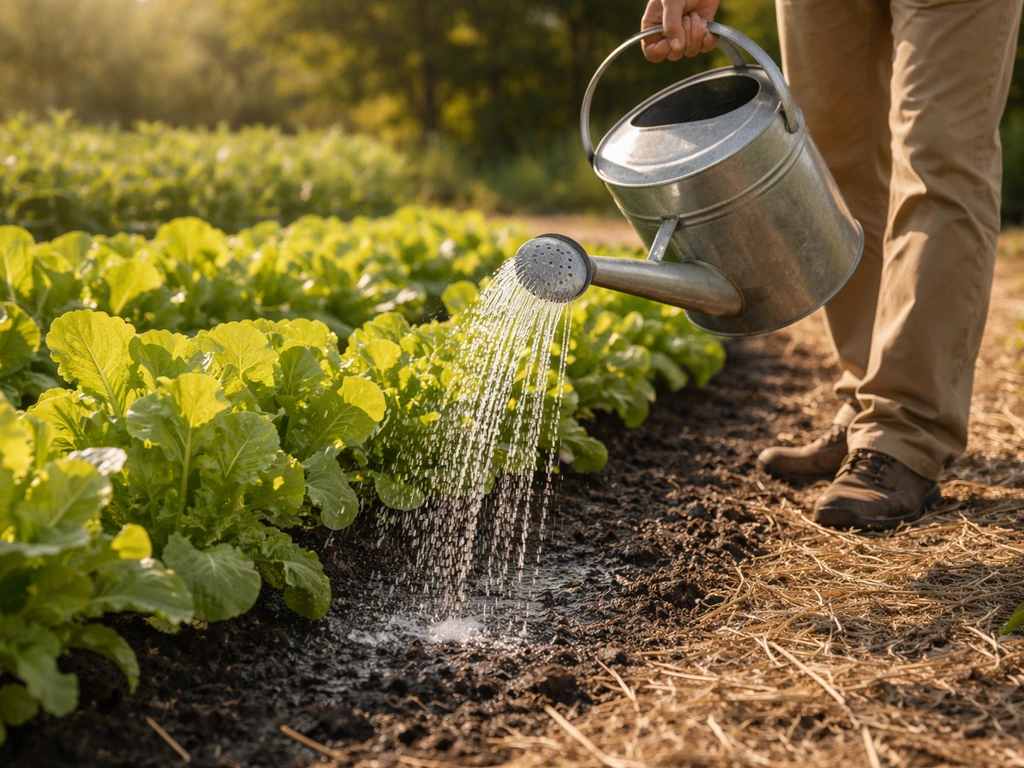
Most summer vegetables need 1–2 inches of water per week. Deep, infrequent watering (every 2–3 days in most climates) encourages deep root growth, which builds drought resilience. Water at the base of plants early in the morning. Overhead watering in midday heat wastes water to evaporation and can scorch leaves. Mulch heavily (3–4 inches of straw, wood chips, or compost) to cut soil moisture loss by 50% or more and keep root-zone temperatures stable. In extreme heat above 95°F, even heat-tolerant crops like tomatoes may drop their blossoms, so don't panic if fruit set pauses during a heat wave.
Soil prep for summer
Warm-season crops are heavy feeders. Work compost (2–4 inches) into the bed before planting, and side-dress with a balanced fertilizer or compost tea every 3–4 weeks during peak growth. Avoid excessive nitrogen for legumes and root crops. Good drainage is essential in summer: waterlogged soil in hot weather promotes root rot quickly. Raised beds with loose, well-amended soil warm faster and drain better, which is why so many summer growers prefer them.
Summer pests and diseases
Heat and humidity create ideal conditions for several common problems. Aphids, spider mites (worse in hot dry weather), squash vine borers, cucumber beetles, and tomato hornworms are the most common summer pest threats in U. Purdue University Extension notes that squash vine borer can cause serious damage to cucurbit plants and discusses its lifecycle, including overwintering in the soil squash vine borers. S. gardens. Check plants every few days, especially undersides of leaves. For diseases, powdery mildew, early blight (tomatoes), and downy mildew (cucumbers, squash) are the big ones in humid climates. Good air circulation, crop rotation, and avoiding overhead watering prevent most disease problems before they start. If you spot issues early, insecticidal soap handles soft-bodied insects, and neem oil works against mites and early fungal issues without harsh chemical inputs.
Common mistakes and how to decide your best crop today
The biggest mistake people make is planting too many crops without thinking about water commitments, or choosing crops that don't match their actual season length. A northern gardener planting a 90-day watermelon variety on June 15 with a September 20 first frost is setting themselves up for disappointment. Match days-to-maturity to your actual frost-free window.
- Planting cool-season crops (lettuce, spinach, peas) in midsummer heat and wondering why they bolt or fail to germinate.
- Watering on a schedule instead of checking actual soil moisture, leading to either drought stress or overwatering.
- Skipping crop rotation, which builds up soil pathogens and pests specific to your most-grown crops.
- Planting only one variety of corn or tomatoes with the same maturity date, creating a feast-or-famine harvest.
- Ignoring local Extension recommendations in favor of generic internet advice that may not apply to your soil and climate.
To pick your best 3–5 crops for this summer right now, work through this quick decision process. First, check your average last and first frost dates for your zip code. Second, count your frost-free days and match that to crop maturity windows. Third, assess your water situation honestly: drip irrigation, hand watering, or rainfall-dependent. Fourth, think about your space. Fifth, pick 1–2 reliable workhorses (tomatoes or beans for most temperate growers, cowpeas or okra for hot-dry zones), 1–2 fast-turnover crops for succession planting (bush beans, cucumbers), and 1 longer-season crop to anchor the garden (corn, watermelon, or sweet potato depending on your region). If you're also planning for a vintage story theme, the best crops for summer are the same ones that thrive in your heat, season length, and water conditions. If you want a fast shortlist, these same factors are also the backbone of skyrim best crops to grow for your particular climate and season length.
If you want to dig deeper into specific timing and regional context, the questions of what to plant in a particular month (like August specifically) and what crops come into their own in the fall season are natural next steps once you've locked in your summer plan. The principles are the same: know your heat, know your window, match the crop to both.
FAQ
What’s the easiest “best crop to grow in summer” for beginners when I’m not sure my microclimate will be perfect?
If you are new to warm-season gardening, prioritize crops that tolerate “slightly off” conditions, for example bush beans, okra, and some tomato varieties. These tend to keep producing even when temperatures swing, whereas corn and melons often need a longer, more consistent run of warmth to avoid stalling.
How do I choose a best crop for summer if my nights get chilly sometimes?
Use your local weather for pattern, not one forecast. A practical rule is to treat any stretch of nights consistently below about 50°F as a warning sign for tomatoes, peppers, cucumbers, and beans, since fruit set and growth slow down. When that happens, focus on fast crops (bush beans) and delay heat-lovers until the pattern improves.
What should I grow if my garden soil stays too wet or drains poorly in summer?
If your soil stays wet after irrigating or rainfall, switch the “best crop” list toward plants that can handle drier roots better in heat, like beans and okra, and away from water-sensitive choices such as cucumbers. Also, improve drainage first (raised beds, lighter mixes, and less frequent watering), because warm wet soil is a major driver of root rot in summer.
Can I still pick the best crop to grow in summer if I only have containers, not a yard garden?
Yes, but only for specific setups. Tomatoes, peppers, beans, and bush cucumbers can do well in containers if you use fresh potting mix, keep plants from drying out, and fertilize lightly but regularly. Avoid large fruiting crops unless you can commit to bigger pots and near-daily checks during hot spells.
How should I adjust crop choice if my area has frequent heat waves above 95°F?
If your summers are reliably hot, choose heat-tolerant varieties and schedule planting so the most sensitive stages do not land on the hottest weeks. For many crops, flowering is the most vulnerable period, so it helps to start earlier with transplants (tomatoes, peppers) or seed with staggered dates (beans, okra) rather than planting everything at once.
What’s the best way to succession plant so I don’t waste seed or end up with nothing mature before fall?
For succession planting, a simple decision aid is to pair a shorter “days to maturity” crop with the longest days of heat. Start new rounds every 2 to 3 weeks, but stop once your next round would reach peak flowering right at the end of your frost-safe window.
Should I rely on growing degree days (GDD), frost dates, or soil temperature first when planning my summer plantings?
GDD tools are great, but you still need to sanity-check with actual local averages and your sowing method. For example, transplanting bypasses the germination heat requirement, so tomatoes can often be scheduled more confidently than direct-seeded crops. If you are direct-seeding, prioritize accurate soil temperature timing with a simple thermometer.
What are the best summer crops when my water supply is limited or I travel often?
If you have limited water, prioritize crops that tolerate dry spells better, like okra and cowpeas, and use mulch plus drip to reduce evaporation losses. Another edge case is to avoid starting high-demand crops (like corn and cucumbers) until you have a watering plan for flowering, since that is when yield losses become hardest to recover.
Which summer crops are most likely to struggle in humid climates, and what reduces the risk fast?
Many diseases in humid areas are made worse by prolonged leaf wetness, so the best “fix” is to water at the base and ensure spacing for airflow. For disease-prone crops, pick varieties labeled for resistance when available, and consider earlier harvest windows to reduce exposure during the peak of humidity.
How do I choose the best crop to grow in summer if pests are already active in my garden?
A quick pest triage helps you choose the “best” crop right now. If you see early signs of cucumber beetles, avoid planting cucumbers immediately and shift to beans or squash types that you can protect easily. If aphids show up early, tomatoes and peppers may need consistent monitoring and early control to prevent virus spread.
My summer crop flowers but doesn’t set fruit, what should I check first?
If pollinators are scarce, some crops can set poorly even when temperatures are “right.” In that case, focus on ensuring consistent moisture during bloom, avoid overhead watering that can wash off pollen, and check for heavy leaf cover or shade that can reduce flowering.
What crop mix should I aim for if I want the most reliable summer harvest, not the biggest single crop?
If your goal is maximum harvest with minimal surprises, build the plan around one long-season anchor plus one or two fast turnover crops, then use succession for continuous yield. This approach prevents the most common failure mode, getting one big flush and then a barren gap because you matched only one crop to your season length.
Next Articles
Best Crops to Grow in Summer Stardew Valley
Top summer crops in Stardew Valley: best seeds, fruits, speed and profit picks plus fall carryover and tree options.
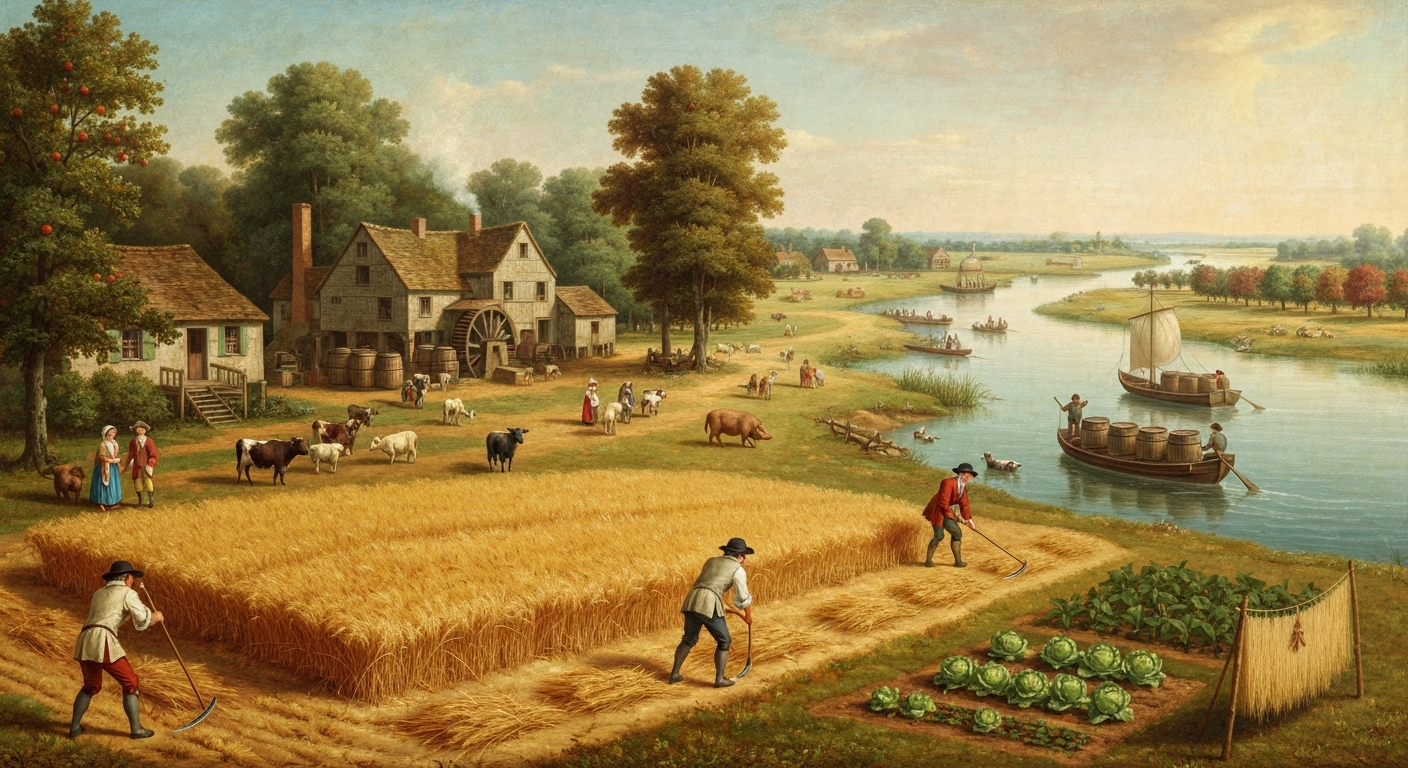
What Did the Delaware Colony Grow: Crops, Uses & Legacy
Colonial Delaware’s main crops, grains, hay, flax, fruits, vegetables, livestock, why they thrived and how they were sold.
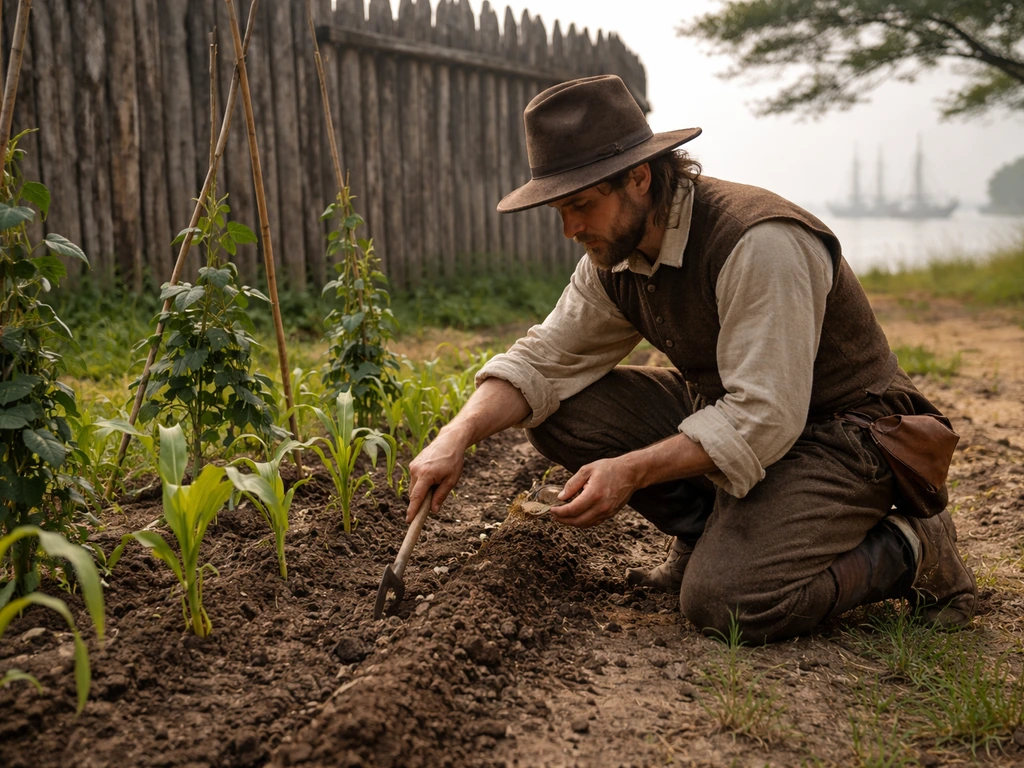
What Did Jamestown Grow and How They Farmed It
Learn what Jamestown colonists grew and the methods they used to plant, harvest, and adapt crops to Virginia conditions.