
If you're talking about tree and perennial fruit crops, the honest answer is years, not days. In a medieval dynasty setting, that same reality means you should plan your crop rotation and scheduling around long grow times to avoid empty fields years, not days. Apple trees on standard rootstocks can take up to 8 years before you pick your first fruit. Blueberries won't give you a meaningful harvest until year 3 or 4, and won't hit full production for 8 to 10 years. Grapevines planted today typically won't reach full production until their fifth or sixth year. Compare that to a radish, which is ready in 25 days, and you start to see why the question of 'longest-growing crop' depends a lot on what category of crop you're asking about. If you want the shortest time to grow, focus on annual vegetables and grains measured by days to maturity rather than perennial fruit trees. For example, if you're looking for which crops grow the fastest, radishes and many other short-season vegetables are usually the quickest choices.
What Crop Takes the Longest to Grow? Timelines by Region

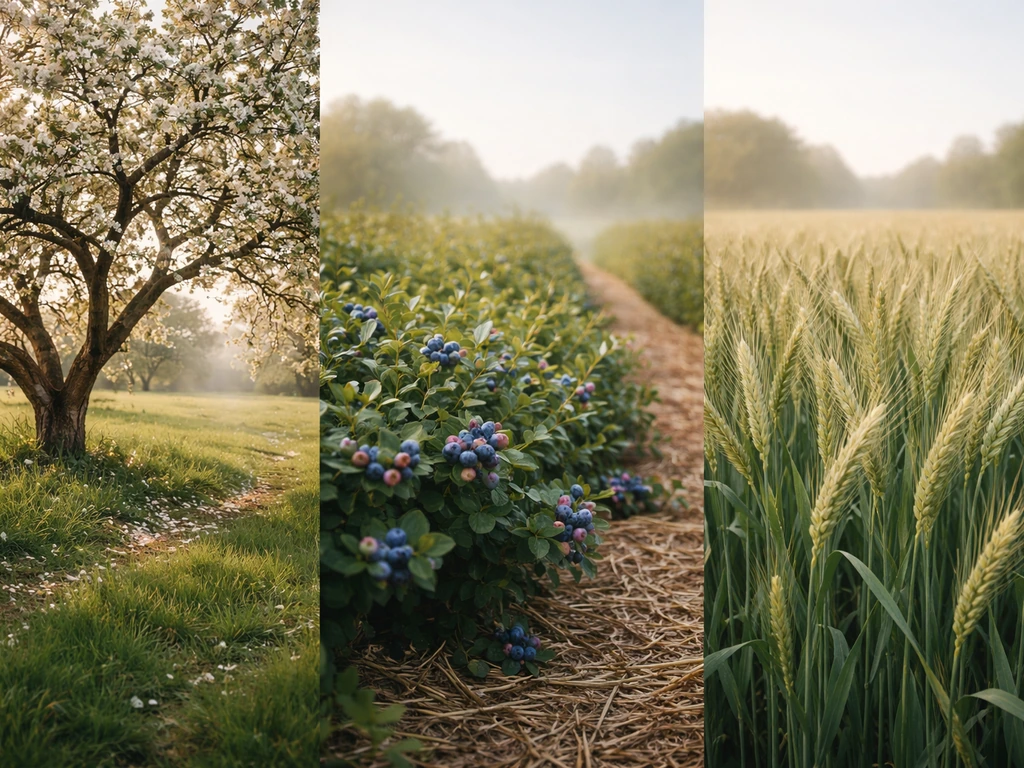
What 'longest to grow' actually means
There are three different timelines people usually have in mind when they ask this question, and they give you very different answers. When people ask what is the hardest crop to grow, the answer is usually tied to slow establishment and how picky the plant is about its climate. Days to maturity is the number printed on a seed packet, measuring from planting (or transplant) to first harvest. This is the standard for annual vegetables and grains. First harvest is when you pick anything usable from a perennial crop, which for a fruit tree or berry bush could be years after you plant it. Full production is when a perennial reaches the yield it will sustain for the rest of its life, which can be a decade away. For annual crops like grains and root vegetables, days to maturity is what matters. For perennial crops like fruit trees, berry bushes, and grapevines, first harvest and full production are what you're really waiting on, and those timelines are measured in years, not days.
The slowest crops by category (with real timelines)
Tree fruits
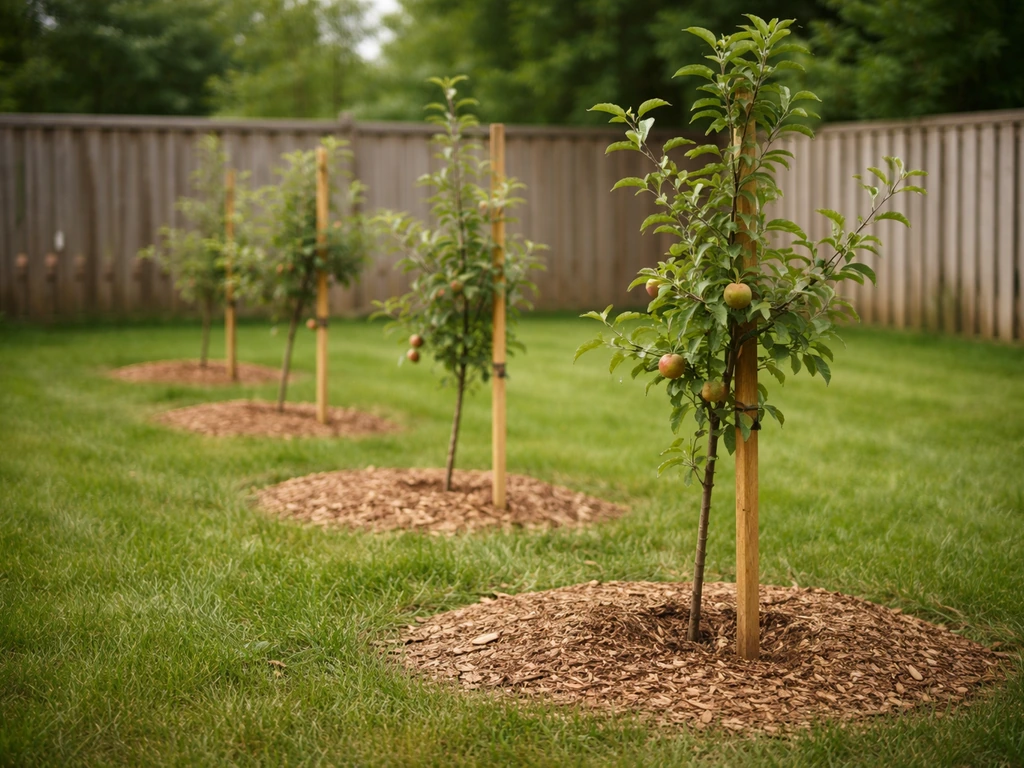
Apple trees are the classic example of a long-wait crop. Nursery trees you buy are typically already 1 to 2 years old when you plant them, and Iowa State Extension puts first bearing at 4 to 5 years for a typical apple on dwarf or semi-dwarf rootstock. On a standard rootstock, the University of Minnesota Extension notes it can stretch to 8 years. Pear trees follow a similar arc. Citrus is faster in warm climates: Texas Master Gardener guidance notes that budded citrus trees can produce a small crop in year 2 after planting, with more reliable production by year 3. Seedling-grown citrus trees, though, can take considerably longer. The general rule with tree fruits is that the more vigorous the rootstock, the longer the wait.
Berry crops
Highbush blueberries are genuinely slow. blank" rel="noopener noreferrer">University of Maine Cooperative Extension recommends removing flower clusters for the first two years entirely to let the plant establish, which means no harvest until year 3 at the earliest. You get a small crop in year 3, something more meaningful by years 4 and 5, and the University of Minnesota Extension notes the plants don't reach blank" rel="noopener noreferrer">mature size until they are 8 to 10 years old. Grapevines sit in a similar zone: the University of Maryland Extension puts first crop at about 3 years after planting, while Oregon State and University of Arizona Extension both note full production isn't reached until the fifth or sixth year.
Long-season grains and roots
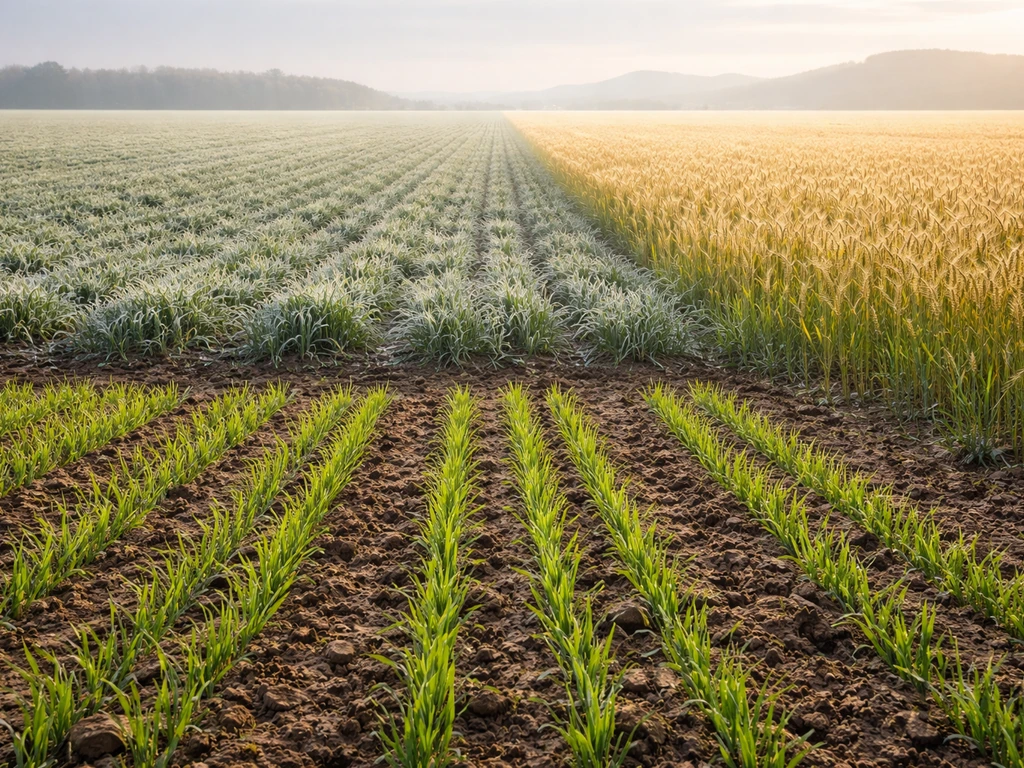
Among annual field crops, winter wheat is one of the longer-duration grains because it's planted in fall, goes dormant through winter, and is harvested the following summer, so it occupies a field for roughly 9 to 10 months. Sugarcane, grown in tropical and subtropical regions, takes 12 months or longer from planting to harvest, and in many growing systems it is a multi-year ratoon crop. If you are looking for which crop takes almost a year to grow, sugarcane is a classic example because it typically needs about 12 months from planting to harvest Sugarcane, grown in tropical and subtropical regions. Some root crops like parsnips and celeriac run 100 to 120 days to maturity, which is slow compared to most vegetables but is nothing compared to perennial fruits. Asparagus is an interesting middle case: it's a perennial vegetable where most growers wait 2 to 3 years before taking a full harvest to let the crown build up strength.
| Crop | Time to First Harvest | Time to Full Production |
|---|---|---|
| Apple (standard rootstock) | 4–8 years | 8+ years |
| Apple (dwarf/semi-dwarf rootstock) | 4–5 years | Shorter than standard |
| Blueberry (highbush) | 3 years (small crop) | 8–10 years (mature size) |
| Grapevine | 3 years | 5–6 years |
| Citrus (budded tree) | 2–3 years | 3+ years |
| Asparagus | 2–3 years | 3–4 years |
| Sugarcane | 12 months | Multi-year ratoon cycle |
| Winter wheat | 9–10 months | Annual (single season) |
| Parsnip | 100–120 days | Annual (single season) |
How your region and climate change the answer
Where you grow a crop has a major effect on how long it takes. Temperature, frost dates, photoperiod, and growing season length all influence maturity timelines. A grapevine in Napa Valley, California, is working with 250-plus frost-free days and warm summers that push growth hard. A grapevine in upstate New York or Minnesota has a much shorter active growing season, so each year of establishment adds less total growth than it would in a warmer climate. That means the same variety may take longer to reach full production in a cooler region, simply because it accumulates fewer growing degree days per year.
Citrus is a good example of a crop that doesn't work at all outside frost-free zones in the continental U.S. It grows in USDA zones 9 to 11, which limits it to Florida, coastal California, the Gulf Coast, and parts of the Southwest. Outside those zones, you're not growing citrus outdoors at all. Blueberries are the opposite in some ways: highbush blueberries actually need a certain number of chill hours (temperatures below 45°F) to set fruit properly, so they're better suited to northern states, while rabbiteye and southern highbush varieties were bred for warmer climates with fewer chill hours. The variety you choose for your region directly affects how long you'll wait.
Globally, the picture shifts further. Sugarcane, which is not a practical crop in most of the U.S. outside Hawaii, Louisiana, and Florida, takes a full 12 months or more to harvest in tropical growing regions like Brazil, India, and Southeast Asia. In those systems it can be ratooned, meaning the crop regrows from cut stalks for multiple harvests, extending the plant's productive life to 5 years or more before replanting. Crops that look annual in one part of the world are perennial in another, and that geographic context matters when you're comparing growth timelines across countries.
Picking the right long-season crop for your location
If you're trying to figure out which slow-maturing crop makes sense where you live, start with two things: your USDA hardiness zone and your average frost-free days. Both are available through the USDA's plant hardiness zone map and your local cooperative extension service. Extension offices publish planting guides specific to your state, and many of them include realistic timelines for perennial crops like fruit trees and berry bushes in local conditions. Those are a much better source than generic national timelines.
For perennial fruit crops, local nurseries are also extremely useful. They'll carry rootstock and variety combinations that are suited to your winters and summers, which is not something you can always determine from a national seed catalog. A semi-dwarf apple on a cold-hardy rootstock is a very different commitment from a standard apple on a vigorous rootstock in terms of both timeline and eventual tree size. Ask specifically: what is the expected years to first bearing for this tree in my region? If you're mainly trying to find what is the easiest crop to grow, focus on fast-maturing annuals that you can harvest in weeks instead of years.
For annual crops where you're comparing the longer-season options (parsnips, winter squash, winter wheat, or similar), your local frost dates are what you need. Count backward from your average first fall frost to determine whether you have the days to mature a 120-day crop started directly in the ground. In northern states with short summers, this often means you need to start transplants indoors or choose shorter-season varieties.
- Look up your USDA hardiness zone and average frost-free days first.
- Use your state's cooperative extension service for local planting and timeline guides.
- For fruit trees, ask the nursery about rootstock and expected years to first bearing in your specific region.
- For long-season annuals, work backward from your first fall frost date to see if the crop fits your season.
- Check seed catalogs for days-to-maturity on specific varieties, not just crop averages.
Ways to cut the waiting time (without pretending you can skip it)
For fruit trees and perennial crops, the single biggest lever you have on waiting time is rootstock and variety selection. Dwarf and semi-dwarf apple rootstocks consistently bear earlier than standard rootstocks, sometimes by 2 to 3 years. This is true across most pome fruits. Choosing a variety that is already bred for your climate also matters, because a tree that isn't stressed by cold winters or inadequate chill hours will establish faster and bear sooner.
For annual long-season crops, starting transplants indoors is the most reliable way to extend your effective growing season. If you're in a northern state trying to grow a 110-day crop with only 140 frost-free days, starting transplants 6 to 8 weeks early indoors can give you comfortable margin. Soil preparation matters too: well-drained, fertile soil with proper pH reduces establishment stress on any crop and can shave days or weeks off time to maturity for slower annuals.
Planting date is particularly important for crops sensitive to day length (photoperiod). Winter squash, for example, tends to set fruit better when days start to shorten in late summer, so planting too late can actually work in your favor for fruit set, but planting too early without enough warm soil can delay germination and push you into the same problem from the other direction. For grapes and blueberries, the practical advice is simply to plant in the correct window (early spring before bud break for most bare-root plants) and resist the urge to let the plant fruit in year one, even if it tries to. Removing blossoms in those first years, as Maine Extension recommends for blueberries, results in a larger, more productive plant much faster in the long run.
The crops with multi-year timelines, especially apples, blueberries, and grapevines, are genuinely slow, and no technique eliminates that. What you can do is choose the right variety, give the plant optimal growing conditions from the start, and manage it correctly in those early years so you're not losing time to poor establishment. If you're also interested in the opposite end of the spectrum, fast-maturing crops can be ready in as few as 25 to 30 days and make excellent companions in a garden while you wait for your perennials to mature.
FAQ
What crop takes the longest to grow if I count only “first harvest”?
In practical terms, the longest waiting category is usually perennial fruit trees and berry crops measured in years (not days). The closest “single crop” answer depends on your region and whether you mean first fruit or full, sustained production, since full production can be a decade for some perennials.
Does the answer change if I’m comparing “full production” instead of first fruit?
If you mean “full production” (the yield level the plant maintains), some perennials stretch much longer than their first-bearing age. For apples and blueberries, the text highlights that mature size and peak yield come years after first picking, so the ranking can change depending on which milestone you use.
Why do some people get different answers when they ask what crop takes the longest to grow?
Yes, because “days to maturity” works for annual vegetables and grains, but it can mislead for perennials. For a fruit tree, a seed packet style timeframe does not apply, because the key waits are establishment, first bearing, and then the later jump to mature size and stable yield.
Is sugarcane really the longest-growing crop in all climates?
Sugarcane can be either the longest or not, depending on how you count. In many systems it is cut and regrows from stubble for multiple harvests, so it can behave like a multi-year production crop even though individual stalk harvest cycles are often described around 12 months.
What happens if I try a warm-climate long-timeline crop in a colder zone?
Freezing risk is the bottleneck for many tree crops. Citrus is specifically limited to frost-free USDA zones (around 9 to 11), so in colder areas the problem is not just a longer timeline, it is that you often cannot grow it outdoors at all.
Can I shorten the wait time for apples, blueberries, or grapes?
For some perennials, your production can be delayed by your choices at planting, especially rootstock vigor and whether you remove blossoms. The article notes dwarf and semi-dwarf rootstocks often bear earlier, and blueberries may require removing flowers for the first two years to speed overall plant development later.
Why does the same fruit variety seem to take longer in my state than in warmer regions?
You should budget for slower start-up when winters or shorter seasons limit growth each year. Even if the same variety is grown in multiple states, cooler climates can mean fewer active growing degree days per year, so establishment stretches longer.
Is winter wheat a longer wait than many annual vegetables, or is it just a different crop category?
Winter wheat’s “9 to 10 months” field time can feel like a long wait compared with many vegetables, but it is not a year-round commitment in the same way a perennial is. It is typically an annual rotation crop, whereas perennials occupy the wait years in place before meaningful harvest.
What’s the biggest mistake people make when trying to grow the longest-season annual crops?
Yes. For long-season annuals you often can’t meet days-to-maturity targets if direct sowing starts too late. The article emphasizes using local frost dates and, for northern gardeners, starting transplants 6 to 8 weeks early indoors to create enough effective growing season.
How can I find the longest timeline that actually applies to my garden?
Rootstock and variety selection can change timelines by years, not weeks. If you want the practical “slowest” answer for your own garden, ask your local nursery for expected years to first bearing in your area, then compare dwarf versus standard commitments.
Does planting date affect how long it takes to fruit for day-length sensitive crops?
For photoperiod-sensitive crops, planting date timing can affect whether you get delayed growth or missed fruit set. The article’s squash example notes that letting plant behavior align with shortening days can improve fruit set, so you may need to treat “latest vs earliest planting” differently for fruiting crops.
What should I do first if my goal is to identify the slowest crop I can realistically support where I live?
Instead of chasing a national “slowest” ranking, use your USDA hardiness zone and your frost-free days to map realistic windows. Then confirm with state-specific extension or local nursery guidance that includes first-bearing timelines for perennial fruit.
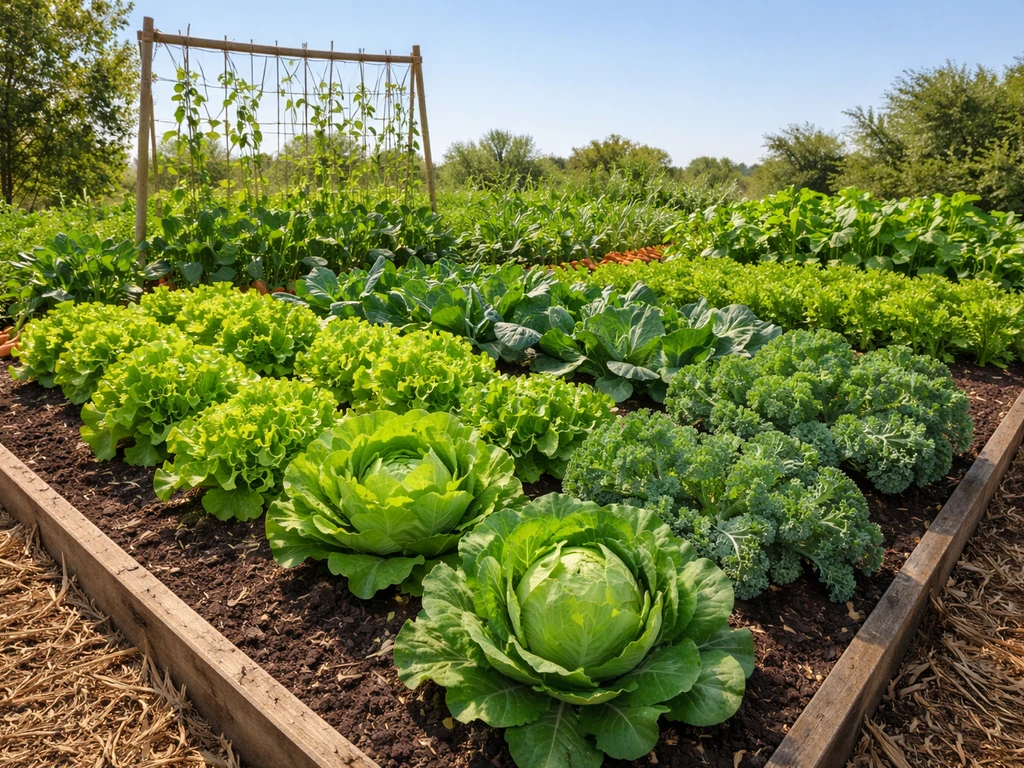
Learn which crop is easiest and most profitable for your region, with a step by step plan from soil to harvest.
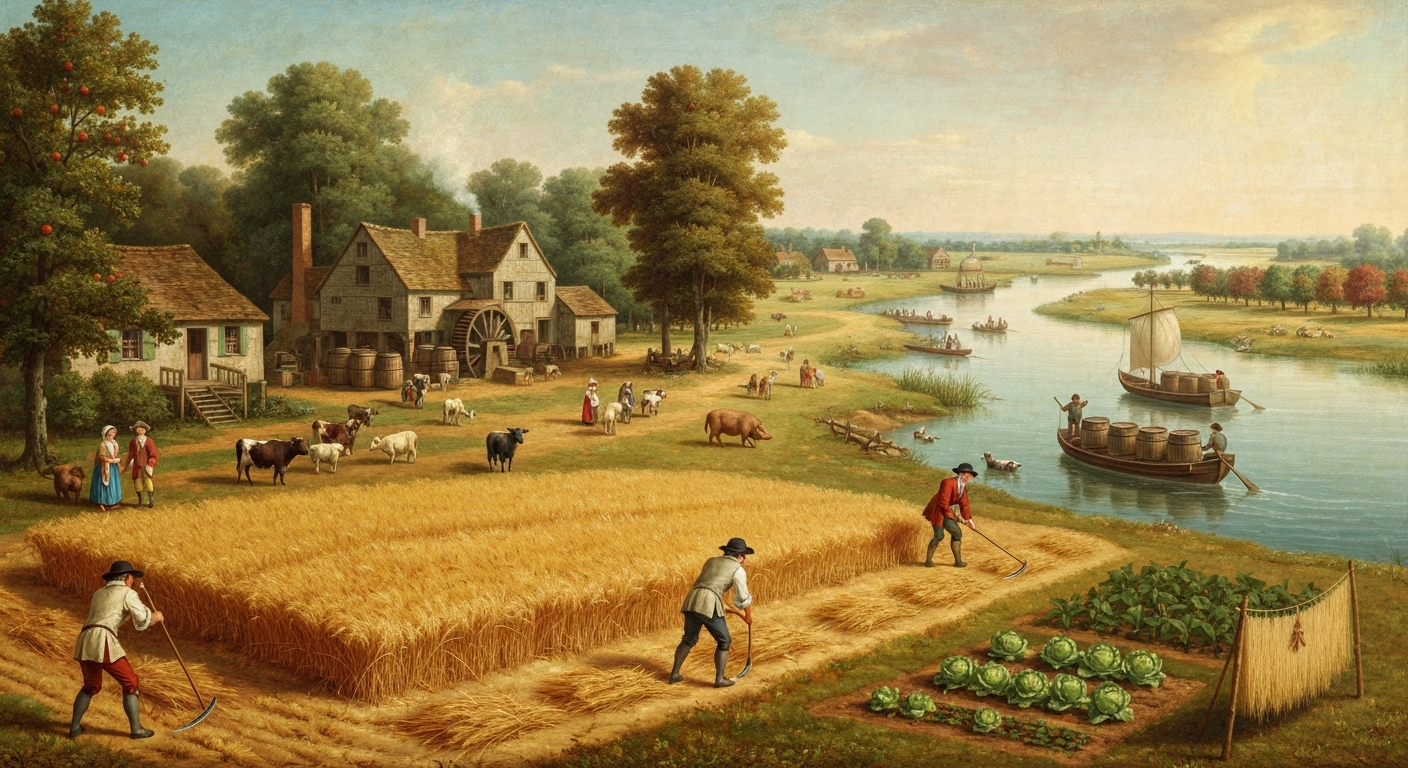
Colonial Delaware’s main crops, grains, hay, flax, fruits, vegetables, livestock, why they thrived and how they were sold.
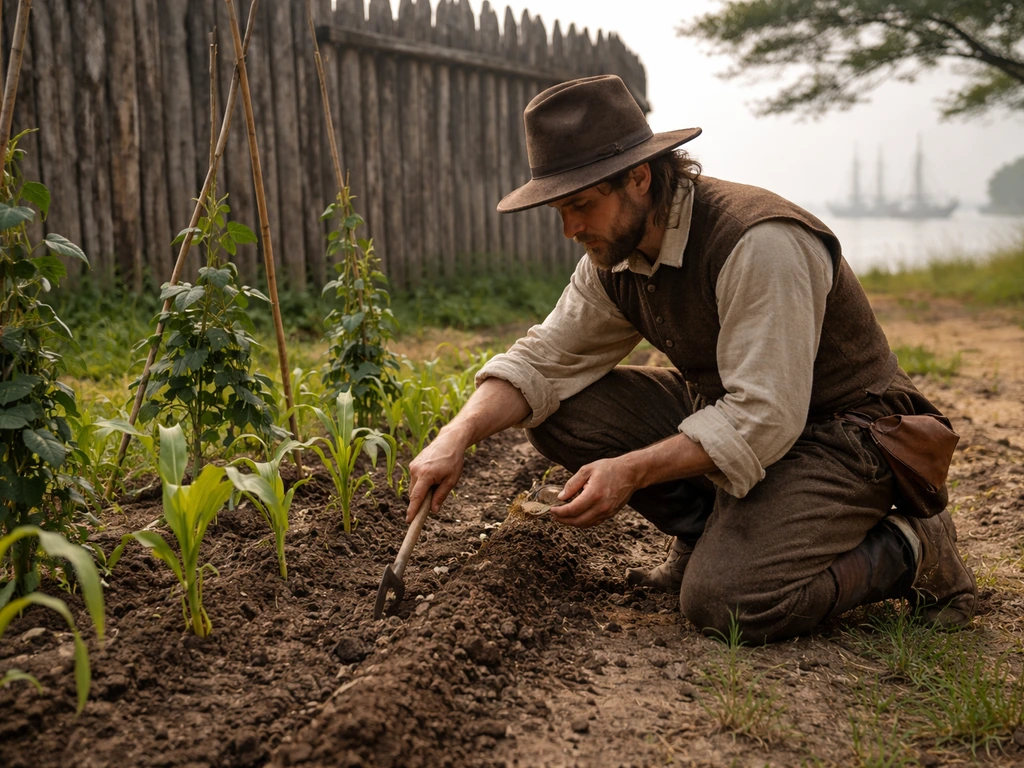
Learn what Jamestown colonists grew and the methods they used to plant, harvest, and adapt crops to Virginia conditions.