Fall is one of the best times to grow food, and the crops that thrive in it are some of the most productive and forgiving you can plant. Cool-season crops like kale, spinach, carrots, beets, radishes, broccoli, and turnips all do their best work when temperatures drop. They germinate in warm late-summer soil, bulk up through September and October, and most can handle a frost without flinching. The key is timing: count backward from your average first frost date using each crop's days-to-maturity, and you'll know exactly when to sow.
What Crops Grow in the Fall: Best Options by Climate

Samuel Rourke
17 May 2026
Top fall crops by category
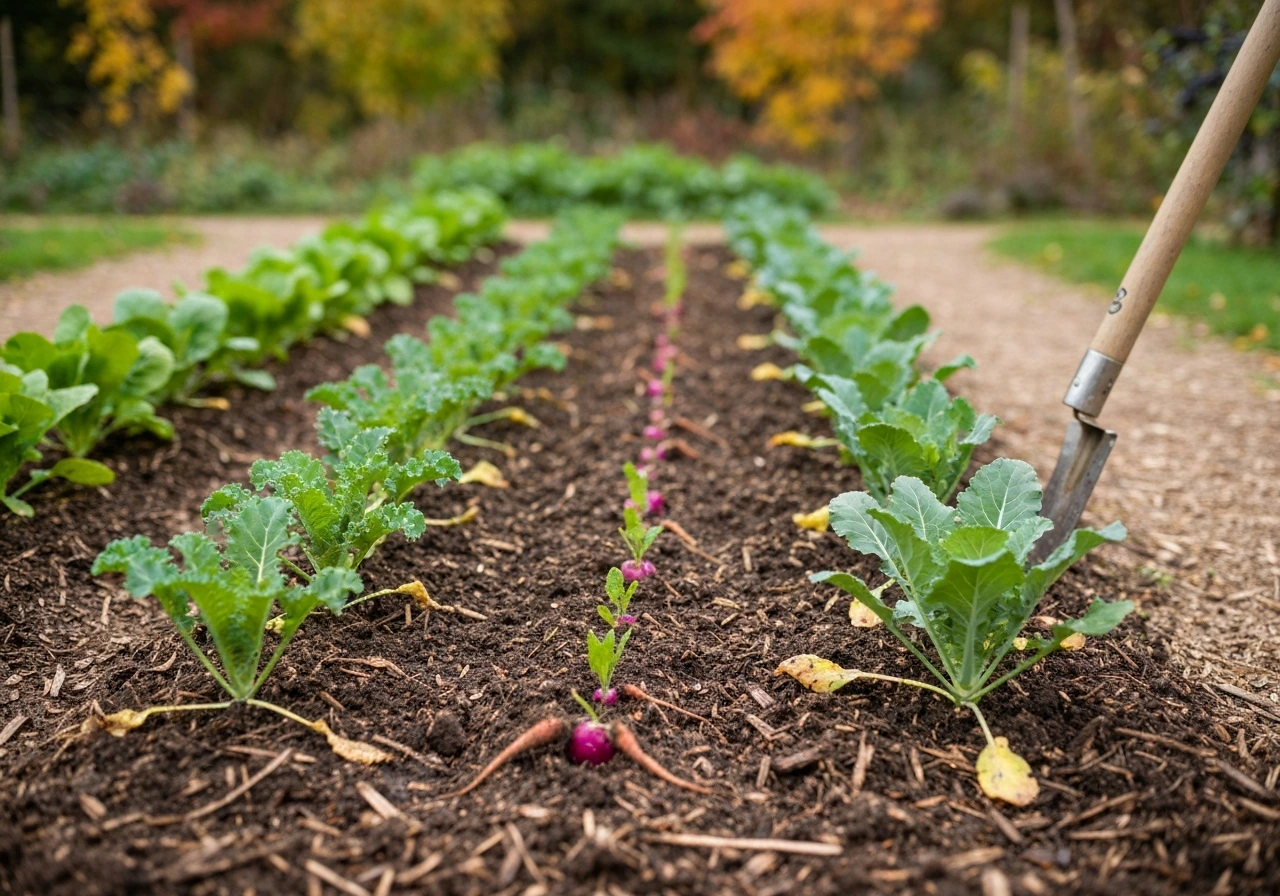
Fall gardening isn't one-size-fits-all, so it helps to think in categories. Different crops fill different gaps in a fall garden, and knowing which group a plant belongs to tells you a lot about how it behaves in cool weather.
Leafy greens
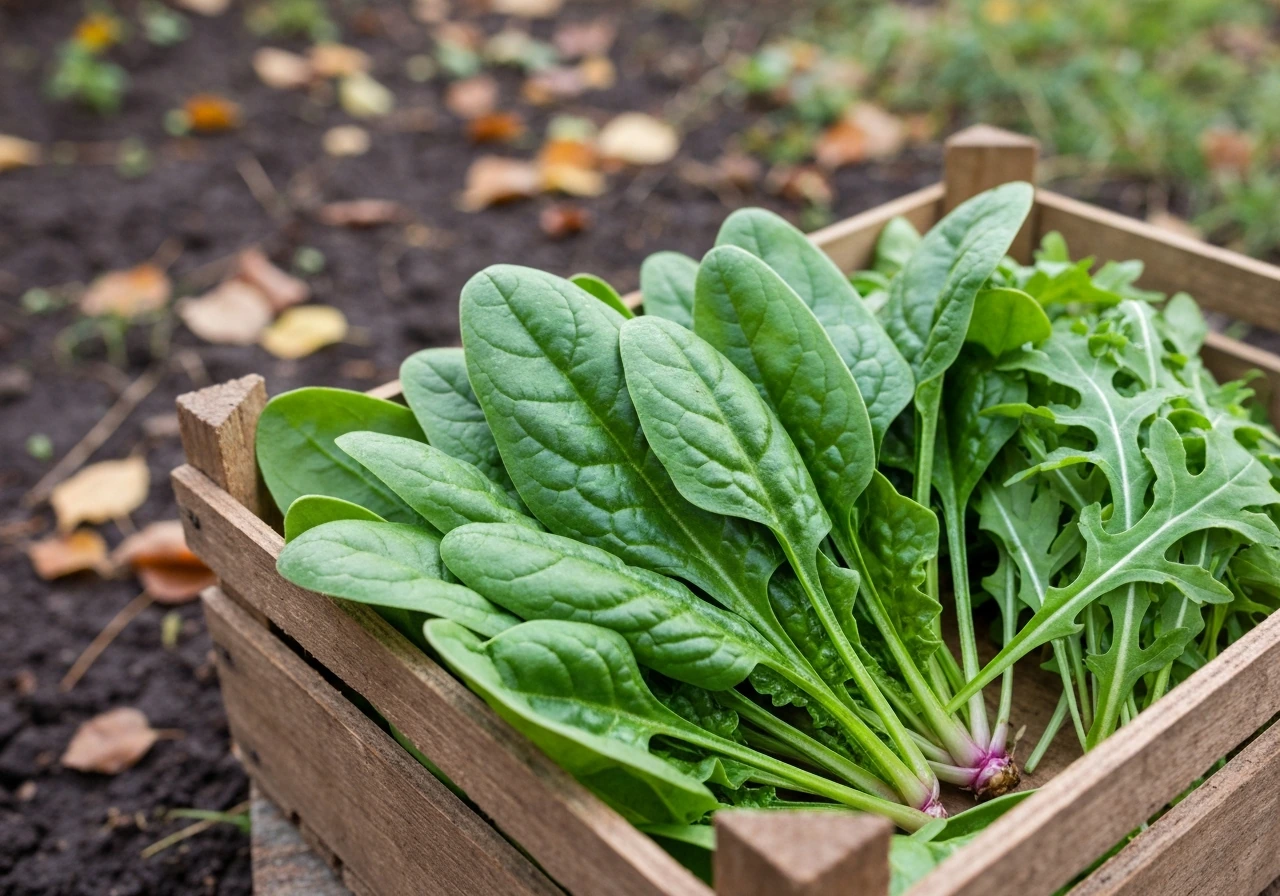
Spinach, lettuce, arugula, and Swiss chard are fall staples. Spinach is particularly well-suited: it tolerates frost hard, can be harvested well into December with minimal protection, and actually sweetens after a light freeze. UMD Extension confirms spinach is an excellent fall crop precisely because of this frost hardiness. Mâche (corn salad) and claytonia are worth adding if you want to push into true winter harvests.
Root vegetables
Carrots, beets, radishes, turnips, and parsnips all belong in the fall garden. Carrots need soil above 45°F to germinate reliably, so sow them while summer heat is still fading. Once established, they can stay in the ground through winter with a heavy mulch layer. Beets are similar: sow up to about 6 weeks before your first killing frost. Radishes are the fastest of the group, ready in 3 to 5 weeks, making them ideal for late-season succession sowing.
Brassicas
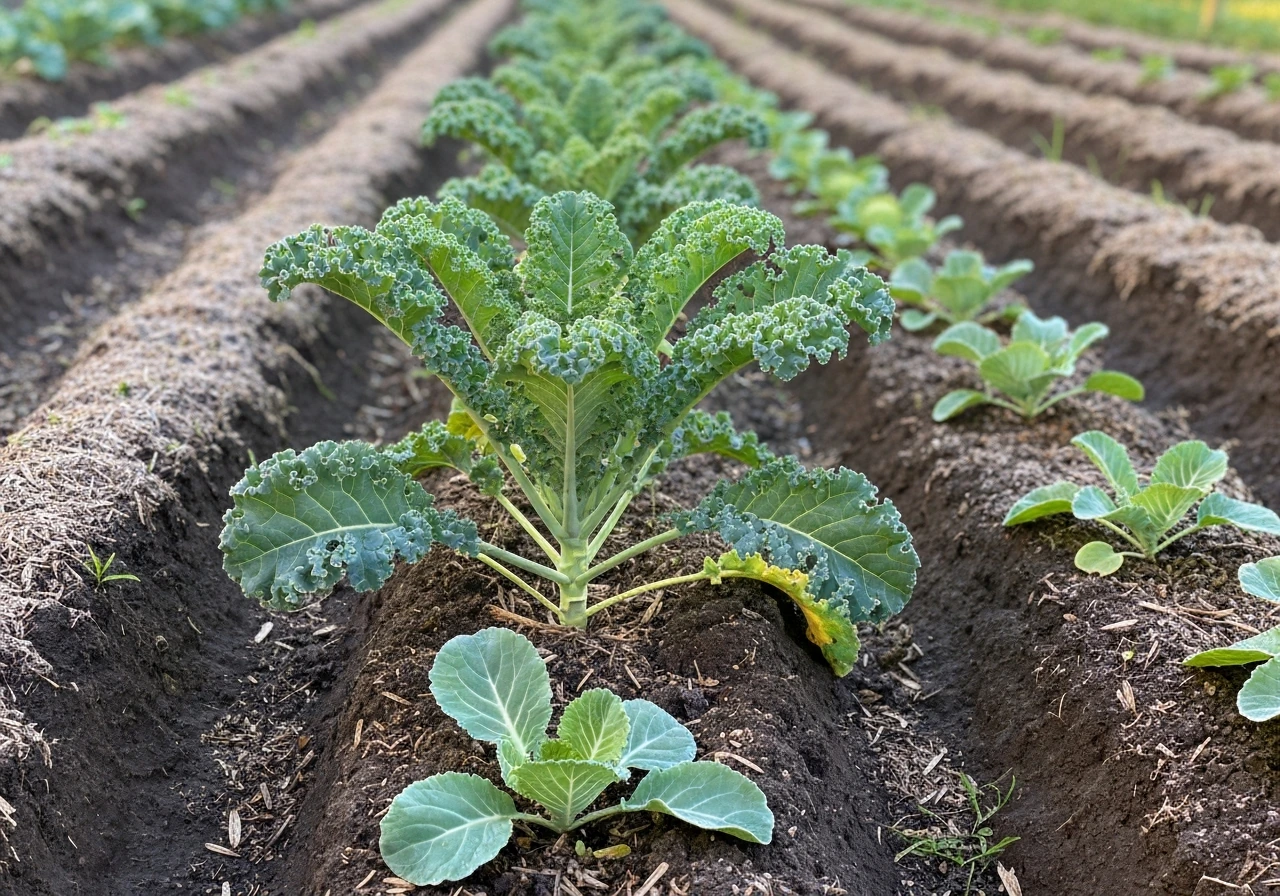
Broccoli, cabbage, cauliflower, kale, kohlrabi, and Brussels sprouts are classic fall brassicas. Kale is the toughest of the bunch and can survive temperatures down to about 20°F. Broccoli handles light frost without damage. Cornell Cooperative Extension recommends getting transplants of these cole crops into the ground about 8 weeks before your expected frost date, which means the sowing or transplanting window often falls in mid-to-late summer. These crops also have a long history across northern European and North American agriculture precisely because they were dependable cold-weather producers.
Legumes
Peas are the main fall legume for most gardeners. They prefer cool soil and can tolerate a light frost, making them a good early-fall option where summers aren't too brutal. Fava beans work similarly in mild-winter climates (Zones 7 and warmer), where they can be sown in fall and overwintered for a spring harvest. In colder regions, fall-sown peas need enough time to flower and pod before hard freezes arrive.
Cover crops
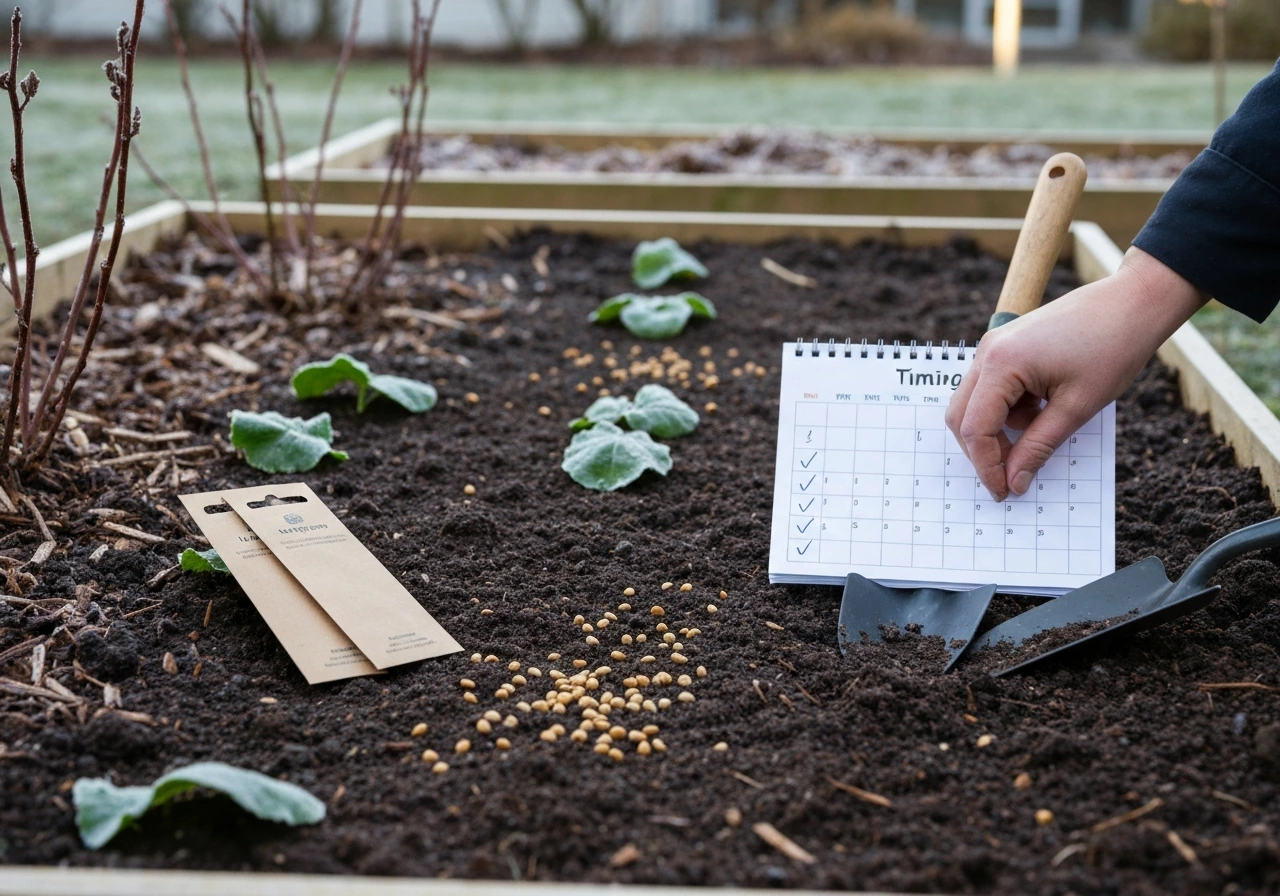
If a bed won't be harvested again before winter, a cover crop is the best thing you can plant in it. Winter rye, crimson clover, hairy vetch, and oats are common choices. Brassica cover crops (like daikon radish and mustard) are also widely used and can be sown from mid-August to mid-September in most regions. Cover crops protect soil structure, add organic matter, suppress weeds, and in the case of legume covers, fix atmospheric nitrogen. They're a cornerstone of fall agricultural planning that dates back centuries.
How to choose based on your fall climate and first frost date
Your average first frost date is the single most important number in fall gardening. Everything else is calculated from it. The Old Farmer's Almanac offers a ZIP-code-based frost date lookup that pulls data from your nearest weather station, and NOAA's freeze date dataset defines a 'first freeze' as the point when air temps reach 32°F or below. These are averages, not guarantees, so treat them as planning tools rather than certainties.
Once you have your frost date, your crop choices depend heavily on how long and how mild your fall actually is.
| Climate type | First frost range | Best fall crops | Strategy |
|---|---|---|---|
| Cool/short-season (northern U.S., Canada, high elevation) | Late Aug – late Sep | Spinach, radishes, kale, turnips, fast lettuce varieties | Focus on fast-maturing crops; use row covers aggressively |
| Moderate (Midwest, mid-Atlantic, Pacific Northwest) | Oct – early Nov | Broccoli, carrots, beets, cabbage, kale, spinach, peas | Full brassica and root crop lineup; good succession opportunities |
| Mild/long-season (Southeast, Southwest, deep South) | Nov – Jan (or no frost) | Virtually all cool-season crops plus winter squash | Plant cool-season crops in October; fall IS the main growing season |
| Maritime/mild-winter (coastal Pacific, UK, Mediterranean) | Variable; often light frosts only | Leeks, kale, spinach, brassicas, garlic | Extend into winter; overwintering crops are viable |
The general rule from Iowa State Extension is to use each crop's days-to-maturity (DTM) figure and count backward from your frost date. Add a buffer of a week or two beyond the DTM to account for slower growth as days shorten and temps drop. Cornell CCE advises checking the seed packet DTM for exactly this purpose.
Planting windows: early fall vs. late fall
Not everything goes in at the same time. Fall planting is a staggered process, and knowing what to sow when makes the difference between a full harvest and a bed of frozen seedlings.
Mid-to-late summer (the real start of fall planting)
Most fall crops are actually sown in July and August while it still feels like summer. In most regions, that usually points to cool-season crops like spinach, lettuce, radishes, carrots, and turnips started in mid-to-late August for a fall harvest. Brassica transplants for fall harvest need to go in around 8 weeks before frost. Broccoli started indoors in mid-July can be transplanted to the garden in August. Carrots and beets, which don't transplant well, should be direct-sown in mid-to-late July through early August in most northern regions. Utah State Extension recommends starting fall radish plantings in mid-to-late August, with a second sowing in early September.
Early fall (late August through September)
This is the prime window for spinach, lettuce, arugula, and turnips. For a quick, practical shortlist, see our guide on the Skyrim best crops to grow. Penn State Extension puts the fall spinach window at about 6 to 8 weeks before average first frost, while UMN Extension suggests roughly 2 months before frost. For a gardener with a mid-October frost date, that means sowing spinach in mid-to-late August. Radishes can still go in through early September for a quick October harvest.
True fall (October onward)
In mild climates (Zone 7 and warmer), you're really just getting started in October. Cool-season crops go in now for a November through January harvest. In colder zones, October planting shifts toward overwintering crops (garlic, spinach under cover, mâche) or cover crop establishment. Gardeners in the Pacific Northwest or the UK can follow RHS guidance and sow brassicas into a seedbed for winter use, since mild maritime winters keep the ground workable far longer than in continental climates.
Quick reference: when to sow common fall crops (relative to first frost)
| Crop | Sow (weeks before frost) | Days to maturity | Frost hardiness |
|---|---|---|---|
| Radishes | 4–6 weeks | 3–5 weeks | Light frost tolerant |
| Spinach | 6–8 weeks | 45–60 days | Hard frost tolerant (to ~20°F with cover) |
| Lettuce | 6–8 weeks | 45–60 days | Light to moderate frost tolerant |
| Kale | 8–10 weeks | 55–65 days | Very hard frost tolerant (to ~20°F) |
| Broccoli (transplant) | 8 weeks | 55–70 days from transplant | Light frost tolerant |
| Carrots | 10–12 weeks | 70–80 days | Frost tolerant; can overwinter with mulch |
| Beets | 6–8 weeks (up to 6 weeks before killing frost) | 50–70 days | Moderate frost tolerant |
| Turnips | 6–8 weeks | 35–60 days | Hard frost tolerant |
| Peas | 8–10 weeks | 60–70 days | Light frost tolerant |
Quick growing tips for fall success
Soil temperature matters more than air temperature
Seeds germinate based on soil temp, not the weather forecast. Carrot seeds need soil at or above 45°F to germinate reliably. Carrot seed germination is most reliable when soil is warm enough, and Wisconsin Extension notes thresholds of about 45°F minimum and about 80°F optimum for germination (with viability across roughly 40°F to 95°F) soil at or above 45°F to germinate reliably. Spinach germinates well in soil from about 45°F up to 75°F. In late summer, soil is often warmer than ideal for some cool-season crops, so watering in the morning and using light shade cloth briefly can help. CSU Extension's vegetable planting guide includes germination temperature ranges for most common crops, which is worth consulting before sowing.
Sunlight and daylength
Fall crops need full sun just like summer crops do, but they have a shorter window. Shorter days slow growth as autumn progresses. UMN Extension notes that while bolting (going to seed prematurely) is more commonly a spring problem than a fall one, daylength still affects plant development. Make sure your fall beds aren't shaded by structures or trees that cast longer shadows as the sun drops lower in the sky.
Spacing and bed prep
Don't crowd fall crops. They need good airflow to resist fungal issues that come with cool, damp fall weather. Follow standard spacing guidelines from seed packets, and avoid heavy nitrogen fertilizing late in the season, which pushes leafy growth that's more vulnerable to frost. Amend beds with compost rather than synthetic fertilizer for fall plantings.
Watering
Fall crops generally need less water than summer crops because evaporation slows down. That said, germination still requires consistent soil moisture. Water newly seeded beds daily until germination, then back off to every 2 to 3 days as plants establish. Overwatering in cool, damp conditions invites disease.
Use row covers to buy extra weeks
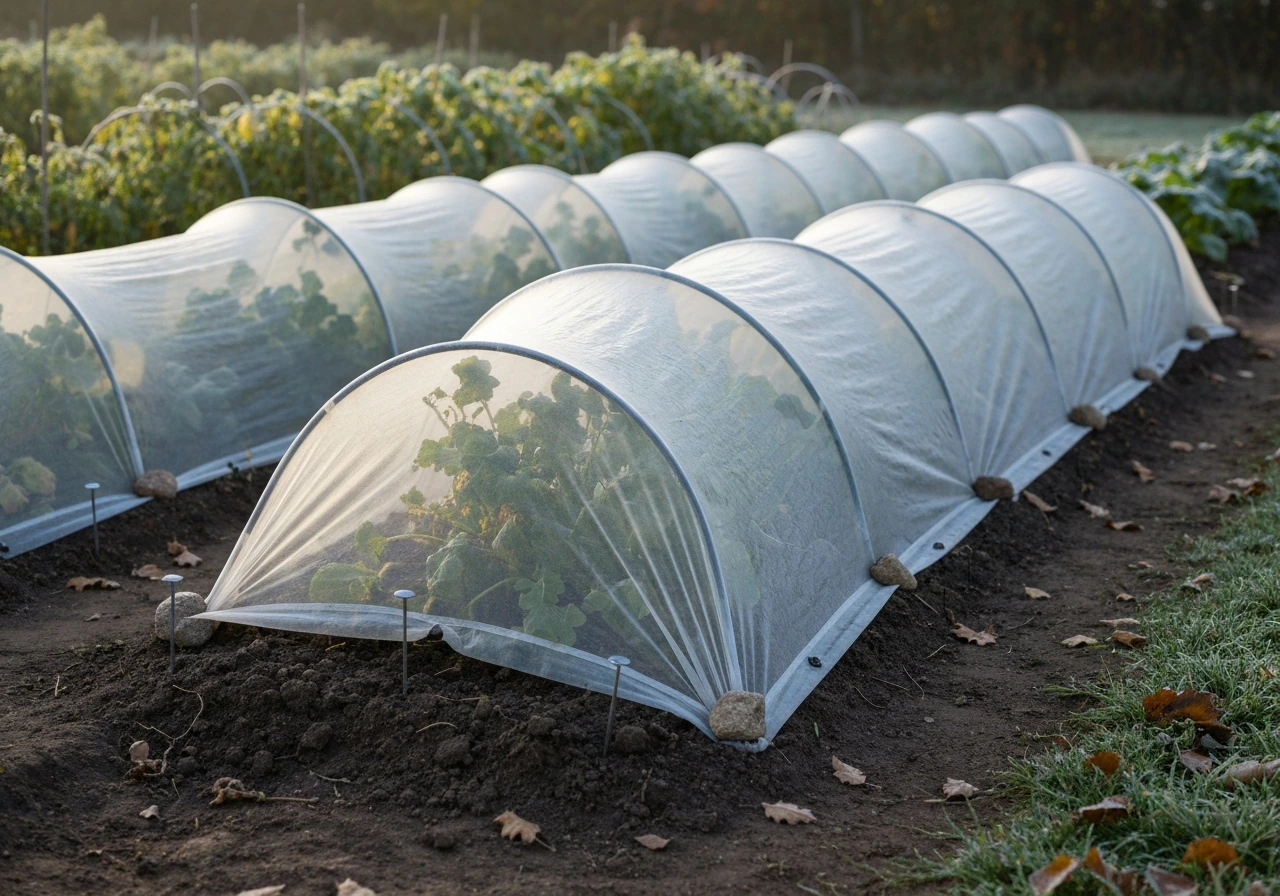
Floating row covers are one of the most practical tools in fall gardening. UMN Extension notes that heavy row cover fabrics can protect plants against cold down to about 20°F. WVU Extension advises covering plants in the evenings when frost threatens and uncovering them the next morning when temps rise. The RHS notes that heavier fleece grades provide about 2°C of frost protection. Row covers also speed germination in late-summer heat by locking in a little moisture while still letting light through.
Harvest timing and what to do after the fall harvest
Knowing when to harvest is just as important as knowing when to plant. Most fall crops are ready to pick before your first hard frost, but some actually improve after a frost and can be left in the ground longer than you might think.
Harvest before hard frost, but don't rush everything
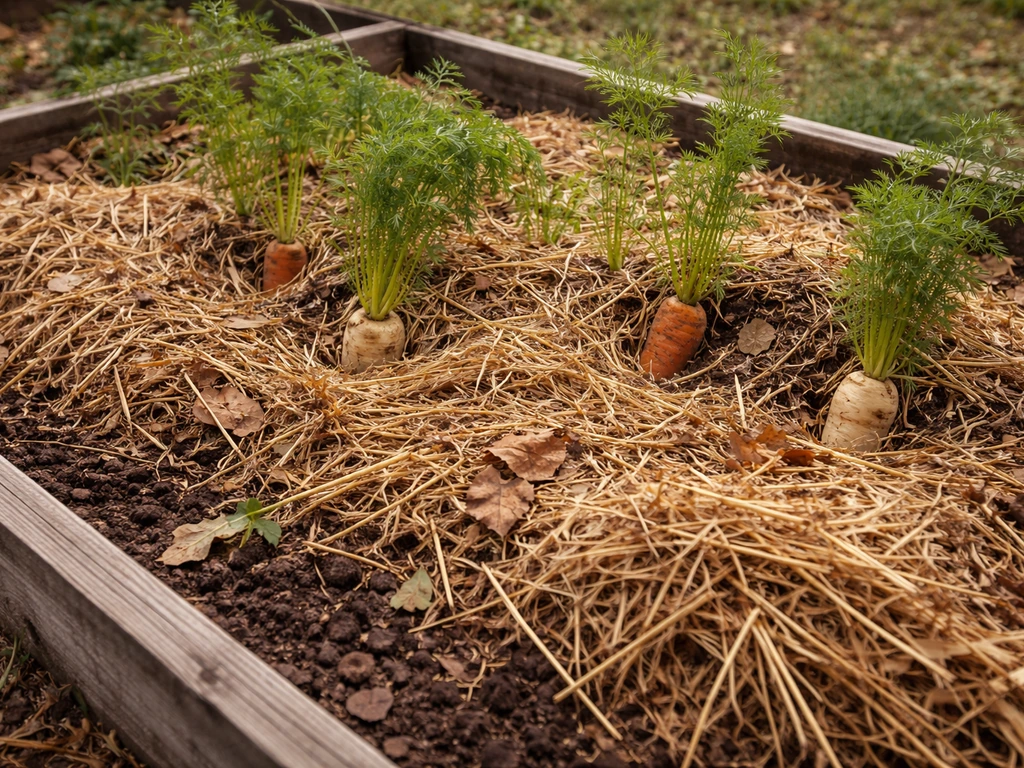
Root crops like carrots and parsnips convert starch to sugar after a frost and taste better for it. Leave them in the ground with a heavy mulch of straw or leaves, and you can harvest them well into winter in most regions. Kale and spinach are similar: frost doesn't hurt them and often sweetens the leaves. Brassica heads (broccoli, cabbage) should be harvested before a hard freeze damages the tissue, though light frosts are fine.
Succession planting before the season closes
UMN Extension explicitly recommends succession planting after early-maturing crops like radishes and spinach are harvested: pull those plants and immediately sow another quick crop or a cover crop in the same bed. This is exactly how historical farmers kept beds productive from late summer through the first hard freeze. After radishes finish in early fall, you can often get a fast spinach or arugula crop in the same space before frost ends the season.
Overwintering options
After the main fall harvest wraps up, you have a few good options. Garlic is traditionally planted in October through November for a summer harvest the following year, making it one of the best post-fall-harvest plantings. Cold-hardy crops like kale, mâche, claytonia, and spinach can be tucked under cold frames or low tunnels and harvested all winter in Zones 6 and warmer. Carrots mulched heavily can stay in the ground and be dug as needed. And any bare bed that won't be planted again should get a cover crop to protect the soil.
Region-by-region notes and historical patterns
Northern U.S. and Canada (Zones 3–5)
First frost often arrives in late August through September. The fall gardening window is tight, so focus on fast crops: radishes, turnips, spinach, and kale. These are also the vintage story best crops to grow, since gardeners historically relied on quick, cold-tolerant varieties fast crops: radishes, turnips, spinach, and kale. Brassicas need to be started in early July to make it to harvest. Row covers and cold frames are essential tools here, not luxuries. Historically, northern gardeners and farmers relied heavily on root cellaring: root crops like turnips, carrots, and beets were grown specifically to store through winter, which drove the selection of these crops across northern North America and Scandinavia.
Mid-Atlantic, Midwest, and Pacific Northwest (Zones 5–7)
First frost typically falls between mid-October and mid-November, giving a generous fall window. This is where the full brassica and root crop lineup comes into play. You can succession-sow spinach and lettuce from late August through September and realistically harvest into November. The Pacific Northwest's mild, damp fall climate is particularly well-suited to brassicas and overwintering crops, and the region has a long history of fall and winter vegetable production going back to early settlement.
Southeast and Gulf Coast (Zones 7–9)
Fall is the primary growing season here, not a secondary one. Hot summers make it nearly impossible to grow cool-season crops from April through September, but October through March is prime time. Plant broccoli, collards, kale, carrots, beets, lettuce, spinach, and even peas starting in October. Historically, southern agriculture leaned heavily on fall and winter vegetables precisely because summers were too brutal for European cool-season crops.
Southwest and arid regions (Zones 7–10, low desert)
Similar logic applies: fall and winter are the productive seasons for vegetables. Phoenix and Tucson gardeners plant cool-season crops from mid-September onward. In higher elevations (Albuquerque, Denver), the frost date arrives earlier and the window is shorter, pushing the approach closer to the Midwest model.
UK and maritime Europe
The RHS frames winter cropping as something most UK gardens can accommodate, and for good reason: the mild, frost-light maritime climate means brassicas, leeks, kale, and spinach can be grown through winter without much protection. AHDB guidance calls for brassica cover crops to be sown from mid-August to mid-September, illustrating how autumn sowing is built into UK agricultural calendars even at the farm scale. Historically, kale was a critical winter food crop across northern Europe because it could be harvested through snow and cold that killed other vegetables.
Global and historical context
The crops that dominate fall gardens today are largely the same ones that dominated fall agriculture for centuries. Turnips, kale, and root vegetables were staples of medieval European autumn harvests. Spinach, which originated in Persia and reached Europe via Arab trade routes by the 10th century, became a key fall and spring crop across the Mediterranean and northern Europe because of its cold tolerance. In East Asia, radishes and daikon have filled the fall root crop role for millennia. What we call 'fall gardening' today is built on thousands of years of observing which crops could be trusted to mature and store through cold seasons, and that knowledge still drives the recommendations you'll find from any extension service today.
If you're also thinking about what works in summer or in specific game or regional contexts, the principles of cool-season versus warm-season cropping apply broadly: fall is fundamentally the cool-season window, and the crops that thrive now are defined by their tolerance for frost, their relatively short days-to-maturity, and their ability to sweeten or hold quality in cold storage. If you want the best crop to grow in summer, focus on warm-season varieties that can handle higher temperatures without bolting what works in summer. In Stardew Valley, the best crops to grow in summer follow similar warm-season logic, so pick varieties that mature quickly and can handle the heat of July and August cool-season versus warm-season cropping.
FAQ
What crops can I still plant if I’m late and my first frost is sooner than expected?
If you’re within about 4 to 6 weeks of your average first frost, prioritize short-maturity crops like radish, turnip, mache, and baby salad greens. For brassicas and roots that need longer growth (parsnip, cauliflower, cabbage), you’ll usually need to use transplants or accept a smaller harvest, or switch to a cover crop for the bed and plan the next sowing for overwintering types like kale.
Can I plant fall crops directly in the ground or do I need transplants?
Many fall crops do best with direct sowing, especially those that resent root disturbance (carrots, beets, parsnips, turnips, radishes). Brassicas often perform better with transplants because you can hit the needed lead time, then protect them with row cover after planting. If you want a simple rule, choose direct sowing for roots and quick greens, transplants for brassica heads.
What’s the safest way to avoid bolting (going to seed) in fall greens?
Bolting is mainly triggered by stress, fluctuating temperatures, and overly warm conditions early in the season. Start when soil temps are cooling, keep seedlings evenly watered (no long dry spells), and avoid high-nitrogen feeding after mid-season. If your area has occasional warm snaps, consider brief shading during those periods and use varieties labeled for cool weather or “slow bolting”.
How should I adjust fall crop choices if my fall is very wet and cool?
Use airflow and choose cultivars that tolerate cool damp conditions, because humidity raises fungal risk. Space plants on the larger end of seed packet guidance, avoid overwatering, and don’t delay harvest when heads or leaves are ready. If disease pressure is high, switch some beds to quicker crops (radish, spinach) and reserve long-season brassicas for protected spots or covered rows.
Do I need to fertilize fall crops, and what should I avoid?
Compost is usually the safest approach for fall. Avoid heavy nitrogen late in the season, since it can produce soft leafy growth that is more vulnerable to frost and can attract disease under cool, wet conditions. If growth looks pale, use a light, balanced feeding rather than increasing nitrogen alone.
How do I handle watering in fall so I don’t invite disease?
Water newly seeded beds often enough to keep the top layer consistently moist until germination, then extend the interval as plants establish. Aim for morning watering, water at the soil level, and stop once the soil stays damp naturally after repeated rains. In foggy or rainy climates, rely more on bed drainage and observation than a strict calendar schedule.
What’s the best use of row cover, and when should I remove it?
Use row cover at planting to hold warmth and stabilize moisture, then keep it on through light frost events. When temperatures rise midday or your plants are actively growing fast, ventilate or temporarily uncover to prevent overheating and to reduce humidity around foliage. For hard freezes, cover in the evening before cold hits, and uncover the next morning when temps recover.
Which fall crops can taste better after frost?
Leafy greens like spinach and kale often improve after light freezing because sugars increase in the tissue. Some root crops also taste sweeter after cold exposure, so they can be left in place under mulch until flavor peaks. For brassica heads, quality can be damaged by hard freezes, so plan to harvest before the coldest events rather than relying on flavor improvement.
Can I succession plant after I harvest radishes or spinach in the fall?
Yes. Pull early crops promptly and re-sow immediately in the same bed, then cover if cold weather arrives early. This works especially well with quick greens like arugula and lettuce, and with another wave of radish. The key is to re-check days-to-maturity against your frost timing, since a late succession can fail even if the first planting succeeded.
How can I choose cover crops if I want soil benefits but also might plant again?
If you plan to plant again before winter, pick a cover crop that won’t interfere with your next sowing, or terminate it early. If the bed truly won’t be planted again, winter rye, hairy vetch, crimson clover, and oats are common, and brassica cover crops like daikon radish can also work. Consider whether you want nitrogen benefits (legumes) or strong biomass and weed suppression (grasses).
What’s a practical mulch strategy for overwintering roots and greens?
For roots you want to keep in the ground, use a thick, insulated mulch layer (often straw or dry leaves) to buffer temperature swings and prevent heaving in freeze-thaw cycles. For leafy crops under tunnels or frames, mulch can help, but the main protection is still the structure or cover. Remove some mulch during thaw periods if plants are smothering or staying too wet.
If I’m in a very warm fall climate, which crops still make sense?
In milder areas, you can extend harvests later into winter by focusing on cool-season crops that handle cooler nights without overheating. Plant spinach, lettuce, arugula, and some brassicas in early fall when conditions start cooling, and consider using shade or row cover only during warm spikes to prevent poor germination and bolting. If summers linger, be prepared for earlier planting and more frequent watering during seedling establishment.
Next Articles
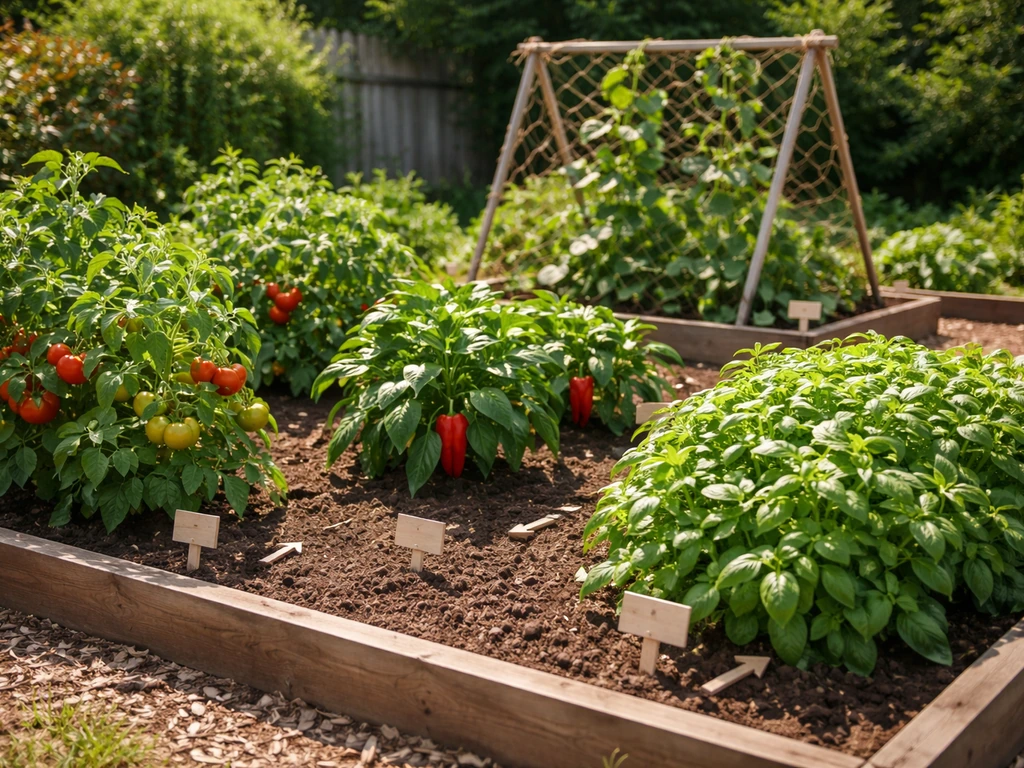
Best Crop to Grow in Summer: Pick 3–5 Winners by Region
Choose 3 to 5 best summer crops by region with planting dates, succession tips, and hot-weather care.
Best Crops to Grow in Summer Stardew Valley
Top summer crops in Stardew Valley: best seeds, fruits, speed and profit picks plus fall carryover and tree options.
What Did the Delaware Colony Grow: Crops, Uses & Legacy
Colonial Delaware’s main crops, grains, hay, flax, fruits, vegetables, livestock, why they thrived and how they were sold.