California grows more crops than almost any other place on Earth. Almonds, grapes, strawberries, lettuce, pistachios, artichokes, rice, cotton, alfalfa, the list is genuinely staggering. But the real answer to "what crops grow in California" depends entirely on where in California you're talking about, because the state spans several distinct climate zones that might as well be different countries when it comes to agriculture. Whether you're a farmer choosing a commodity, a gardener planning a backyard plot, or a student trying to understand why California dominates U.S. food production, this guide breaks it all down by region, crop category, and practical planting guidance.
What Crops Grow in California Best Picks by Region

Samuel Rourke
3 Apr 2026
California's main climate zones and why they matter
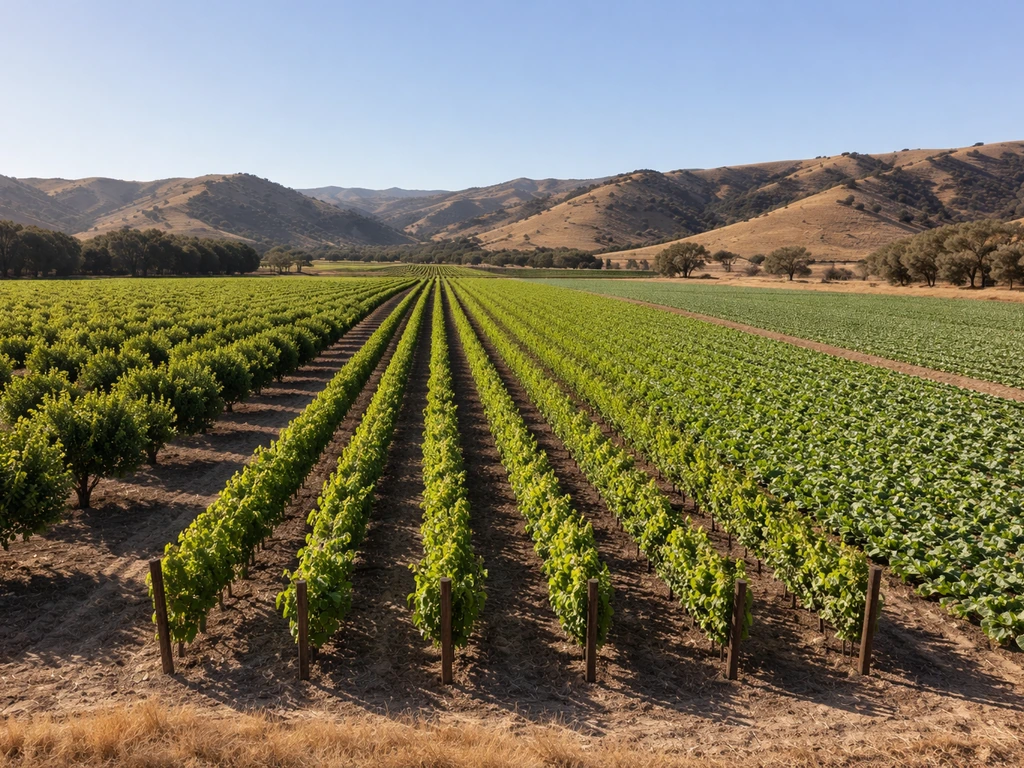
Climate is the single biggest driver of crop choice in California. The state's weather is shaped by prevailing westerlies and the northeast Pacific high-pressure system, which together create mild, wet winters and dry summers along the coast and progressively hotter, more arid conditions as you move inland. That pattern means what thrives in Monterey County won't necessarily work in Fresno, and what does well in Fresno is nothing like what you can grow in the Imperial Valley.
Growing season length tells a big part of the story. On the southern coast, the freeze-free growing season is essentially 365 days a year, frost is rare enough that you barely have to think about it. In the Central Valley and coastal valleys, growers typically work with 225 to 300 frost-free days. Climb up into the Sierra Nevada foothills and high elevations, and that window can drop below 50 days. Each zone calls for completely different crop strategies.
| Climate Zone | Frost-Free Days (approx.) | Key Characteristics | Well-Suited Crops |
|---|---|---|---|
| South Coast | ~365 | Mild year-round, marine influence, low frost risk | Avocados, citrus, strawberries, cut flowers |
| Central Coast / Coastal Valleys | 225–300 | Cool summers, fog, moderate temps | Lettuce, artichokes, broccoli, wine grapes, strawberries |
| Central Valley (Sacramento & San Joaquin) | 225–280 | Hot summers, cold winters, irrigated flatland | Almonds, walnuts, grapes, tomatoes, stone fruits, cotton, rice |
| Sierra Foothills | 100–200 (varies with elevation) | Variable temps, some frost risk, lower humidity | Wine grapes, pears, apples, olives, hay |
| Inland Valleys (e.g., Inland Empire) | 280–330 | Hot summers, mild winters, low humidity | Citrus, avocados, dates, peppers |
| Desert (Coachella & Imperial Valleys) | 330–365 | Extreme heat, very low rainfall, heavily irrigated | Dates, citrus, winter vegetables, melons, alfalfa, cotton |
California's precipitation mostly arrives in winter and is stored as snowpack and reservoir water. That stored water is what irrigates crops through the long, dry growing season. This matters because it means the timing of rainfall doesn't line up with the growing season at all, virtually every commercial crop in the Central Valley and desert regions depends on irrigation. Understanding this water-storage dynamic is essential to understanding California agriculture.
Top crops by category
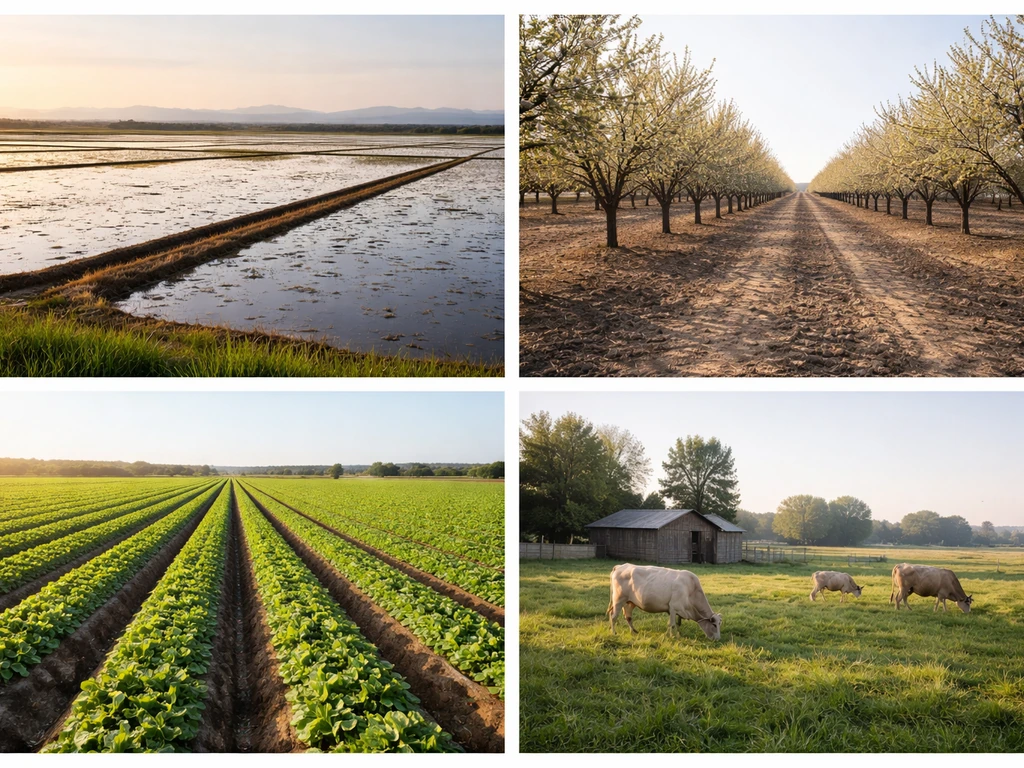
Here's a broad look at what California produces across the major agricultural categories. This isn't exhaustive, California grows hundreds of crops, but it covers the categories that define the state's agricultural identity.
Field crops
Rice is grown primarily in the Sacramento Valley, where the flat, clay-rich soils and access to water make flooded paddy farming feasible. Cotton has historically been a Central Valley staple, particularly in the San Joaquin Valley. Small grains like wheat and barley are grown in multiple regions, with sowing dates that shift meaningfully by location: northern Sacramento Valley growers typically sow in early October through mid-November, while coastal irrigated fields go mid-November through mid-December, and southern desert valleys stretch planting from mid-November into January.
Fruits and nuts
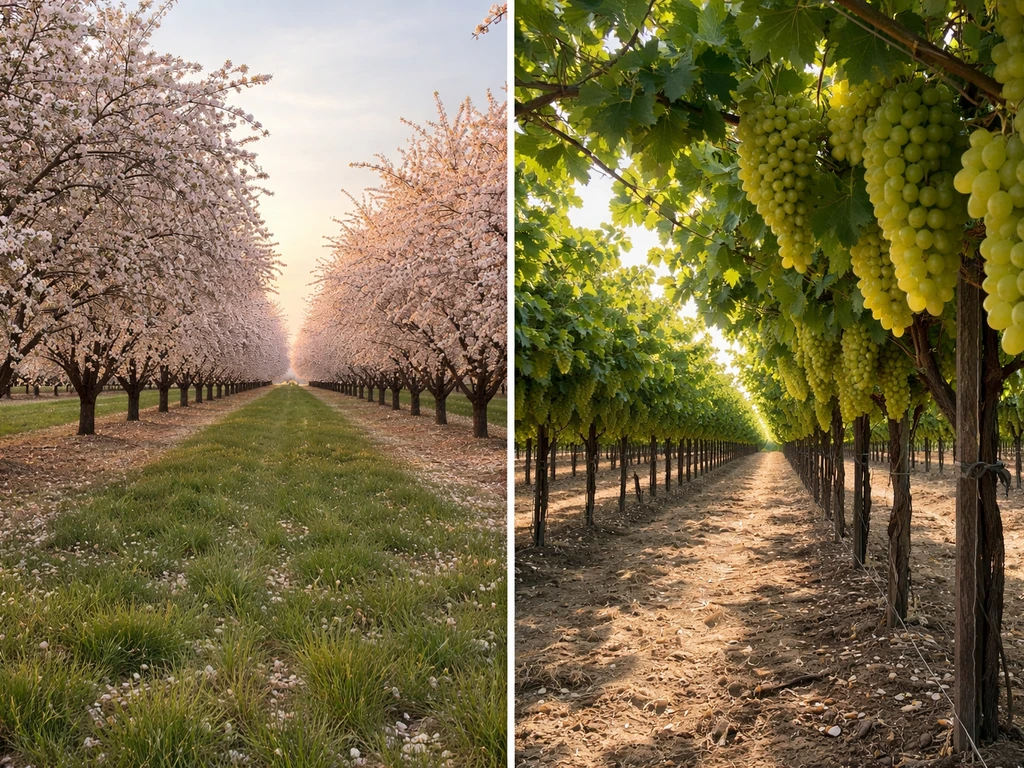
This is where California really dominates. Almonds, walnuts, pistachios, and pecans are all grown at commercial scale. Grapes, both wine and table varieties, are produced across the Central Valley, Napa, Sonoma, and dozens of other appellations. Tree fruits include peaches, nectarines, plums, cherries, and apricots, concentrated in the San Joaquin Valley. Citrus (oranges, lemons, mandarins) grows well in the southern regions and Central Valley. Avocados are a coastal and southern California specialty. Strawberries are a huge coastal crop, especially in Watsonville, Santa Maria, and Oxnard.
Vegetables
California is the dominant U.S. producer of lettuce, tomatoes (particularly processing tomatoes for canned goods and sauces), broccoli, cauliflower, celery, garlic, onions, peppers, and spinach. The Salinas Valley is often called "the salad bowl of the world" for good reason, its cool, foggy climate and rich soils are nearly perfect for leafy greens. The Imperial and Coachella Valleys produce warm-season vegetables through the winter months when the rest of the country is frozen.
Forage crops
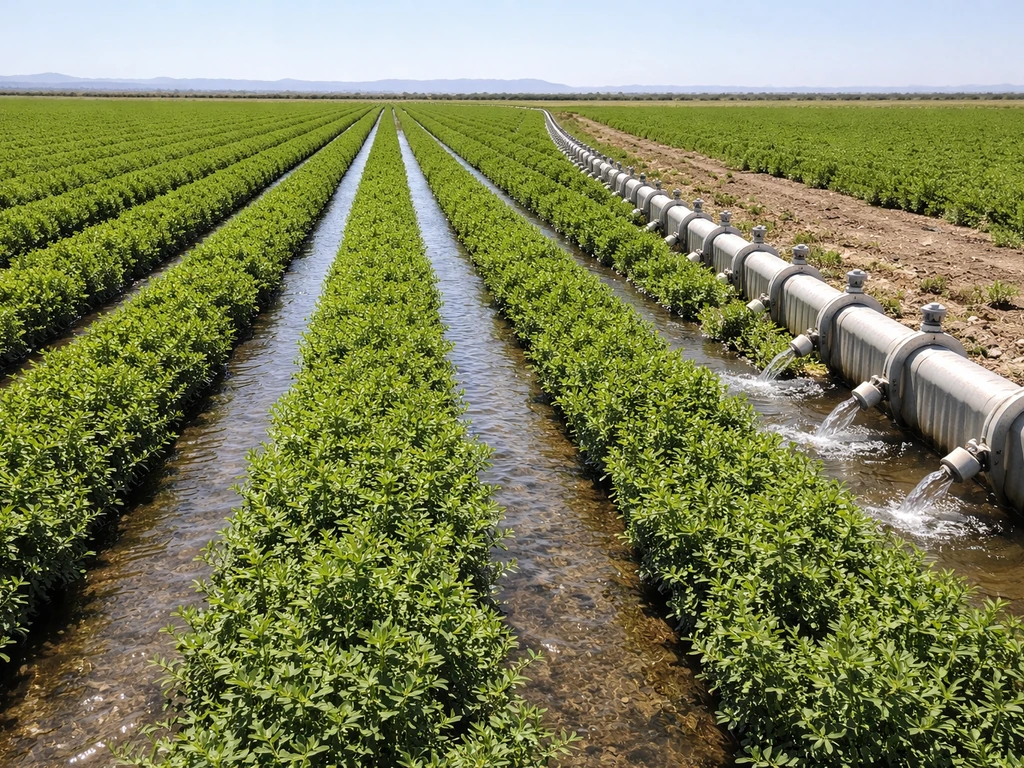
Alfalfa is the dominant forage crop and one of the most water-intensive crops grown in California. It's produced across the Central Valley and desert regions, primarily flood-irrigated, roughly 82% of California alfalfa acreage uses check-flood or bedded flood systems, about 15% uses sprinkler systems, and only 2–3% uses drip irrigation. Miscellaneous hay, Sudan grass, and small grain silage round out the forage category.
What California grows the most
If you want the headline numbers, here's the big picture. California leads the nation in fruits and nuts, vegetables, and dairy. The top commodities by gross value of agricultural production, as tracked by the California Department of Food and Agriculture, consistently include grapes (all types), almonds, dairy products, lettuce, strawberries, pistachios, tomatoes, and hay. Almonds alone are a massive industry, California produced an estimated 3. USDA ERS, citing the USDA/NASS California Almond Objective Measurement Report, predicts about 3.0 billion pounds of almonds in 2025, which would be the second largest on record after 2020’s 3.1 billion pounds. 0 billion pounds in 2025, making it by far the world's largest almond producer.
Grapes and almonds consistently rank at or near the top of the state's agricultural value charts. Processing tomatoes are another huge commodity, with California supplying the vast majority of the U.S. canned and processed tomato supply. Cotton, rice, and hay round out the major field crop commodities. By acreage, hay and forage crops cover enormous ground, but by dollar value, fruits and nuts dominate.
It's worth noting that California's agricultural diversity is partly rooted in history. The Spanish mission system introduced many crops to the region centuries ago, and understanding that legacy adds context to why certain crops are so embedded in the state's agricultural identity. If you're curious about those historical roots, looking at what crops did San Diego de Alcalá grow gives a vivid picture of how early mission agriculture shaped California's farming traditions. Similarly, what did Mission San Luis Obispo grow shows how coastal California missions developed agricultural systems that foreshadowed the state's modern crop mix.
Picking the right crops for your region and situation
Knowing what California grows in general is one thing. Knowing what you should grow at your specific location is another. Here's how to think through it.
Start with your frost dates
Your first/last frost dates are the foundation of any planting plan. UC Master Gardener guidance recommends identifying your area's approximate frost dates and, if you want an earlier start, beginning plants indoors 6 to 8 weeks before your target transplant date. City-level frost date tables are available through UC Davis resources, and they vary enough across California that even nearby towns can have meaningfully different windows. A gardener in coastal Santa Cruz and one in Sacramento's eastern suburbs are working with very different frost profiles even though they're only 90 miles apart.
Match your crops to your climate zone
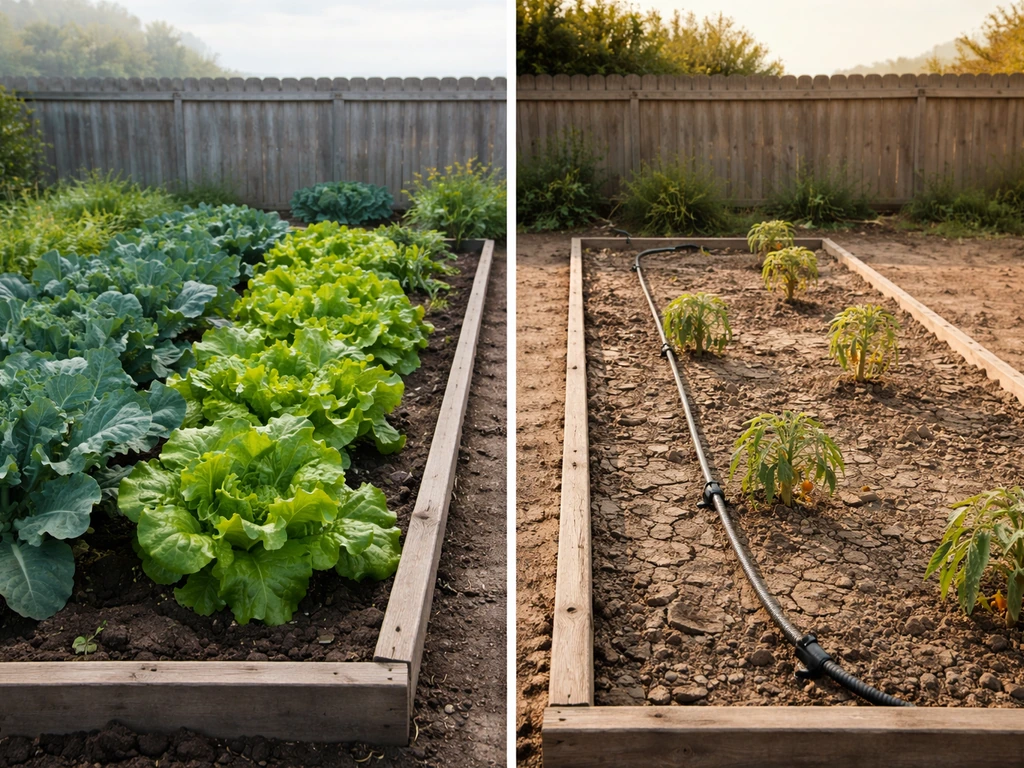
- Coastal zones (Monterey, Santa Cruz, Sonoma coast): Cool-season vegetables like lettuce, kale, spinach, broccoli, and cauliflower thrive here year-round or nearly so. Strawberries are excellent. Warm-season crops like peppers and eggplant may struggle without a warm microsite.
- Central Valley (Sacramento and San Joaquin): The heat suits tomatoes, melons, corn, peppers, squash, and stone fruits. Almonds, walnuts, and wine grapes are obvious commercial choices. Gardeners do well with heat-loving crops in summer and cool-season crops in fall and spring.
- Sierra Foothills: A shorter frost-free window limits options, but apples, pears, wine grapes, and cool-season vegetables are well-suited. The region's diurnal temperature swings (warm days, cool nights) are excellent for wine grape quality.
- Inland valleys and Inland Empire: Heat-tolerant crops perform well — citrus, avocados, peppers, and melons. Water availability and soil salinity can be limiting factors.
- Desert regions (Coachella, Imperial): The extreme heat makes summer crop production almost impossible without shade structures, but winter vegetable production (January through April) is highly productive. Dates are uniquely at home here. Alfalfa is grown year-round with intensive irrigation.
Think about water availability and soil
Water is the single most limiting resource for most California growers outside the immediate coast. If you're in an irrigated agricultural area, crop choice should align with what your water district can reliably deliver. For gardeners and small farmers, understanding how much water your chosen crop needs, and when, is essential. The concept of crop evapotranspiration (ETc), calculated as reference ET multiplied by a crop coefficient (Kc), gives you a practical estimate of actual water use. This is the approach California's irrigation scheduling system, CIMIS, uses to help growers time and size their irrigation applications.
Soil salinity is also a real issue in many irrigated California areas, particularly in the San Joaquin Valley and desert regions. Salt-sensitive crops like strawberries and beans will struggle in high-EC soils without active leaching, literally running enough extra water through the soil profile to push salts below the root zone. UC ANR publications on managing salts by leaching give detailed leaching requirement calculations based on your irrigation water's salinity and your target soil EC.
Before picking crops for a new field or garden bed in an arid area, a soil test is worth the investment. For micronutrient guidance, UC ANR Small Farms Network resources offer soil-test interpretation with crop-specific responsiveness ranges (ppm-based) for nutrients like zinc that commonly limit onions, corn, potatoes, and lettuce in California soils.
The Spanish mission legacy, incidentally, included crops that were selected partly for their tolerance to local soil conditions, what crops did Mission Santa Inés grow offers an interesting historical parallel to how California growers have always had to match crops to soil and water realities.
Beginner-friendly picks vs. more demanding crops
If you're new to growing in California, start with crops that are forgiving and productive across a wide range of conditions. Tomatoes, zucchini, green beans, and basil work well across most inland and valley areas in summer. Lettuce, spinach, and chard are easy cool-season wins on the coast and in fall/spring windows statewide. More demanding crops, artichokes, avocados, almonds, wine grapes, require more precise climate matching, often specific rootstocks or varieties for disease resistance, and in the case of tree crops, years before you see meaningful yield.
Planting basics: season, water, soil, pollination, and pests
Seasonality and timing
California's dry summers mean the growing calendar is often inverted from what gardeners in the eastern U.S. expect. On the coast, cool-season crops like broccoli and lettuce can be grown through summer because the marine layer keeps temperatures down. In the Central Valley and deserts, summer is for heat-lovers and cool-season crops are planted in fall or late winter. Small grain sowing windows are a good illustration of regional timing differences: Sacramento Valley growers target early October to mid-November, coastal growers aim for mid-November through mid-December, and desert valley growers have flexibility from mid-November into January.
Water and irrigation
Irrigation efficiency varies significantly by method: drip systems typically run 80–95% efficient, sprinklers 70–85%, and flood irrigation 50–75%. For commercial growers trying to get the most from limited water supplies, that gap between drip and flood is significant. For scheduling, tools like CropManage, a free web-based irrigation and nitrogen management tool from UC Cooperative Extension, use weather station data from CIMIS to estimate crop water use since the last irrigation event and help you decide when and how much to apply. It's a practical, accessible resource for small farms and larger operations alike.
Pollination
Many of California's most valuable crops depend on managed pollination. Almonds are the textbook example, the entire California almond industry requires honeybee colonies brought in during bloom each February. Wine grapes are largely self-pollinating. Squash, melons, and cucumbers need insect pollinators for good fruit set. If you're growing these crops at home or on a small farm, avoid pesticide applications during bloom and, where possible, plant flowering plants nearby to support native pollinators.
Pest and disease management
UC IPM outlines a structured approach to garden and farm pest management that covers soil and nutrition management, irrigation practices, sanitation, resistant varieties, crop rotation, physical barriers, and biological controls as the core toolkit. Irrigation management isn't just about water use, it directly affects pest and disease pressure. Standing water and excessive soil moisture drive fungal diseases and certain insect pests. For vegetable crops like cole crops (broccoli, cabbage, cauliflower), UC IPM provides crop-specific pest monitoring guides that help you identify and manage the most common California risks, from aphids to downy mildew. Getting the irrigation timing right, the water delivery system efficient, and the rotation schedule established will prevent the majority of problems before they start.
How to verify what will actually work at your location
General guidance is useful, but California's microclimates are so variable that local verification matters. Here are your most reliable next steps.
- Find your CIMIS weather station: The California Irrigation Management Information System (CIMIS) maintains weather stations across the state. Your nearest station gives you ETo data specific to your microclimate, which you can pair with crop coefficient tables to estimate actual crop water needs throughout the season.
- Look up your frost dates: UC Davis and UC Master Gardener resources provide city-level first and last frost date tables. Use these to set your planting and transplant windows. If frost is a risk, plan to start transplants indoors 6–8 weeks before your target outdoor date.
- Run a soil test: Before committing to a crop on a new site, test your soil. UC ANR Small Farms Network guidance on soil-test interpretation helps you understand nutrient levels, pH, and salinity — and whether you need to amend before planting.
- Use CropManage for irrigation planning: If you're on a farm or large garden, set up a CropManage account and connect it to your nearest CIMIS station. The tool will help you build a season-long irrigation and fertilization schedule based on your crops and local weather.
- Contact your UC Cooperative Extension county office: Every California county has a UC Cooperative Extension office with farm advisors who know local conditions in detail. They can point you to county-specific crop guides, variety trials, and pest management resources that go beyond what any statewide resource can offer.
- Check CDFA county agricultural statistics: The California Department of Food and Agriculture publishes county-level agricultural statistics. Looking at what your county's leading commodities are gives you a clear signal of what the climate and soils in your area actually support at commercial scale.
One more angle worth considering, especially if you're thinking about tree fruits, nuts, or Mediterranean crops: the historical track record matters. Many of the crops that dominate California agriculture today were introduced by Spanish missionaries who were systematically testing what the California climate could support. Understanding which Spanish crops grow on trees, the olives, figs, and grapes that missionaries brought, puts today's almond orchards and wine regions in a longer context and underscores why certain crops have such deep roots in California's agricultural landscape.
California's sheer crop diversity means there's almost always something you can grow, wherever you are in the state. The key is matching the right crop to your specific zone, working with California's dry-summer water reality rather than against it, and using the excellent local resources, CIMIS, UC Cooperative Extension, CDFA county data, to fine-tune your decisions before you plant.
FAQ
What crops grow in California without irrigation?
In most of California, truly rain-fed options are limited because growing season and rainfall don’t line up. You’ll have the best luck with dry-farm or naturally drought-tolerant crops in the coastal zone or in years with favorable winter totals, and you should still expect supplemental water for many vegetables. For most inland and desert locations, plan on irrigation for common commercial crops like lettuce, almonds, grapes, and tomatoes.
Can I grow the same crops across the entire Central Valley?
Not reliably. Even within the Central Valley, you’ll see big differences from west-to-east (temperature, fog, humidity) and from north-to-south (frost timing and heat buildup). That means crop variety and planting dates can change within short distances, especially for frost-sensitive plants and for heat-demanding fruiting vegetables.
Why do strawberries do especially well in some coastal California areas?
Coastal strawberry success is often tied to cooler daytime temperatures, marine fog, and moderated humidity that reduce heat stress and can improve fruit quality. If you try coastal-style lettuce or strawberries far inland without adapting the variety and timing, heat spikes and rapid soil drying can cause poor yields.
What determines whether rice can be grown in California?
Rice depends on reliable water delivery and specific field conditions. Sacramento Valley rice works because flooded paddy systems and clay-rich soils can hold water long enough for the crop’s needs. Outside that pocket, water availability, soil permeability, and field-level water control are usually the limiting factors.
Do I need special soil for growing almonds or other tree crops?
Tree crops tolerate a wider range than vegetables, but they are sensitive to drainage, salinity, and root-zone oxygen. Before planting, test for soil electrical conductivity (EC), check for hardpan or drainage limits, and confirm your irrigation water salinity so you can decide whether you’ll need leaching or a different rootstock strategy.
How do frost dates affect what crops grow best in California home gardens?
Frost dates don’t just determine when you can plant, they also decide whether you’ll get enough heat units for fruiting crops before temperatures drop. In California’s dry-summer pattern, many gardeners find that fall or late winter planting for cool-season crops works better inland, while coastal areas can sometimes support longer cool-season production windows.
Is it better to grow cool-season vegetables in summer or winter in California?
It depends on your location. On the coast, marine cooling can let cool-season crops like broccoli, lettuce, and spinach keep producing through summer. In the Central Valley and deserts, summer heat usually forces cool-season crops to be planted in fall or late winter instead, so you plan your calendar based on your local seasonal temperature swings.
How does irrigation method change what crops you can realistically grow?
Irrigation efficiency affects how much water you can deliver, and that changes which crops pencil out. Drip systems are typically more efficient than sprinklers, and flood is the least efficient. If your water supply is tight, choosing crops with lower water demands or using drip where possible can be the difference between steady production and chronic stress.
What’s the biggest crop mistake beginners make in California?
A common mistake is matching crops to what grows well in the state overall, without matching to local microclimate and water delivery realities. Many plants fail because they’re planted at the wrong time for local heat or frost, or because the grower underestimates irrigation scheduling needs and salinity buildup in irrigated areas.
Can I use “California-friendly” crops like tomatoes statewide?
Tomatoes are a good starting point, but you still need to pick an appropriate variety and plan for timing. Inland heat can push pests and tip over watering needs, while coastal fog can increase fungal risk if you plant too early or crowd plants. Variety selection and spacing, plus irrigation timing, are what make “easy” tomatoes stay easy.
Do pollination requirements limit which crops I can plant at home?
Yes for some crops. Almonds require managed honeybee colonies during bloom, and squash, melons, and cucumbers typically need insect activity for good fruit set. If you avoid pesticide sprays during bloom and add nearby flowering plants, you can improve yields, especially in small gardens where pollinator traffic is inconsistent.
Next Articles
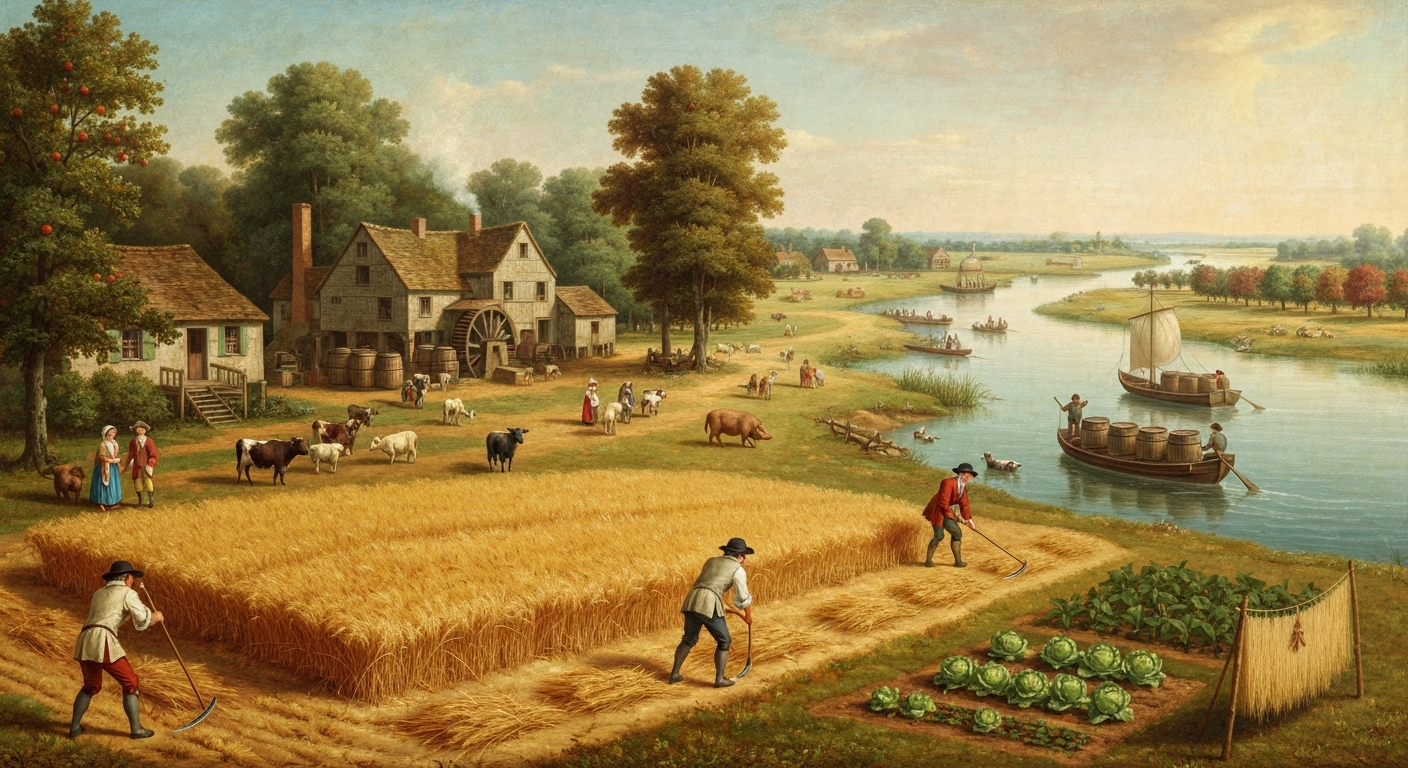
What Did the Delaware Colony Grow: Crops, Uses & Legacy
Colonial Delaware’s main crops, grains, hay, flax, fruits, vegetables, livestock, why they thrived and how they were sold.
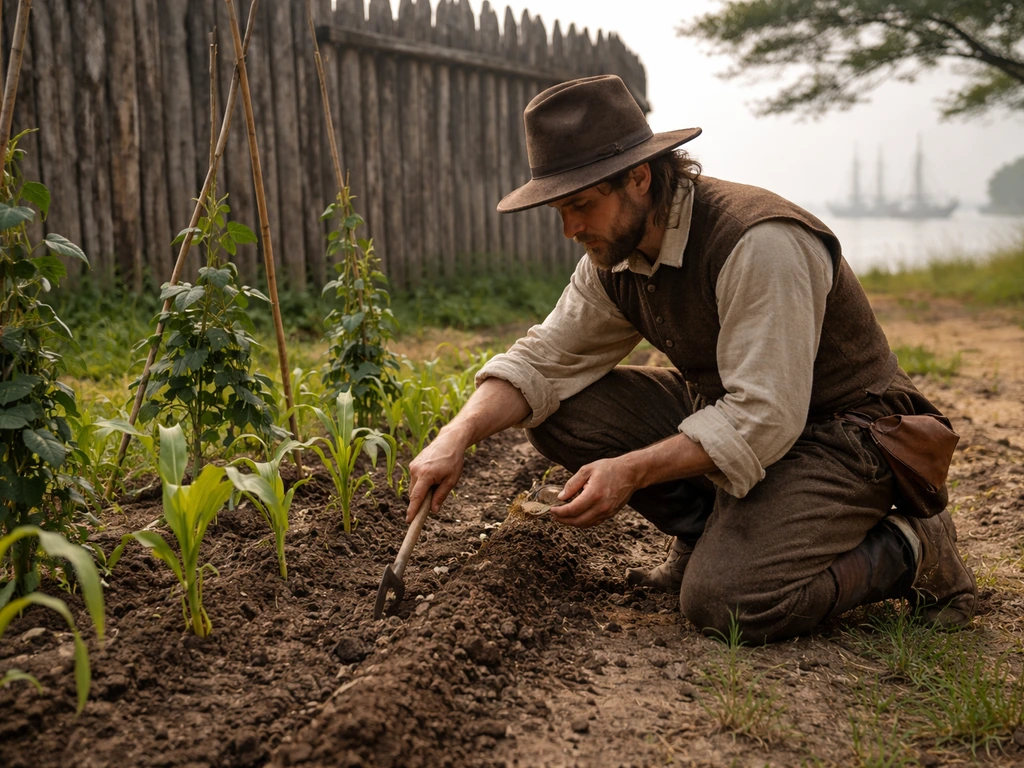
What Did Jamestown Grow and How They Farmed It
Learn what Jamestown colonists grew and the methods they used to plant, harvest, and adapt crops to Virginia conditions.
What Did the New England Colonies Grow? Major Crops
Major New England colonial crops explained by climate and soil, from corn and wheat to beans and hay, plus today’s paral