If you're growing in Puerto Rico right now, your best bets are plantains, sweet potatoes (batata), peppers, tomatoes, pigeon peas (gandules), tropical root crops like yuca and yautía, and fruit trees like papaya and mango. If you want a quick answer to what Puerto Rico grows best, start with plantains, sweet potatoes, pigeon peas, and yuca or yautía what does puerto rico grow. These crops match what the island's climate actually delivers: heat, humidity, year-round growing potential, and some serious pest and disease pressure that rewards choosing the right variety from the start. Whether you have a coastal garden in the dry southwest or a mountain plot in the interior, there's a productive crop list for your exact conditions.
Best Crops to Grow in Puerto Rico: Regional Picks for Now

Samuel Rourke
5 Jun 2026
Puerto Rico's climate basics and why they matter for what you plant
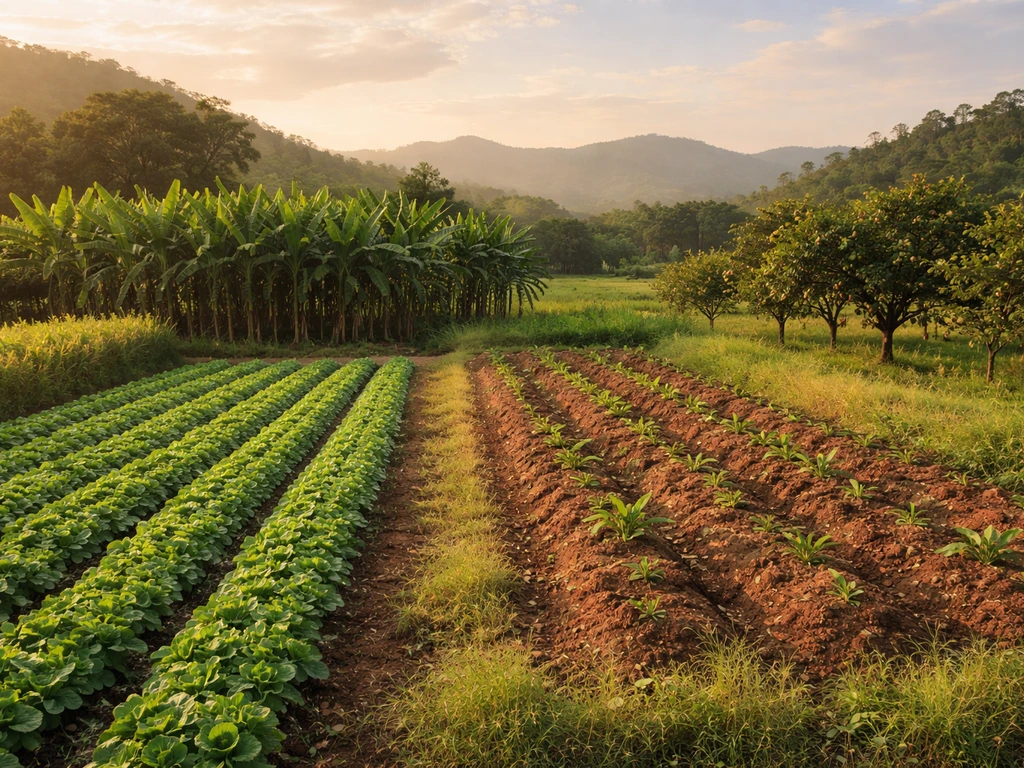
Puerto Rico sits firmly in the tropics, but it isn't one uniform climate. The island's central mountain range (the Cordillera Central) creates a dramatic split between the wet north and east and the drier south and west. The windward (north-facing) slopes receive far more rainfall than the leeward side, where a rain shadow keeps the south coast semi-arid. USDA research classifies about 18% of Puerto Rico as tropical dry forest zone, receiving roughly 24 to 40 inches (600 to 1,000 mm) of rain annually, while wetter zones in the north and northeast get 40 to 80 inches (1,000 to 2,000 mm) or more. That gap shapes almost every crop decision you'll make.
Temperature is fairly stable year-round at sea level, with highs typically in the upper 80s to low 90s °F. But elevation changes things fast. For every 1,000 feet you go up, temperatures drop about 3.5 °F. In the interior mountain zones, mean maximum temperatures are around 25 °C (77 °F) and minimums around 22 °C (72 °F), which is noticeably cooler than the coast. That cooler mountain air opens the door to crops that would suffer or bolt in coastal heat, like cabbage, broccoli, and even some leafy greens.
Hurricane exposure is a real factor in long-term crop planning. Perennial crops like banana, plantain, and papaya are highly vulnerable to wind damage, which is why diversifying with deep-rooted perennials and annual crops gives you better resilience. NOAA track data confirms Puerto Rico sits in an active hurricane corridor, so siting windbreaks and choosing recovery-speed (fast-maturing annuals alongside perennials) is good practical strategy.
Top crop recommendations by category
Staple roots and tubers
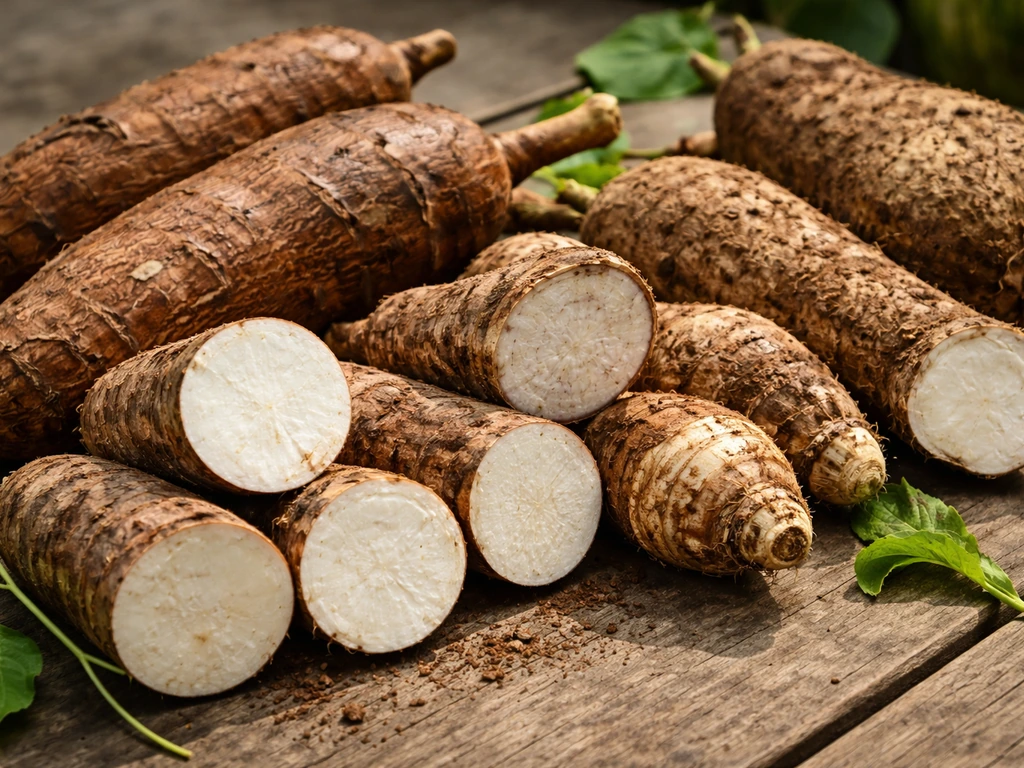
Farináceos, the local term for starchy root and tuber crops, are the backbone of Puerto Rican agriculture and for good reason. Yuca (cassava), yautía (taro/malanga), ñame (true yam), and batata (sweet potato) are all well-adapted to the island's soils and heat. They're forgiving of soil variability, produce large caloric yields per acre, and have deep cultural and nutritional importance. UPR actively researches these crops for pest and disease management, which tells you there's strong local institutional support for growers who want technical help. The sweet potato weevil (Cylas formicarius, called the piche de la batata) is the biggest commercial threat to batata, and UPRM has specific IPM protocols for managing it, so get familiar with those before planting at scale.
Plantains and bananas
Plantain is one of Puerto Rico's most important crops, both economically and culinarily. It grows well across most of the island's moist zones, thrives in the heat, and produces reliably when managed well. The main challenge is black Sigatoka (Mycosphaerella fijiensis), which UPRM research identifies as the single most limiting disease for plantain and banana production on the island. Using resistant or tolerant varieties, following the 2023 UPRM IPM guidance on Sigatoka management, and maintaining good air circulation in your planting layout will go a long way. Plantains typically take 9 to 12 months from sucker planting to first harvest, then produce ratoon crops continuously.
Vegetables: tomatoes, peppers, eggplant, and cucurbits
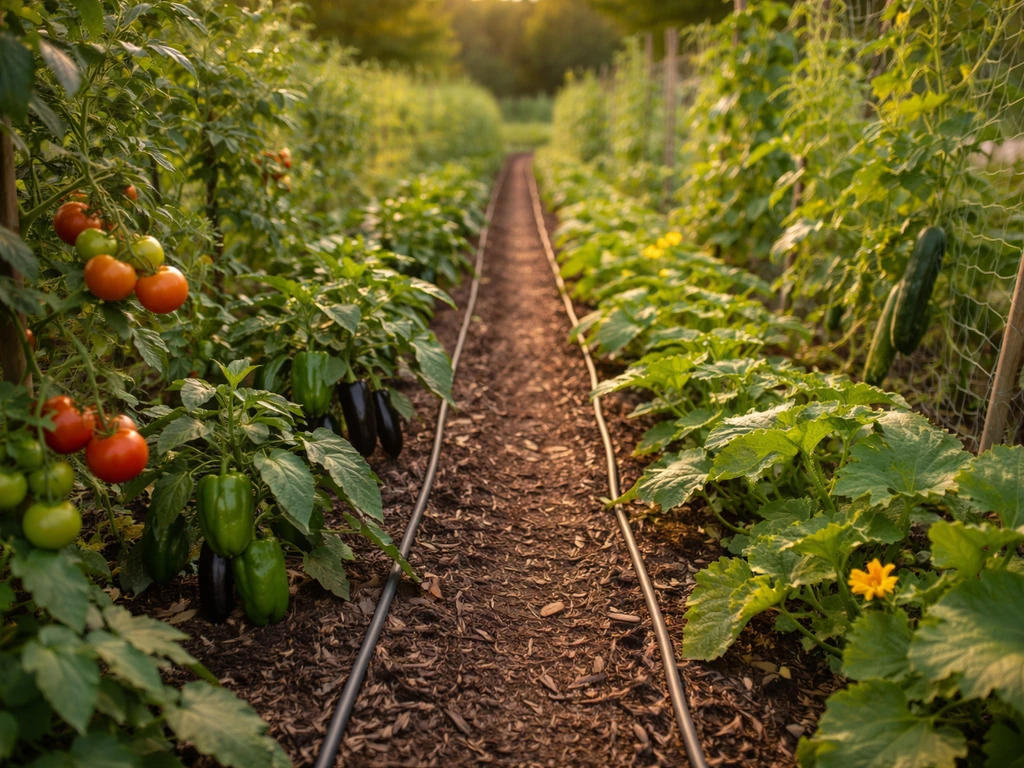
Tomatoes, sweet peppers, eggplant, cucumbers, squash, and melons all have active research programs at UPR's experimental stations, including Juana Díaz in the south and Isabela in the north. Tomatoes are especially well-studied, with UPRM's Agricultural Experiment Station (EEA) publishing local variety evaluations and selection guides specifically for Puerto Rico conditions. La Oficina de Publicaciones de la Estación Experimental Agrícola (EEA/UPRM) ofrece publicaciones técnicas locales sobre el tomate que incluyen secciones sobre variedades y selección. The key with tomatoes here is choosing heat-tolerant varieties developed or tested for Caribbean conditions. The EEA UPRM seed store sells seed lines selected for heat and pest tolerance, which is worth using over generic catalog varieties that may underperform in Puerto Rico's humidity and heat combination.
Irrigation method matters more than many growers expect. Research comparing drip, microsprinkler, and furrow irrigation at Fortuna (semi-arid south coast) and Isabela (humid north coast) showed that performance differences between sites were significant, meaning you should match your water system to your actual zone. Drip irrigation is generally the most efficient choice for south coast production, while the wetter north may need more focus on drainage than on irrigation infrastructure.
Legumes: pigeon peas and cover crop legumes
Gandules (pigeon peas) are one of Puerto Rico's most climate-appropriate crops. They're drought-tolerant once established, fix nitrogen, thrive in the dry south, and produce reliably with minimal inputs. They're also culturally essential, which means there's local market demand. UPRM research has documented the use of gandules and other legumes like crotalaria and canavalia as cover crops integrated into papaya and plantain systems, where they improve soil health and suppress weeds while adding nitrogen. Even if you're primarily growing something else, adding gandules to your rotation is a near-universal win.
Fruit trees: papaya, mango, citrus, and avocado
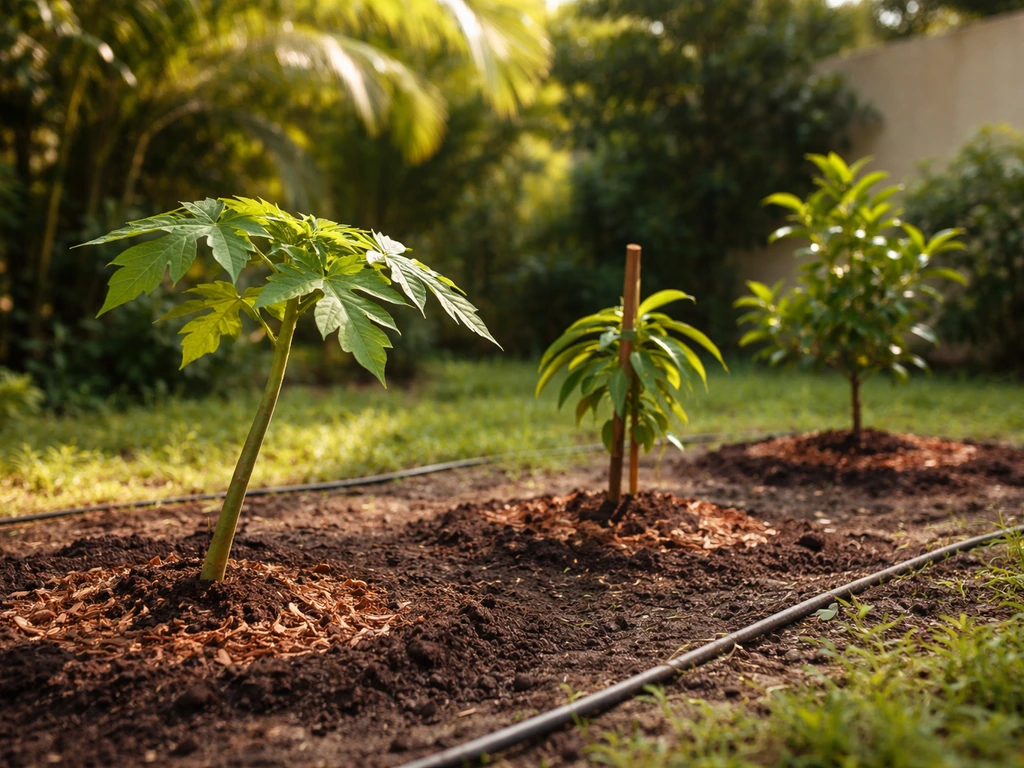
Papaya is a fast-maturing tree fruit that can produce within 9 to 12 months of transplanting, making it one of the better choices for growers who want perennial income without the long wait of mango or avocado. It does need good drainage, watch for aphid pressure (which UPRM has studied in papaya-legume intercropping systems), and papaya ringspot virus is a real risk, so source certified clean planting material. Mango and avocado are long-term investments, but both are extremely well-adapted to Puerto Rico's climate and require very little intervention once established. Citrus (especially oranges and grapefruit) grows well in the island's interior and wetter zones.
Matching crops to Puerto Rico's zones and microclimates
| Zone / Microclimate | Rainfall / Conditions | Best Crop Fits |
|---|---|---|
| North and east coast (humid) | 40–80+ in/year, warm, high humidity | Plantains, yautía, yuca, tomato, papaya, leafy greens, peppers |
| South and southwest coast (semi-arid) | 24–40 in/year, dry, hot | Gandules, batata, peppers, melons, tomato (with drip irrigation), onions |
| Interior mountains (cooler, moist) | High rainfall, temps 5–10 °F cooler | Cabbage, broccoli, coffee, ñame, yautía, some leafy greens |
| Leeward mountain slopes (rain shadow) | Moderate to low rainfall, warm | Gandules, batata, drought-tolerant fruits, mango |
| Coastal lowlands (any side) | Warm year-round, wind exposure | Plantain (with windbreak), papaya, peppers, cucumbers, squash |
The interior mountain zones of Puerto Rico are genuinely underutilized for crops that need a break from coastal heat. If you're farming at 1,500 feet or above, the temperature drop of roughly 5 °F compared to sea level is enough to make cabbage, broccoli, and even some root crops perform significantly better. Coffee has historically dominated these elevations for exactly this reason, and specialty coffee is still a viable option for mountain farms today.
Year-round planting calendar and harvest planning
One of Puerto Rico's biggest advantages is that you can plant virtually year-round. UPRM's tunnel production research confirms that crops can be seeded in any geographic region of the island in any month, especially with basic protected cultivation. Even in open fields, the lack of hard frosts means your calendar is shaped by rainfall patterns and hurricane season rather than killing cold.
The practical rhythm looks like this: the dry season roughly runs December through April, which is the preferred planting window for tomatoes, peppers, and melons in the south (less disease pressure from fungal pathogens). The rainy season (May through November) suits plantains, root crops, and legumes better in most zones, though it also brings higher disease pressure for fungal issues like Sigatoka. Hurricane season peaks August through October, which is worth factoring into whether you're putting in new plantain ratoons or starting a papaya crop that won't reach maturity before a potential storm.
| Crop | Best Planting Window | Approx. Time to Harvest |
|---|---|---|
| Tomato | November–February (south); year-round in tunnels | 60–90 days |
| Sweet pepper | November–February (south); year-round in tunnels | 75–90 days |
| Batata (sweet potato) | Year-round; best Nov–March in south | 90–120 days |
| Plantain | Year-round (avoid peak hurricane months for new plantings) | 9–12 months to first harvest |
| Gandules (pigeon peas) | August–October for dry-season harvest | 150–180 days |
| Yuca (cassava) | Year-round | 8–12 months |
| Papaya | Year-round; avoid Aug–Oct for new transplants | 9–12 months |
| Cucumber / squash | October–March preferred | 45–65 days |
| Cabbage / broccoli (mountains) | October–February | 60–90 days |
| Mango | Plant any time; fruits seasonally May–Aug | 3–5 years to production |
Soil, water, and pest/disease realities by crop group
Soil needs
Puerto Rico's soils vary from heavy clays in the interior to sandy loam on the coast. The one universal truth is drainage. UPRM's protected cultivation guidelines specifically recommend loose, deep, well-draining soils for vegetable production, and this applies in open fields too. Waterlogging accelerates root rots in yuca, batata, and tomato. On heavy clay soils, raised beds or ridged rows (camellones) make a significant practical difference. In the south, salinity can be a concern with intensive irrigation, so soil and water testing before committing to high-value crops is worth doing.
UPRM research on conservation practices in southern Puerto Rico's vegetable systems shows that cover cropping and reduced tillage measurably improve soil health over time. Integrating legume cover crops (crotalaria, canavalia, or gandules) between vegetable cycles is one of the most practical and locally validated ways to maintain soil fertility without heavy synthetic fertilizer inputs.
Irrigation planning
In the dry south, irrigation is not optional for most vegetable crops. Drip irrigation outperforms furrow irrigation for both tomato and sweet pepper in research done at the Fortuna station, both in water efficiency and yield. In the wetter north, your irrigation needs are lower but drainage infrastructure often matters more. Plan your water system before you plant, not after your first drought stress event.
Key pests and diseases to know
- Black Sigatoka (Mycosphaerella fijiensis): Most limiting disease for plantain and banana. Manage with resistant varieties, fungicide programs following UPRM 2023 IPM guidance, and adequate plant spacing for airflow.
- Sweet potato weevil (Cylas formicarius / piche de la batata): Major commercial constraint for batata. Use clean planting material, crop rotation, and UPRM's integrated management protocols.
- Aphids in papaya: Watch for papaya ringspot virus transmission. Manage with reflective mulches, clean transplants, and legume intercrops that support beneficial insects.
- Fungal diseases in tomato and pepper: High humidity during the rainy season drives leaf mold and bacterial spot. Use disease-resistant varieties, stake crops for airflow, and avoid overhead irrigation.
- Root rots in yuca and yautía: Poor drainage is the main driver. Raised beds and well-structured soil are your first defense.
- Thrips and whiteflies in vegetable crops: Most severe in dry, warm conditions. UPRM's IPM extension publishes crop-specific management guides for each of these.
The UPRM Agricultural Extension Service (SEA) runs an integrated pest management (MIP) program with crop-specific publications for most of the crops listed here. These are free resources in Spanish written specifically for Puerto Rico conditions, and they're more useful than generic pest management guides written for the continental U.S.
How to actually get started: site, seeds, and first plantings
Assess your site before choosing crops
- Determine your rainfall zone: Are you in the humid north, the dry south, or the wetter interior? UPRM's climatology portal (Climatología UPRM) lets you check long-term climate normals for your specific municipality.
- Check your elevation: Above 1,000 feet opens up cooler-season crops. Below 500 feet on the coast means full tropical conditions year-round.
- Evaluate drainage: Dig a hole about 12 inches deep, fill it with water, and see how fast it drains. If it takes more than 4 hours to drain, you need raised beds or drainage work before planting most vegetables or root crops.
- Note wind exposure: Coastal sites with strong tradewinds need windbreaks for tall crops like plantain and papaya. Even a row of bamboo or a hedge on the windward side helps significantly.
- Test your soil pH: Most Puerto Rico soils are slightly acidic, which suits most tropical crops, but a basic soil test from the UPR extension service will tell you if you have major nutrient or pH issues to address.
Where to source seed and planting material
Start with locally adapted material wherever you can. The EEA UPRM seed store sells variety lines specifically selected for Caribbean heat tolerance, disease resistance, and performance under local conditions. For root crops, sourcing clean, certified planting material (whether sweet potato vines, yuca stakes, or yautía corms) from a known disease-free source is critical, since many pests and diseases spread through vegetative planting material. The SEA UPRM extension service and tree nursery IPM manual both emphasize this point for good reason.
What to plant first, based on your goals
| Goal | Start With | Add Next |
|---|---|---|
| Quick harvest (under 90 days) | Tomato, cucumber, sweet pepper | Squash, leafy greens, beans |
| Staple food production | Batata, yuca, gandules | Yautía, ñame, plantain |
| Perennial income | Papaya (fastest tree fruit), plantain | Mango, avocado, citrus |
| Low input / drought resilient | Gandules, batata, yuca | Mango, ñame |
| Mountain farm (1,000 ft+) | Cabbage, broccoli, coffee | Yautía, ñame, citrus |
If you're completely new to growing in Puerto Rico, plant gandules and batata first. If you mean el Salvador, what you can grow depends heavily on local climate and altitude, but crops like coffee, maize, and beans are common choices what does el salvador grow. If you're wondering what Suarez Farms grows, start by checking their current crop list since it can vary by season and growing area. Both are forgiving, culturally relevant, have strong local market demand, and teach you how your soil and water situation actually behaves before you invest in more demanding crops like tomato or papaya. Add plantains as your first perennial if you're in a moist zone with decent wind protection.
Why these crops have roots in Puerto Rico's agricultural history
The crops that do best in Puerto Rico today are, for the most part, the same ones that shaped the island's agricultural history, and that's not a coincidence. Yuca, yautía, ñame, and batata were cultivated by the Taíno long before European contact, selected over generations for adaptation to the island's soils and climate. Plantains and bananas arrived with Spanish colonization in the 16th century and spread rapidly because they thrived in the humid tropical conditions. Gandules came from Africa via the Atlantic trade routes and embedded themselves into Puerto Rican cuisine and farming systems because they performed so reliably in the dry south and on marginal soils.
Sugar cane and coffee dominated the island's commercial agriculture through the 18th to 20th centuries, each matched to specific climate zones: sugarcane on the flat coastal lowlands with irrigation, and coffee in the cool, moist mountain interior where the Arabica plant finds conditions close to its Ethiopian highland origins. Today, specialty coffee is seeing a revival in the mountain interior for exactly the same climatic reasons it thrived historically. Understanding why certain crops became important on the island is, in practical terms, understanding which conditions make them succeed, and that's directly useful when you're deciding what to plant now.
The broader Caribbean region shares many of these patterns. Cuba, Costa Rica, El Salvador, and other nearby countries grow many of the same core tropical crops, adjusted to their own climate variations, and Puerto Rico's agricultural choices have always reflected this regional context. In Cuba, many growers focus on staple tropical crops and similar climate-adapted varieties. What makes Puerto Rico distinct is the combination of elevation diversity compressed into a small island, strong local research institutions like UPRM's Agricultural Experiment Station, and a crop tradition that goes back thousands of years on this specific land.
That history gives you a useful shortcut: if a crop has been grown in Puerto Rico for centuries, there's strong prior evidence it belongs there. Build your crop plan around those proven performers first, then experiment at the margins with crops that need specific microclimate conditions or more management attention. You'll spend less time troubleshooting and more time harvesting.
FAQ
What are the easiest “starter” best crops to grow in Puerto Rico if I’m a beginner?
If you want fast feedback and lower risk, start with batata and gandules, then add yuca or yautía (once you can source clean planting material). These crops handle variable soil and heat well, and they build soil strength for the next season, especially when you include legumes like gandules in the rotation.
How should I choose crops for the dry south versus the rainy north?
Use gandules, plantains, and most root/tuber crops as your backbone in the south, because they align with lower rainfall and heat. For the north, prioritize crops that tolerate high humidity but plan around drainage and air flow, tomatoes and peppers can work well there if you pair them with sanitation and resistant varieties, since fungal pressure is higher.
Which crops are most sensitive to drainage problems in Puerto Rico soils?
Tomato, yuca, and sweet potato are where poor drainage shows up first (root rot and stunting). If your soil holds water after rain, plan raised beds, ridged rows, or camellones before planting, and avoid planting into low spots, even if the area looks fertile.
What’s the biggest pest or disease mistake people make when growing the “best crops” in Puerto Rico?
Using untreated or non-verified planting material for vegetatively propagated crops. For batata and other roots, many growers lose a crop early due to infected vines, stakes, or corms, so source from known disease-free suppliers and keep planting material separate from old or harvested stock.
Do I need irrigation for the best crops in Puerto Rico, even in a tropical climate?
Yes for most vegetables in the south, even during cooler months, because the dry season and sandy or fast-draining soils can stress plants quickly. In the north, you may irrigate less, but drainage becomes the limiting factor, so focus on water management that prevents waterlogging rather than only adding water.
Should I plant tomatoes and peppers in the rainy season or the dry season?
In the south, the dry season is usually the lower-disease window for tomatoes, peppers, and melons, while the rainy season favors plantains and root crops. In the north, you can still grow tomatoes, but tighten your spacing for airflow and follow local IPM guidance more strictly because humidity ramps up disease pressure.
Can I grow leafy brassicas like cabbage and broccoli in Puerto Rico year-round?
They’re most reliable at elevation, generally around 1,500 feet and above, where the cooler temperatures reduce bolting. In coastal or very hot interior lowlands, expect stress or rapid flowering, so treat brassicas as “mountain crops” unless you have protected cultivation.
What should I do about hurricane risk when choosing the best crops to plant?
Plan wind protection and crop timing together. Diversify by pairing fast-maturing annuals (so you can harvest before storm peaks) with perennials that can survive but are sited with windbreaks, keep in mind that plantain and papaya can be wind-damaged even if they recover.
How do I prevent black Sigatoka from ruining plantains and bananas?
The key is starting with tolerant or resistant varieties and managing canopy airflow, avoid overcrowding and keep consistent sanitation. Also follow the locally tailored Sigatoka management guidance from Puerto Rico’s extension and research resources, since generic advice often misses the faster disease cycle driven by local humidity.
What’s the difference between “best crops” and “best varieties” in Puerto Rico?
A crop can be well-suited, but the wrong variety can fail quickly under Puerto Rico’s humidity, heat, and pest load. For tomatoes and peppers especially, choose heat-tolerant lines selected or tested for Caribbean conditions, not just high-yield catalog varieties that may struggle locally.
Is papaya a good choice if I want income sooner than mango?
Yes, papaya is often a practical “faster perennial” because it can fruit within about 9 to 12 months after transplanting. However, it’s not maintenance-free, it needs good drainage and clean planting material due to ringspot risk, and aphid pressure should be monitored early.
What cover crops pair best with the legume and root crops mentioned for Puerto Rico?
Legume cover options like crotalaria and canavalia are commonly used to improve soil and suppress weeds between vegetable cycles. If your system includes plantain or papaya, gandules and other legumes can fit naturally as part of the soil-building rotation, but adjust timing to match rainfall patterns.
How do I build a simple rotation using Puerto Rico’s best crops?
A practical approach is to rotate heavy feeders or high-yield vegetables with roots and legumes, for example, establish batata or yuca, then follow with or intersperse gandules as a nitrogen-fixing and soil-restoring component. This reduces fertilizer dependence and helps break pest cycles, especially when you add cover crops between vegetable windows.
Next Articles
What Does Cuba Grow Main Crops and Where They Grow
Main Cuba crops and where they grow by region, with climate and soil notes, plus historical shifts and growing tips.

What Does Suarez Farms Grow? Crops, Climate, and Verification
What Suarez Farms grows, crop list and climate fit, plus steps to verify current plantings via farm and local sources.
What Does Puerto Rico Grow Best Here Are the Main Crops
Discover what Puerto Rico grows best: staple foods, fruits, plantation cash crops, and the conditions that make them thr