
Cotton grows from a small seed into a shrubby plant that produces flowers, then bolls, and finally the fluffy white fiber most people recognize. From planting to harvest, the full cycle takes roughly 150 to 180 days depending on variety and climate. The plant needs a long, frost-free growing season, warm soil, plenty of sunlight, and well-drained ground. Get those conditions right and you will move through a predictable sequence: germination, vegetative growth, squaring, flowering, boll development, and finally boll opening that signals harvest time.
How Does Cotton Grow From the Ground to Harvest

Samuel Rourke
22 May 2026
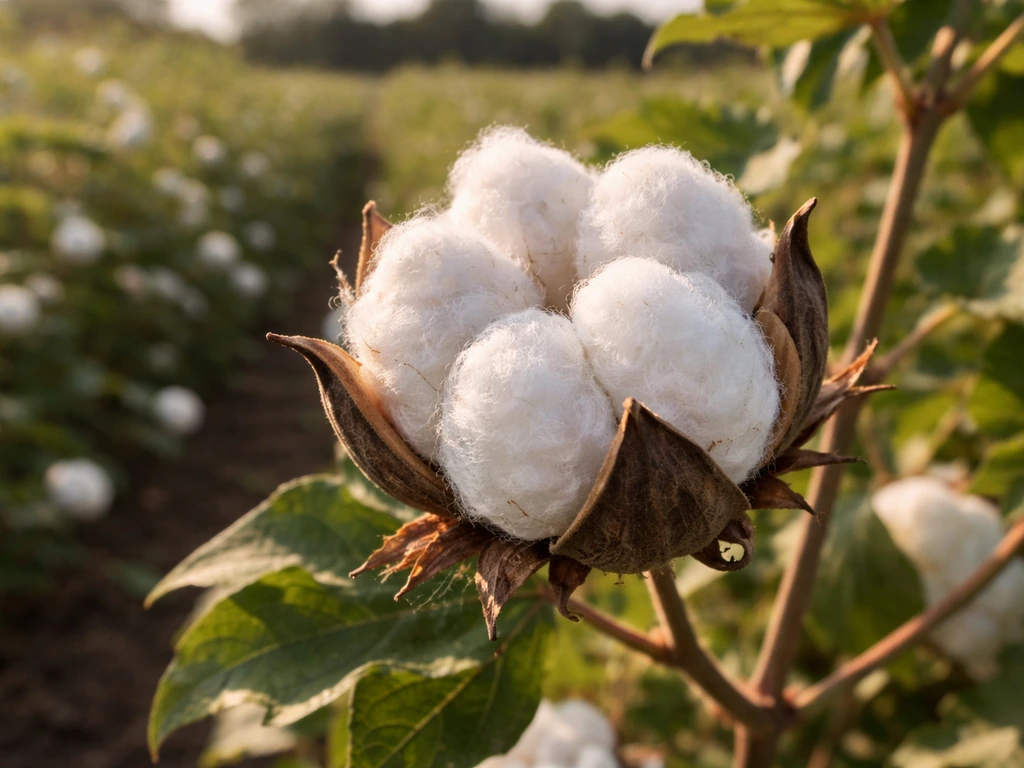
Cotton plant basics and where it grows
Cotton belongs to the genus Gossypium in the mallow family (Malvaceae). The fiber you are ultimately after grows inside a boll, which is a protective casing that wraps around the seeds. Two species dominate commercial and small-scale production: upland cotton (Gossypium hirsutum), which accounts for the vast majority of global output, and Pima or extra-long-staple cotton (Gossypium barbadense), which produces a longer, silkier fiber and is grown in places like the San Joaquin Valley in California, parts of Arizona, and Egypt. The differences between these two types matter at harvest time because Pima cotton requires roller gins rather than the saw gins used for upland varieties.
Geographically, cotton is a crop of warm latitudes. In the United States, the Cotton Belt runs from the Carolinas and Georgia across the Gulf states, through the Mississippi Delta, into Texas and Oklahoma, and out to New Mexico, Arizona, and California. Globally, major producers include India, China, Pakistan, Brazil, and Uzbekistan. What these regions share is a growing season of at least 160 frost-free days, average summer temperatures above 60°F (15°C) at night and often above 90°F (32°C) during the day, and enough sunlight to fuel boll development. Cool, wet climates simply do not work for cotton.
Step-by-step cotton growth cycle from planting to harvest
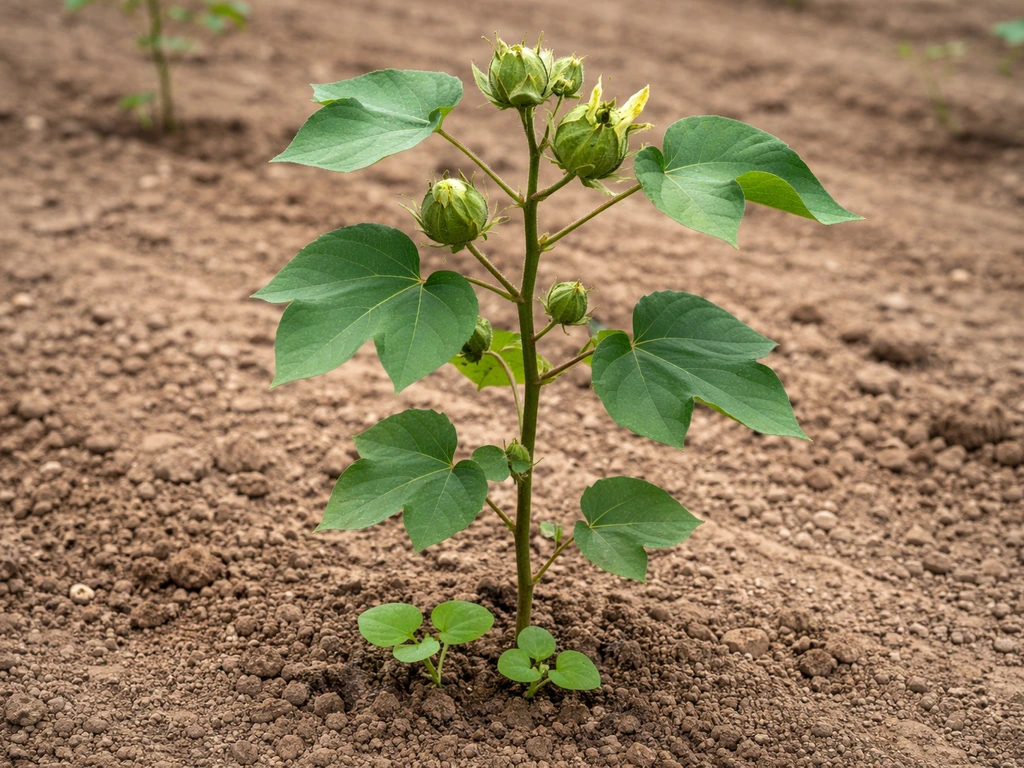
Understanding the sequence makes it much easier to know what you are looking at on the plant and what it needs at each point. Here is how the growth stages unfold in order.
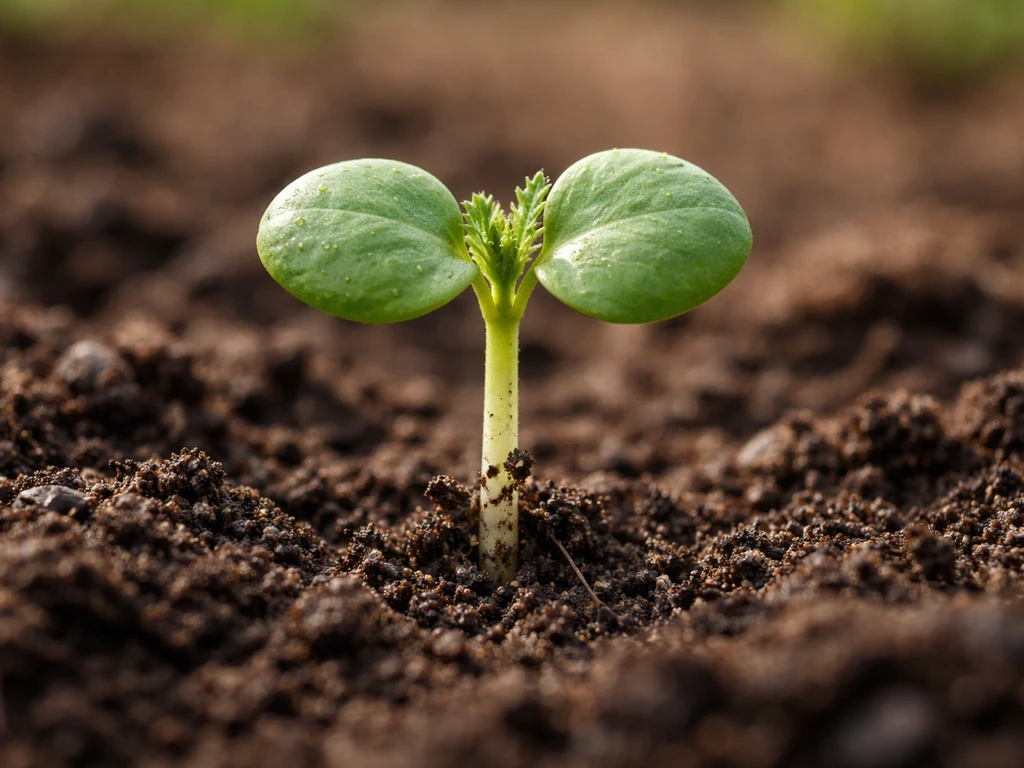
- Germination (Days 1–10): Seeds absorb moisture and split, sending a taproot downward and a shoot upward. Soil temperature needs to be at least 60°F (ideally 65°F or warmer) for reliable germination. Cool soils dramatically slow this stage and invite disease.
- Seedling and vegetative growth (Days 10–35): The cotyledons (seed leaves) emerge first, followed by the first true leaves. The plant puts most of its energy into building roots and leaf canopy during this phase. This is when you establish the population and manage early pests.
- Squaring (Days 35–60): The first flower bud, called a square, appears roughly 35 to 47 days after planting depending on temperature and region. In the Mid-South U.S., this phase often begins around 35 days. The square looks like a small, pyramid-shaped bud with three bracts around it.
- Flowering (Days 55–90): About 21 days after the first square appears, the flower opens. Cotton flowers are distinctive: they open creamy white on day one, turn pink or red on day two, then drop. Pollination happens within the first day of bloom, and ovules are fertilized roughly 30 hours after pollination.
- Boll development (Days 70–130): Once pollinated, the base of the flower swells into a boll. The boll grows for about 45 to 65 days before it matures. A boll that survives the first 10 to 14 days after bloom is generally considered set and unlikely to be shed by the plant.
- Boll opening and harvest readiness (Days 130–180+): As bolls mature, they dry out and crack open, exposing the white lint inside. Peak bloom typically occurs 20 to 30 days after first flower. Once the majority of bolls are open, the crop is ready for harvest.
Soil, climate, and water requirements across regions and seasons
Cotton is more demanding than many crops when it comes to matching conditions to the growth stage. Getting close on temperature or water is not always enough.
Temperature and season length
The plant needs a frost-free window of at least 150 to 180 days. In the Deep South (Georgia, Alabama, Mississippi), growers typically plant in April and harvest in October, which gives them enough heat accumulation. In Texas, timing shifts depending on whether you are in the humid East Texas Piney Woods or the semi-arid High Plains, where earlier hard freezes can cut the season short. In the San Joaquin Valley, cool nights can slow boll development even when daytime heat is adequate. Night temperatures that drop below 60°F during flowering and boll fill cause more damage to yield than most growers expect.
Soil type and salinity
Cotton grows best in deep, well-drained loams or sandy loams with a pH between 5.8 and 8.0. It tolerates slightly alkaline soils better than most crops, which is one reason it thrives in the arid West where soils tend to be more basic. Compacted or waterlogged soils are a serious problem because cotton roots need to penetrate deeply, often reaching 0.75 meters or more, to access stored moisture. Cotton also has a moderate tolerance for salinity, but there are real thresholds: yield begins to decline when electrical conductivity in the soil extract exceeds roughly 7.7 dS/m, and irrigation water with elevated salt content can create cumulative problems over seasons.
Water needs by stage
Water management is probably the area where timing matters most. During the vegetative period, soil water over the root zone should not fall below 50% depletion, and letting it drop to 75% depletion will visibly restrict growth. During flowering and boll fill, at peak bloom a cotton plant consumes roughly 0.3 inches of water per day. Missing irrigation at this stage causes flower and bud shedding, which directly cuts your final boll count. Later, during boll opening, you actually want drier conditions to speed maturation. Furrow irrigation is the most common surface delivery method globally, though drip and center-pivot systems are increasingly common in the U.S. West and High Plains.
| Growth Stage | Key Water Need | Risk if Water Deficit |
|---|---|---|
| Germination | Moist seedbed, not saturated | Poor emergence, crusting |
| Vegetative | No more than 50% soil water depletion | Stunted roots and canopy |
| Flowering / Boll Set | ~0.3 inch/day at peak bloom | Flower and bud shedding, fewer bolls |
| Boll Maturation | Reduced, drier conditions preferred | Delayed opening, disease risk |
| Pre-harvest | Dry | Harvest difficulty, fiber quality loss |
Planting methods and early care
Seed treatment and planting depth
Most commercial cottonseed is delinted (the fuzzy outer coating removed) and treated with fungicide before sale, which improves germination consistency and protects against early soil-borne diseases. If you are working with untreated or farm-saved seed, plan for lower and slower germination rates. Why do seeds grow in cotton? It’s because cotton bolls protect the seeds and provide the right environment for germination when conditions like warmth and moisture are present untreated or farm-saved seed.
You can also use that untreated seed to answer what seeds grow in cotton wool: cotton fiber forms from the seeds’ bolls, not from the seed itself untreated or farm-saved seed. Plant seeds 0. 75 to 1. 25 inches deep in warm soils.
Planting too shallow risks drying out; planting too deep in cool soils invites rot before emergence.
Spacing and plant population
Row spacing varies significantly by region and harvest method. In the Mid-South and Southeast, 38-inch rows are traditional and still common for picker-harvested cotton. In the Southern High Plains of Texas, narrower rows (sometimes 30 inches or less) and stripper harvesting are the norm. Within the row, seeds are typically planted at a rate that gives you a final stand of 2 to 4 plants per foot of row, then thinned if needed. Overthinning to a sparse stand is a bigger mistake than leaving the stand slightly thick because cotton compensates well for density through branching.
Early season care
Once seedlings are up, the priorities are weed control, watching for thrips (the most common early-season insect pest across most of the U.S. Cotton Belt), and avoiding excessive early irrigation that pushes too much vegetative growth. A plant that grows too vigorously early tends to flower late, set bolls high on the plant, and struggle to mature bolls before frost or the end of the irrigation season. This is a real management trap and it is why many experienced growers are deliberately conservative with early-season nitrogen and water.
Flowering to boll formation: what to expect on the plant
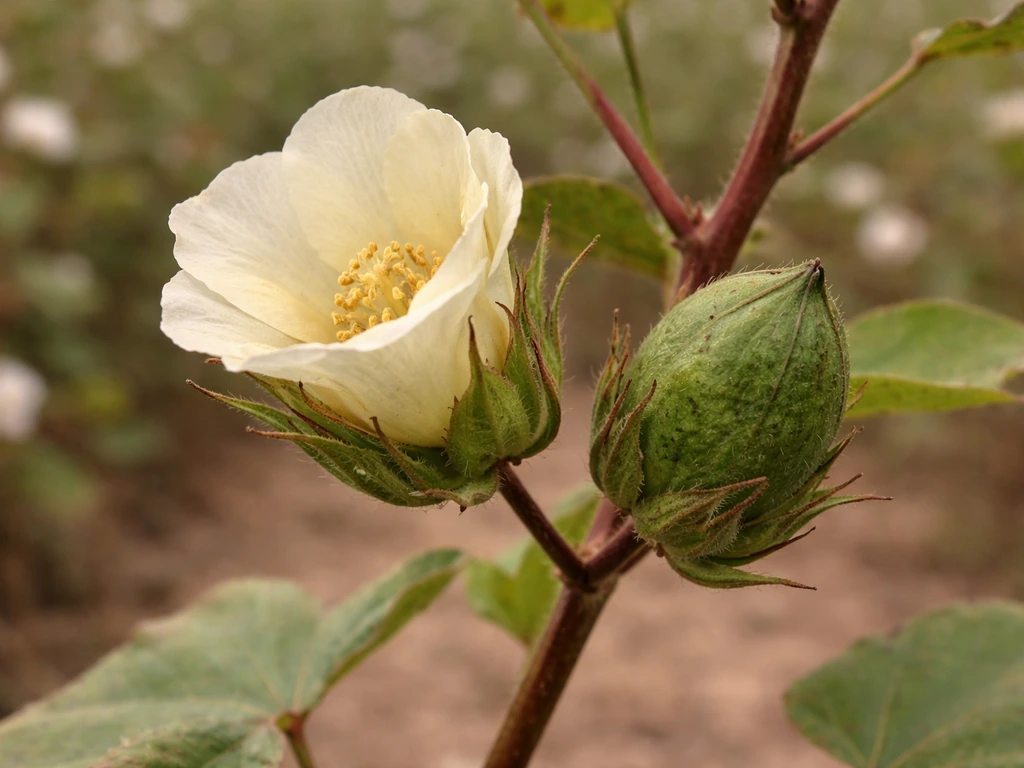
The transition from square to flower to boll is the heart of cotton production and the stage most beginners find surprising. When you see the first creamy white flower open on the lowest fruiting branches, that is called first bloom. The flower turns pink by the next morning and falls off by day two, leaving behind a small, green, leathery boll roughly the size of a marble. If everything goes right, that boll will grow for 45 to 65 days, slowly expanding and hardening, before it begins to dry out and crack open.
Cotton does not set every square into a boll. A healthy plant in good conditions might shed 50 to 60% of its squares and young bolls, which sounds alarming but is normal. The plant is prioritizing the bolls it can actually fill given its current resources. What you need to watch for is excessive shedding caused by heat stress, water deficit during peak bloom, insect feeding (especially from stink bugs or bollworms), or disease. A boll that survives the first 10 to 14 days after bloom is considered retained and is unlikely to be shed by the plant absent a major stress event.
Late-season decisions during boll fill hinge on whether you have enough open and maturing bolls to justify the remaining vegetative growth. Excessive late vegetative growth competes with boll fill and can delay maturity. Nitrogen uptake by the plant begins declining after first open boll, so late applications of nitrogen are generally not productive and can actually cause problems by pushing regrowth.
Harvesting and what happens after the field
When and how to harvest
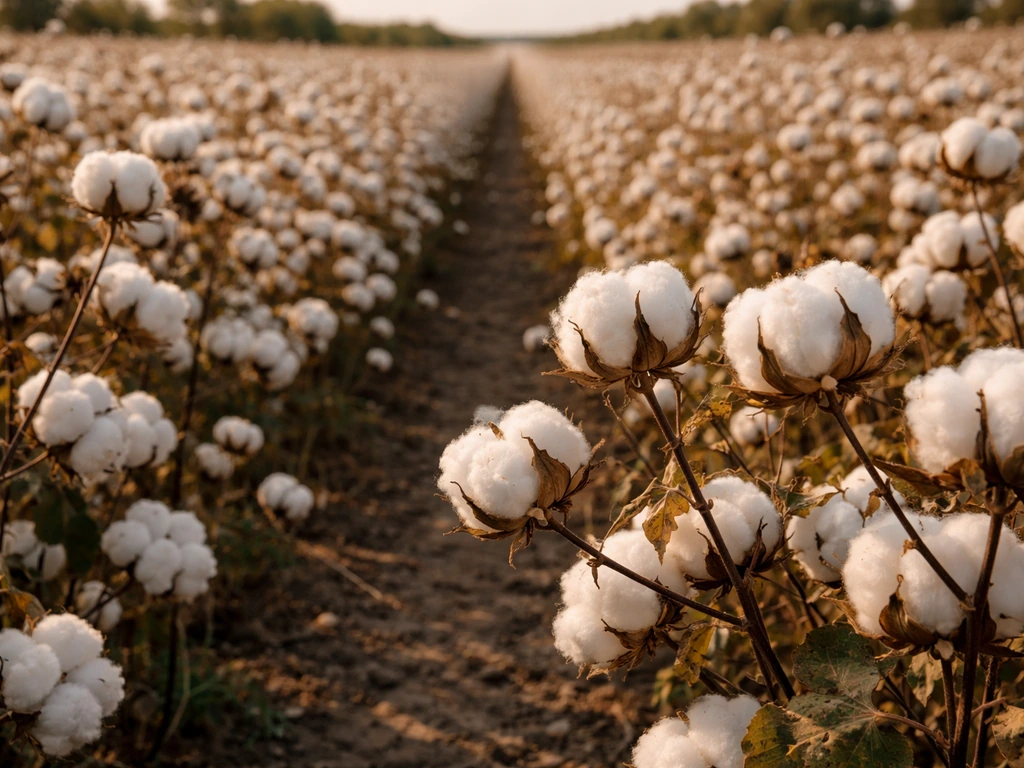
Harvest timing is driven by boll opening, not calendar date. The standard benchmark used in many states is that you can apply harvest-aid chemicals (defoliants and dessicants) without yield or quality loss when roughly 3 to 4 nodes with harvestable bolls remain above the uppermost cracked boll on the plant.
MU Extension summarizes research-based guidance that cotton can be defoliated without loss in yield or quality when about 3 to 4 nodes with harvestable bolls remain above the uppermost first-position cracked boll about 3 to 4 nodes with harvestable bolls remain above the uppermost first position cracked boll. Harvest aids increase leaf drop, force remaining bolls open, and dry down the plant to make mechanical harvesting cleaner and faster.
Mistiming these applications, especially using them too early, risks reducing fiber quality and losing yield from bolls that had not finished filling.
Two main harvest systems are used in the U.S. Spindle pickers (often just called pickers) selectively pull lint from open bolls and leave the plant standing, producing cleaner fiber with fewer plant parts in the harvested material. Strippers pull the entire boll, open or not, plus plant material, which is why stripper-harvested cotton typically needs more cleaning at the gin. Strippers are dominant in the Texas High Plains and other areas with short seasons or where economics favor speed over selectivity.
From field to gin: how cotton becomes usable lint and seed
After harvest, seed cotton (fiber still attached to the seed) is typically compressed into large modules in the field and transported to a gin. At the gin, the cotton is dried and cleaned to remove plant debris, then fed through the gin stand where saw-type machinery separates the lint from the seed. The lint then passes through lint cleaners (often saw-type) for further cleaning before being compressed into bales that typically weigh around 480 pounds. Cottonseed is collected separately and goes to crush facilities for oil, meal, and hulls.
Upland cotton uses saw gins for this process. Pima and other extra-long-staple varieties use roller gins instead, because saw gins damage the longer fibers. This is a meaningful distinction if you are in a region like the San Joaquin Valley or Arizona where Pima is grown, because you need access to the right ginning equipment before planting.
Once ginned, bales are sent to a classing facility where the fiber is evaluated on five main quality attributes: staple length, strength, micronaire (a measure of fiber fineness and maturity), color, and cleanness. These grades determine the market price of the cotton and reflect every decision made from planting through harvest and ginning. Poor harvest timing, mistimed defoliation, or excessive moisture at harvest all show up as quality problems in classing. That chain from soil conditions and regional climate choices all the way through to gin output is exactly what makes cotton one of the more technically demanding crops to produce well.
If you are exploring cotton in the context of classroom or hands-on demonstrations, it is worth knowing that the cotton seed itself is also used in germination experiments, sometimes grown in moist media rather than field soil. Those exercises focus on the seed's own biology rather than full field production. Field cotton production is a different undertaking entirely, shaped almost entirely by geography: the right region, the right season length, and the right management at each growth stage.
FAQ
If cotton seeds sprout, does that guarantee the plants will successfully establish?
Healthy cotton seedlings can emerge but still fail if conditions stay too cool, too wet, or too salty at the root zone. If you are checking your crop, look for patchy emergence, slow cotyledon growth, or early damping-off (a thinning at the soil line). In those cases, the issue is often emergence conditions rather than later growth stage management, and replanting decisions depend on your remaining frost-free window.
How do cool nights affect cotton after it starts flowering?
Cotton can sometimes survive mild, brief cool snaps, but yield is more sensitive at night during flowering and boll fill. A common mistake is judging only daytime weather, then discovering reduced boll retention later. If night temperatures drop near the mid-50s°F, especially around first bloom and after, expect more square and young boll drop even when the field looks “fine” in the day.
Why is the same irrigation schedule not effective throughout the cotton season?
Water needs are not constant. Early, keep soil moisture from dropping too far, then tighten control around peak bloom so the plant does not shed flowers and buds. A helpful decision aid is to align irrigation scheduling with stage, because the same total weekly water can be harmful early (too much vegetative growth) and insufficient later (boll loss).
What soil problems can make cotton look like it needs more water?
Root depth helps cotton tolerate short dry spells, but it does not make cotton drought-proof. Compaction or waterlogging can restrict root penetration, which reduces access to deeper moisture. So when cotton looks drought-stressed, the cause is sometimes soil structure, not irrigation timing, and loosening problems (or avoiding them) can matter as much as adding water.
How can I tell normal cotton square shedding from a serious problem?
Cotton often sheds a large fraction of squares under normal conditions, but the key difference is whether shedding is “consistent” versus triggered by stress events. Excessive shedding that spikes after heat waves, irrigation misses at peak bloom, insect pressure, or disease is the red flag. A practical check is whether bolls that were retained after about 10 to 14 days continue to hold, which suggests the plant is getting enough resources.
What’s the risk of adding nitrogen later in the season, after first open bolls?
Over-fertilizing is a frequent driver of late-season maturity problems. Too much nitrogen late can keep vegetative growth going after first open bolls, which competes with boll fill and delays drying. If you are tempted to “boost yield,” it is usually better to target nutrition earlier and rely on observed boll progress for late decisions rather than adding nitrogen after first open.
How do I avoid harvest-aid timing mistakes when my field matures unevenly?
Boll opening is the trigger, but harvest-aid timing depends on the remaining crop stage and the defoliation or desiccation product behavior. Applying too early can leave immature bolls underfilled, while applying too late can mean you do not get enough leaf drop and plant dry-down for efficient mechanical harvesting. Use the benchmark approach (nodes above the upper cracked boll) and re-evaluate field progression before spraying.
When is stripper harvesting the better option compared with picker harvesting?
In the U.S., spindle pickers generally leave fewer plant parts in the harvested material, while strippers remove more of the whole boll plus extra vegetation. If your field has uneven maturity or a short season, strip harvesting can be more forgiving on timing, but it raises cleaning demands at the gin. The choice is not just equipment availability, it is also your expected maturity pattern.
What should I change if I’m planting untreated or farm-saved cotton seed?
If you are using farm-saved or untreated seed, germination may be slower and less uniform, which can affect stand density and weed pressure. Another common mistake is planting at the same depth and timing as treated seed without adjusting for cooler or wetter conditions. Uniform establishment matters because cotton compensates for a slightly thick stand, but gaps can create weed and maturity unevenness.
Why does ginning equipment matter if I grow Pima cotton (extra-long-staple)?
Ginning choice is mostly about fiber length and strength requirements. Upland and extra-long-staple cotton behave differently during separation, so the gin type can influence fiber damage and final grade. If you grow Pima, you typically need access to roller-ginning capacity before planting, otherwise you risk quality loss that can show up in classing.
What most commonly hurts cotton grade after harvest starts?
Harvest quality is not only about when bolls open. Excess moisture at harvest, poor drying practices, or mistimed defoliation can worsen micronaire, color, or cleanness outcomes during classing. A practical step is to monitor field conditions leading up to harvest, since a delay that increases weather exposure can create quality problems even if the calendar date seems “about right.”
Next Articles
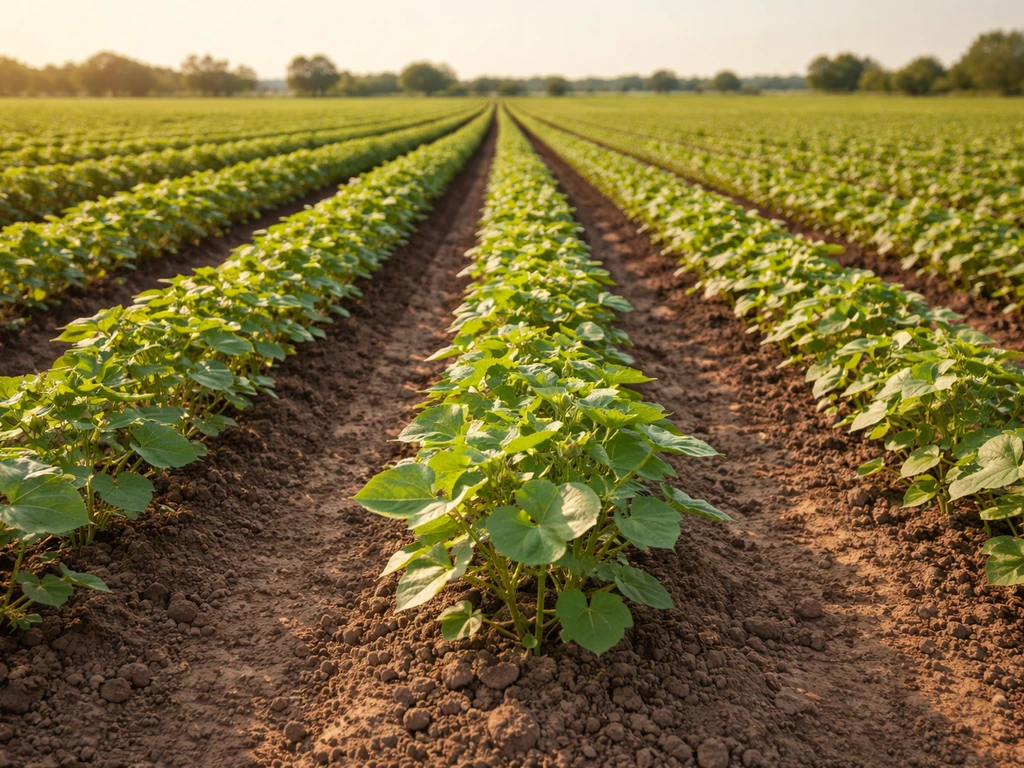
What Does Cotton Need to Grow: Soil, Sun, Water
Learn what cotton needs to grow: warm sun, water, and the right soil pH, drainage, and fertility for best emergence.
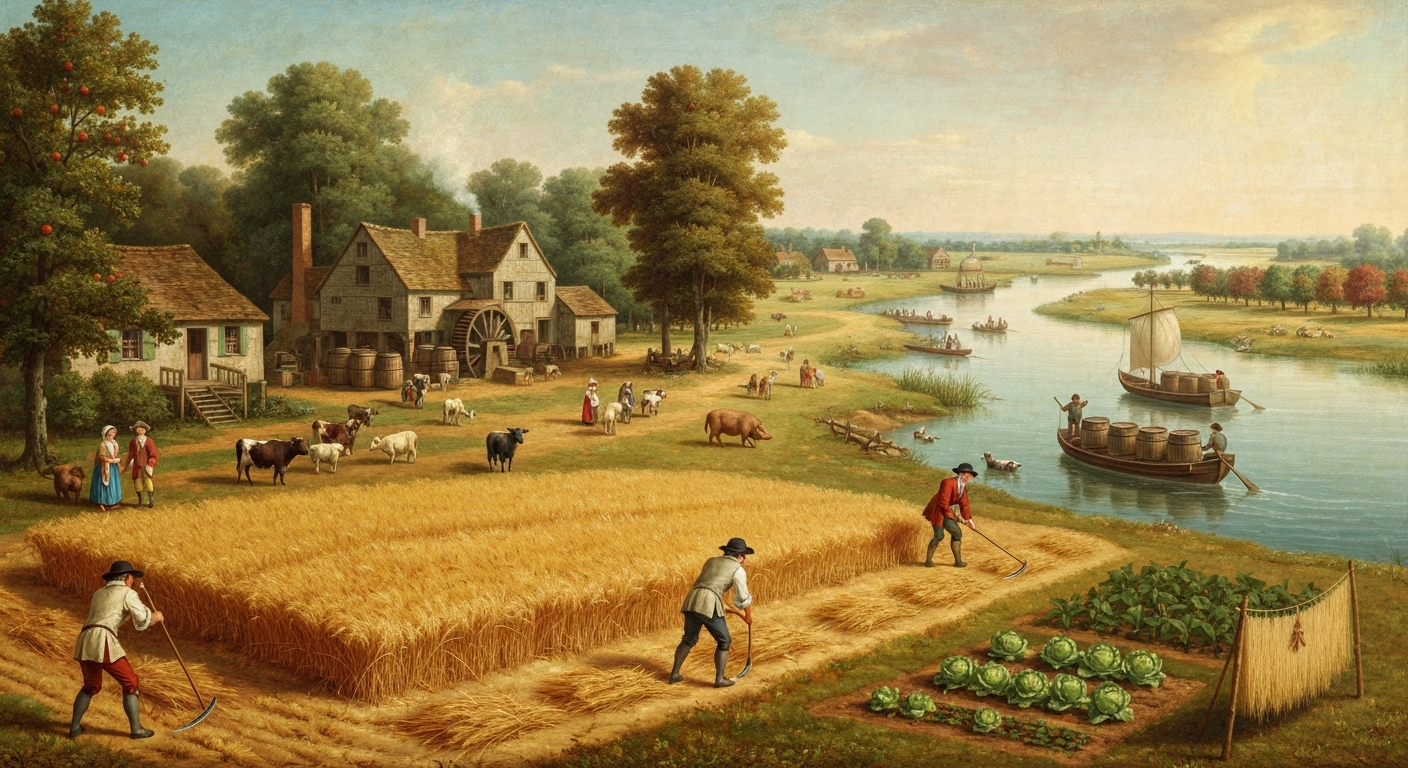
What Did the Delaware Colony Grow: Crops, Uses & Legacy
Colonial Delaware’s main crops, grains, hay, flax, fruits, vegetables, livestock, why they thrived and how they were sold.
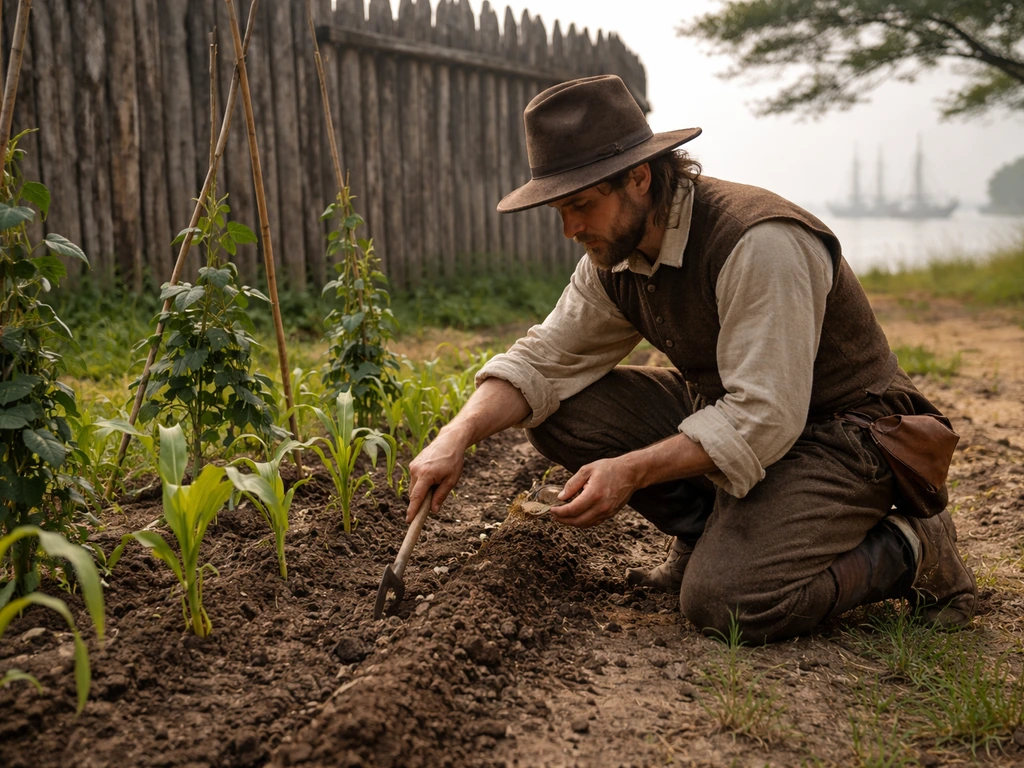
What Did Jamestown Grow and How They Farmed It
Learn what Jamestown colonists grew and the methods they used to plant, harvest, and adapt crops to Virginia conditions.