
Unwanted plants that grow alongside crops are called weeds. That's the straightforward answer. A weed is simply any plant growing where it isn't wanted, and in a crop field or garden, that means any plant competing with your intended crop for water, sunlight, nutrients, and space. It doesn't matter if it's a wildflower, a grass, or even a volunteer from last season's crop. If it's stealing resources from your plants, it's a weed.
Unwanted Plants That Grow Along With Crops Are Called Weeds

Samuel Rourke
14 May 2026
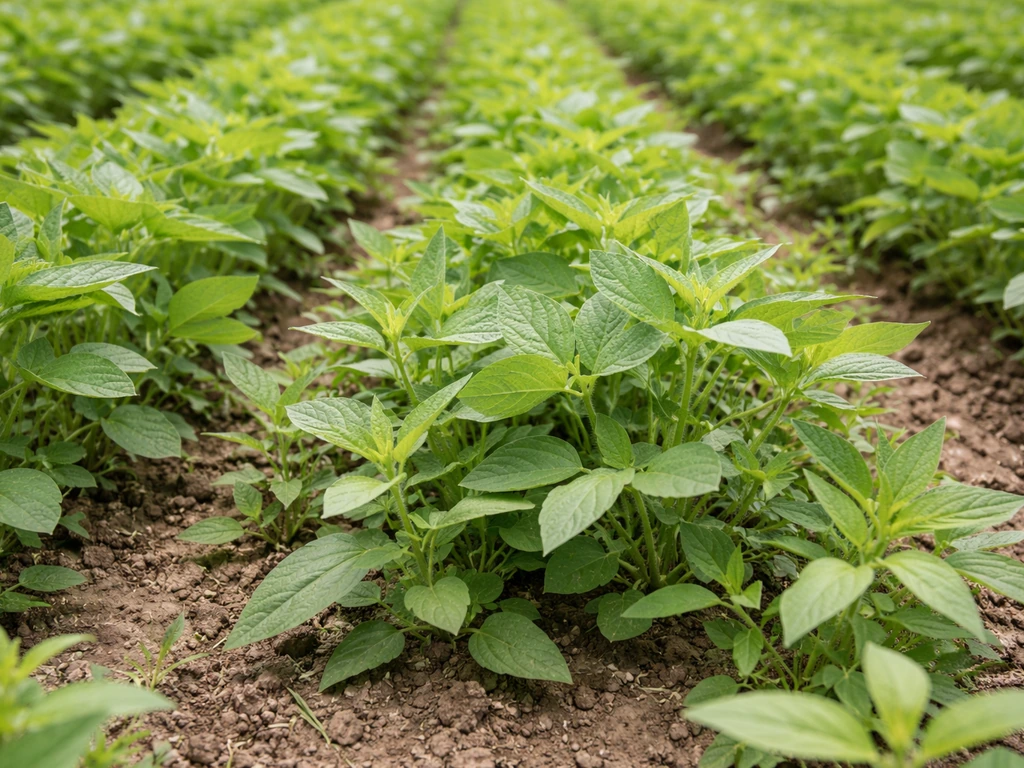
What actually makes a plant a weed in a crop system
In a lawn or garden, a weed might just be an eyesore. In a crop field, the stakes are much higher. If you're trying to manage pasture differently, you can also look at can you grow crops on pasture land as an adjacent option for where weeds and plant competition will show up. Weeds directly reduce yield by competing for the same water, light, and nutrients your crop needs. The damage starts well before the weed flowers or sets seed. NC State Extension makes this clear: competition begins early, and waiting until you see mature weeds means your crop has already taken a hit.
The harm doesn't stop at resource competition either. Weeds can harbor insect pests that then move onto your crop. They can restrict airflow around plants, creating humid, stagnant conditions that invite fungal disease. And in grain or seed crops, weed seeds or plant fragments can contaminate the harvest, dropping both yield and quality at the same time. Weeds also tend to thrive most where the soil has been disturbed or where the crop itself is struggling, so a weak stand almost always means worse weed pressure.
How to quickly figure out what kind of weed you're dealing with
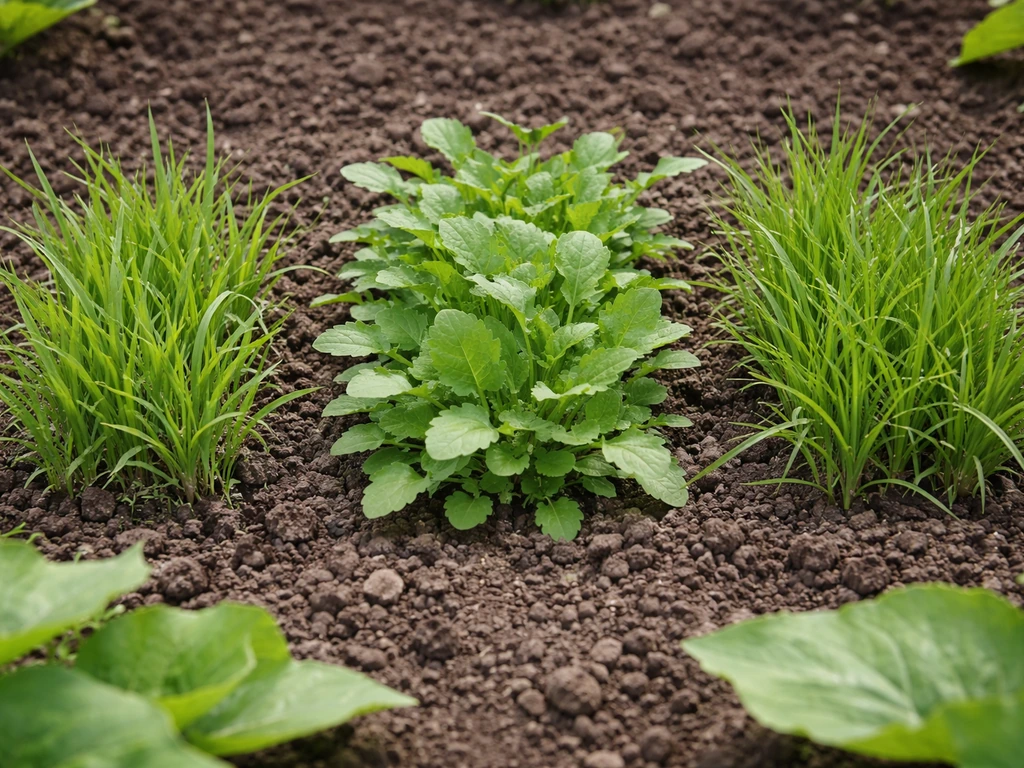
Before you do anything, spend two minutes categorizing the weed. The three main groups, grasses, broadleaf weeds, and sedges, behave differently and respond to different control methods. Getting the category right is the fastest way to pick the correct tool.
Grass weeds
Grass weeds have narrow, blade-like leaves and hollow, round stems. Two key diagnostic features help confirm you're looking at a grass: the ligule (a small projection at the base of the leaf blade, which may look like a membrane, a fringe of hairs, or both) and the auricles (claw-like projections at the leaf collar that may partially wrap around the stem). Common crop-field grass weeds include crabgrass, barnyard grass, foxtail, and annual bluegrass. These weeds are especially competitive in warm, open-canopy crops like corn and soybeans early in the season.
Broadleaf weeds
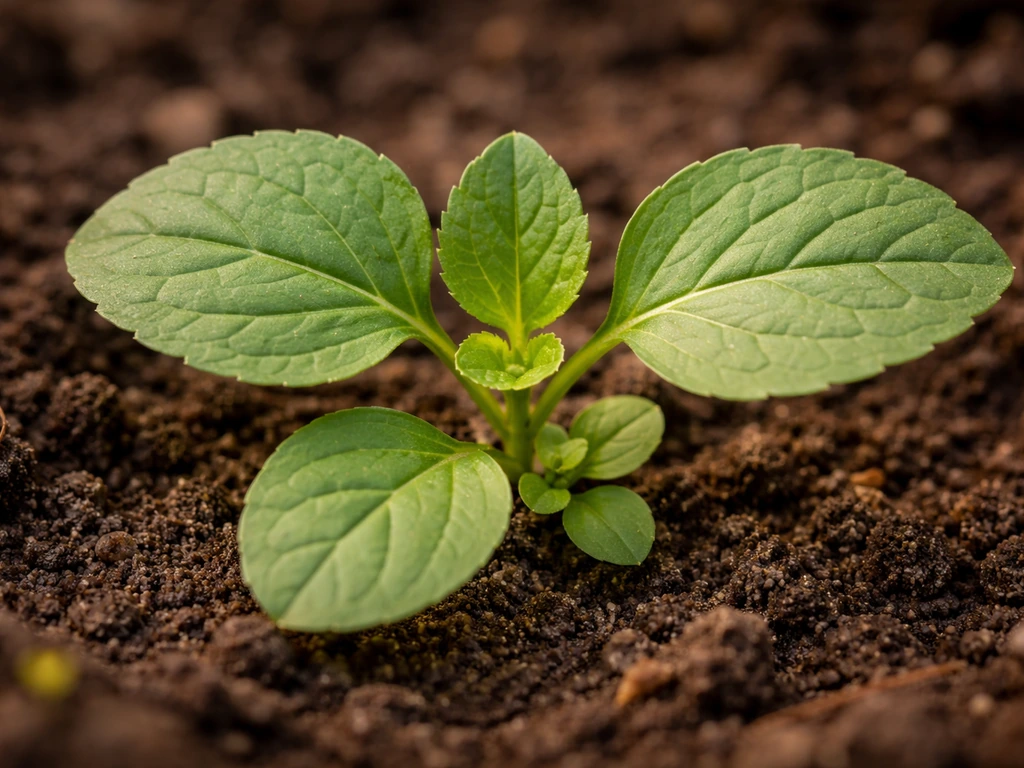
Broadleaf weeds are the most diverse group. They have wide, flat leaves with visible branching veins, and most emerge with two seed leaves (cotyledons) before the true leaves appear. In some species the cotyledons stay underground and you only see the true leaves pushing up. Examples include pigweed, lambsquarters, common chickweed, wild mustard, and bindweed. Broadleaf weeds are notorious in vegetable gardens and row crops because they grow fast, produce enormous numbers of seeds, and some species like bindweed spread aggressively through root systems.
Sedges
Sedges are the most misidentified group. They look like grasses at first glance, but the key difference is the stem: sedge stems are solid and distinctly triangular in cross-section (the old saying is 'sedges have edges'). Yellow nutsedge, one of the most problematic sedges in crop fields, spreads through underground nutlets and rhizomes in addition to seeds. It thrives in wet, compacted soils and is notoriously hard to kill with grass-targeted herbicides because it isn't a grass.
| Feature | Grass | Broadleaf | Sedge |
|---|---|---|---|
| Leaf shape | Narrow, blade-like | Wide, flat | Narrow, blade-like |
| Stem cross-section | Round and hollow | Round or square | Triangular and solid |
| Key ID trait | Ligule and/or auricles | Two cotyledons, branched veins | 'Edges' on stem |
| Common examples | Crabgrass, foxtail | Pigweed, lambsquarters | Yellow nutsedge |
| Spreads by | Seed | Seed (sometimes roots) | Seed, nutlets, rhizomes |
What to do right now: fast control without hurting your crop
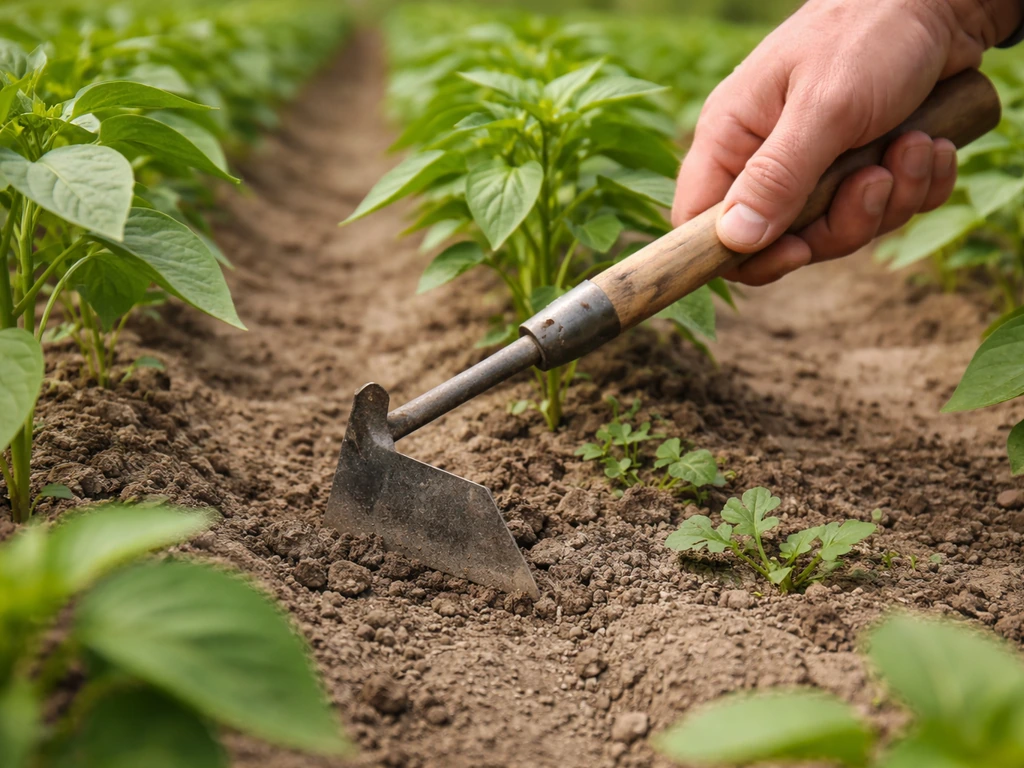
The most important rule is to act early. Small weeds are far easier to kill than large ones, regardless of which method you use. A weed with two leaves is a five-second job. A weed that's gone to flower is a problem that's already spread.
- Hand pull or hoe small broadleaf and grass weeds immediately if your crop is already in the ground. Work when the soil is moist for cleaner root removal. Use a sharp hoe for shallow cultivation between rows, cutting weed roots just below the soil surface. Avoid deep tillage near established crop roots.
- Flame weed in pre-emergence windows or between crop rows where the crop isn't yet emerged. Flame weeding uses intense heat to boil water inside weed cells, rupturing cell walls so the plant wilts and dies. It works best on small broadleaf weeds and grass seedlings. Do not use it near emerged crop foliage.
- Solarize or occultate empty beds if you have time before planting. Covering bare soil with clear or black plastic traps heat and moisture, triggering weed seed germination and then killing the sprouts before they establish. This is most commonly done in spring but works at any point in the season when a bed is between crops.
- Cultivate between rows with a rotary hoe or tractor-mounted cultivator for larger fields, targeting weeds in the white-thread or newly emerged stage. Timing cultivation for dry, sunny conditions kills uprooted seedlings quickly.
- Spot-treat persistent problem weeds (like established nutsedge or bindweed) with a targeted herbicide rather than a broadcast application, to protect surrounding crop plants.
Long-term weed prevention strategies that work with your crop
Killing weeds this season is one thing. Reducing the weed seed bank in your soil over multiple seasons is where real, lasting relief comes from. Managing the land that can be used to grow crops starts with reducing the weed seed bank over multiple seasons seed-bank. These practices pay dividends across years.
Mulch and ground cover
A thick layer of organic mulch (straw, wood chips, or shredded leaves) or black plastic mulch blocks light from reaching the soil surface, preventing most annual weed seeds from germinating. For vegetable gardens, 2 to 4 inches of organic mulch around transplants dramatically cuts hand-weeding time. In row crops, plastic mulch laid before transplanting is a go-to practice for high-value vegetables in warm-season production.
Cover crops
Cover crops suppress weeds by outcompeting them for light and space. The key is getting a dense, vigorous stand. A thin or patchy cover crop stand does not provide meaningful weed suppression. For best results in vegetable systems, time cover crop planting to capture late summer or early fall growth after an early-harvest cash crop, giving the cover crop enough time to build biomass before winter.
Cover crops can be timed to fit cropping windows, such as after early-harvest cash crops by planting in late summer or early fall to promote vigorous fall growth, according to UMN Extension time cover crop planting to capture late summer or early fall growth. Rye, buckwheat, and sorghum-sudan are among the most competitive options for weed suppression.
Crop rotation
Rotating crops disrupts the life cycles of weeds that are well-adapted to specific crops. A weed that thrives alongside corn because it mimics corn's growth habit will struggle when that field switches to a small grain that's harvested earlier and uses different management. Rotating also lets you alternate herbicide modes of action, which prevents resistant weed populations from building up. Consider long-term rotation planning with weeds in mind alongside insects and diseases.
Spacing and crop canopy
Dense planting that closes the crop canopy quickly is one of the most underused weed tools. Once a crop canopy shades the soil, most annual weed seeds can't germinate for lack of light. Narrowing row spacing in small grains, for example, lets the crop win the light competition faster. Healthy, vigorous crops planted into well-prepared seedbeds with adequate nutrition establish faster and shade out weeds sooner than struggling crops.
How region, climate, and season change the weeds you face
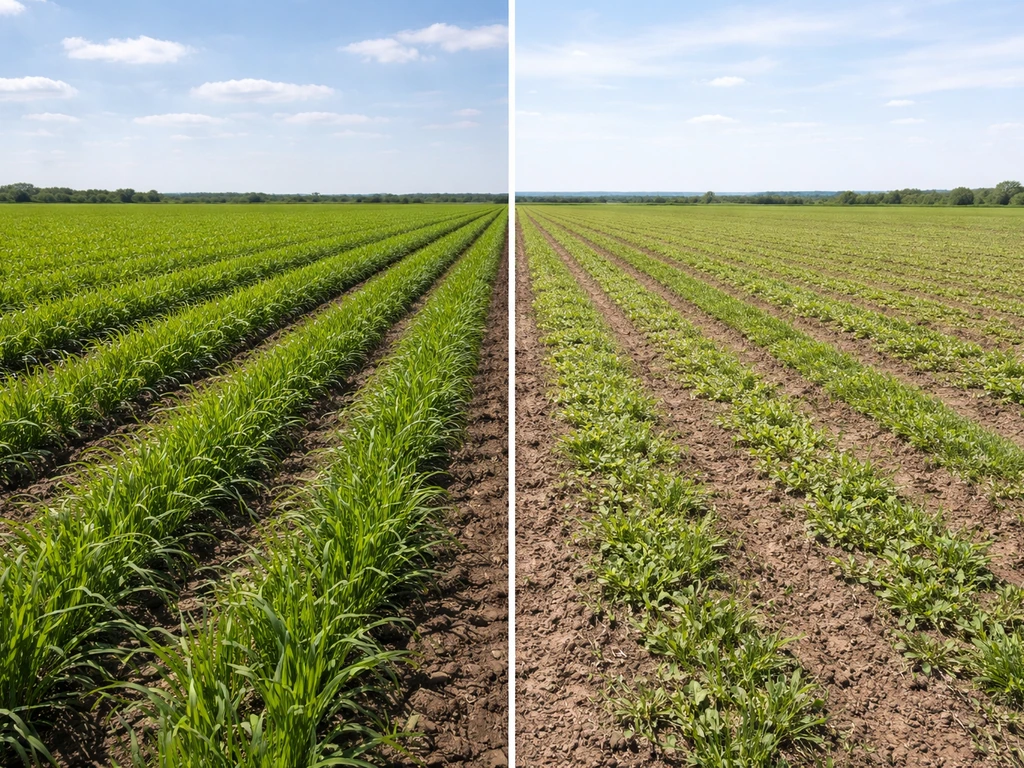
Weed communities are not random. They're shaped by the same factors that determine which crops grow where: temperature, rainfall, soil type, and the history of how land has been managed. This is something worth thinking about whether you're a farmer, a student mapping crop patterns across regions, or a gardener moving to a new climate.
In the humid Southeast U.S., warm-season grasses like crabgrass, goosegrass, and tropical spiderwort are relentless from late spring through fall. The warm, wet conditions favor these species the same way they favor cotton, peanuts, and sweet potatoes. In the Corn Belt, pigweed and waterhemp are dominant broadleaf problems in corn and soybean fields, partly because no-till and continuous row cropping create ideal seed-bank conditions. In the arid West, irrigated fields face different weed communities than dryland wheat country. Puncturevine, Russian thistle, and kochia are common where soils are dry and disturbed. In the Pacific Northwest's cool, wet small-grain country, winter annual weeds like Italian ryegrass and wild oats are the primary concern.
Season matters just as much as region. Cool-season weeds (chickweed, henbit, hairy bittercress) germinate in fall and early spring, overlapping with cool-season crops like wheat, spinach, and lettuce. Warm-season weeds (pigweed, crabgrass, nutsedge) explode after soil temperatures reach 60 to 65 degrees Fahrenheit, exactly when summer crops are being established. Knowing your region's weed calendar is just as valuable as knowing your crop calendar.
The same land types that support crop diversity also support weed diversity, and the regions with the longest, warmest growing seasons typically face the heaviest weed pressure. Choosing crops that fit your local conditions can help create the land where crops grow easily, reducing weed pressure over time. The area of land where farmers grow crops is influenced by many of the same climate and land-management factors that shape weed pressure.
Historically, weed pressure followed agricultural trade routes. Many of the most aggressive crop weeds in North America (wild mustard, bindweed, field pennycress) arrived with European grain seed and have been embedded in agricultural soils for centuries. Understanding that history helps explain why certain weeds are geographically anchored to old wheat and small-grain belts, while others spread more recently with newer cropping systems.
When herbicides make sense and how to choose the right one
Herbicides are not always the first move, but there are situations where they're the most practical option, particularly in large-scale crop production, in fields with heavy weed seed banks, or when mechanical control isn't possible on the timeline you need. The key is matching the herbicide to the weed type, the crop, and the timing.
Preemergence vs. postemergence
Preemergence herbicides are applied to soil before weeds emerge (and sometimes before the crop emerges). They work by creating a chemical barrier in the top layer of soil that kills germinating weed seeds. They require incorporation by rainfall or irrigation to activate. Postemergence herbicides are applied after weeds have emerged and are actively growing. They work best on young, small weeds: the younger the weed, the better the control. A weed with four leaves is already less susceptible than one with two.
Match the herbicide to the weed category
Grass herbicides (graminicides) kill grass weeds but won't touch broadleaves or sedges. Broadleaf herbicides (like many Group 4 auxin mimics) kill broadleaf weeds but leave grasses alone. Sedge-specific herbicides target nutsedge and related species. Using the wrong category means spending money and time with no result, so correct weed identification before you reach for an herbicide is not optional.
Crop safety and application rules
Always check that the herbicide label specifically lists your crop as a safe application target. The label is a legal document, and following it precisely protects your crop, your soil, and yourself. Pay attention to the Restricted Entry Interval (REI), the period after application when no one should enter the treated field. Drift is a real risk: wind, air temperature, boom height, and droplet size all affect where the chemical lands. Apply when winds are calm (below 10 mph), avoid temperature inversions (common in early morning and evening), and keep boom height as low as the label permits. Rinse equipment thoroughly after use to avoid contaminating future applications or harming other crops.
Pick your control method fast: a simple decision path
If you're standing in your field or garden right now wondering what to do, work through this sequence:
- Identify the weed category first: grass, broadleaf, or sedge. Use the stem shape and leaf structure to decide.
- Check weed size and density. If weeds are small and scattered, mechanical control (hoeing, hand pulling, flame weeding) is your fastest and cheapest move.
- Check crop stage. If your crop isn't yet emerged, you have more options including preemergence herbicides and flame weeding. If the crop is established, be more careful with any method that could damage foliage.
- If the infestation is heavy or the field is too large for mechanical control, select an herbicide that matches the weed category and is labeled safe for your specific crop. Apply postemergence products while weeds are still small.
- After this season, plan at least one long-term prevention practice: mulch, cover crop, or a rotation change. One season of heavy weeds that sets seed makes next season's problem worse. One season of good control that prevents seed set starts a multi-year improvement.
Understanding which weeds grow in your region and when they emerge is just as foundational as knowing which crops thrive in your climate. When weeds reduce yield, you often need more land to grow the same amount of food crops more land to grow food crops. For many growers, the next question after identifying weeds is what can i grow on agricultural land that matches the same climate and soil conditions what crops thrive in your climate.
The same geographic and seasonal patterns that shape crop distribution across different land types and climates also determine what weed communities you'll be managing. Treat weed identification and regional awareness as part of your core farming or gardening knowledge, not an afterthought, and you'll spend far less time fighting plants that shouldn't be there.
FAQ
Are all unwanted plants in a crop field automatically called weeds?
Yes, in practice a weed is any plant growing where it is not wanted, even if it looks harmless or is a volunteer from last season. The deciding factor is competition or interference with your crop, not whether the plant is “wild” or naturally occurring.
What if a plant is unwanted but it does not seem to compete much yet?
Early competition can still reduce yield before you notice visible impact, especially for water, light, and nutrients. Waiting until it flowers is risky because the plant may already have taken a measurable share of resources.
Do weeds include plants that are intentionally planted but appear in the wrong spot?
Often, yes. If you planted a cover crop or ornamental species and it spreads into your production beds or row crops, it becomes unwanted there and behaves like a weed in that context.
How do I avoid misidentifying sedges versus grasses when making control decisions?
Use stem structure, not leaf color or general appearance. Sedges have solid, triangular stems in cross-section, and that feature is why grass-only herbicides can fail against nutsedge and related sedges.
Can I rely on one herbicide label statement like “controls weeds” without matching weed category?
No. You need the herbicide’s listed weed targets plus the correct application timing, and it must be safe for your specific crop. If the product does not match the grass, broadleaf, or sedge category you are dealing with, control usually won’t be reliable.
What’s the biggest mistake people make with preemergence herbicides?
Applying them but not getting the soil activation they require. Because they depend on rainfall or irrigation to work in the top soil layer, missing that activation window can leave you with poor control and a surviving seed bank.
Should I always choose the most aggressive weed control method available?
Not necessarily. The best approach depends on weed size, timing, and feasibility. For small weeds, early mechanical or targeted options often reduce seed production faster than waiting for a bigger, harder-to-control flush.
Why does a weed management plan need to focus on multiple seasons, not just this year?
Many weed problems persist because of the seed bank in the soil. Long-term reduction comes from repeatedly preventing germination and seed set over successive growing cycles, so “one-and-done” treatments often underperform.
How can I tell whether the cover crop stand is dense enough to matter?
Look for a continuous, vigorous stand that covers the soil rather than gaps. Patchy growth usually means light reaches the soil surface, and annual weed seeds can still germinate through open areas.
Does rotating crops always reduce weeds automatically?
Rotating helps most when the rotation disrupts the weed’s life cycle and resource use pattern. If rotations don’t change planting dates, canopy timing, or management enough, weed pressure can remain similar.
Will dense planting work the same way in every crop type and spacing?
Dense planting helps most when it closes the canopy quickly enough to limit light at the soil surface. If your crop establishment is weak, the canopy may not close, and weeds can still establish before shading kicks in.
What’s the practical way to think about region versus season when scouting?
Use your local “weed calendar.” Cool-season weeds tend to emerge with cool-season crops in fall and early spring, while warm-season weeds often surge once soil temperatures reach the mid-range threshold for summer crop establishment.
If my field has wet, compacted soil, what weed control consideration should I prioritize?
Wet, compacted conditions favor sedges like yellow nutsedge. That means identification and using sedge-appropriate strategies are especially important, because grass-focused approaches are often ineffective.
How should I handle herbicide application safety around other areas?
Treat drift control as a first-order constraint. Wind speed, boom height, and droplet size affect where chemical lands, and you should also plan around Restricted Entry Interval timing so workers do not enter the treated area too soon.
Next Articles
Land That Can Be Used to Grow Crops: How to Identify It
Learn terms like arable farmland and use a step-by-step checklist to judge climate, soil, water, and frost risks.
What Did the Delaware Colony Grow: Crops, Uses & Legacy
Colonial Delaware’s main crops, grains, hay, flax, fruits, vegetables, livestock, why they thrived and how they were sold.
What Did Jamestown Grow and How They Farmed It
Learn what Jamestown colonists grew and the methods they used to plant, harvest, and adapt crops to Virginia conditions.