June is one of the most productive planting months in the entire gardening calendar, but what you should actually put in the ground depends heavily on where you live. In the northern U. S. (USDA Zones 3–5), June is your prime warm-season window, the last frost is behind you and you still have 90–120 frost-free days ahead.
Best Crops to Grow in June: What to Plant Now by Region

Samuel Rourke
18 Jun 2026
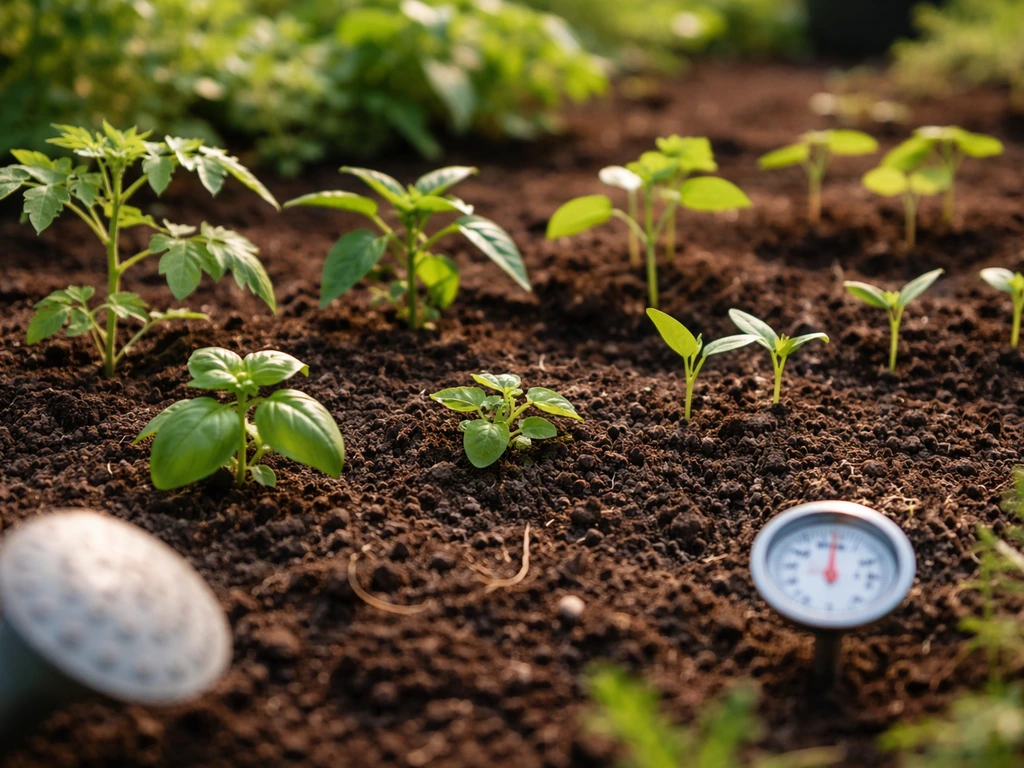
In the South and Southwest (Zones 8–10), June is already hot enough to challenge cool-season crops and push you toward heat-tolerant varieties or fall-harvest sowing. For most of the country, the best crops to plant in June include tomatoes, peppers, cucumbers, squash, beans, basil, and sweet corn as warm-season staples, plus a first round of fall brassicas, carrots, and beets sown in late June for October harvests.
How to figure out what 'June' means for your exact location
June on a calendar is not the same as June in your garden. What really matters is where you fall in your frost-free window, the stretch between your last spring freeze and your first fall freeze. If you're in Minnesota, June 1st might be only two weeks past your last frost. If you're in Georgia, June 1st is more than two months past your last frost and you're already managing summer heat. These are completely different situations.
Start by looking up your last spring freeze date and your first fall freeze date using NOAA's interactive freeze map or the National Weather Service freeze/frost resources for your area. These give you probability-based averages, not exact guarantees, so a 50% chance of freeze date means half of years in the historical record still had a freeze after that date. Use the 10% or 'safe' date if you're risk-averse. Then look up your USDA Plant Hardiness Zone using the official 2023 USDA Plant Hardiness Zone Map, which is based on average annual extreme minimum temperatures. Zones tell you about winter cold survival, while frost dates tell you about your growing season length, you need both.
One more tool worth knowing: Growing Degree Days (GDD), which measure heat accumulation over time rather than just calendar position. Growing Degree Days are described by UMD Extension as heat units that accumulate over time and can be calculated from weather data to estimate crop growth and development stages Growing Degree Days heat units that accumulate over time.
GDD calculations (which cap daily maximum temperatures at an upper threshold, often 86°F, to match how most crops actually respond to heat) let you predict when crops will hit key development stages far more accurately than a calendar date alone. Iowa State Extension points out that home gardeners can use GDD to anticipate events like fruit set and better time their plantings.
If your June is running 5°F hotter than normal, your crops are accumulating heat units faster, and your harvest windows will shift accordingly.
Also pay attention to microclimates. The USDA explicitly notes that pavement, south-facing walls, and low-lying 'frost pockets' can make your specific garden meaningfully warmer or colder than the general zone suggests. USDA notes that microclimates such as pavement heat islands or “frost pockets” in low areas can make your garden warmer or colder than the general zone suggests microclimates (e.g., heat islands from pavement or “frost pockets” in low areas). A raised bed against a south-facing brick wall in Zone 6 can behave more like Zone 7, and that matters for what you plant in June and how you manage it.
Top warm-season crops to plant in June
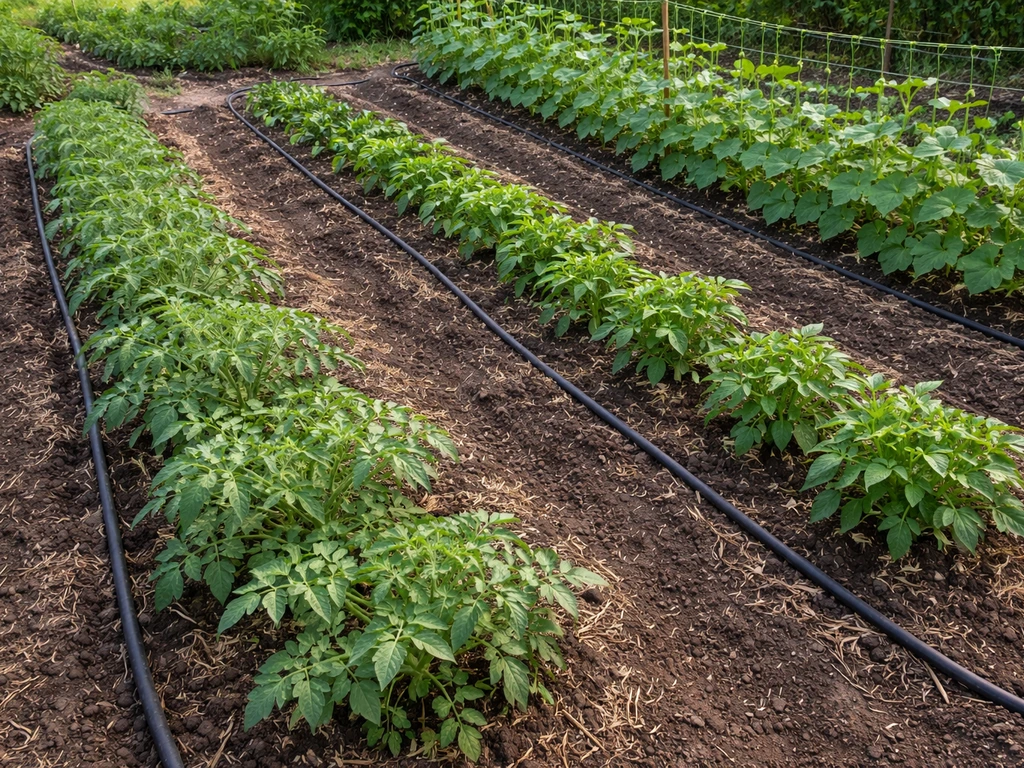
These are the crops that genuinely thrive when June soil temperatures are at or above 60°F, which covers most of the continental U. The best crops to grow palia are warm-season staples that thrive as soil temperatures climb in June warm-season crops. S. by mid-month. If you're in the northern tier and just got past your last frost in late May, you're right on time for all of these. If you're in the mid-Atlantic or Midwest, you may already have some of these in the ground, and June is when you focus on succession planting and filling gaps.
- Tomatoes (transplants): The quintessential June crop across Zones 4–8. Set out transplants after soil hits 60°F. Most full-season varieties (like 'Brandywine' or 'Big Boy') need 70–85 days to harvest, so a June 1 transplant in Zone 5 still gives you a September harvest before first frost.
- Peppers (transplants): Slower than tomatoes and more heat-loving. June transplants in Zones 5–7 work well; in Zone 8+, get them in by early June before peak heat slows fruit set.
- Cucumbers (direct seed or transplant): Fast and productive — most varieties mature in 50–65 days. Direct seeding in June soil (60°F+) is fine; no need to fuss with transplants.
- Summer squash and zucchini (direct seed): Germinate fast in warm June soil, produce in as little as 45–55 days. Succession-plant every 3 weeks to keep production going through summer.
- Winter squash and pumpkins (direct seed): These need 90–110 days, so a June planting in Zone 5–6 still lands harvest before mid-October first frosts. 'Butternut' and 'Delicata' are reliable choices.
- Beans — bush and pole (direct seed): Don't transplant beans. Direct seed into warm soil (60°F+); bush beans mature in 50–60 days, pole beans in 60–70. Succession-plant every two weeks through June and July.
- Sweet corn (direct seed): Needs warm soil (65°F+) for good germination. A mid-June planting of a 75-day variety in Zone 5 gives you late August ears. Plant in blocks of at least 4 rows for pollination.
- Basil (transplant or direct seed): Hates cold — never plant until nighttime temps stay above 50°F. June is ideal in Zones 5–8. Grows fast and complements tomatoes both in the garden and the kitchen.
- Melons (transplant): Watermelon and cantaloupe need heat and a long season (70–90 days). In Zones 5–6, use transplants and choose shorter-season varieties like 'Sugar Baby' watermelon (75 days) or 'Hale's Best' cantaloupe (86 days).
Historically, many of these crops have deep roots in early-summer planting traditions. Indigenous agricultural systems across North America, especially the 'Three Sisters' planting of corn, beans, and squash, timed planting to late spring soil warmth rather than calendar dates, a practice that modern GDD-based timing essentially formalizes. European settlers in the mid-Atlantic colonies noted that Indigenous communities in what is now Virginia and Pennsylvania typically planted corn and squash in June-equivalent timing by lunar and phenological cues.
Cool-season crops to sow now for a fall harvest
Late June is actually the right time to start thinking about fall production, and this is one of the most overlooked opportunities in the summer garden. A good approach after canola is to plan your next crop based on your frost-free window and heat timing, often aiming for fast fall production. Cool-season crops (brassicas, root vegetables, leafy greens) that would bolt and fail if planted in June for a summer harvest can be perfectly timed for a fall harvest if you count backward from your first fall frost date.
Here's the logic: if your first fall frost is October 15 and broccoli takes 60 days to mature, you need to transplant by mid-August. That means starting seeds indoors in mid-to-late June and hardening off in July. For direct-seeded crops like carrots and beets, which take 70–80 days, a late-June direct sowing in Zones 5–6 puts harvest right in October, a sweet spot when cool temperatures improve flavor in both crops.
- Broccoli and cauliflower: Start seeds indoors in late June for Zones 5–7; transplant in August when heat begins to break. Fall broccoli is often larger and sweeter than spring crops.
- Cabbage: Same timing as broccoli. Choose fast-maturing varieties like 'Early Jersey Wakefield' (63 days) for shorter growing windows.
- Kale and collards: Direct seed outdoors in late June through early July. Both tolerate heat better than other brassicas and improve in flavor after fall frosts. 'Lacinato' kale direct-seeded in late June matures in 55–65 days.
- Carrots: Direct seed in late June to early July in Zones 5–7. Thin to 2–3 inches apart. 'Nantes' types mature in 65–70 days; a late-June planting hits harvest in September–October.
- Beets: Direct seed in late June. 'Detroit Dark Red' matures in 55–60 days; you'll be pulling beets in August and September. Both roots and greens are edible.
- Turnips and rutabagas: Among the fastest fall crops. Turnips mature in 35–60 days from direct seed; rutabagas in 90 days. Sow turnips in July for September harvest; rutabagas need a late-June sow in Zone 5.
- Spinach and lettuce: These struggle in June heat but can be sown in late July for fall harvest. However, if you have a shaded spot or row cover, a late-June sowing of bolt-resistant varieties like 'New Zealand spinach' or 'Jericho' romaine can work.
Heat-tolerant and short-season crops for late-June timing
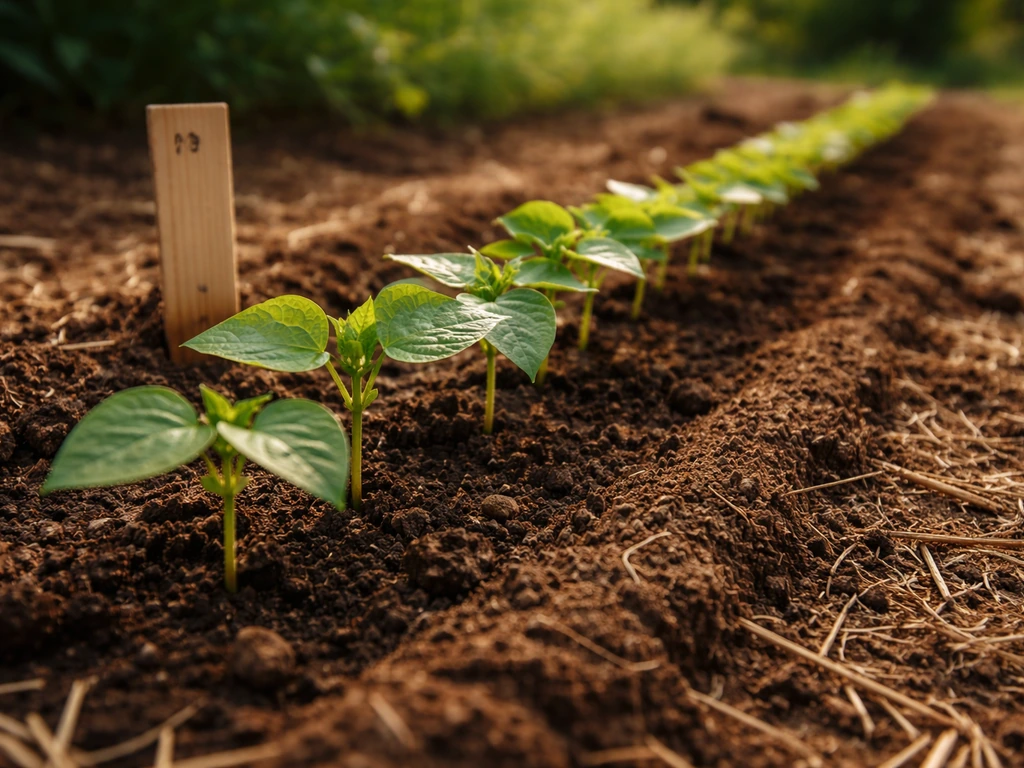
If you're reading this in late June and feeling like you've missed the window, you haven't. There are crops specifically suited to hot, short-season planting that perform well when started in the final weeks of June, especially in Zones 5–7.
- Bush beans: A late-June sowing of bush beans matures in 50–55 days, landing squarely in mid-to-late August. This is the simplest, most reliable late-June bet.
- Cucumbers: Still a great choice in late June — 50–65 days to harvest means pickles or slicers in mid-August.
- Summer squash: Plant now and you'll be harvesting in 45–55 days. Squash planted in late June often escapes the squash vine borer pressure that hits earlier plantings.
- Okra: One of the most heat-tolerant vegetables you can grow. Sow direct in June in Zones 6–10; it actively thrives in 85–95°F heat and produces heavily in August–September. 'Clemson Spineless' matures in 55–65 days.
- Sweet potatoes (slips): June planting works well in Zones 6–9. Sweet potatoes need 90–120 days of warm weather, so a June 15 planting in Zone 6 with a mid-October first frost is cutting it close but workable with a warm fall — choose 'Beauregard' (90 days) over longer-season types.
- Edamame (soybean): Matures in 75–85 days from direct seed in warm soil. A late-June planting yields edamame in September.
- New Zealand spinach: Not a true spinach, but incredibly heat-tolerant and productive all summer. Direct seed in late June and harvest continuously.
Planting tips: seeds vs transplants, spacing, soil, and watering
Seeds vs transplants
In June, warm soil temperature means most crops germinate quickly from direct seed, often just 5–10 days. For crops like beans, corn, cucumbers, squash, carrots, and beets, direct seeding is always preferred because they don't transplant well or don't benefit from the head start. For tomatoes, peppers, melons, and brassicas started for fall, transplants (either store-bought or home-started) make more sense because they save weeks of in-ground time.
Spacing and seed depth
| Crop | Seed Depth | Spacing (plants) | Row Spacing |
|---|---|---|---|
| Tomatoes (transplant) | Set crown at soil level | 18–24 inches | 36–48 inches |
| Peppers (transplant) | Same as transplant depth | 12–18 inches | 24–36 inches |
| Cucumbers | 1 inch | 6 inches (thin to 12) | 36–48 inches |
| Bush beans | 1–1.5 inches | 3–4 inches | 18–24 inches |
| Sweet corn | 1 inch | 8–10 inches | 30–36 inches |
| Summer squash | 1 inch | 18–24 inches (hills) | 48 inches |
| Carrots | 0.25 inch | Thin to 2–3 inches | 12 inches |
| Beets | 0.5–1 inch | Thin to 3–4 inches | 12–18 inches |
| Okra | 0.5–1 inch | 12–18 inches | 24–36 inches |
| Kale (transplant) | Same as transplant depth | 12–18 inches | 24 inches |
Soil prep
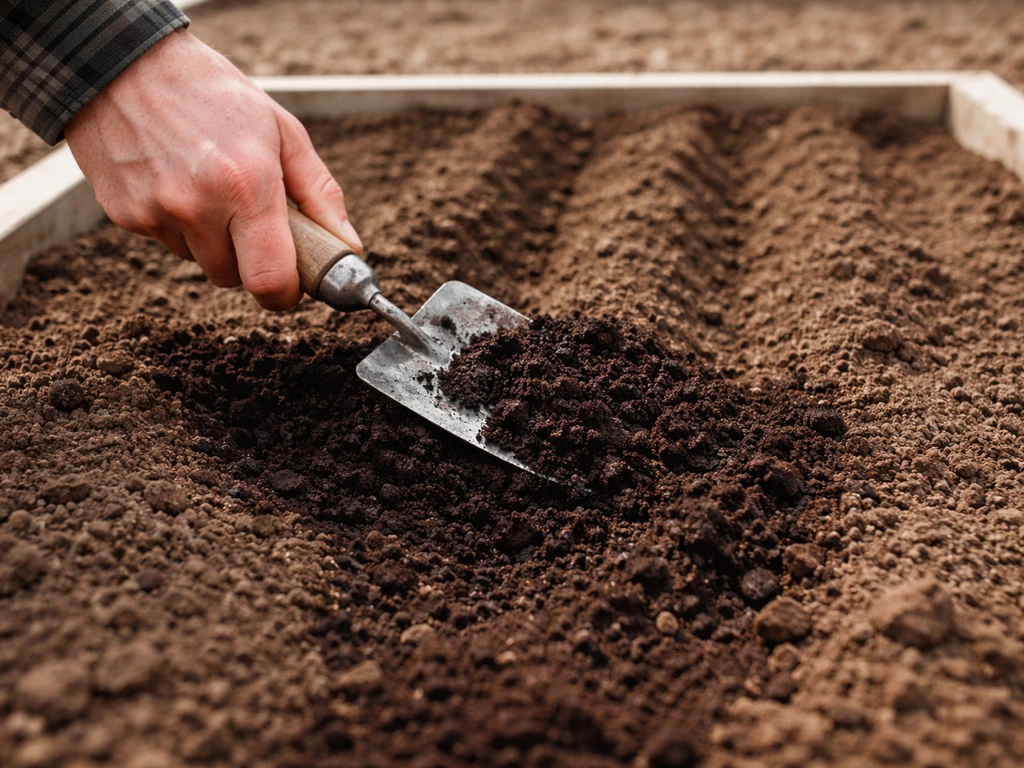
June soil is warm and workable, which is a genuine advantage. Work in 2–3 inches of compost before planting, especially for heavy feeders like corn, tomatoes, and squash. Aim for a pH of 6.0–6.8 for most vegetables, slightly acidic. If you haven't done a soil test, a bag of balanced vegetable fertilizer (10-10-10) worked in at planting gives you a reasonable baseline. For root crops like carrots and beets, avoid fresh manure or high-nitrogen amendments, which cause forked roots and excessive top growth.
Watering in June heat
June is when watering discipline pays off. Most vegetables need about 1 inch of water per week, but in hot June conditions (85°F+), that can climb to 1.5–2 inches. Always water at the base of plants, not overhead, wet foliage in warm weather is an invitation to fungal disease. Water in the morning so plants are hydrated before peak afternoon heat. A 2–3 inch layer of straw or wood chip mulch around plants dramatically reduces soil moisture loss and keeps root zones cooler, easily the single highest-value June task.
June crop calendar: what you'll harvest and when
Timing your harvest expectations from a June planting is straightforward once you know days-to-maturity for each crop. Here's a practical timeline assuming planting in the first two weeks of June in Zones 5–6 (adjust 1–2 weeks earlier for Zones 7–8, and 2–3 weeks later for Zone 4).
| Crop | Plant Date (Zone 5–6) | Days to Harvest | Expected Harvest |
|---|---|---|---|
| Bush beans | June 1–15 | 50–55 days | Late July – early August |
| Cucumbers | June 1–15 | 50–65 days | Late July – mid August |
| Summer squash | June 1–15 | 45–55 days | Mid July – early August |
| Tomatoes (transplant) | June 1–10 | 60–85 days | Mid August – September |
| Sweet corn | June 1–15 | 70–80 days | Mid August – early September |
| Peppers (transplant) | June 1–10 | 65–80 days | Late August – September |
| Okra | June 10–20 | 55–65 days | Mid August – September |
| Carrots (for fall) | June 20–30 | 65–75 days | Late September – October |
| Beets (for fall) | June 20–30 | 55–70 days | Mid September – October |
| Kale (transplant, for fall) | Start seed June 20–30 | 55–65 days from transplant | October – November |
| Winter squash / pumpkins | June 1–10 | 90–110 days | September – October |
Common June problems and quick fixes
Heat stress
When temperatures push above 90–95°F, even heat-loving crops struggle. Tomatoes drop flowers when nighttime temps stay above 75°F. Peppers get blossom drop too. The fix: shade cloth (30–40% shade) draped over hoops during peak heat stretches. Water consistently, drought-stressed plants heat up faster. Mulch heavily. If you're in the Deep South or desert Southwest, consider planting in containers you can move, or choose heat-set tomato varieties specifically bred for hot-climate fruit set, like 'Heatmaster' or 'Solar Fire'.
Bolting
Bolting, when plants rush to flower and set seed instead of producing edible parts, is the main enemy of cool-season crops in June heat. Lettuce, spinach, cilantro, and radishes all bolt quickly when days get long and hot. In June, don't try to grow these in full sun in most regions. Use bolt-resistant varieties, provide afternoon shade, and if you're in Zones 6+, simply wait and direct seed them again in late July for a fall crop. For fall brassicas started in late June, the seedlings will spend their heat-sensitive early weeks indoors under grow lights before going out in August when temperatures moderate.
Pests and disease
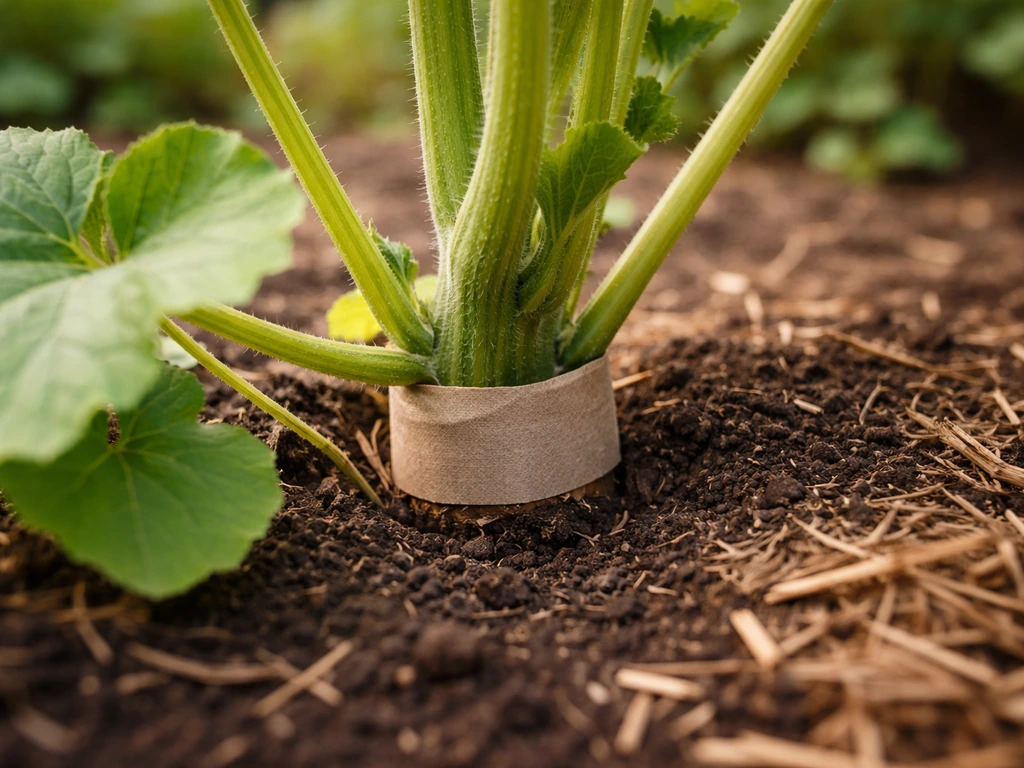
June brings the full roster of summer pests. Squash vine borers lay eggs at the base of squash stems starting mid-June in most of the Midwest and East, wrap the base of stems with aluminum foil or row cover early to protect them, or plant a second succession in late June that will emerge after peak borer activity. Cucumber beetles (striped and spotted) are active now and spread bacterial wilt, yellow sticky traps and row cover until flowering help.
Aphids colonize the undersides of pepper and bean leaves; knock them off with a strong water spray or apply insecticidal soap. Fungal issues like powdery mildew and early blight on tomatoes pick up in humid June weather, maintain good airflow by staking and pruning lower leaves, and avoid wetting foliage.
Best crops by region: how June planting shifts across the U.S.
The USDA Plant Hardiness Zone map is the best single tool for understanding how regional climate shapes what works in June, but you need to pair it with your local frost date calendar. Here's how June planting looks across major U.S. climate regions.
| Region / Zones | June Conditions | Best June Crops | Avoid in June |
|---|---|---|---|
| Northern tier: MN, WI, ME, MT (Zones 3–4) | Last frost may be late May; first frost as early as Sept 15. Short season. | Beans, cucumbers, summer squash, tomatoes and peppers (transplants ASAP), short-season corn, kale | Long-season winter squash, melons without row cover, sweet potatoes |
| Upper Midwest & Northeast: OH, PA, NY, MI (Zones 5–6) | Frost-free by late May; first frost Oct 1–15. 120–140 day season. | All warm-season staples, plus late-June fall brassica starts, carrots, beets for October harvest | Nothing off the table — the most flexible June window |
| Mid-Atlantic & Upper South: VA, NC, TN, KY (Zones 6–7) | Frost-free since April; first frost Oct 15 – Nov 1. Hot and humid June. | Okra, sweet potatoes, beans, corn, southern peas (cowpeas), cucumbers, melons | Head lettuce, spinach (too hot); save for September direct seeding |
| Deep South: GA, AL, MS, LA, SC (Zone 8) | Last frost was February–March; first frost November. Hot, humid June. | Okra, southern peas, sweet potatoes, heat-tolerant peppers, late June: start fall broccoli/collards indoors | Tomatoes and peppers may drop fruit in peak heat; plant heat-set varieties |
| Texas and Oklahoma (Zones 7–8) | Similar to Deep South; dry heat vs. Gulf humidity varies. | Okra, cowpeas, sweet potatoes, drought-tolerant squash; direct seed fall brassicas late June–July | Cool-season crops in full sun without shade cloth |
| Southwest: AZ, NM, inland CA (Zones 8–10) | June can exceed 105°F. Monsoon arrives late June–July. | Desert-adapted crops: tepary beans, Armenian cucumber, Hopi corn varieties; plant early June before peak heat | Most standard varieties — heat kills germination above 95°F soil temp |
| Pacific Northwest: WA, OR west of Cascades (Zones 7–9) | Mild June; last frost April–May, rarely hot above 85°F until July. | Tomatoes (transplants in June are essential), peppers, cucumbers, beans; continue brassicas through June | Okra, sweet potatoes (too cool for reliable production) |
| Northern California coast (Zone 9–10) | Cool foggy June; marine layer suppresses heat. | Brassicas, lettuce, peas, beans; tomatoes OK inland, slow on coast. Plant corn inland only. | Okra, melons, heat-demanding crops on coast |
| Florida and Gulf Coast (Zones 9–10) | June is rainy season start; hot and very humid. | Sweet potatoes, okra, Malabar spinach, Southern peas; start fall tomato transplants indoors late June | Standard tomatoes in ground (disease and heat kill them); wait for September–October planting |
Historical parallels are worth a quick note here: the geographic spread of these regional patterns isn't new. Indigenous peoples across the Southeast had been cultivating cowpeas and varieties of corn selected for summer heat for thousands of years before European contact. The tepary bean, grown in the arid Southwest by Tohono O'odham communities, is one of the most drought- and heat-tolerant legumes in the world, a crop adapted over millennia to exactly the conditions that make June planting in Arizona so challenging with modern varieties. These regionally adapted crops are still relevant today and often outperform modern hybrids in their native climates.
One final practical note: if your June is running unusually hot, wet, or dry compared to your area's average, adjust accordingly rather than following the calendar rigidly. This is where GDD tracking genuinely helps, an unusually hot June accumulates heat units faster, which means faster crop development but also earlier pest pressure and faster soil dry-out. An unusually cool June in Zone 6 might mean delaying pepper transplants another week or two, because cool-stressed peppers planted too early often get overtaken by plants set out two weeks later in warmer soil. Stay flexible, and trust what your thermometer and your soil tell you over what the calendar says.
FAQ
How can I plan June plantings if I’m worried about late spring or early fall freezes?
Use the 10% (safe) spring freeze date and the 10% (safe) first fall freeze date as your planning anchors, then subtract the crop’s days to maturity (or transplant age plus days). If you plan to direct seed, also add a buffer for germination delays if June soil is cool (below about 60°F).
What if I want to grow cool-season crops in June, can I still do it?
Yes, but only if you match the crop to the growing window. For example, many cool-season crops will bolt if you try for a summer harvest, but they can succeed for fall by starting in late June for transplanting in August (or by sowing late June with enough days before your first fall frost).
Should I direct seed everything in June or use transplants for some crops?
Not necessarily. Warm-season crops like beans, corn, cucumbers, and squash usually do better when directly seeded because transplanting can slow them or reduce yield. Tomatoes, peppers, melons, and fall brassicas are the ones that most often benefit from transplants, especially when you’re trying to save weeks of in-ground time.
How do I handle crop rotation when I’m planting a lot in June (and filling gaps)?
Rotate fast-growing leaf and root crops with heavier feeders. A simple rule is to avoid repeating the same plant family in the same spot for at least 2 to 3 years (for example, don’t plant tomatoes after potatoes or peppers after eggplant). In June, rotation also helps you manage early blight and soil-borne disease pressure.
What’s the best fertilizer approach for June crops, especially for heavy feeders versus root vegetables?
Treat it as a layering schedule. Start with compost and a baseline fertilizer at planting, then side-dress only when the plant shows it needs more, for instance after flowers form on tomatoes and peppers. Avoid high-nitrogen feeding for carrots and beets because it increases forking and leafy growth at the expense of roots.
How do I prevent bolting when June heat is already building at night?
If nights are staying warm, bolting risk rises for lettuce, spinach, cilantro, and radish, even if daytime temperatures seem manageable. The practical workaround is to use bolt-resistant varieties plus afternoon shade, or to wait and sow again in late July for a fall crop.
Can I combine mulch and row cover in June, and what mistakes should I avoid?
Yes, but do it deliberately. Straw or wood chips help most once plants are established, and you should keep mulch a little away from stems to prevent rot. If you use row cover, remove it at flowering for crops that need pollination, and use it in a way that doesn’t trap excessive heat during midday.
When should I use shade cloth in June, and how long should it stay on?
Aim for about 30–40% shade during peak heat (especially when highs are near or above the mid-90s) and remove it when temperatures drop back so plants can recover and set flowers. Shade cloth is not a substitute for watering consistency, and drought stress can make heat damage worse.
My June plants look sick, how do I know if it’s heat stress, bolting, or a pest/disease problem?
Start by checking whether the crop is a cool-season bolter versus a heat-stressed warm-season crop. If pests like cucumber beetles or squash vine borers are the issue, timing and exclusion (row cover early, targeting the egg-laying period) matter more than broad chemical spraying. For fungal problems, the biggest win is airflow and keeping foliage drier, not just adding fungicide.
How do microclimates like raised beds and south-facing walls change what I should plant in June?
Include them in your timing plan. Raised beds and south-facing walls can effectively warm the soil faster, which means you can often plant a bit earlier, but they can also dry out faster. Use your thermometer at root depth and adjust irrigation and planting dates based on actual soil temperature, not just zone.
Is GDD worth it for home gardeners, and how should I use it if June is hotter than normal?
Track Growing Degree Days (GDD) for your area if June weather is atypical. A fast method is to compare current readings to your historical average and then shift expected harvest dates earlier or later accordingly, but still verify by watching key stages like flowering and fruit set.
If I’m starting in late June, what are the best strategies to still get a harvest before fall?
Yes, if you choose short-season varieties and time them to finish before your first fall frost. For late-June planting, focus on crops that tolerate heat for germination, then switch to fall mode by counting backward from frost date for transplants and by ensuring enough days for direct-sown roots.
Next Articles
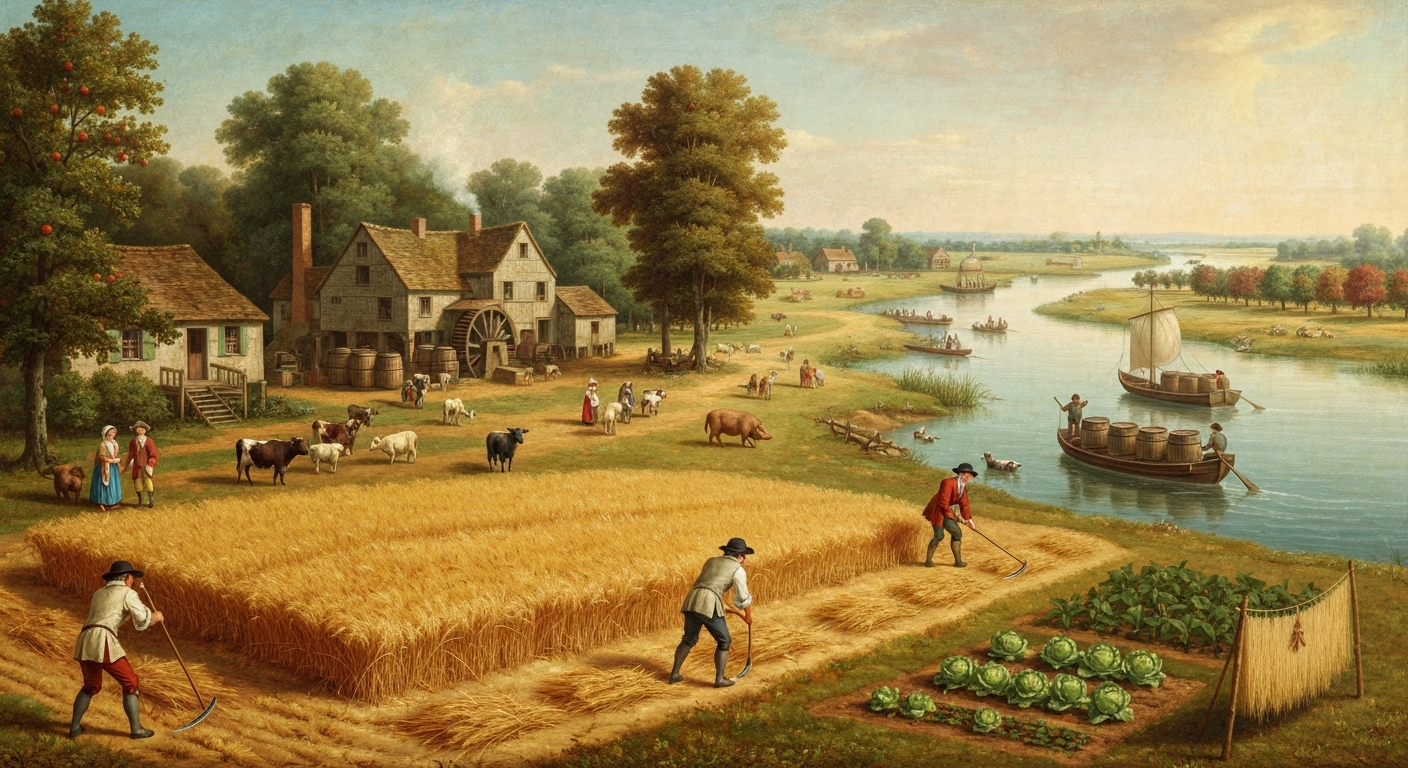
What Did the Delaware Colony Grow: Crops, Uses & Legacy
Colonial Delaware’s main crops, grains, hay, flax, fruits, vegetables, livestock, why they thrived and how they were sold.
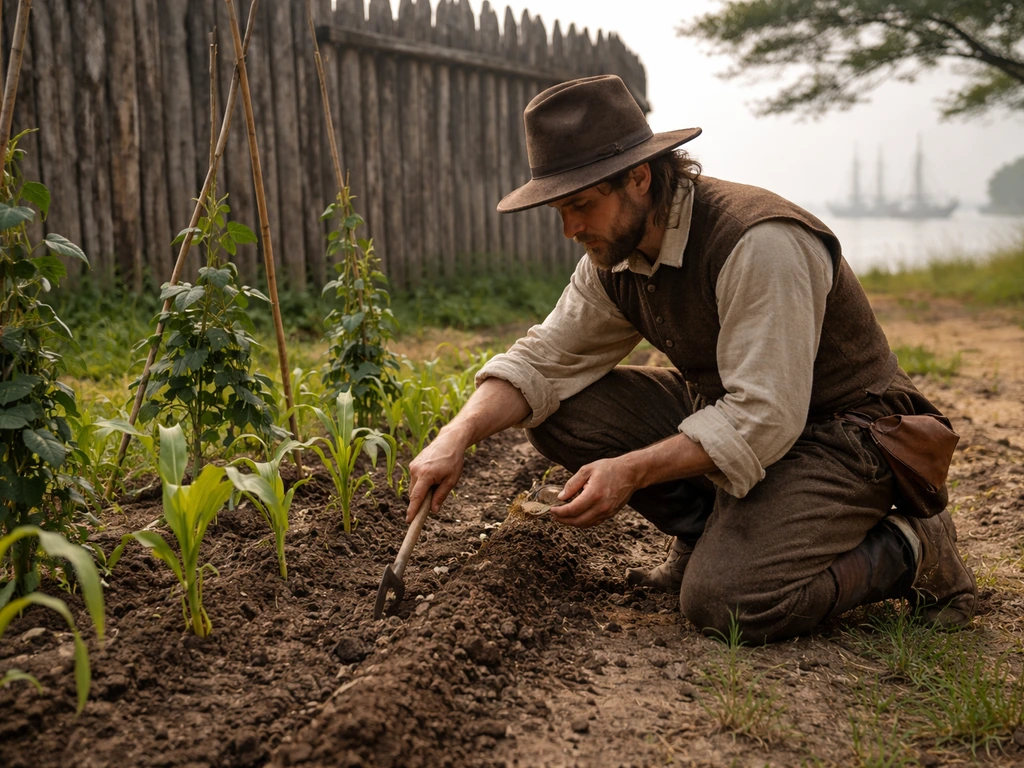
What Did Jamestown Grow and How They Farmed It
Learn what Jamestown colonists grew and the methods they used to plant, harvest, and adapt crops to Virginia conditions.
What Did the New England Colonies Grow? Major Crops
Major New England colonial crops explained by climate and soil, from corn and wheat to beans and hay, plus today’s paral