
Karnataka is one of India's most agriculturally diverse states, and the best crop to grow depends heavily on where you are farming. Coastal farmers around Mangaluru do best with arecanut, coconut, and rice. Hill farmers in the Malnad belt should look at pepper, coffee, and cardamom. The dry interior of Hyderabad-Karnataka is built for ragi, jowar, groundnut, and cotton. The northern transition plains favor maize, chickpea, sunflower, and soybean. Get that regional match right first, then dial in irrigation availability and season, and your crop choices become much clearer. While profitability varies by input costs and local demand, the most profitable crop to grow in India is usually the one that matches your region's climate, soil, and water access.
Best Crops to Grow in Karnataka by Region and Season

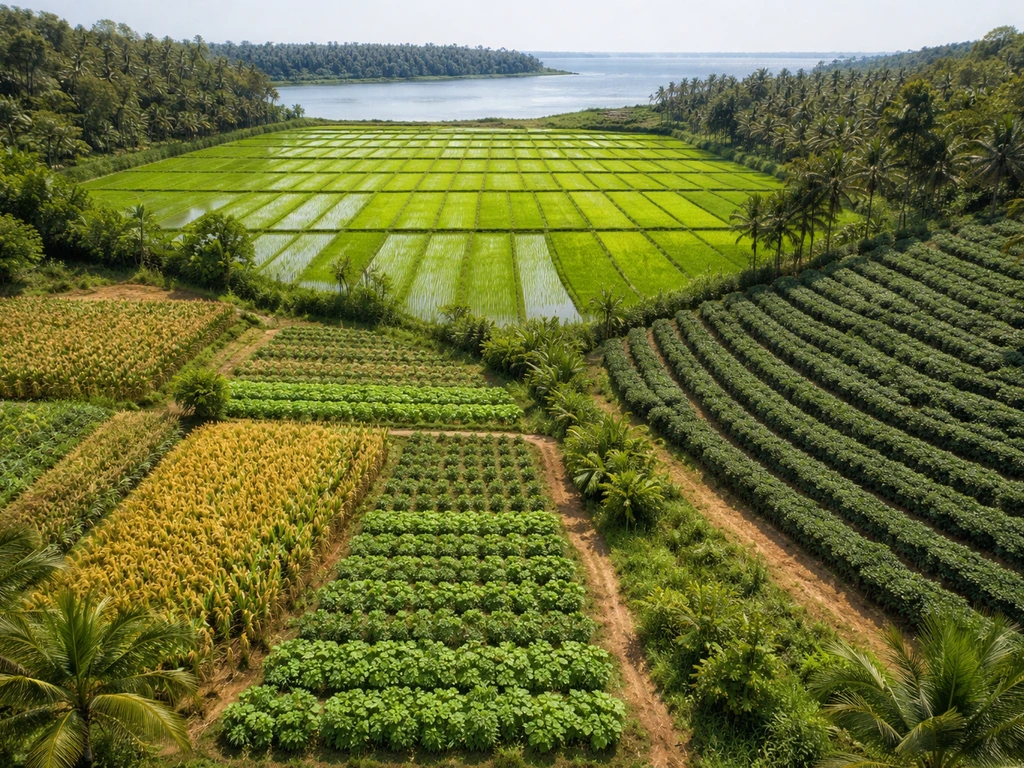
Karnataka's climate and soil: what actually drives crop choice
Karnataka receives about 1,269 mm of rainfall on average, but that average hides a massive spread. The coastal strip around Dakshina Kannada gets over 4,000 mm annually, while the Hyderabad-Karnataka districts in the northeast get under 600 mm in a bad year. That difference alone explains why crops like rubber and black pepper thrive near Mangaluru but jowar and groundnut dominate Raichur and Koppal. The University of Agricultural Sciences in Bengaluru formally divides the state into agro-climatic zones based on rainfall distribution, elevation, soil type, topography, and irrigation access. This framework is genuinely useful because it tells you not just what grows, but why it grows there.
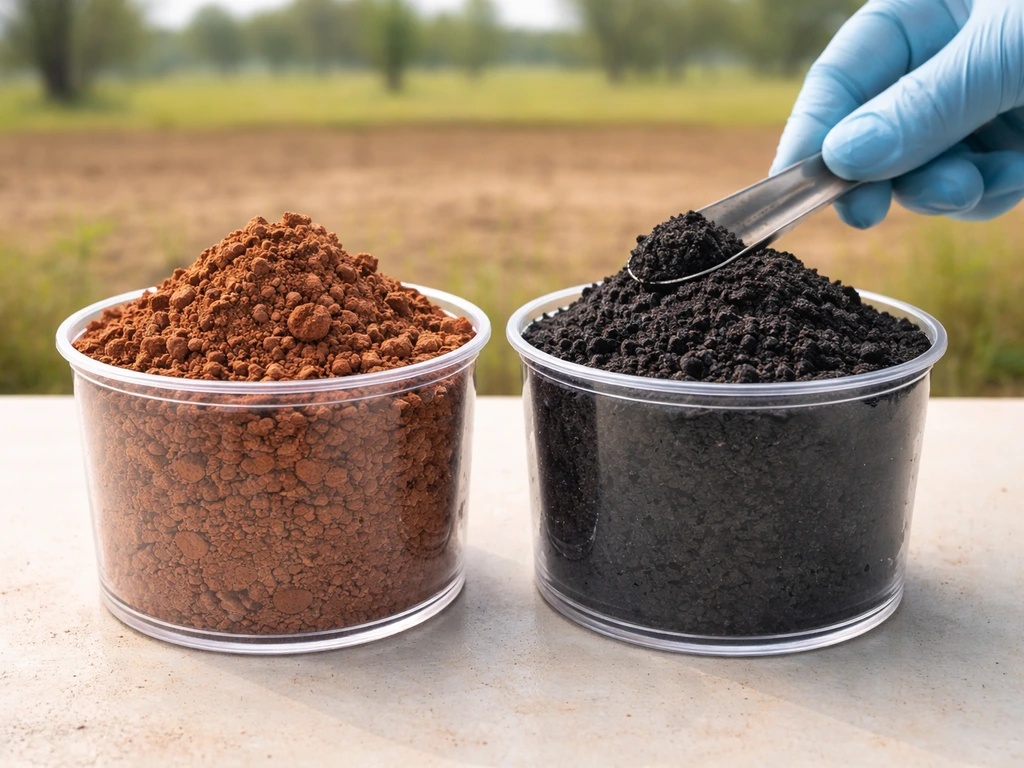
Soils add another layer of decision-making. Karnataka's soils fall into six broad groups: red soils, laterite soils, black (or Vertisol) soils, alluvio-colluvial soils, brown forest soils, and coastal soils. Black soils in lowland valleys are among the most productive in the state when managed well, holding moisture through the dry season and releasing nutrients steadily.
Lateritic and red soils in coastal and hill zones are acidic and drain quickly, which suits crops like arecanut, cashew, and pepper but makes pH management critical. Deep black clayey soils in Raichur are ideal for cotton and sugarcane under irrigation. Before selecting any crop, check your soil's pH, organic carbon, and available nitrogen through a Soil Health Card (SHC).
The government scheme tests 12 parameters including N, P, K, micronutrients, pH, EC, and organic carbon, and it directly informs your fertilizer plan.
Top food crops by region
Coastal zone (Dakshina Kannada, Uttara Kannada coast)
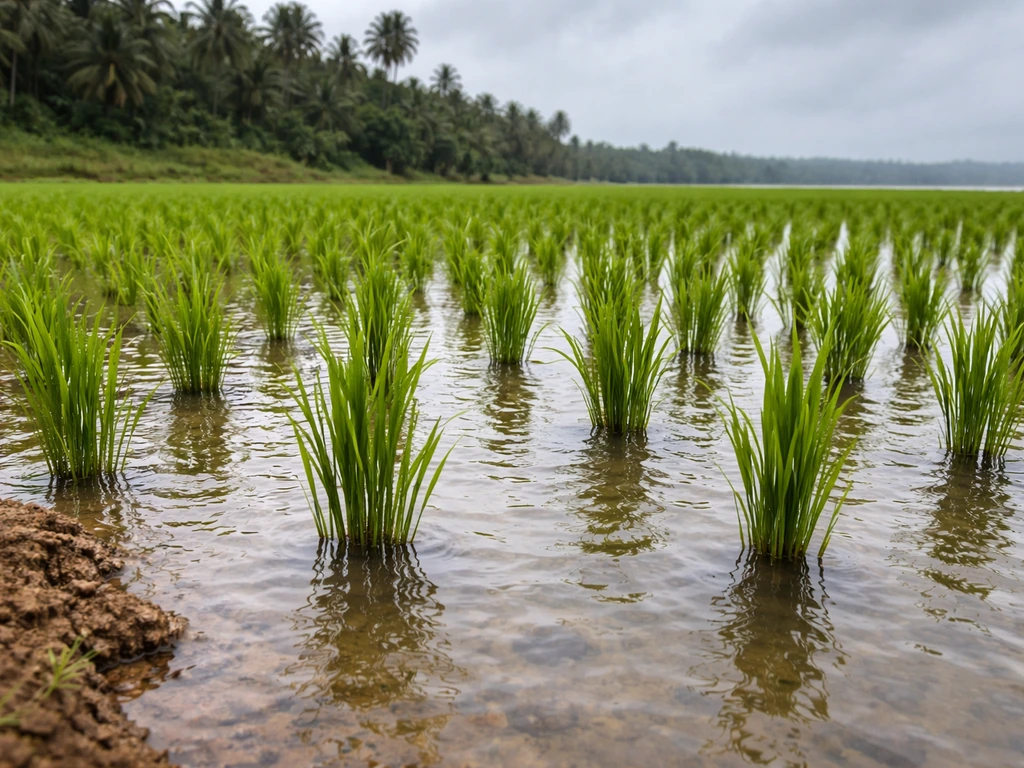
The coastal zone receives enormous rainfall and has lateritic, acidic red loamy soils. Paddy (rice) is the dominant food grain here and is planted in the kharif season when the monsoon kicks in around June. Rabi and summer seasons in this zone support short-duration vegetables like okra (bhendi), cucumber, brinjal, bitter gourd, ash gourd, and little gourd. If you are farming near river deltas or valley pockets with alluvial soil, a second rice crop is feasible where water management infrastructure supports it.
Malnad and hill zone (Western Ghats, Shivamogga, Chikkamagaluru, Kodagu)
The Malnad belt sits at elevation, receives high rainfall, and has rich forest soils with good organic matter. This is where coffee (both arabica at higher elevations and robusta lower down), pepper, cardamom, and arecanut are at their best. For food crops, rainfed paddy is widely grown in valley fields, and ragi is common where slopes are gentler. In the Himalayas, crop options depend heavily on altitude, temperature, and rainfall, so choosing hill-ready staples is key what crops grow in the himalayas. The cool temperatures and persistent humidity limit options for crops that need dry air at grain-filling stage, so grain legumes are less dominant here than in the plains.
Hyderabad-Karnataka interior (Raichur, Koppal, Bidar, Kalaburagi)
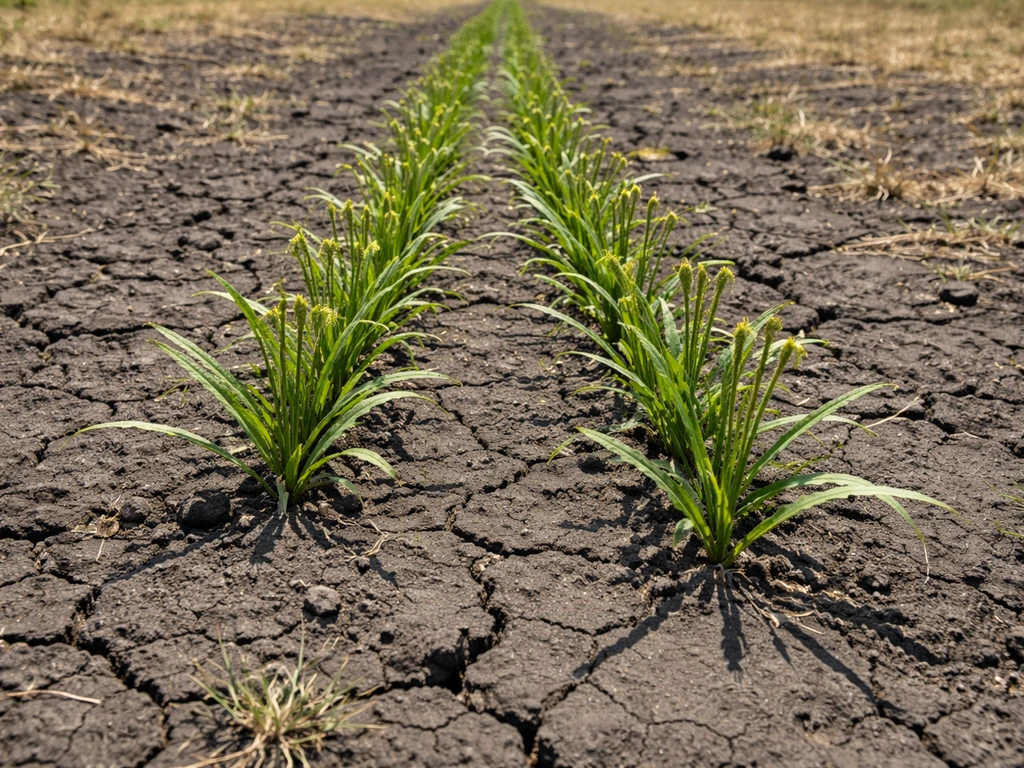
This is Karnataka's driest zone, with deep black cotton soils and calcareous clayey soils that retain whatever moisture falls. Ragi (finger millet) is the go-to food crop for small and marginal farmers because it tolerates both moisture stress and poor soils. Jowar (sorghum) is the other staple and doubles as both food and fodder. Tur (pigeonpea), chickpea, and lentils are the main pulse crops. Cotton and groundnut take over on better-managed plots with access to bore well irrigation or canal water from the Krishna basin.
Northern transition and central plains (Dharwad, Haveri, Belagavi, Davanagere)
This belt is a transition between the wet Western Ghats and the dry Deccan. Soils are a mix of red medium-depth and black soils. Maize is increasingly the dominant kharif crop here, followed by soybean and sunflower. In rabi, chickpea, wheat (in irrigated pockets), and sunflower take over. Ragi and jowar remain important for dryland farmers. Sugarcane is profitable near Belagavi, where the Krishna basin irrigation system provides reliable water.
Best cash crops and plantation crops
Karnataka's plantation economy is concentrated in its wetter zones, and these crops are among the highest-value options per hectare if you have the right conditions. Here is a zone-matched summary:
| Crop | Best zone | Why it fits | Notes |
|---|---|---|---|
| Arecanut | Coastal, Malnad | High humidity, laterite soil, well-distributed rainfall | Long-term investment; takes 6-8 years to mature |
| Coconut | Coastal zone | Sandy loam and alluvial coastal soils, warm temperatures | Dual income from nut and coir |
| Rubber | Coastal, lower Malnad | High rainfall (>2000 mm), acidic laterite soils, warm climate | Suitable for Dakshina Kannada and parts of Uttara Kannada |
| Pepper | Malnad, coastal foothills | Needs support trees, high humidity, well-drained laterite | Intercropped with arecanut or coffee |
| Coffee (Robusta) | Malnad mid-elevation (600-1000 m) | Shade-grown, high rainfall, rich forest soils | Kodagu and Chikkamagaluru are prime districts |
| Coffee (Arabica) | Higher Malnad (>1000 m) | Cooler temperatures, lower humidity than robusta | Higher price but more disease-sensitive |
| Cocoa | Coastal, Malnad | Intercropped under arecanut; humid and warm | Good supplementary income crop |
| Cotton | Hyderabad-Karnataka, northern plains | Deep black soils, semi-arid climate | Bt cotton dominates; needs assured water at key stages |
| Groundnut | Northern transition, central dry zone | Red sandy loam, well-drained, kharif season | Most reliable under rainfed conditions in this zone |
| Sugarcane | Belagavi, Mandya, Mysuru (irrigated) | Black and alluvial soils, canal/bore irrigation | High input and water demand; strong market near cooperatives |
| Sunflower | Northern and central plains | Fits both kharif and rabi; adaptable to red and black soils | Good oil crop for rabi rotation after kharif cereals |
| Banana | Coastal and irrigated plains | Warm climate, well-drained fertile soil, assured water | Cavendish varieties near Honnavar and Haveri |
| Cashew | Coastal zone, laterite uplands | Acidic laterite soils, moderate rainfall, good drainage | Low-input once established; good for marginal slopes |
Irrigated vs. rainfed: what to plant and when
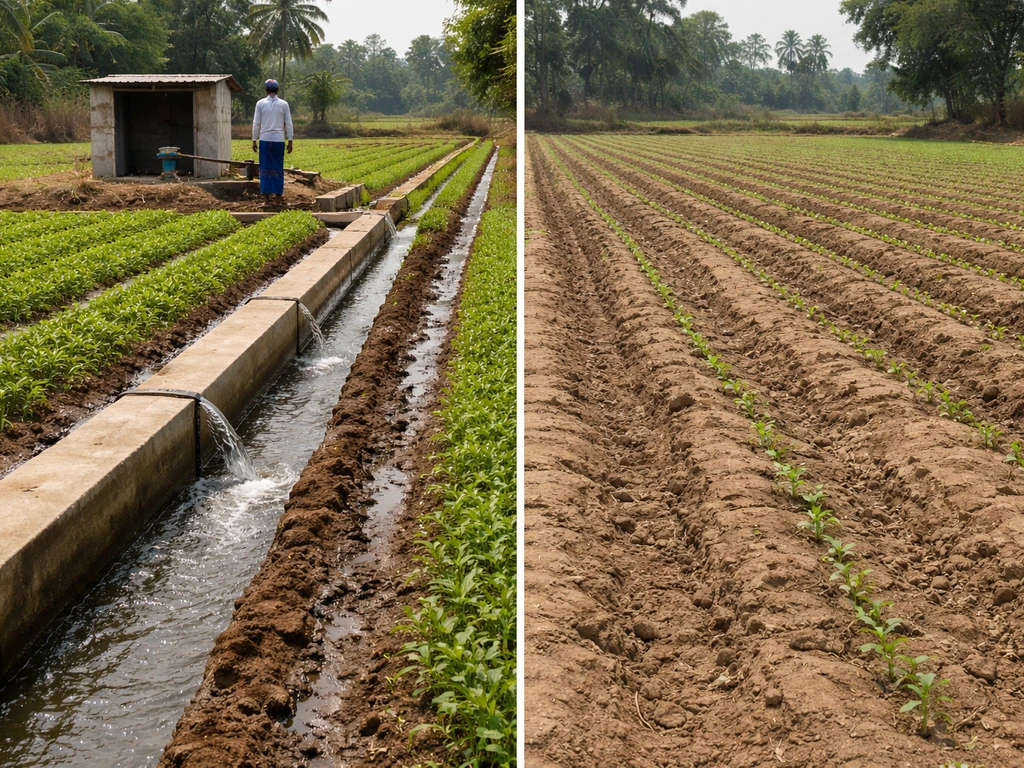
This is the single most important filter after geography. Karnataka's agriculture is split between rainfed dryland farming (which covers the majority of cultivated area) and irrigated systems near canal commands and bore well zones. Your access to water fundamentally changes which crops make sense and when to plant them.
Rainfed farming: timing with the monsoon
Kharif is the main season for rainfed farmers, running from June to October as the southwest monsoon advances. Sowing windows are tight and zone-specific. In the northern transition zone around Dharwad, kharif groundnut is typically sown in the second half of June to early July once pre-monsoon showers stabilize soil moisture.
UAS Bangalore's zone-5 (Bangalore) Kharif Groundnut crop-weather PDF provides zone-specific sowing-stage temperature, relative humidity, and rainfall ranges used for these planning windows [kharif groundnut is typically sown in the second half of June to early July](https://www. uasbangalore. edu. in/images/crop_weather/zone-5-%28bangalore%29-groundnut.
pdf). Maize, soybean, and jowar follow similar June-July windows. Ragi in the southern dry zone is typically sown in July. Rabi crops (chickpea, lentil, rabi sorghum, sunflower) are sown after kharif harvest in October-November using residual soil moisture, which is critical under rainfed conditions.
Do not delay rabi sowing beyond mid-November in dryland areas as temperatures drop and moisture runs out.
Irrigated farming: unlocking a third season
With canal or bore well access, you can add a summer (zaid) crop from February to May. Vegetables, watermelon, sunflower, and short-duration legumes are popular choices. Sugarcane and paddy under irrigation in districts like Mandya and Mysuru run on a year-round schedule dictated by canal release schedules. In the Belagavi belt, irrigated wheat is a strong rabi option that rainfed farmers in other parts of Karnataka cannot practically grow. Cotton under irrigation in Raichur can get a second picking that rainfed cotton farmers miss entirely.
| Season | Months | Rainfed options | Irrigated options |
|---|---|---|---|
| Kharif | June-October | Ragi, jowar, maize, groundnut, soybean, tur, cotton, paddy (coastal) | Paddy, cotton, sugarcane, maize, vegetables |
| Rabi | October-February | Chickpea, rabi jowar, sunflower, lentil | Wheat, chickpea, sunflower, vegetables, potato |
| Summer/Zaid | February-May | Not practical (moisture exhausted) | Watermelon, vegetables, sesame, short-duration mung |
Crop combinations and rotation for better yields and healthier soil
Growing the same crop repeatedly on the same field is the fastest way to deplete soil nutrients and build up pest and disease pressure. Karnataka's dryland research institutions, particularly UAS Dharwad and the ICAR dryland agriculture program, have tested rotation sequences under actual field conditions across the state's key zones. The results consistently show that cereal-legume sequences outperform continuous cereal cultivation in both yield and soil health.
The maize-chickpea sequence has been identified as the most reliable and profitable combination for the northern transition zone under rainfed conditions. Maize draws heavily on nitrogen in kharif, then chickpea fixes nitrogen back into the soil over the rabi season. The result is that you reduce your fertilizer input in year two and maintain soil organic carbon better than continuous maize would allow. Research from Dharwad also points to groundnut-rabi sorghum and soybean-chickpea as strong performing sequences in this zone.
In the Hyderabad-Karnataka dry zone, the classic combination is ragi or jowar in kharif followed by chickpea, safflower, or lentil in rabi using residual moisture. KVK models from comparable dry zones show pearl millet-chickpea and blackgram/greengram-rabi sorghum working well too. These short-duration legumes in kharif followed by a cereal in rabi help manage moisture across both seasons without pushing water demand too hard. For coastal and Malnad plantation systems, intercropping cocoa or pepper under arecanut is effectively a spatial crop combination that improves income per hectare without adding irrigation demand.
- Maize (kharif) + Chickpea (rabi): best documented sequence for northern transition zone, improves N balance and profitability
- Groundnut (kharif) + Rabi sorghum or sunflower: suits red sandy loam soils in central and northern zones
- Soybean (kharif) + Chickpea or wheat (rabi): strong under irrigated and semi-irrigated northern plains
- Ragi (kharif) + Lentil or chickpea (rabi on residual moisture): reliable low-input system for southern and eastern dry zones
- Tur (intercrop with jowar or cotton in kharif): common mixed stand in Hyderabad-Karnataka that spreads risk
- Arecanut + Pepper or Cocoa (intercrop): standard coastal-Malnad plantation combination for income diversification
- Paddy (kharif) + Vegetables or pulses (rabi/summer with irrigation): productive for irrigated coastal delta farmers
Practical crop selection checklist before you plant
Once you know your zone, season, and water situation, these are the steps that prevent avoidable losses. Skipping any of them is where most crop failures start.
- Confirm your agro-climatic zone: Identify which of Karnataka's zones covers your district (coastal, Malnad, southern dry, eastern dry, northern transition, Hyderabad-Karnataka). This tells you which crops UAS Bengaluru and local KVKs have validated for your conditions.
- Get a Soil Health Card: Apply at your nearest Krishi Vigyan Kendra (KVK) or gram panchayat agricultural outlet. The 12-parameter report tells you pH, organic carbon, and nutrient deficiencies, so you buy only the fertilizer you actually need.
- Choose a certified, zone-adapted variety: Generic seed from a general merchant may not be suited to your district. Ask your KVK for the current recommended variety list. For example, for ragi in the southern dry zone, varieties like ML-365 or GPU-28 are recommended over older locals. For groundnut in the northern zone, TAG-24 or GPBD-4 (Dharwad) is proven.
- Match sowing date to your monsoon window: Do not plant earlier than soil moisture allows, and do not delay past the optimal window. Kharif crops sown more than two to three weeks late in Karnataka lose yield significantly due to shortened growing periods before temperatures shift in October.
- Calculate spacing and seed rate correctly: Crowded stands waste seed and invite disease. As a guide: maize at 60x20 cm, groundnut at 30x10 cm, ragi at 22.5x10 cm, cotton at 90x60 cm for Bt hybrids, chickpea at 30x10 cm. Confirm the recommended rate for your specific variety from your KVK.
- Plan your input budget around water availability: Irrigated crops justify higher fertilizer investment because you can ensure uptake. For rainfed crops, apply fertilizer at sowing in splits rather than all at once, and prioritize phosphorus and zinc if your SHC shows deficiency (common in Karnataka red soils).
- Check for intercropping or rotation partner: Identify your rabi follow-up crop before kharif sowing, not after, so you plan harvest timing correctly and do not miss the rabi sowing window.
- Contact your local KVK or district agriculture officer: Karnataka has KVKs in every district. They run demos, supply quality seed at subsidized rates, and provide the most current agro-advisory for your specific taluk. Do not rely only on general guides when local verified data is available.
Karnataka's agricultural diversity is genuinely one of its strengths. If you are trying to figure out what crops grow in India, start by matching crop choices to climate, rainfall, and soil like the patterns across Karnataka show. The same state that produces some of India's finest coffee and pepper in the Malnad hills also drives national production of ragi, sunflower, and groundnut from its dry interior.
If you are exploring how Karnataka fits into India's broader crop geography, the patterns here mirror larger regional dynamics across the subcontinent, where monsoon intensity, soil type, and elevation together predict crop success more reliably than any other set of variables. Understanding those patterns at the Karnataka level gives you a strong foundation for reading crop distribution anywhere across South Asia.
FAQ
What are the best crops to grow in Karnataka if I am unsure of my exact agro-climatic zone?
Start with soil texture and drainage, not just district names. If your plot drains fast and stays acidic, you will often fit lateritic or red-soil crops like arecanut, pepper, or cashew. If you have deep black clay that cracks when dry, crops like cotton, sugarcane (with irrigation), and ragi or jowar (rainfed depending on moisture) usually make more sense. Then confirm with rainfall history for your taluk and by checking your Soil Health Card pH and nutrient status.
If I have irrigation, which crops become “best” compared to rainfed choices?
Irrigation mainly expands your safe options for rabi and summer. With canal or borewell water, irrigated wheat in the Belagavi belt becomes practical, and you can also consider sugarcane and paddy schedules in Mandya and Mysuru depending on release timing. For dry zones, irrigation allows a second picking (for cotton) or the addition of a short summer crop, but you still need to match crop duration to how steady your water supply is.
Which crops are best for low rainfall areas in Karnataka, especially under uncertain monsoon?
Prioritize moisture-tolerant staples and short-duration legumes. In Hyderabad-Karnataka dry tracts, ragi and jowar are the safest starting points, and pulses like chickpea, pigeonpea (tur), and lentils are common complements using residual moisture. If rainfall is consistently unreliable, avoid long duration crops unless you have assured irrigation or a strong soil moisture profile (deep black soils or proven water retention).
What should I do if my soil test shows poor pH for my chosen crop?
Do not switch crop immediately. First, correct pH with the least-cost amendments your Soil Health Card suggests, and align fertilizer timing with local recommendations for that crop. For acidic lateritic and red soils, crops like arecanut and pepper can still perform well, but pH management becomes critical, and you may need more frequent monitoring because yields can drop sharply if acidity is not corrected.
Is it better to grow one crop or rotate in Karnataka?
Rotate for both yield stability and soil health. Continuous cropping is the fastest route to nutrient depletion and higher pest and disease pressure. In Karnataka dryland systems, cereal-legume rotations consistently outperform continuous cereals, and the maize-chickpea or ragi/jowar followed by chickpea or lentil sequences are practical examples to copy within similar rainfall zones.
Can I grow rice in Karnataka outside the coastal zone?
Yes, but it is mostly feasible where you have river-delta pockets, alluvial valley soils, or strong water management infrastructure. Outside coastal conditions, rice becomes risky under rainfed schedules because the state’s interior rainfall is much lower and more variable. If you lack assured water control, consider ragi, jowar, and pulses instead of rice.
For vegetables in Karnataka, which are realistic without heavy irrigation?
Short-duration vegetables in the coastal zone are typically better aligned with monsoon timing and higher rainfall. For rainfed farmers elsewhere, vegetables often become cost-heavy unless you can use residual moisture or have at least a dependable supplemental irrigation plan. If you do plan vegetables, select varieties that match the local sowing window and avoid long crop durations when temperatures drop quickly in rabi.
When is the right time to plant rabi crops in dryland areas?
For dryland rabi, aim to sow promptly after kharif harvest using residual moisture. Do not delay beyond mid-November in drier parts of Karnataka, because falling temperatures and drying soil can reduce germination and final yield. If you are late due to labor or harvest delays, reduce crop risk by choosing shorter-duration rabi legumes or chickpea-type options rather than long duration cultivars.
What are “best” crop choices for the transition belt between Western Ghats and Deccan?
In that mixed-soil transition zone, maize is frequently a strong kharif pick, followed by soybean or sunflower depending on moisture and input costs. For rabi, chickpea and wheat work well where irrigated pockets exist, while rabi sunflower and pulses are common. For farmers without assured irrigation, ragi and jowar remain important anchors because they match the residual moisture pattern.
Arearecanut and pepper intercropping always recommended in Malnad?
They can be effective, but the word “always” does not apply. Intercropping improves income per hectare mainly when shade, spacing, and drainage suit both species, and when you manage competition for nutrients in a long-lived plantation. If your field has waterlogging or very poor drainage, pepper and cocoa under arecanut can struggle, so site selection and drainage work matter as much as crop pairing.
How do I decide between cotton and groundnut in dry interior Karnataka?
Base the choice on whether you have reliable irrigation and the soil’s moisture holding. Cotton performs better on plots where soil can support growth through variable rainfall and where irrigation is available for additional pickings, especially in Raichur-like conditions. Groundnut fits many dry tracts, particularly when sowing aligns with stable pre-monsoon showers and you can manage soil moisture during pegging. For deeper black clayey soils, cotton can be strong under irrigation, while groundnut is often more forgiving under carefully timed rainfed sowing.
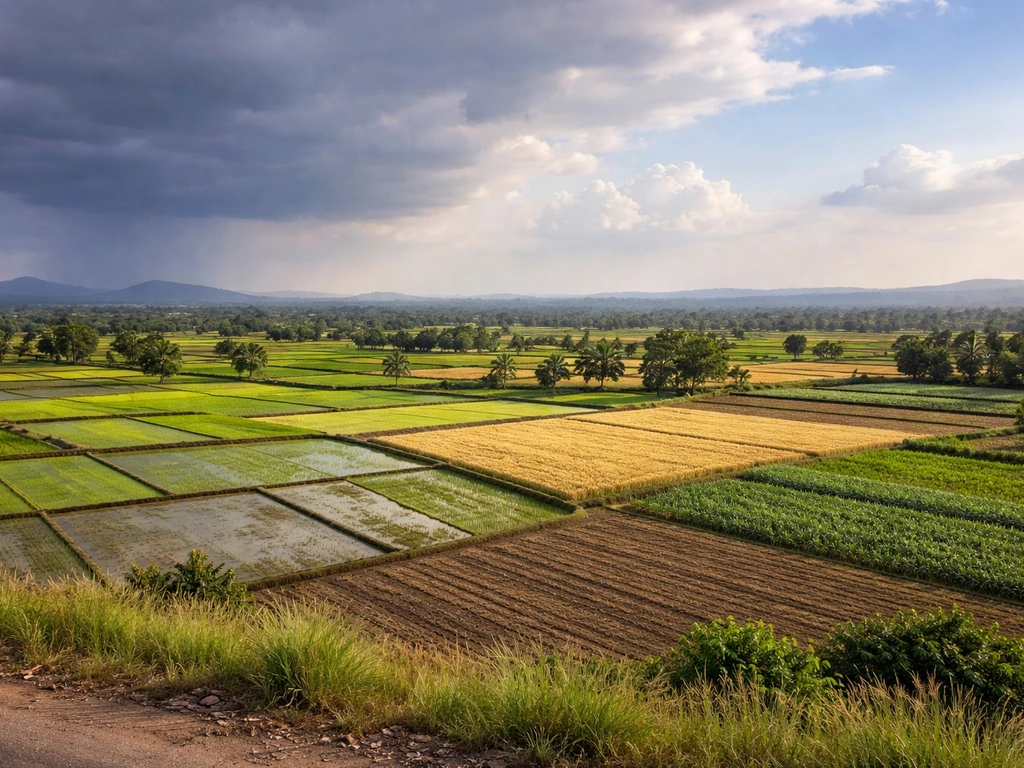
Region and season guide to what crops grow in India, with best options for monsoon, arid, hills, plains
Colonial Delaware’s main crops, grains, hay, flax, fruits, vegetables, livestock, why they thrived and how they were sold.

Learn what Jamestown colonists grew and the methods they used to plant, harvest, and adapt crops to Virginia conditions.