
Kharif crops grow during the monsoon season, typically sown between June and July and harvested between September and November across most of India and South Asia. The exact window depends on when the southwest monsoon arrives in your region, which can shift by two to four weeks depending on the year and your location.
When Does Kharif Crops Grow? Planting Calendar Guide

Samuel Rourke
6 Jul 2026
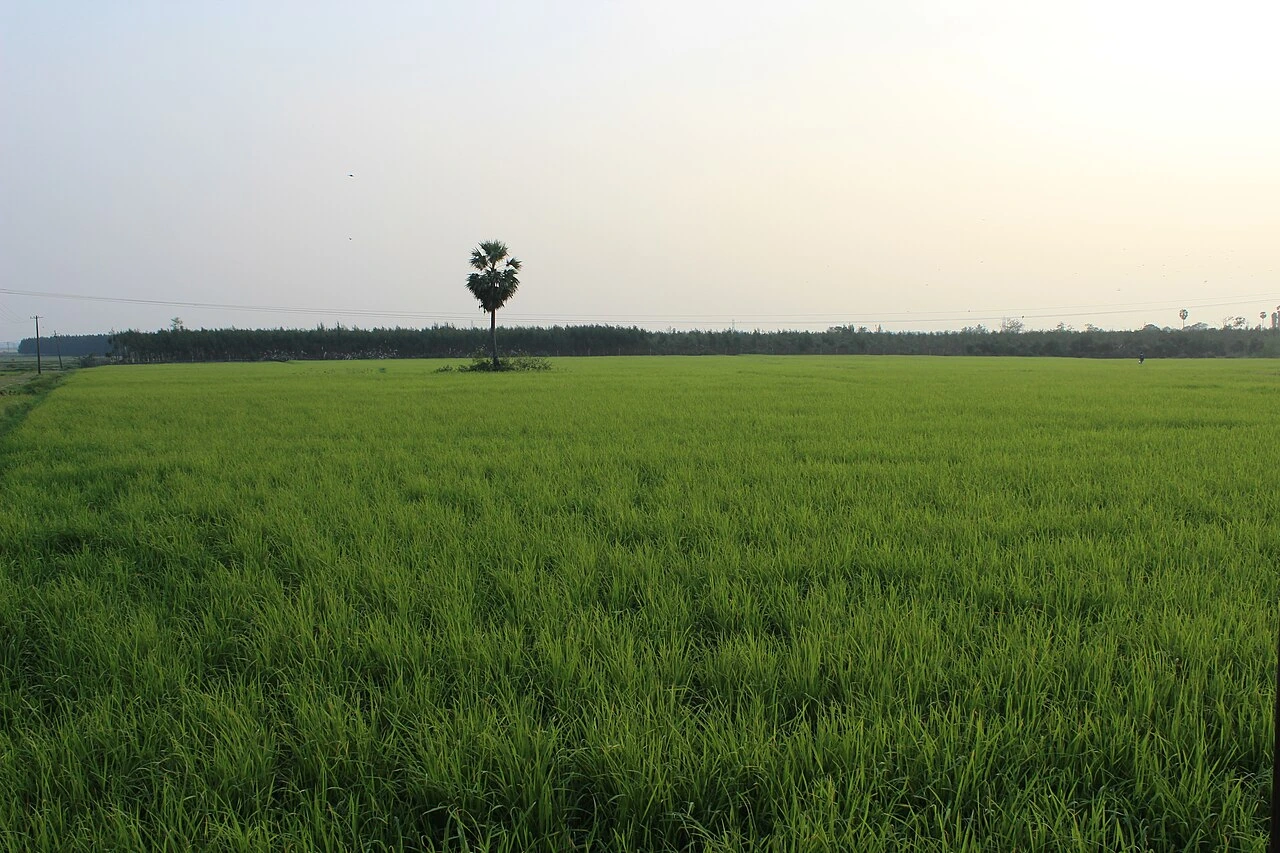
What the kharif season actually means
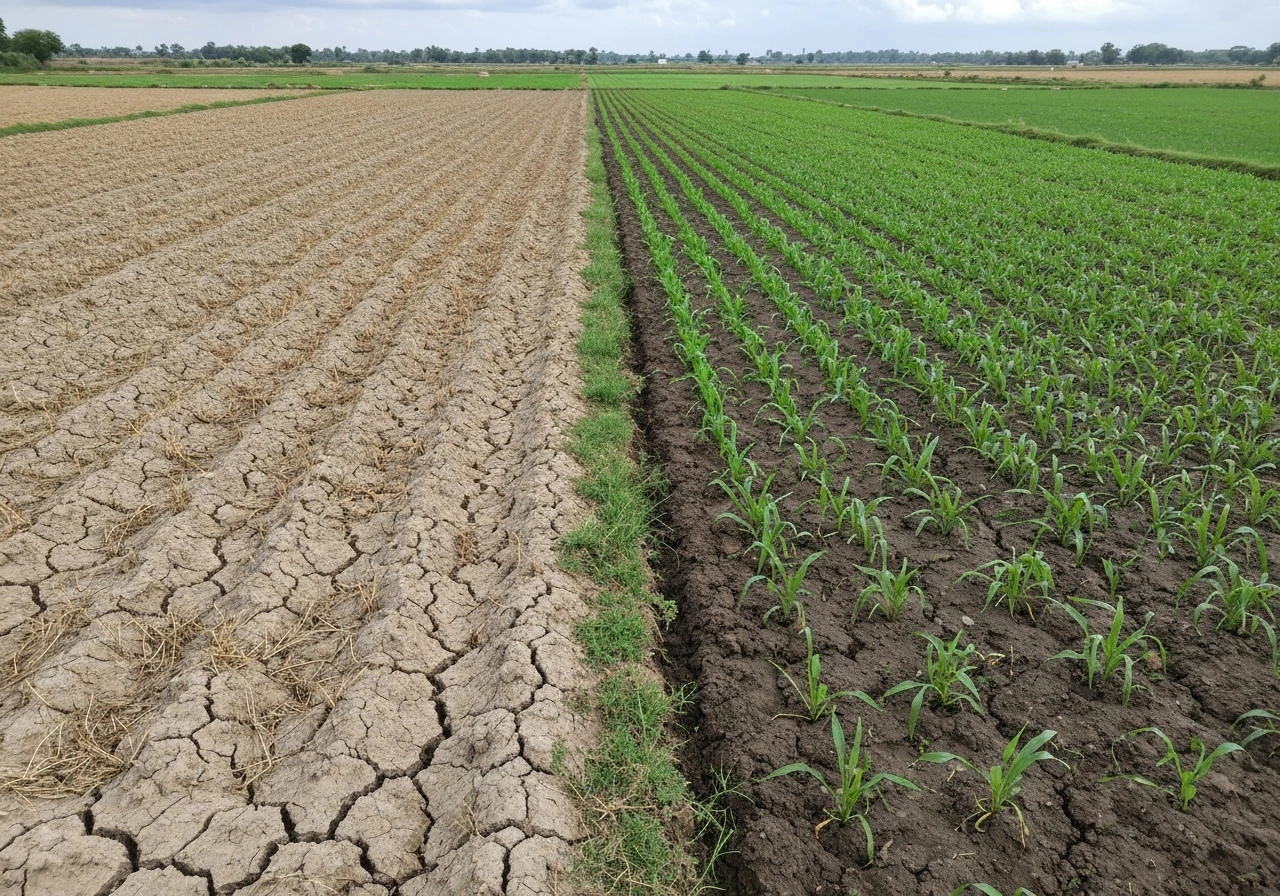
Kharif is one of India's two main cropping seasons, the other being rabi. Where rabi crops are planted after the monsoon ends and rely on residual soil moisture or irrigation, kharif crops are entirely built around the monsoon. The word itself comes from Arabic, meaning autumn, and the season runs through the monsoon and its immediate aftermath. Farmers sow kharif crops as the southwest monsoon arrives, giving plants access to the heavy, sustained rainfall they need to establish and grow. Without that monsoon water, most kharif crops simply cannot be grown rain-fed.
India's agriculture ministry and the Indian Meteorological Department (IMD) use monsoon onset as the practical trigger for kharif season. The IMD's benchmark is the onset of the southwest monsoon over Kerala, which blank" rel="noopener noreferrer">normally happens around June 1. That declaration uses a specific rainfall threshold of at least 2.5 mm on two consecutive days at designated Kerala stations, combined with wind and atmospheric criteria. Once that declaration goes out, it signals the monsoon is advancing, and farmers in different parts of the country start watching their own local onset timing to make planting decisions.
Kharif growing windows by region
The southwest monsoon does not arrive everywhere at the same time. It hits Kerala first in early June, then moves northeast across the subcontinent, reaching most of central and northern India by late June or early July. This progression means sowing windows are staggered by region. Here is a broad breakdown of when the kharif growing window typically opens and closes in different parts of India.
| Region | Monsoon Onset (Typical) | Sowing Window | Harvest Window |
|---|---|---|---|
| Kerala and coastal south India | Late May to early June | June | September to October |
| Karnataka, Andhra Pradesh, Telangana | Early to mid June | June to early July | October to November |
| Maharashtra and central India | Mid June | Mid June to mid July | October to November |
| Gujarat and Rajasthan | Late June to early July | Late June to mid July | October to November |
| Punjab, Haryana, and northwest India | Early to mid July | June to July (with pre-monsoon irrigation) | September to October |
| Uttar Pradesh and Bihar | Mid to late June | Late June to mid July | September to October |
| Northeast India and West Bengal | Late May to early June | May to June | September to October |
In states like Karnataka, where agriculture is shaped by diverse agro-climatic zones, the kharif window can vary significantly even within the same state. Coastal Karnataka may start sowing in early June while northern districts wait until late June for adequate moisture. These regional differences are worth knowing if you are planning across zones.
Sowing dates, transplanting, and how long crops take
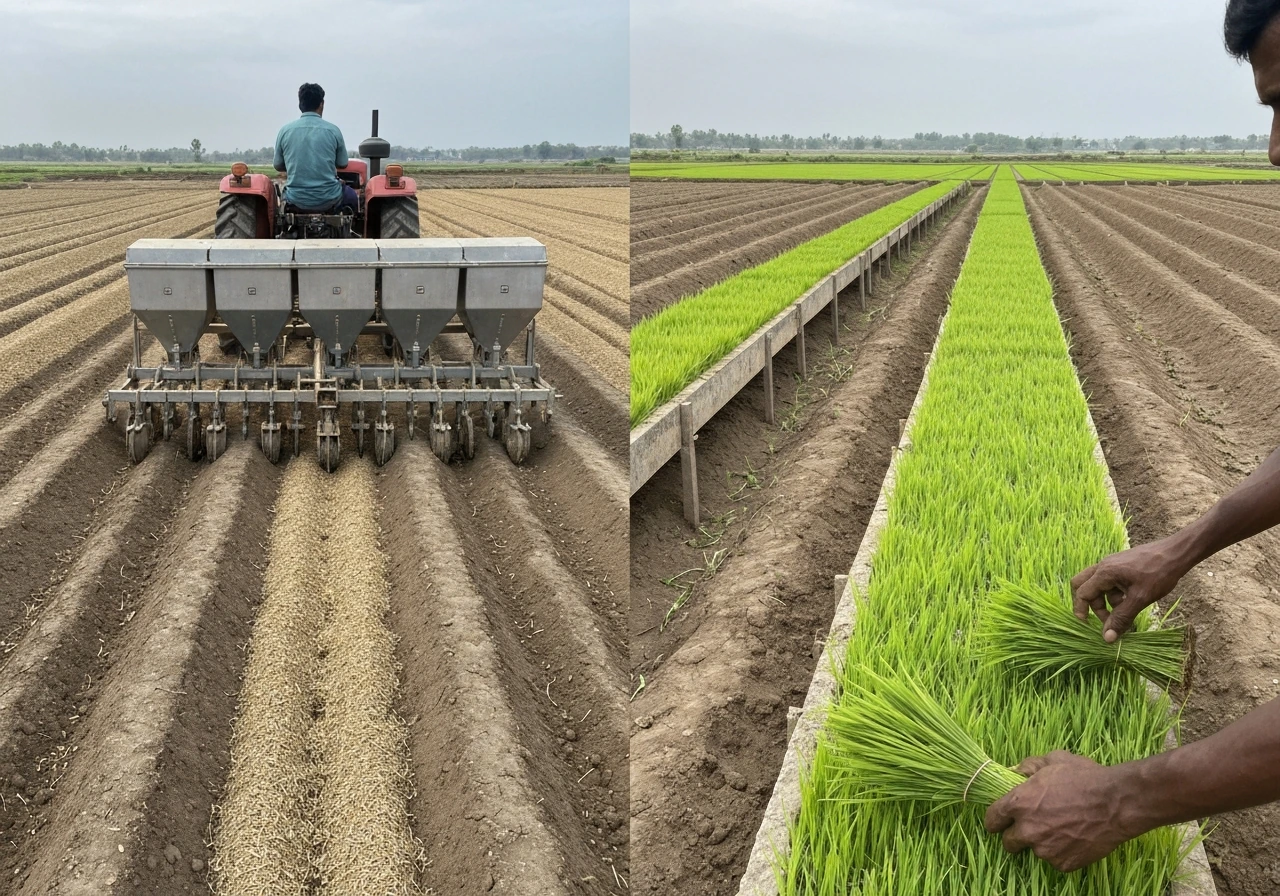
Not all kharif crops go into the ground the same way or at the same time within the season. Some are directly sown, others are transplanted as seedlings. The distinction matters because transplanted crops like paddy rice need nursery preparation two to four weeks before the main planting date, which means you actually start the process before your sowing window technically opens.
Direct-sown crops like maize, sorghum, and groundnut go straight into the field once the soil has enough moisture, usually after two to three good rain events. Transplanted paddy takes about 25 to 30 days in the nursery, so if your transplanting window is mid-July, you should be raising seedlings from mid-June. Duration from sowing to harvest ranges widely: short-duration varieties of rice finish in 90 to 100 days, maize in 90 to 110 days, cotton in 150 to 180 days, and pigeonpea (tur dal) in 120 to 180 days depending on variety.
| Crop | Method | Nursery/Pre-Sow Start | Main Sowing/Transplant Window | Crop Duration | Harvest Window |
|---|---|---|---|---|---|
| Paddy (rice) | Transplanted | Late May to mid June | Late June to late July | 90 to 130 days | September to November |
| Maize | Direct sown | N/A | June to mid July | 90 to 110 days | September to October |
| Sorghum (jowar) | Direct sown | N/A | June to July | 90 to 120 days | October to November |
| Groundnut | Direct sown | N/A | June to July | 90 to 130 days | October to November |
| Soybean | Direct sown | N/A | Late June to mid July | 90 to 105 days | October to November |
| Cotton | Direct sown | N/A | May to July (varies) | 150 to 180 days | November to January |
| Pigeonpea (tur) | Direct sown | N/A | June to July | 120 to 180 days | December to February |
| Finger millet (ragi) | Transplanted or direct | Late May to June | June to July | 90 to 110 days | September to November |
How the monsoon can shift your planting dates
The monsoon is not a clock. It is a weather system, and it can arrive early, late, or weakly in any given year. A delayed monsoon onset by even two weeks can push the entire kharif calendar back, and that has real consequences for crop yield and duration. If you sow too early without enough soil moisture, germination is poor and seeds rot. If you sow too late, crops may not mature before the post-monsoon dry period sets in.
Temperature is a secondary factor. Most kharif crops need soil temperatures above 20 to 25 degrees Celsius for good germination, which is usually met during the June to July window in most of the subcontinent. But in higher-elevation zones, like parts of the Himalayas, this threshold is only reliably crossed later in the season, which is why kharif cultivation in those areas is compressed into a shorter window. Understanding how elevation and temperature interact with rainfall patterns is essential in hilly and mountainous agricultural zones.
Breaks in the monsoon, periods of a week or more with little rain mid-season, are also significant. A mid-season dry spell during the vegetative growth stage can be more damaging than a delayed start, particularly for rice and maize. This is why ICAR's kharif agro-advisories include contingency guidance, alternate variety recommendations and adjusted schedules for when conditions do not match the normal calendar.
- Early monsoon onset: Can allow sowing up to two weeks ahead of the typical window, but watch for soil saturation and poor drainage issues.
- Late monsoon onset: Shift to short-duration varieties to fit the compressed season. ICAR contingency advisories list recommended varieties by delay scenario.
- Weak or erratic rainfall: Avoid direct sowing until at least two consecutive wet days confirm soil moisture at depth. Germination in dry soil is a significant risk.
- Mid-season dry spells: Irrigate if possible, or focus on drought-tolerant crops like sorghum, finger millet, and pigeonpea for rain-fed fields.
- Above-normal rainfall: Watch for waterlogging, especially for groundnut and soybean, which are sensitive to excess moisture at the root zone.
Crop-by-crop kharif growing calendars
Paddy (rice)
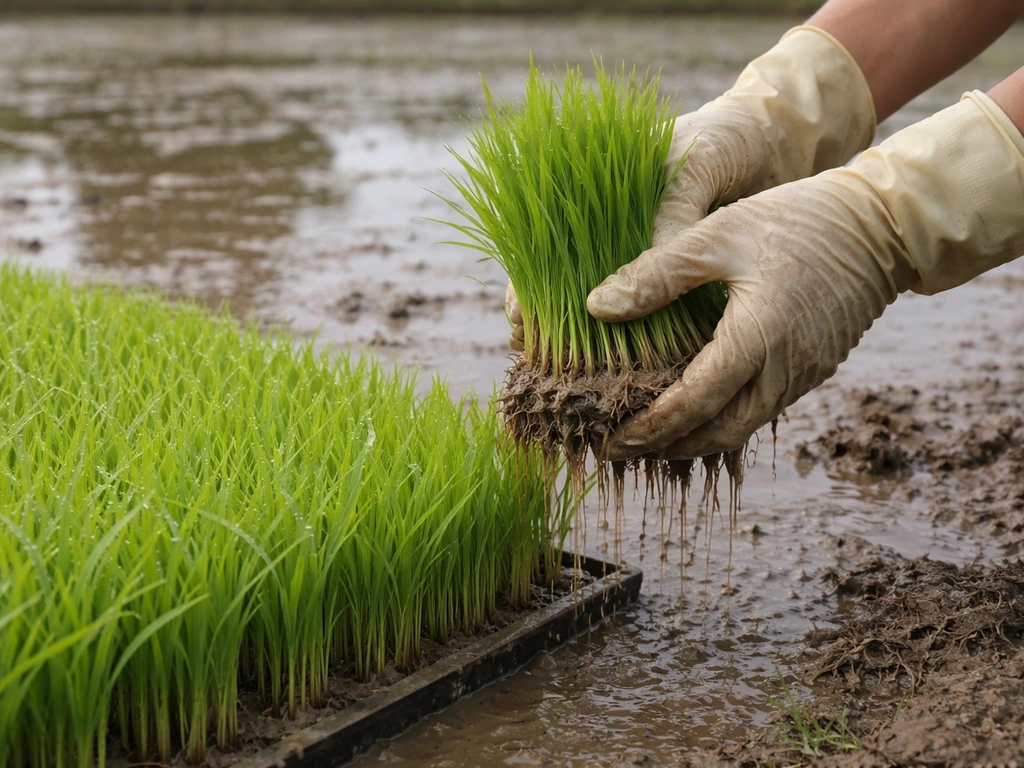
Rice is the backbone of the kharif season across much of India, especially in the eastern states, West Bengal, Odisha, Andhra Pradesh, and the Cauvery delta in Tamil Nadu. Nursery preparation typically begins in late May to mid-June. Transplanting happens between late June and late July depending on the region. Short-duration varieties (90 to 100 days) are harvested by October, while medium-duration varieties (110 to 130 days) run into November. In Punjab and Haryana, transplanting is often regulated by state government advisory to conserve groundwater, with official transplanting dates set around late June to mid-July.
Maize
Maize is one of the more flexible kharif crops in terms of growing region. It is grown across Bihar, Karnataka, Andhra Pradesh, Rajasthan, and the Northeast. Sowing runs from June through mid-July, and the crop matures in 90 to 110 days. Maize needs well-drained soil, so it does poorly in low-lying fields that flood during heavy monsoon rains. If your primary sowing is washed out by flooding, a gap-filling re-sow with a short-duration hybrid can still be viable if done before the end of July.
Soybean
Soybean is the dominant kharif crop in Madhya Pradesh, Maharashtra, and Rajasthan. Ideal sowing is from the last week of June through the second week of July, with soil moisture from at least 50 to 60 mm of accumulated rainfall. Late sowing beyond mid-July leads to yield penalties. The crop takes 90 to 105 days, placing harvest in October to November.
Groundnut
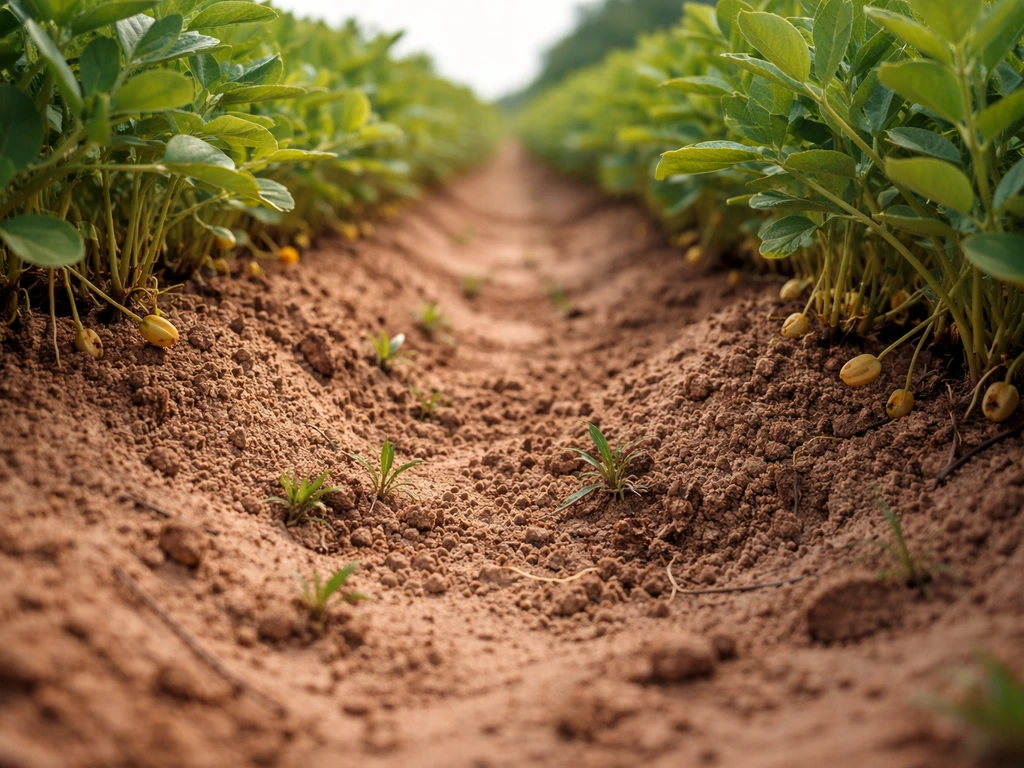
Gujarat, Andhra Pradesh, and Rajasthan are the main groundnut states during kharif. Sowing happens in June to early July in sandy loam soils. Because groundnut pods form underground, waterlogging is a major risk during pod filling. Duration is 90 to 130 days depending on the variety, with harvest in October to November.
Cotton
Cotton has the longest kharif growing period. In Maharashtra, Gujarat, and Telangana, sowing begins from May (with pre-monsoon moisture in some areas) through July. Bt cotton varieties take 160 to 180 days, which means picking runs from November through January. Late sowing compresses the crop cycle into cooler months, often reducing yield.
Pigeonpea (tur dal)
Pigeonpea is a long-duration kharif crop grown widely in Maharashtra, Karnataka, Madhya Pradesh, and Uttar Pradesh. Sowing is in June to early July, and it takes 120 to 180 days, meaning harvest falls in December to February. Its deep root system makes it tolerant of mid-season dry spells, which is why it is a go-to crop in rain-fed, semi-arid zones.
How to find your exact planting window right now
If you are sitting in July 2026 trying to figure out whether you are still within the kharif sowing window, here is what you should actually check rather than relying on a generic calendar date.
- Check IMD's current monsoon progress map: IMD publishes weekly monsoon onset and progress updates. If the monsoon has reached your district in the last one to two weeks, you are likely within the active sowing window for most kharif crops except long-duration cotton and pigeonpea.
- Verify cumulative rainfall at your location: For most kharif crops, you want at least 50 to 100 mm of accumulated rainfall in the two weeks prior to sowing. This ensures soil moisture at depth, not just surface wetness. Your district's rain gauge data or the IMD district dashboard will show this.
- Consult your state's Krishi Vigyan Kendra (KVK) or agricultural department advisory: KVKs publish district-level kharif sowing advisories that account for local soil type, typical monsoon pattern, and variety-specific guidance. These are the most practically useful calendars available and they are updated annually.
- Check ICAR's current kharif agro-advisory: ICAR releases kharif agro-advisories for farmers each season with crop-wise sowing windows and contingency recommendations for delayed or erratic monsoon scenarios. If you are planting in mid-July or later, look specifically at the contingency guidance sections for your state.
- Do a field soil moisture check: Push a stick or your hand into the soil at 10 to 15 cm depth. If it comes out with soil sticking to it and feels moist, not just damp on the surface, your field is ready for sowing. If it is dry below 5 cm, wait for another rain event before direct sowing.
- Verify you are choosing the right variety duration: If you are already past the optimal sowing window (roughly past mid-July for most direct-sown crops), switch to a short-duration variety that can still mature before post-monsoon temperatures drop. Your local seed dealer or KVK will know which short-duration options are certified for your region.
The broader context matters too. India's agricultural diversity means kharif is not a single event but a cascading season that rolls across the country for nearly six weeks as the monsoon advances. Understanding the crops that grow across India as a whole helps you see where your local window fits into the national picture. Common examples of what crops grow in India during kharif include rice (paddy), maize, cotton, soybean, groundnut, and pigeonpea (tur dal). States like Karnataka have particularly layered kharif practices given their varied agro-climatic zones, and the Himalayan regions operate on a noticeably compressed and later kharif calendar compared to the plains.
Bottom line: if you are in early to mid-July and the monsoon has arrived in your area, you are still within the viable kharif sowing window for most crops. Act quickly for medium and long-duration crops like paddy and cotton, shift to short-duration varieties if you are close to the last sowing date, and use your local agricultural advisory rather than a national average as your actual decision guide. The most profitable crop to grow in India depends on your local conditions, but choosing the right kharif crop and planting within the proper window is a major factor.
FAQ
If the monsoon has not “arrived” officially in my area, can I still start kharif sowing?
Use local soil moisture and rain timing, not just the calendar. If you are waiting for the first rains, a practical rule is to sow only after you have seen enough wetting to support germination (for many crops this means a couple of good rain events or a comparable moisture level), and then recheck after any dry break mid-season so you do not lose seedlings during early growth.
What should I do if my fields get flooded after I sow? Can I re-sow?
Yes, but only for certain crops and only if you have a plan for washed-out stands. For example, maize can sometimes be gap-filled or re-sown with short-duration seed after flooding, as long as the replanting happens early enough (typically before the end of July for many regions). For long-duration crops like cotton and pigeonpea, repeated replanting after damage usually becomes risky because the delayed cycle may not mature in time.
How do I calculate when to start nursery preparation for transplanted paddy?
For transplanted rice, you must count nursery time backwards from your transplanting window. If transplanting is around mid to late July, nursery preparation usually needs to start roughly 25 to 30 days earlier (late May to mid-June), plus extra buffer for seedling establishment and labor readiness.
If it rains early but temperatures are low, should I delay sowing?
A useful approach is to think in two thresholds: rainfall arrival and temperature for germination. If nights are still cool in your location (common in higher elevations), germination may fail even when rain starts, so kharif often shifts later there. In such areas, treat the effective sowing window as later than the plains until soil temperatures consistently meet germination needs.
How do mid-monsoon dry spells affect the kharif growing window?
Mid-season dry spells matter because many crops are vulnerable during vegetative growth and early reproductive stages. If you get a week or more with little rain, crops like rice and maize may suffer more than crops that were simply delayed by a short early monsoon shift. If you cannot irrigate, consider adjusting to more tolerant varieties and prioritizing fields with better soil water-holding.
I’m planting in late July, will I still get decent yields?
Late sowing risk depends on crop duration. Short-duration rice can still fit better if sown slightly later, but cotton and pigeonpea are far more sensitive because their longer cycle compresses into cooler or drier months. When you are near the last sowing date, switching to a shorter-duration variety (where locally available) is usually the most practical correction.
Which kharif crops are most tolerant of late planting, and which are not?
Not equally. Cotton tolerates a longer season, but late sowing often pushes picking into cooler months and can reduce yield. Paddy and maize are more dependent on timely establishment for plant population and early growth, while soybean and groundnut often show yield penalties when planted beyond mid-July due to shortened favorable moisture periods during pod formation.
Do government advisory dates change when kharif planting should happen for rice?
State rules can override farm-level timing, especially for water-supply management. In parts of Punjab and Haryana, transplanting dates for rice are often set by state advisories to conserve groundwater. If you are in such a region, follow the official transplanting schedule even if your local monsoon onset differs from the national average.
What is the biggest mistake people make when sowing kharif crops in monsoon conditions?
Yes, and it is a common mistake to ignore drainage. Maize generally needs well-drained fields, and groundnut is vulnerable to waterlogging during pod filling. Before planting, check low-lying areas and consider raised beds or better field drainage, because replanting after waterlogging is often less successful than preventing stand loss.
If it is early to mid-July, how can I verify that my crop is still within the kharif window?
Your best “are we still in kharif?” check is local monsoon onset plus your crop’s establishment lead time. If you are early to mid-July and the monsoon has reached your area (or your field has received enough wetting), many short and medium crops can still be sown, but medium and long crops like paddy and cotton require faster decisions because their nursery or growth period does not stretch easily after delayed planting.
Next Articles
Best Crops to Grow in Karnataka by Region and Season
Region and season wise best crops to grow in Karnataka, matching climate, soil, rainfed or irrigated needs
What Crops Grow in India by Region, Climate, Season
Region and season guide to what crops grow in India, with best options for monsoon, arid, hills, plains
What Did the Delaware Colony Grow: Crops, Uses & Legacy
Colonial Delaware’s main crops, grains, hay, flax, fruits, vegetables, livestock, why they thrived and how they were sold.