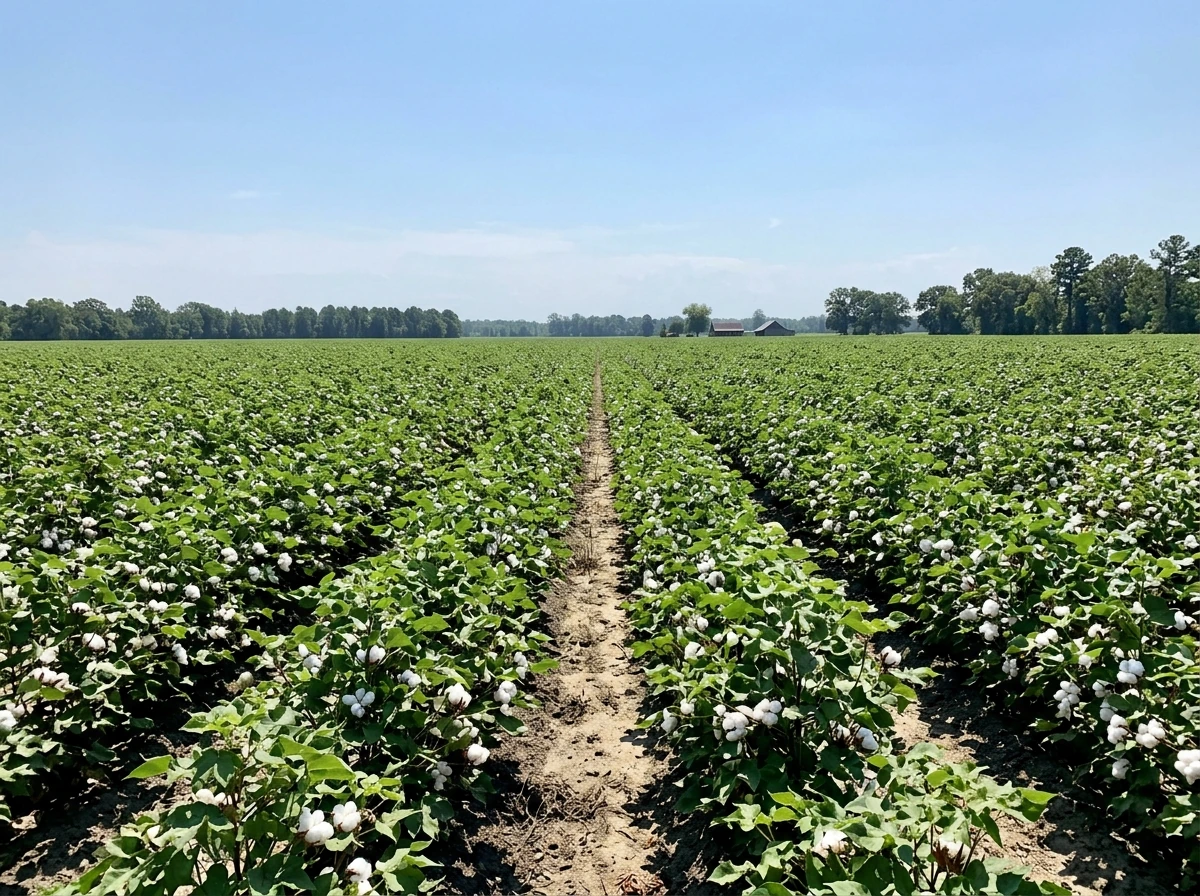
Cotton grows well in the U.S. South because the region delivers almost everything the plant biologically needs in one package: long, hot summers with plenty of frost-free days, sandy to loamy soils that drain well, strong sunlight, and rainfall patterns that (mostly) line up with when the crop needs moisture most. Those conditions aren't just convenient, they're close to non-negotiable for cotton to set and fill bolls reliably. Once you understand what cotton actually requires, the South's dominance makes complete sense.
Why Does Cotton Grow Well in the South? Climate, Soil, Water

Samuel Rourke
24 Mar 2026
Climate and Weather Requirements for Cotton
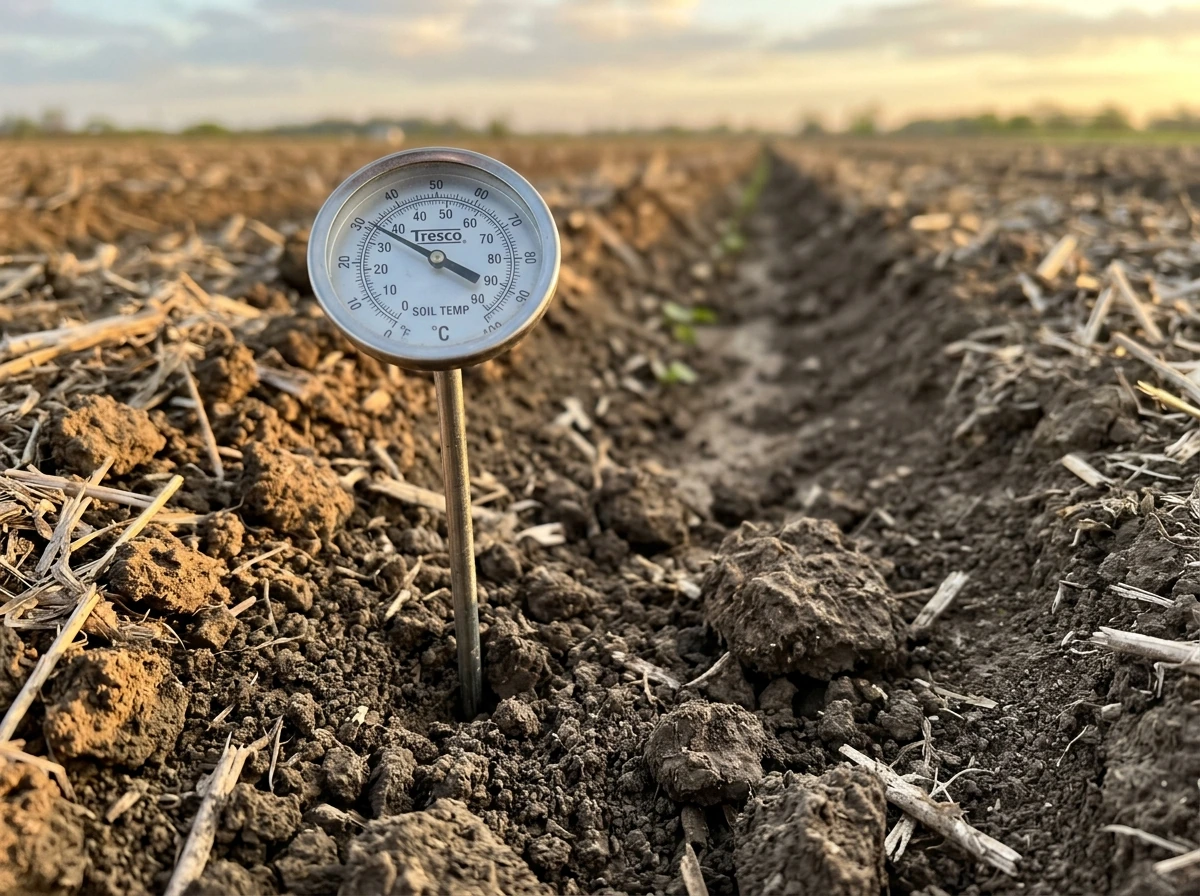
Cotton is a warm-season crop with a strong preference for heat. It won't germinate reliably until soil temperatures hit at least 60°F, and it truly thrives when daytime air temperatures stay in the 85–95°F range through the bulk of the growing season. Frost is fatal at any stage, so the plant needs a long frost-free window from planting to harvest. In practice, that means you need somewhere between 160 and 200+ frost-free days depending on your target yield level and the variety you're planting.
Cotton development is tracked using a heat accumulation system called DD-60s, which stands for growing degree days calculated with a base temperature of 60°F. The idea is simple: you add up daily heat units above that threshold, and those totals tell you where the plant should be in its development cycle. A plant that hasn't accumulated enough heat won't reach the boll-opening stage before the first frost, and your crop is lost. The Southern U.S. reliably piles up enough DD-60s in a single season to carry cotton all the way to harvest, which is exactly why the region became cotton country in the first place.
Length of Growing Season and Heat Units
The DD-60s requirements for cotton are substantial. From planting to emergence and first square formation takes roughly 440 to 530 DD-60s. Getting from planting to first bloom requires about 775 to 850 DD-60s. From first bloom to an open boll adds another 850 to 950 DD-60s on top of that. By the time a cotton crop is harvest-ready, the plant has consumed somewhere between 2,200 and 2,600 total DD-60s from planting. That is a large heat budget, and most of the U.S. simply cannot deliver it within a single frost-free growing window.
The Deep South states, including Georgia, Alabama, Mississippi, and the western Texas cotton belt, routinely accumulate those DD-60s between April and October. In contrast, states like Ohio or Pennsylvania might technically have enough frost-free days on paper, but cooler summer temperatures mean DD-60 accumulation is too slow. The South's combination of early spring warming, consistently hot summers, and late fall frost dates is what makes it uniquely well-suited to hitting that 2,200-plus DD-60 target year after year.
Southern U.S. Soils, Fertility, and Drainage
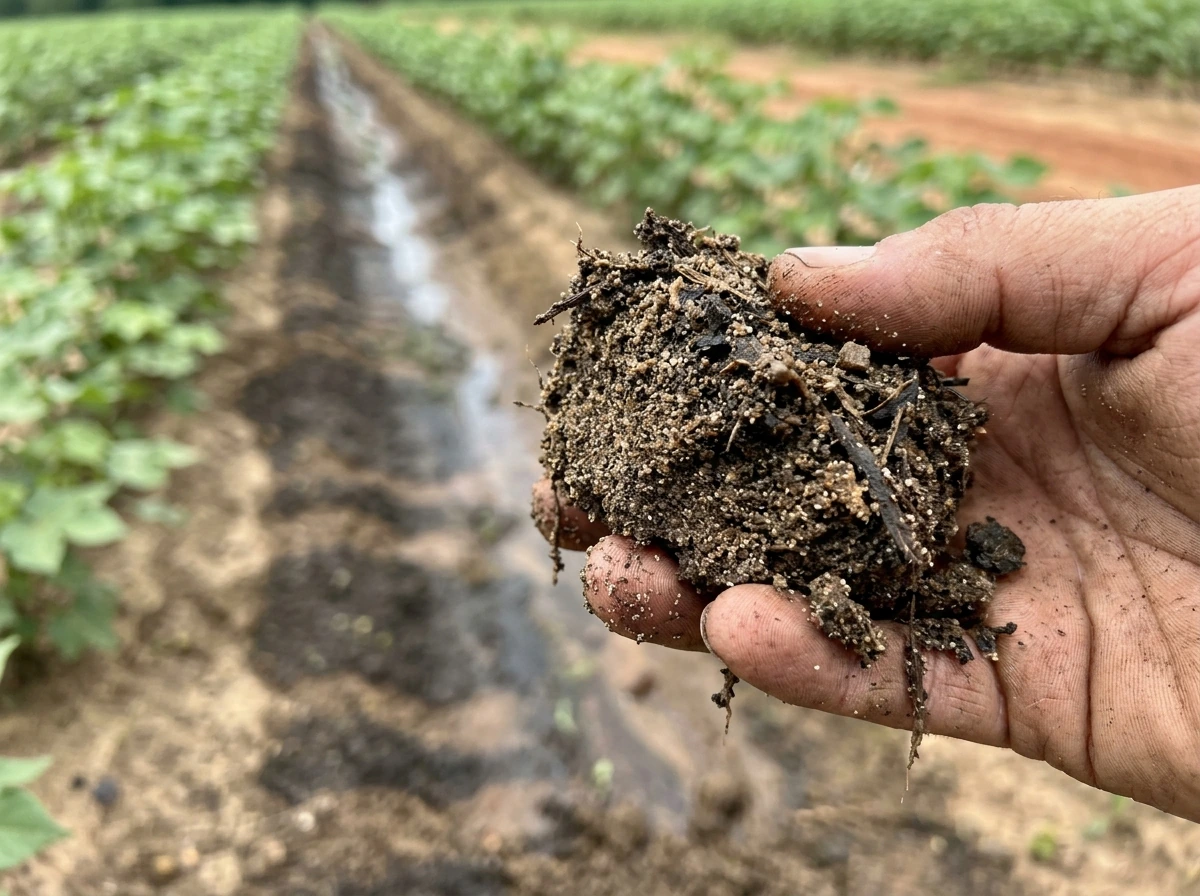
Soil type matters enormously for cotton, and the South offers a wide variety of workable options. Sandy loams and loamy sands common to the Coastal Plain of Georgia, the Carolinas, and Alabama give cotton roots the aeration and drainage they need. Cotton absolutely cannot stand waterlogged roots. A poorly drained field will stunt growth, invite root rot, and reduce boll set even when temperatures and rainfall are otherwise ideal. The relatively flat-to-gently-rolling topography across much of the Cotton Belt allows for sufficient field drainage without extensive land modification.
The trade-off with sandy Southern soils is fertility. They're inherently low in organic matter and drain nutrients quickly. Historically, this created real challenges for maintaining productivity over multiple seasons, which partly explains the westward expansion of cotton cultivation as older fields wore out. Modern production relies heavily on soil testing and targeted fertilization, particularly for nitrogen, potassium, and boron, the latter being a micronutrient that cotton is especially sensitive to. The Mississippi Delta is something of an exception here: its alluvial soils are heavier and more fertile, which is why that region became one of the most productive cotton zones in the country once drainage infrastructure was put in place.
Sunlight and Humidity Patterns That Favor Cotton
Cotton is a full-sun crop. It needs direct sunlight for photosynthesis to drive boll development, and cloudy or shaded conditions reduce yield noticeably. The South, particularly from the Carolinas through Texas, enjoys high solar radiation from late spring through early fall. Long summer days combined with clear skies during critical growth stages give cotton the light energy it needs to fill bolls quickly.
Humidity is a more nuanced factor. Cotton benefits from moderate humidity during flowering and boll fill, but excessive humidity in combination with warm nights creates conditions where fungal diseases thrive. The South's humidity levels are not uniformly ideal, but they fall within a range that cotton can tolerate with the right management. The drier western parts of the Cotton Belt, especially West Texas, have lower humidity and lower disease pressure, at the cost of requiring irrigation. The more humid Southeast has higher natural rainfall but also higher disease risk, a trade-off that shaped which varieties and practices farmers developed over time.
Water Availability, Rainfall Timing, and Irrigation History
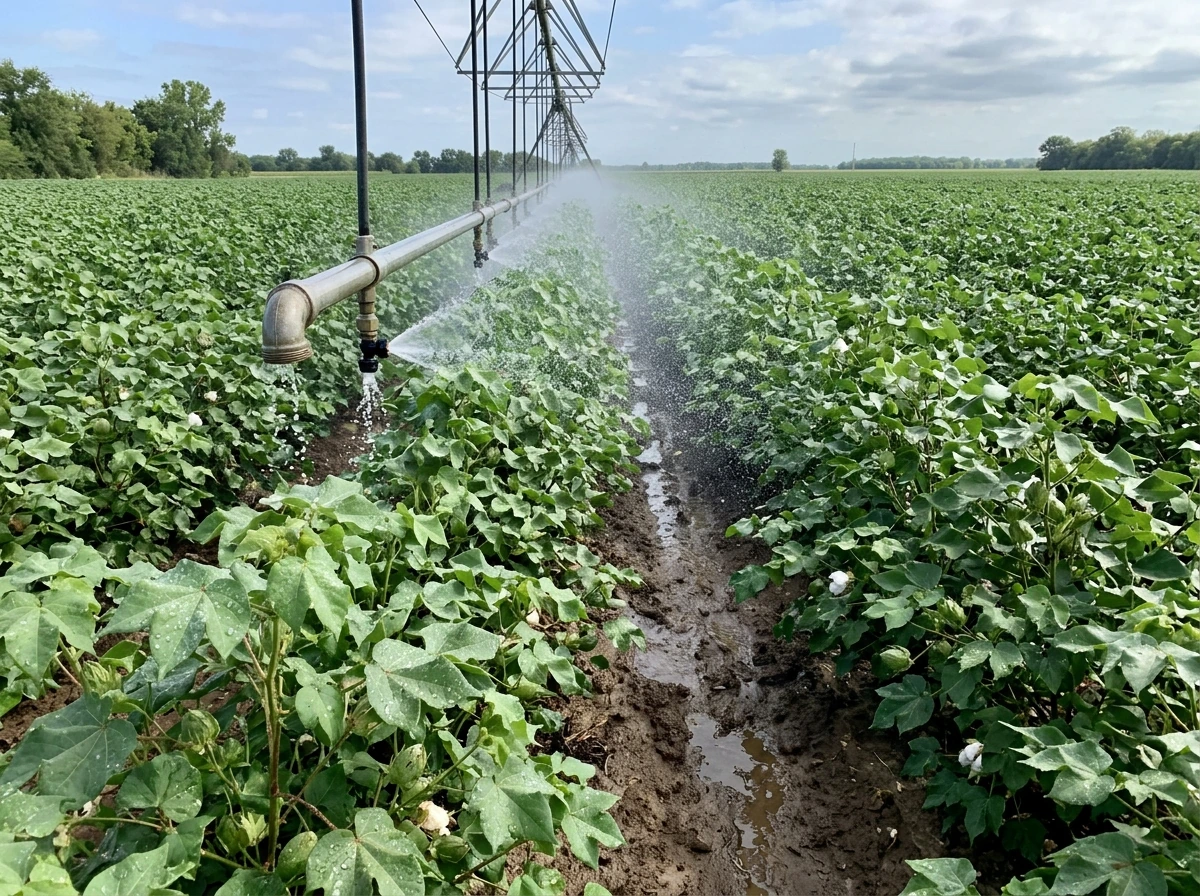
Cotton needs about 24 to 48 inches of water across its growing season, with demand peaking during flowering and boll development in midsummer. The timing of that water matters as much as the total amount. Too much rain early in the season promotes excessive vegetative growth. Too little water during boll fill reduces fiber quality and yield. The Southeast receives enough annual rainfall (typically 45 to 60 inches in many areas) to support cotton without full irrigation, but the distribution across the season is rarely perfect, which is why even rain-fed production in Georgia or South Carolina often uses supplemental irrigation.
The Texas High Plains tells a different story. That region gets far less rainfall, often under 18 inches annually, but became one of the largest cotton-producing areas in the world through groundwater irrigation, primarily from the Ogallala Aquifer. Irrigation infrastructure, developed through the mid-20th century, effectively extended the Cotton Belt westward into an otherwise semi-arid climate. This history shows that rainfall itself is not the whole story: what matters is having water available during the specific windows cotton needs it most, whether that comes from rain or from a pump.
How Pests, Diseases, and Weeds Differ by Region
The South has its share of cotton pests, and it would be misleading to suggest the region is pest-free. The boll weevil, which devastated Southern cotton production for much of the 20th century, is native to Central America and spread northeastward through the Gulf Coast starting in the 1890s. It thrived in the humid Southeast. The Boll Weevil Eradication Program, completed across most of the U.S. Cotton Belt by the early 2000s, removed that threat and dramatically improved Southern cotton viability. Today, bollworm, tobacco budworm, and plant bugs are the primary insect pressures, with management strategies built around scouting thresholds and, in many cases, Bt transgenic varieties.
Disease pressure in the South is driven by that warm, humid climate. Verticillium wilt, fusarium wilt, and root rot pathogens are all more active in warm, wet soils. The Southeast in particular requires attention to seedling disease management, especially when cool, wet springs push planting into marginal soil temperature conditions. Weed pressure is intense across the entire Cotton Belt due to the same warmth and moisture that helps cotton grow. Palmer amaranth (pigweed) is now one of the most serious weed threats in Southern cotton fields, with multiple herbicide-resistant populations spreading across the region. The regions outside the South, while they might have fewer pests, also can't grow cotton reliably, so the pest management challenge in the South is a cost worth paying.
Variety Selection and Planting Practices Suited to the South
Not all cotton varieties are equal in every part of the South. The Southeast (Georgia, Alabama, the Carolinas) typically uses varieties with medium-length seasons adapted to 180-plus frost-free days and high humidity tolerance. The Mid-South (Mississippi, Tennessee, Arkansas) leans on varieties with strong yield potential in fertile alluvial soils. West Texas growers often plant shorter-season varieties that can mature quickly and tolerate drier conditions, especially as Ogallala groundwater becomes increasingly limited.
Planting date is one of the most important management decisions a Southern cotton farmer makes. Planting too early, before soil temperatures consistently reach 65°F at a 4-inch depth, invites seedling disease and poor germination. Planting too late means the crop won't accumulate enough DD-60s before fall frost. In most of the Deep South, the optimal window runs from late April through mid-May. Farmers also use plant growth regulators (PGRs) to manage plant height and canopy structure, particularly in the humid Southeast where excess vegetative growth can shade bolls and invite disease. Variety selection, planting date, and PGR management together form the practical toolkit that makes Southern cotton production work season after season.
Comparing Cotton's Fit Across U.S. Regions
| Region | Frost-Free Days | DD-60s Potential | Rainfall (Annual) | Key Challenge | Cotton Viability |
|---|---|---|---|---|---|
| Deep South (GA, AL, MS) | 200–240 days | Very high | 45–60 inches | Humidity-driven disease | Excellent |
| Mid-South (AR, TN, LA) | 180–220 days | High | 48–58 inches | Weed and pest pressure | Excellent |
| West Texas (High Plains) | 190–220 days | High | Under 18 inches | Irrigation dependency | Strong with irrigation |
| Southeast Coastal Plain (SC, NC) | 180–210 days | High | 45–55 inches | Sandy soil fertility | Very good |
| Midwest (OH, IN) | 150–170 days | Marginal | 35–45 inches | Insufficient heat units | Poor to none |
| Pacific Northwest | 120–150 days | Low | Variable | Season too short, too cool | Not viable |
The table makes the point plainly: the South wins on the factors that actually drive cotton yield, especially frost-free days and DD-60s accumulation. Other regions might match one criterion but fail on another. The Midwest has adequate rainfall but not enough summer heat. The Pacific Northwest has no realistic path to the 2,200-plus DD-60s cotton requires.
Economic and Historical Drivers That Reinforced Cotton Cultivation
The climate explanation is the foundation, but economic and historical forces locked cotton into the South over centuries. By the early 1800s, Eli Whitney's cotton gin (1793) made short-staple upland cotton processing practical and profitable at scale. Southern planters, already farming with enslaved labor and sitting on land climatically suited to the crop, rapidly expanded cotton acreage from the Carolinas westward through Georgia, Alabama, Mississippi, and eventually into Texas. By 1860, the U.S. South was producing roughly two-thirds of the world's cotton supply, and 'King Cotton' had become the defining economic and political force of the region.
After the Civil War and through Reconstruction, sharecropping and tenant farming systems kept cotton central to the Southern agricultural economy even as the social structure changed. The crop's deep infrastructure, established markets, established knowledge among farmers, and existing ginning and processing facilities all created path dependency: it was easier to keep growing cotton than to switch to something else. The boll weevil crisis of the early 20th century and the Great Depression pushed some diversification, and the mid-century mechanization of harvesting (the mechanical cotton picker, widely adopted by the 1950s) shifted where cotton was grown within the South, favoring flatter, more uniform fields in the Delta and West Texas. But the crop never left the region.
Today, the U.S. Cotton Belt runs roughly from the Carolinas through Texas and into parts of New Mexico and Arizona. The historical concentration of infrastructure, research (land-grant university extension programs, USDA research stations), agronomic expertise, and established supply chains means Southern farmers have access to resources that make cotton more manageable than it would be for a first-time grower somewhere outside the belt. That accumulated knowledge is itself a competitive advantage, on top of the climate.
What to Check If You Want to Grow Cotton
If you're a gardener, small-scale farmer, or student who wants to actually try growing cotton or understand whether your location could support it, here's what to look at first.
- Frost dates: Find your average last spring frost and first fall frost. You need at least 160 frost-free days minimum, and 180-plus if you want reliable boll set without rushing.
- DD-60s: Track daily high and low temperatures from your planting date and calculate degree days above 60°F. Aim for a location that can deliver 2,200 to 2,600 DD-60s between late April/early May and mid-October.
- Soil drainage: Test your drainage by digging a hole about 12 inches deep, filling it with water, and watching how fast it drains. Cotton needs water gone within a few hours. Slow drainage means root problems.
- Soil pH and fertility: Cotton prefers a pH of 5.8 to 6.5. Get a soil test before planting and correct nutrient deficiencies, especially potassium and boron, before you put seed in the ground.
- Water access: Know your average rainfall by month. If summer rainfall is unreliable or below about 1 inch per week during boll development, plan for supplemental irrigation.
- Variety choice: In shorter-season locations (under 180 frost-free days), look for early-maturing upland varieties with lower total DD-60s requirements. In the Deep South, longer-season varieties generally yield better. Contact your state's cooperative extension service for current variety trial results.
For readers outside the traditional Cotton Belt who are curious whether cotton can work in their location, the honest answer is: probably not at commercial scale, but small garden plots in warmer microclimates of the mid-Atlantic or even southern Midwest can where cotton grow in a good year. If you want the details on how cotton grow from seed to harvest, check the step-by-step guide next. how does cotton grow on plants
FAQ
If my area has enough frost-free days, will cotton still grow well?
Not automatically. Cotton also needs sufficient DD-60s accumulation, meaning the summer temperatures have to be warm enough for long enough. A location can look viable on frost dates but still fail if heat buildup is too slow, especially when summers are cooler or cloudy.
Why is planting too early such a problem beyond just poor germination?
Early planting can leave seedlings sitting in marginal soil temperatures and wetter conditions, which raises seedling disease risk and weakens stand establishment. Even if seeds sprout, uneven early growth can delay heat accumulation and reduce the chance of reaching boll-opening before fall frost.
How do I know whether to rely on rainfall or irrigation in the South?
Use the timing, not just the annual total. Cotton demand peaks during flowering and boll fill, midsummer, so a region with adequate yearly rainfall can still need supplemental irrigation if summer rains are irregular. Your decision should be based on local patterns during those key weeks.
Can the South grow cotton well with heavier soils instead of the sandy loams it is known for?
Yes, but drainage management becomes more critical as soils get heavier. In the Mississippi Delta, heavier alluvial soils supported high yields once drainage infrastructure reduced waterlogging. Without good drainage, warm and wet conditions can still trigger root disease and stunt growth.
Why does humidity help cotton sometimes but also increase disease problems?
Humidity supports plant growth when it is moderate, but high humidity combined with warm nights creates leaf and root disease pressure. In practice, cotton managers reduce risk through variety choice, planting timing, and canopy management, including PGR use when vegetative growth gets too dense.
Is more water always better for cotton yield and fiber quality?
No. Too much early-season water can push excessive vegetative growth, which can shade bolls and worsen disease. Too little water during boll fill can reduce both yield and fiber quality, so water management should focus on flowering and boll development rather than just total season water.
Why does cotton perform worse in areas that are relatively warm but not reliably hot?
Cotton development depends on heat accumulation, not just general warmth. If days do not stay in the 85 to 95°F range for much of the season, DD-60 totals may fall short, and the crop may not complete boll development before the first frost.
How does pest pressure differ across the Cotton Belt even within the South?
The core insect and weed threats exist across the region, but risk and management differ with humidity and rainfall patterns. Drier western areas often face different balances between disease and irrigation needs, while the more humid Southeast tends to have higher fungal disease pressure and related management demands.
Do cotton varieties need to match more than just growing season length?
Yes. Variety choice should align with local heat accumulation potential and also with disease and humidity tolerance. The South’s Southeast, Mid-South, and West Texas growers often select different maturity groups and traits because their climates and soils differ, and because water availability constraints change westward.
What is the most common mistake small growers outside the Cotton Belt make?
Assuming cotton can be produced at the same level without meeting the heat budget. Many non-belt locations may have warm spells, but without enough DD-60s accumulation, cotton often cannot reach harvest-stage bolls consistently, even if the growing season is long enough to avoid frost.
Next Articles
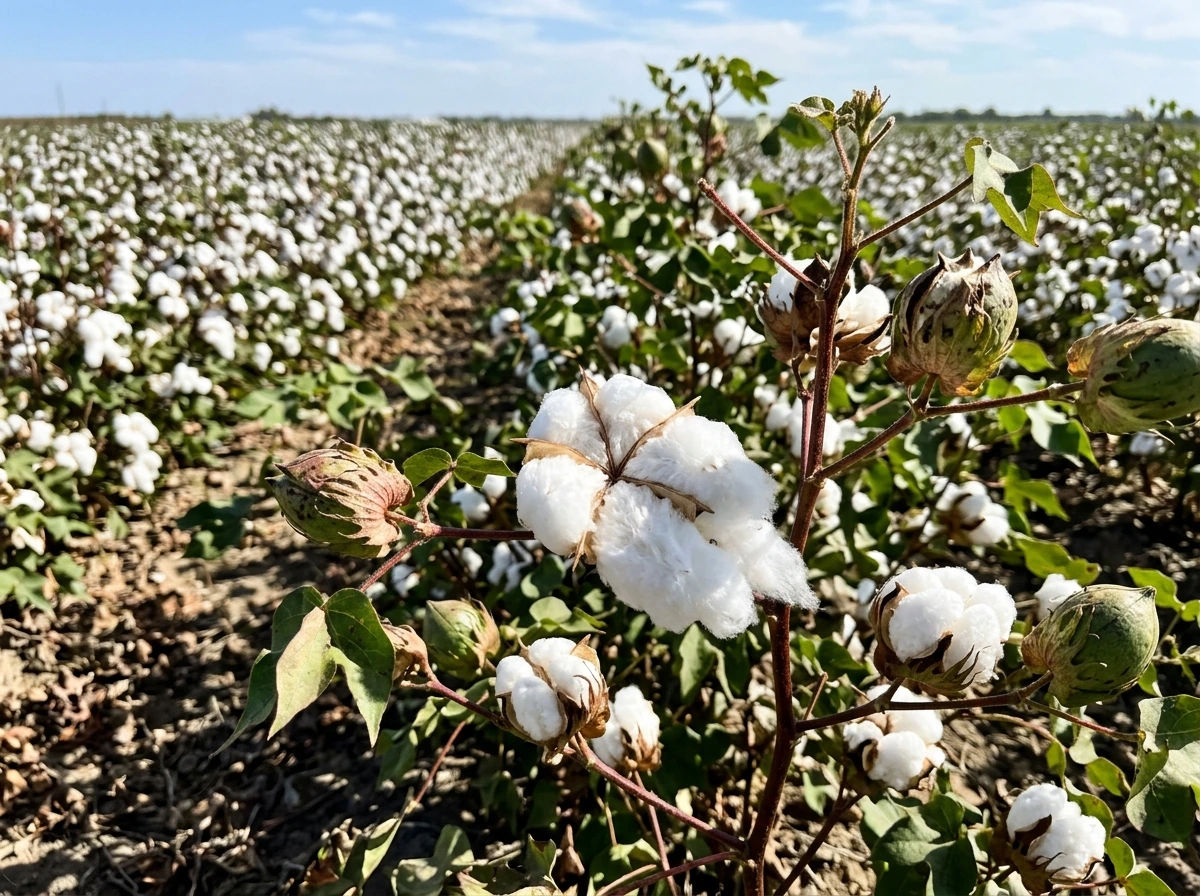
How Does Cotton Grow on Plants From Seed to Harvest
See how cotton grows on plants from seed to harvest, forming bolls, lint fibers, and seeds in warm, frost free condition
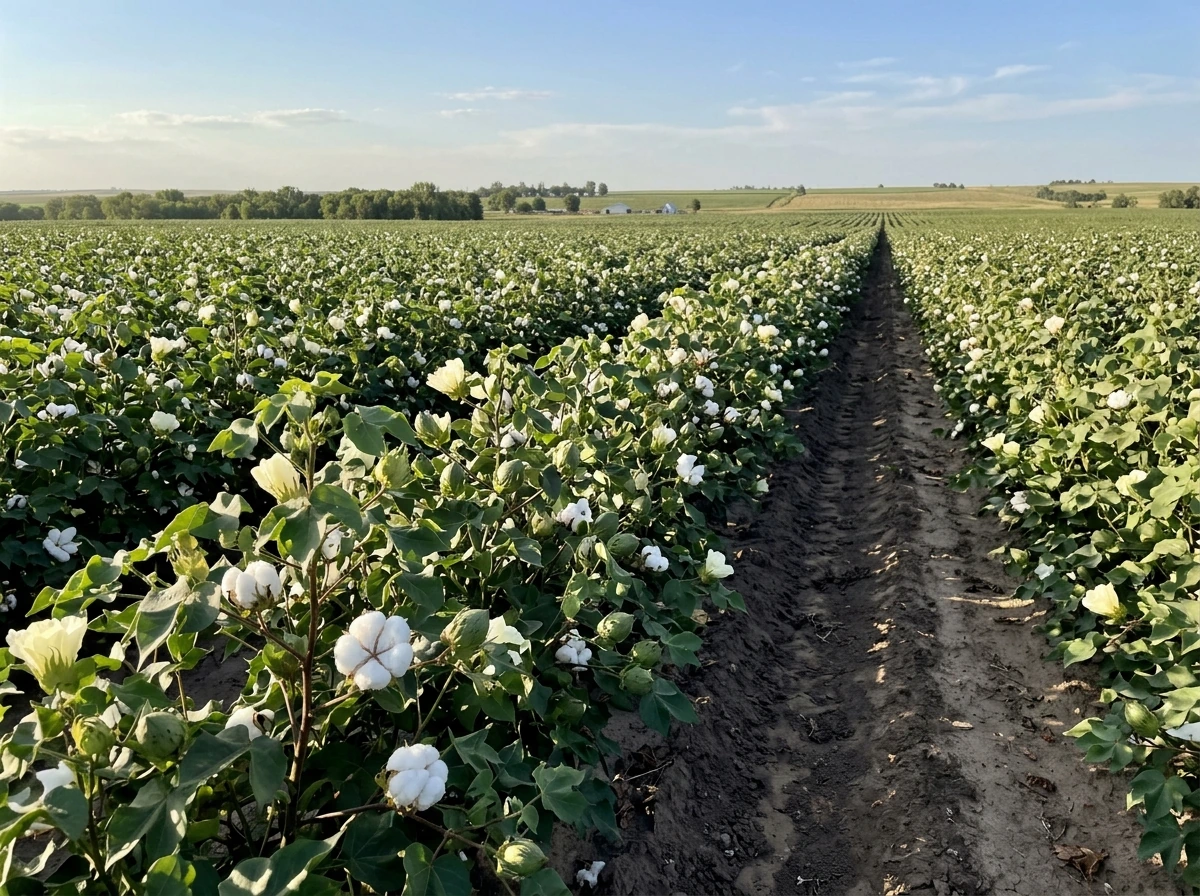
How Cotton Grow: Step-by-Step Planting, Care, Timing
Learn how cotton grows and get step-by-step planting care, timing, climate and soil needs, plus troubleshooting for begi
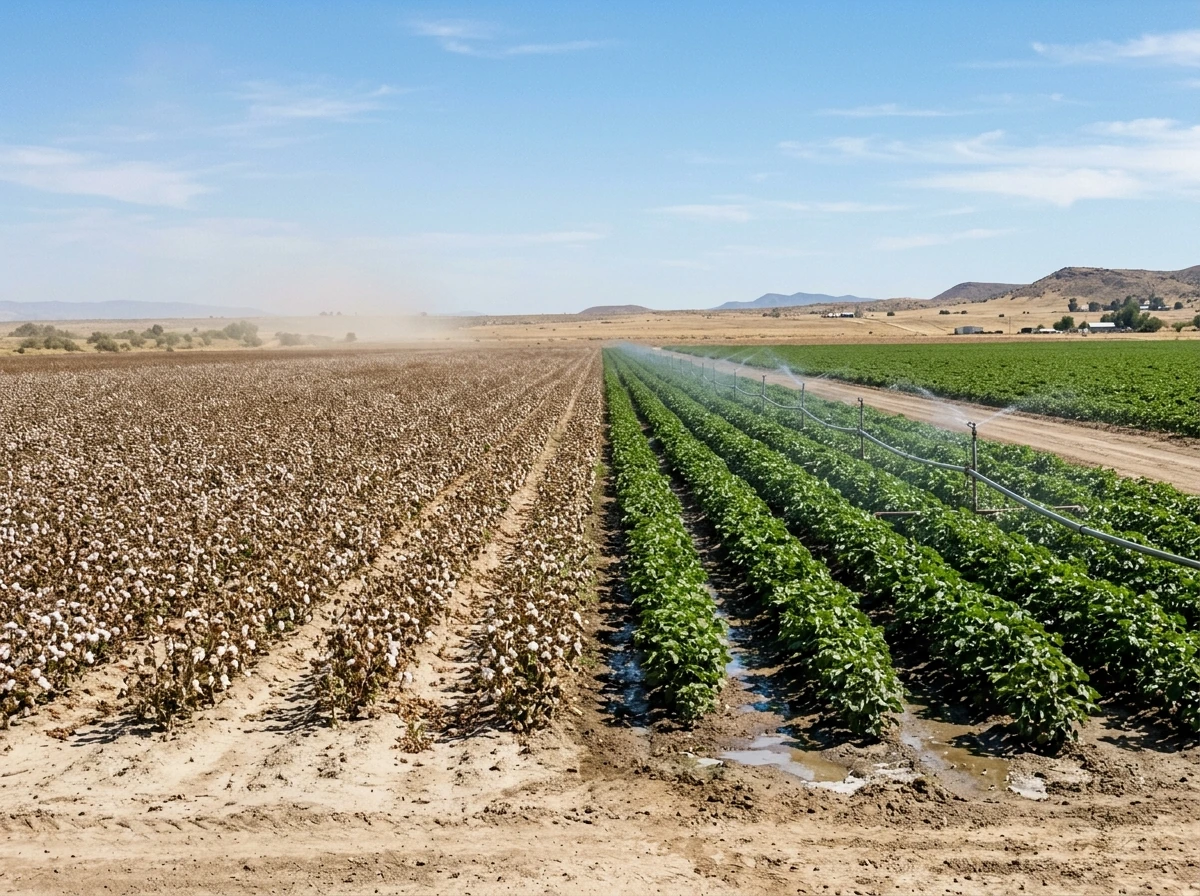
Does Cotton Need a Lot of Water to Grow? Real Estimates
How much water cotton needs to grow, what drives demand by region, and how to estimate irrigation needs locally.