
Yes, you can grow crops on pasture land, but it takes real preparation and a honest look at what that ground has been doing for the past several years. Pasture soil is not the same as cropland soil, and if you skip the assessment steps, you will likely end up with poor germination, stunted plants, and a frustrating first season. Do it right, and former pasture can become genuinely productive cropland, often with better organic matter than fields that have been tilled repeatedly.
Can You Grow Crops on Pasture Land? Practical Guide

Samuel Rourke
8 Jul 2026
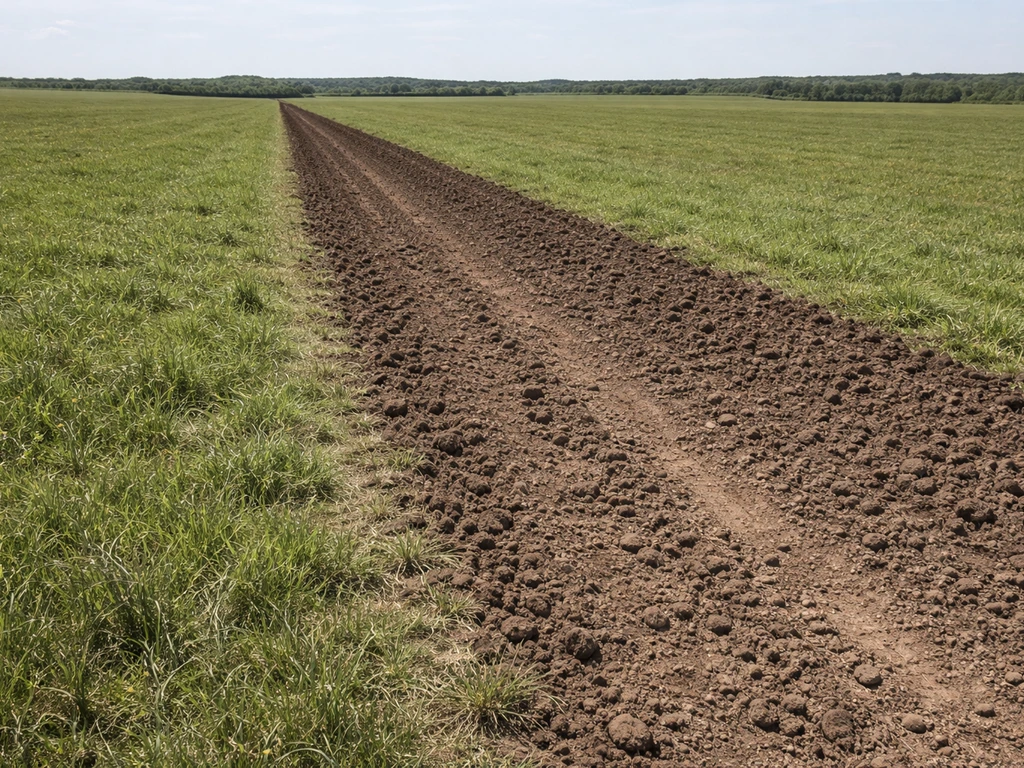
How pasture land differs from cropland
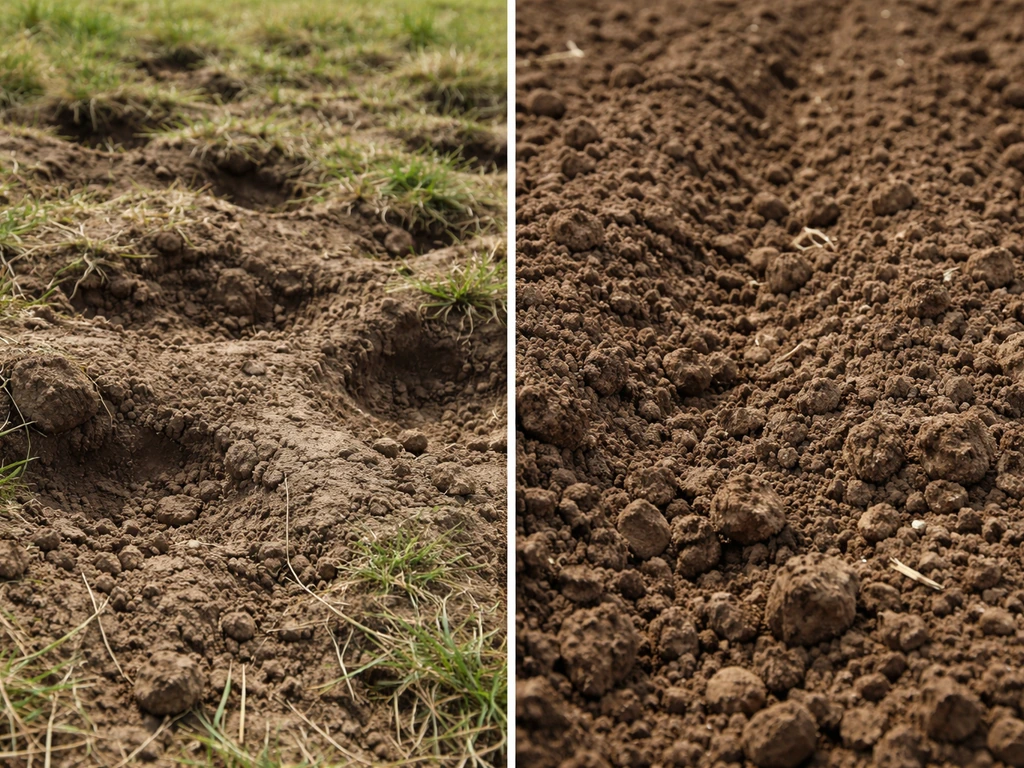
The biggest issues you will hit on former pasture are compaction, surface structure, and fertility balance. Pasture ground that has carried livestock for years is typically compacted in the top 4 to 8 inches from repeated hoof pressure and any vehicle traffic. University of Minnesota Extension research puts yield reductions from compaction as high as 60 percent, and the effects hit seed germination, emergence, root growth, and nutrient and water uptake all at once. That is not a minor inconvenience, it is a fundamental barrier to crop establishment.
Fertility is a mixed picture. Pasture soils often have higher organic matter and decent potassium from years of manure cycling, but phosphorus can be unevenly distributed, and pH varies depending on whether lime was ever applied. Drainage is another concern: sod-covered ground holds water differently than tilled cropland, and low spots that never caused a problem for grass can become saturated problem areas once you break up the sod and change how water moves.
Weed seedbanks are also a major difference. Pasture ground harbors a different mix of weed species than cropland, including perennial grasses and broadleaves that can be aggressive once tillage disturbs the sod. Unlike cropland weeds that farmers manage every season, pasture weeds have often gone uncontrolled for years and have a deep seed reserve in the soil.
Which crops work on pasture land, by climate and region
The good news is that former pasture ground is flexible once prepared. The crop choice really comes down to your region, your soil texture, your drainage situation, and what you are willing to do in year one versus year two or three. Once you know whether you are starting from former pasture or true cropland, you can narrow down the best plants for your climate and soil and build a realistic plan for year one what can i grow on agricultural land.
| Region / Climate | Best first-year crops | Notes |
|---|---|---|
| Corn Belt (Midwest US: IA, IL, IN, OH) | Corn, soybeans, oats | Compaction tillage critical; soil test for P and pH before planting |
| Northern Plains (ND, SD, MN, MT) | Winter wheat, spring wheat, oats, sunflowers | Shorter season demands early soil prep; frost timing governs planting |
| Southern Plains (KS, OK, TX) | Winter wheat, grain sorghum, cotton (southern TX) | Drought tolerance matters; drainage less critical than in humid zones |
| Southeast US (GA, AL, MS, NC) | Soybeans, corn, peanuts, sweet potatoes | High rainfall increases erosion risk; cover crops are essential |
| Pacific Northwest (WA, OR) | Winter wheat, barley, dry peas, lentils | Deep silt loams common on former pasture; pH often near-neutral |
| Northeast US (NY, PA, VT) | Small grains, potatoes, brassicas, corn silage | Heavier soils and shorter seasons; drainage tile often needed |
| Humid tropics / Global subtropics | Cassava, maize, beans, sweet potato | Fast weed regrowth and erosion are primary risks; minimal-till preferred |
| Temperate Europe / British Isles | Winter wheat, oilseed rape, field beans | Long history of pasture-to-arable conversion; drainage investment common |
For a first-year crop on former pasture, small grains like oats and winter wheat are generally the most forgiving because they tolerate moderate compaction better than corn or soybeans and their root systems handle variable seedbeds. Soybeans are a solid choice in regions where the nitrogen-fixing benefit offsets the soil fertility unknowns. Avoid crops with very fine seed or a demanding seedbed requirement, like carrots or onions, until you have two or three years of soil improvement behind you.
Converting pasture to cropland: a step-by-step assessment
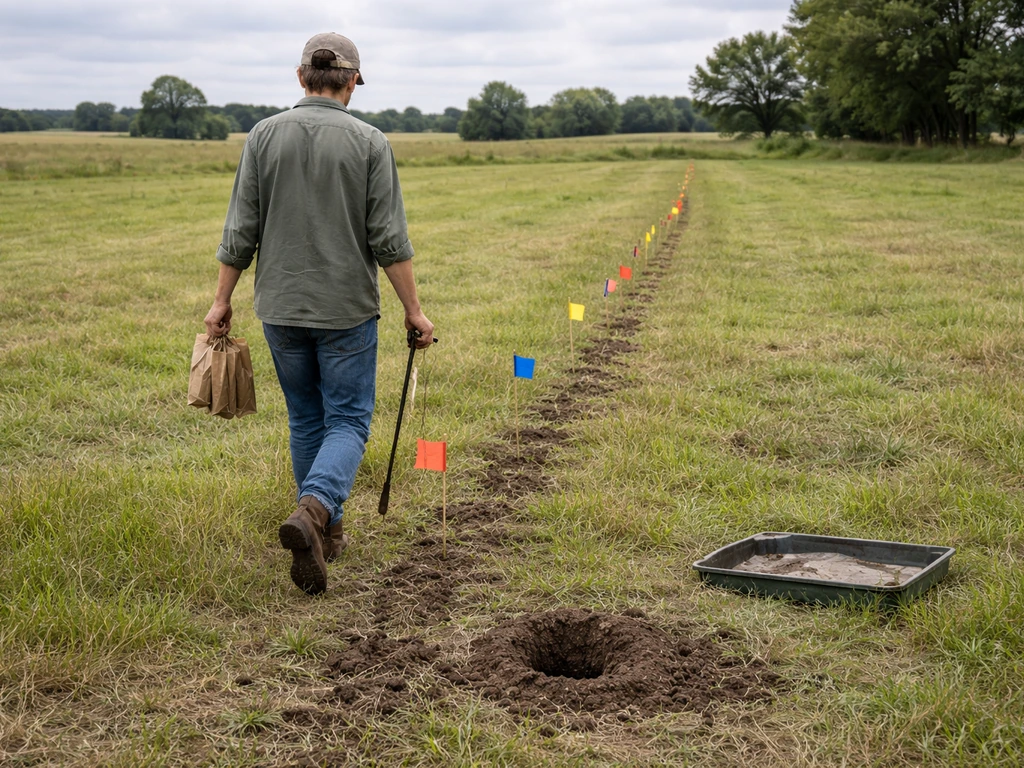
Before you spend money on seed or equipment, you need to know exactly what you are working with. This is the phase that most people rush, and it is where most early failures originate. Think of it as a short checklist you run through before you commit.
- Walk the field and map drainage. Note any wet areas, channels, or low spots that pond after rain. These areas may need tile drainage or surface grading before cropping.
- Check slope. Fields over 5 to 8 percent slope on erodible soils need contour farming, grass waterways, or terracing before intensive row cropping. Steep ground may be better left in permanent cover or used for perennial crops.
- Test soil compaction using a penetrometer. Penn State Extension recommends doing this in spring when the soil profile is typically moist from winter precipitation, giving you the most accurate reading. If the penetrometer hits 300 psi or more in the top 6 to 8 inches, plan for deep tillage.
- Pull soil samples. Sample the top 0 to 6 inches for pH, phosphorus, potassium, and micronutrients like zinc, copper, and manganese. Both NDSU and University of Missouri Extension specify this 0-to-6-inch depth because it matches the calibration depth for standard soil-test recommendations.
- Assess the weed population. Walk the field after a good rain and look at what is germinating. This tells you what is in the seedbank and helps you plan herbicide programs or tillage strategy.
- Review grazing history. How long was it in pasture, how heavily was it stocked, and when did grazing last occur? Heavy stocking over many years means more compaction and potentially high phosphorus near the surface from manure concentration.
- Set a realistic timeline. Based on what you find, determine whether this is a one-season preparation job or a two-year transition. Most former pasture fields need at least one full season of remediation before they perform like established cropland.
Soil preparation and fertility management
Once you have your soil test results, you can build a specific fertility plan. NDSU Extension recommends sampling the 0- to 6-inch depth for pH, P, K, and several micronutrients because that depth is tied to crop response in the region. Do not guess on lime. If pH is below 6.0 for most grain crops, or below 5.8 for soybeans, apply ag lime in the fall before your planned spring crop. Lime needs time to react with the soil, and applying it the same season you plant often gives incomplete results.
Phosphorus and potassium applications should follow the test results directly. Former pasture often has adequate or even elevated potassium, but phosphorus can be deficient in fields where hay was removed rather than grazed, because hay removal exports nutrients without returning manure to the field. Apply starter fertilizer the first year even if broadcast levels look adequate, because compacted soils can limit root access to nutrients early in the season.
For tillage and seedbed preparation, you have a few options depending on how compacted the ground is. If the penetrometer showed significant compaction, a single pass with a subsoiler or chisel plow at 10 to 14 inches breaks the hardpan without burying all the organic matter. Follow that with a disk or field cultivator to prepare a planting surface. On lighter soils with less compaction, no-till planting into killed sod is possible if you have a heavy-duty planter, though expect some establishment challenges the first year.
Drainage improvements should be made before planting if the assessment found serious wet areas. Installing tile drainage is a significant investment, but on poorly drained former pasture it often determines whether you get a usable crop or a wet-season failure. Surface drainage through field crowning or constructing grass-lined waterways is less expensive and can be done with a grader or blade.
Grazing and residue management before and after planting
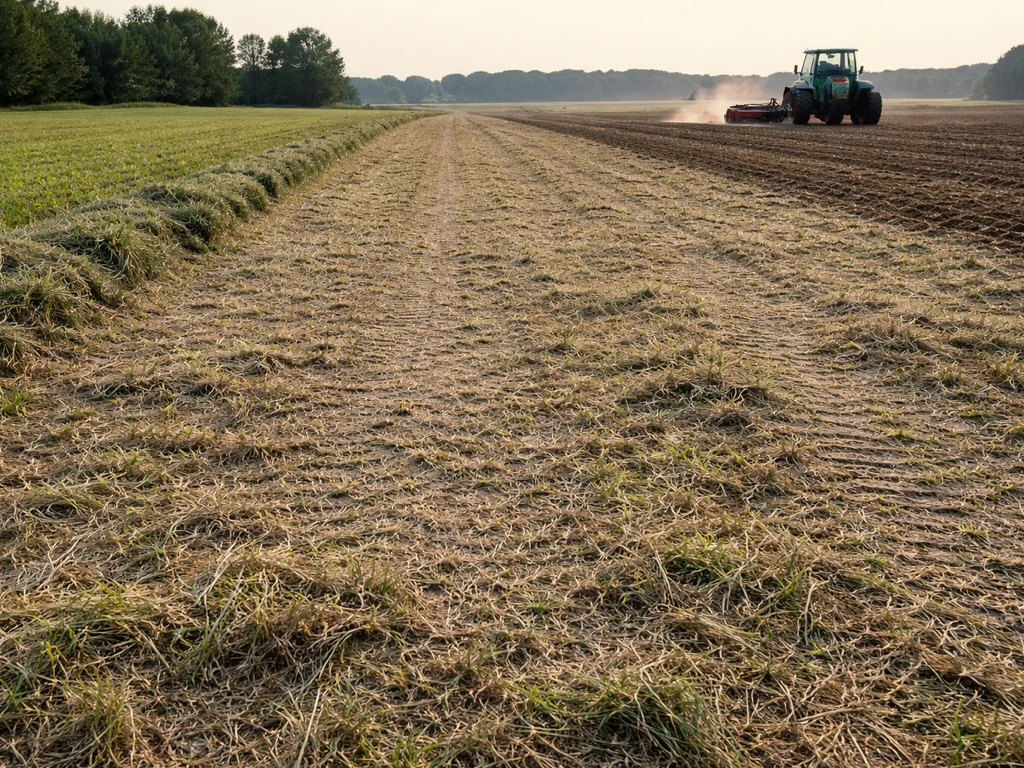
If livestock are still on the field, you need to plan when to pull them off. Removing grazing animals at least 60 to 90 days before tillage or planting gives the sod time to settle, lets you evaluate the weed flush that follows, and gives any applied herbicides time to work on perennial grass species. Avoid the temptation to graze the field hard right before conversion because this compresses the surface severely and gives you worse compaction problems going into the conversion year.
Manage residue carefully. Heavy sod cover can interfere with tillage and planting if not handled well. One approach is to apply a burndown herbicide (like glyphosate on non-organic operations) several weeks before tillage to kill the standing vegetation and make tillage cleaner. For organic operations, a heavy moldboard plow pass to fully invert the sod and bury the organic material is the traditional approach, though it takes longer to break down before planting.
Cover crops play a major role in the transition year. If you are not ready to plant a cash crop in year one, plant a summer cover crop like buckwheat or sorghum-sudangrass to suppress weeds, break up shallow compaction biologically, and add organic matter before termination. This is especially useful on fields with very heavy weed pressure, because you can time the cover crop termination to catch a second or third weed germination cycle.
Weed control is one of the most important and most underestimated parts of pasture conversion. These unwanted plants that grow along with crops are called weeds. Perennial grasses like quackgrass or bermudagrass, and broadleaves like thistle or dock, can explode after tillage. Plan for at least two rounds of weed management in the conversion year, whether that is herbicide, cultivation, or a combination. A site with heavy perennial weed pressure may need an entire preparation season before you plant a cash crop.
Planting methods and rotation strategies
Crop rotation on former pasture should be planned from day one, not improvised year by year. The most practical approach is to start with a small grain or legume in year one, follow with a row crop in year two once the soil structure has improved, and build from there. This mirrors what works on general agricultural land and allows you to correct soil issues iteratively rather than betting everything on a demanding cash crop in year one.
No-till or strip-till planting into former pasture is possible and increasingly popular because it preserves the organic matter and soil biology that pasture ground typically has in abundance. The practical challenge is that sod residue can interfere with seed-to-soil contact. Use heavy-duty coulters and press wheels, and calibrate your planting depth carefully because former pasture surfaces are often uneven. Expect 5 to 10 percent lower emergence in a no-till first year compared to a tilled seedbed, and plan your seeding rate accordingly.
A rotation that works well across the Corn Belt and much of the Northern Plains for converted pasture looks like this: year one, oats or winter wheat (forgiving of compaction and variable seedbeds); year two, soybeans (fixes nitrogen, improves soil structure); year three, corn (benefits from the improved soil and nitrogen credit). After that, you can move into whatever rotation fits your operation. In the Southeast, a soybean-corn-cover crop rotation works similarly.
For gardeners and small-scale growers converting a small pasture plot, the approach is simpler but the principles are the same. Break up compaction with a broadfork or rented tiller, amend based on your soil test, and start with less demanding crops like beans, squash, or potatoes before moving to more sensitive crops like sweet corn or brassicas. The land will improve noticeably each season.
Water and erosion on former pasture ground
Pasture sod is remarkably effective at holding soil and managing water. The moment you break it up for crops, you lose most of that protection, and erosion risk goes up sharply, especially on sloped or sandy ground. This is one of the most underappreciated transitions in pasture-to-crop conversion.
During the conversion year and the first crop season, keep as much residue on the surface as possible. If you tilled, plant a cover crop immediately after tillage if you are not going directly to a cash crop. Establish grass waterways in any channel or concentrated flow area before the first crop season, not after. Downhill erosion events in the first year after pasture conversion can remove topsoil that took decades to build.
Contour farming, strip cropping, and terracing are all worth considering on slopes above 3 to 5 percent depending on soil erodibility. In high-rainfall regions like the Southeast U.S. or humid tropics, these practices are near-mandatory. In drier regions like the Northern or Southern Plains, wind erosion takes over as the primary concern, and leaving crop residue or using windbreak plantings helps manage that risk.
Irrigation is usually not a conversion requirement unless your region is arid, but managing natural water movement through the field is. If you do not match crops to what the land can support, you may end up needing more land to grow food crops, which increases pressure on ecosystems land requirements for growing food crops. Tile drainage, surface grading, and waterway placement all affect how well the converted field handles heavy rain events. If you skip drainage planning and plant into poorly drained ground, you will lose stands in wet years regardless of how well you prepared everything else.
Common mistakes, real risks, and honest timelines
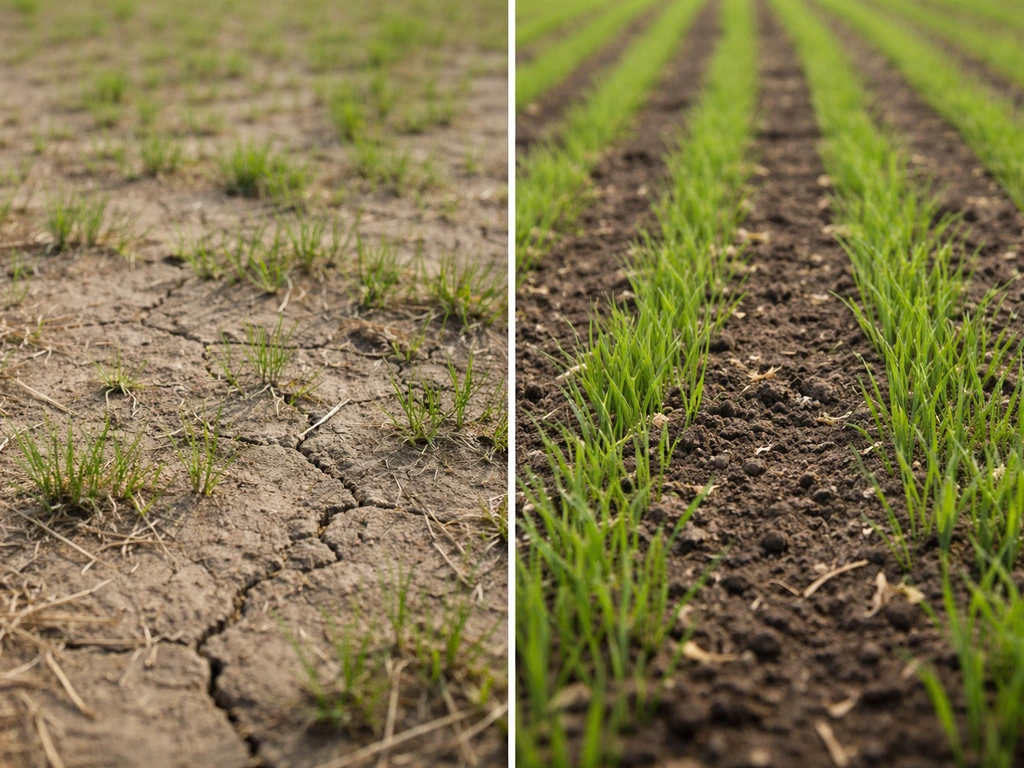
Most pasture conversion problems come from one of a handful of avoidable mistakes. Knowing them upfront saves you a full season and significant money.
- Skipping the soil test: Guessing on pH and fertility is the most expensive shortcut in farming. On former pasture, where fertility history is often unknown or uneven, testing is non-negotiable.
- Not checking compaction: Planting directly into heavily compacted pasture without tillage gives you poor root development and measurably lower yields. The penetrometer check takes 20 minutes and can save an entire crop season.
- Underestimating weed pressure: The weed seedbank in former pasture is deep and diverse. Plan for more weed management than you think you need, especially in year one after sod disturbance.
- Overgrazing right before conversion: Pulling livestock off the field at the last minute and leaving a heavily grazed, compacted surface makes tillage harder and weed establishment easier.
- Choosing the wrong first crop: High-input, sensitive crops like vegetables or fine-seeded brassicas on an unprepared former pasture field are risky first choices. Start with forgiving crops and build from there.
- Ignoring drainage: Low spots that held grass fine will flood and kill crop stands. Fix drainage before you plant, not after.
- Expecting year-one performance to match established cropland: Former pasture typically takes two to three growing seasons to perform like well-managed cropland. Budget and plan for a transition period, not an instant transformation.
A realistic timeline for converting a moderately compacted, average-fertility pasture field looks like this: late summer or fall of year zero, pull livestock and take soil samples; fall or early spring of year one, apply lime and any needed base fertilizer, do tillage if compaction is significant, establish a cover crop or plant a small grain; fall of year one, assess field condition and weed pressure; spring of year two, plant your intended cash crop with a full fertility program in place. By year three, you should have a field that behaves much like established cropland. Rushing this timeline is the most common and most costly mistake of all.
If you are weighing how to use your land more broadly, the question of what grows well on different land types connects directly to crop selection by region and climate. The crops that work best on converted pasture in your area are generally the same ones that thrive on other well-managed agricultural land in your region, so local extension service crop guides and regional soil survey data are your most practical tools for narrowing down your specific options.
FAQ
How long does it usually take before former pasture starts acting like cropland?
Many fields begin to establish a usable crop in year two, but full cropland-like performance typically takes about three years. The main reason is that weed seedbanks, soil structure, and nutrient availability all “catch up” at different rates, so a good year one stand does not always mean the field is stabilized.
Do I need to plow, or can I grow crops by converting pasture more minimally?
You can sometimes go with strip-till or no-till into killed sod, but plan for slower, less uniform emergence in the first year (often 5 to 10%). Minimal tillage still requires strong seed-to-soil contact, and you may need a more aggressive residue handling approach than you would on native cropland.
What soil test numbers matter most when converting pasture to crops?
pH and phosphorus are usually the most decision-driving. Lime timing matters, and phosphorus should follow the test results rather than whatever looks “okay” by assumption, because pasture fertility can be uneven (especially after hay removal or concentrated grazing areas).
Can I skip drainage work and just plant something that tolerates wet soil?
If the field has consistent wet spots or saturation, skipping drainage usually costs more than improving water movement. You can sometimes select tolerant crops, but uneven wetness still causes stand failure and nutrient loss, so drainage planning (tile, crowning, or waterways) is often the difference between a crop you can harvest and one you cannot.
Is it a problem if the pasture has been grazed right up until conversion?
Yes, grazing close to conversion often increases surface compaction and can worsen establishment. Pull animals at least 60 to 90 days before tillage or planting so the sod can settle, you can better assess weed flush timing, and any herbicide from earlier steps has time to work.
Why do weeds seem worse the first year after converting pasture?
Tillage and residue changes stimulate new germination cycles, and pasture fields often contain a deeper seed reserve of perennial and broadleaf weeds. Plan for at least two weed-management rounds in the conversion year, and if you have heavy perennial grasses like quackgrass or bermudagrass, you may need a longer preparation period before a cash crop.
What crops should I avoid if I am starting from pasture and want an easier first year?
Avoid crops that demand a very fine, consistently prepared seedbed, because uneven pasture surfaces and clods reduce emergence. Root crops like carrots and onions often fail to establish when the soil structure is still variable, unless you have already built soil quality for multiple seasons.
Should I apply starter fertilizer even if potassium looks adequate?
Starter fertilizer is still commonly useful because compacted soils can limit early root access to nutrients, even when soil tests show “okay” fertility. The benefit is usually strongest at planting, when emergence and early root growth determine whether the crop can catch up later.
If I plan to use no-till, how do I prevent poor emergence from uneven pasture ground?
Use equipment that can maintain depth control (heavy-duty coulters and properly set press wheels), and calibrate your seeding depth to match the high and low areas. Also consider raising seeding rate slightly to compensate for the first-year emergence drop and improve your odds of an even stand.
Can cover crops replace the need for weed control in the conversion year?
Cover crops help, but they usually do not fully replace targeted weed management when perennial weeds and heavy seedbanks are present. Use cover crops to suppress and suppress weed cycles, then still plan a clear termination and follow-up strategy so you do not end up with a mixed stand when it is time for the cash crop.
What is the biggest erosion risk during conversion?
The biggest risk often appears immediately after you break sod, because you lose the living cover that protected soil and slowed runoff. On slopes or sandy ground, losing topsoil in the first year can set back productivity for years, so build waterways and consider contour or strip practices before the cash crop season.
Can irrigation make conversion easier if my rainfall is unreliable?
Irrigation can help in arid regions, but conversion success still depends more on matching water movement across the field than on just adding water. Even with irrigation available, poorly drained low spots can still cause stand loss, so drainage and field grading decisions remain important.
What is a realistic conversion timeline if my pasture is moderately compacted?
A common approach is: late summer or fall to remove livestock and soil test, then fall or early spring for lime and base fertility and any needed compaction relief, followed by cover crop or a small grain. Then you evaluate weeds and field condition in fall before planting the main cash crop in spring of year two.
Next Articles
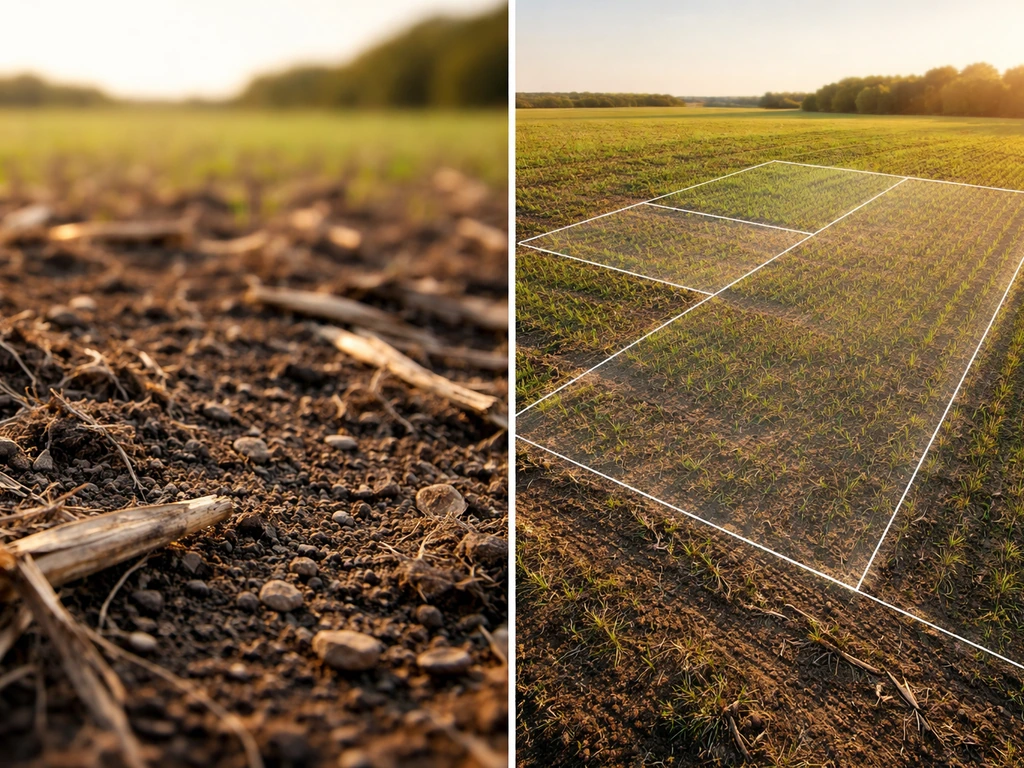
Land Where Crops Grow Easily: A Crop Mapping Guide
Use crop mapping to find land where crops grow easily by matching climate, soil, drainage, and sunlight to the right cro
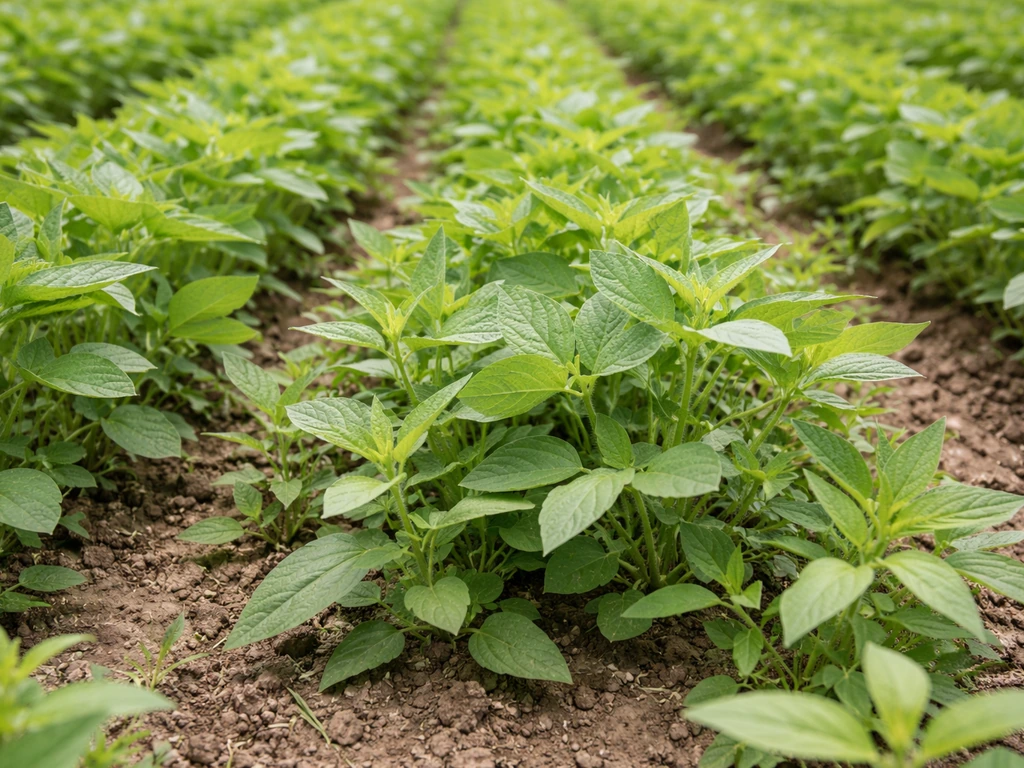
Unwanted Plants That Grow Along With Crops Are Called Weeds
Get the definition of weeds and how to identify common types, then choose fast, safe control methods for your crops.
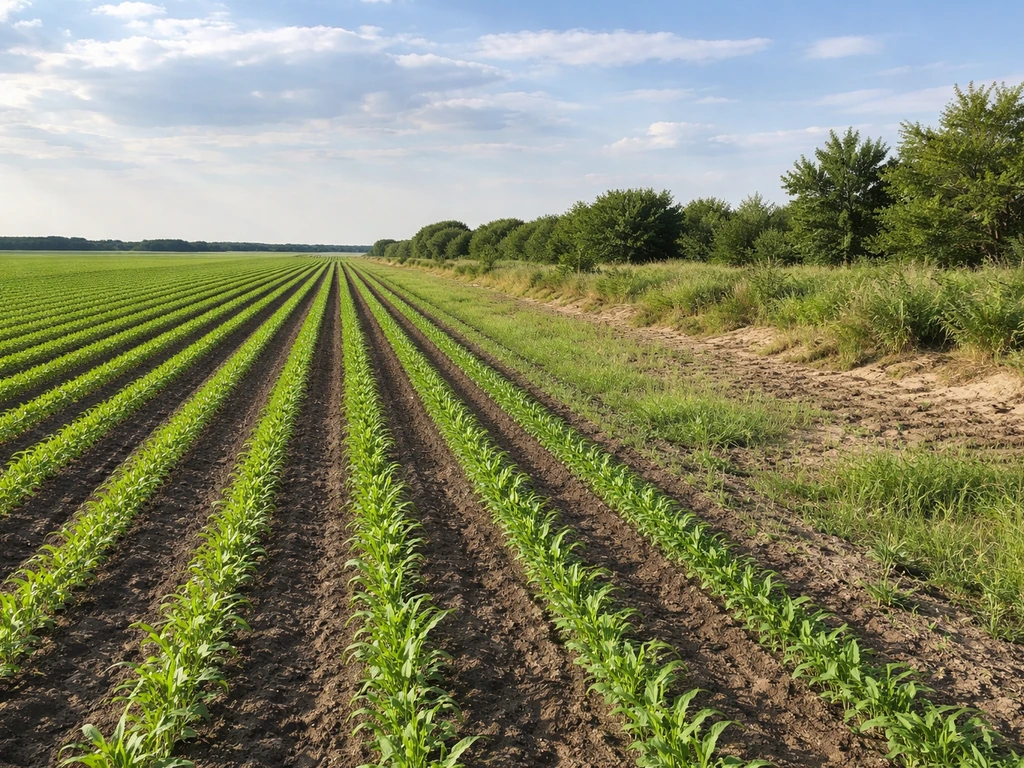
Land That Can Be Used to Grow Crops: How to Identify It
Learn terms like arable farmland and use a step-by-step checklist to judge climate, soil, water, and frost risks.