Land where crops grow easily has four things going for it: a climate with enough frost-free days and rainfall (or reliable irrigation) to finish the crop, soil with decent organic matter and drainage, reasonable sunlight, and a texture that roots can actually penetrate. When all four line up, almost any beginner can get a harvest.
Land Where Crops Grow Easily: A Crop Mapping Guide

Samuel Rourke
30 May 2026
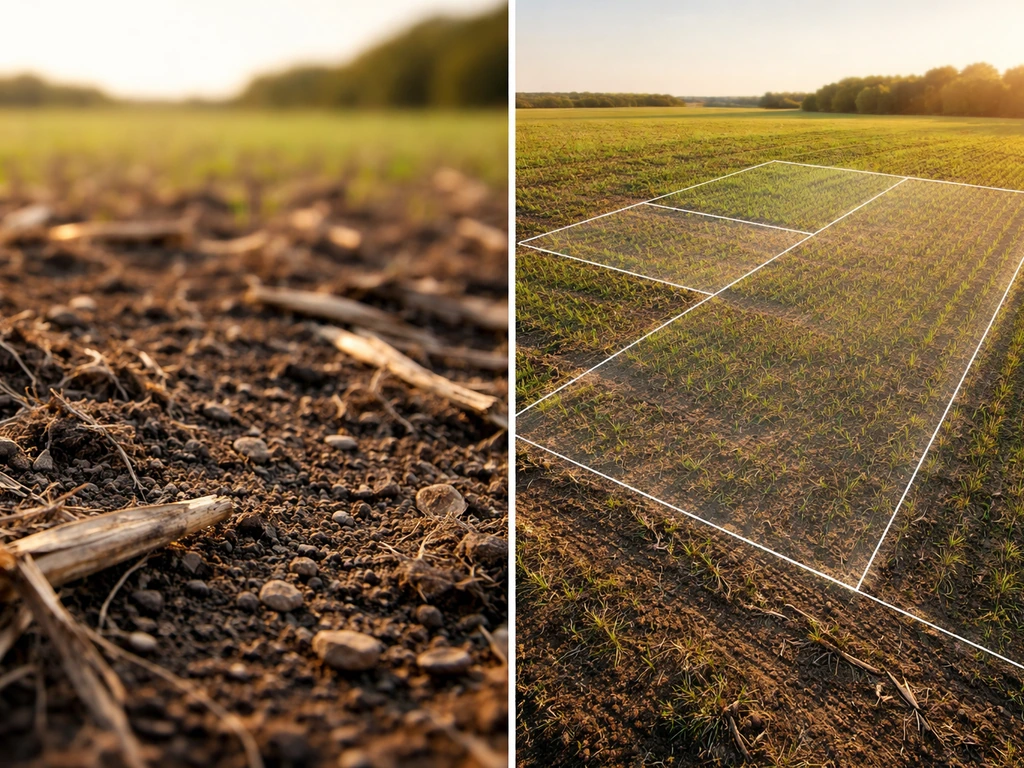
You can grow many crops on pasture land too, as long as the soil, drainage, sunlight, and available water can support the crop you choose. When one or two are missing, you're fighting the land instead of farming it. The good news is that you can evaluate any piece of ground in an afternoon using free online tools and a few hands-on tests, and most deficiencies are fixable.
What 'easy to grow' land actually means
When farmers talk about land that's easy to work, they mean a combination of climate, soil quality, water availability, and sunlight all falling within a workable range at the same time. None of these factors work in isolation. Rich soil in a frost-pocket that gets only 90 frost-free days a year is still hard land for corn. A warm, sunny site with compacted clay and no drainage will rot roots every wet spring.
Climate means two things above all else: frost-free season length and total precipitation (or irrigation potential). A minimum of 90 frost-free days supports short-season vegetables and small grains. For warm-season staples like corn, tomatoes, and peppers, you need 120 to 150 days. For deciduous fruit trees and grapes, you need the right balance of summer heat and winter cold (called chill hours).
The USDA Plant Hardiness Zone Map divides the U. [The USDA Plant Hardiness Zone Map divides the U. ](https://planthardiness. ars.
usda. gov/pages/how-to-use-the-maps)S. into 13 zones based on average annual extreme minimum winter temperatures, shown in 10°F bands, which helps indicate what will survive winter. S.
into 13 zones based on average annual extreme minimum winter temperature in 10-degree bands, which tells you what will survive winter, but not what will produce well in summer. Both pieces of information matter.
Soil is the second pillar. The ideal growing soil is loam: roughly 40% sand, 40% silt, and 20% clay, with at least 3 to 5% organic matter. Loam drains freely but holds enough moisture and nutrients for most crops. Sandy soils drain too fast and need extra irrigation and fertility. Heavy clay holds water too long, compacts easily, and suffocates roots. Organic matter is the key variable you can actually change relatively quickly, which is why it matters so much in evaluating a plot's potential.
Water access is straightforward: crops need between 1 and 2 inches of water per week during active growth. If your rainfall averages that naturally through the growing season (like much of the U.S. Midwest and Mid-Atlantic), you have easy land. If you're working in a semi-arid climate with 12 inches of annual rain, you need irrigation infrastructure, which raises the cost and complexity significantly. Sunlight is the final piece: most food crops need at least 6 full hours of direct sun daily, and root crops and leafy greens can tolerate 4 hours. A site shaded by trees or buildings for most of the day is not easy growing land regardless of soil quality.
Quick home tests and measurements you can do today
You don't need a lab to get a solid read on a piece of land. These tests take less than an hour and give you actionable information right away.
Soil texture: the jar test
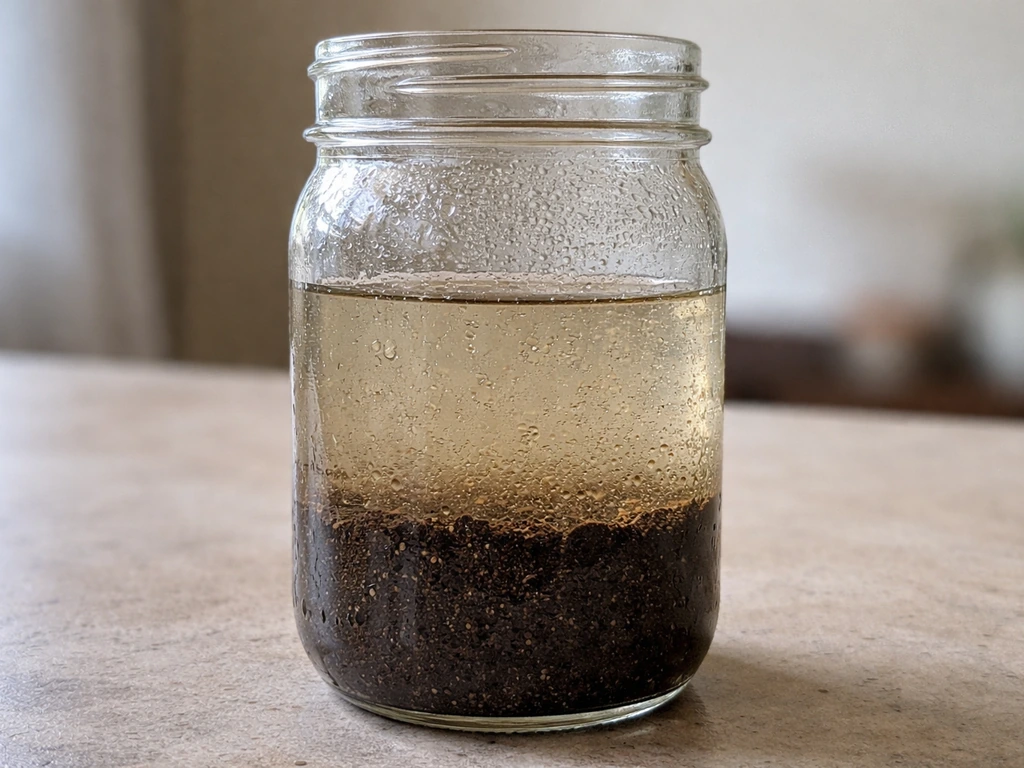
Fill a clear jar about one-third full with soil from 4 to 6 inches deep, add water until it's nearly full, shake hard for two minutes, and let it settle for 24 hours. Sand settles in the first few minutes at the bottom, silt settles over the next hour in the middle layer, and clay stays suspended the longest on top. If the bottom sand layer takes up more than 60% of the settled material, you have sandy soil. If the top clay layer is thick and the water is still murky after 24 hours, expect drainage problems.
Drainage: the perc test
Dig a hole about 12 inches deep and 12 inches wide. Fill it with water and let it drain completely. Fill it again and time how long it takes to drain 1 inch. Good draining soil loses 1 inch per hour or faster. Slower than 0.5 inches per hour signals poor drainage that will cause root rot in wet seasons. Faster than 6 inches per hour means the soil is so sandy it won't hold moisture.
Compaction: the screwdriver test
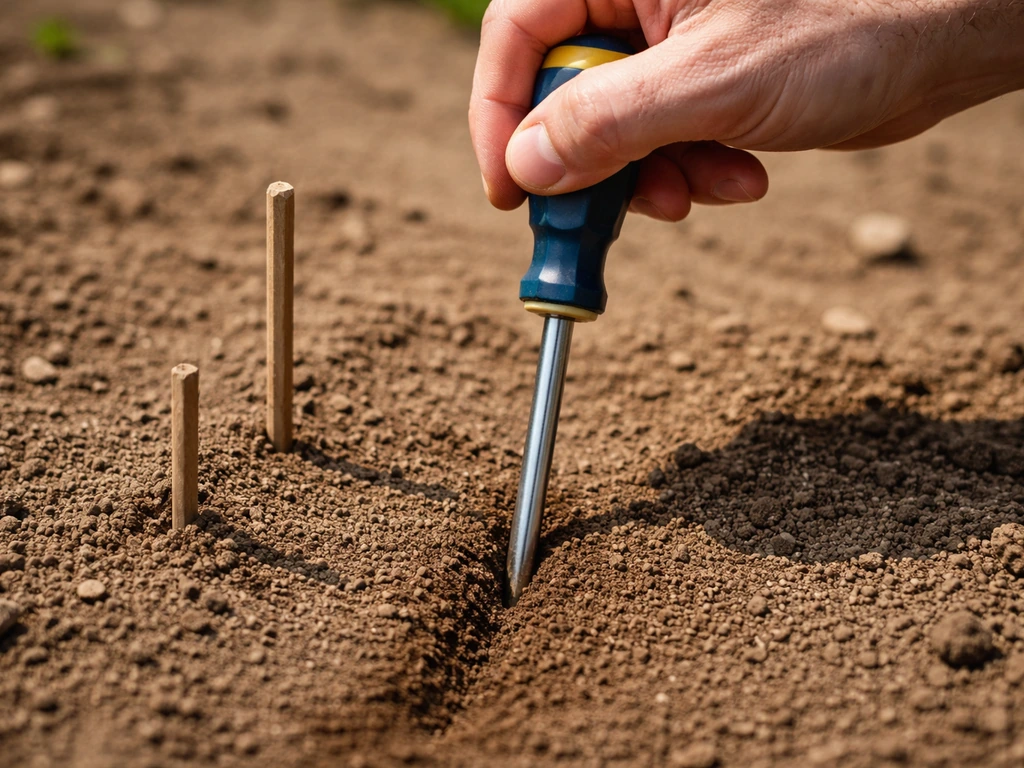
Push a standard screwdriver into the soil with just hand pressure. If it goes 6 inches without needing a hammer, roots can penetrate it fine. If it stops at 2 to 3 inches, the soil is compacted and most crop roots will struggle to establish, which directly limits yield and drought tolerance.
Sunlight: track it for one day
Walk the site at 8 a.m., 10 a.m., noon, 2 p.m., and 4 p.m. and note which areas are in direct sun versus shade at each check. Add up the hours of full sun. Do this in late spring or early summer when sun angles are highest, since a spot that gets 6 hours of sun in June might only get 3 in September when you're still harvesting. Mark shaded zones clearly; they're only viable for shade-tolerant crops like lettuce, spinach, and some herbs.
Climate baseline: look it up in 5 minutes

Go to NOAA NCEI's Climate Normals Quick Access tool and find the nearest weather station. It provides average temperature, precipitation, and snowfall data from more than 15,000 U.S. observation stations using the 1991 to 2020 standard 30-year baseline. Pull the monthly averages and count the months where average low temperatures stay above 32°F. That's your safe frost-free window. Also note total growing-season precipitation (April through September). If it's under 15 inches, plan for irrigation.
Matching your land conditions to the right crop types
Once you know what your land offers, matching it to crops becomes a logic exercise rather than a guessing game. The mistake most beginners make is starting with the crop they want to grow and hoping the land works out, instead of starting with what the land supports and choosing from that list. Unwanted plants that grow along with crops are called weeds.
| Land condition | Easy crops | Crops to avoid |
|---|---|---|
| Short frost-free season (90–120 days) | Radishes, lettuce, kale, peas, oats, short-season beans | Corn (full-season), sweet potatoes, watermelon, peppers |
| Sandy, fast-draining soil | Carrots, potatoes, sweet potatoes, peanuts, asparagus | Celery, rice, most leafy greens without amendment |
| Heavy clay soil | Squash, brassicas (cabbage, broccoli), wheat (after tilling) | Root vegetables, onions, strawberries |
| Low annual rainfall (under 15 in.) | Sorghum, millet, sunflowers, chickpeas, dry beans | Corn, cucumbers, potatoes, most fruiting vegetables |
| Partial shade (4–6 hours sun) | Lettuce, spinach, kale, cilantro, parsley, mint | Tomatoes, peppers, squash, corn, melons |
| Full sun, loamy soil, adequate rain | Almost everything: corn, tomatoes, beans, squash, grains, fruit trees | None (this is ideal land) |
High-maintenance crops are those with narrow tolerances: tomatoes, peppers, melons, and sweet corn all need warm nights, consistent moisture, full sun, and good drainage simultaneously. They're not the crops to start with on marginal land. Leafy greens, root vegetables, legumes, and many small grains are far more forgiving and make a much better first-season bet on any plot that isn't already proven. Leafy greens, root vegetables, legumes, and many small grains are far more forgiving and make a much better first-season bet on any plot that isn't already proven what can i grow on agricultural land.
Where to look: maps, frost dates, and drainage clues
Three free tools give you most of what you need before you ever visit a piece of land.
- NOAA NCEI Climate Normals Quick Access: average monthly temperature and precipitation for 15,000+ U.S. stations using the 1991–2020 baseline. Look for the average last spring frost date and first fall frost date; the window between them is your growing season. Also note whether summer rainfall is reliable or highly variable.
- USDA Plant Hardiness Zone Map: tells you the average annual extreme minimum winter temperature by zone. Use it to confirm what perennial crops (fruit trees, asparagus, berry bushes) will survive winter in your specific location. Remember it's a winter survival tool, not a summer productivity tool.
- USDA Web Soil Survey (websoilsurvey.sc.egov.usda.gov): enter any U.S. address or draw a field boundary and get detailed soil maps showing texture class, drainage class, and even crop productivity ratings for major crops like corn and soybeans. This is probably the single most useful free tool for evaluating agricultural potential.
Beyond those tools, you can read drainage clues directly from the landscape. Low-lying areas that stay green into late summer often have a high water table. Land with cattails, sedges, or willows nearby drains poorly. South-facing slopes warm up faster in spring and extend your effective season by one to two weeks. North-facing slopes stay cool and wet longer, which suits cool-season crops like peas and brassicas but slows warm-season crops. If you see an old field with abundant clover, that's usually a sign of at least moderately fertile, well-drained soil, because clover establishes itself poorly in compacted, waterlogged ground.
Using regional and historical crop patterns to predict success
One of the most reliable shortcuts in evaluating any land is looking at what has grown there historically and what grows nearby now. Agricultural patterns don't form by accident. The U.S. Corn Belt (Illinois, Iowa, Indiana, Ohio, Minnesota) exists because that region consistently delivers deep loamy soils formed from glacial deposits, 150+ frost-free days, and 25 to 35 inches of growing-season rainfall. The Great Plains wheat belt exists because short-season grains can handle the drier, windier continental climate where corn and soybeans would struggle.
Historical crop distribution is also a useful signal. If a region was farmed for generations, it usually means the fundamental conditions (soil depth, water access, season length) were sufficient. Ancient civilizations built their agricultural heartlands in alluvial river valleys like the Nile, Tigris-Euphrates, Indus, and Yellow River specifically because annual flooding deposited fresh fertile sediment and irrigation was available. Those same locations are still among the most productive agricultural land on earth today. When you see a history of sustained agriculture in any region, that's evidence the land can work.
One important caveat: historical land use doesn't always predict modern viability. Soil erosion, salinization from irrigation, drainage changes, and shifting climate normals can degrade land that once performed well. Conversely, some areas that were marginal historically (parts of the northern Great Plains, for example) have become viable for certain crops as growing seasons lengthen with changing climate patterns. Use historical patterns as a starting hypothesis and confirm it with current soil and climate data.
At the state and country level, regional crop specialization tells you a lot about baseline land conditions. California's Central Valley dominates U.S. fruit and vegetable production because of deep alluvial soils, 250+ frost-free days, and controlled irrigation from snowmelt. The Mississippi Delta region produces cotton and soybeans on deep, rich bottomland soils with high moisture. Knowing what a region is known for growing helps you calibrate what your specific plot within that region can realistically support.
If your land isn't perfect: practical fixes
Very few pieces of land are ideal out of the gate. The question is whether the deficiencies are fixable at a cost that makes sense for your situation. Here's how to approach each common problem. Once you know what the land provides, deciding what requires more land to grow food crops than you have available is usually just another way of judging whether your climate, water access, and growing season are sufficient.
Poor soil fertility and low organic matter
Adding compost at 2 to 4 inches worked into the top 12 inches of soil will meaningfully improve fertility, water retention, and microbial activity within one season. For a 100 square foot bed, that's roughly 15 to 25 cubic feet of compost. Cover cropping with legumes like crimson clover, winter rye, or buckwheat between growing seasons adds nitrogen and organic matter for free. For sandy soil specifically, compost is the most cost-effective amendment because it dramatically improves moisture retention. For heavy clay, coarse compost plus gypsum (applied at about 40 lbs per 1,000 square feet) helps break up structure and improve drainage without dramatically changing pH.
Poor drainage
If the perc test shows drainage slower than 0.5 inches per hour, you have a few options depending on scale. For a garden plot, raised beds filled with amended soil are the fastest and most reliable fix: build them 10 to 12 inches high and you've essentially created a new growing medium above the problem soil. For a larger field, French drains (perforated pipe buried in gravel-filled trenches) can redirect water, though they require real labor and investment. Selecting crops that tolerate wet conditions (taro, watercress, cranberries in flooded conditions; kale and cabbage in moderately wet soil) is also a valid strategy when drainage improvement isn't practical.
Insufficient rainfall or irrigation
Drip irrigation is the most water-efficient approach for vegetable crops, delivering water directly to the root zone and reducing evaporation losses by 30 to 50% compared to overhead sprinklers. A basic drip system for a home garden can be set up for under $100. On a larger scale, choosing drought-tolerant crops like sorghum, millet, cowpeas, sunflowers, and dry beans significantly reduces water demand without sacrificing productivity. Mulching the soil surface with 2 to 4 inches of straw or wood chips reduces soil moisture loss by slowing evaporation, which can extend the interval between irrigations by 30 to 50%.
Short growing season
If your frost-free window is under 120 days, you can extend it by starting transplants indoors 4 to 8 weeks before the last frost date, using row cover fabric (which adds 4 to 8 degrees of frost protection and extends the season by 2 to 4 weeks at each end), or focusing on cold-hardy crops like kale, spinach, beets, and peas that can handle light frosts. Cold frames and low tunnels are inexpensive and can push the season even further. Raised beds also warm up faster in spring than in-ground beds, which is a meaningful advantage in short-season climates.
Limited sunlight
If shade is caused by trees, selective pruning or removal can recover 2 to 4 more hours of daily sun in many cases. If it's caused by structures, relocating the growing area is usually more practical than anything else. Container growing gives you full flexibility to move crops to the sunniest spots on a property, and many vegetables (tomatoes, peppers, herbs, lettuce) perform very well in large containers with good soil and consistent watering.
Your first-season plan: from evaluation to harvest
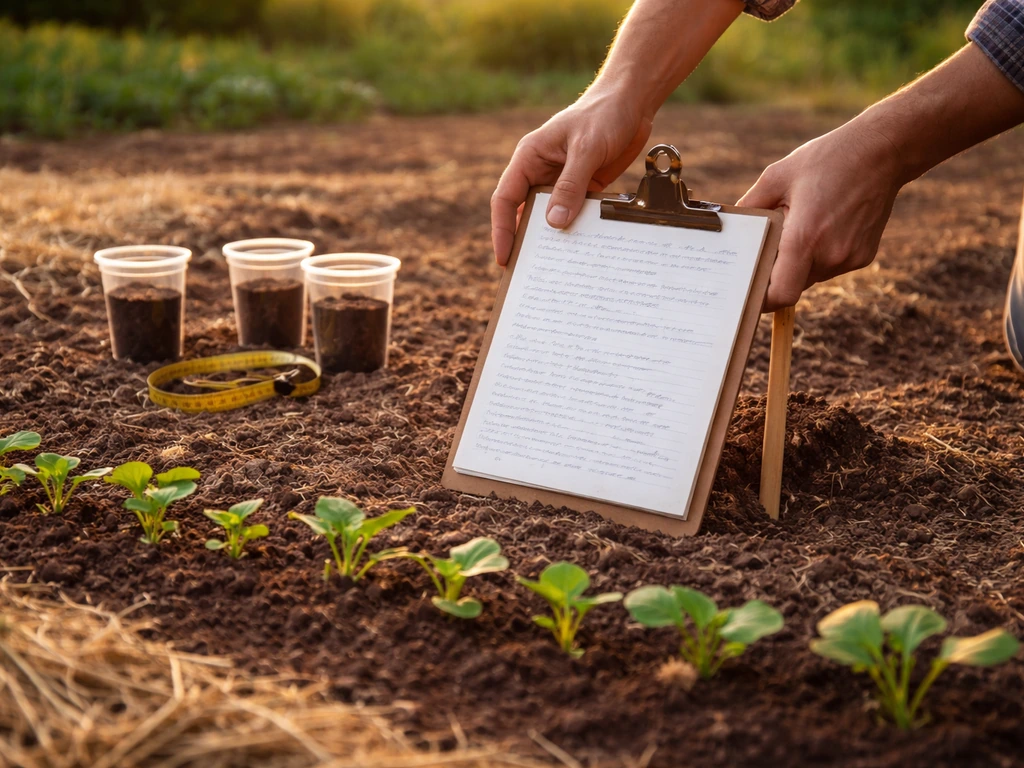
Here's how to go from standing on an unfamiliar piece of land to having a realistic planting strategy, step by step.
- Run the land evaluation first. Do the jar test, perc test, screwdriver test, and sun tracking in one visit. Write down the results. Don't skip this step and assume the land is fine.
- Pull the climate data. Go to NOAA NCEI Climate Normals Quick Access and find your nearest station. Record your last spring frost date, first fall frost date, growing season length in days, and average monthly precipitation for May through August.
- Check the USDA Web Soil Survey for your location. Note the official soil drainage class and any productivity ratings listed. Cross-reference with your physical tests from step one.
- Identify your constraints honestly. List the one or two biggest limiting factors (short season, poor drainage, sandy soil, partial shade) and decide whether you'll fix them this season or work around them with crop selection.
- Choose crops that match your actual conditions, not your wish list. Start with three to five crops that fit your climate and soil naturally. Add one or two 'stretch' crops to experiment with, but don't bet your whole season on them.
- Plan your amendments before planting. If you need compost, order or source it now. If you're doing raised beds, build and fill them at least two weeks before planting so the soil settles. If you need drip irrigation, set it up and test it before the first seeds go in.
- Set realistic expectations for year one. The first season on any new piece of land is partly a scouting mission. Take notes on what thrives, what struggles, where water pools after rain, where frost hits first in fall. That information is worth more than any map or soil test for planning year two.
Thinking about the broader question of what land can be used for crops, or what types of crops match different agricultural land categories, naturally connects to understanding regional crop patterns across the U. S. and globally. The core principle holds across all of those questions: the land tells you what it can support if you know how to read it.
which is true of all crops that humans grow. These same evaluation steps help you judge land that can be used to grow crops. Do the tests, pull the data, match the crop to the conditions, and fix what you can fix. That's the entire framework, and it works whether you're planting a backyard garden in Ohio or evaluating an acre of ground in a drier climate farther west.
Yes, you can grow crops on pasture land, but success depends on soil quality, drainage, sunlight, and whether you can manage water during the growing season.
FAQ
If my USDA hardiness zone looks suitable, will I automatically have land where crops grow easily?
Yes, but only if you confirm two extra things that the zone map does not guarantee. First, check whether your site gets the frost-free days during the actual local season (cold pockets, valleys, and nearby water bodies can shorten it). Second, look at growing-season precipitation and water reliability, because warm-season crops fail quickly when rainfall is only adequate on paper but irrigation is inconsistent.
When is the best time to run the soil jar test and the drainage drain test so the results are accurate?
Avoid testing right after heavy rain or irrigation. Soil structure, drainage speed, and the perc-style drain timing can look better or worse depending on moisture conditions, so run jar and drainage checks when the soil is near typical mid-season moisture, or repeat the drainage timing two different days and average the results.
What if the soil seems easy to penetrate, but plants still wilt in spring or stay waterlogged?
If your screwdriver goes in easily but the soil is still wet for long periods, the issue is likely water table level or poor internal drainage, not only compaction. In that case, raised beds or drainage improvements usually matter more than adding fertilizer or compost alone, because saturated roots and lack of oxygen limit yields even in otherwise workable soil.
How do I detect a hardpan or compaction layer that the screwdriver test might miss?
Compaction can be more subtle than a failed screwdriver test. Look for a hardpan layer at the same depth every time, you see water staying on the surface after light rain, or your jar test shows a lot of fine clay that stays suspended. If those show up, prioritize organic matter and structural amendments, and consider subsoiling only when the soil is not wet, since tilling or ripping wet soil can worsen compaction.
What should I do if my site only gets 3 to 4 hours of direct sun but the soil and water seem good?
If you get less than the target sun, you still can farm the site, but you must match crop type and spacing. Use shade-tolerant greens for the low-sun zones, plant taller crops only where full sun exists, and choose varieties bred for shorter day or faster maturity where applicable. Also, re-check sun patterns in early fall, because the “easy” sun window often shrinks as sun angles drop.
Are soil tests from my garden bed mix enough, or do I need to test the native soil too?
For crops that root deeply or need consistent moisture, a small container can mask poor drainage because you are controlling soil and water flow. For field or raised-bed decisions, do the drainage and jar tests on the native soil, then repeat under conditions that match your intended cultivation method (raised bed mix versus in-ground).
If I improve soil with compost and cover crops, can I ignore climate and water limits?
You can, but remember that amendments affect different constraints. Compost helps fertility, moisture holding, and biology, it does not magically create frost-free days or guarantee irrigation capacity. If the limiting factor is too few frost-free days, you need shorter-season varieties or season-extension tools, even if you dramatically improve soil quality.
If drainage is slow, which fix usually makes the most sense, raised beds, French drains, or something else?
Yes, and the cost-benefit depends on whether you are solving a water problem or a soil-structure problem. Raised beds are often the best first move for small plots with drainage slower than 0.5 inches per hour, because they quickly change the root zone height and reduce standing saturation. French drains help at larger scale, but you should confirm the water source and likely flow paths first to avoid moving water somewhere you do not want it.
How precise does my water planning need to be if rainfall averages about 1 to 2 inches per week?
For most vegetable crops, plan for enough water to meet peak demand during flowering and fruit set, not just average weekly totals. If your rainfall average looks close to 1 to 2 inches per week but storms are uneven, you will still need supplemental irrigation scheduling or mulching to prevent stress swings.
How can I farm successfully if my safe frost-free window is shorter than 120 days?
If the map suggests fewer than 120 days, you can extend production, but you should target crops that complete within your practical window. Start transplants, use low tunnels or row cover, and prioritize cold-tolerant crops for shoulder seasons, then save warm-season plantings for the warmest weeks. Also, check that your field sun patterns do not create longer cooling shade in late season.
Do weeds give useful information about whether land is easy to grow crops on?
Weeds are more than a nuisance, they can signal nutrient imbalances, wetness, or poor soil structure. As a starting clue, dense growth of certain perennials can indicate long-term soil disturbance patterns or compaction. Before assuming weeds mean fertility, identify whether the dominant weeds prefer wet, dry, acidic, or disturbed conditions, then adjust drainage, pH strategy, or cultivation method accordingly.
Next Articles
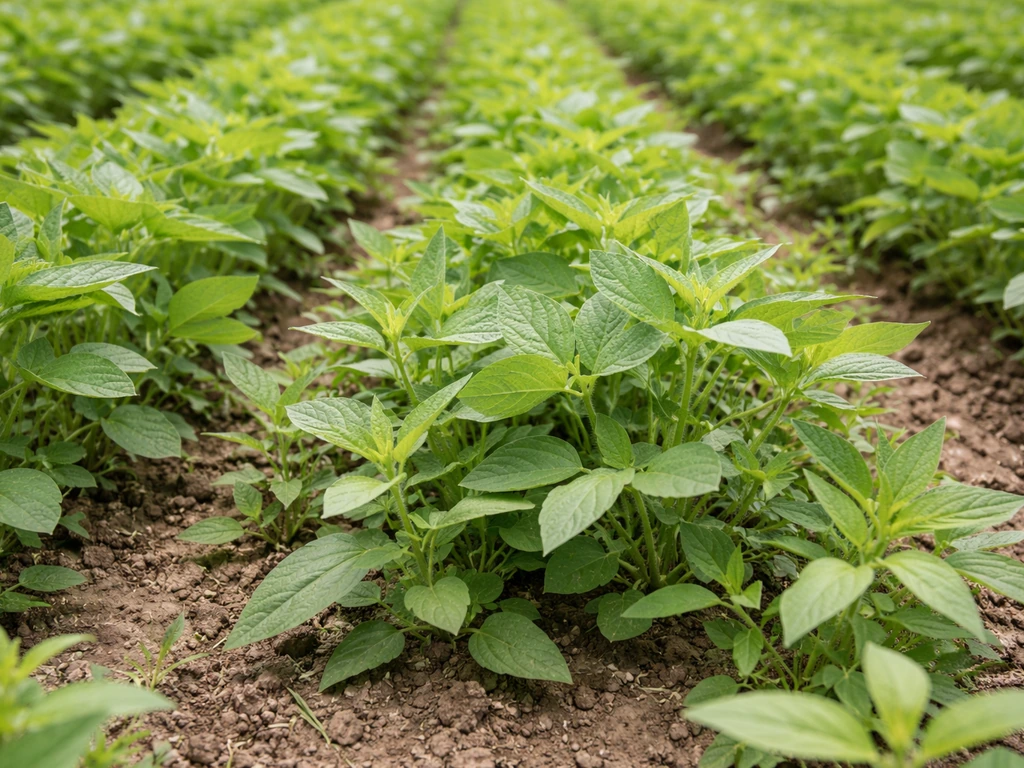
Unwanted Plants That Grow Along With Crops Are Called Weeds
Get the definition of weeds and how to identify common types, then choose fast, safe control methods for your crops.
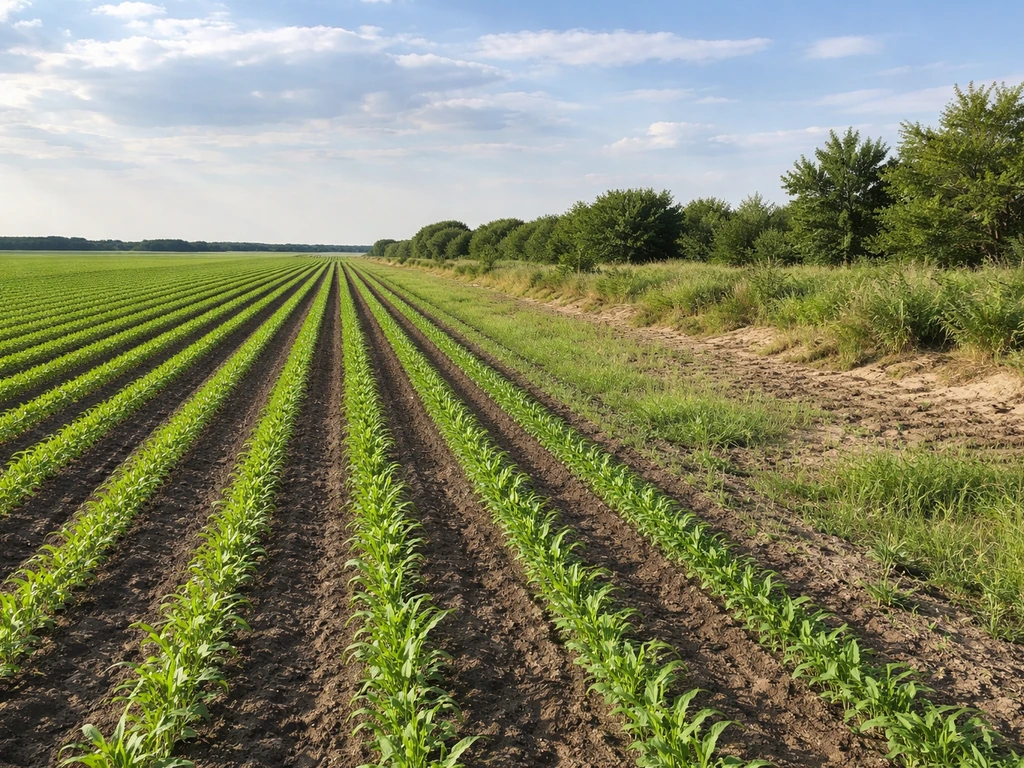
Land That Can Be Used to Grow Crops: How to Identify It
Learn terms like arable farmland and use a step-by-step checklist to judge climate, soil, water, and frost risks.
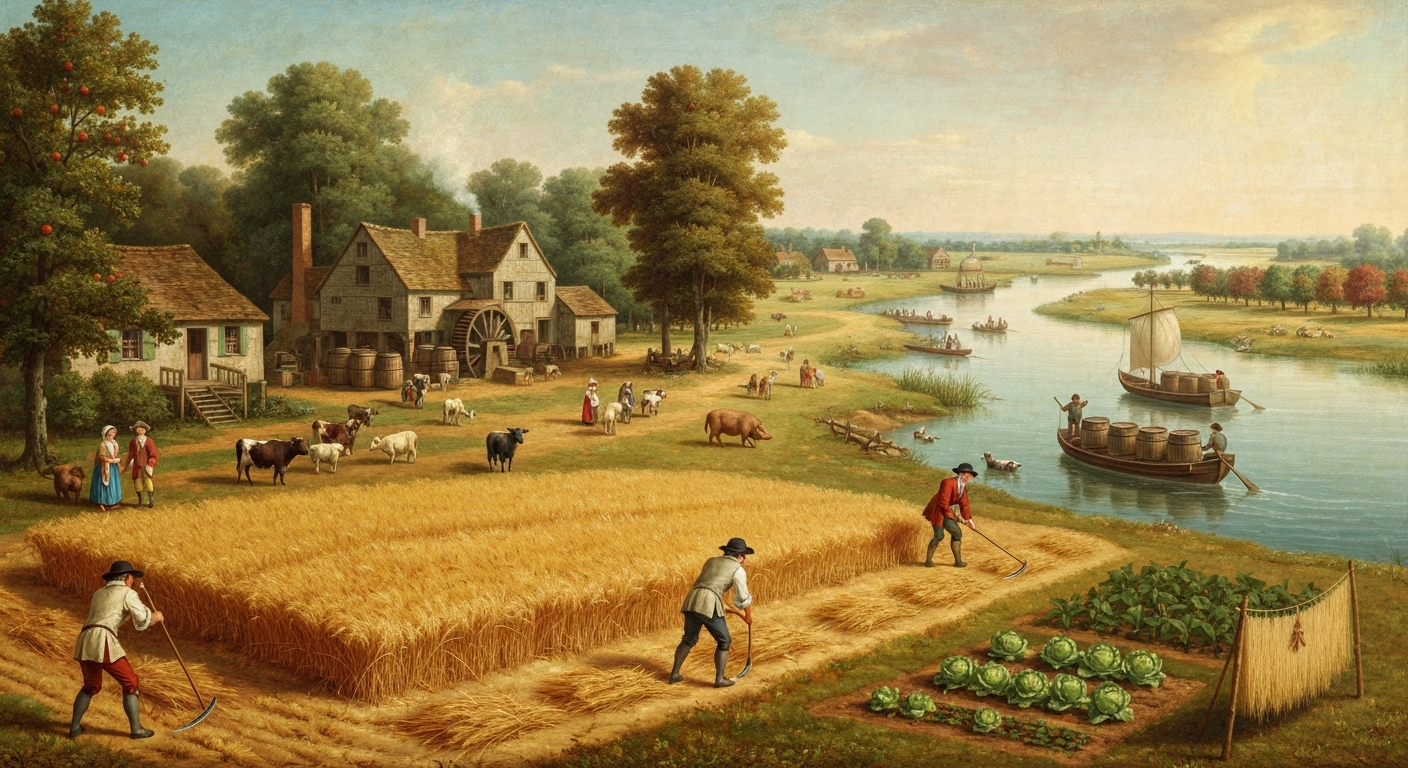
What Did the Delaware Colony Grow: Crops, Uses & Legacy
Colonial Delaware’s main crops, grains, hay, flax, fruits, vegetables, livestock, why they thrived and how they were sold.