
If you want the best crops to grow in Skyrim, start with Blisterwort and Mora Tapinella in your Hearthfire greenhouse. These two alchemy ingredients are consistently the most valuable things you can plant, generating 850 to 1,000 gold per harvest cycle across 18 Fertile Soil plots. If you just want food or early-game ingredients without building a homestead, Cabbage, Potatoes, and Leeks from any of Skyrim's open-world farms are your easiest entry point. But once you have the greenhouse unlocked, alchemy crops are where the real value lives.
Skyrim Best Crops to Grow: Where to Plant and Profit Fast

Samuel Rourke
24 May 2026
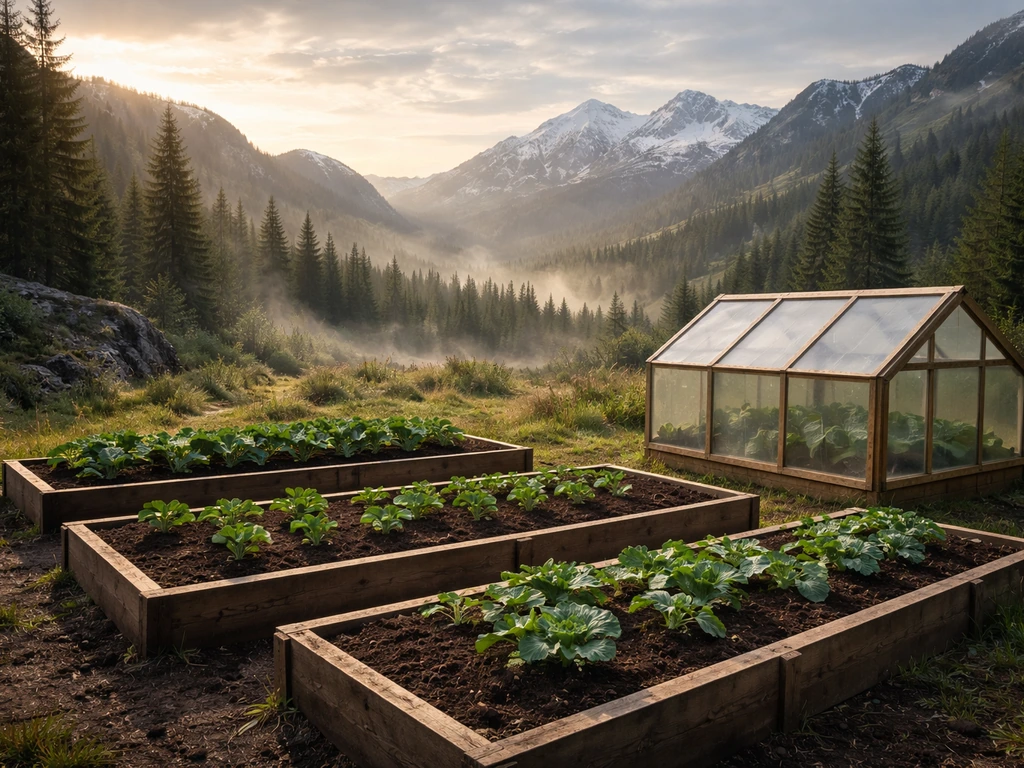
What 'best crops' actually means in Skyrim
In Skyrim, 'best' depends on what you're trying to do. The game treats crops as items with three overlapping uses: food for restoring health/stamina, alchemy ingredients for crafting potions, and sellable goods for making gold. A crop that's ideal for one goal can be nearly useless for another. Cabbage is great for cooking but nearly worthless to sell raw. Blisterwort is mediocre as a standalone item but turns into serious gold once brewed into potions and sold to alchemists. So before you plant anything, decide whether you're farming for survival, for alchemy, or purely for income, because those goals push you toward very different crops.
Ease of access matters too. Some crops require building a Hearthfire homestead with a greenhouse wing, while others are already growing on farms you can visit in the first hour of the game. The best 'early-game' crops are the ones you can grab seeds for in Whiterun or Riverwood without spending a septim. The best 'late-game' crops are the ones filling all 18 greenhouse plots with high-value alchemy reagents. This guide covers both ends of that spectrum.
Top crops to grow: the prioritized picks
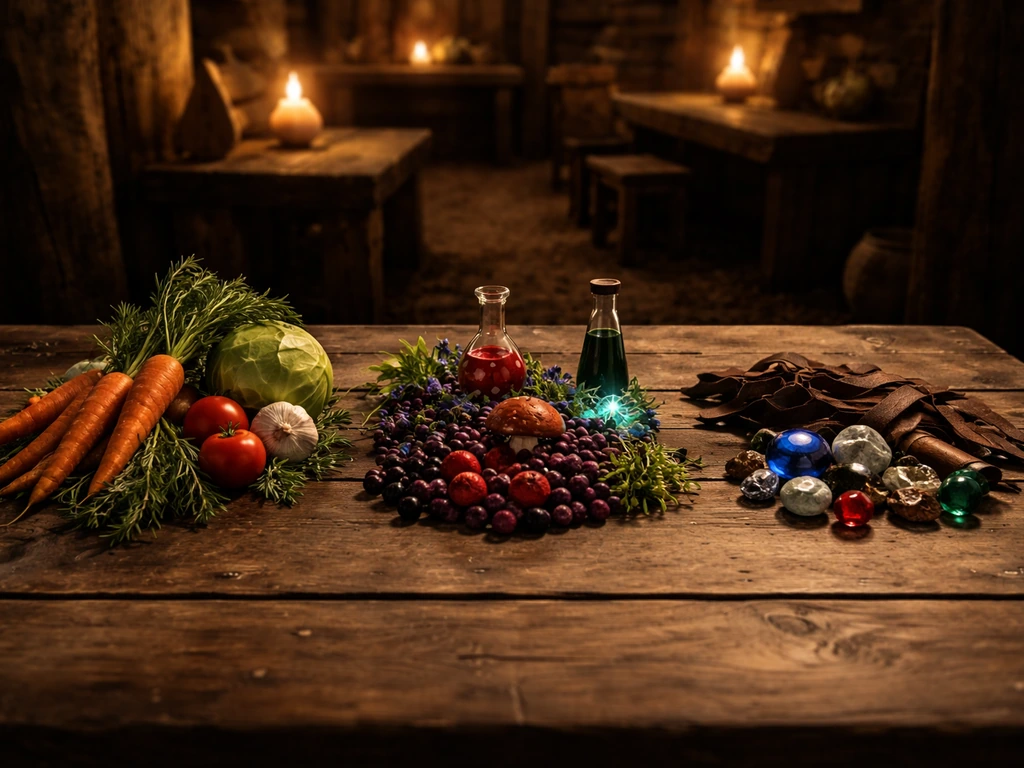
Here's how the crops stack up across the three main goals. If you want the vintage story best crops to grow, focus on what produces the most value for your goals, then plan where to plant for steady yields. Alchemy ingredients dominate the top spots for value, but food crops earn their place for early-game practicality.
| Crop | Primary Use | Gold Value (per harvest) | Ease of Access |
|---|---|---|---|
| Blisterwort | Alchemy / Selling | Very High (greenhouse: 850–1,000+ gold total) | Moderate (needs homestead or dungeon foraging) |
| Mora Tapinella | Alchemy / Selling | High | Moderate (forest areas, homestead planting) |
| Scaly Pholiota | Alchemy / Selling | High | Moderate (similar to Mora Tapinella) |
| Dragon's Tongue | Alchemy | High | Moderate (volcanic/hot regions) |
| Jazbay Grapes | Alchemy / Food | Medium-High | Easy (hot springs near Eastmarch) |
| Snowberries | Alchemy / Crafting | Medium | Easy (found across snowy regions) |
| Lavender | Alchemy | Medium | Easy (open fields near Whiterun) |
| Canis Root | Alchemy | Medium | Easy (wetlands and swamps) |
| Cabbage | Food / Cooking | Low | Very Easy (any farm) |
| Potato | Food / Cooking | Low | Very Easy (any farm) |
| Leek | Food / Cooking | Low | Very Easy (any farm) |
If you had to pick just two crops to fill your greenhouse with, Blisterwort and Mora Tapinella are the answer. They're individually valuable as alchemy ingredients, they can be combined to brew potions that sell for more than the raw ingredients, and they respawn reliably. Splitting your 18 plots between these two (nine plots each) gives you consistent, high-yield harvests every three in-game days.
Where to plant: matching crops to locations
Skyrim has two main types of planting environments: open-world farms and the Hearthfire greenhouse. Each has different strengths, and you'll likely use both at different stages.
Open-world farms (early game)
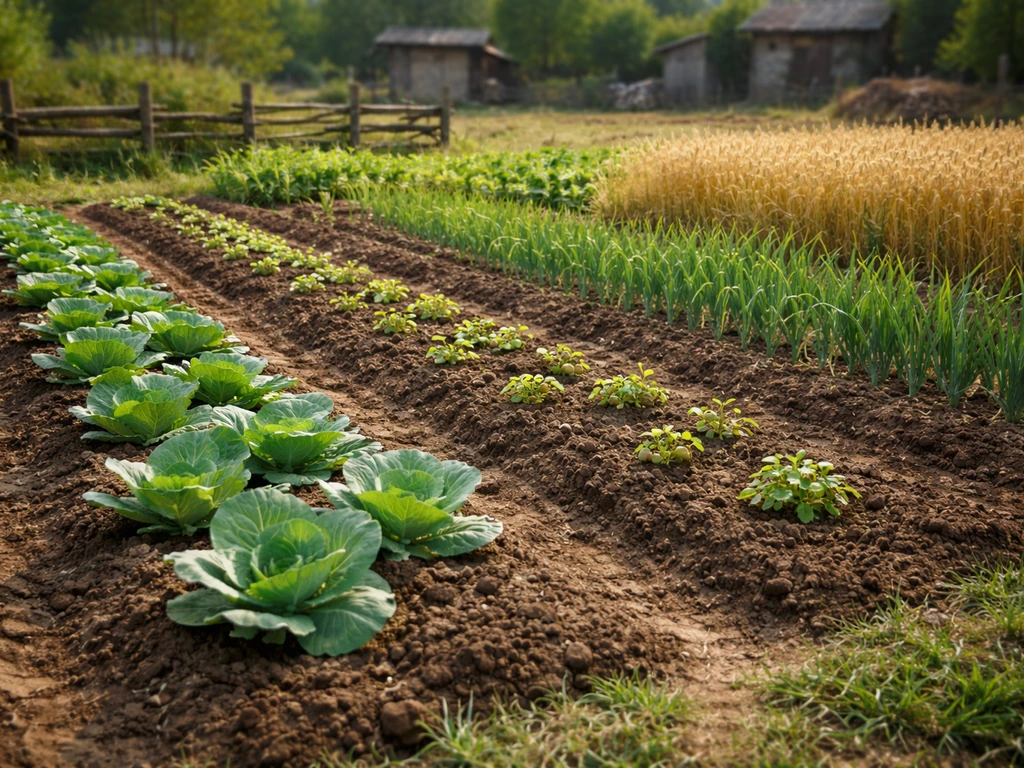
Farms like Chillfurrow Farm near Whiterun, Bleakwind Basin, and Rorikstead's plots already have Cabbages, Potatoes, Leeks, and Wheat growing. You can harvest these for free (or steal them at night if you're feeling bold). These farms also sell seeds, making them your fastest source of planting stock before you have a homestead. They don't have the controlled grow-cycle of the greenhouse, but they're accessible from the very start of the game.
The Hearthfire greenhouse (mid to late game)
The greenhouse is attached to any of the three Hearthfire homesteads (Lakeview Manor, Windstad Manor, or Heljarchen Hall) when you build the greenhouse wing. Inside, you get 18 Fertile Soil plots arranged in large planters. The UESP Wiki notes that the greenhouse provides 18 interior Fertile Soil plots for gardening blank" rel="noopener noreferrer">18 Fertile Soil plots. This is where you plant alchemy ingredients, not food crops. The enclosed environment means plants grow in 24 hours on the first plant and regrow three days after each harvest. To unlock the full greenhouse, you need to fill at least one complete large planter, so prioritize filling one planter entirely before spreading out.
All three homesteads support the greenhouse equally, so pick whichever property you've already built or plan to build. Lakeview Manor in Falkreath hold is popular because it's centrally located and close to merchants in Falkreath who buy potions and ingredients.
Outdoor garden plots at homesteads
Each homestead also has a small exterior garden with three to five planting spots. These are best used for food crops like Cabbages, Potatoes, or Wheat that you want nearby for cooking without burning greenhouse space on low-value plants. Think of the outdoor garden as your kitchen garden and the greenhouse as your cash crop operation.
How to get seeds and start fast
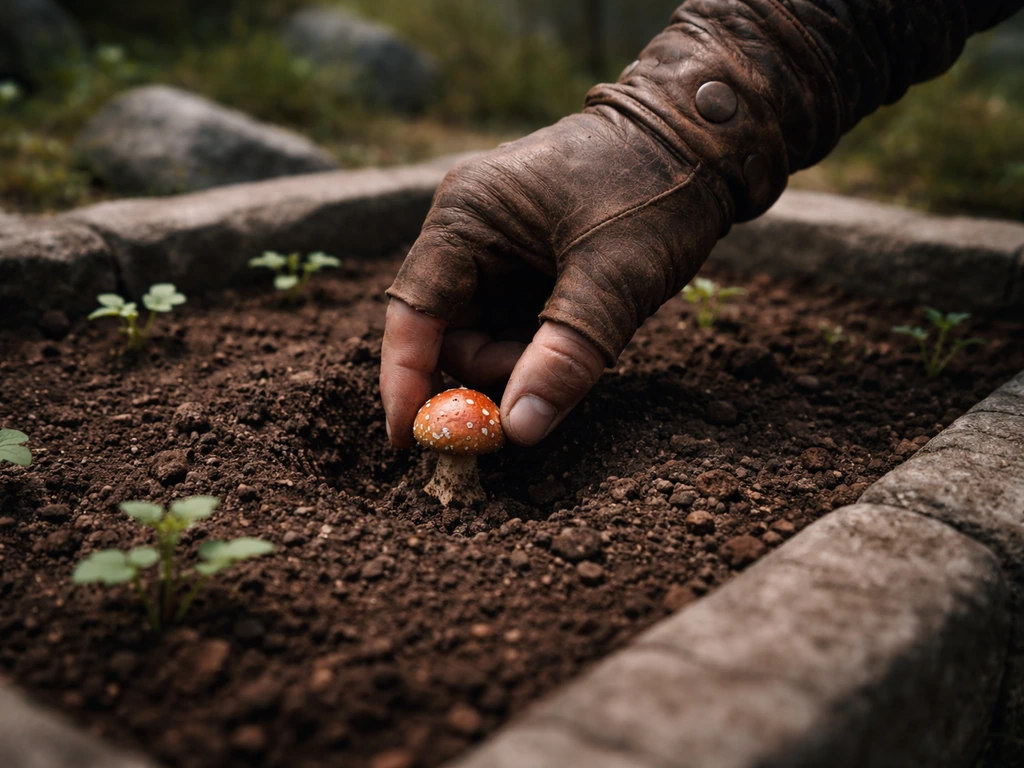
Seeds in Skyrim are just the ingredient items themselves. You plant the same Blisterwort mushroom you'd use in alchemy directly into a Fertile Soil plot by activating the plot with the item in your inventory. There are no separate 'seed' items for most crops, which simplifies things considerably.
- Buy ingredients from alchemists in major cities. Arcadia in Whiterun, Bothela in Markarth, and Elgrim in Riften all stock rotating inventories of alchemy ingredients including Blisterwort, Mora Tapinella, and Lavender. Visit all three and clean them out.
- Forage from the wild. Blisterwort grows on dungeon floors (check Bleak Falls Barrow early on). Mora Tapinella grows on fallen logs in forests, especially around Falkreath. Lavender grows in the fields around Whiterun. You can gather enough to fill a few plots on a single trip.
- Use the Merchant perk in Speech (requires level 50 Speech) to buy and sell with any merchant, giving you broader access to ingredient stock.
- Activate the plot in your greenhouse by pressing the interaction button while facing the Fertile Soil mound, then select the ingredient you want to plant from your inventory.
- First harvest arrives in 24 in-game hours. Sleep or wait at your homestead to fast-forward the first grow cycle.
For food crops, the easiest route is buying Cabbage Seeds, Potato Seeds, and Leek Seeds directly from farmers at the open-world farms or from the general goods merchants in smaller towns like Rorikstead. These cost almost nothing and give you a functional food supply within a single in-game day.
Planting schedule and growth tips
Skyrim's in-game calendar runs through seasons (Last Seed, Heartfire, Frostfall, etc.), but unlike real-world farming, the greenhouse ignores seasonal restrictions entirely. That's one of its biggest advantages: you plant Snowberries in the middle of Last Seed, and they grow just fine. Open-world plants are tied to their natural respawn cycles, which can be slower and less predictable.
Here's the practical rhythm for greenhouse farming:
- Day 1: Plant all 18 plots. Wait 24 hours.
- Day 2: Harvest everything. Each plot typically yields 2 to 5 ingredient samples depending on the plant type.
- Day 5 (3 days after harvest): Plants have regrown. Harvest again and repeat.
- Every few harvest cycles: Visit alchemists to sell your stock or brew potions first for higher returns.
One practical tip: if you're playing at a slower pace, the 3-day regrowth timer only counts real in-game time passage, not real-world time. Fast-traveling and completing quests advances the clock, so you'll rarely feel like you're waiting. Just check your greenhouse whenever you return to your homestead between quests.
For outdoor garden plots, the same general logic applies, though growth and respawn may vary slightly. Food crops in the exterior garden are lower priority to manage actively since they're not your main income source.
What to do with your harvest
Alchemy: the highest-value use
Brewing your alchemy ingredients into potions before selling is almost always worth it. Two Blisterwort mushrooms combined with a complementary ingredient (Wheat, for example, produces a Restore Health potion) can sell for significantly more than the raw ingredients separately. The more potions you can craft per harvest, the better your gold-per-plot efficiency. As your Alchemy skill levels up, potion values increase, so the same greenhouse setup becomes more profitable over time without any extra effort.
Selling raw ingredients
If your Alchemy skill is low, selling raw ingredients to alchemists is still solid income. Blisterwort, Mora Tapinella, and Scaly Pholiota all command respectable prices on their own. For an authoritative list of Skyrim alchemy ingredients and their names, see UESP’s Skyrim:Alchemy page Blisterwort, Mora Tapinella, and Scaly Pholiota all command respectable prices on their own.. Rotate between multiple merchants since each has a gold cap for buying (usually 500 to 1,000 gold) that resets every 48 in-game hours.
Food and cooking
Cabbages, Potatoes, Leeks, and Wheat are the foundation of Skyrim's cooking recipes. Vegetable Soup (made with any two vegetables) restores health and stamina over time and is one of the most useful foods for dungeon runs. Growing your own supply means you're never paying for basic cooking ingredients. If you have a homestead, the cooking pot is right there, so there's no reason not to keep your kitchen garden stocked.
Crafting and enchanting support
Snowberries are worth growing partly because they're used in crafting Fortify Enchanting potions, which in turn make your enchanting sessions more powerful. Tundra Cotton feeds into crafting as well. If you're building an enchanting or smithing pipeline, growing these ingredients cuts your dependence on buying them from merchants.
Your quick-start plan and common mistakes to avoid
The fast-start plan
- In your first hour: Harvest Lavender near Whiterun and grab Cabbages and Potatoes from Chillfurrow Farm. These give you early alchemy and food ingredients at zero cost.
- By level 10 to 15: Start building one of the three Hearthfire homesteads. Prioritize the greenhouse wing. Lakeview Manor in Falkreath is recommended for its central location.
- Before building the greenhouse: Stock up on Blisterwort and Mora Tapinella by looting dungeons and buying from alchemists. You need at least 9 of each to fill a half-and-half greenhouse.
- Once the greenhouse is built: Plant Blisterwort in nine plots and Mora Tapinella in the other nine. Wait 24 hours. Harvest. Sell or brew potions.
- Ongoing: Every 3 in-game days, harvest and resell. Reinvest early gold into expanding your ingredient stock or leveling Alchemy.
Mistakes that kill your garden output
- Planting food crops in greenhouse slots: Cabbages and Potatoes are low-value per plot. Save the 18 greenhouse spots for alchemy ingredients and use the outdoor garden for food.
- Not filling at least one full planter: The greenhouse needs a complete planter to register as 'done' in the building system. Partial fills can cause tracking issues.
- Selling raw ingredients when your Alchemy is high enough to brew: Even a mid-level Alchemy skill boosts potion values significantly over raw ingredient prices.
- Forgetting the 3-day regrowth window: Don't wait a week between harvests. The plants are ready every 3 days, so frequent visits keep your income consistent.
- Buying all your seeds from one merchant: Alchemist inventories reset every 48 hours but are limited per visit. Rotate between Arcadia (Whiterun), Bothela (Markarth), and Elgrim (Riften) to build stock faster.
- Ignoring ingredient synergies: Some ingredient pairs let you brew more potions from the same harvest. Blisterwort plus Wheat is a classic example for Restore Health potions.
One thing worth noting: Skyrim's crop farming shares DNA with the kind of region-and-season logic that governs real-world agricultural planning. Just like a gardener choosing what to plant based on climate and soil type, you're making the same trade-off calls here, just inside a Nordic fantasy setting.
If you're curious how those real-world decisions compare, the same kind of seasonal thinking applies whether you're picking the best crop to grow in August in Minnesota or filling greenhouse plots in Falkreath Hold. For real-world inspiration, check what the best crop to grow in summer would be for your climate and conditions before planting outdoors.
If you want the same kind of seasonal planning in Stardew Valley, look up the best crops to grow in summer in Stardew Valley best crops to grow in summer stardew valley. The core question is always the same: what gives you the best return for where you are and what you're trying to achieve.
If you're thinking about seasonal timing and looking for what crops grow in the fall, use the same trade-off logic to match crops to your goals and planting setup.
FAQ
Do I need to plant both Blisterwort and Mora Tapinella, or can I use just one in all 18 greenhouse plots?
You can, but splitting helps because you can craft more potion combinations without needing to wait for other reagents. With only one crop, you may be limited to a smaller set of recipes and you can end up with less gold per harvest cycle if your brewing options are constrained by the ingredients you choose to pair with it.
What happens if I miss the greenhouse harvest and keep doing quests or fast-traveling for a long time?
The plants still follow the in-game regrowth timer, so you will not “lose” the crop by leaving. When you return, harvest whatever is ready, then replant immediately to restart the cycle. If you wait too long, you can reduce how often you capture full three-day rotations, which lowers your average gold-per-day.
Should I prioritize filling one large planter first, or spread across all 18 plots immediately?
Fill one complete large planter first. Finishing a planter is what unlocks the full greenhouse benefit, and spreading early can leave you with partial output longer than necessary. Once the greenhouse is fully producing, then distribute plants across all 18 plots for steadier per-day income.
Are outdoor farm crops worth it for profit, or should I ignore them once my greenhouse is online?
Outdoor crops are best for food stability and early-game convenience. For profit, the greenhouse alchemy setup generally outperforms because regrowth is faster and controlled. That said, if you want to avoid spending resources on brewing every cycle, selling harvested vegetables is a low-effort backup income, but typically not as lucrative as alchemy.
Do fertilizer, watering, or skill level affect greenhouse crop yields?
The greenhouse uses a fixed Fertile Soil plot system and a predictable regrowth cycle, so you do not manage watering or similar maintenance. Your Alchemy skill mainly affects potion sale value when you brew, not whether the plants regrow. That means the best “optimization” is consistent harvesting and smarter potion crafting, not micromanaging care.
Can I grow Snowberries or Tundra Cotton in the greenhouse, and do I still need seasonal timing?
Yes, greenhouse planting ignores seasonal restrictions, so you can grow Snowberries and similar ingredients whenever you want after you have Fertile Soil plots. Outdoor planting is where seasonal respawn and timing can slow you down or interrupt a plan, so the greenhouse is the safer choice for steady enchanting materials.
What’s the fastest way to increase gold if my Alchemy skill is low?
If your brewing returns are not great yet, sell raw ingredients first as you level. Rotate merchants because vendors have buy limits and those caps refresh after time passes in-game. Even if potion profits improve later, selling raw products early prevents your greenhouse from becoming a “stockpile” you only monetize much later.
How do I avoid wasting greenhouse harvests on potions nobody will buy for good prices?
Craft and sell potions using ingredients you already have in your greenhouse cycle, so you are not forced to hold rare mixes. Also, vary the merchant you sell to, because different vendors have different buying behavior and caps, so the same potion can generate different total gold depending on where you sell.
Do cabbage, potatoes, leeks, and wheat seeds work like separate seed items everywhere?
In Skyrim, you typically buy seed items for the common food vegetables and plant those into appropriate ground plots. In contrast, alchemy ingredients are planted by using the actual ingredient item on the Fertile Soil plot, you do not convert to a separate seed form for greenhouse alchemy.
Is stealing crops from farms at night better than buying seeds for early food?
Stealing can give you immediate food, but it does not build a repeatable seed-and-plant routine unless you also secure seeds. Buying seeds (or using farm plots you can access) is more consistent for longer dungeon runs, because you can plan a steady supply rather than relying on periodic nighttime grabs.
What’s a good strategy if I want both cooking food and alchemy profits without sacrificing too much space?
Use the outdoor garden for vegetables and the greenhouse for alchemy reagents. Keep the greenhouse dedicated to your highest-value alchemy pairings, then harvest outdoor crops for cooking so you do not dilute greenhouse output with lower-value food plants.
How often should I check my outdoor plots compared to the greenhouse?
Check outdoor plots less frequently if they are primarily supporting cooking. Greenhouse harvesting is built around a repeatable fast cycle, while outdoor growth and respawn can vary by natural timing, so focusing attention on greenhouse first usually gives better gold and potion uptime.
Next Articles
What Crops Grow in the Fall: Best Options by Climate
Best fall crops by climate, frost timing, and planting windows, with a practical list for cool to mild regions.
Best Crop to Grow in Summer: Pick 3–5 Winners by Region
Choose 3 to 5 best summer crops by region with planting dates, succession tips, and hot-weather care.
Best Crops to Grow in Summer Stardew Valley
Top summer crops in Stardew Valley: best seeds, fruits, speed and profit picks plus fall carryover and tree options.