If you're in the northern U. S. or a cool climate, the best crops to plant in August are leafy greens and root vegetables: lettuce, spinach, kale, beets, radishes, and turnips. These thrive in cooling fall temperatures and will reach harvest before your first frost.
What Is the Best Crop to Grow in August? Top Picks by Region

Samuel Rourke
1 Jun 2026
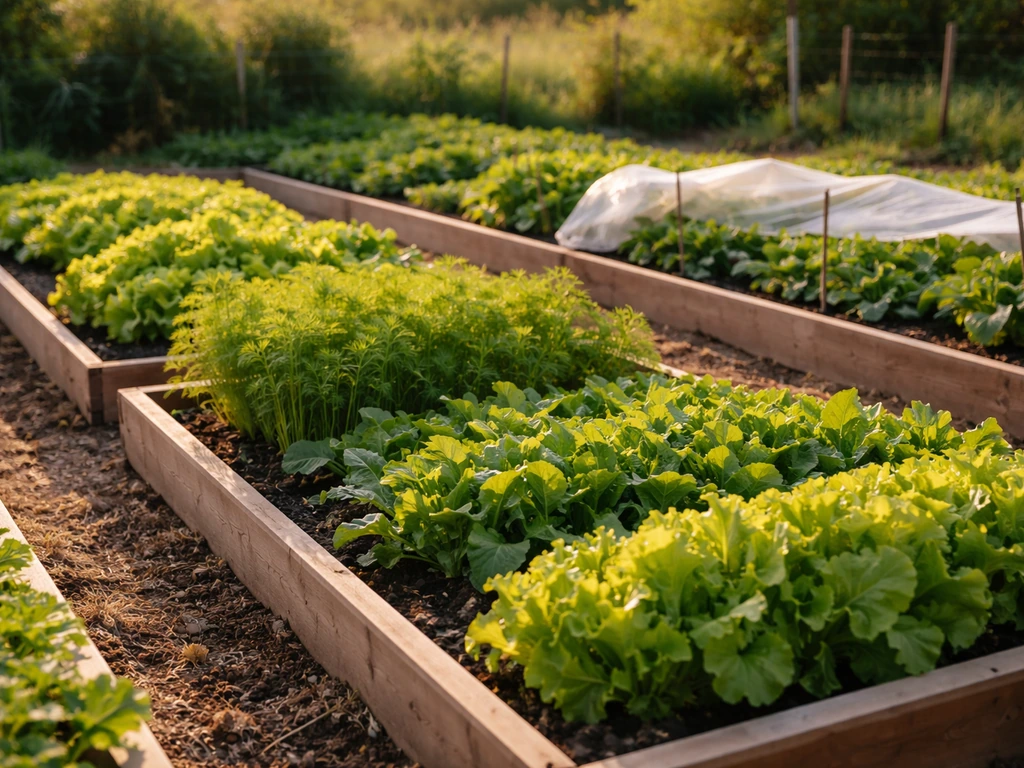
If you're in the South or a warm climate, you have more flexibility: you can still direct-sow beans, cucumbers, and summer squash in early August, and your fall window for greens extends well into September. The single best all-around crop to plant in August, regardless of region, is lettuce. It's fast (50–55 days), tolerates both late summer heat and early frost, and delivers a reliable fall harvest almost everywhere.
For a vintage-style fall harvest, focus on the best crops to grow that mature quickly in cooling weather, like lettuce and spinach vintage story best crops to grow.
Quick answer by climate and region
Where you live changes everything about what you can plant in August. The core calculation is simple: count backward from your average first frost date using the crop's days-to-harvest, add about a week of buffer for slower fall growth, and that gives you your last safe planting date. If August falls inside that window, you're good to go.
| Region / Climate | First Frost Range | Best August Crops | Notes |
|---|---|---|---|
| Northern U.S. (zones 4–5): MN, WI, MI, northern NY | Mid-Sept to early Oct | Radishes, spinach, lettuce, kale, beets | Stick to crops under 60 days; plant by Aug 1–15 |
| Mid-Atlantic / Midwest (zones 6–7): PA, OH, IA, MO | Late Sept to late Oct | Lettuce, beets, turnips, carrots, broccoli transplants | Pennsylvania first frost ranges from ~Sept 13 to Oct 28 depending on elevation |
| Southern U.S. (zones 7–9): AR, TX, GA, FL | Late Oct to Dec | Beans, cucumbers, squash (early Aug); greens and root crops through late Aug | Long warm season allows late summer and fall gardening simultaneously |
| Pacific Northwest (zones 7–9, cool/wet) | Oct to Nov | Kale, chard, spinach, broccoli transplants | Cool summers make August ideal; rain risk increases in Sept |
| Canada and Northern Europe (zones 3–5) | Early to mid-Sept | Fast-maturing radishes, lettuce, spinach only | Prioritize 30–45 day varieties; cold frames extend options |
In milder zones, Cornell Cooperative Extension notes that planting windows can sometimes extend 1 to 10 days beyond standard last-planting-date charts, depending on local microclimates and elevation. So if you're in a warm valley versus a hilltop in the same state, your actual window may be a bit wider or narrower.
The best August crops for your specific goal
Different gardeners and farmers come to August planting with different goals. Here's a practical shortlist organized by what you're actually trying to accomplish.
Fastest harvest (under 45 days)
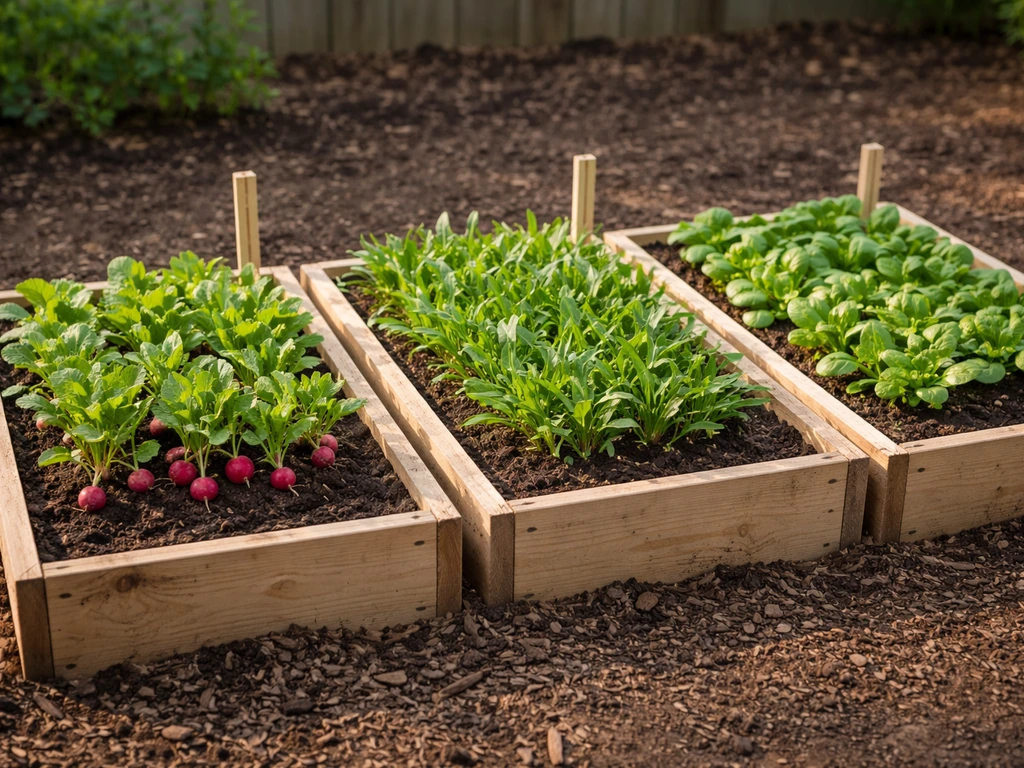
- Radishes: 25–30 days, the fastest edible crop you can plant; direct sow anytime in August
- Arugula: 30–40 days, germinates in cool soil, handles light frost
- Baby spinach: 30–40 days for baby leaf harvest, 40–50 days for full leaf
- Mustard greens: 35–45 days, thrives in cooling temperatures
Best for a full fall food supply
- Lettuce: 50–55 days, successive sowings every two weeks give continuous harvest
- Beets: 60–70 days for roots (greens harvestable sooner), excellent storage crop
- Turnips: 50–60 days, dual-purpose root and greens, very cold-hardy
- Kale: 55–70 days, improves in flavor after frost, harvests into December in mild areas
- Carrots: 70–80 days, need to be planted by early August in northern zones
Best cover crops for soil improvement
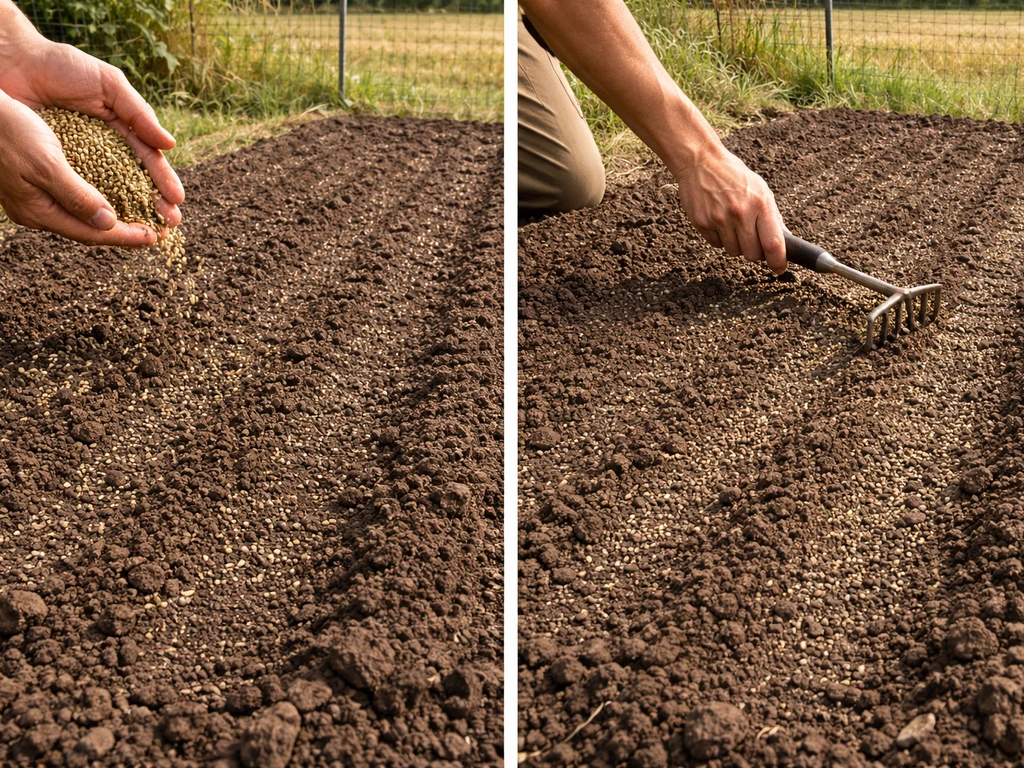
- Winter rye: sow in late August through September, overwinters and protects soil
- Crimson clover: fixes nitrogen, does well in zones 6+ with August sowing
- Oats: fast establishment in August, winter-kills in most northern zones (easy to manage)
Best for drought-tolerant or low-input growth
- Cowpeas (southern peas): heat-tolerant, drought-hardy, great in southern U.S. through early August
- Amaranth: thrives in heat, grown historically across the Americas for grain and greens
- Swiss chard: tolerates both heat and light frost better than most greens
Planting windows and days-to-harvest planning
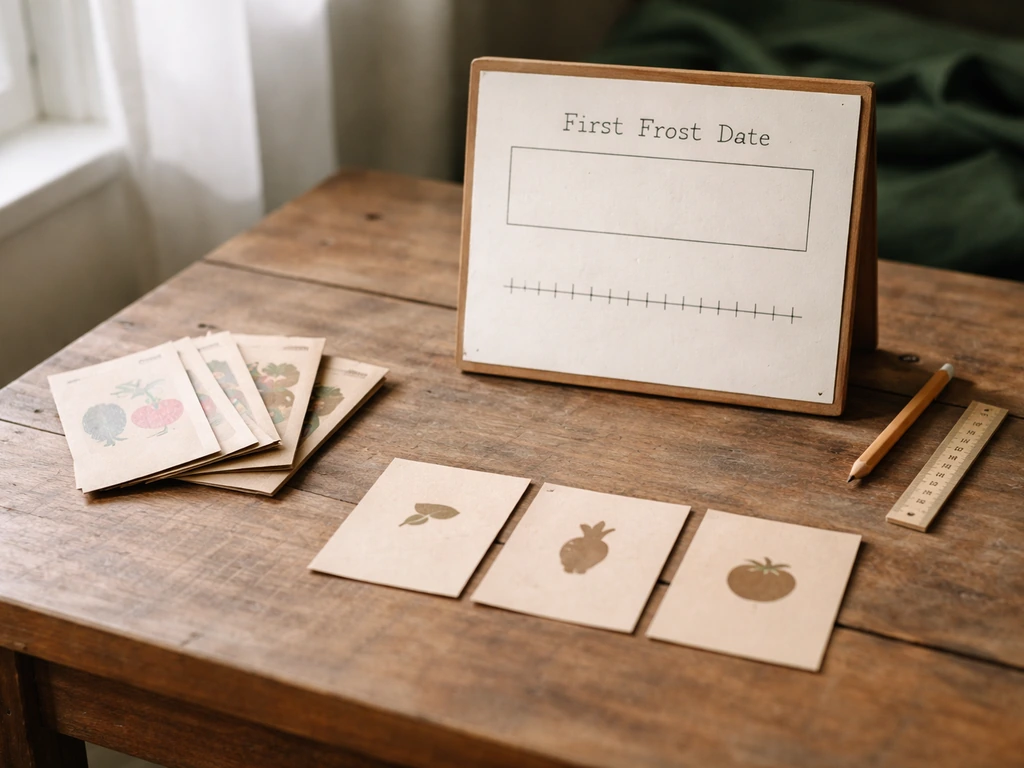
The most reliable way to plan August planting is to work backward from your first frost date, not forward from today. University of Minnesota Extension and Cornell Cooperative Extension both recommend this approach: take your average first frost date, subtract the crop's days-to-maturity, then subtract another 7–14 days as a buffer for slower growth as daylight and temperatures drop in fall. That final date is your last realistic planting day.
Here's how the math looks for common crops in a zone 6 location with a first frost around October 15:
| Crop | Days to Maturity | Buffer Days | Last Planting Date | August Window? |
|---|---|---|---|---|
| Radishes | 25–30 | 7 | ~Sept 8 | Yes, all of August |
| Spinach | 40–50 | 7 | ~Aug 25 – Sept 1 | Yes, early-to-mid August |
| Lettuce | 50–55 | 7 | ~Aug 20–25 | Yes, early August |
| Beets | 60–70 | 10 | ~Aug 15 | Yes, early August only |
| Carrots | 70–80 | 10 | ~Aug 5–10 | Very early August only |
| Broccoli (transplant) | 60–80 from seed | 10 | ~Aug 1–10 transplant | Early August transplants only |
UAEX planting data from the University of Arkansas confirms these windows: beets with a 60–70 day maturity have a last planting window of roughly August 15 to September 1 in mid-South climates; spinach at 40–50 days can go as late as August 25 to September 15. These numbers shift earlier by 2–3 weeks as you move north, and later by 2–3 weeks as you move south.
Cornell notes that even if you're right at the last planting date, most crops will reach a harvestable stage in a typical year. The caveat is that crops requiring multiple harvests (like lettuce or kale) may produce lighter yields if the fall turns cold early. For insurance, plant a little earlier than the last date if you can.
Choosing varieties that match late-season conditions
Variety selection matters as much as timing when planting in August. You're asking a crop to germinate in heat, grow through shortening days, and finish before frost. Not every variety handles that sequence well.
For lettuce, choose heat-tolerant varieties for germination (many standard varieties will not germinate well above 80°F soil temperature) and bolt-resistant types that won't race to seed as days shorten. Good options include 'Jericho' romaine, 'Nevada', and 'Sierra'. For spinach, look for slow-bolting or 'savoy-type' fall varieties like 'Bloomsdale Long Standing' rather than flat-leaf types bred for spring. For brassicas like broccoli and cabbage, choose shorter-season varieties: 'Gypsy' broccoli (58 days) or 'Farao' cabbage (63 days) fit tight August windows far better than full-season types at 80–90 days.
For root crops like beets and carrots, shorter-season varieties matter most in the North. 'Cylindra' beets mature in about 60 days. 'Napoli' carrots hit full size around 58 days. These compact timelines are the reason some northern growers can still succeed with root crops planted in early August. In the South, you have more room to use standard 70–80 day varieties.
Direct sow vs. transplants: managing heat, wind, and rain risk
August planting involves real physical risks that you don't face in spring: intense afternoon heat, sporadic heavy rain from late-summer storms, and dry spells that crust the soil surface before seeds can emerge. How you plant makes a big difference.
When to direct sow
Direct sowing works best for crops that don't transplant well (carrots, beets, radishes, spinach) and for any crop where you're planting a large area. Sow these a little deeper than you would in spring (about half an inch deeper) to reach cooler, moister soil. Cover the seed bed with a light layer of straw mulch or row cover fabric immediately after sowing to hold moisture and moderate soil temperature. Water daily or twice daily until germination, then back off. If soil temperature is above 85°F, lettuce and spinach seeds will struggle; try germinating them indoors or in shade for the first 5–7 days and then transplant.
When to use transplants
Transplants give you a significant head start for crops with long days-to-maturity, especially broccoli, cabbage, and cauliflower. Starting these indoors in early-to-mid July and transplanting in early August effectively buys you 3–4 weeks. Transplant in the evening or on a cloudy day to reduce transplant shock. Water in with a dilute liquid fertilizer and shade new transplants with row cover or shade cloth for the first week. Wind is also a real threat to August transplants: stake or protect them until they root in.
Spacing and soil prep
Keep spacing tight for fall crops compared to spring. Dense planting in August conserves moisture, shades out late weeds, and means a single frost event won't wipe out your whole harvest. Add 2–3 inches of compost to the planting area before sowing. Avoid heavy nitrogen fertilizers at planting, which push soft leafy growth that's vulnerable to early frost.
Care schedule from August planting through fall harvest
Weeks 1–3 (germination and establishment)
- Water daily or twice daily until germination; do not let the seed bed dry out
- Keep row cover or straw mulch on until seedlings emerge, then remove row cover
- Watch for slug and aphid pressure, which spikes on tender new seedlings in warm, moist conditions
- Thin seedlings once they reach 1–2 inches to avoid overcrowding
Weeks 4–6 (active vegetative growth)
- Apply a balanced fertilizer (10-10-10 or similar) at half the recommended rate once plants are established
- Mulch around plants with 2 inches of straw or shredded leaves to hold soil moisture as temperatures moderate
- Continue monitoring for aphids, cabbage loopers on brassicas, and leaf miners on beets and chard
- Water deeply once or twice per week as temperatures drop, rather than shallow daily watering
Weeks 7 through harvest (fall finish)
- Stop fertilizing 3–4 weeks before expected first frost; pushing new growth this late leaves plants frost-vulnerable
- Increase mulch depth to 3–4 inches as nighttime temperatures fall below 50°F
- Row cover or cold frames can extend your harvest by 2–4 weeks past the first frost date for greens
- Watch for downy mildew and powdery mildew, which increase in cool, damp fall conditions
- Harvest root crops after a frost or two; beets, carrots, and turnips sweeten considerably after cold exposure
Region-by-region crop mapping
Understanding why certain crops work in August in specific regions comes down to three factors: the length of the remaining frost-free window, typical summer heat at planting time, and historical agricultural patterns that reflect what has always grown well in a given climate.
Northern U.S. and Canada (zones 3–5)
Minnesota, Wisconsin, Michigan, most of Canada, and the northern Great Plains all face first frosts between mid-September and early October. University of Minnesota Extension explicitly identifies August as a valid planting month for late-season vegetables in this region, but the window is tight. Radishes, spinach, and arugula are the only reliable bets for mid-to-late August. Beets and lettuce need to go in by August 1–10 to finish. These are the same crops that northern European and Scandinavian farmers have relied on for late-season production for centuries: cold-hardy, fast-maturing, low-input root crops and greens that finish in the cooling weather that would slow warm-season crops to a halt.
Mid-Atlantic, Midwest, and Great Plains (zones 5–7)
Pennsylvania, Ohio, Iowa, Missouri, Kansas, and similar states have first frosts ranging from late September through late October, giving August plantings a 6–10 week window. Iowa State University planting materials confirm that mid-August is a productive planting start for fall crops in this region. Penn State Extension notes that Pennsylvania's frost dates range from around September 13 at higher elevations in Ridgway to October 28 in Philadelphia, which means a Philadelphia gardener has nearly two more months of fall growing than a central Pennsylvania farmer. In this region, you can reliably grow beets, turnips, kale, lettuce, spinach, broccoli transplants, and even a final planting of beans in early August.
Southern U.S. (zones 7–10)
Arkansas, Tennessee, Texas, Georgia, and Florida gardeners are just starting their best season in August. UAEX planting data shows that the South's August planting window extends well into September for most crops: beets can go in as late as September 1, spinach through September 15. More importantly, southern August gardens can still produce warm-season crops: beans, cucumbers, and squash planted in the first week of August will finish before any frost risk in most of these states. This dual-season dynamic, where summer crops are wrapping up as fall crops start, mirrors historical southern agricultural patterns where year-round production was standard on family farms and plantations alike.
Pacific Northwest (zones 7–9, maritime)
Western Oregon, Washington, and coastal British Columbia have mild summers that make August an almost ideal planting time for cool-season crops. Soil temperatures stay in the 60–70°F range through August, which is actually better for germinating spinach and lettuce than the hot summers of inland regions. First frosts are typically in October to November. The main August risk here is not heat but rain arriving early in September before brassicas and greens are established. Planting under row cover through September protects against heavy rain impact and slug damage.
Global context: where August planting has historical roots
In temperate Europe, August has traditionally been the month to sow winter salads and root crops for autumn harvest, a practice that traces back to medieval kitchen gardens and monastic agriculture. Northern China and Korea have historical patterns of late-summer sowing for napa cabbage and daikon radish, two crops that remain August staples in those regions today. In the Mediterranean, August is typically too hot and dry for most vegetable sowing, which is why fall planting there shifts to September and October. These historical patterns align almost exactly with what modern climate data tells us: plant in August where summer cooling begins, wait until September where summer heat persists.
Putting it all together: your August planting plan
Start with your first frost date. If you don't know it, look up your zip code or nearest city in a frost date database. Then count backward using the days-to-maturity numbers above and add a 7–10 day buffer. Whatever crops fall inside that window are your August candidates. If you want a quick answer to what crops grow in the fall where you live, start by matching each crop’s days-to-maturity to your first-frost date. Prioritize the fastest ones if you're in the North, and layer in longer-season crops if you're in the mid-Atlantic or South.
If you only plant one thing in August, make it lettuce. Lettuce is also a top pick when you need the best crop to grow in summer and still want a dependable harvest. It fits almost every zone's window, it germinates quickly, it tastes better in cool fall weather than in spring, and a short row of it will pay off for weeks. If you're building a full fall garden, add spinach, beets, and turnips for the North, and brassica transplants plus beans for the South. Cover crop the rest of the bed with winter rye or oats if you're not planting vegetables, so the soil is working for you even when you're done harvesting.
If you're exploring what crops do well in other seasons or regions, the same planning framework applies: match the crop's days-to-maturity to the available frost-free window, check what your specific climate does to germination temperatures, and lean on varieties selected for your conditions rather than generic catalog defaults. The same logic that governs an August garden in Iowa governed what medieval English farmers planted in late summer, and what a Korean farmer plants for kimchi cabbage today. Crops follow climate, and once you understand your climate, the right crop becomes obvious.
FAQ
What should I do if I’m late planting in August and it’s already close to my last date?
If you miss the ideal last-planting date by 1 to 2 weeks, switch to shorter days-to-harvest crops (radish, arugula, baby turnip) and prioritize transplants over direct sowing when possible (brassicas). You can also harvest “micro” or baby leaf stages sooner even if full size is unlikely before frost.
How can I tell if August heat will stop my lettuce or spinach from germinating?
Use a soil thermometer. If the top inch is above about 85°F, lettuce and spinach seeds often fail to germinate or emerge unevenly, even if air temperatures look cooler. The fastest fix is sow in late-day shade, start seeds under row cover, or begin germination indoors and transplant after several days.
What protection works best in August, row cover or mulch (and when should I apply it)?
Row cover and light mulch both help, but they solve different problems. Row cover mainly moderates temperature and protects seedlings from rain, slugs, and wind. Straw mulch is better once seeds have emerged to prevent soil crusting and slow moisture loss, so apply it after germination.
Will lettuce, kale, or other multiple-harvest crops still produce if fall turns cold early?
Yes, but manage it like a “frost-tolerant salad crop,” not a one-time harvest. For lettuce and kale, plant in overlapping batches (about 7 to 14 days apart) and expect lighter yields in a cold, early fall. In marginal years, plan to harvest outer leaves first to extend the usable window.
How should I change spacing for August planting compared with spring?
Spacing tighter than spring is helpful, but don’t crowd so much that airflow is lost. Aim for fall planting density that shades soil, then thin promptly after germination, especially for spinach and lettuce, to avoid damp canopy conditions that raise disease risk after rainy periods.
Should I fertilize heavily when planting in August, or keep it light?
If your fertilizer plan already includes compost, skip extra high-nitrogen applications at sowing. Too much nitrogen pushes soft growth that can be damaged by sudden cold snaps, and it may increase pest and disease pressure. A safer approach is modest feeding after seedlings establish, then taper off as temperatures drop.
How often should I water August plantings, especially for carrots and beets?
In most cases, carrots and beets need consistent moisture to avoid cracked roots and misshapen bulbs. After sowing, water more frequently until germination, then switch to deeper, less frequent watering. Also avoid letting the soil fully dry and crust, since that can block emergence.
Do microclimates (valley vs hilltop, sun vs shade) change my planting window enough to matter?
For August timing, focus on your zone and frost date, but also treat microclimates like separate zones. North-facing beds, hilltops, and exposed wind corridors can lose heat faster and need earlier planting, while south-facing or sheltered areas often extend windows by several days.
If I can plant only one or two crops in August, what combo gives the most reliable harvest?
If you want a single best answer, lettuce is the most reliable all-around choice mentioned in the article. If you have limited space and need the fastest payoff, add radish for quick harvest while your lettuce matures, then replant lettuce in a second small row if you still have time before your buffer date.
What’s the best way to cover-crop after harvesting, and when do I seed it?
Yes, cover crops like winter rye or oats protect soil structure and reduce erosion, but make sure you’ll actually be able to establish them before the ground hardens. Seed them as soon as the bed is cleared and water if conditions are dry, since cover crops fail when they never get past germination.
Next Articles
Skyrim Best Crops to Grow: Where to Plant and Profit Fast
Top Skyrim crops to grow: best plots, when to plant, how to get seeds, and maximize profits fast with easy tips.
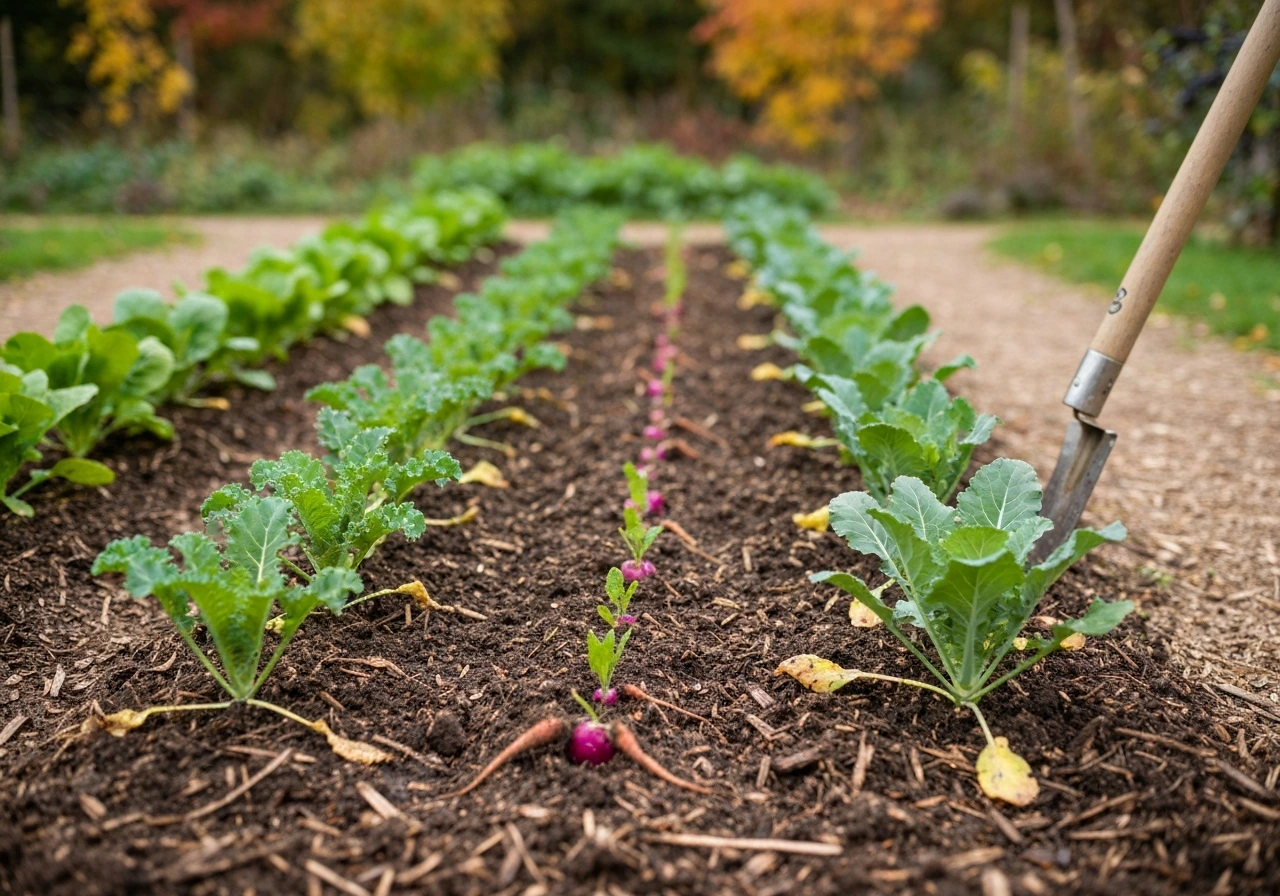
What Crops Grow in the Fall: Best Options by Climate
Best fall crops by climate, frost timing, and planting windows, with a practical list for cool to mild regions.
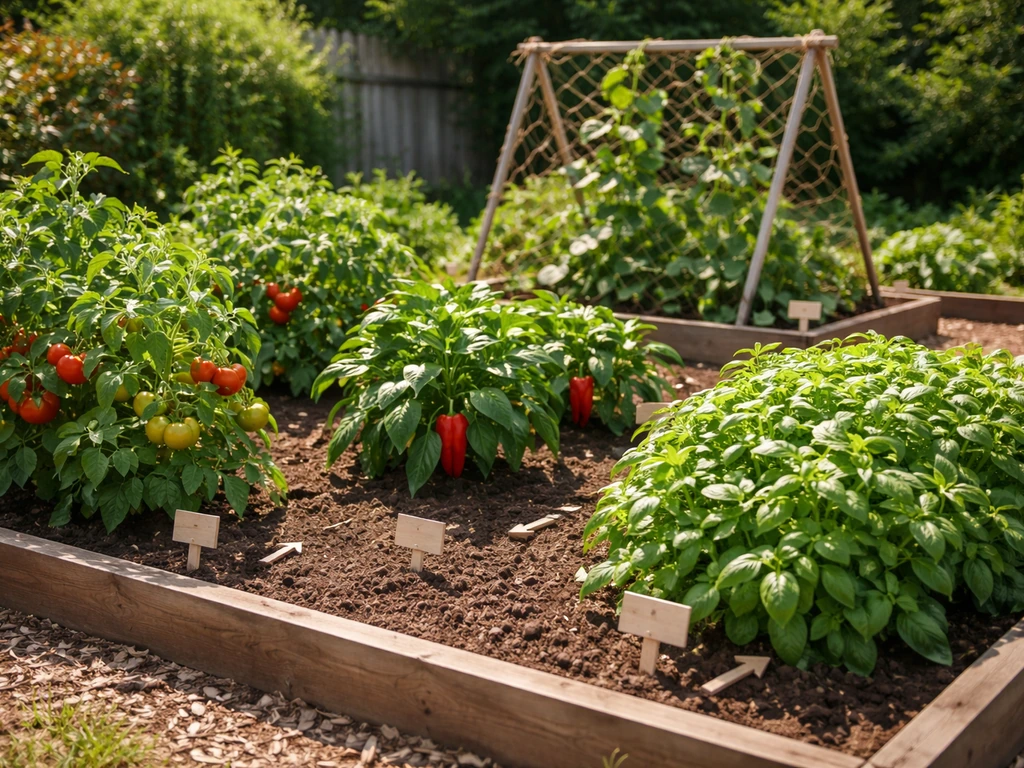
Best Crop to Grow in Summer: Pick 3–5 Winners by Region
Choose 3 to 5 best summer crops by region with planting dates, succession tips, and hot-weather care.