blank" rel="noopener noreferrer">Mission San Diego de Alcalá grew wheat, corn, barley, beans, chickpeas, wine grapes, and olives as its core crops. By 1834, the mission's roughly 50,000 acres were producing those field grains and legumes at scale, while its orchards and vineyards supplied wine grapes and olive oil. Gardens on the grounds added vegetables and other rotation crops that fed the resident community year-round.
What Crops Did San Diego de Alcalá Grow? Mission Lists

Samuel Rourke
22 Jun 2026
Which San Diego de Alcalá are we talking about?
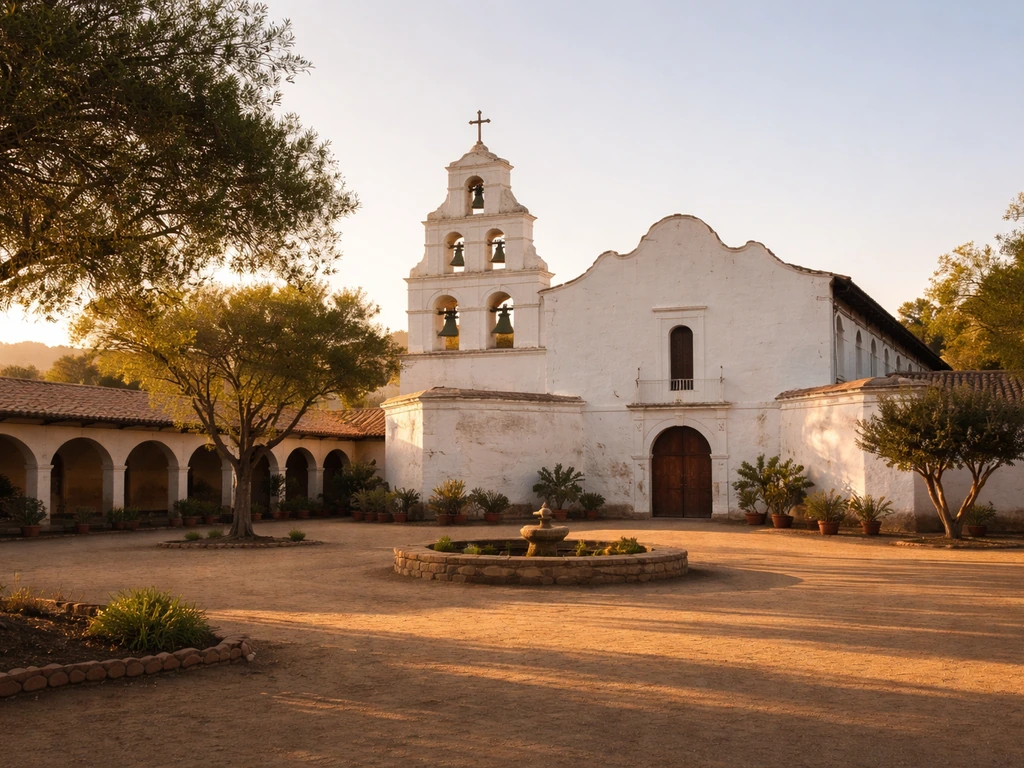
The name "San Diego de Alcalá" shows up in a few different contexts, so it's worth being specific. The name itself comes from a saint-day naming tradition: when Capitán Sebastián Vizcaíno arrived in the region in 1602, he named it after the feast day of San Diego de Alcalá, a 15th-century Spanish Franciscan friar. The mission that eventually bore that name was the first Spanish mission established in Alta California, founded in 1769. Britannica identifies Mission San Diego de Alcalá as the earliest Spanish mission in the San Diego area and says it was confined within the presidio walls until the 1820s, after which residents began building what became Old Town. It started on Presidio Hill, then relocated in August 1774 to its current site in Mission Valley, about six miles inland from San Diego Bay, specifically to access better farmland and freshwater from the San Diego River. That relocation is the agricultural turning point: the Presidio Hill site had almost no room to farm. Everything discussed in this article refers to the post-1774 agricultural operations at Mission San Diego de Alcalá in what is now Mission Valley, San Diego, California, active through the Spanish colonial period and into the Mexican period until secularization in the 1830s.
The short crop list
If you just need the answer for a class assignment, a research paper, or a quick reference, here it is: Mission San Diego de Alcalá grew staples like wheat, corn, barley, beans, chickpeas, along with wine grapes and olives what crops did mission santa ines grow.
- Wheat
- Corn (maize)
- Barley
- Kidney beans
- Chickpeas (garbanzos)
- Wine grapes
- Olives (for oil)
- Garden vegetables (squash, peppers, onions, and similar kitchen crops)
That list is drawn from the mission's own 1834 inventory records and from the Biannual Report of 1803, which is the earliest written reference to olive production in California. Everything else in this article unpacks those crops in more detail and explains the agricultural logic behind them.
Staple field crops: grains and legumes at scale
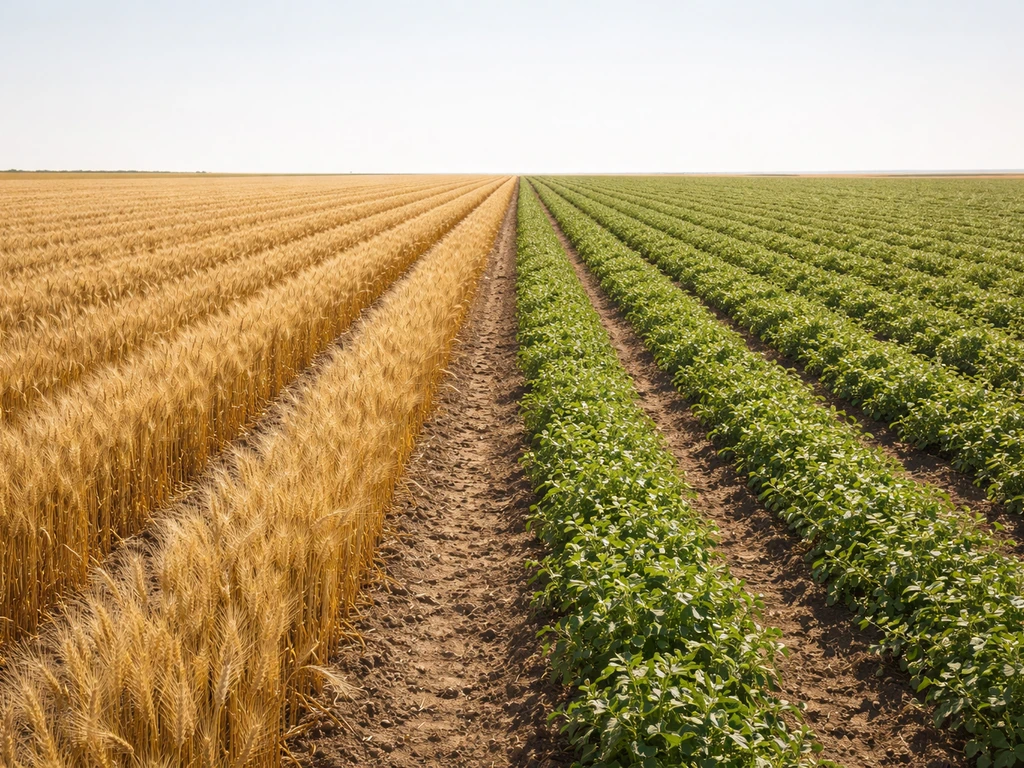
The backbone of Mission San Diego de Alcalá's agriculture was grain. Wheat was the most important crop, used to make flour for bread and for trade with the presidio and other missions. Corn was grown alongside it as a calorie staple. Barley rounded out the grain rotation, and it also served as animal fodder for the mission's livestock herds, which were themselves a major part of the mission economy.
Legumes were grown both as food and as a way to rest the soil between grain cycles. Kidney beans and chickpeas are specifically named in the 1834 mission inventory. Chickpeas in particular were a Spanish colonial staple that traveled well across the mission chain and thrive in dry-summer Mediterranean climates, which made them a natural fit here. The legume crops also supplemented the protein in the diet of the neophyte community living at the mission, where meat from cattle and sheep was not always the daily protein source.
By 1834, all of these crops were being produced across an operation that spanned approximately 50,000 acres, though not all of that land was under active cultivation at any one time. Mission agriculture typically worked a rotation system, leaving some fields fallow or in livestock pasture while actively working others.
Mission gardens: vegetables, legumes, and rotation crops
Beyond the large field crops, missions maintained enclosed kitchen gardens close to the mission buildings. At San Diego de Alcalá, the garden would have supplied daily cooking needs for the priests, soldiers, and neophyte population. Typical mission garden crops across Alta California included squash, onions, peppers, tomatoes (after they were introduced), and various leafy greens. The specific garden inventories for San Diego de Alcalá are not always itemized in surviving records the same way grain harvests were, because kitchen garden output was consumed immediately rather than counted as trade goods.
Legumes like beans appeared in both the large field context and in smaller garden plots near the mission buildings. Rotation within the garden helped maintain soil fertility without chemical fertilizers, a technique the Franciscan padres understood from European agricultural tradition and adapted to the California growing season. If you're researching this for a deeper agricultural history project, the provincial state papers held by California archives (often catalogued as the Archivo de California series) occasionally include garden inventories alongside the larger agricultural reports.
Orchards and vineyards: grapes, olives, and fruit
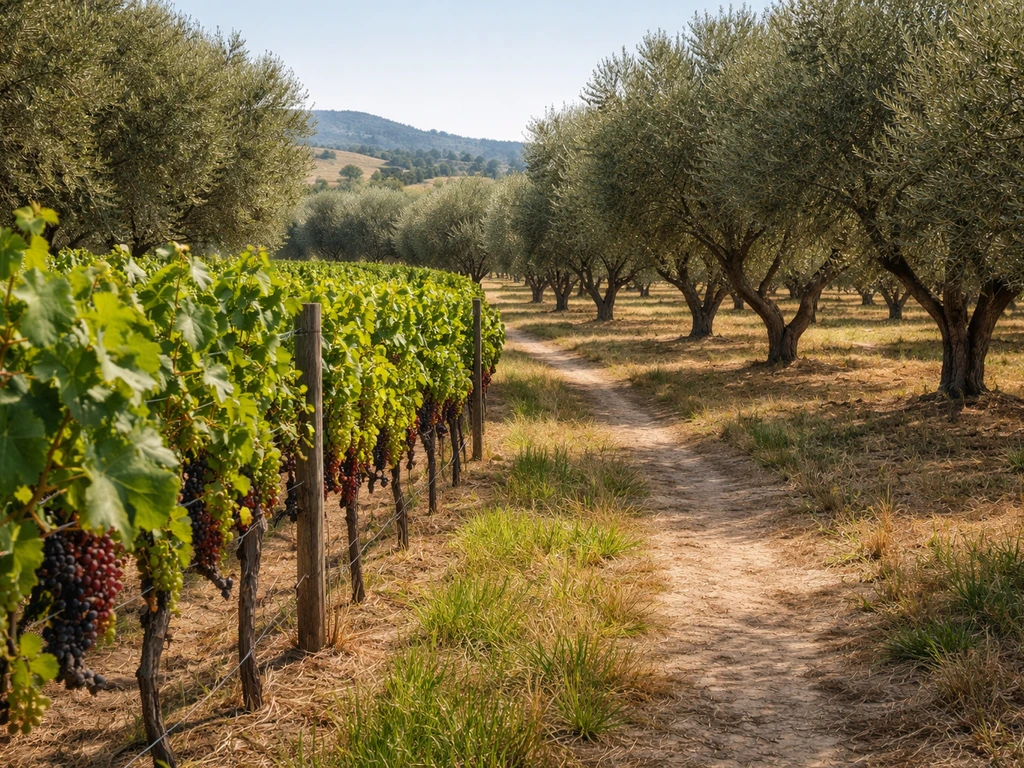
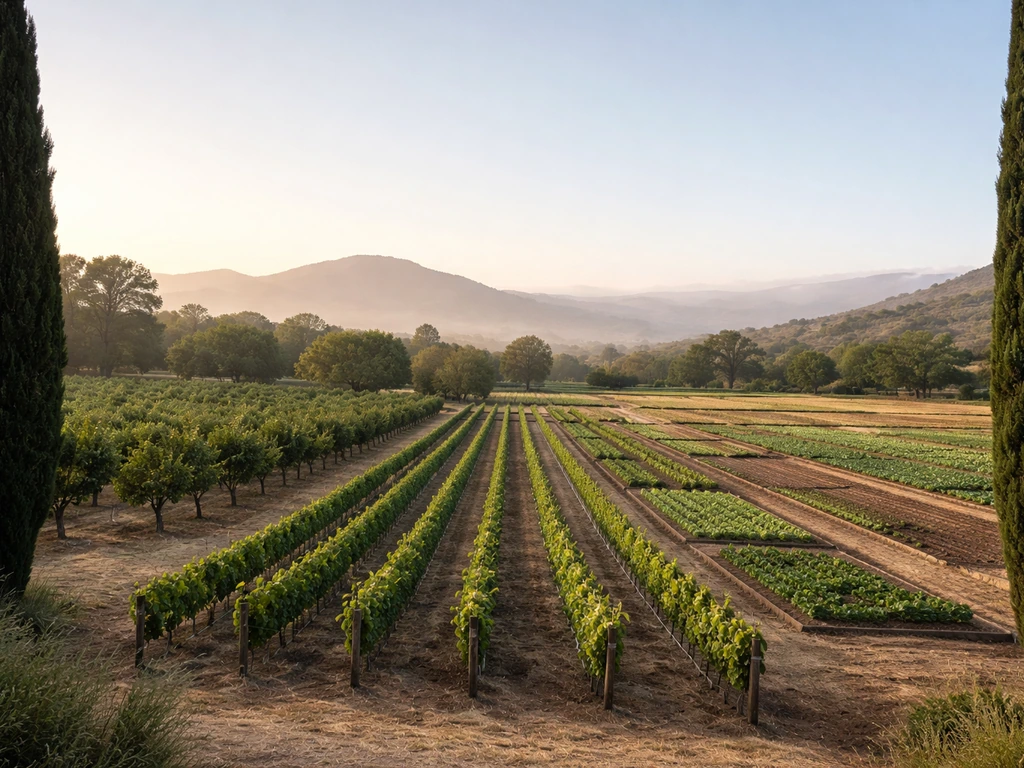
Wine grapes were a mission priority everywhere in Alta California, and San Diego de Alcalá was no exception. The mission's vineyards were producing enough grapes for wine by the late Spanish colonial period, and the 1834 records confirm functioning vineyards. The "Mission" grape variety, a Spanish cultivar brought north from Baja California missions, was almost certainly what they were growing. It's a hearty, drought-tolerant variety that handled Southern California summers without irrigation nearly as well as any available option at the time.
Olives are where Mission San Diego de Alcalá made a specific mark on California agricultural history. Fray Fermín Francisco de Lasuén's Biannual Report of 1803 noted that the mission was already producing good olive oil, and this report is recognized as the first written account of olive cultivation in California. That's a meaningful distinction. The olive trees planted at San Diego de Alcalá were among the earliest established in what would become the state, and some descendants of those original mission olives have survived to modern times.
Fruit orchards at California missions typically included figs, pomegranates, and pears, though the specific inventory at San Diego de Alcalá for fruit trees beyond olives is less thoroughly documented in the sources that survive. Three Spanish tree crops at the mission were olive trees, which were producing oil by the early 1800s, plus fruit trees like figs and pomegranates fruit orchards at California missions typically included figs and pomegranates and pears. Figs and pomegranates are well-attested at neighboring missions and in the broader mission agricultural literature, and San Diego's climate would have supported them easily.
Why these crops made sense for the San Diego climate and irrigation setup
Mission Valley has a classic Mediterranean coastal climate: mild winters with reliable (if modest) rainfall, long dry summers, and very little frost. That pattern is almost exactly what the Mediterranean basin's traditional crops evolved for. Wheat, barley, olives, and wine grapes all originated in climates nearly identical to Southern California's, which is a big reason Spanish missionaries defaulted to those crops immediately. They weren't experimenting. They were planting what they knew would work.
The challenge was water. The San Diego River is seasonal, meaning it runs low or dries up in summer, exactly when crops need irrigation most. This is what drove the construction of the Old Mission Dam in 1803, an earthen and masonry structure built to impound the San Diego River and hold water through the dry season. By 1810, tile-lined aqueduct conduits were carrying water from the upper end of Mission Gorge about six miles down to the mission's agricultural fields in the valley below. That water delivery system is what made large-scale grain farming and olive orchards viable at this site. Without it, the sandy, well-drained valley soils would have been too dry to support wheat and corn through the summer growing season.
The move from Presidio Hill to Mission Valley in 1774 was specifically motivated by this agricultural logic. Presidio Hill had no room to farm and no reliable water access. Mission Valley offered flat, fertile alluvial soils deposited by the San Diego River over centuries, plus proximity to a surface water source that could be managed. The entire infrastructure investment in the dam and aqueduct system reflects how seriously the mission took its agricultural mission: feed the community, supply the presidio, and generate trade goods.
For comparison, other California missions faced similar water management challenges and made similar crop choices. Mission San Luis Obispo and Mission Santa Inés, both further north along the coast, grew comparable grain and legume crops but in wetter microclimates that required less engineered irrigation. Mission San Luis Obispo also grew major grain and legume crops to match the needs of its mission community. San Diego's drier, more arid setting made the dam project at this mission uniquely ambitious for its time.
How to verify this and navigate the historical records
If you need primary sources rather than secondary summaries, here's where to look and what to expect:
- Biannual Reports (Informes Bianuales): Franciscan padres submitted agricultural reports to mission superiors every two years. The 1803 report is specifically cited for olive oil production at San Diego de Alcalá. These are held in the Santa Barbara Mission Archive-Library and partially available through the Bancroft Library at UC Berkeley.
- Archivo de California (Provincial State Papers): These colonial-era administrative documents cover events, economics, and occasionally agriculture at California missions. The San Diego History Center's journal literature points to this series as a starting point for researchers.
- Mission San Diego de Alcalá church registers: FamilySearch holds microfilmed mission registers covering baptisms, burials, and marriages from roughly 1776 to 1880. While these are ecclesiastical records rather than agricultural ones, the surrounding annotations sometimes reference community food production and mission resources.
- Old Mission Dam / National Historic Landmark documentation: The National Register of Historic Places nomination form for Old Mission Dam (also called Padre Dam) includes agricultural context for why the dam was built and what crops it supported. This is a practical, well-cited secondary source for understanding the irrigation system.
- California Missions Foundation and missionsandiego.org: Both publish institutional histories of the mission with timeline references that help you pin down which period's records you're looking at, since agricultural output varied significantly between the early Spanish period (1774-1810), the mature colonial period (1810-1821), and the Mexican period (1821-1834).
One practical note on naming: older records and some English-language transcriptions sometimes drop the accent mark and write "Alcala" instead of "Alcalá," or abbreviate the mission name differently across Spanish and English documents. If a search isn't returning results, try both spellings. Also be aware that "San Diego" alone in early mission records often refers specifically to this mission, since the broader city of San Diego grew out of the presidio community that the mission supplied.
If you're using this research for a school project or a broader study of California colonial agriculture, cross-referencing what San Diego de Alcalá grew with the crop lists from other Alta California missions gives you useful context for what was regionally typical versus what was specific to this site. If you are comparing mission-era agriculture to the broader question of what crops grow in California today, crop lists by region can help you see what changed and what persisted cross-referencing what San Diego de Alcalá grew. The olive-oil production at San Diego is the clearest example of something distinctive. Most of the grain and legume crops were common across the entire mission chain from San Diego north to Sonoma.
FAQ
Were any of San Diego de Alcalá’s crops grown mainly for trade, or was it all for feeding the mission community?
Most grain and legumes primarily supported food needs, but wheat and barley also produced surplus that could be exchanged with the nearby presidio and other missions. In contrast, wine grapes and olive oil were especially important for producing durable goods that were easier to store and distribute than fresh produce.
Did the mission grow rice or other non-Mediterranean crops?
No rice is listed among the mission’s core 1834 inventory crops. The crop set was strongly Mediterranean, with wheat, barley, grapes, and olives, because the climate and water system favored those plants over water-heavy or frost-sensitive crops.
How much of the 50,000-acre area was actually planted at a given time?
The 50,000 acres were the overall agricultural footprint, not all continuously in cultivation. Mission field systems typically used rotation, so some parcels could be fallow, in pasture, or left idle while other fields were planted and harvested.
Were beans and chickpeas the same in practice, or were they handled differently?
They were both legumes, but they served parallel roles rather than replacing each other. The records specifically name kidney beans and chickpeas, and using multiple legume types improved protein variety and helped stabilize soil fertility across different field cycles.
Did olive trees require constant irrigation like wheat did?
Olives are drought-tolerant compared with many field crops, which helped them fit into a seasonal-river environment. However, reliable water infrastructure still mattered, because establishing orchards and sustaining oil production through dry months depended on the mission’s water delivery system.
What grape variety did the mission likely plant, and did that affect wine output?
The article notes the “Mission” grape was almost certainly used, and that matters because variety influences drought tolerance and consistent ripening in Southern California summers. Even with the right variety, wine production depended on vineyard management and the mission’s ability to press, ferment, and store wine year after year.
If I am searching old records, how should I handle the mission name and spelling?
Try both “Alcala” and “Alcalá,” and also test abbreviations used in English transcriptions. Some early documents may refer to “San Diego” as a shorthand for the mission context, not just the broader settlement area.
Where would a researcher look for garden crops if the garden inventory is not as detailed as the field crops?
Focus on provincial or archival reporting that sometimes includes smaller garden tallies alongside larger agricultural statements. Kitchen garden output was often consumed quickly and not recorded with the same precision as harvested trade or staple crops, so you may need to look for mentions rather than a full item list.
Next Articles
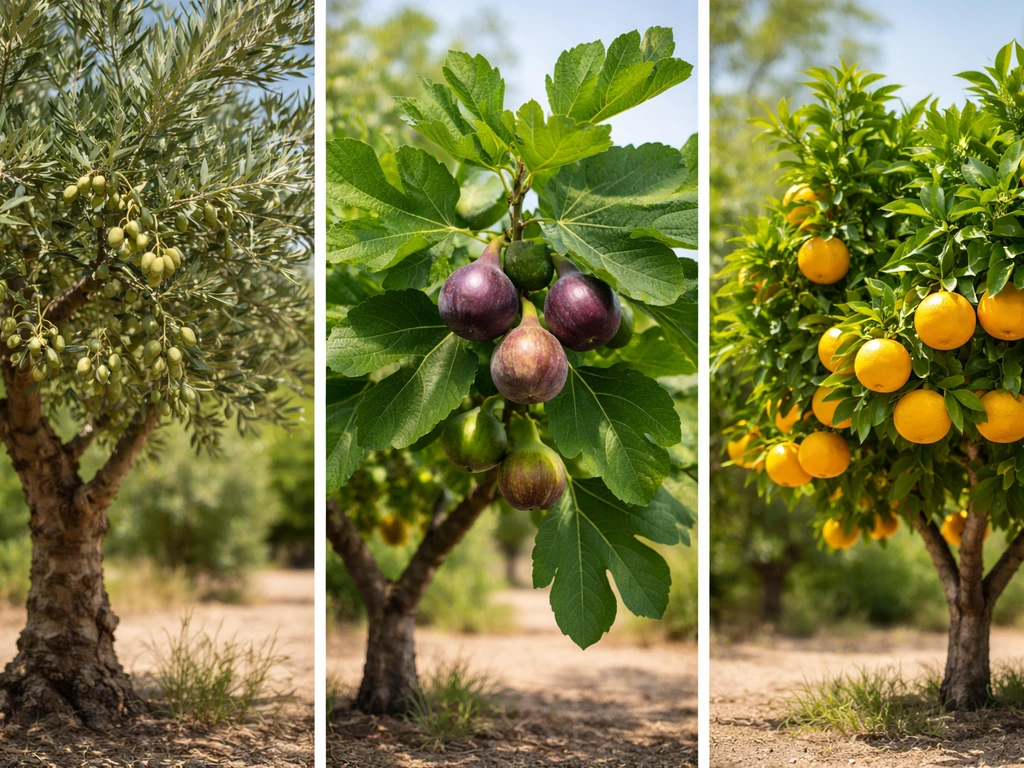
Which 3 Spanish Crops Grow on Trees: Olive, Fig, Citrus
Olive, fig, and citrus tree crops in Spain: where they grow, how to spot them, and key planting and harvest tips.
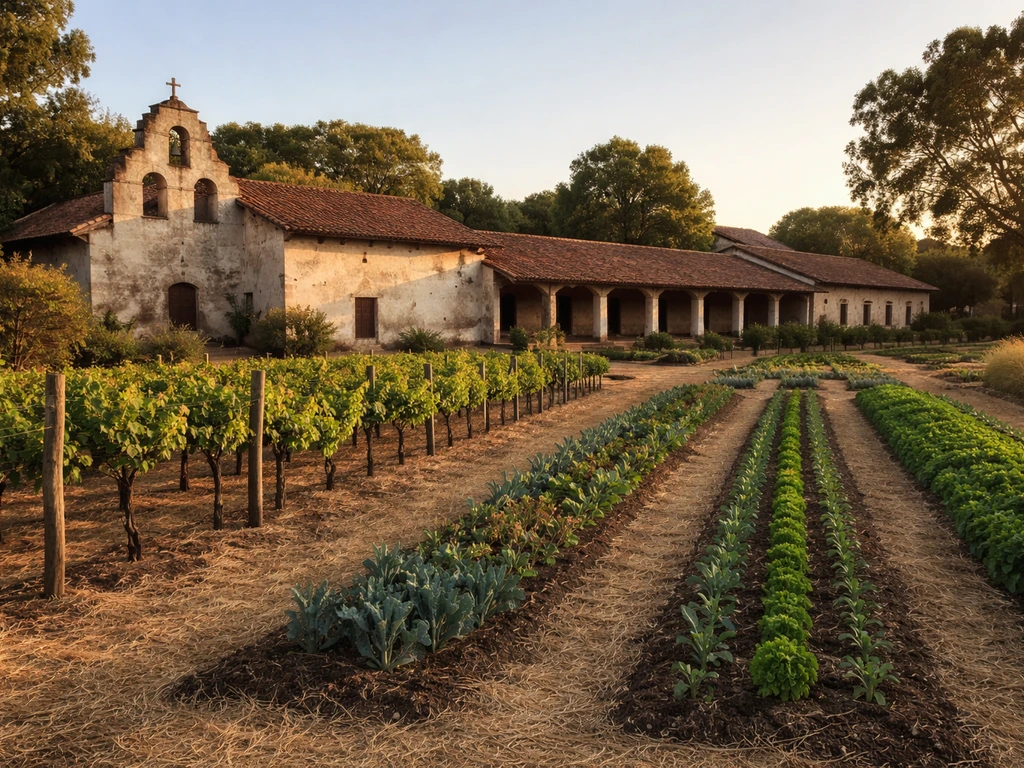
What Did Mission San Luis Obispo Grow Crops and Plants
Direct list of crops and plants grown at Mission San Luis Obispo, with climate reasons and research tips.
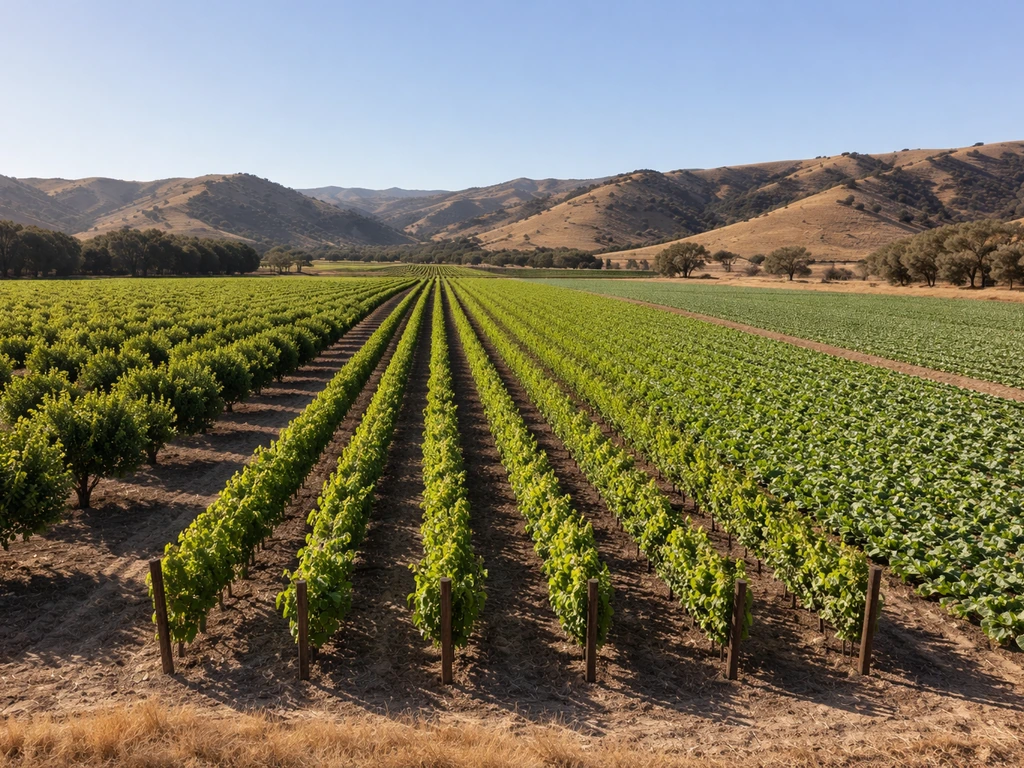
What Crops Grow in California Best Picks by Region
Learn which crops grow best in California by region, climate, and water so you can choose and plant wisely.