Mission San Luis Obispo de Tolosa grew wheat, barley, corn, beans, peas, and lentils as its main field and grain crops, and also planted Mission grapes for wine production. Records from the mission and its support station at Asistencia Santa Margarita confirm that wheat and grapes were the two most economically significant crops, with the mission reportedly producing over one hundred barrels of wine per year by the 1820s. Vegetable crops rounded out the picture, feeding the mission community through the growing season.
What Did Mission San Luis Obispo Grow Crops and Plants

Samuel Rourke
4 Jun 2026
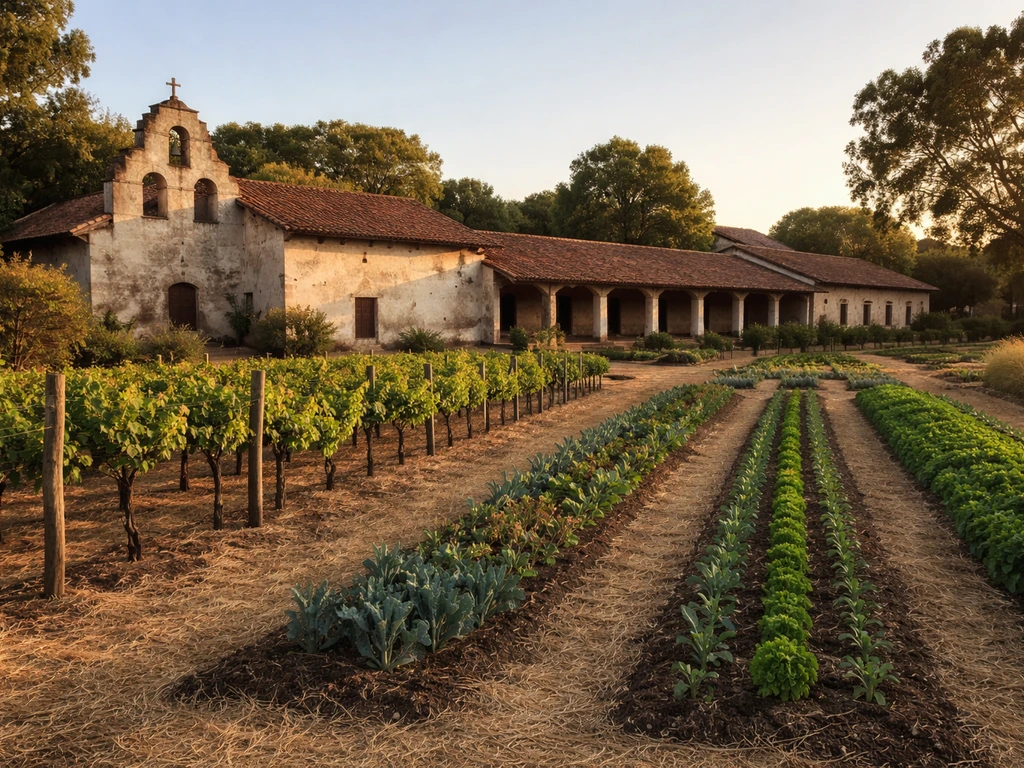
The full crop list at a glance
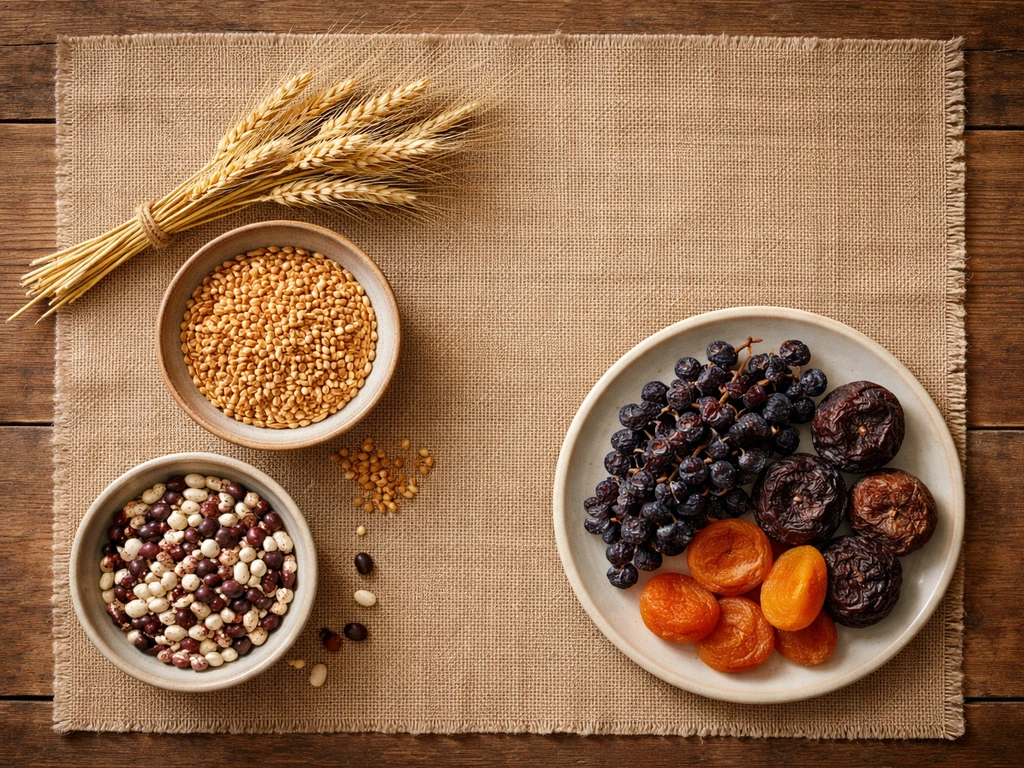
Here is the documented crop roster for Mission San Luis Obispo de Tolosa during the Spanish mission era. Some of these come from the California Frontier Project's mission fact sheet, others from George Wharton James's historical account of the mission, and others from vineyard and asistencia records tied to the mission's agricultural operations.
- Wheat (a primary staple and trade good; early provisions at the mission included 'a few hundred pounds of flour and wheat')
- Barley (documented grain crop alongside wheat)
- Corn (maize; early Indigenous interest in corn sown by the padres is noted in period accounts)
- Beans (legume crop grown alongside corn in mission-era fields)
- Peas (legume documented in the mission's field crop output)
- Lentils (documented legume crop in mission records)
- Mission grapes (vineyards planted at the mission; wine production is well-documented for the 1820s)
- Vegetable crops (general vegetable growing is confirmed by records from Asistencia Santa Margarita, which supplied the parent mission)
Asistencia Santa Margarita de Cortona, which functioned as a satellite ranching and farming station for Mission San Luis Obispo, explicitly contributed wheat, grapes, and vegetable crops alongside livestock. Think of it as the mission's farm annex, expanding the agricultural footprint beyond what the mission compound itself could manage.
Field crops vs. orchard and fruit crops: what went where
The mission's agriculture split fairly clearly into two categories: annual field crops grown in flat, irrigated ground near water sources, and perennial plantings like vineyards that required well-drained slopes or terraced land.
The field crops: grains and legumes
Wheat, barley, corn, beans, peas, and lentils all fall into the annual field crop category. These were grown in broad plots that depended on seasonal rainfall supplemented by irrigation from the mission's zanja (irrigation ditch) system. Wheat was the dominant grain and the crop most tied to the mission's subsistence and trade economy. Corn was culturally significant, particularly to the Indigenous Chumash people at the mission, and early accounts specifically note their interest in the corn sown by the padres. Legumes like beans, peas, and lentils were practical companion crops: they fix nitrogen in the soil, they store well, and they provided essential protein in the mission diet.
The fruit and vine crops: grapes
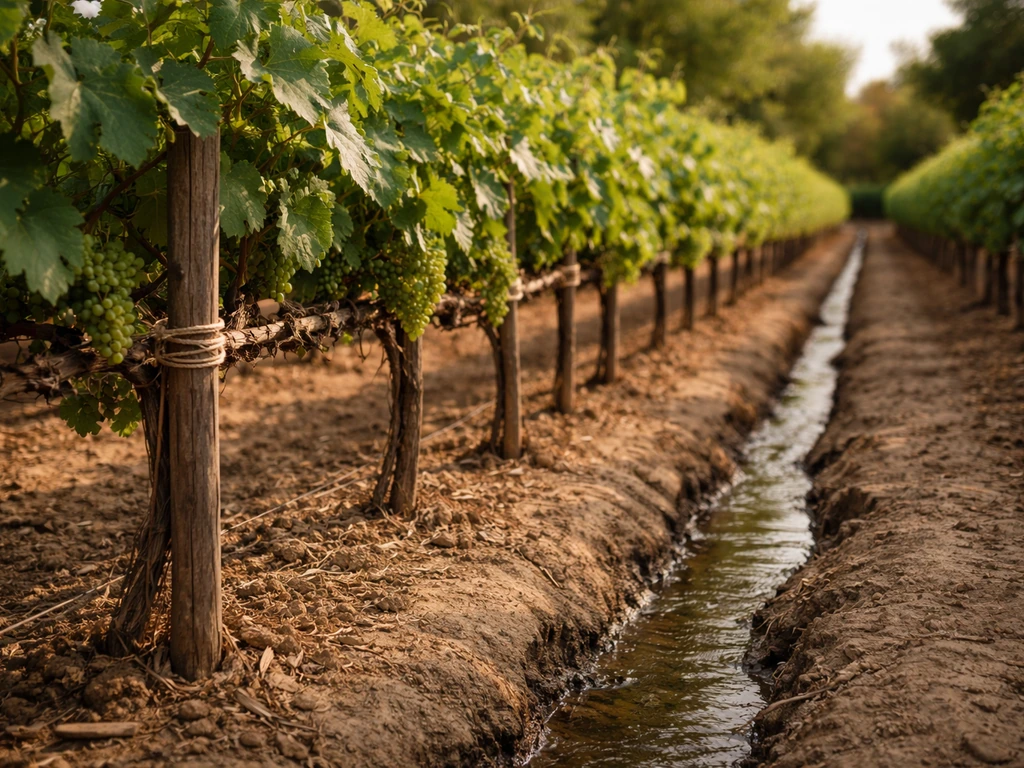
Grapes are the standout perennial crop on record. In the Spanish mission context here, the three tree-grown Spanish crops most emphasized are figs, olives, and citrus. blank" rel="noopener noreferrer">The Franciscan friars at Mission San Luis Obispo planted the first vineyards in the region, using the Mission grape variety common to all California mission viticulture. By the 1820s, wine output had climbed to over one hundred barrels per year, which is a serious production level for a frontier agricultural operation. These vineyards likely occupied hillside or terraced ground with good drainage, consistent with the practices used at other California missions. The San Luis Obispo Coast AVA region's modern wine industry traces its heritage directly back to these mission-era plantings.
| Crop type | Specific crops | Primary use | Location on land |
|---|---|---|---|
| Grains | Wheat, barley | Flour, trade, subsistence | Flat irrigated fields |
| Row crops | Corn | Food, cultural staple | Flat irrigated fields |
| Legumes | Beans, peas, lentils | Food, soil nutrition | Flat irrigated fields |
| Fruit/vine | Mission grapes | Wine production | Terraced or hillside plots |
| Vegetables | Various (unspecified) | Mission community food supply | Garden plots near water |
How the mission actually farmed: irrigation, land use, and water
Mission agriculture in California was not dry farming. It relied on engineered water systems, and Mission San Luis Obispo is a documented example of this. Archaeological investigations near the mission have uncovered a zanja (irrigation ditch) and associated terracing as part of the broader mission landscape. The zanja diverted water from nearby creeks or springs and channeled it to fields and gardens, making year-round or extended-season growing possible in a climate that otherwise delivers almost no rain during the summer months.
Terracing is the other piece of the puzzle. Sloped land around the mission was shaped into level terraces to hold water, reduce erosion, and create workable planting surfaces. This kind of infrastructure required significant organized labor, and it was largely built and maintained by the Chumash people living at the mission under the mission system. The combination of zanja irrigation and terraced fields meant the mission could grow a much wider range of crops than the dry summer climate would otherwise support.
Land use at Mission San Luis Obispo also extended outward through the asistencia system. Asistencia Santa Margarita functioned as a satellite agricultural station, producing large stores of wheat and grapes that were sent back to the parent mission. This effectively multiplied the mission's agricultural capacity across a larger geographic footprint.
Why the Central Coast climate made these crops work
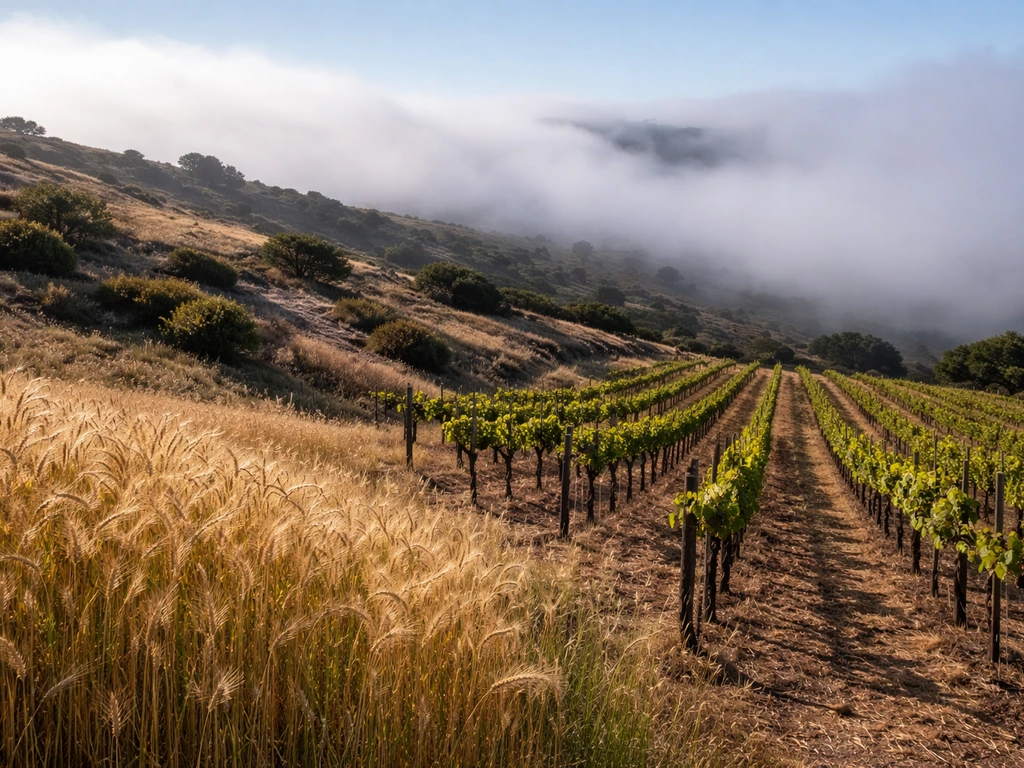
San Luis Obispo County has a Mediterranean climate: warm, dry summers and cool, moist winters. That pattern is exactly what wheat, barley, legumes, and wine grapes evolved to thrive in. Cool, wet winters promote germination and early growth for grain crops. Warm, dry summers let grains ripen and dry in the field without rotting, and they concentrate sugars in wine grapes during the ripening window.
The coast adds another layer. Marine fog rolls in from the Pacific and covers the region on over 55 percent of all nights during the growing season. That fog keeps temperatures from spiking, extends the effective growing season for cool-season vegetables and wine grapes, and delivers a small but meaningful moisture input during dry months. The USDA describes the local climate as 'subhumid mesothermal with warm, dry but foggy summers and cool, moist winters,' which is an ideal profile for Mission-era viticulture and grain farming alike.
The region is also nearly frost-free. That matters most for vegetables and grapes: without hard killing frosts, vegetables can be grown across a very long season, and grapevines are not periodically wiped out by cold damage. Where water was available through the zanja system, the mission could take full advantage of this frost-light, long-season climate. The main constraint was always summer water availability, which is exactly why the irrigation infrastructure mattered so much.
Compare this to missions in other climate zones: Mission San Diego de Alcalá operated in a drier, hotter environment with more acute water limitations, while missions in the Santa Barbara and Santa Ynez areas had slightly different moisture patterns. Although this article focuses on Mission San Luis Obispo, you can also look at what Mission San Diego de Alcalá grew, since its hotter, drier conditions shaped a different crop mix. San Luis Obispo's position on the Central Coast gave it a particularly favorable combination of fog moderation, mild temperatures, and winter rainfall for both grain and wine grape production.
How to dig deeper: finding the actual records
The crop list above is well-supported by secondary sources, but if you want to go deeper, there is a dedicated documentary history publication called 'Mission in the Valley of the Bears: A Documentary History of San Luis Obispo de Tolosa,' catalogued by the San Diego History Center. That is your best single starting point for primary-source material on the mission's agricultural output, land use, and production records.
Beyond that publication, here are the most reliable resource types for verifying or expanding the crop list:
- The California Frontier Project's mission fact sheets compile crop-by-crop documentation for individual missions and are a solid secondary reference for the grain and legume list.
- The California Mission Studies Association and the Bancroft Library at UC Berkeley hold unpublished manuscripts, padres' annual reports (informes), and neophyte census data that often include agricultural production figures by crop type.
- The Journal of California and Great Basin Anthropology has published peer-reviewed archaeological work on Mission San Luis Obispo's irrigation infrastructure, which provides context for how and where crops were grown.
- The San Luis Obispo County Agriculture Element (available from the county government) gives modern soil and land capability data that aligns with historical crop suitability in the region.
- George Wharton James's 'The Old Franciscan Missions of California' (available free via Project Gutenberg) provides a readable secondary narrative with specific references to crops and subsistence at Mission San Luis Obispo de Tolosa.
When cross-referencing sources, pay attention to time period. The mission era technically spans 1772 (founding of Mission San Luis Obispo) through 1833 (secularization). Crop mixes shifted over that period as the mission's population, water infrastructure, and trade relationships developed. Early records skew toward grain and basic subsistence crops; later records show more developed viticulture and expanded vegetable production.
What this means for modern gardeners and farmers in the region
The mission-era crop list is not just historical trivia. It is a 250-year-old field trial showing what thrives in the San Luis Obispo climate with managed irrigation. If you are farming or gardening in SLO County or the broader Central Coast, the mission's crop choices are genuinely useful as a baseline. The County’s Agriculture Element documentation is a practical entry point for mapping soil types and land capability in San Luis Obispo County, which helps explain why certain crop types, including irrigated orchard and vineyard production, fit the region.
- Wheat and barley remain viable grain crops in the region and are grown commercially in parts of SLO County today. If you have dry land and are looking for low-input grain options, winter wheat planted after the first fall rains is a historically proven fit.
- Beans, peas, and lentils are excellent cool-season crops for Central Coast home gardens. Plant them in fall or early spring, and they will largely take care of themselves with minimal irrigation during the rainy season.
- Wine grapes are perhaps the most obvious modern continuation of mission agriculture. The Edna Valley and San Luis Obispo Coast AVA now support dozens of commercial wineries, and small-scale vineyard planting in well-drained, fog-moderated sites is well-supported by the regional climate.
- Vegetable growing benefits enormously from the region's near-frost-free climate. Year-round vegetable production is realistic with consistent irrigation, just as it was for the mission garden plots supplied by the zanja.
- Water management is the non-negotiable. The mission built irrigation infrastructure first and farmed second. Modern drip irrigation and water-efficient practices are the contemporary equivalent. Do not plan a productive summer garden in SLO County without a reliable water source and a conservation strategy.
The broader California crop picture also connects here: San Luis Obispo sits within a state that now grows an extraordinary diversity of crops across its climate zones, and the Central Coast is one of its most productive agricultural corridors for exactly the same reasons the missions chose it. The broader California crop picture also connects here: San Luis Obispo sits within a state that now grows an extraordinary diversity of crops across its climate zones, and the Central Coast is one of its most productive agricultural corridors for exactly the same reasons the missions chose it, which is why you may also want to look at what crops grow in california for a wider comparison. The crops that worked for Mission San Luis Obispo's padres and Chumash farmers still work today, whether you are running a commercial vineyard, planting a backyard bean patch, or trying to understand California agricultural history.
FAQ
Was Mission San Luis Obispo’s agriculture mostly grains, or did it grow a lot of fruit too?
The clearest, best-attested mission-era focus was on field and grain staples plus wine grapes. Wheat, barley, corn, beans, peas, and lentils were the main annual crops, and Spanish mission grapes were the key long-term planting tied to wine production.
Besides grapes, what other perennial crops were typically involved at Mission San Luis Obispo?
Yes. Grapes were the standout perennial crop, but the mission context also commonly included other tree crops such as figs, olives, and citrus. The article specifically emphasizes grapes for wine, while noting these other Spanish “tree-grown” crops in the same regional mission framework.
Did what Mission San Luis Obispo grew stay the same from start to secularization?
You should expect changes across the mission timeline. Records skew toward grain and subsistence early on, while later periods tend to show more developed viticulture and more vegetable production as population and infrastructure increased.
Where did the crops get grown beyond the main mission compound?
Look for evidence tied to specific growing sites, not just general mission statements. The article highlights the asistencia system, especially Asistencia Santa Margarita de Cortona, which explicitly contributed wheat, grapes, and vegetables along with livestock.
What climate factor mattered more for getting crops to mature, frost or water?
For vegetables and grapes, the article’s key point is that frost was not a major problem in the area. If you are interpreting crop success historically, that reduces the importance of frost as a limiting factor and increases the importance of summer water availability and irrigation infrastructure.
Could Mission San Luis Obispo grow these crops without irrigation?
The irrigation system was essential because the region has dry summers. The mission used a zanja (irrigation ditch) and terracing to move water from nearby sources to fields and gardens, which made extended growing possible despite limited summer rainfall.
Were wheat, barley, and corn dry-farmed, or did they also need the mission’s irrigation?
Yes, but with an important caveat. Grain crops depended on seasonal rainfall supplemented by irrigation, so irrigation mattered even for grains. The difference is that many annual crops were still designed around winter moisture patterns, while vegetables and vineyards relied more heavily on dependable irrigation for consistent performance.
How should I translate the mission crop list into a modern gardening or farming plan?
If you are trying to match modern plantings to mission-era crops, start with the crops explicitly listed (the grains and legumes plus grapes). Then treat “tree-grown Spanish crops” like figs, olives, and citrus as probable regional companions in mission-style agriculture rather than assuming every one was extensive at San Luis Obispo.
What’s the best way to verify a specific crop claim like “the mission grew a lot of grapes”?
The best practical approach is to compare documents by category and location. Use farm or vineyard records for crops like grapes, look for field and grain records for wheat and barley, and use asistencia references to explain why the output could exceed what the main compound alone could manage.
Next Articles
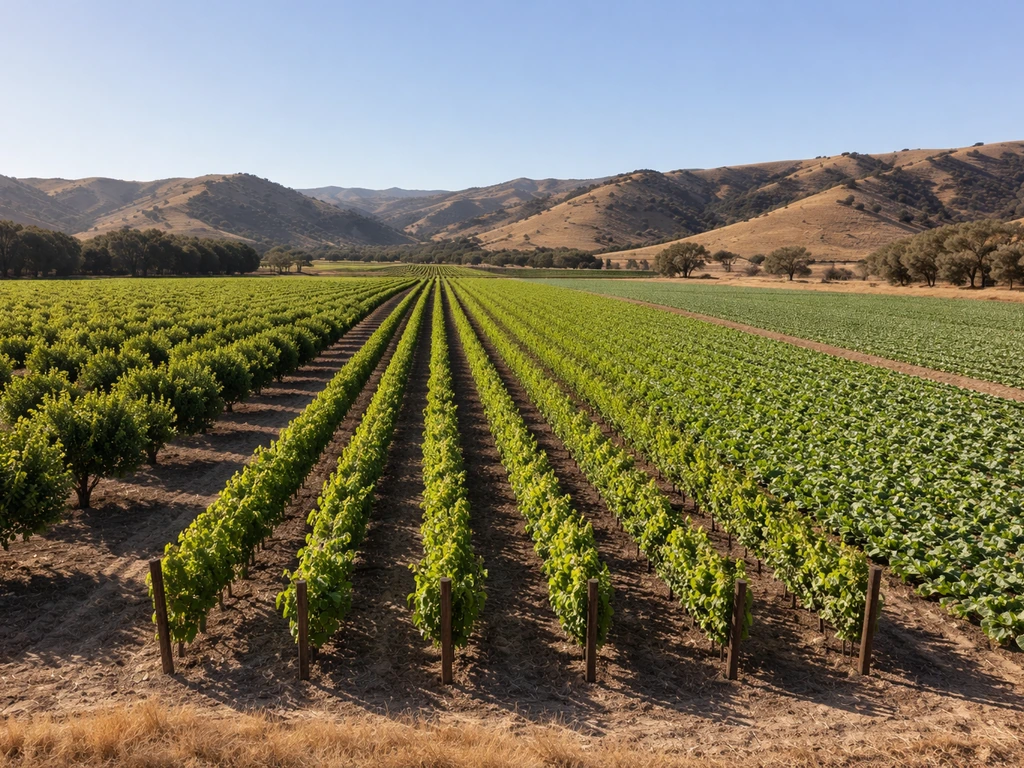
What Crops Grow in California Best Picks by Region
Learn which crops grow best in California by region, climate, and water so you can choose and plant wisely.
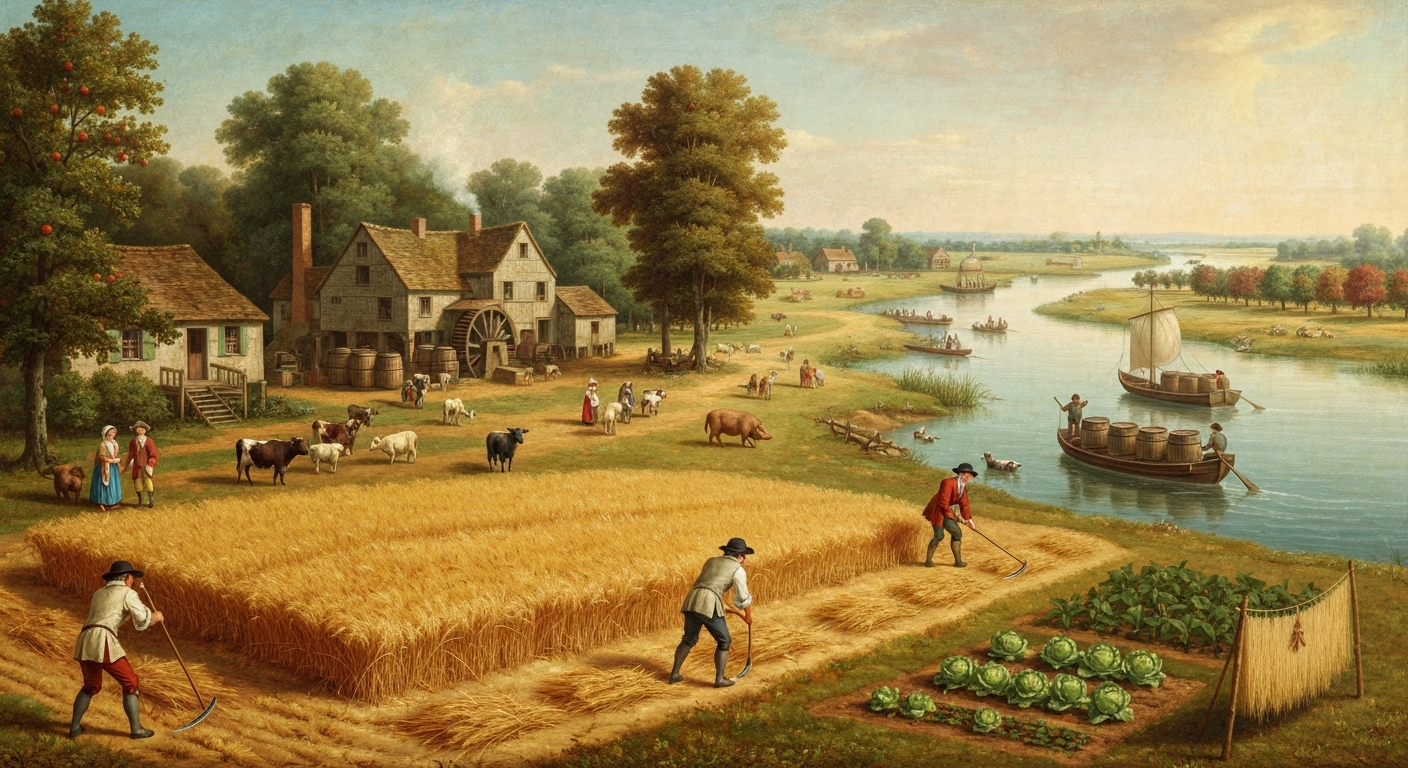
What Did the Delaware Colony Grow: Crops, Uses & Legacy
Colonial Delaware’s main crops, grains, hay, flax, fruits, vegetables, livestock, why they thrived and how they were sold.
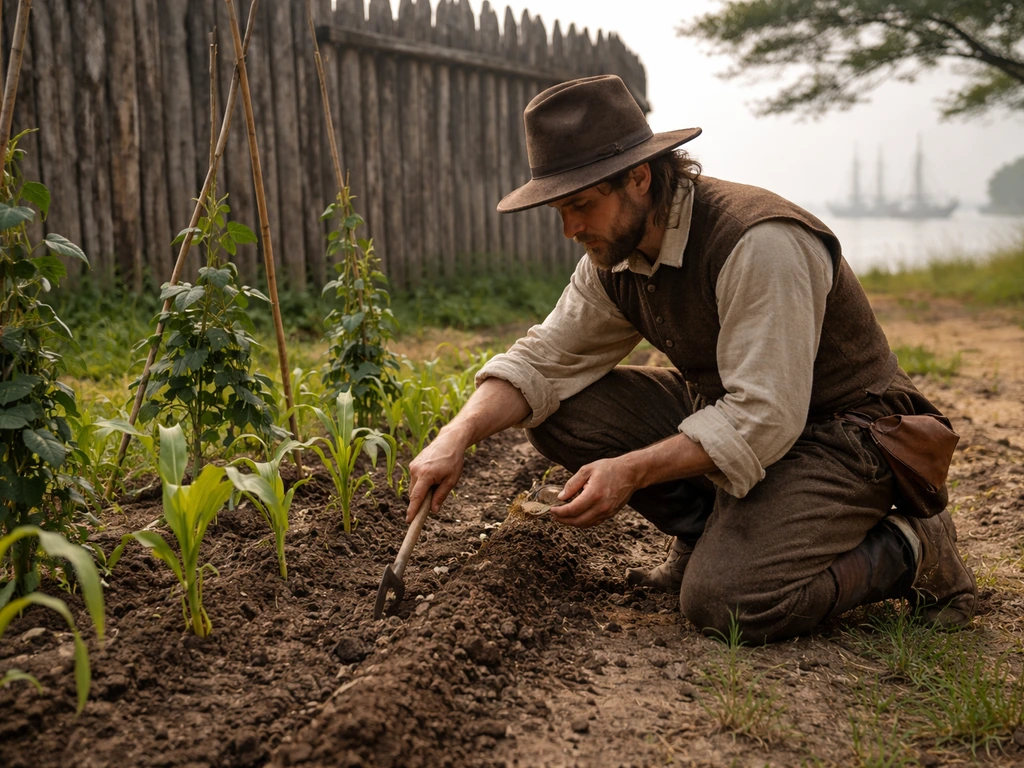
What Did Jamestown Grow and How They Farmed It
Learn what Jamestown colonists grew and the methods they used to plant, harvest, and adapt crops to Virginia conditions.