
The Nile floods helped farmers grow crops by doing two things at once: dumping rich, nutrient-packed silt across the fields every year and delivering the water farmers needed to irrigate their crops through the dry growing season. It was essentially a free annual soil-renewal and irrigation system, and it made the Nile valley one of the most productive agricultural regions in the ancient world despite being surrounded by desert.
How Did the Nile Floods Help Farmers Grow Crops?

Samuel Rourke
7 Jun 2026
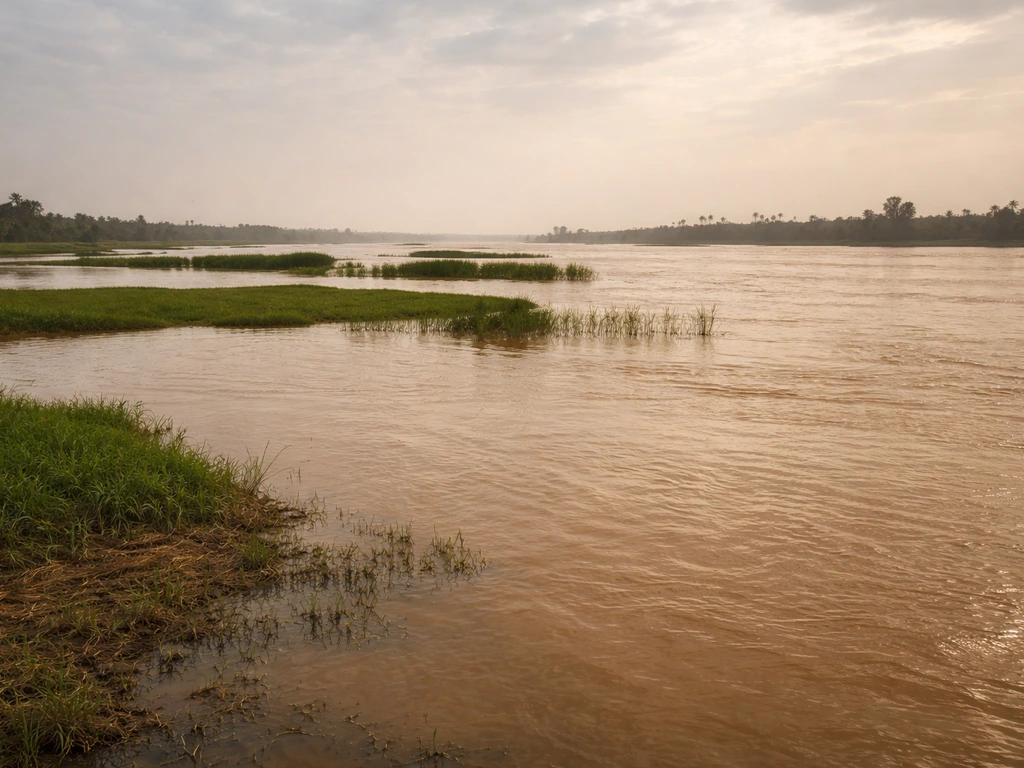
How the Nile's Flooding Season Actually Worked
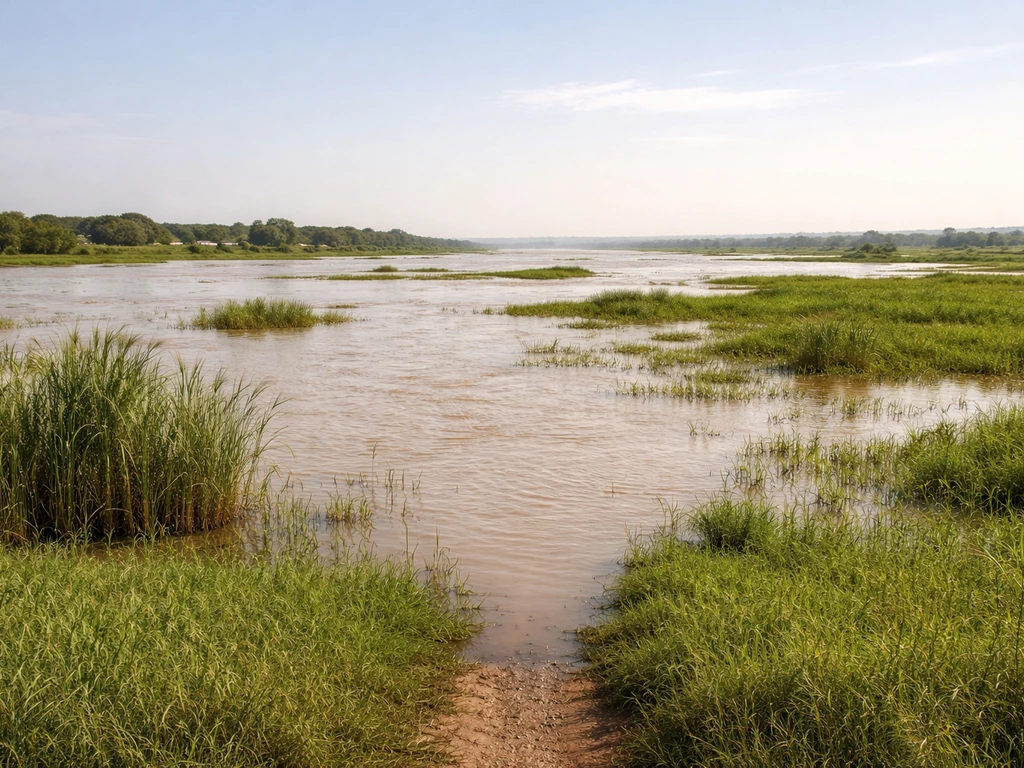
Ancient Egyptians called the flood season 'Akhet,' which translates roughly as the Inundation. It was the first season in their calendar and the one that made everything else possible. The flooding typically began in June or July, peaked in August and September, and then subsided by October. What drove it wasn't rain in Egypt at all, it was monsoon rainfall far to the south in the Ethiopian highlands, which sent a massive surge of water north down the Blue Nile and into the main Nile channel.
The timing was predictable enough to build a civilization around, but not so precise that farmers could relax. In the 30 years before the Aswan Low Dam was completed in 1902, the gap between Egypt's annual floods ranged from 335 to 415 days, and the first rise of the river arrived anywhere from April 15 to June 23 depending on the year.
That's nearly a two-month window of uncertainty. Too little flood water meant crops failed. Too much and it destroyed infrastructure and washed out fields. Britannica notes that sequences of unusually high or low floods before river regulation routinely caused crop failure, famine, and disease.
Flood management wasn't a bonus feature of ancient Egyptian society, it was the foundation of it.
Scholars sometimes call Egypt a 'blank" rel="noopener noreferrer">hydraulic civilization,' meaning that large-scale, government-managed waterworks were essential to both agricultural productivity and protection from flooding. That same broad idea of “hydraulic” water management is also what explains how Egypt’s kingdoms could grow and stay stable hydraulic water management. The pharaoh's government tracked flood levels using structures called Nilometers, essentially calibrated measuring wells, and used that data to predict harvests and set tax rates. Understanding and managing the flood cycle was inseparable from political power.
Silt: The Secret Ingredient in Nile Soil Fertility
Every time the Nile flooded and receded, it left behind a dark, fine-grained sediment called silt. This wasn't just mud, it was mineral-rich material scraped from the volcanic highlands of Ethiopia and carried thousands of miles downstream. Year after year, that silt settled across the floodplain and rebuilt the soil's fertility without farmers having to do anything extra. Ancient Egyptians called this dark, fertile soil 'Kemet,' meaning 'the Black Land,' and it contrasted sharply with the pale, infertile desert sand beyond the flood zone.
From a soil science perspective, what the Nile was doing is something modern farmers pay a lot of money to replicate artificially: replenishing nitrogen, phosphorus, potassium, and organic matter that crops strip out of the soil year after year. Nile silt did this automatically. Farmers didn't need to rotate crops heavily to rest the soil or import manure from elsewhere. The flood reset fertility each season, which is a big part of why Egyptian agriculture was so stable and productive for thousands of years in a row.
The silt also improved the soil's texture. It created a loamy, workable growing medium that held moisture well without becoming waterlogged for too long. Once the floodwaters receded, the fields were soft enough to work quickly without heavy plowing equipment, which mattered a lot in an era of wooden hand tools and oxen.
Water Supply and How Farmers Managed It
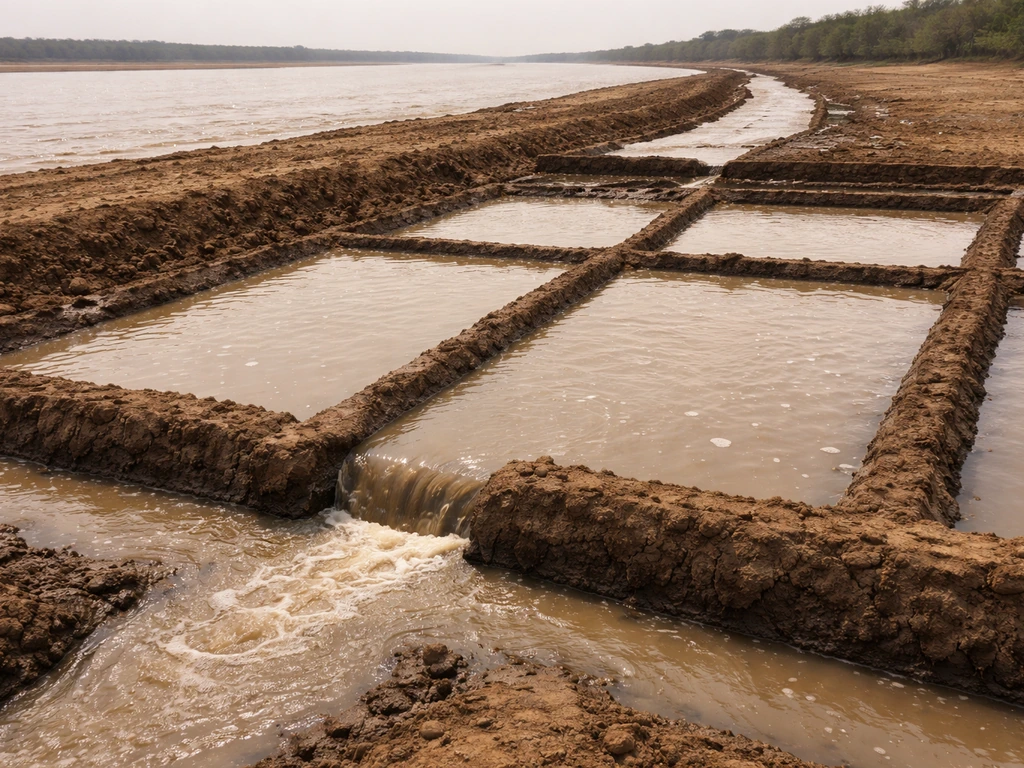
The Nile didn't just deliver water once a year and then leave farmers to hope for rain. Ancient Egyptian farmers built and maintained basin irrigation systems that let them capture and control the flood. The basic design was simple: earthen banks divided the floodplain into large basins. When the Nile rose, gates or breaks in the embankments let water in to fill the basins. The water sat for four to six weeks, soaking the soil and depositing silt. Then the water was drained back into the river or into the next basin downstream, and planting began in the newly saturated, silt-covered fields.
This basin system worked beautifully for the flood season, but farmers also needed water during the dry growing months. For that, they used a device called the shaduf: a counterweighted pole with a bucket on one end that let a single person lift water from the river or a canal and pour it into irrigation channels. It was slow and labor-intensive, but it worked. Later, the sakia (an ox-driven waterwheel) allowed more continuous water lifting. These technologies meant farmers could extend their growing season beyond what the natural flood provided.
Canal networks threaded across the floodplain carried water inland from the river, expanding the total cultivable area. Maintaining those canals, clearing silt, repairing embankments, managing water rights between upstream and downstream users, required coordinated community labor and government oversight. This is partly why river valleys so consistently became the birthplaces of organized civilization: water management demands cooperation at scale. That same pattern helps explain why ancient civilizations often grew near rivers birthplaces of organized civilization.
What Farmers Actually Grew and How They Timed It
Ancient Egyptian farming had three seasons, each shaped directly by the Nile's cycle: Akhet (Inundation, roughly June to October), Peret (Growing Season, roughly October to February), and Shemu (Harvest, roughly February to June). The flood made Peret and Shemu possible by delivering both the water and the soil nutrients crops needed.
The staple crops were emmer wheat and barley, both of which were well-suited to the floodplain environment. Emmer wheat was used to make bread, the dietary foundation of Egyptian life, while barley went primarily into beer, the other staple. Flax was grown for linen fiber and linseed oil. Papyrus, though not strictly a food crop, grew abundantly in marshy flood margins and was harvested for writing material, rope, and boats.
Vegetables like onions, leeks, garlic, lettuce, and cucumbers were grown in garden plots closer to the river where shadufs could water them year-round. Legumes including lentils and chickpeas added protein to the diet and, as a practical bonus, fixed nitrogen into the soil, complementing the silt's fertility naturally. Date palms and fig trees lined field edges and canal banks, producing fruit without competing heavily for the best cropland.
| Crop | Primary Use | Season Planted | Why the Flood Helped |
|---|---|---|---|
| Emmer Wheat | Bread | Peret (Oct-Feb) | Silt replenished nitrogen; moist soil reduced irrigation need |
| Barley | Beer and bread | Peret (Oct-Feb) | Tolerated slightly saltier or drier conditions than wheat |
| Flax | Linen and oil | Peret (Oct-Feb) | Required well-drained silt loam; flood timing aligned with planting window |
| Onions and Garlic | Food and trade | Year-round near river | Shaduf irrigation sustained through dry season |
| Lentils and Chickpeas | Protein, soil health | Peret (Oct-Feb) | Flood-delivered moisture, then well-draining silt for root health |
| Date Palms | Fruit and material | Perennial | Deep roots accessed residual groundwater recharged by annual flood |
Planting began almost immediately after the floodwaters receded. Farmers drove livestock across the wet fields to trample seeds into the soft silt, which was a faster and simpler planting method than digging individual rows in harder ground. The timing mattered because the soil needed to stay moist through germination, and the residual flood moisture in the ground provided that, reducing how much extra irrigation farmers needed in the early growing weeks.
What This Means for Understanding Floodplain Agriculture Today
If you're studying ancient agriculture or trying to understand why certain crops thrived in certain places, the Nile story gives you a clear framework. Geography, water, and soil fertility aren't separate factors, they work as a system. These same environmental factors that delivered reliable water, nutrients, and fertile soil helped civilizations like those in Egypt grow and organize large societies Geography, water, and soil fertility aren't separate factors, they work as a system.. The Nile flooded because of rainfall in Ethiopia. That flood carried silt from highlands to delta. The silt built some of the most fertile farmland on earth. Farmers adapted their crop choices, tools, and calendar to the flood's rhythm. The whole thing interlocks.
That same logic applies to floodplain agriculture everywhere. The Iroquois practiced agriculture too, raising crops like corn, beans, and squash floodplain agriculture everywhere. River valleys consistently became early agricultural centers not because people randomly settled near water, but because rivers delivered fertility and moisture together, in predictable cycles that farming communities could learn and plan around. Ancient Mesopotamia's farmers worked the Tigris and Euphrates floodplains in broadly similar ways. Similar patterns show up wherever settlements concentrated near river valleys throughout history. Related to how water and transport opportunities reshaped settlement patterns, you might also look at where inland port cities grew in the midwest as a comparison.
For modern gardeners or farmers thinking about soil, the Nile example also makes a practical point: consistent organic matter input and mineral replenishment are what keep soil productive long-term. Nile silt did this naturally. Today, cover crops, compost, and balanced fertilization do the same job artificially. The goal is the same: replace what each crop cycle takes out before the next one goes in.
Practical takeaways from the Nile model
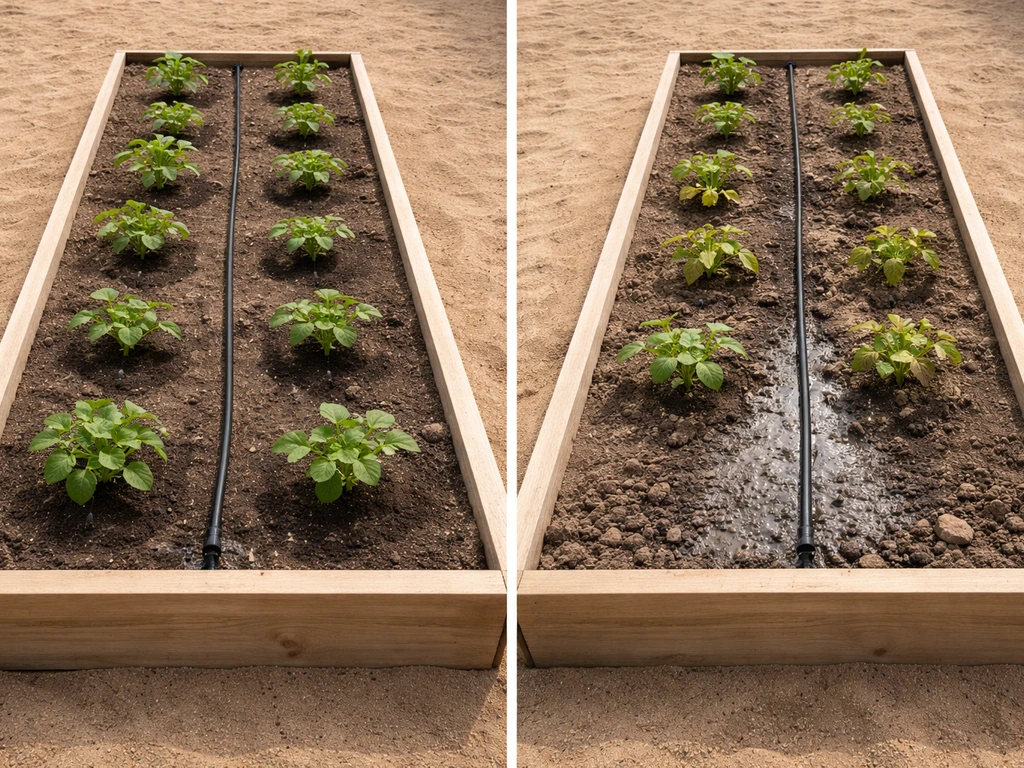
- Water timing matters as much as water volume: the Nile's seasonal pulse gave crops moisture at the right growth stages, not just a random supply
- Soil texture and drainage shaped crop selection: emmer wheat and barley thrived in silt loam; different varieties were chosen for wetter or drier parts of the floodplain
- Farmers worked with the cycle, not against it: planting began immediately after recession, using residual moisture before it evaporated
- Supplemental irrigation extended the system: shadufs and canals filled the gap between the annual flood and the full harvest season
- Crop diversity reduced risk: mixing grains, legumes, vegetables, and tree crops protected against partial flood failure or pest damage in any one category
- Community management was essential: no individual farmer could maintain the canal and basin system alone; coordinated labor and governance were built into the agricultural model from the start
The Nile's floods weren't just a natural convenience that Egypt happened to benefit from. They were the entire engine of one of history's most durable agricultural systems. Understanding how the flood cycle drove soil fertility, water availability, crop choices, and farming practices is the clearest window we have into why ancient Egypt was able to feed large populations and support complex civilization for millennia, and why geography and water access remain the first things to look at when explaining where and how crops grow anywhere in the world. Inland port cities in the Midwest grew in the same broad way, where access to waterways supported shipping, farming, and trade routes.
FAQ
Did the Nile floods help every farmer equally, or did some fields benefit more than others?
They did, but not in a single uniform way across Egypt. Fields closest to the river and the basin systems typically received the deepest, most nutrient-rich silt, while higher or more distant plots could get thinner deposits and more variability. That is one reason some areas supported more reliable staple yields than others, and why gardeners tended to concentrate vegetables near water sources.
If floods were beneficial, why did crop failure still happen in ancient Egypt?
No, because the floods also posed a risk. When the river rose too high it could destroy embankments and wash out fields, while too low a flood meant insufficient moisture and too little silt to restore fertility. Farmers therefore relied on flood measures and tight preparation rather than assuming every year would be perfect.
How could farmers keep growing after the floodwaters stopped receding?
Ancient Egypt did not depend only on the seasonal flood. Basins helped during Akhet, then shadufs and later sakias supplied water through Peret, while canals extended irrigation inland. In other words, the flood provided the initial fertility and moisture, but irrigation infrastructure sustained crops after the water receded.
Why was planting timing right after the flood important, and what happens if planting is delayed?
Farmers usually timed planting right after recession so seeds would germinate in still-moist, freshly silted soil. Waiting too long could force more labor and water lifting during early growth, because moisture would diminish and soils would begin to dry and harden.
Did farmers choose crop types based on how the Nile flooded, or could they grow anything anywhere?
Crop success depended on matching plants to the floodplain’s rhythm. Staple cereals like emmer wheat and barley fit the seasonal window and soil conditions created by silt and residual moisture. Vegetables were more likely to be grown in garden plots where shadufs could provide steadier year-round watering.
Could ancient Egyptians rely on the Nile’s silt as a substitute for fertilizing, or did they still need other inputs?
In practice, yes, but typically in a different form than modern fertilizer programs. Because fertility was renewed by silt and aided by legume nitrogen fixation, heavy reliance on soil-chemistry “inputs” was less necessary. The tradeoff was labor and coordination costs to manage basins, channels, and water distribution.
How did the location and shape of a farm affect how much benefit it got from flooding?
The basin method worked best when fields were within the areas that could be flooded, so control of land layout mattered. If a farmer’s plots were poorly positioned relative to the basins and canals, they might receive less water or less consistent deposition, requiring more dependence on lifted water or accepting lower yields.
Was flood irrigation mostly an individual farmer’s job, or did it require community coordination?
Yes, communities had to manage water rights and maintenance work so upstream and downstream users received usable deliveries. Clearing silt from canals, repairing embankments, and coordinating access during the rising and recession periods reduced conflict and prevented water loss.
What changes would farmers face when the Nile floods are altered by dams or river regulation?
After river regulation, the natural flood cycle became less variable in some periods, which reduced the uncertainty but also reduced the silt-nourishment pattern. That means farmers relying on the old floodplain “reset” often have to compensate with other soil fertility strategies to maintain productivity long-term.
Do nitrogen-fixing crops like lentils mean the Nile silt was less important?
Legumes like lentils and chickpeas can improve soil nitrogen availability, but they do not replace the flood’s role in delivering both water and mineral-rich silt. The usual advantage is additive, legumes complementing the nutrient renewal rather than fully replicating the floodplain’s whole soil-and-water system.
Next Articles
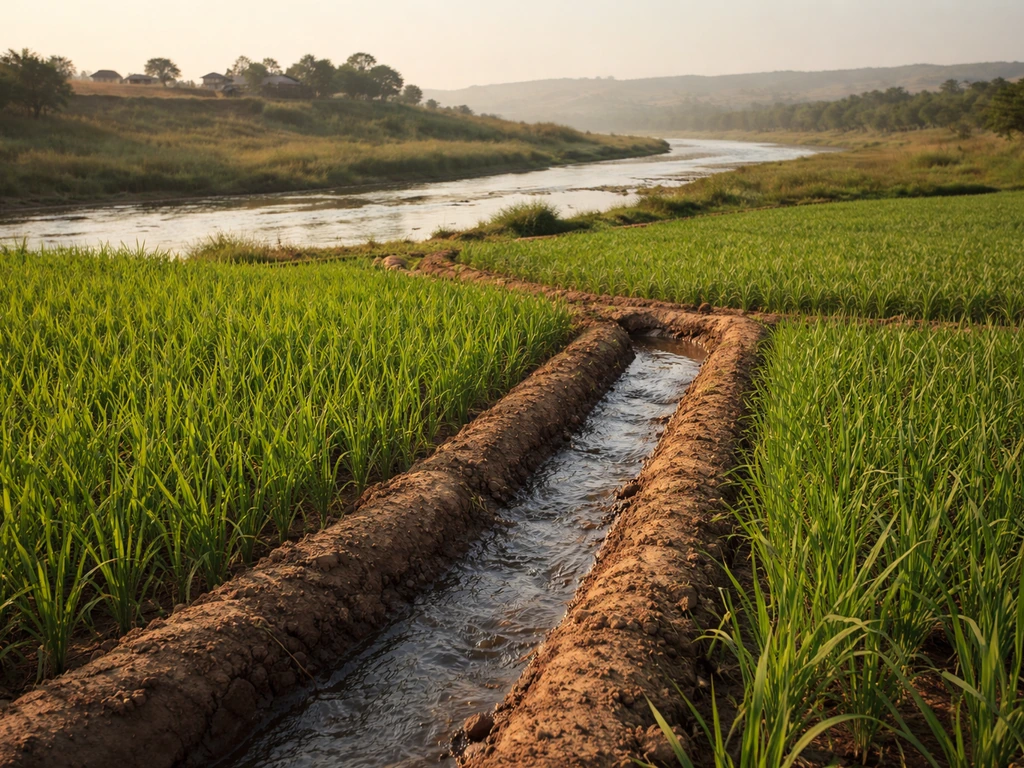
What Environmental Factors Helped Civilizations Grow
Explore how water, fertile soils, stable climate, landforms, and native ecosystems enabled reliable farming and growth.
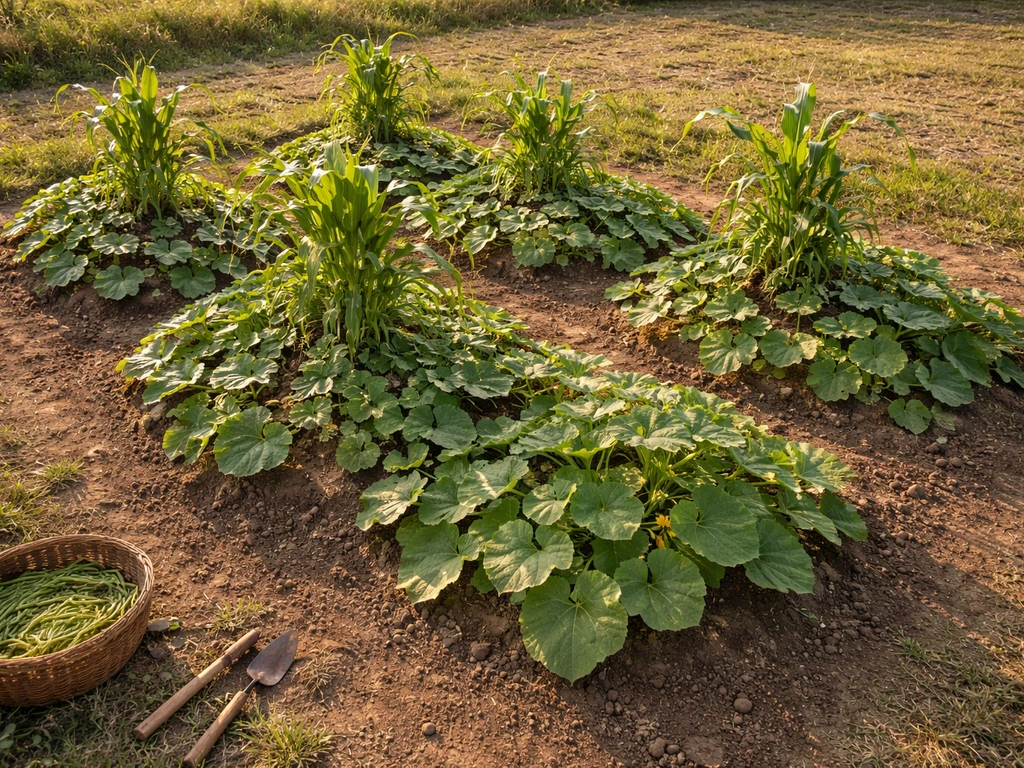
What Did the Iroquois Grow: Crops and Planting Logic
Learn what Iroquois and Haudenosaunee people grew, from Three Sisters to staples, with planting logic and seasonal rhyth
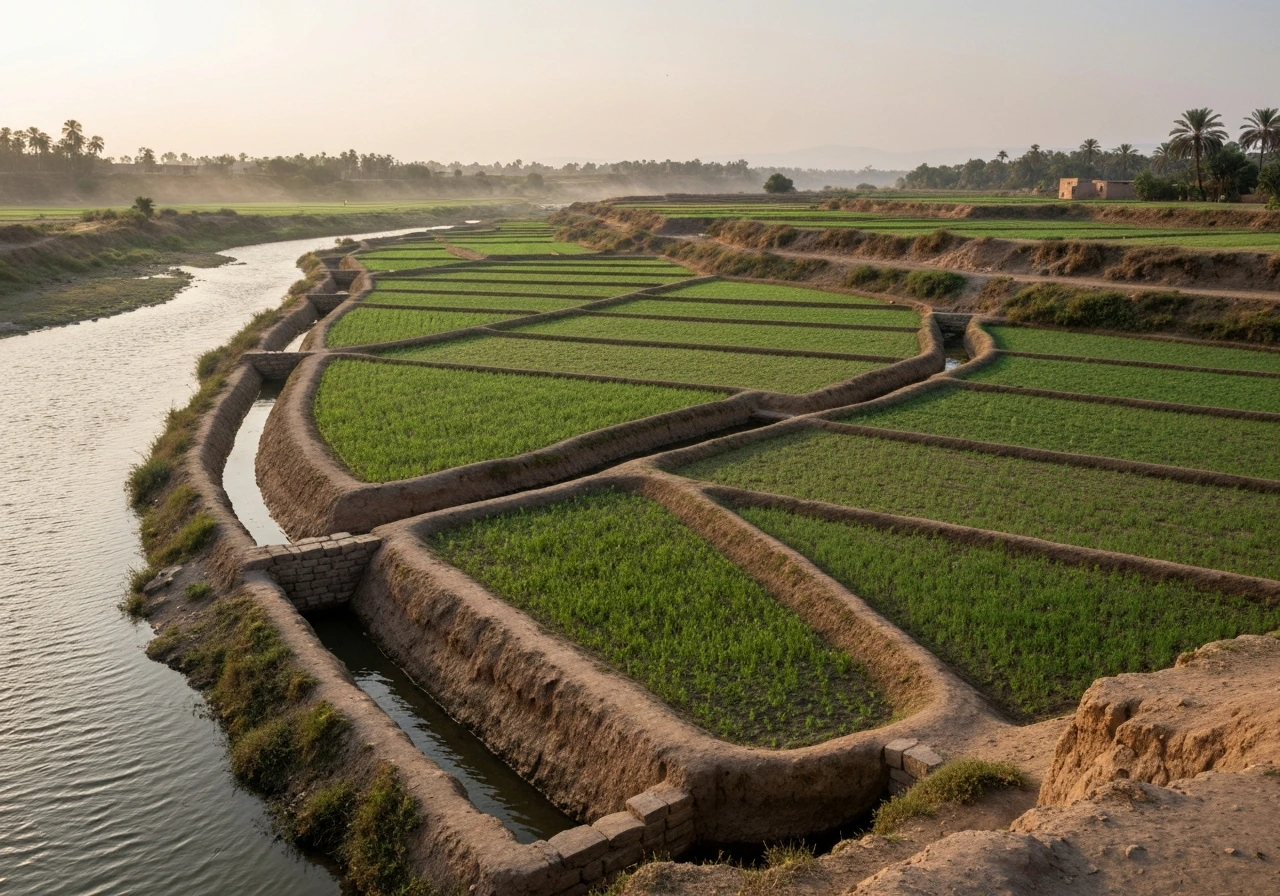
Which Industry Allowed These Kingdoms to Grow as They Did
Pin down which kingdoms you mean, then identify the industry and agriculture that drove surplus, trade, and power growth