
Mung beans are the best bean to grow in cotton wool, full stop. They germinate in 2 to 4 days, have a high success rate with minimal fuss, and are small enough that the cotton wool supports them well through the early sprout stage. Adzuki beans and small dried lentils also work reliably. Larger beans like kidney or black beans can technically germinate on cotton wool, but they often rot before they root properly in that environment, so they are not worth the trouble when you can use a better medium for them.
What Beans Grow in Cotton Wool? Easy Indoor Sprouting Guide

Samuel Rourke
29 Jun 2026
What cotton wool sprouting actually is
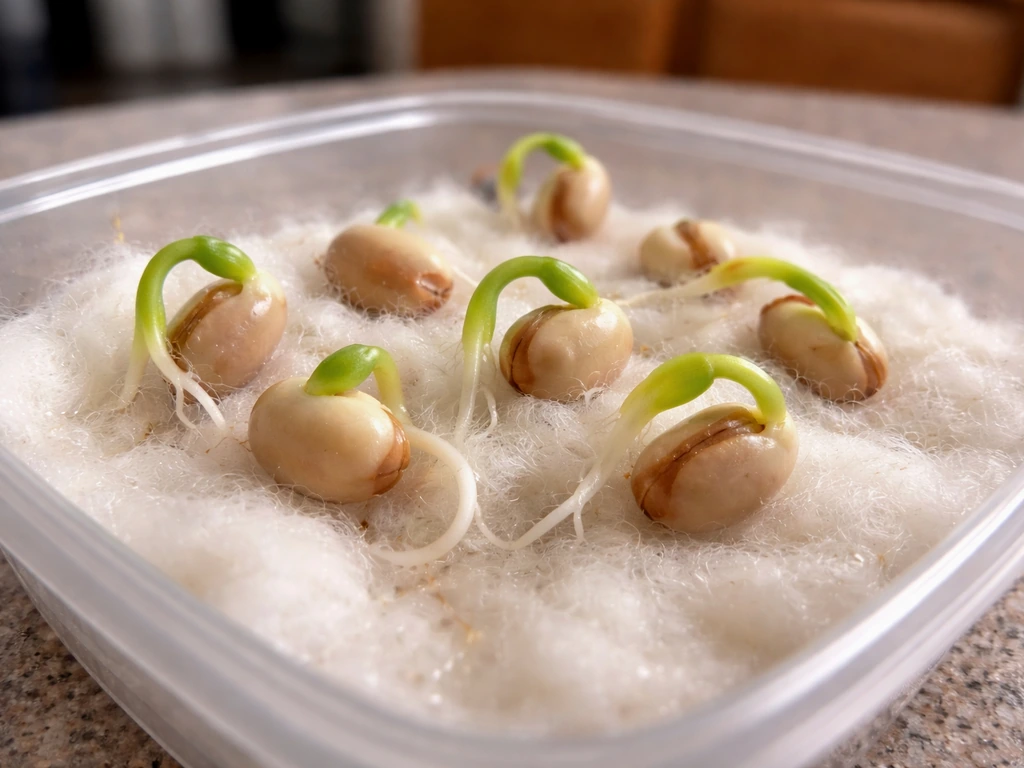
Cotton wool sprouting is a simple, low-cost germination method where you use damp cotton wool (or cotton wadding) as the growing medium instead of soil. You place seeds on the moist fibers, keep them in a warm spot, and watch the roots and shoot emerge over a few days. It is widely used in schools and home gardens because it makes the germination process visible and requires no pots or compost to get started.
What it is not is a long-term growing method. Cotton wool holds no nutrients, so once a seedling has used up what was stored in the seed itself, it needs to move into soil or a nutrient solution. Think of it as a germination chamber, not a garden bed. The method works best for small seeds and beans that germinate quickly and have enough stored energy to get through the sprout stage without outside nutrition.
This sits in a broader context of indoor seed starting. If you are curious about what conditions seeds need more generally, or why certain crops sprout differently depending on climate and region, those questions connect tightly to understanding seed physiology and how crops like cotton itself are cultivated from the ground up. Cotton needs warmth, sunlight, and well-drained soil, plus consistent moisture during its growing season.
Best beans for cotton wool germination
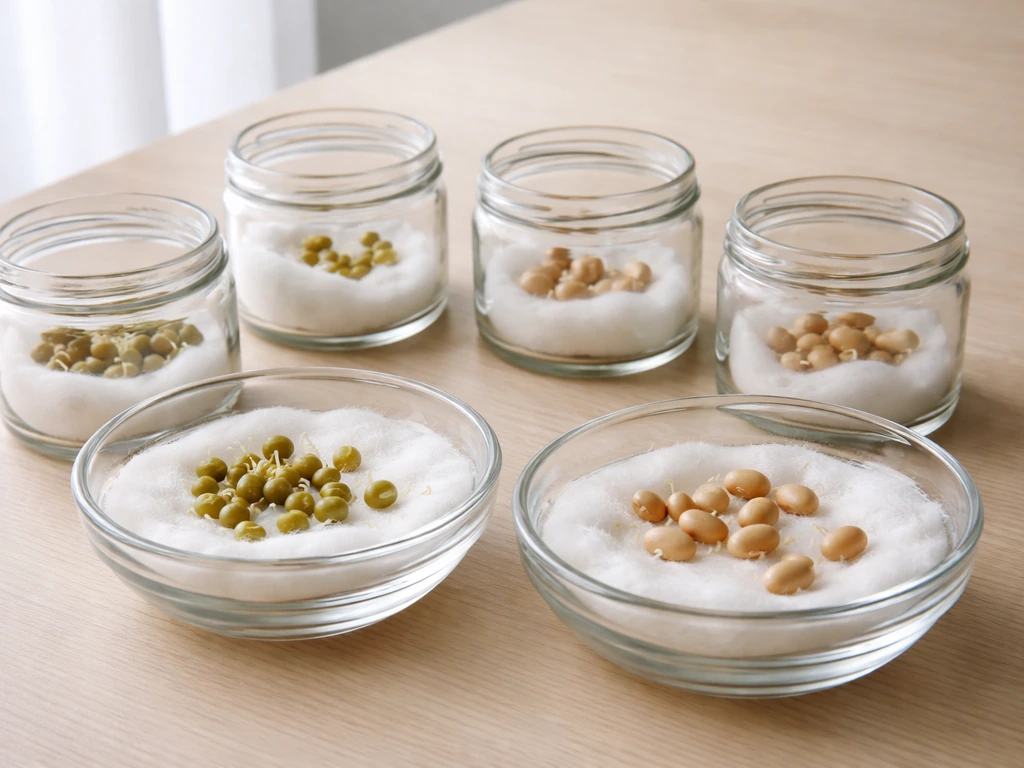
Not every bean handles the cotton wool method equally. The winners are small, fast-germinating beans with robust seeds. Here is how the main options stack up:
| Bean Type | Germination Time | Reliability on Cotton Wool | Notes |
|---|---|---|---|
| Mung beans (green gram) | 2 to 4 days | Excellent | Best all-around choice; widely available, small, fast |
| Adzuki beans | 3 to 5 days | Very good | Slightly larger than mung; still reliable |
| Red or green lentils | 3 to 5 days | Good | Whole, unsplit lentils only; split lentils will not germinate |
| Black-eyed peas (cowpea) | 3 to 6 days | Good | Medium size; works well if not over-wetted |
| Chickpeas (garbanzo) | 4 to 7 days | Moderate | Need more space; prone to mould if crowded |
| Kidney / pinto beans | 5 to 8 days | Poor | Large seeds rot easily on wet cotton wool; better started in soil |
| Soybeans | 4 to 7 days | Moderate | Can work but need careful moisture control |
Mung beans are so consistently reliable that if you are doing this for the first time or with children, just use mung beans and skip the rest. They originate from warm, humid growing regions across South and Southeast Asia, which is exactly why they handle the moist cotton wool environment so naturally. Adzuki beans, native to East Asia, are a close second. Lentils are a good option if you happen to have them in the kitchen, but you must use whole, intact lentils. The split or red lentils sold for cooking are already dehulled and will not germinate.
How to set it up correctly
What you need
- A shallow dish, tray, or clear plastic container with a lid or cling film
- Cotton wool balls, cotton wool pads, or loose cotton wadding (any drugstore variety works)
- Dry beans or seeds with known viability (fresh from the packet is best)
- Clean tap water or filtered water at room temperature
- A warm indoor spot, ideally between 65 and 75 degrees Fahrenheit (18 to 24 degrees Celsius)
Step-by-step setup
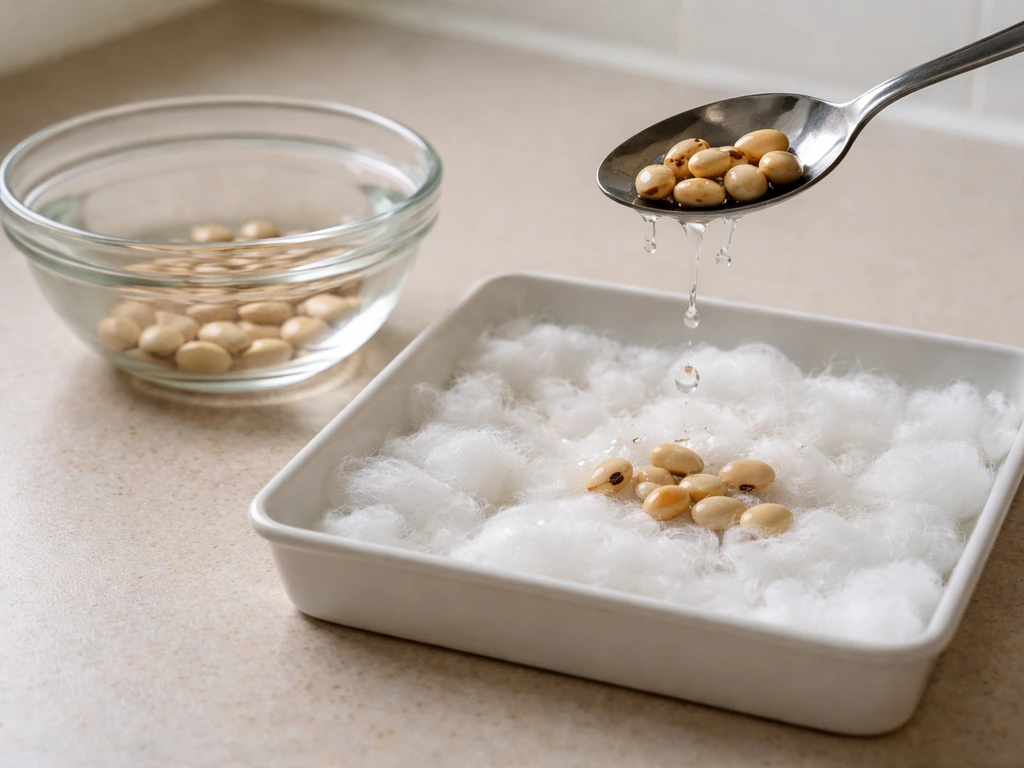
- Soak your beans in clean water for 8 to 12 hours beforehand. This softens the seed coat and shortens germination time noticeably.
- Lay a layer of cotton wool about half an inch thick in the bottom of your container. Do not compress it tightly; loose fibers allow air to circulate around the seeds.
- Dampen the cotton wool thoroughly using a spray bottle or by pouring a small amount of water and then tipping the container to drain any standing water. The fibers should be moist throughout but not sitting in a pool of liquid.
- Place your pre-soaked beans on top of the cotton wool with space between each one. Crowding is one of the main causes of mould.
- Cover the container loosely with a lid, cling film with a few air holes, or a damp cloth. You want to retain humidity without completely cutting off airflow.
- Place the container in a warm spot. A kitchen shelf away from drafts, the top of a refrigerator, or near (but not on) a radiator all work well. Avoid direct hot sunlight at this stage.
- Check moisture daily and mist with a spray bottle if the cotton wool starts to feel dry. Remove any standing water if it collects at the bottom.
- Once shoots emerge and reach about half an inch, you can move the container to a spot with indirect light. Light is not needed during germination itself, only once the sprout is actively growing above the cotton.
Temperature really does matter here. Seeds require both moisture and oxygen to germinate, and if the environment is too cold, the process slows dramatically or stalls. Below about 55 degrees Fahrenheit (13 degrees Celsius), mung beans and lentils will sit largely dormant. Above 80 degrees Fahrenheit (27 degrees Celsius) without good airflow, you increase mould risk. The 65 to 75 degree range is the sweet spot for nearly all the beans listed above.
When things go wrong: fixing the most common problems
Mould or fuzzy white growth on the cotton wool
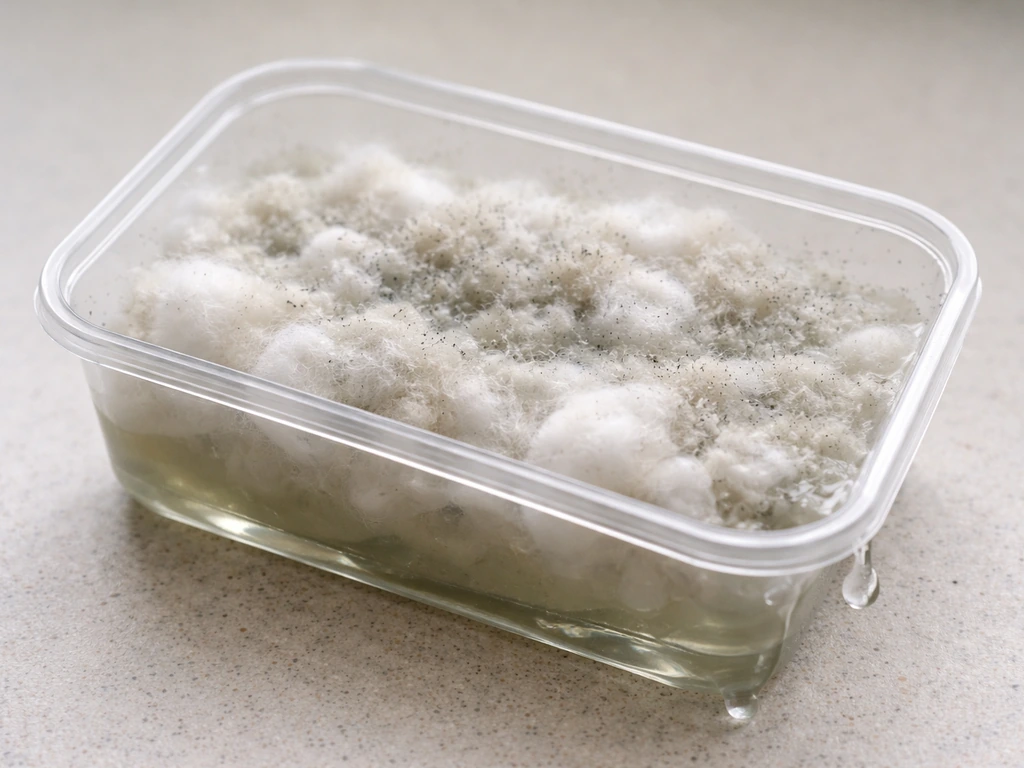
This is the single most common failure and it almost always comes down to too much water and not enough air. Tip the container and drain any standing water immediately. Remove the affected beans and any cotton wool that looks visibly colonized. Re-wet the remaining cotton wool more sparingly and open the cover slightly to improve air circulation. Going forward, mist rather than pour.
Seeds are swelling but not sprouting after 5 or 6 days
This usually means one of three things: the seeds are old and have lost viability, they are too cold, or they have been blank" rel="noopener noreferrer">kept so wet that oxygen cannot reach the embryo inside. This is why seeds grow in cotton wool in the first place: the damp fibers keep them hydrated while allowing enough oxygen for the embryo to start developing why do seeds grow in cotton. Try a fresh batch of seeds if you have them. Move the container somewhere a few degrees warmer. And crucially, make sure the cotton wool is moist, not waterlogged. Seeds that absorb water but have no access to oxygen will swell and then rot rather than germinate.
Seeds drying out and shriveling
If you are checking once a day and finding the cotton wool bone dry, your environment is either very warm or very dry (common in centrally heated homes in winter). Mist morning and evening instead of once a day, and keep the cover more tightly sealed between checks.
Seedlings are pale, thin, or floppy
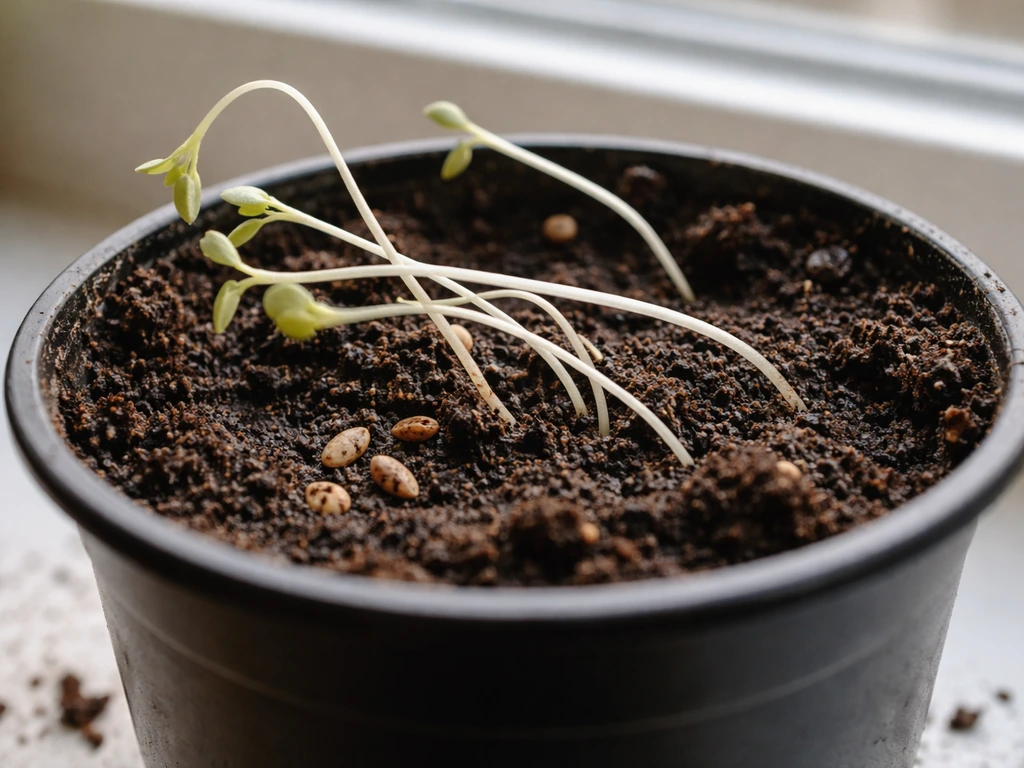
Etiolated, leggy seedlings happen when the sprout is reaching for light it cannot find. Once the shoot has broken the surface and is growing upward, it needs light. Move the container to a bright windowsill with indirect natural light as soon as germination is clearly underway.
Moving seedlings into soil or a hydro setup
The right moment to transplant is when the root is at least half an inch long and the shoot is showing the first signs of a true leaf developing, usually around day 5 to 7 for mung beans. At this point the seedling has almost exhausted the nutrients stored in the seed and needs a new source.
- Prepare small pots or cells with a well-draining seedling compost mix. If you are going the hydroponic route, have your net cups and growing medium (rockwool cubes, clay pebbles) ready and your nutrient solution mixed at a low seedling-stage concentration.
- Wet the soil or hydro medium before transplanting. Seedlings should go into something already moist.
- Gently tease each seedling from the cotton wool rather than pulling hard. The roots can tangle in the fibers, so wet the cotton wool first and loosen it carefully. Do not wash the roots aggressively.
- Plant each seedling so the root is fully covered and the base of the shoot sits at or just above the medium surface.
- Water or mist the surface gently and place in bright indirect light for the first two days before moving to full light. This reduces transplant shock.
- Keep soil consistently moist but never soggy for the first week.
If you are growing on a windowsill in a cool-season climate, keep in mind that most beans are warm-season crops. Mung beans, for instance, originate from tropical and subtropical regions and prefer soil temperatures above 60 degrees Fahrenheit once transplanted. If your indoor temperatures are running cool in spring or autumn, consider a heat mat under the pots after transplanting.
Safety, realistic expectations, and what not to believe
If you are growing bean sprouts to eat rather than to plant out, be aware that the FDA has specific guidance on sprout safety because warm, moist sprouting conditions are also ideal for bacterial growth. Any harmful bacteria present on or inside seeds can multiply rapidly during sprouting. For eating, use seeds labeled specifically for sprouting (lower microbial load), rinse sprouts thoroughly, and if you are serving them to anyone vulnerable (young children, elderly, pregnant, or immunocompromised), cook them rather than eating raw. For growing seedlings to transplant, this is less of a concern since you are not eating the product.
A common myth is that light is needed for germination. It is not. Seeds germinate in the dark in nature. Light only becomes important once the shoot has emerged and started photosynthesizing. Another myth is that more moisture means faster germination. The opposite is often true: excess water drives out oxygen, which seeds need just as much as moisture to trigger the germination process.
Realistic timelines: with fresh mung beans at 70 degrees Fahrenheit, you should see a white root tip emerge within 48 to 72 hours of setting up your tray. A clear shoot should appear by day 4. If nothing has happened by day 7, the seeds are almost certainly not viable or the conditions are wrong, and starting over with fresh seeds is faster than waiting longer. Seed viability drops off quickly in beans stored at room temperature for more than a year, so always check the packet date if germination is failing.
The cotton wool method is genuinely useful as a first germination step or as a classroom demonstration, but it is a starting point, not a growing system. Cotton, unlike beans, is grown as a crop in fields and starts its life from a seed before it develops into a cotton plant that eventually produces fiber. Get the seeds sprouted, move them promptly into the right medium, and you will have healthy seedlings that actually thrive.
FAQ
Can I reuse the same cotton wool for another batch of seeds?
It is best not to reuse it. Cotton wool that has been damp and warm for a few days can pick up mould or bacteria, and the fibers can lose their springy structure, which reduces airflow. Use fresh cotton wool for each attempt, and clean the container with hot soapy water first.
Do I need to soak mung beans or adzuki beans before putting them on cotton wool?
You usually do not need to soak, since they germinate fast. If your beans are older, a short soak can help, use room-temperature water and keep the soak brief (about 4 to 8 hours), then drain well before placing on the moist cotton wool so they do not start rotting before airflow is available.
Is tap water okay, or should I use filtered water?
Tap water is fine in most cases. The bigger factor is not water quality but waterlogging, and inconsistent moisture. If you have very hard water and notice residue or a sour smell, switch to filtered or let tap water sit out to reduce chlorine and improve sprout consistency.
What is the right way to keep cotton wool moist without drowning the seeds?
Aim for evenly damp fibers, not pooling water. Mist until the cotton looks dark and hydrated, then tilt and drain if any water collects under the tray. A good check is that a fingertip presses into the cotton and releases moisture, but it does not leave standing drops behind.
How much light should the container get before I see sprouts?
You can keep it in the dark at first, germination does not require light. Once you see the shoot emerging and it starts reaching upward, move it to a bright spot with indirect light. This helps prevent weak, stretchy growth (etiolation).
How do I know when seedlings are ready to move into soil or a nutrient solution?
Use two signals together: the root should be at least about half an inch long, and you should see the first true leaf starting to form (cotyledons alone are not enough). Transplanting too early often damages roots, too late leads to tangled roots and stunted growth after moving.
Can I grow beans on cotton wool and eat the sprouts?
Yes, but you should treat them like food safety matters. Use seeds labeled specifically for sprouting, rinse thoroughly, and keep conditions as clean as possible. If sprouts are for young children, elderly people, pregnant people, or anyone immunocompromised, cooking is the safer choice rather than eating raw.
Why do some seeds look swollen but never develop roots?
That pattern usually means the seed absorbed water but did not get enough oxygen, or the seed has low viability. Check that the cotton wool is moist, not waterlogged, improve airflow by cracking the lid slightly, and try fresh seeds if the same batch repeatedly swells without rooting.
What should I do if I see mould on part of the cotton wool?
Remove the affected seeds and discard the visibly colonized cotton wool areas. If mould is widespread, start over with fresh cotton wool and cleaned containers. Then re-wet more sparingly and switch from pouring to misting, mould risk increases when temperatures are high without airflow.
Why are my seedlings leggy, even though I moved them to a window?
Leggy growth can happen if the move to light is delayed. Begin shifting to a bright windowsill as soon as germination is clearly underway (first shoot emergence). Also avoid a cover that blocks light once sprouts appear, and rotate the container daily if only one side gets brightness.
How long can seeds sit on cotton wool before they fail?
For transplanting, the window is usually short, around day 5 to 7 for mung beans. If you keep them longer, roots can tangle and the seedlings may start to decline because cotton wool provides no nutrients. Plan to move them promptly once the first true leaf is beginning.
Will kidney beans or black beans work if I change the method slightly?
They are harder on cotton wool because they are larger and more prone to rot before rooting. If you still want to try, use a very moist but not waterlogged setup, keep it warmer within the safe range, and use a faster check schedule. Even then, results are less consistent than mung beans, so expect more failures.
Next Articles
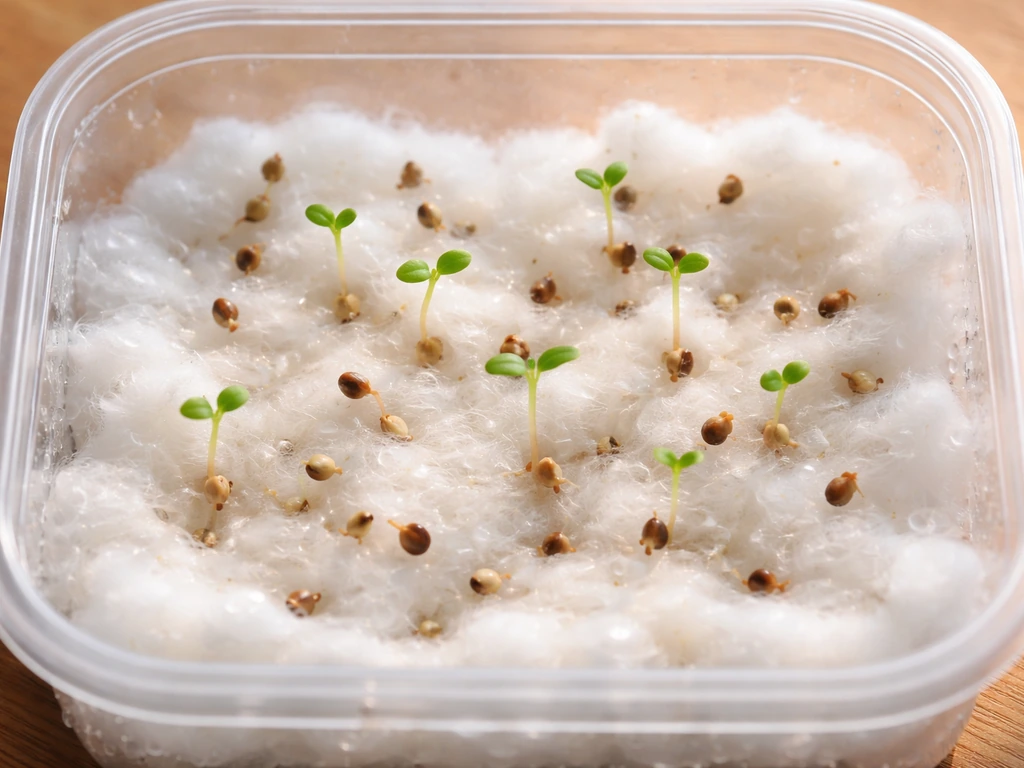
What Seeds Grow in Cotton Wool Best Options and How To
Best seeds to sprout in damp cotton wool, plus step-by-step germination, timing, transplanting, and mold troubleshooting
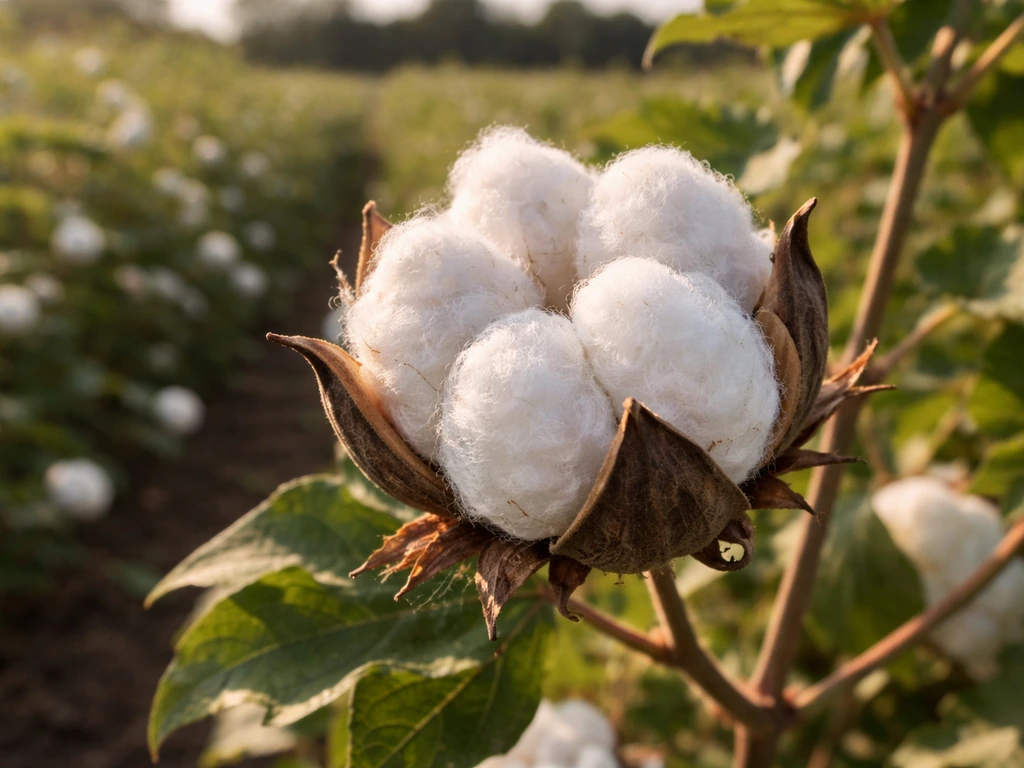
How Does Cotton Grow From the Ground to Harvest
Learn how cotton grows from planting to bolls and harvest, including climate needs and what affects yield by region.
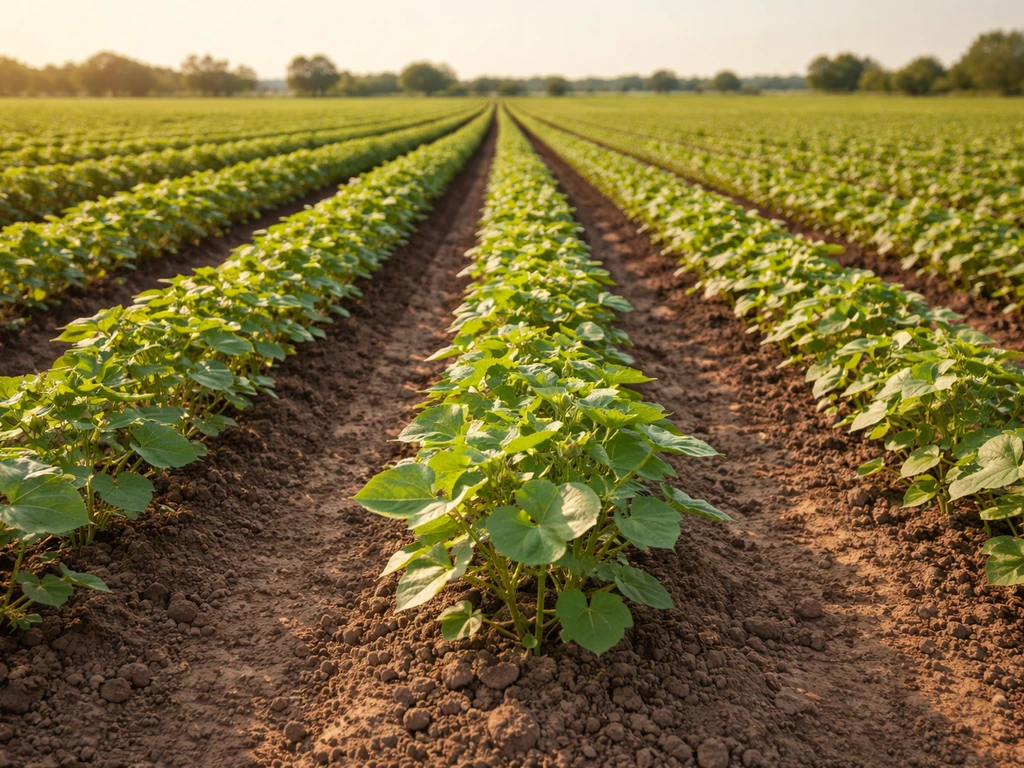
What Does Cotton Need to Grow: Soil, Sun, Water
Learn what cotton needs to grow: warm sun, water, and the right soil pH, drainage, and fertility for best emergence.