
Cress, radish, mung beans, and lettuce are the most reliable seeds to grow in cotton wool. They germinate fast (often within 2 to 5 days), tolerate the moist conditions cotton wool creates, and give clear visible roots that are easy to spot before transplanting. Beans, peas, and sunflowers also work well. What you want to avoid are very tiny seeds like petunias or begonias, they need a firmer surface and tend to get waterlogged and lost in cotton fibers.
What Seeds Grow in Cotton Wool Best Options and How To

Samuel Rourke
20 Jun 2026
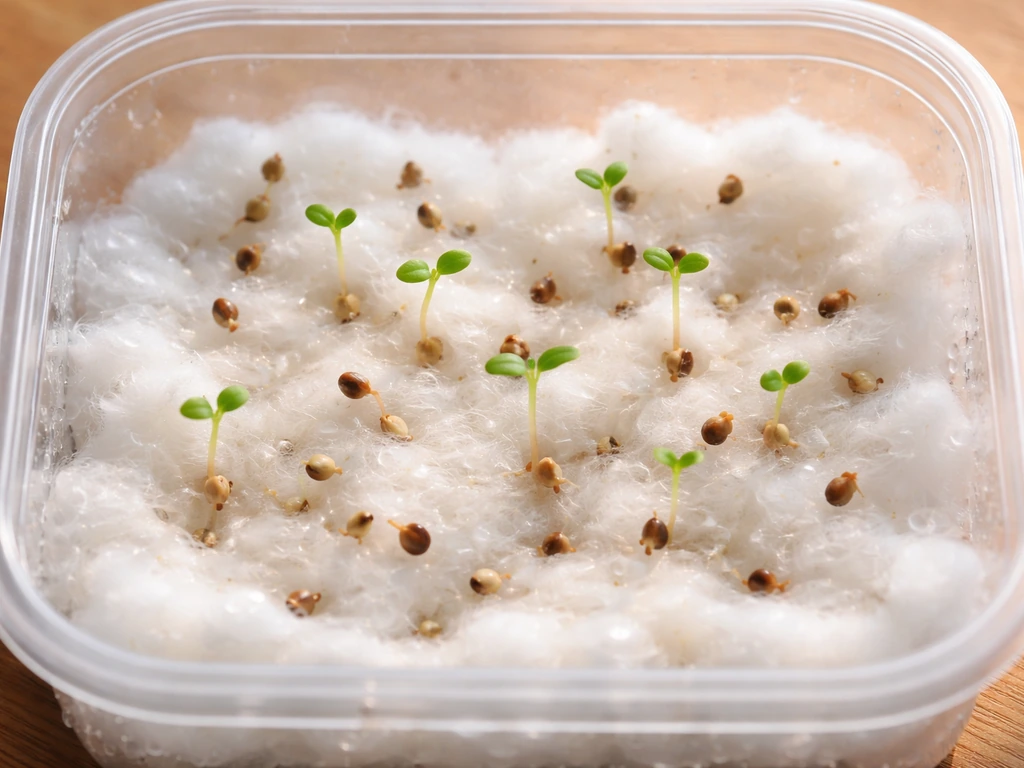
What cotton wool germination actually works best for
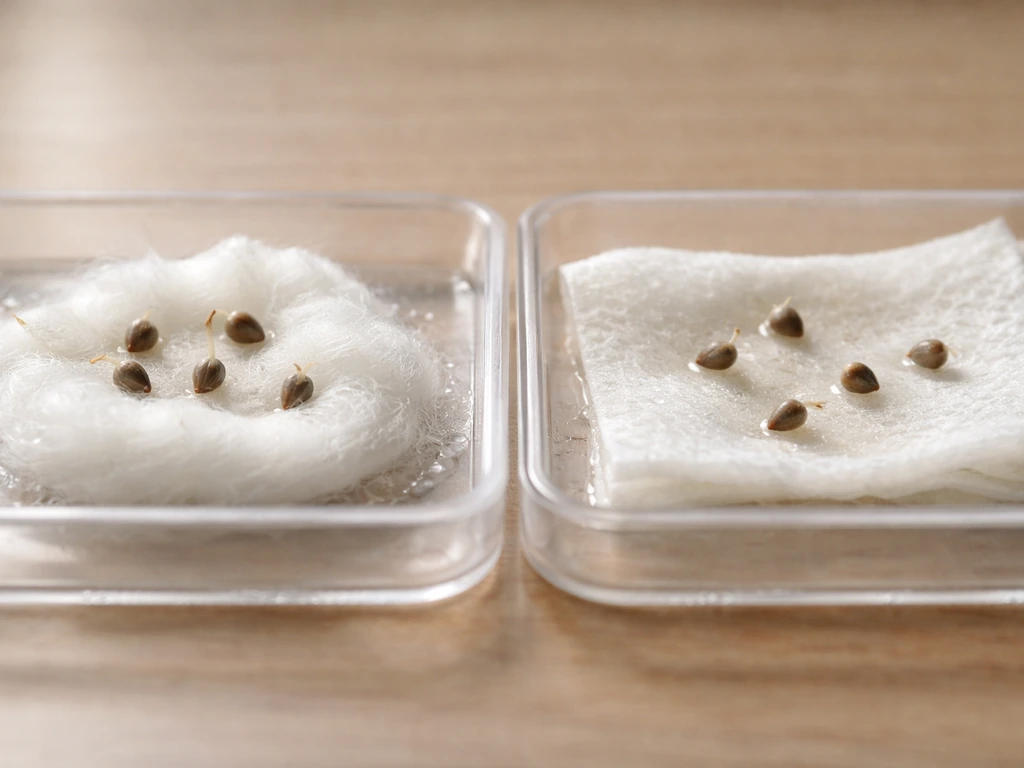
Cotton wool (or damp paper towel, which works on the same principle) is best suited for seed observation, fast sprouting of vigorous seeds, and pre-germinating seeds before moving them to soil. If you're also curious about the plant itself, learning how does cotton grow from the ground is a helpful next step to connect germination with real field growth. It's a favorite in classrooms and beginner kitchen gardens because you can literally watch roots emerge. It also works well as a germination test, if you want to check whether old seeds are still viable before committing them to a seed tray, sandwiching a sample between damp cotton or paper towels and checking after a week tells you everything you need to know. The UAF wet-towel germination table also lists expected timing and temperature targets for specific crops such as radish and lettuce blank" rel="noopener noreferrer">checking after a week tells you everything you need to know.
The method is not a replacement for soil-based seed starting, especially for long-season crops or anything with delicate taproots. Think of it as a way to give seeds a head start or verify viability, rather than a long-term growing medium. The cotton keeps moisture consistent, which is what seeds need most in those first critical days. The key limitation is oxygen: cotton wool soaked with standing water will block gas exchange, and seeds will swell but rot instead of sprouting. Damp is the goal, not wet.
Best seeds to grow in cotton wool
Some seeds are just naturally well-suited to this method because they're large enough to handle, germinate quickly, and don't need fussy conditions. Here's a breakdown of the most reliable options and a few that need a bit more attention.
Fast and foolproof picks
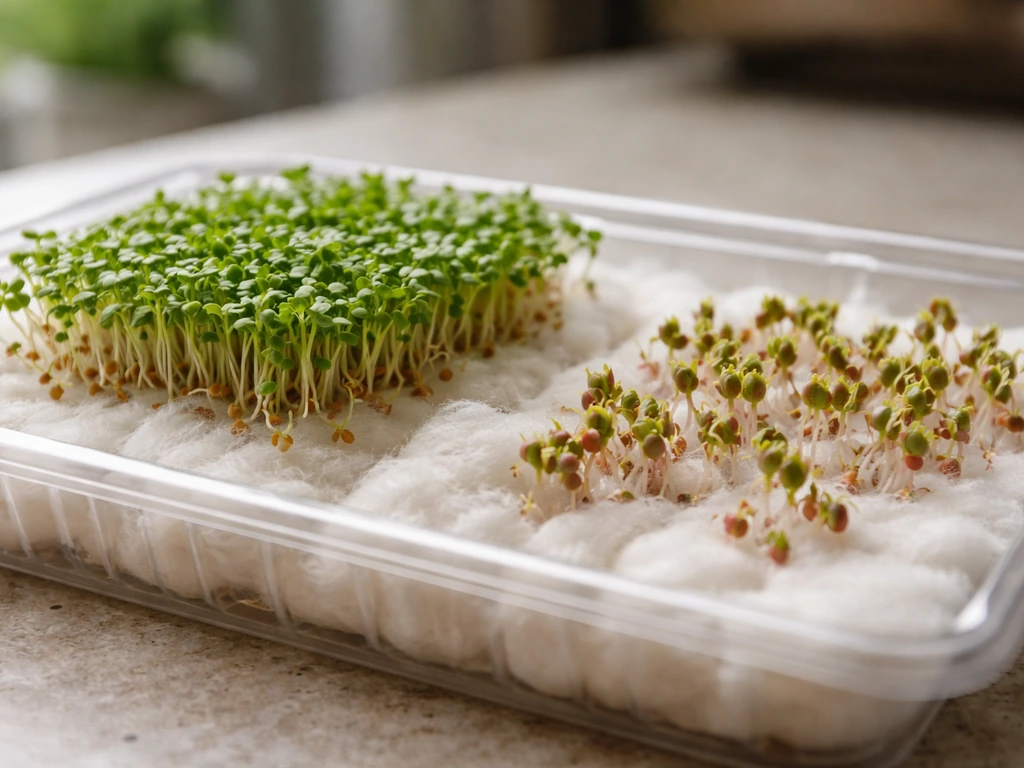
| Seed | Expected germination | Temperature | Notes |
|---|---|---|---|
| Cress | 2–4 days | 60–68°F (15–20°C) | One of the fastest; nearly always works on cotton wool |
| Radish | 3–6 days | 68°F (20°C) | Standard germination-test crop; very vigorous |
| Mung bean | 2–4 days | 68–77°F (20–25°C) | Large seed, easy to handle, clear root development |
| Lettuce | 5–7 days | 55–68°F (13–20°C) | Needs light to germinate; don't bury it in cotton fibers |
| Sunflower | 4–7 days | 65–75°F (18–24°C) | Big seed, strong root; transplant quickly before taproot grows in |
| Bean (broad/runner) | 4–7 days | 65–75°F (18–24°C) | Reliable; good for demonstrating germination to beginners |
| Pea | 4–7 days | 50–68°F (10–20°C) | Likes slightly cooler temps; watch for mold in warm rooms |
Seeds that can work but need more care
- Tomato: Germinates in 5–10 days but needs warmth (around 70–80°F). Freshness matters — old tomato seeds fail far more than old radish seeds.
- Pepper: Slow and temperature-sensitive (ideally 75–85°F). Works on cotton wool but you'll be waiting 10–14 days and results are inconsistent with anything but fresh seed.
- Spinach: The wet-paper-towel protocol actually recommends keeping the substrate on the drier side for spinach, which makes overly wet cotton wool a poor fit. Keep it lightly moist and cool.
- Cucumber/squash: These work and germinate in 5–7 days at 70–85°F, but their roots are fragile and grow fast — you have a narrow transplanting window before roots tangle in the cotton.
Seeds to avoid on cotton wool
- Petunia, begonia, snapdragon: Extremely tiny seeds that get lost in cotton fibers, need a firm fine-milled surface, and should not be covered or buried at all.
- Carrot and parsnip: These need direct sowing because their long taproots are damaged the moment you try to move them — cotton wool germination makes transplanting almost impossible without breaking the root.
- Onion and leek: Possible in theory but slow (10–14 days), and the thin seedling stem is fragile to handle at transplant.
How to set up cotton wool germination
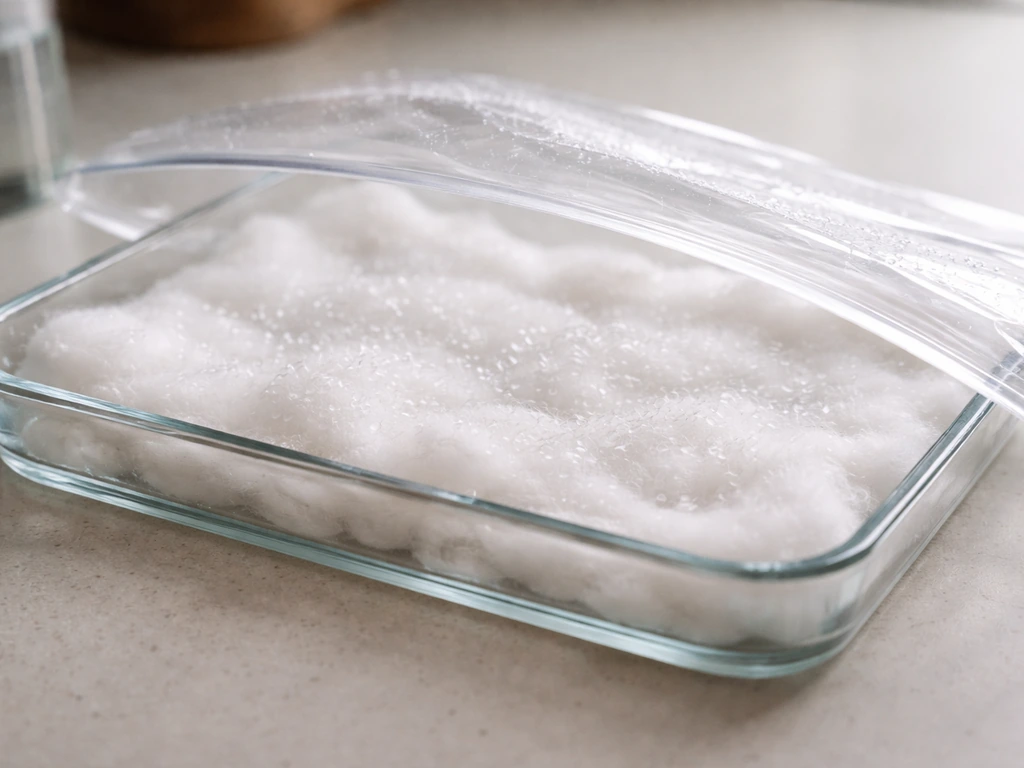
You don't need much equipment. A shallow tray or plate, some cotton wool or a couple of sheets of paper towel, a spray bottle, and a clear zip-lock bag or plastic wrap are enough to get started.
- Lay cotton wool or two layers of paper towel flat on a plate or inside a zip-lock bag.
- Spray it with clean water until it's uniformly damp throughout. The test: press it lightly — it should feel moist but no water should drip or pool. If you see a puddle, you've used too much water.
- Spread seeds evenly across one half of the cotton, spaced so they aren't touching each other. Fold the other half of the cotton over the top to sandwich the seeds.
- For seeds that need darkness to germinate (most common vegetables), place the setup inside a zip-lock bag and seal it mostly closed — leave a small gap for airflow, which helps prevent mold.
- For seeds that need light to germinate (lettuce is the main example), keep the setup open or covered only with a thin, porous layer; don't seal it in a dark bag.
- Place the setup in a warm spot. For most vegetable seeds, room temperature between 65–75°F is ideal. A shelf above a radiator or near a warm appliance works. Avoid windowsills in winter — cold glass drops temperatures dramatically at night.
- Check daily. Re-spray lightly if the cotton feels dry on the surface. Look for small white root tips emerging from the seed coat — that's your signal to transplant.
Timing depends on the seed. Cress and radish will show roots in 2–4 days. Lettuce takes 5–7 days. Beans and peas are usually showing something by day 4 to 7. If nothing has emerged after 10 days under correct temperature conditions, the seeds are likely not viable.
Troubleshooting: no germination, mold, and weak sprouts
Nothing is sprouting
The most common reasons are cold temperature, old seed, or the cotton drying out before you checked. Temperature is the biggest culprit, a setup sitting at 55°F will show almost no activity for crops that need warmth. Move it somewhere genuinely warm (not just room temperature in a cold house). If the cotton dried out, seeds may have started to imbibe water and then stalled, which stresses them. Re-moisten and give it a few more days, but don't get your hopes up if they've been dry for more than a day or two.
Mold is appearing
Mold on cotton wool germination setups is usually a sign of too much moisture and not enough airflow. If you sealed the bag completely airtight, try opening it slightly to allow some gas exchange. The FAO guidance on seed storage is clear on this: even in sealed environments, moisture must be controlled to allow oxygen to reach seeds. If mold is already present, remove affected seeds immediately, replace the cotton with a fresh damp piece, and space seeds further apart. Some gardeners add a tiny pinch of cinnamon (a mild natural antifungal) to the cotton surface as a preventative, though that's optional.
Sprouts are leggy or weak
If seedlings are stretching rather than forming compact, sturdy growth, they've been left on cotton wool too long after germination. Cotton wool provides zero nutrition, so any seedling that has used up its seed reserves and hasn't been transplanted into a growing medium will start to struggle. Etiolation (leggy stretching toward light) is also common if the setup is too dark after germination has started. Once you see a root, it's time to move the seedling to soil, don't wait for the first leaves to fully unfurl.
Seeds swelling but not sprouting, then going soft
This is a classic sign of waterlogging and oxygen deprivation. Seeds need oxygen for cellular respiration to kick off germination. When cotton is saturated, gas exchange stops, seeds absorb water but can't respire, and they rot. This is particularly common with beans. If it's happening repeatedly, wring out the cotton more firmly before use and do not re-wet unless the surface is genuinely dry to the touch.
When and how to transplant seedlings from cotton wool
Transplant as soon as the root (radicle) is clearly visible and measures roughly 0.5 to 1 cm long. At this stage the root is still straight, hasn't curled into the cotton fibers, and handles the move well. If you wait until the root has grown into the cotton, you'll tear it trying to separate the two, and a damaged taproot often means a dead seedling.
- Prepare small pots or seed cells with a light, well-drained seed-starting mix. Avoid heavy garden soil, which compacts and reduces the oxygen seedlings need.
- Use a toothpick or the tip of a pencil to gently lift the sprouted seed from the cotton. Don't pinch the root.
- Make a small hole in the moist seed-starting mix about twice as deep as the seed's width (the general rule of thumb for planting depth).
- Place the seed in the hole with the root pointing downward. Cover lightly with mix.
- Water with a fine mist or by placing the pot in a shallow tray of water so the medium absorbs moisture from below. Overhead watering can dislodge tiny seedlings.
- Keep the newly transplanted seedlings in a bright, warm location. Most vegetable seedlings need 12–16 hours of light (a grow light works well indoors in winter).
One thing worth knowing: don't start seeds in cotton wool too far in advance of your outdoor transplant date. Sowing too early and then trying to hold seedlings back under poor indoor light is a common mistake that produces weak, stressed plants. Work backward from your last frost date or your planned outdoor planting window.
Regional and seasonal notes for choosing the right seeds
Where you are and what time of year it is should influence which seeds you try first on cotton wool. This matters more than most beginner guides acknowledge.
Temperate climates (most of the U.S., northern Europe, UK)
In temperate regions, cotton wool germination is most useful in late winter and early spring (February to April in the Northern Hemisphere) when you want to get a head start on the season but outdoor soil is still cold. Cress, radish, lettuce, and peas are excellent choices here because they prefer cooler germination temperatures in the 50–68°F range, matching typical indoor temperatures in unheated rooms during late winter. Beans and sunflowers are better saved for spring when indoor temperatures naturally rise above 65°F.
Warmer climates (southern U.S., Mediterranean, subtropical regions)
In warmer climates, the main challenge with cotton wool germination is the opposite of what temperate gardeners face: too much heat. Ambient temperatures above 85°F can actually inhibit germination in cool-season crops like lettuce and spinach, and mold becomes a bigger problem in humid subtropical conditions. The UAF wet-towel germination test procedures note crop-specific germination temperature and timing requirements, including guidance relevant to keeping warm-season conditions from inhibiting cool-season crops like lettuce and spinach Ambient temperatures above 85°F can actually inhibit germination in cool-season crops like lettuce and spinach. In these regions, aim to germinate warm-season crops like beans, mung beans, cucumbers, and peppers during the appropriate season, and keep the cotton wool setup in an air-conditioned room if summer temperatures are extreme.
Year-round indoor growing
If you're germinating indoors regardless of season, you have more control. The main variable is maintaining the right temperature range for whatever you're sprouting. A heat mat under the cotton wool tray helps with warm-season crops like tomatoes and peppers. Without supplemental heat, stick to seeds that germinate readily at room temperature: cress, radish, mung beans, and beans are your most reliable year-round options. Mung beans in particular are traditionally sprouted at home across South and Southeast Asia and thrive on nothing more than a damp cloth in a warm kitchen.
If you're also curious about why certain crops require specific conditions to germinate or what cotton itself needs to grow from seed, those questions connect to broader patterns of how crops adapt to climate and region, something worth exploring alongside the practical sprouting method covered here. If you're specifically wondering what cotton needs to grow, you'll want to focus on climate, soil, water, and how long the growing season lasts what cotton itself needs to grow.
FAQ
Why are my seeds sprouting but the seedlings look weak or pale after a few days?
If you see long white roots but no green shoots, it usually means the seeds have germinated but are not getting enough light after sprouting. Move the setup to brighter light as soon as the radicle appears, and transplant quickly once the root is clearly visible (about 0.5 to 1 cm). Cotton wool itself provides no nutrients, so delaying after germination often leads to weak seedlings even if roots keep growing.
Can I leave seedlings on cotton wool until they grow true leaves?
Yes, but only for short windows. Seeds on cotton wool should be moved to soil or another growing medium as soon as the root is visible and short, because cotton wool provides moisture without nutrients and also limits oxygen once conditions tip toward wet. For delicate taproot crops, use cotton wool mainly as a germination test, not as a long grow-on stage.
How often should I re-wet the cotton wool, and how do I avoid waterlogging?
For most quick-sprouting crops, check daily, but only water if the cotton surface feels dry. The goal is evenly damp, not saturated, standing water is what blocks oxygen and causes rot. A light mist is safer than soaking, if you accidentally over-wet, blot the cotton with a clean paper towel or wring it out and wait until it returns to just-damp.
My cotton wool sprout setup is taking too long, what temperature mistakes should I check first?
Cold is the most common reason for “nothing is happening.” If your house is cool, use a warm spot (like near a working oven or on top of a refrigerator) or add a heat mat under the tray for warm-season seeds. The article notes that setups around 55°F can stall crops that need warmth, so aim for the temperature range that matches the seed type you chose.
What should I do if I see mold growing on the cotton wool?
If mold appears, act fast: remove affected seeds immediately, replace the cotton with fresh damp material, and avoid fully sealing the bag airtight. For better airflow, use plastic wrap loosely or vent the bag slightly. Spacing seeds further apart also helps because crowded seeds create localized wet, oxygen-poor spots.
Can I germinate very tiny seeds like petunias or begonias in cotton wool?
Tiny seeds are usually the wrong fit because they are easy to lose in fibers and they need a firm, even substrate to avoid waterlogging. If you really want to try a small-seeded plant, increase precision by placing the seeds singly on the surface and using damp paper towel rather than fluffed cotton wool, but expect lower success than with cress, radish, lettuce, peas, or mung beans.
How can I use cotton wool to check if older seeds are still viable?
To test viability on older seeds, keep the sample small and use fresh damp cotton, then count how many germinate after about a week for many of the quick crops. You can then decide whether it is worth planting them in soil. If you are testing cold-season seeds, temperature still matters, even for a germination test.
My seedlings are stretching and leaning instead of staying sturdy, is it the light or the cotton wool timing?
Stretching usually means two things: not enough light after germination, and not enough time before transplanting. Since cotton wool has no nutrition, seedlings that sit too long start to fail even if roots look healthy. Once the root is visible and short, plan to transplant immediately and provide brighter light during growth.
When is the best time to transplant from cotton wool, and how do I avoid damaging taproots?
For best handling, transplant when the root is clearly visible and roughly 0.5 to 1 cm long, before it curls into cotton fibers. If you wait longer, the taproot can tear during separation, which often kills the seedling. If roots are stuck, moisten the cotton slightly and gently roll the cotton away rather than pulling the root directly.
What seeds grow best in cotton wool depending on the time of year and my climate?
Try to match crop choice to your season. The article suggests cool-season seeds like cress, radish, lettuce, and peas for late winter to early spring in temperate regions, while beans and sunflowers are better once indoor temps rise above about 65°F. In warmer climates, avoid overheating cool-season crops (for example, lettuce and spinach) and instead germinate warm-season crops during appropriate conditions.
Are mung beans a good choice for a beginner, and do they need anything special?
Mung beans are a good “starter” because they germinate readily at home with nothing more than warmth and consistent dampness. That said, spread them out and watch closely, they can progress quickly and will need transplanting soon after roots show to prevent stretching.
Next Articles
How Does Cotton Grow From the Ground to Harvest
Learn how cotton grows from planting to bolls and harvest, including climate needs and what affects yield by region.
What Does Cotton Need to Grow: Soil, Sun, Water
Learn what cotton needs to grow: warm sun, water, and the right soil pH, drainage, and fertility for best emergence.
What Did the Delaware Colony Grow: Crops, Uses & Legacy
Colonial Delaware’s main crops, grains, hay, flax, fruits, vegetables, livestock, why they thrived and how they were sold.