Sugarcane is the crop most commonly linked to this question. Across the Caribbean and Brazil, Europeans built massive plantation systems specifically to produce sugar, and they transported enslaved Africans across the Atlantic to do the brutal, labor-intensive work of growing and processing sugarcane. That's the answer you'll find in most history textbooks, museum exhibits, and educational summaries when the question is phrased this way. But if your question is about a specific region or time period, the crop could be tobacco, rice, or cotton instead. Getting the right answer depends entirely on where and when you're looking.
Slaves Were Brought From Africa to Grow Which Crop?

Samuel Rourke
10 Jun 2026
Why the answer isn't always the same crop
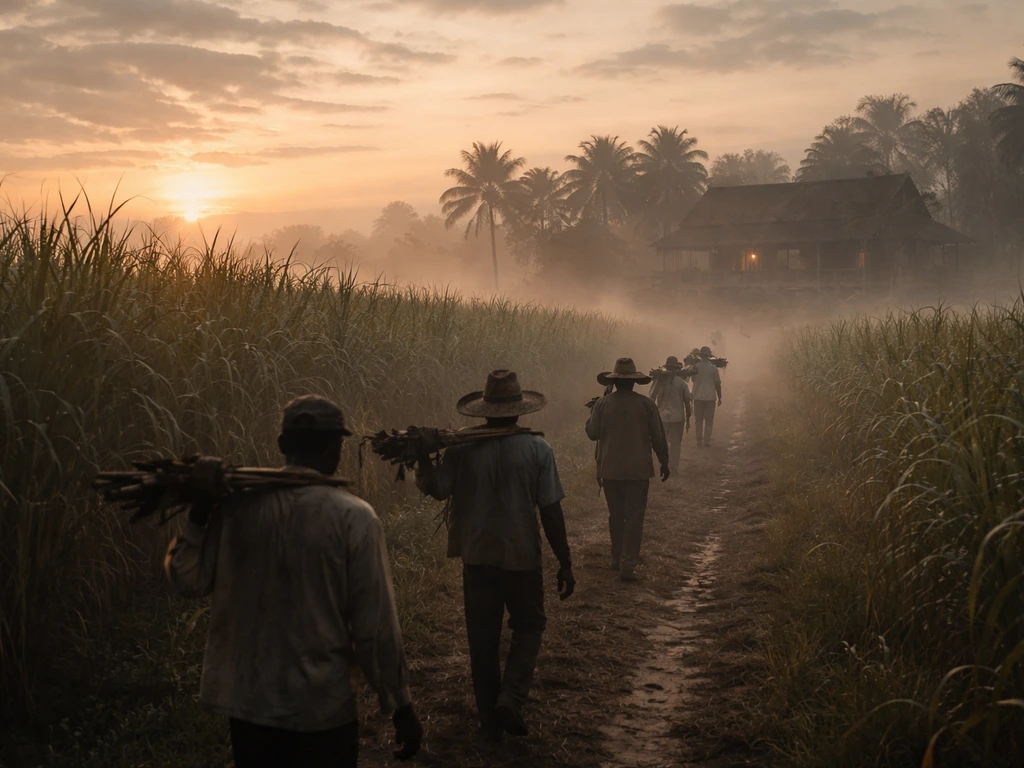
The transatlantic slave trade wasn't tied to a single crop. It was tied to a labor model: European colonizers needed large numbers of workers for physically demanding, low-margin-per-acre plantation agriculture, and they met that need by enslaving Africans. The specific crop changed depending on where the plantation was, what the local climate supported, and what European markets wanted at the time. Sugarcane dominated the Caribbean and Brazil from the 1500s onward.
Tobacco was the defining crop of Virginia and the Chesapeake colonies from the early 1600s into the 1700s. Rice took over in South Carolina and Georgia's coastal lowcountry. And cotton became the dominant enslaved-labor crop across the U. S.
Deep South from the late 1700s into the Civil War era. So if a homework question or research prompt asks "which crop" without specifying a place, sugarcane is the safest answer because it accounts for the largest share of the transatlantic slave trade overall. But context really matters here.
Where enslaved labor powered crop production
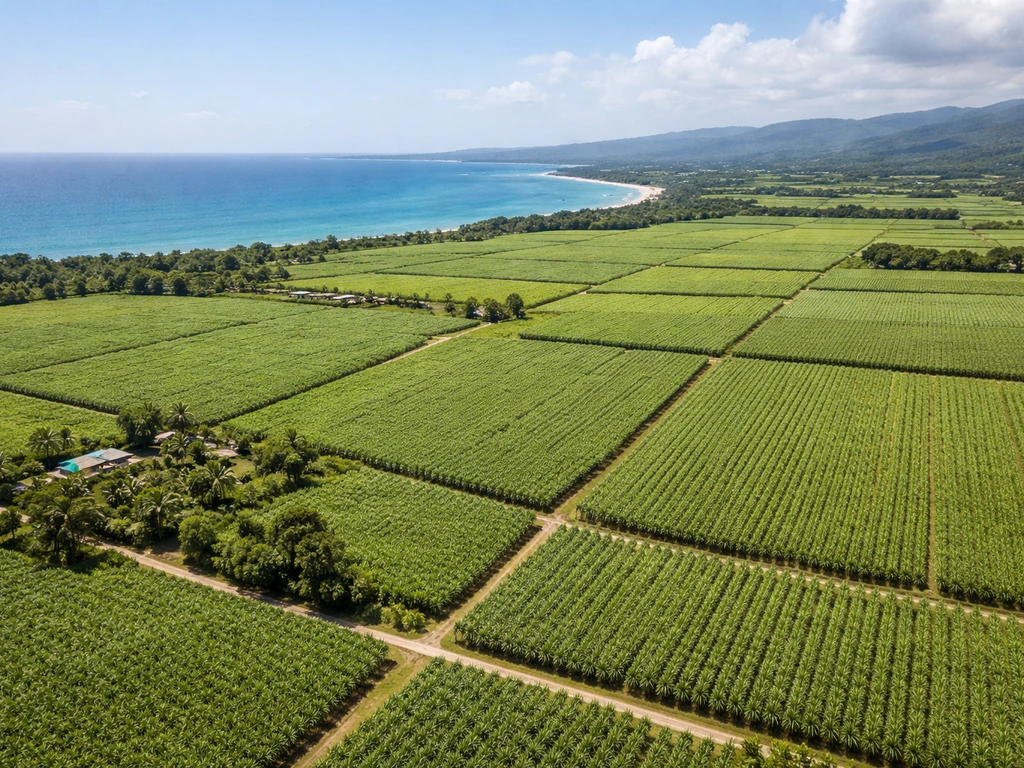
The geographic hotspots for enslaved African labor in agriculture break down pretty clearly by crop and era. Here's where each major system was centered:
- Caribbean islands (Barbados, Jamaica, Hispaniola, Cuba, and others): sugarcane plantations from the 1600s through the 1800s, producing sugar, molasses, and rum for Atlantic trade. UNESCO's documentation of Barbados's industrial sugar heritage, including sites like the Codrington Plantations, shows how deeply this crop shaped the landscape and the lives of enslaved people there.
- Brazil: Portugal expanded sugarcane cultivation into northeastern Brazil in the early 1500s, and Brazil became the world's largest sugar producer for stretches of the colonial era. Enslaved African labor became central to that system as the plantation model scaled up.
- Virginia and Maryland (Chesapeake region): tobacco was the cash crop here from the early 1600s onward. Enslaved people arrived in Jamestown as early as 1619, and tobacco plantations like those at George Washington's Mount Vernon came to rely almost entirely on enslaved labor.
- South Carolina and Georgia (Lowcountry): commercial rice cultivation developed along specific tidal rivers, including the Waccamaw, Santee, Cooper, Ashley, Combahee, and Savannah, roughly 10 to 20 miles inland from the coast. African knowledge of rice cultivation was actually valuable here, and enslaved Africans built and maintained the complex irrigation and bund systems that made those rice fields work.
- Georgia, Alabama, Mississippi, and the broader U.S. Deep South: cotton became dominant after the 1790s and drove an explosive expansion of slavery into new territories. Georgia's cotton production surged rapidly in the early 1800s, with landowners relying entirely on enslaved African Americans to meet the crop's high labor demands.
Sugarcane vs. cotton vs. tobacco vs. rice: what made each crop different
Each of these crops had its own production demands, and understanding those helps explain why enslaved labor was concentrated in specific places and why certain crops became associated with certain regions. This kind of regional pattern helps explain why ryots could be reluctant to grow indigo when conditions or incentives were unfavorable why certain crops became associated with certain regions.
| Crop | Main Region | Peak Period | Why It Needed Intensive Labor |
|---|---|---|---|
| Sugarcane | Caribbean, Brazil | 1600s–1800s | Planting, cutting, and processing cane is physically brutal; sugar mills required round-the-clock work during harvest season |
| Tobacco | Virginia, Maryland, Carolinas | 1600s–1700s | Requires careful transplanting, topping, suckering, harvesting leaf by leaf, and curing; highly time-intensive per plant |
| Rice | South Carolina, Georgia coast | 1700s–early 1800s | Required building and maintaining flooded tidal fields with bunds and sluices; planting and harvesting in standing water |
| Cotton | U.S. Deep South | Late 1700s–1860s | Hand-picking cotton bolls was slow and exhausting; production scaled with the number of workers available |
Sugarcane stands out because it was the engine of the entire transatlantic slave trade system at its peak. The Caribbean sugar colonies absorbed more enslaved Africans than any other destination in the Americas. Processing sugarcane into raw sugar, molasses, and rum required both field labor and mill labor, and the work was relentless. If you've seen questions about what colonial farmers grew in different regions, the cash crop picture shifts noticeably once you move from the sugar islands to the North American mainland.
Why these crops matched those climates
This is where geography and agriculture intersect in a really direct way. Each of these crops needed specific conditions, and the plantation systems landed exactly where those conditions existed.
Sugarcane: tropical heat and heavy rainfall
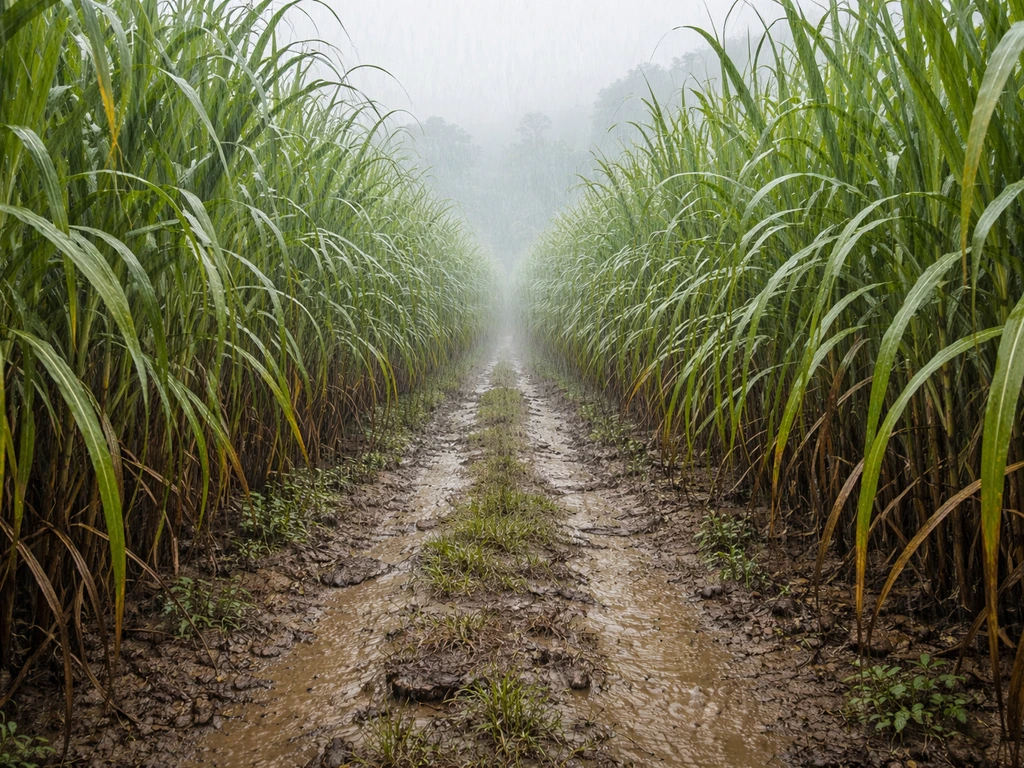
Sugarcane needs a minimum temperature of around 20°C (68°F) for active growth and requires roughly 1,500 to 2,500 mm of water distributed across the growing season. It also needs a dry, sunny, frost-free period at the end of the season for ripening and harvest. The Caribbean and coastal Brazil hit all of those requirements almost perfectly. The tropics gave the crop what it needed, which is exactly why sugar plantations clustered there and not in Virginia or New England.
Tobacco: warm summers, careful curing
Tobacco grows well in warm, humid summers but doesn't need the year-round tropical heat sugarcane requires. Virginia falls mostly into the humid subtropical climate zone (Köppen Cfa), which gives it the warm growing season tobacco needs. What makes tobacco labor-intensive isn't just the field work but the curing process afterward: flue-cured tobacco goes through carefully timed drying phases that require close attention. That curing requirement added another layer of skilled labor to the plantation system.
Rice: tidal hydrology and engineered flooding
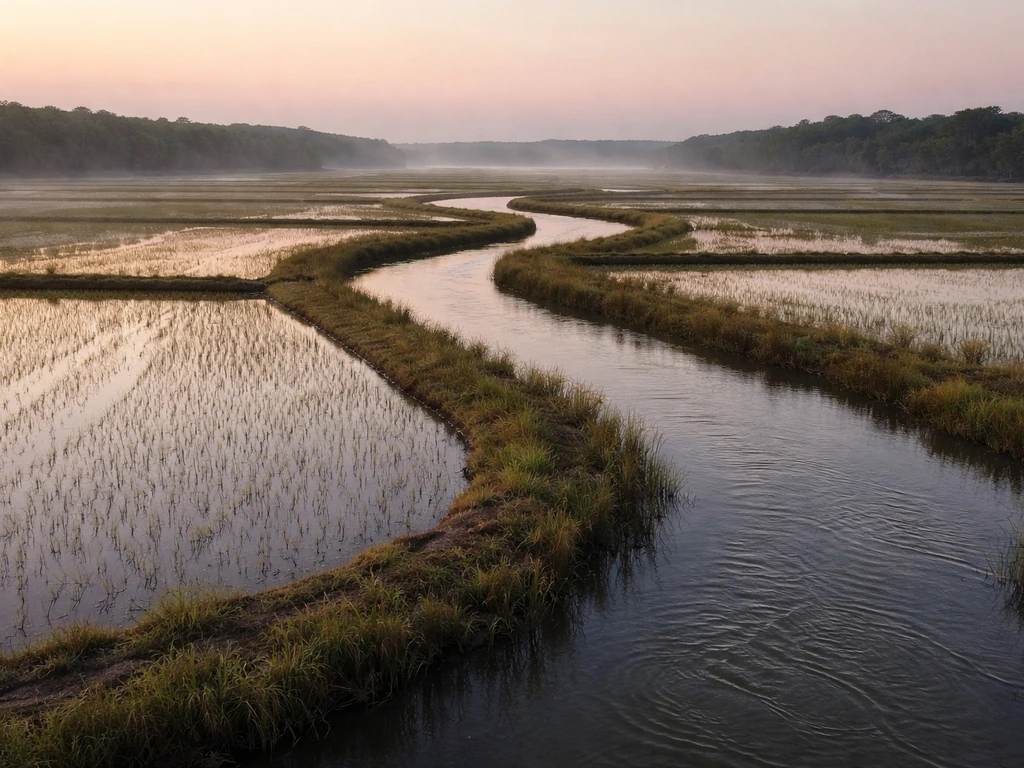
Rice cultivation in the Lowcountry wasn't just about climate. It required a very specific physical geography: tidal rivers where freshwater flow could be controlled using earthen bunds and sluice gates to flood and drain fields on schedule. Wikipedia notes that [lowland rice fields are often surrounded by bunds and are flooded](https://en. wikipedia.
org/wiki/Rice), requiring a large amount of water until about a week before harvest. The South Carolina Lowcountry's hot subtropical climate supplied the heat rice needs, and the tidal rivers along the coast supplied the water infrastructure. Enslaved Africans built those engineering systems largely from scratch. The crop zone stayed tight: commercial rice cultivation thrived in a narrow band roughly 10 to 20 miles inland along specific rivers.
Move too far from the right tidal conditions and rice cultivation didn't work at commercial scale.
Cotton: heat units and a long growing season
Cotton needs a long, warm growing season with enough accumulated heat units (temperature above a base threshold sustained over time) to develop properly before the first frost. The Deep South states, especially Georgia, Alabama, and Mississippi, provided that combination of long summers and warm temperatures. Cotton's expansion inland after the 1790s tracked closely with where the climate could reliably deliver a full growing season.
How to confirm the right crop for your specific question
If you're doing homework, writing a paper, or just want to be confident you have the right answer for a particular region or era, here's a practical approach to verifying it.
- Start with the region and time period: pin down the specific colony, country, or geographic area your question is about, and the approximate century. The crop answer for 17th-century Barbados (sugarcane) is different from the answer for 18th-century Virginia (tobacco) or 19th-century Georgia (cotton).
- Match the crop to the climate: use a Köppen climate map to identify the climate zone for that region (tropical, humid subtropical, etc.), then cross-check whether the crop's known environmental requirements fit. Sugarcane needs tropical warmth and high rainfall. Rice needs controlled flooding and subtropical heat. Tobacco and cotton need warm temperate to subtropical summers.
- Check reputable educational and museum sources: the National Museum of American History's coverage of the sugar trade, the World History Encyclopedia's colonial plantation entries, and George Washington's Mount Vernon's tobacco history pages all offer well-documented, homework-safe explanations of which crops enslaved labor supported and where.
- Use UNESCO heritage documentation for Caribbean and Brazilian sugar: UNESCO's World Heritage records for Barbados's sugar and rum industry provide authoritative, primary-source-backed evidence of the sugarcane-slavery connection in the Atlantic.
- Dig into archival sources for specific plantations or estates: the Gilder Lehrman Institute of American History hosts plantation account books that record planting schedules, harvests, weather, and labor allocation by crop. The South Carolina Department of Archives and History, the South Caroliniana Library, and the South Carolina Historical Society hold estate and court records useful for Lowcountry rice and indigo plantations. The Lascelles Slavery Archive at the Barbados Museum and Historical Society documents Caribbean plantation records across multiple islands.
- Cross-check crop geography against regional agricultural history: if a source says "rice" for a Virginia plantation, that should raise a flag because the Chesapeake tidal zone doesn't match rice's hydrological requirements. If a source says "cotton" for a 17th-century Caribbean island, check the timeline because cotton didn't dominate until much later. Let the crop-climate fit act as a consistency check on whatever sources you're reading.
The bottom line is that sugarcane is the correct answer in the broadest historical context: it drove the largest part of the transatlantic slave trade and defined plantation agriculture across the Caribbean and Brazil for centuries. But tobacco, rice, and cotton are equally well-documented answers for specific regions of North America. Knowing which one fits your question is just a matter of matching crop, climate, and time period, and the sources above will help you do exactly that with confidence. Middle colony farmers were able to grow cash crops because they could match the right crop to local soil and climate conditions.
FAQ
If a question asks broadly which crop enslaved Africans were brought to grow, is sugarcane always the right answer?
Sugarcane is the safest answer for the broadest, “overall” framing because it dominated the largest plantation destinations (especially the Caribbean and Brazil). However, if the prompt names a specific colony or state (like Virginia, South Carolina, or Georgia), you should switch to the regionally documented crop even if sugarcane is mentioned as the general association.
How should I answer if the homework prompt says “plantations” but does not specify the crop?
Treat “plantations” as a labor-system question, not a single-crop question. Use the approach of matching the place and era to the crop patterns (sugar in the Caribbean and coastal Brazil, tobacco in the Chesapeake, rice in the South Carolina and Georgia Lowcountry, cotton in the Deep South). Then explicitly state that the enslaved labor supported different cash crops depending on region and market demand.
Were enslaved Africans always taken to grow the same crop within a region over time?
No. Even within a single region, production could shift as market prices, soil exhaustion, or changing demand made one crop more profitable than another. The most reliable way to handle this in an assignment is to anchor your answer to a time window the prompt gives, or to the century the prompt implies.
If I’m focusing on the Caribbean, do I always answer sugarcane even if the island is not named?
If the prompt says “Caribbean” without specifying a particular island or century, sugarcane is still the best default because it shaped the main plantation economy across much of the region. If the question narrows to a particular island known for a different cash crop, adjust based on the named place and the time period.
What’s the key difference between rice and sugarcane when justifying an answer?
Rice justifications should emphasize controlled flooding and tidal or water-management systems (sluice gates, earthen bunds, timed flood and drain). Sugarcane justifications should emphasize high water needs across the growing season and the need for warm, frost-free conditions plus a clear harvest ripening period.
Why does tobacco sometimes appear as the answer instead of sugarcane, even though sugarcane was a major driver overall?
Tobacco fits prompts that specify the Chesapeake (Virginia and the surrounding area) during the 1600s to 1700s. Its curing and drying steps made plantation labor intensive in a different way than sugar processing, so the “right” crop depends on whether the question is about geography and production practice, not the largest global total.
How do I handle a prompt that mixes time periods, like “1500s” with “U.S. Deep South”?
Correct the mismatch by prioritizing the time range first. Cotton’s dominance in the Deep South is generally associated with later expansion after the late 1700s into the Civil War era. If the prompt’s century does not align with the region’s documented crop peak, mention the most likely shift and state the corrected window.
If I need to pick one crop for a test that asks “one correct answer,” what strategy should I use?
Look for location words (Caribbean, Brazil, Virginia, South Carolina Lowcountry, Georgia, Deep South). Then pick the crop that the article body associates with that location and time period. If the location is missing entirely, default to sugarcane, but add one short clause like “unless the prompt specifies a particular colony or region.”
Do climate details matter for answering, or is it enough to know the crop by region?
Climate details help you justify the choice and catch wrong answers. For example, you can use the article’s logic that sugar needs sustained warmth plus a frost-free season, while cotton needs a long warm growing season before frost. Including one climate-based reason often earns credit even when students can’t name every crop-carrying destination.
Could the correct crop be something else like indigo in an assignment?
Yes, but it depends on what the prompt is asking. The article frames indigo as an example of how crop incentives and conditions can make certain crops harder to sustain. If indigo is named explicitly in the question, answer indigo. If the question is about the major plantation cash crops tied to the transatlantic slave trade in the broad patterns discussed, use sugarcane, tobacco, rice, or cotton.
Next Articles
Why Ryots Were Reluctant to Grow Indigo in Colonial India
Learn why colonial ryots shunned indigo: low net profits, higher costs, risky yields, forced contracts, planter control,
Middle Colony farmers grew cash crops because fertile soil and ports
Fertile soil, steady rainfall and mild temps, and ports for shipping let Middle Colony farmers profitably grow cash crop
What Crops Did Slaves Grow on Plantations by Region
See which crops enslaved people grew by region: sugar, cotton, rice, tobacco, plus processing tasks and how to verify lo