
The Sumerians grew barley as their most important staple crop, followed by emmer wheat, with lentils, chickpeas, and flax rounding out the core of their agricultural system. Beyond those, sesame, onions, garlic, leeks, dates, figs, and various vegetables show up in cuneiform tablets and archaeobotanical finds. To answer what crops they grew in the Neolithic age, you would look at early agricultural communities and the earliest charred seed and phytolith evidence from their settlement sites what crops did they grow in the neolithic age. Barley dominated because it tolerates the salty, poorly drained soils of southern Mesopotamia far better than wheat, and that practical advantage is written right into the Sumerian archaeological record.
What Crops Did the Sumerians Grow? List and Evidence

Samuel Rourke
11 May 2026
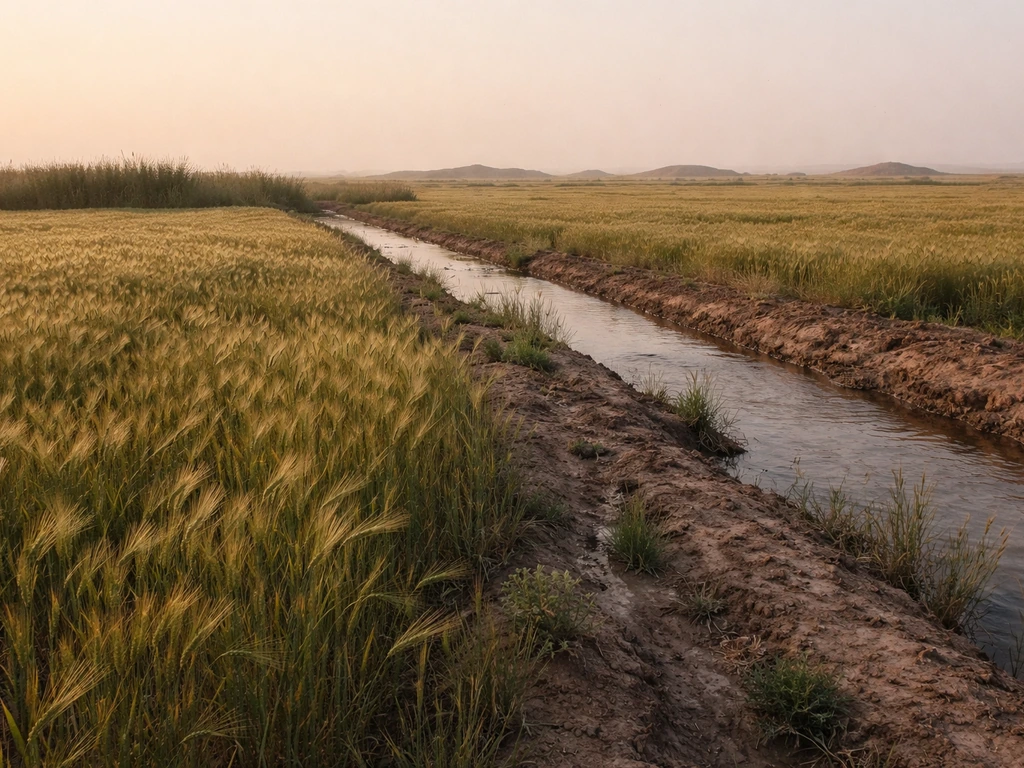
The main Sumerian crops at a glance
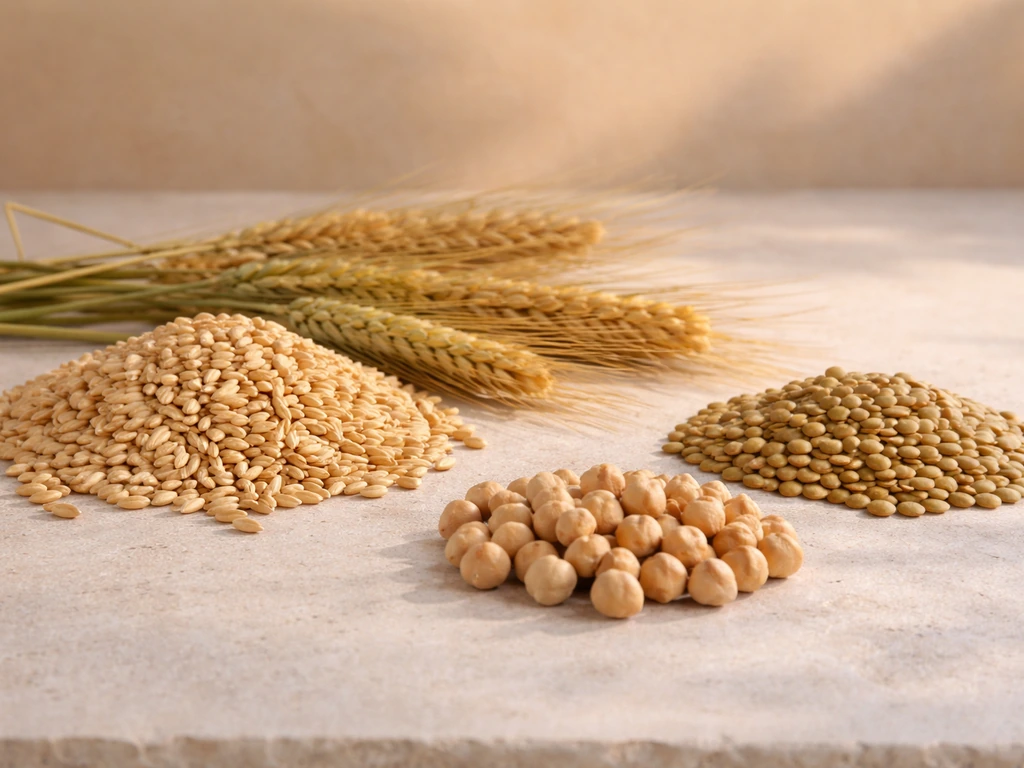
If you need a quick working list, these are the crops most consistently attested across cuneiform tablets, seal impressions, and archaeobotanical evidence from Sumerian sites in southern Mesopotamia.
| Category | Crop | Notes on attestation |
|---|---|---|
| Grain | Barley (Hordeum vulgare) | The dominant staple; extremely frequent in early texts and ration lists |
| Grain | Emmer wheat (Triticum dicoccum) | Well documented but less frequent than barley, especially in southern sites |
| Grain | Einkorn / spelt wheat | Referenced in synthesis sources; less common in southern lowlands |
| Legume | Lentil | Archaeobotanical finds across Mesopotamian sites; common field crop |
| Legume | Chickpea | Attested in region; grown alongside cereals |
| Legume | Field pea | Documented in broader Mesopotamian agricultural record |
| Oil / fiber | Sesame | Oil crop; carbonized remains are fragile and underrepresented archaeobotanically |
| Oil / fiber | Flax (Linum usitatissimum) | Grown for linseed oil and fiber; attested in early administrative texts |
| Vegetable | Onion | Explicitly named in Ur III ration tablets alongside oil, bread, and beer |
| Vegetable | Garlic | Attested in cuneiform texts and general Mesopotamian record |
| Vegetable | Leek | Appears in Sumerian literary and administrative texts |
| Vegetable | Turnip / cucumber | Referenced in broader textual sources; less firmly dated |
| Fruit | Date palm (Phoenix dactylifera) | Major orchard crop; explicit cultivation evidence from late 4th / early 3rd millennia BCE |
| Fruit | Fig | Grown in gardens alongside dates; attested textually |
| Fruit | Grape | More prominent in northern Mesopotamia; documented in wider regional record |
Crops broken down by category
Grains: the foundation of Sumerian food and economy
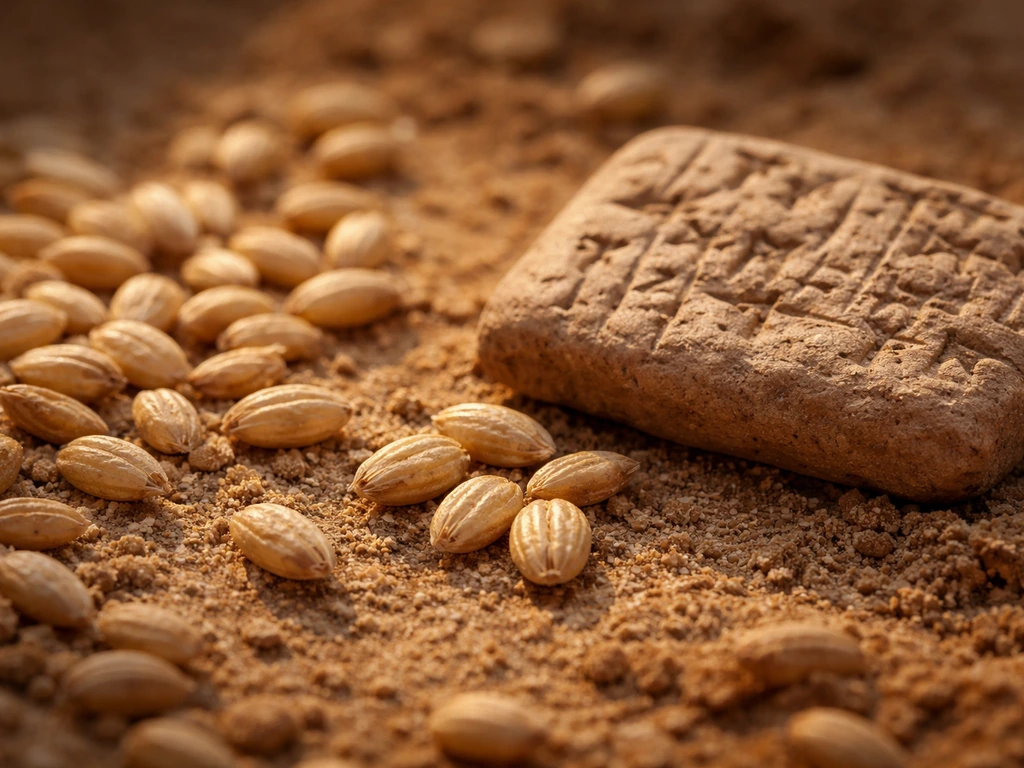
Barley was to Sumerian Mesopotamia what rice is to parts of East Asia today. It was the grain. Administrative cuneiform tablets from the Early Dynastic period through the Ur III period record the distribution of barley in rations for workers, soldiers, and messengers at massive scale.
One of the reasons barley held that position is purely agricultural: it can germinate and produce a usable yield in soils with elevated salt content, which became an increasing problem in the irrigated fields of southern Mesopotamia. Emmer wheat was also grown and documented separately from barley in early administrative accounts, but it lost ground over time in the south as soil salinity climbed.
Spelt and possibly einkorn wheat were part of the Mesopotamian grain toolkit too, though their presence in the deep south was less pronounced.
Legumes: protein in the field rotation
Lentils, chickpeas, and field peas show up consistently in both archaeobotanical assemblages and broader Mesopotamian textual evidence. These weren't just dietary fillers. Growing legumes alongside or after cereals helps restore soil nitrogen, which is a real practical advantage in intensively farmed alluvial fields. Sumerian farmers likely understood this benefit through generations of observation, even without modern soil chemistry. Lentils in particular are well attested at Mesopotamian sites and were probably a daily food source for ordinary people alongside their barley bread and beer.
Oil and fiber crops
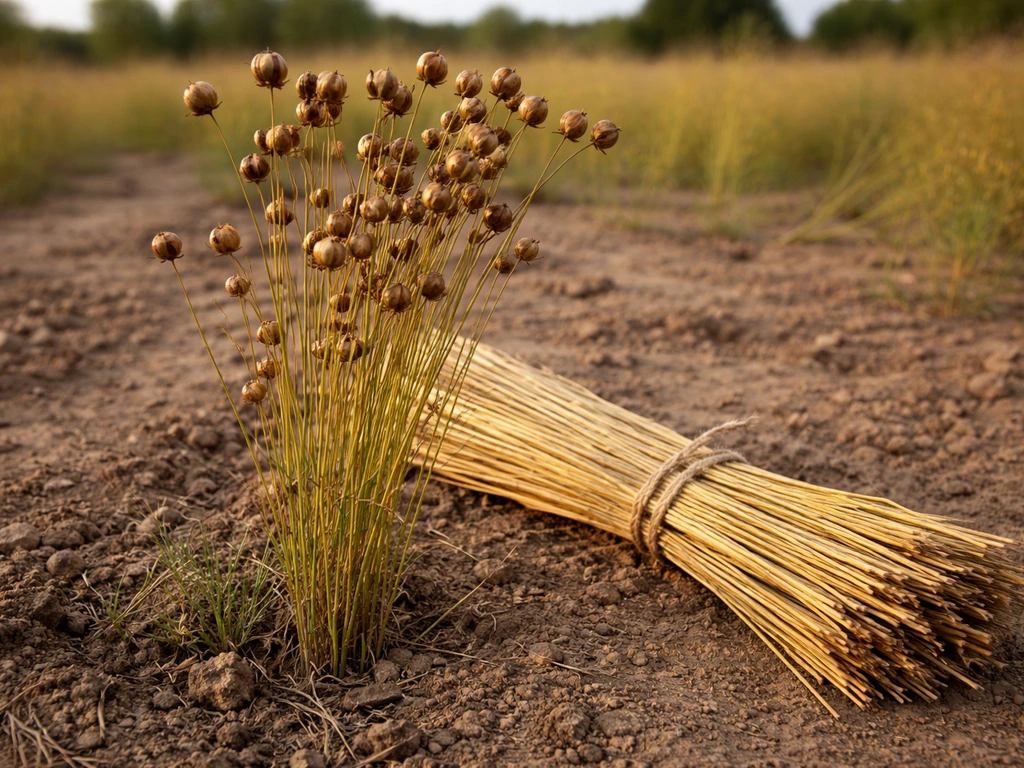
Flax was cultivated for two purposes: the seeds produce linseed oil and the stalks yield fiber for linen. It appears in early administrative texts and is a reliable find in Mesopotamian archaeobotanical assemblages. Sesame is trickier. It was an important oil crop, but its carbonized remains are physically fragile and break apart easily during archaeological recovery, which means it is likely underrepresented in the record relative to how widely it was actually grown. This is a good example of why the absence of a crop in the archaeobotanical data doesn't mean it wasn't there.
Vegetables and fruit
Onions are the standout vegetable in the Sumerian record. A well-known Ur III tablet from The Met lists rations of beer, bread, oil, and onions issued to messengers, giving you a direct cuneiform anchor for onion cultivation and use. Garlic and leeks appear in other texts, and together these alliums were clearly a regular part of the diet. Cucumbers and turnips are referenced in broader Sumerian literary and administrative sources, though exact identifications sometimes depend on interpretation of plant signs.
For fruit, the date palm is the most significant. By the late 4th and early 3rd millennia BCE, date palm garden cultivation is explicitly documented, and dates provided a vital calorie-dense food and sweetener. Figs and grapes were also grown, with grapes becoming more common as you move north.
Where crops were grown: climate, canals, and salinity
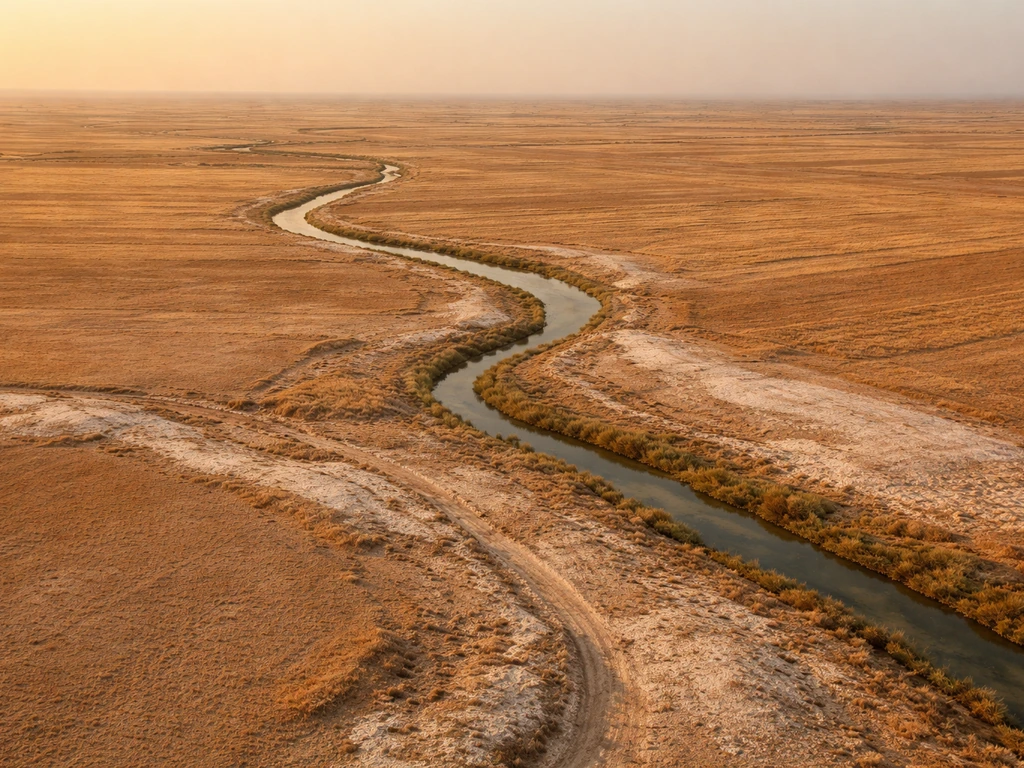
The Sumerian heartland sat in the extreme south of Mesopotamia, the alluvial plain between the Tigris and Euphrates rivers where they approach the Persian Gulf. This is flat, hot, and naturally semi-arid. Without irrigation, sustained cereal agriculture here is simply not possible. The Sumerians built an extensive network of canals to bring river water to their fields, and this irrigation system is what made cities like Ur, Lagash, Nippur, and Eridu viable. Cuneiform evidence from the Early Dynastic IIIb period at Lagash (roughly 2475 to 2315 BCE) gives us detailed reconstructions of how water management worked at the city-state level, including records of field allocations, canal maintenance, and ration distributions tied directly to agricultural output.
The critical environmental problem in this region was salinization. In the context of irrigation-without-drainage problems, an academic discussion of low-cost irrigation in antiquity (Alan Wild, 1997) addresses how drainage and salinity constraints shaped crop decisions in Mesopotamia, including the barley versus wheat contrast [salinization](https://journals. sagepub. com/doi/abs/10.
1177/003072709702600308? download=true). When you irrigate heavily but drainage is poor, salts accumulate in the topsoil over generations. Scholarship has directly linked Sumerian administrative records to a documented shift from emmer wheat (less salt-tolerant) toward barley (more salt-tolerant) over time in the southern lowlands.
A University of Haifa CRIS-hosted paper defends the theory of progressive soil salinization in ancient southern Mesopotamia, supporting the crop-shift and salinization narrative described here.
By the Ur III period, barley had become so dominant in the south that wheat appears almost incidentally. In the northern zones of Mesopotamia, where rainfall is higher and soils are less saline, wheat remained more competitive and crops like grapes were more viable. Date palms thrived in the hot, high-light conditions of the south and were well suited to the brackish water conditions that would have stressed other crops.
How we actually know: the evidence historians use
Cuneiform tablets
The primary window into Sumerian crop lists is cuneiform writing on clay tablets. The Sumerians were meticulous administrators, and their scribes recorded grain distributions, field measurements, harvest yields, ration lists, and agricultural loans in extraordinary detail. Early Mesopotamian administrative tablets explicitly record separate categories for barley and emmer wheat in distribution accounts. Ur III messenger texts list provisions that include onions alongside grain and oil products. The Cuneiform Digital Library Initiative (CDLI) indexes thousands of these tablets and includes specific bibliographic records on cultivation methods in the Ur III period, which you can cross-check against transliterations if you want to go deeper on a specific crop name.
Sign readings and transliteration conventions
One thing that trips people up: matching a cuneiform sign to a specific plant species is not always straightforward. Researchers use standardized sign lists and transliteration conventions, maintained through resources like ORACC's electronic Pennsylvania Sumerian Dictionary (ePSD2), to map plant logograms to proposed identifications. The sign for 'barley/grain' appears very frequently in early texts, while the sign for emmer is documented but shows up less often. Some plant identifications are debated, and it's worth being cautious when you see very specific claims about minor crops without a clear tablet citation and sign reading behind them.
Archaeobotanical finds
Alongside the tablets, archaeobotany (the study of plant remains from excavations) provides independent physical evidence. Excavators recover charred seeds, grain impressions in mud bricks, and plant phytoliths. These finds confirm what the tablets describe and sometimes reveal crops that weren't prominently recorded in writing. The catch is preservation bias: robust, heavily carbonized seeds like barley survive well, while fragile material like sesame seeds often disintegrates. This means crop frequency in the archaeobotanical record reflects both actual agricultural importance and the physical durability of remains. Phytolith studies have been especially useful in tracking pastoral and multi-cropping patterns across Mesopotamian sites.
Chronological calibration
Getting the timing right matters when you're comparing crop patterns across periods. Researchers integrate dendrochronology and radiocarbon dating to pin down the relative chronology of Mesopotamian periods, which affects how we interpret shifts like the wheat-to-barley transition. Without solid chronological anchors, it's easy to conflate Early Dynastic practices with Ur III ones or to misattribute regional patterns to the wrong period.
How Sumerian farming actually worked
Sumerian agriculture ran on a combination of canal irrigation, communal labor organized through temple and palace institutions, and a biennial fallow system in many fields to let soils recover. Plowing was done with ox-drawn ard plows, and seeding was often accomplished using a seed funnel attached to the plow that dropped grain directly into the furrow. This is described in the famous Sumerian Farmer's Almanac, one of the oldest agricultural instruction texts known, which gives advice on timing irrigation, proper seeding rates, and managing the crop through harvest.
Barley was typically sown in the autumn (after the first irrigation) and harvested in late spring, roughly April to May. The harvest was a major communal event, with large labor forces mobilized and outputs carefully recorded by scribes. Irrigation management was critical throughout: too little water and the crop failed; too much with poor drainage and the soil salinized. Fields were measured in units like the iku (roughly 0.36 hectares), and yields were tracked per unit area in the administrative records, giving us a surprisingly detailed picture of actual productivity.
How crops shifted across periods and regions
Early Dynastic period (roughly 2900 to 2350 BCE)
During the Early Dynastic period, both barley and emmer wheat were grown in the south, though barley was already the more prominent grain in administrative records. The major Sumerian city-states, including Lagash, Ur, Nippur, and Umma, organized agriculture through temple estates that controlled large tracts of irrigated land. The Early Dynastic IIIb records from Lagash are especially valuable because they give us detailed irrigation management data tied to specific fields and crops, confirming a highly organized, canal-dependent system for cereal production.
Akkadian and Ur III periods (roughly 2350 to 2004 BCE)
By the Akkadian period and especially by Ur III, barley's dominance in the south had become near-total. This reflects cumulative soil salinity from centuries of irrigation without adequate drainage. Ur III administrative texts are the richest source for crop documentation: they record massive barley rations, oil provisions (from sesame and possibly other sources), and vegetable allotments including onions. The Ur III state was essentially a command economy, and its scribes left behind thousands of tablets tracking agricultural inputs and outputs. If you're researching a specific crop in Sumerian context, Ur III tablets are the most detailed and accessible entry point.
North vs south within Mesopotamia
The north (roughly modern northern Iraq and Syria) had a meaningfully different crop profile. Rainfall agriculture was possible in parts of the north without full dependence on canal irrigation, emmer wheat remained more competitive, and cooler temperatures made a broader range of crops viable. Grapes, olives (near the northern margins), and orchard crops were more prominent. The Sumerian city-states were concentrated in the south, so when we talk specifically about Sumerian agriculture, we're primarily talking about the heavily irrigated, barley-dominated southern alluvial plain. For a different ancient Mediterranean region, you might also ask what crops did ancient Greece grow and how their agriculture compared to Mesopotamia’s irrigated staples.
Overlap with neighboring Mesopotamian cultures
It's worth being direct about this: the Sumerians didn't operate in agricultural isolation, and the distinction between 'Sumerian crops' and broader 'Mesopotamian crops' is partly a matter of geography and period framing rather than a clean cultural boundary. The Akkadians who ruled after the Early Dynastic period farmed the same southern alluvium using the same irrigation infrastructure and grew the same core crops. The Ur III period itself was a Sumerian cultural revival but operated across a larger empire that included Akkadian and other populations. If you compare the Sumerian crop record with what crops Mesopotamia grew more broadly, the core list is nearly identical, with regional variation driven by climate and soil rather than ethnicity.
Comparison with ancient Egypt is also instructive: Egyptian agriculture relied heavily on the Nile flood rather than canal irrigation, which produced different soil salinity dynamics and allowed emmer wheat to remain a more central staple for longer. Ancient Greece and ancient India had their own distinct staple systems shaped by their specific climates.
For ancient India, crop lists come from a mix of textual descriptions and archaeology, which point to key staples and oilseed crops what crops did ancient india grow. Ancient Greece also relied on cereal farming, along with olives and grapes, shaped by the Mediterranean climate and local soils. The Sumerian crop profile is most distinctive for its extreme reliance on barley in response to a specific environmental pressure: saline, poorly drained irrigated soils in a hot, arid lowland.
Where to look if you want to verify specific crops
If you want to go beyond this overview and verify specific crop identifications against primary sources, here's a practical path. The Cuneiform Digital Library Initiative (CDLI) at cdli.ucla.edu lets you search tablet transliterations and find records mentioning specific Sumerian words for crops. The ORACC electronic Pennsylvania Sumerian Dictionary (ePSD2) gives you sign readings and attested occurrences for plant terms. For archaeobotanical data, look for site reports from excavations at Ur, Lagash, Nippur, and Uruk, which often include charred seed assemblages with quantitative data on crop frequency. Museum collections at The Met, the British Museum, and the Oriental Institute publish object descriptions for agricultural tablets online, and those descriptions often include the specific crop terms in transliteration.
For a solid secondary overview that synthesizes both textual and archaeobotanical evidence, search for work by scholars like Robert Neef, Margareta Tengberg, or Naomi Miller on Mesopotamian archaeobotany, and look for the relevant chapters in the Cambridge World History of Food or the Oxford Handbook of the Archaeology of Diet. These will give you the crop identifications with the uncertainty flags that primary research actually supports, rather than simplified lists that sometimes circulate in general summaries.
FAQ
Were the Sumerians growing barley only, or was it mixed farming?
Barley was the dominant staple, but the agriculture was not single-crop. Legumes (lentils, chickpeas, field peas) and oil/fiber crops (sesame, flax) were grown alongside cereals, and vegetables like onions appear in ration lists, showing regular multi-crop production rather than barley-only fields.
Did Sumerians grow wheat too, and if so, why does barley become more common?
Emmer wheat was grown, especially early on, but it declined in the southern lowlands as irrigation salinity increased. Barley’s better performance on salt-stressed soils made it increasingly preferred in later periods, so wheat often becomes rarer in tablet emphasis even if it was not completely absent.
How can I tell whether a “crop name” in a translation is reliable?
Check whether the identification is grounded in a specific cuneiform sign and whether the sign reading is standardized in dictionaries like ePSD2. For minor crops, the same plant sign can be ambiguous, so strong claims should include the tablet context and the transliteration, not just a general crop list.
Why do archaeobotanical finds sometimes miss crops mentioned in tablets?
Preservation bias is a major reason. Fragile or easily disintegrated plant parts, such as small carbonized seeds, can survive poorly, while more robust remains (and heavily carbonized grains) preserve better. That means “missing in seeds” does not always equal “not grown.”
Could sesame have been important even if it is underrepresented in seed assemblages?
Yes. Sesame is a good example where tablets and oil-crop expectations can suggest importance, but the physical survival of sesame remains is poor. Even strong archaeobotany evidence can underestimate its role if the material is too fragile to recover consistently.
Do Sumerian crop patterns differ between the south and the north?
Yes. The south, the core Sumerian zone, relied heavily on canal irrigation and experienced stronger salinization, which favored barley and date palms. In the north, rainfall agriculture and different soil conditions made emmer wheat and viticulture more competitive, so the crop profile shifts geographically.
When did the barley-to-wheat shift happen?
It was not instantaneous. The trend toward barley dominance is linked to accumulating salinity over generations of irrigation, and the change becomes especially clear by the Ur III period. To date it more precisely, you would compare administrative emphasis across Early Dynastic, Akkadian, and Ur III tablet corpora rather than relying on a single snapshot.
What evidence is best if I want to study a single crop like onions?
Use targeted cuneiform contexts. For onions specifically, the article notes Ur III messenger provisioning as a direct textual anchor, but the general method is to search for that crop’s term in tablet transliterations and then compare the crop’s distribution across different administrative roles (workers, soldiers, messengers).
How were crops scheduled, and does the calendar affect which seeds appear in the record?
Sowing and harvest timing matter. Barley was typically sown in the autumn and harvested in late spring, so crop processing and storage occur at predictable times that affect how much plant material ends up in dumps, storage spaces, or building contexts that preserve seeds.
What is a common mistake when interpreting Sumerian crop evidence?
A frequent error is treating “Sumerian” as a fully separate agricultural system from wider Mesopotamia. Since the irrigated core crops and infrastructure carried across regimes, you usually need to separate what changes (like emphasis shifting from wheat to barley due to salinity) from what stays shared.
If I want to verify claims from the article, where should I start?
Start with the primary evidence workflow described in the article: search CDLI tablet transliterations for specific crop words, then use ePSD2 sign and word evidence to confirm the mapping. After that, cross-check with site report archaeobotany for the same regions (Ur, Lagash, Nippur, Uruk) to see whether seed and phytolith patterns match the textual emphasis.
Next Articles
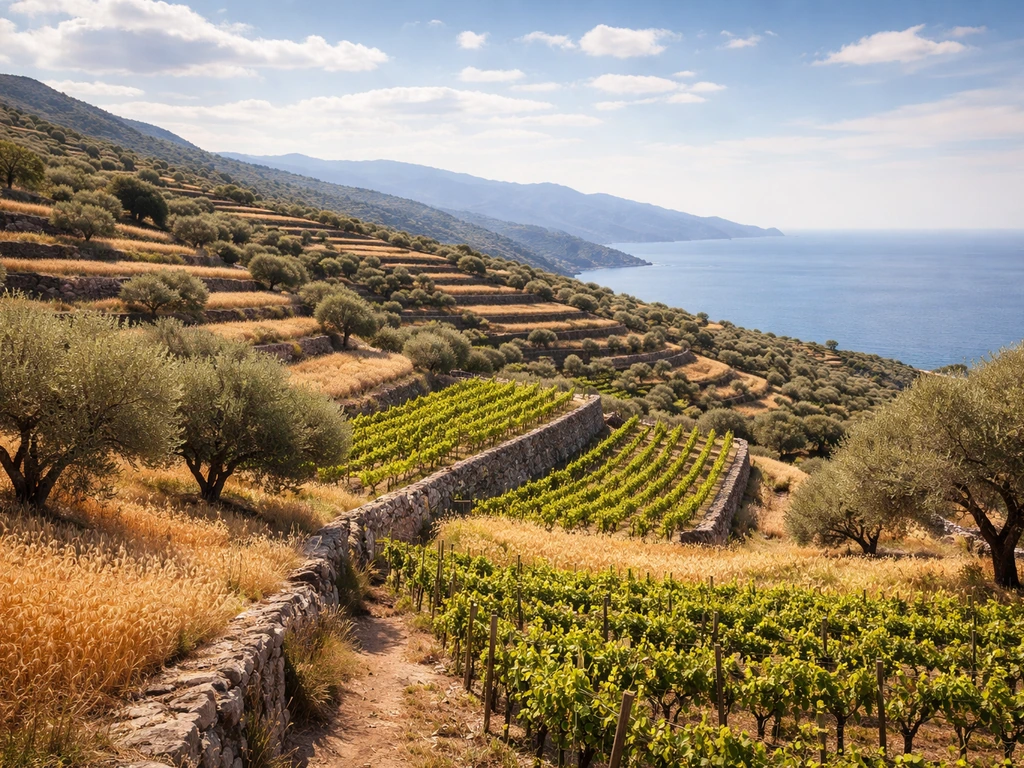
What Crops Did Ancient Greece Grow by Region and Climate
Region by region crops in ancient Greece, climate fit, and modern equivalents for today’s Mediterranean gardening.
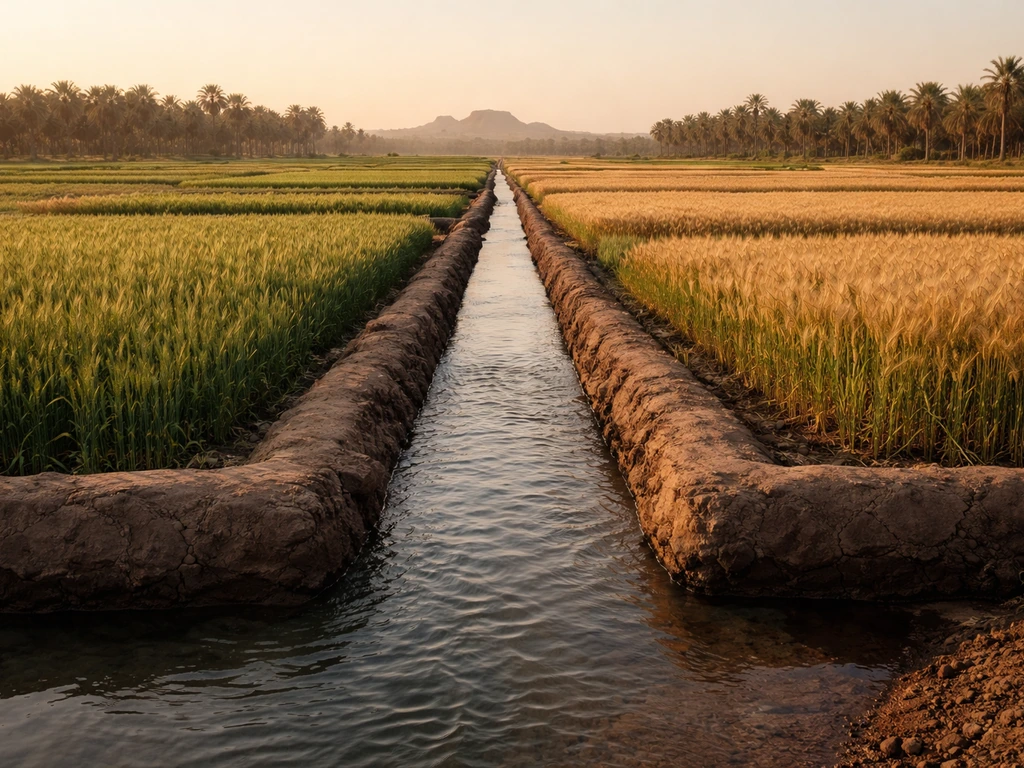
What Crops Did the Mesopotamians Grow? Staple List and Evidence
Staple grains, legumes, oilseeds, fibers, fruit and orchard crops, plus how irrigation shaped Mesopotamian farming and e
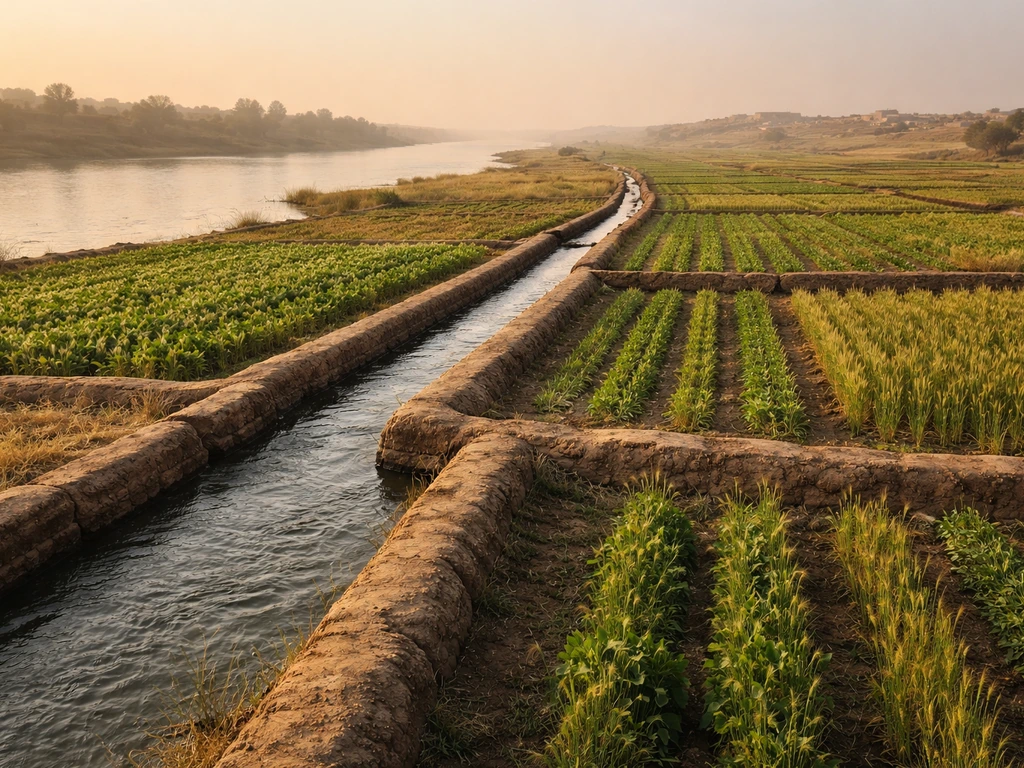
What Crops Did Mesopotamia Grow? List and Why It Worked
Mesopotamia crop list plus why they grew: irrigation, fertile river soils, cereal-legume mix, and regional differences.