Quick Answer: Peru's Main Crops
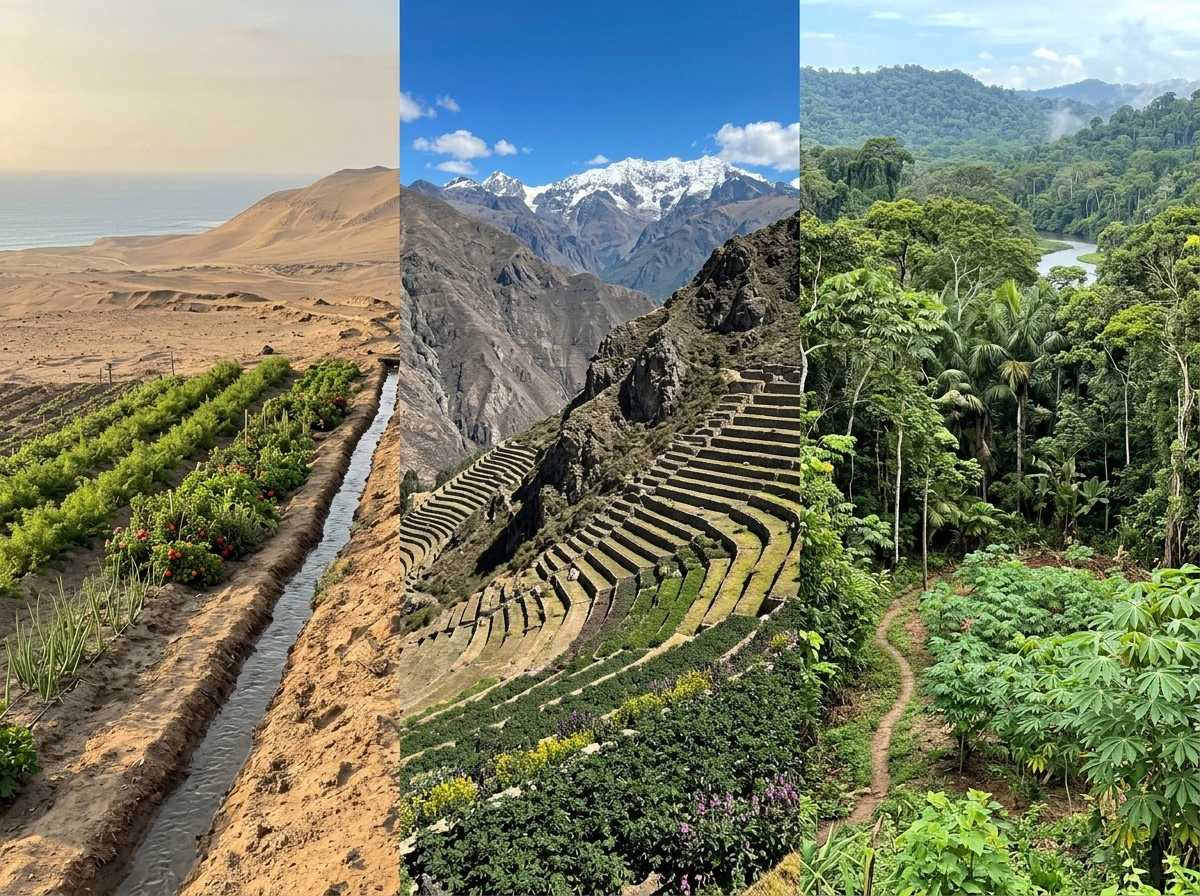
Peru grows a remarkably diverse range of crops, largely because the country spans three completely different geographic zones: a narrow desert coast, the high Andes mountains, and the vast Amazon rainforest. Each zone has its own climate, elevation, and soil profile, which drives a very different crop mix. The short answer to what Peru grows includes potatoes, maize, rice, asparagus, quinoa, coffee, cocoa, sugarcane, bananas, cassava, and a wide variety of native fruits and vegetables.
Peru is also one of the world's top producers of asparagus and a major source of native potato varieties, with over 3,000 potato types originating in the Andes. A peer-reviewed paper also notes the Andes origin of potato and estimates that Peru has about 3,000 potato landrace varieties, with roughly 4,000 across the Andes region [about 3,000 potato types originating in the Andes](https://pmc. ncbi. nlm.
nih. gov/articles/PMC8626715/).
Coastal Peru: What Grows in the Desert Strip
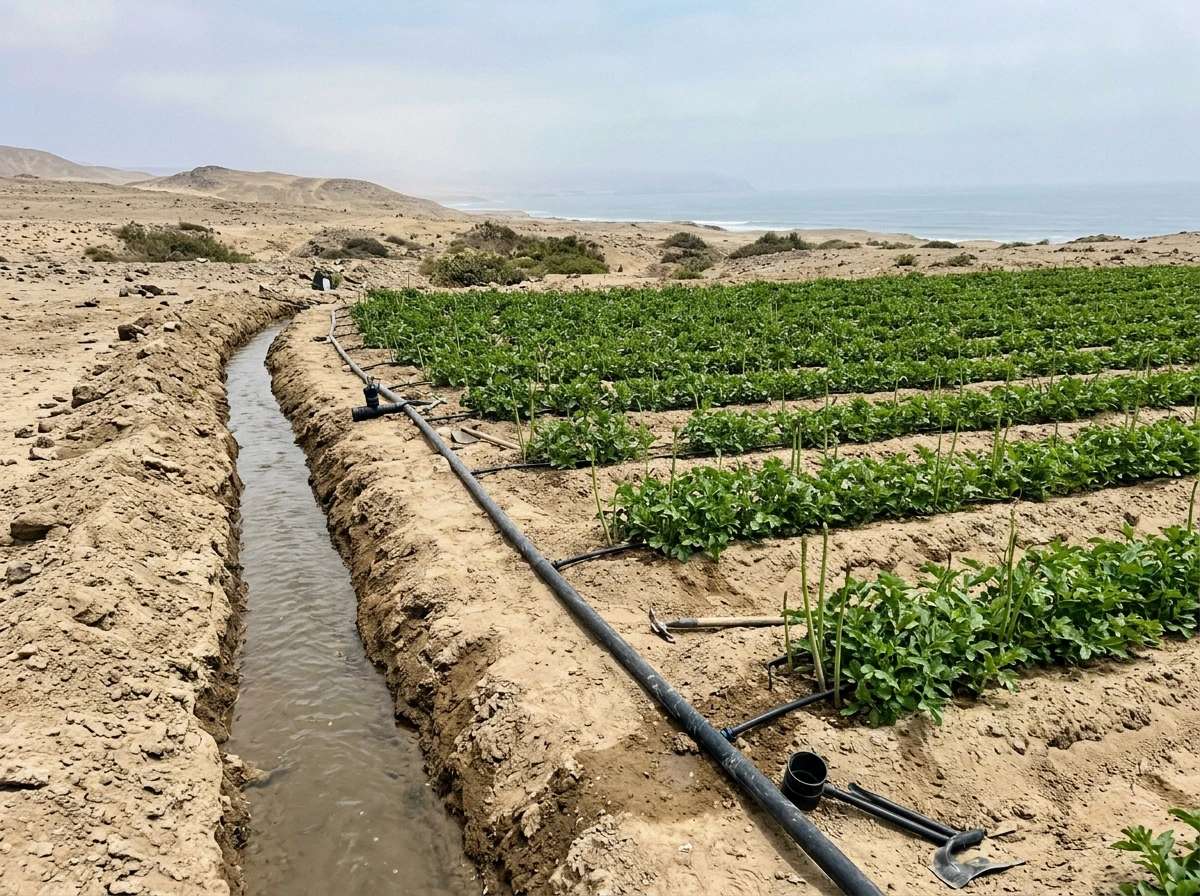
The Peruvian coast is essentially a narrow desert running the length of the country alongside the Pacific Ocean. Rainfall is almost nonexistent here, so agriculture depends almost entirely on river irrigation from Andean runoff. Despite that, the coast is Peru's most commercially productive agricultural zone because the soil is fertile when watered, the climate is mild and frost-free, and large-scale irrigation infrastructure has been in place for centuries. The coastal zone produces the bulk of Peru's export crops.
- Asparagus: Peru is one of the world's top exporters, with production concentrated in La Libertad, Ica, and Ancash
- Sugarcane: grown at scale in the northern coastal valleys, particularly around Trujillo and Lambayeque
- Rice: irrigated lowland rice is a coastal staple, especially in Piura, Lambayeque, and San Martín border regions
- Cotton: historically important in coastal valleys; still grown but at reduced scale compared to the mid-20th century
- Grapes: Ica and Lima regions produce table grapes and grapes for pisco, Peru's national spirit
- Olives: grown in the far south coast around Tacna, one of the few olive-producing zones in South America
- Citrus and avocado: increasingly important export crops, especially Hass avocado from Ica, La Libertad, and Lima regions
- Onions, garlic, and peppers: irrigated vegetable production for domestic markets and export
- Sweet potatoes and squash: traditional crops with deep coastal pre-Columbian roots
The key driver here is irrigation. Without water from the Andes, most of coastal Peru is unfarmed desert. Farmers on the coast have learned to maximize this reliable, controllable water supply to grow high-value export crops that benefit from the coast's stable temperatures, low humidity in some zones, and proximity to ports. If you are researching coastal Peru specifically, the irrigation-dependent export crop sector is the dominant story.
Andean Highlands: What Grows at Altitude
The Andean highlands, often called the sierra, cover a wide elevation range from roughly 2,500 meters up to over 4,000 meters above sea level in the altiplano. Temperature drops fast with elevation, frosts are a constant threat at higher levels, and rainfall is seasonal. Yet the Andes is where Peruvian agriculture has its deepest roots. The Inca civilization developed sophisticated terrace farming (andenes) specifically to cultivate crops across these elevation gradients, and many of those ancient crop varieties are still grown today. If you want to understand why Peru is so agriculturally important historically, the Andes is where that story lives.
- Potatoes: the Andes is the origin of the potato; Peru still cultivates over 3,000 native varieties, from sea level up to 4,200 meters
- Maize (corn): grown at mid-elevations, especially the large-kernel choclo varieties prized in Andean cooking and the purple maize used for chicha morada
- Quinoa: a high-altitude grain crop native to the Andes, now a major export; Puno and Cusco are top producing regions
- Kiwicha (amaranth): another ancient high-altitude grain, nutritionally dense and drought-tolerant
- Oca, ulluco, and mashua: native Andean tubers grown at high elevations where potatoes struggle
- Broad beans (habas): a cold-tolerant legume widely grown across the sierra
- Wheat and barley: introduced after Spanish colonization, now grown at mid-elevations and widely consumed
- Coffee: grown on the eastern Andean slopes (called the ceja de selva) in regions like Cajamarca, San Martín, and Amazonas at elevations of 1,000 to 2,000 meters
- Cocoa: also grown on the eastern Andean slopes and upper Amazon transition zone
Elevation is the single most important variable for Andean crop selection. Below 2,000 meters on the eastern slopes, you get coffee and cocoa in a warm, humid cloud-forest environment. Between 2,000 and 3,500 meters you get maize, potatoes, and introduced cereals. Above 3,500 meters, it is mostly native tubers, quinoa, and hardy legumes that can handle frost. Understanding that elevation gradient is the key to predicting what any specific Andean location will grow.
Amazon Lowlands: What Grows in the Jungle
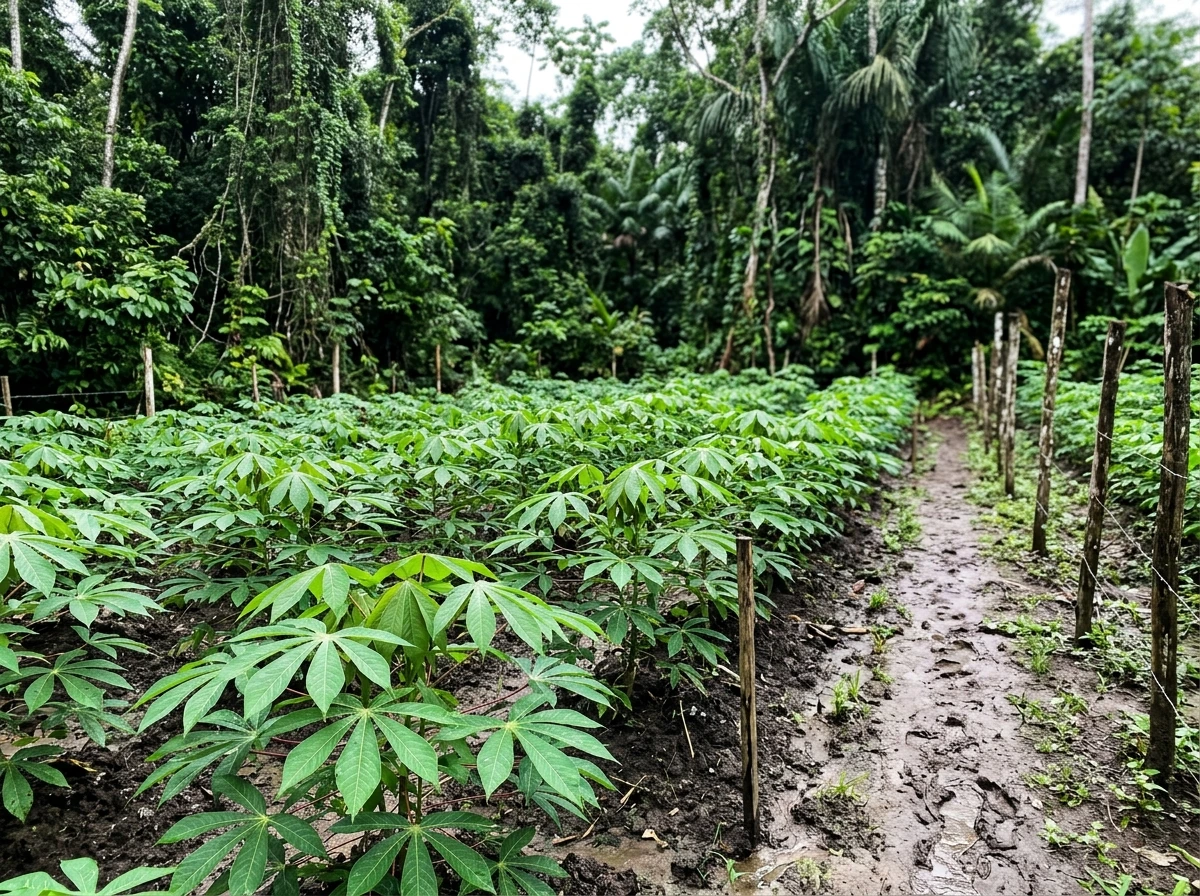
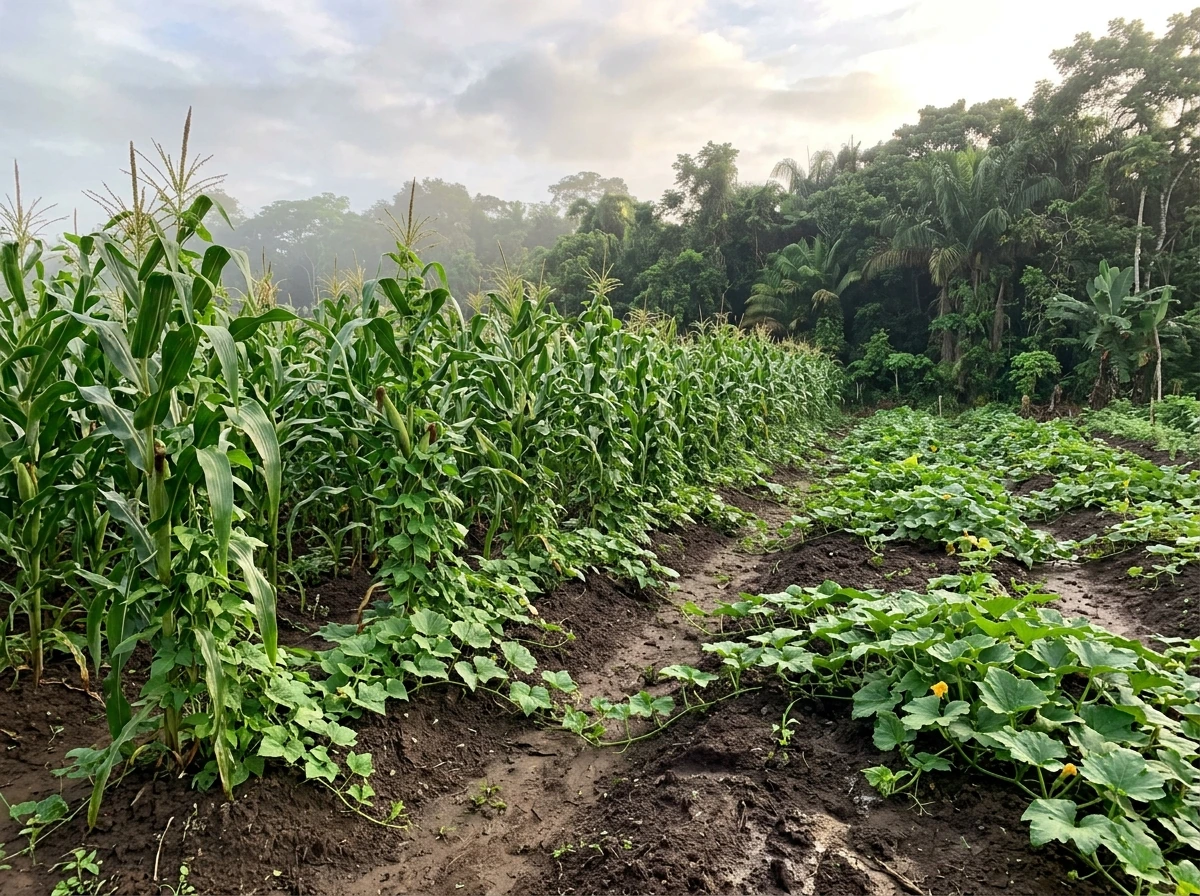
The Peruvian Amazon, called the selva, makes up roughly 60 percent of the country's land area but holds a smaller share of the population. The climate here is hot, humid, and receives heavy rainfall year-round in many zones, which makes it ideal for tropical crops but challenging for large-scale mechanized farming. Agriculture in the selva tends to be a mix of smallholder farming, shifting cultivation, and emerging commercial operations, particularly around Ucayali, Loreto, and San Martín.
- Cassava (yuca): a staple food crop throughout the Peruvian Amazon, grown by indigenous communities for centuries
- Plantains and bananas: widely grown across the entire lowland zone, both for local consumption and export
- Cocoa: Peru has become a significant fine-flavor cocoa producer, with Amazon-grown beans earning specialty market premiums
- Coffee: upper Amazon transition areas grow coffee alongside the eastern Andean slopes
- Palm oil: a growing commercial crop in Ucayali and Loreto, though expansion has raised land-use concerns
- Tropical fruits: camu camu (a native super-fruit), aguaje (moriche palm), cocona, and achiote are native Amazon crops gaining export interest
- Rice: grown in flooded lowland areas of the Amazon basin
- Corn: grown widely for local subsistence and as animal feed
- Peanuts and cowpeas: traditional legume crops in smallholder Amazon systems
The Amazon's biodiversity is the real story here. Many native Amazonian crops are underutilized at scale but hold enormous potential, especially as international interest in superfoods and specialty ingredients grows. Camu camu, for instance, has one of the highest vitamin C concentrations of any known fruit and is now exported as powder to supplement markets worldwide. If you are studying what Peru grows from a biodiversity or historical-food perspective, the Amazon adds a whole layer that most crop guides underrepresent.
Historical Crops vs. What Peru Focuses on Today
Peru's crop history is one of the richest in the world. The Inca civilization that dominated the Andes before Spanish colonization in the 16th century built one of the most sophisticated agricultural systems ever developed, using terracing, irrigation canals, and a detailed knowledge of microclimates to grow dozens of crop varieties across extreme elevation ranges. Their core crops were potatoes, maize, quinoa, kiwicha, oca, and freeze-dried chuño (a preserved potato product). If you want to dig deeper into that history, the Inca agricultural system and how they engineered mountain farming is a topic worth exploring on its own.
Spanish colonization shifted priorities dramatically. Wheat, barley, cattle fodder crops, grapes, and olives were introduced to feed colonial settlements and export back to Spain. Native crops like quinoa were actually suppressed during the colonial period because of their ceremonial significance to Andean culture. The result was a two-track agricultural system: introduced European crops for colonial commerce and native crops that persisted at the subsistence level in indigenous communities.
Modern Peru has partially reversed that trend. Since the 1990s, Peruvian agriculture has seen a major export boom driven by asparagus, avocados, blueberries, grapes, and mangoes on the coast, and by coffee, cocoa, and quinoa in the highlands and Amazon. Quinoa in particular went from a near-forgotten Andean grain to a globally traded commodity within about two decades, with Peru and Bolivia now dominating world supply.
MIDAGRI (Peru's Ministry of Agricultural Development) publishes detailed annual crop statistics in their monthly bulletin called El Agro en Cifras, which tracks production area and volume by crop category. The U. S. Department of Labor’s Peru coffee supply chain report also breaks down coffee production estimates by Peruvian regions, including major producing areas such as San Martín, Cajamarca, and Amazonas [regional coffee production](https://www.
dol. gov/sites/dolgov/files/ILAB/PeruCoffeeReport_508. pdf). As of the most recently available editions (2024 and 2025), the top crops by production volume include potatoes, rice, maize, cassava, sugarcane, and a growing roster of export fruits.
| Crop | Primary Region | Pre-Colonial Importance | Modern Export Importance |
|---|
| Potato | Andes | Core staple, 3,000+ varieties | Domestic staple, niche export of native varieties |
| Quinoa | High Andes (Puno, Cusco) | Sacred grain, Inca staple | Major global export commodity |
| Maize | Andes, Coast | Ceremonial and staple crop | Domestic staple, specialty varieties exported |
| Asparagus | Coast (Ica, La Libertad) | Not historically significant | Top export crop by value |
| Avocado (Hass) | Coast, mid-Andes valleys | Native avocado varieties existed | Rapidly growing export crop |
| Coffee | Eastern Andes slopes, Amazon | Post-colonial introduction | Major export, specialty market focus |
| Cocoa | Amazon, Eastern Andes | Pre-colonial Amazonian use | Growing fine-flavor export sector |
| Cassava | Amazon lowlands | Amazonian staple for millennia | Domestic staple, limited export |
| Sugarcane | Northern coast | Post-colonial introduction | Domestic sugar and ethanol production |
| Cotton | Coastal valleys | Pre-colonial native cotton grown | Reduced scale, some premium varieties remain |

If you need to go beyond this general overview and identify what grows in a specific location in Peru, the most reliable approach is to start with the three-zone framework (coast, highlands, Amazon) and then narrow down by elevation and rainfall. Here is how I would approach it practically:
- Identify the region: Is the location on the Pacific coast, in the Andean highlands, or in the Amazon basin? This single question eliminates most of the ambiguity immediately.
- Check elevation if you are in the Andes: Below 1,500 meters on the eastern slopes, think coffee and tropical fruits. Between 1,500 and 3,500 meters, think maize, potatoes, and vegetables. Above 3,500 meters, think native tubers, quinoa, and barley.
- Consider irrigation access on the coast: Coastal agriculture is almost entirely irrigation-dependent. River valleys with water access grow export crops; land without water access grows nothing at scale.
- Look at what neighboring communities grow: In Peru, crop traditions are highly localized. A specific valley might be known for a particular potato variety or maize type that has been cultivated there for generations. Local agricultural extension offices and MIDAGRI regional data are useful here.
- Cross-reference with MIDAGRI's El Agro en Cifras: This monthly bulletin is Peru's official crop statistics reference and breaks production down by region and crop category. It is the most reliable source for current crop importance by area.
- Use this site's regional crop guides for context: If you are researching Peru's historical agricultural patterns alongside modern ones, exploring how Inca farming systems shaped the highlands is essential background. Articles on how the Incas grew crops in the mountains provide useful context for why the Andes produce what they do today.
The practical takeaway is this: Peru's geography is the answer to almost every crop question about the country. The coast is about irrigation and export value. The highlands are about elevation tolerance and a living history of native crop diversity. The Amazon is about tropical abundance and emerging commercial potential. Once you know where in Peru you are looking, the crop picture becomes much clearer very quickly.
For readers interested in the historical angle, it is worth noting that the agricultural story of Peru did not start with modern export crops or even with the Inca. Pre-Inca Andean cultures were cultivating potatoes, maize, and cotton for thousands of years before the Inca empire unified the region.
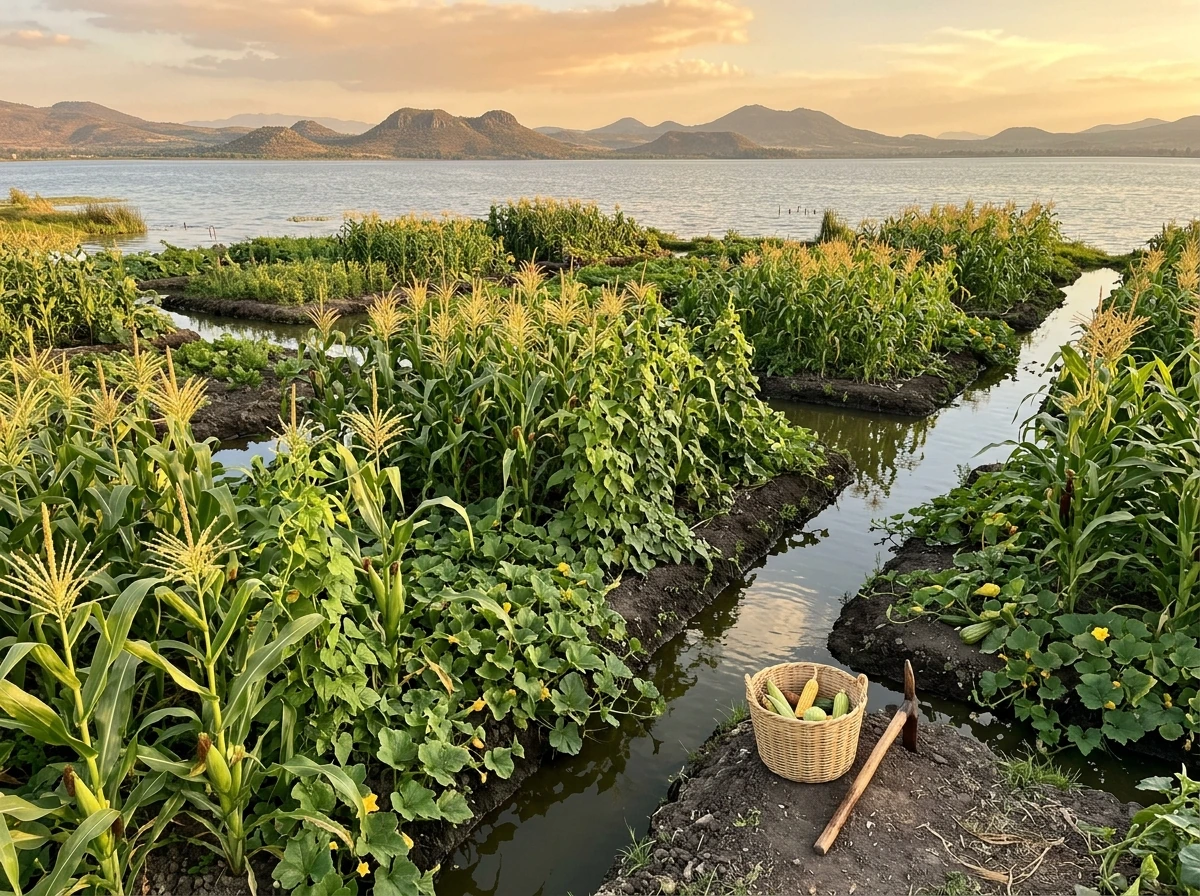
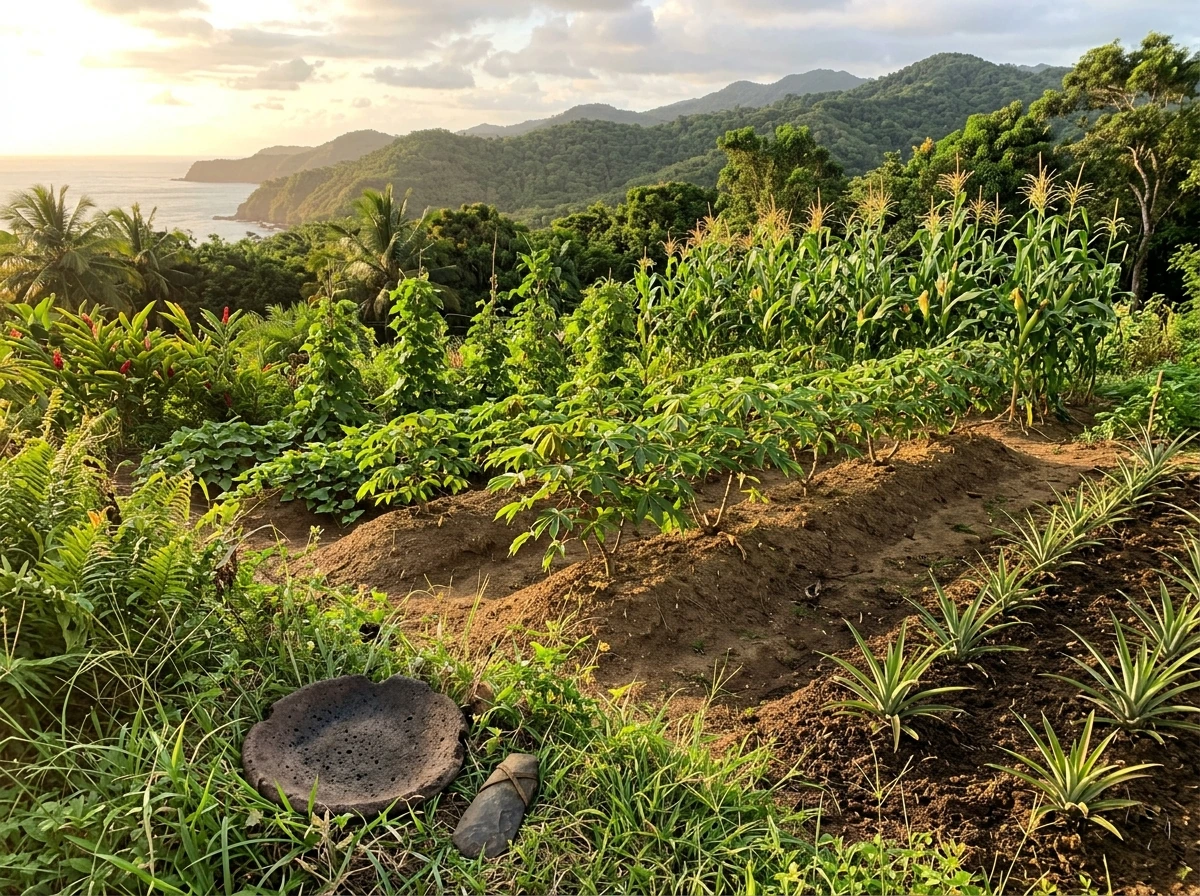
Understanding that deep agricultural continuity is part of what makes Peru one of the world's most important centers of crop domestication, right alongside the regions where the Mayans and Aztecs developed their own crop systems in Mesoamerica. What crops the Mayans grew is another key part of how Mesoamerican societies developed their own agricultural systems Mayans and Aztecs.
Understanding that deep agricultural continuity is part of what makes Peru one of the world's most important centers of crop domestication, right alongside the regions where the Mayans and Aztecs developed their own crop systems in Mesoamerica. what crops did the tainos grow what crops did the aztec grow what crops did the tainos grow