Maya farmers grew a wide range of crops, but three dominated everything: maize (corn), beans, and squash. Those three formed the backbone of Maya agriculture for thousands of years and are still grown together across parts of Mexico and Central America today. Beyond that core trio, Maya farmers also cultivated chiles, cacao, cotton, sweet potatoes, manioc (cassava), avocados, papaya, and a variety of other fruits and root vegetables. The full picture is a surprisingly diverse agricultural system, not a monoculture, and understanding it helps explain how a civilization of millions fed itself in a tropical lowland environment without modern tools or synthetic inputs.
What Crops Did the Mayans Grow, and How They Cultivated Them

Samuel Rourke
24 Mar 2026
The Big Three: Maize, Beans, and Squash
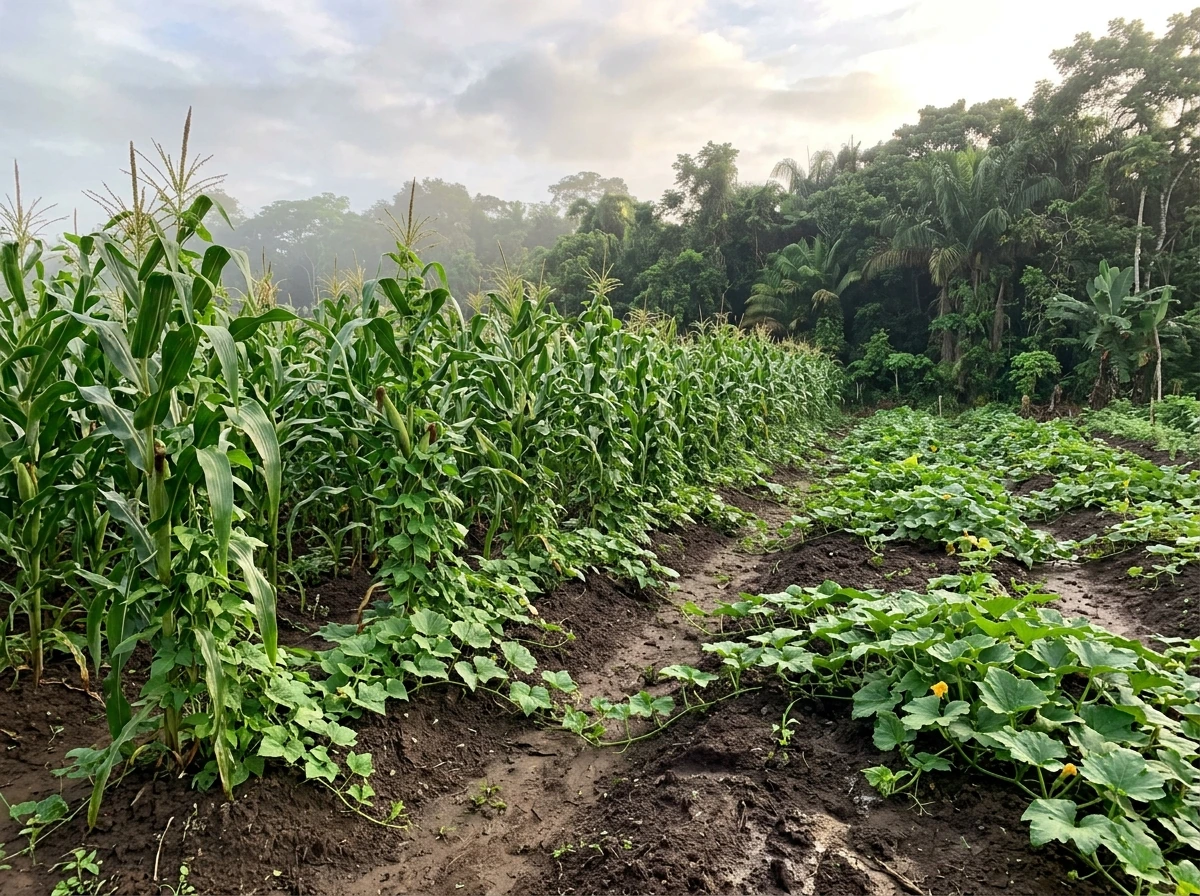
If you want the short answer, it's the milpa. The milpa is an intercropping system built around maize, beans, and squash planted together in the same field, and it was the engine of Maya food production. Paleoethnobotanical research on Maya lowland sites has confirmed abundant evidence for all three cultivars in milpa areas going back to the Classic period and earlier. FAO's documentation of the living 'Ich Kool' Mayan milpa system (still practiced in the Yucatan Peninsula) identifies the same triad as the core of this agroforestry approach.
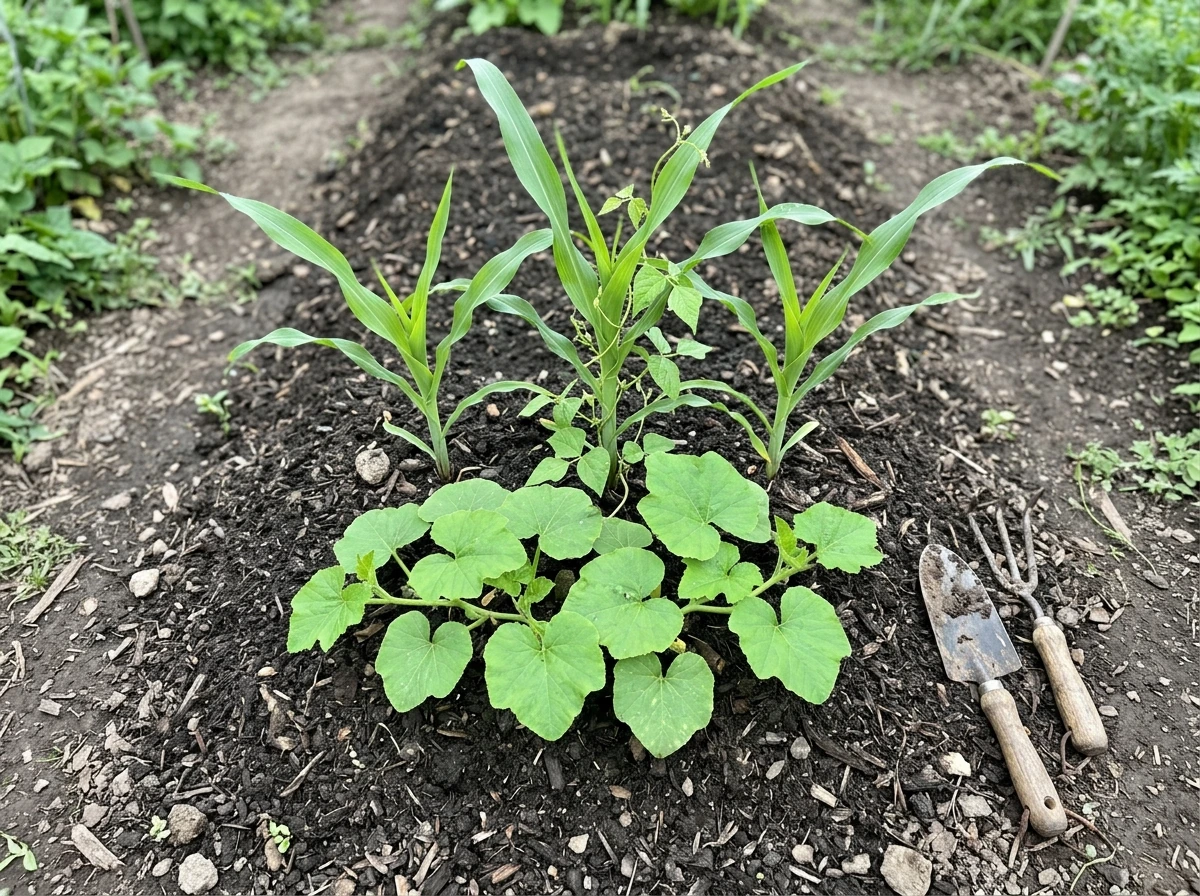
The reason these three crops work so well together is practical ecology. Maize stalks provide a natural trellis for bean vines to climb. Beans fix nitrogen from the air into the soil, replenishing the fertility that maize depletes. Squash spreads low across the ground, shading the soil, reducing moisture loss, and suppressing weeds. Each plant helps the others. This isn't folk wisdom, it's a farming system refined over centuries of observation, and it's one of the most efficient polyculture strategies ever developed anywhere in the world.
Staple Foods and Everyday Harvests
Maize was central to Maya identity, diet, and cosmology. It was ground into masa and made into tortillas and tamales, fermented into a drink called atole, and consumed in some form at virtually every meal. Maya farmers developed multiple varieties suited to different elevations, rainfall patterns, and harvest windows, so they weren't locked into a single cultivar. Beans provided the critical protein that maize alone couldn't supply, and squash contributed calories, vitamins, and edible seeds.
Beyond the milpa, everyday diets were supplemented by root vegetables like sweet potatoes and manioc (also called yuca or cassava), which stored well and could be harvested over a long window rather than all at once. Chiles were grown in virtually every household garden and used as both a flavor staple and a trade good. Tomatoes, while more associated with Aztec agriculture in the Valley of Mexico, were also present in Maya growing areas. If you're interested in how neighboring civilizations compared, the crops the Aztecs grew overlapped significantly with Mayan staples, though there were regional differences.
High-Value and Cultigen Crops
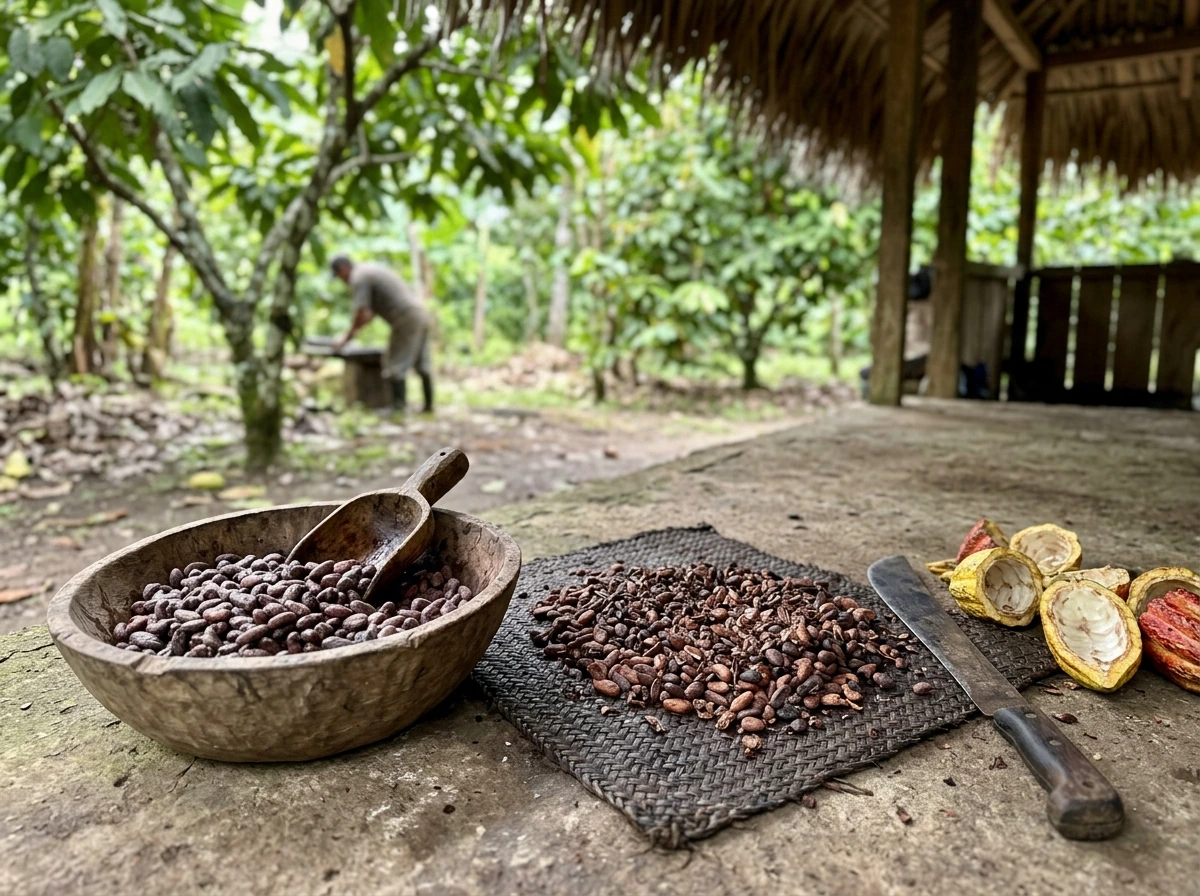
Cacao is probably the most famous Mayan crop outside the milpa system. Theobroma cacao was cultivated in the wetter lowland regions, particularly in river valleys and areas with consistent moisture and partial shade. Cacao beans functioned as currency in Maya trade networks, so controlling cacao groves meant economic power. It was consumed as a bitter ceremonial drink, often mixed with chiles and other spices, and was largely reserved for elites and ritual contexts.
Cotton was another high-value crop. Maya weavers produced fine textiles that were traded across Mesoamerica, and growing cotton gave communities access to both cloth and a trade commodity. Henequen (agave), grown especially in the drier northern Yucatan, provided fiber for rope, sandals, and bags. Copal trees were cultivated or managed for their resin, used as incense in religious ceremonies. Rubber trees, tapped for latex, had both ceremonial and practical uses. These weren't everyday food crops, but they were critical to the economic and ritual life of Maya society.
Fruits and Garden Crops
Maya home gardens (called kitchen gardens or solar gardens in the literature) were dense and productive. Avocados, papayas, guavas, zapotes (sapodilla), and ramon (breadnut) trees were commonly grown or managed near settlements. Ramon nuts in particular were an important caloric backup during lean maize seasons, since the trees produce reliable food even during drought. Pineapple, vanilla (in some wetter regions), and various types of gourds rounded out the horticultural picture.
A Quick Crop Reference
| Crop | Category | Primary Use | Key Region |
|---|---|---|---|
| Maize (corn) | Staple grain | Food, drink, trade | Throughout Maya territory |
| Beans (Phaseolus spp.) | Staple legume | Protein source, soil nitrogen | Throughout Maya territory |
| Squash (Cucurbita spp.) | Staple vegetable | Food, seeds, weed suppression | Throughout Maya territory |
| Chiles | Spice / vegetable | Flavor, trade | Throughout Maya territory |
| Cacao | Cash / ritual crop | Drink, currency, ritual | Wet lowlands, river valleys |
| Cotton | Fiber / cash crop | Textiles, trade | Various lowland regions |
| Manioc (cassava) | Root staple | Food, storage crop | Lowland areas |
| Sweet potato | Root staple | Food, stored energy | Lowland and transitional areas |
| Avocado | Tree fruit | Food, trade | Highland and garden areas |
| Papaya | Tree fruit | Food | Lowland gardens |
| Ramon (breadnut) | Tree nut | Caloric backup food | Lowland forests |
| Henequen (agave) | Fiber crop | Rope, cloth, sandals | Dry northern Yucatan |
| Vanilla | Spice crop | Flavoring, trade | Wet tropical zones |
Where They Grew These Crops
Maya territory covered an enormous geographic range, from the dry limestone scrub of the northern Yucatan Peninsula to the wet tropical rainforests of the Peten in Guatemala and the highland valleys of Chiapas and western Guatemala. That variation meant farming strategies had to adapt to very different conditions. In the northern Yucatan, where rainfall is seasonal and soils are thin over limestone bedrock, farmers prioritized drought-tolerant crops and relied heavily on cenotes (natural limestone sinkholes) for water access. In the southern lowlands, where rainfall could reach 100 inches or more per year, farmers faced the opposite challenge: managing excess water and preventing soil loss on sloped terrain.
Maize planting followed the rainy season calendar. In most Maya lowland areas, the first planting (milpa cycle) began with the onset of rains in May or June, with harvest coming in late September or October. A second planting was sometimes possible in areas with more reliable moisture. Highland communities operated on a somewhat different cycle, with cooler temperatures affecting timing and crop selection. Cacao was confined largely to the wetter zones because it can't tolerate drought stress or full sun exposure during establishment.
How They Farmed: Methods and Field Management
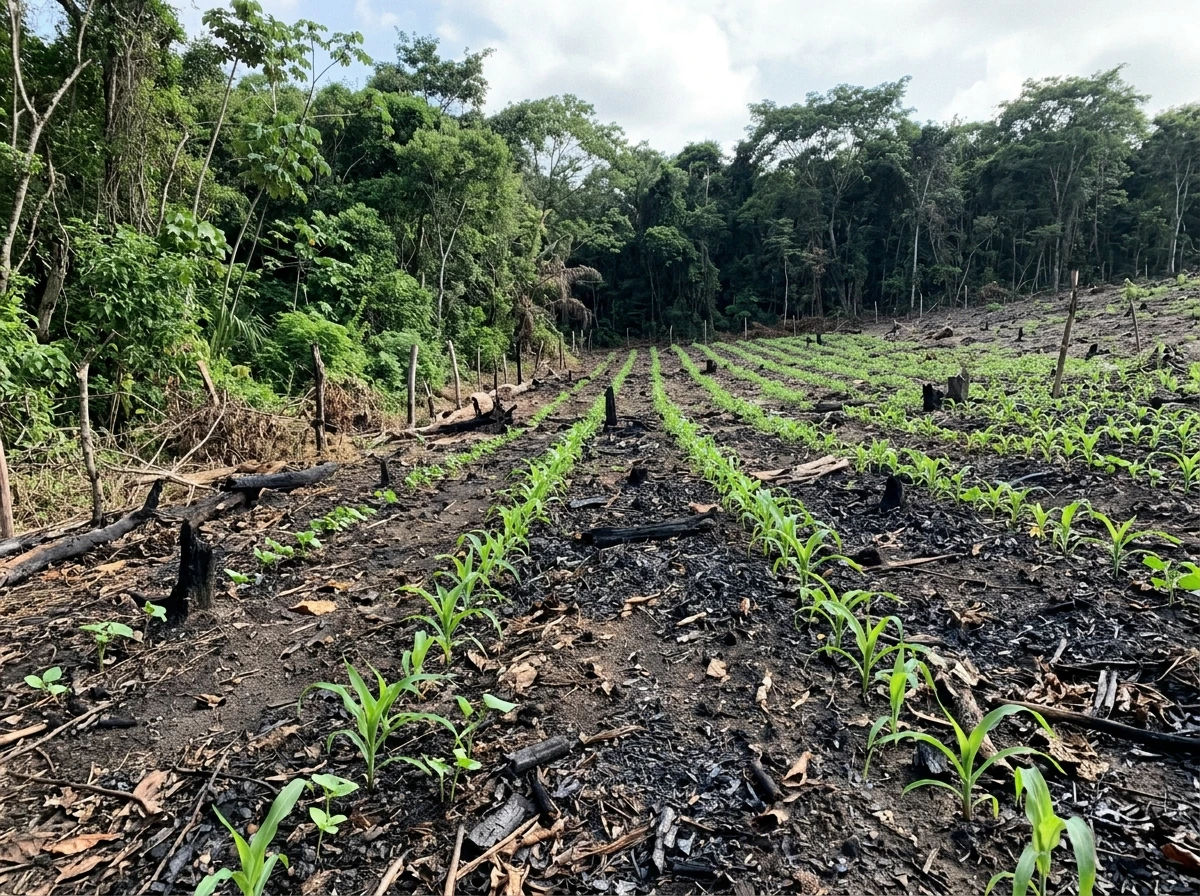
The dominant farming method in the Maya lowlands was slash-and-burn agriculture (milpa cycling), where a section of forest was cleared, burned to release nutrients into the soil, farmed for one to three years, and then left fallow for several years to regenerate. This isn't primitive, it's a rational response to tropical soils that are often nutrient-poor beneath a lush forest canopy. The burn pulse delivers a rapid fertilization effect, and the fallow period allows the forest to rebuild soil organic matter.
But slash-and-burn wasn't the only tool. In the southern lowlands, Maya engineers built raised field systems in low-lying, seasonally flooded areas. By mounding soil into raised planting beds separated by drainage canals, they converted swampy, waterlogged land into highly productive farmland. The canals also supported fish and aquatic plants, making those zones multi-use food production areas. Aerial and satellite surveys in Belize and the Peten have revealed thousands of acres of these raised field systems, far more than previously appreciated.
Terracing was used on hillsides throughout the Maya highlands and in parts of the southern lowlands where slopes needed to be stabilized. Stone terrace walls slowed runoff, retained soil, and created flatter planting surfaces. Some terraces were also used to retain moisture in the dry season. This kind of slope management would be familiar to anyone who has studied Inca mountain farming, though the two civilizations developed their terrace systems independently.
Water management was sophisticated in the northern lowlands, where the Maya built reservoirs called chultuns (underground cisterns carved into limestone bedrock) and surface reservoirs to capture and store rainwater through the dry season. An experimental study published in American Antiquity (Cambridge Core PDF) similarly describes deep cistern-like chultuns in the northern lowlands as functional for water storage, while other chultun types likely served different purposes chultuns (underground cisterns) for storing rainwater through the dry season. At large cities like Tikal, the entire urban landscape was engineered to channel rainfall into a central reservoir system that served tens of thousands of people. This kind of hydraulic infrastructure was as important to Maya agriculture as the planting methods themselves.
Why These Crops Thrived: Soils, Water, and Environment
Maize is a C4 plant, meaning it's highly efficient at converting sunlight into biomass and tolerates high temperatures well. That made it perfectly adapted to the hot, sunny conditions of the Maya lowlands during the dry season and the warm, wet conditions of the rainy growing season. Beans and squash similarly evolved in Mesoamerican tropical and subtropical climates, so they were already adapted to the conditions without needing modification.
The volcanic highlands of Chiapas and Guatemala had deeper, more fertile soils than the thin limestone soils of the Yucatan lowlands. That's why highland areas could support more intensive continuous cultivation, while lowland farming relied more heavily on forest fallows and the raised field strategy to maintain productivity. Cacao's success in specific river valleys came down to the combination of consistent moisture, partial shade from taller trees, and the slightly acidic, well-drained soils those valleys typically provided.
The milpa system itself was a form of soil management. Leaving fields fallow wasn't wasteful, it was how Maya farmers maintained long-term productivity without synthetic fertilizers. The diversity of crops planted together also reduced pest and disease pressure compared to monocropping, and the organic matter returned from crop residues kept the soil biology active. It's a system that held up for millennia precisely because it worked with the environment rather than against it.
How to Use This Knowledge Today
If you're a gardener or small-scale farmer in a warm, humid climate, the milpa system is genuinely worth trying. Planting maize, beans, and squash together in the same bed (the so-called 'Three Sisters' arrangement, also used by many North American Indigenous peoples) works in any USDA zone 5 and above if you time it right. Start maize first, let it get 6 to 8 inches tall, then plant beans around the base and squash a foot or two out from center. You'll get better soil nitrogen retention, reduced weeding work, and a diverse harvest from the same footprint.
For home gardeners interested in growing traditional Mayan varieties specifically, look for heirloom Mesoamerican seed suppliers who carry open-pollinated maya maize landraces, Anasazi or other traditional beans, and Cucurbita moschata squash varieties. These older genetics are often better adapted to heat and drought stress than modern hybrids, which matters if you're in a hot southern or southwestern U.S. climate.
If your interest is research-focused, the geographic framework on this site is a good place to go deeper. The crops the Incas grew show interesting parallels and contrasts with Maya agriculture, particularly in how both civilizations managed difficult terrain with sophisticated water and soil strategies. The Tainos, who farmed the Caribbean islands, also cultivated manioc and sweet potatoes that overlapped with Maya cultivars, reflecting shared Mesoamerican and Amazonian crop origins. Understanding why specific crops showed up in specific places, tied to climate, soil type, and water availability, is exactly what makes historical agricultural mapping useful for modern growers, and the answer to “what crops did the Inca grow?” is a key part of that comparison.
Whether you're a student writing a paper, a gardener looking to experiment with traditional polyculture, or a farmer in a tropical climate trying to reduce input costs, the core lesson from Maya agriculture is the same: diversity, rotation, and working with your local environment beats forcing a single crop onto land it wasn't designed for. These farmers fed millions of people across thousands of years using exactly that philosophy.
FAQ
Was the Mayan diet always based only on maize, beans, and squash?
Not always. While maize, beans, and squash are the signature trio, Mayan farming included additional staples and horticultural crops that varied by region, elevation, and rainfall. For example, cacao was largely tied to wetter lowlands, and some root crops were especially important where harvest timing spread out stress on food stores.
Did the Mayans grow everything in the milpa system, or did they use other planting setups too?
In many areas, yes. The core fields were typically organized as milpa intercropping of maize with beans and squash, but the article also describes supplementary crops grown in gardens and managed zones near settlements. This means you might find both milpa plots and separate, more specialized plantings within the same community food system.
How long did Maya farmers farm a milpa before leaving it fallow?
Milpa cycles are not a fixed number of years everywhere. In practice, how long land stayed cultivated before fallowing depended on how fast nutrients were depleted, how available land was, and local ecological conditions. Short fallows reduce regeneration, while longer fallows rebuild soil organic matter and fertility.
When did the Maya plant maize, and did planting dates change by region?
Maize planting was tied to local rainfall onset, but the calendar varied across the Maya region. In lowland areas, the first planting often started with rains around May to June, with harvest in late September or October, and some locations could fit a second planting if moisture allowed. Highland timing differed due to cooler temperatures and different seasonal patterns.
If rainfall was seasonal in the northern Yucatan, how did they keep farms productive during dry periods?
Cenotes provided drought-buffering water in parts of the northern Yucatan, but communities still relied on multiple strategies such as drought-tolerant crops and careful use of stored rainwater. The key point is that water access was diversified, combining natural sources with engineered storage where possible.
Did the Maya use fertilizer, or how did they maintain soil fertility without modern inputs?
Not in the same way. Beans were valued for nitrogen inputs, but Maya fields did not rely on synthetic fertilizers. Instead, fertility management came from legume nitrogen fixation, returning residues, and letting fields fallow long enough for ecosystems to rebuild soil quality.
How did milpa farming reduce pests and disease compared with monocropping?
Yes, pest and disease pressure was managed partly by diversity, but scale matters. Growing more than one crop can reduce the risk of a single pest boom destroying an entire harvest, yet local outbreaks could still occur. That is why the system combined intercropping with broader regional and seasonal planning.
Why was cacao limited to certain areas rather than grown everywhere?
Cacao establishment needs consistent moisture and protection from harsh exposure, which limited where groves could thrive. Even within Maya territory, cacao was more successful in wetter river valleys and areas with partial shade, so it was not a universal crop across every lowland or highland community.
Did the Mayans rely on home gardens, or were all crops grown only in large agricultural fields?
Home gardens near settlements were dense, productive plantings separate from larger field systems. This is where many fruit trees and supplemental crops like avocados and papayas could be maintained, providing steady access to calories, vitamins, and flavor even when milpa yields fluctuated.
What was the benefit of raised field systems besides growing crops in wet areas?
Raised fields and drainage canals in seasonally flooded zones were not just for crops, they also supported multi-use food production such as fish and aquatic plants. That means the engineered landscape increased output beyond what crops alone could produce in wet, waterlogged conditions.
How did terracing help Maya agriculture on hillsides?
Terracing was primarily about slope stabilization and runoff control, helping prevent erosion and creating more reliable planting surfaces. Some terraces also helped retain moisture in drier periods, so their function could change depending on local seasonal water stress.
What role did chultuns and urban reservoir systems play in feeding large Maya cities?
Chultuns were used to store rainwater in northern areas with pronounced dry seasons, and large urban reservoirs supported population-scale water supply. Practically, these systems reduced the risk that a dry spell or delayed rains would cause widespread crop failure.
What is the most common mistake people make when trying the three-crop milpa garden pattern?
In small backyard settings, the milpa idea works best when you match spacing and timing so maize can support beans and squash can cover soil. A common mistake is planting all three at once, which can overcrowd seedlings and reduce airflow, so starting maize first and giving the squash enough room usually performs better.
If I want to grow milpa-style crops today, what should I consider about seed choice and climate matching?
If you use improved or non-local hybrids, they may not tolerate heat or drought as well as older landraces. For small-scale growers trying to imitate Maya-style resilience, using open-pollinated, locally adapted varieties matters, especially in very hot climates where stress timing can be critical.
Next Articles
What Did the Delaware Colony Grow: Crops, Uses & Legacy
Colonial Delaware’s main crops, grains, hay, flax, fruits, vegetables, livestock, why they thrived and how they were sold.
What Did Jamestown Grow and How They Farmed It
Learn what Jamestown colonists grew and the methods they used to plant, harvest, and adapt crops to Virginia conditions.
What Did the New England Colonies Grow? Major Crops
Major New England colonial crops explained by climate and soil, from corn and wheat to beans and hay, plus today’s paral