
The best cash crop for your land is the one that matches your climate, soil, and season length while having a real buyer within a reasonable distance. There is no single universal answer, but for most small to mid-sized operations in the U.S., high-value specialty crops like strawberries, garlic, peppers, and sweet corn tend to outperform commodity row crops on a per-acre basis, especially when sold direct or through regional wholesale channels. The key is picking a crop that your land can actually produce well, not just one that looks profitable on paper from somewhere else.
Best Cash Crops to Grow: Pick by Zone, Soil, and Market Demand

Samuel Rourke
29 May 2026
What 'best cash crop' actually means
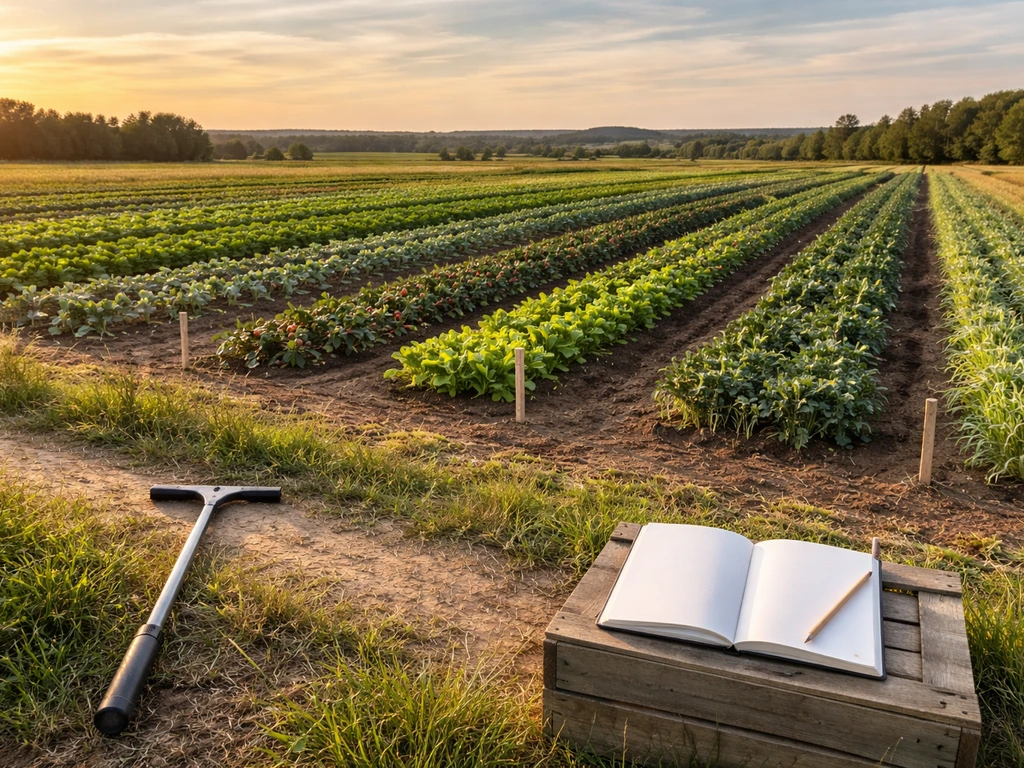
A cash crop, by the USDA's own definition, is an agricultural crop grown to provide revenue from an off-farm source. That's the baseline. But "best" adds three more layers: profit potential, consistent demand, and manageable risk. A crop can have great gross revenue and still leave you behind if input costs are high, storage is expensive, or the market collapses mid-season.
The way extension economists frame this is through an enterprise budget: your revenue is Price × Units Sold, and you need that number to exceed operating costs before you see a dollar of profit. Profitability also depends on whether you're selling wholesale (thinner margins, higher volume) or direct to consumers at farmers markets or through a CSA (better margins, more labor). Neither is wrong, but they demand very different crops and management styles.
Risk is the third piece that most beginner guides skip. USDA Climate Hubs and ATTRA both break farm risk into production risk (weather, pests, disease), price/market risk (demand swings, commodity price crashes), and financial risk (input costs, debt). The crops that are "best" for one farmer in a wet climate with a strong local food scene may be catastrophic for someone in a dryland setting with no local buyers. Matching crop to context is the whole game.
How to pick the right cash crop for your specific situation
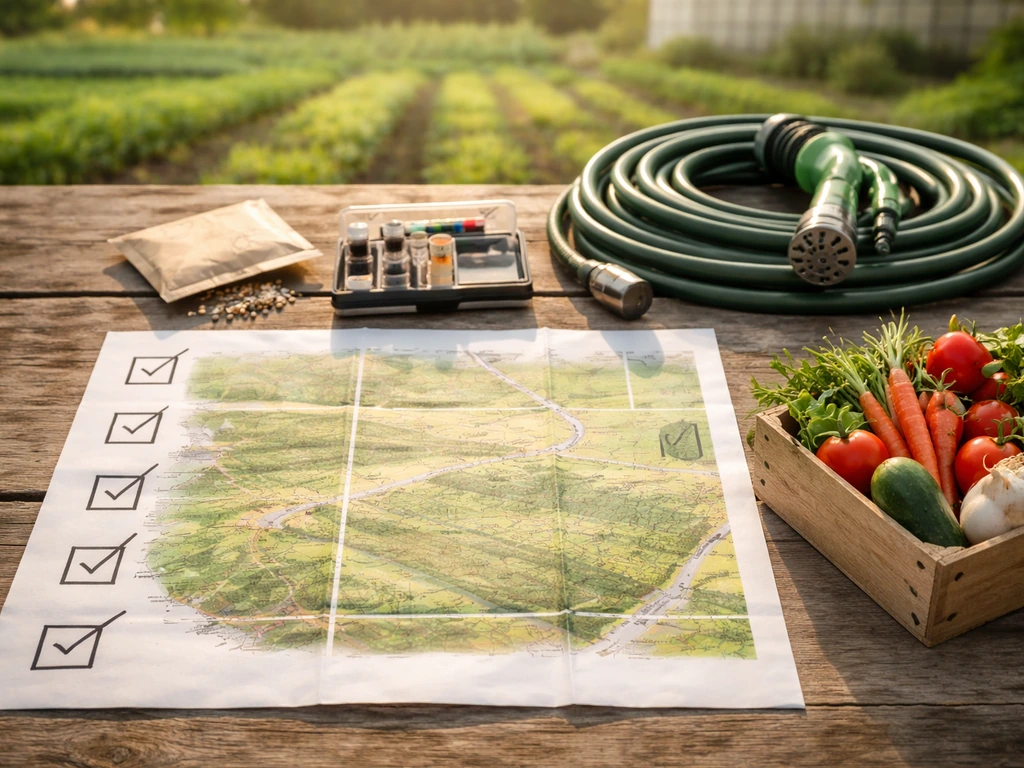
Before you look at any crop list, run through four filters: climate zone, soil type and pH, water access, and market access. Skip any one of these and you're guessing. This is also where you can sanity-check your shortlist against what may be the cheapest crop to grow for your specific climate, soil, and market access, rather than just chasing highest prices.
Climate zone and growing degree days
The USDA Plant Hardiness Zone Map, updated to the 1991-2020 period, divides the U. S. into zones based on average annual extreme minimum winter temperatures in 10°F bands with 5°F half-zones. This tells you which perennials can survive your winters.
For annual cash crops, what matters more are Growing Degree Days (GDD), which measure heat accumulation above a base temperature across the growing season. OSU Extension's Croptime program, for instance, uses GDD models for sweet corn, broccoli, snap beans, cucumbers, and peppers to predict harvest timing. If your local GDD accumulation doesn't reach the threshold for a given crop's maturity, that crop is risky regardless of how profitable it looks on paper.
Check your local extension office's GDD data for your county before committing.
Soil pH and drainage
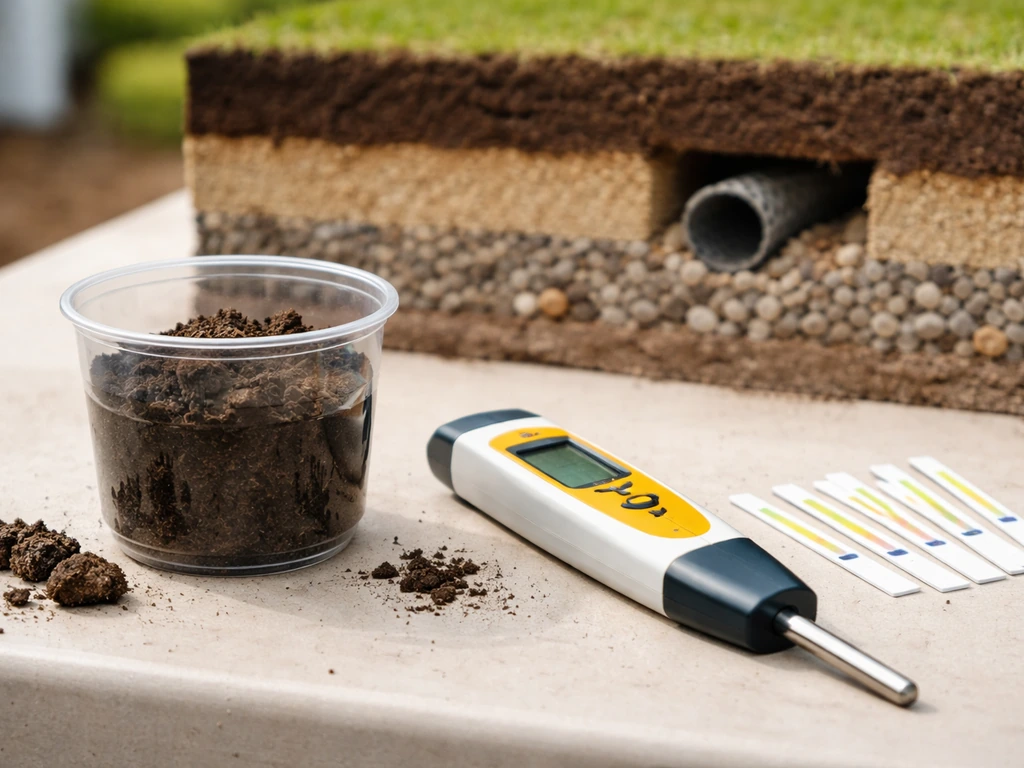
USDA NRCS soil health guidance puts the general sweet spot for most crops at pH 6. USDA NRCS soil health guidance includes a soil pH guide table indicating that crops often do best within specific pH ranges, with pH 6. 0, 7. 5 noted as optimal for crops generally [pH 6.
0–7. 5 is optimal for crops generally](https://www. nrcs. usda.
gov/sites/default/files/2022-11/pH%20-%20Soil%20Health%20Guide_0. pdf). 0 to 7. 5.
Deviating from that range locks up nutrients and suppresses yields. Strawberries, one of the most profitable small-farm crops, want a tighter range of 6. 0 to 6. 5 and will fail in poorly drained soils.
Penn State Extension is clear: strawberries need well-drained soil, and drainage failure is one of the top production risk factors. Get a soil test before you plan anything. It costs almost nothing and tells you whether you need to lime, acidify, or address drainage before a single seed goes in.
Water access and irrigation reality
UMN Extension is direct about this: supplemental irrigation is often required to prevent yield loss in vegetable cash crops. Irrigation scheduling should be based on crop evapotranspiration (ET) and soil moisture monitoring. If you don't have irrigation infrastructure and you're in a region with unreliable summer rainfall, drought-tolerant dryland crops (small grains, dry beans, certain oilseeds) are a better fit than high-value vegetables that need consistent moisture. If you are looking for the best survival crops to grow, focus on varieties that tolerate low rainfall and still produce reliably in your local conditions drought-tolerant dryland crops. Trying to grow peppers or sweet corn through a dry summer without irrigation is a fast path to a failed season.
Market access and distance to buyers
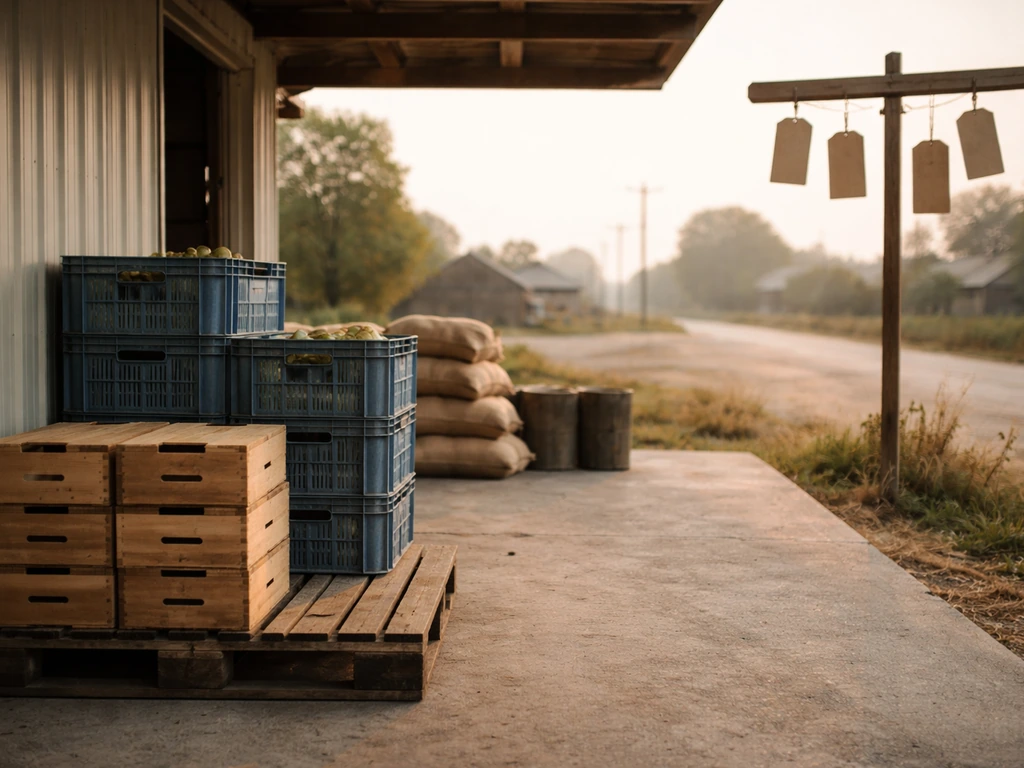
Even the highest-yielding crop is worthless if you can't move it at a price above your cost of production. Even the highest-yielding crop is worthless if you can't move it at a price above your cost of production, and the best agricultural crops to grow are always the ones with dependable market access and margins you can sustain.
USU Extension research on fresh produce market estimation makes this point explicitly: if your expected market price doesn't exceed your cost of production, a cost-based pricing approach simply won't be profitable. Before selecting a crop, identify at least two potential buyers, a wholesale market, restaurant, farmers market, or food hub, and verify they actually want the volume you can produce.
Distance matters for perishables; a vegetable that needs to move within days has a much shorter profitable radius than garlic or dry beans.
Top cash crops by region and climate type
These picks are grounded in what actually thrives given each region's climate, soil history, and market infrastructure. This is also where historical agricultural patterns still matter: crops that dominated a region for generations usually did so because the climate and soils genuinely suited them, and those underlying conditions haven't changed dramatically.
| Region / Climate | Strong Cash Crop Options | Why They Work Here |
|---|---|---|
| Pacific Northwest (cool, moist, Zones 7-9) | Hazelnuts, wine grapes, blueberries, hops, strawberries | Mild wet winters, cool summers, and acidic soils favor berry crops and specialty tree nuts; Oregon and Washington have deep buyer networks for these |
| Upper Midwest / Great Lakes (Zones 4-6, short season) | Sweet corn, snap beans, dry beans, cucumbers, pumpkins | Long summer days, fertile glacial soils, and established processing/wholesale infrastructure; GDD accumulation suits short-season vegetables |
| Southeast / Gulf Coast (subtropical, Zones 8-10) | Tomatoes, peppers, sweet potatoes, strawberries (winter season), watermelons | Long frost-free season and heat accumulation allow two production windows; Florida's winter strawberry season is a direct product of mild winters |
| Great Plains / High Plains (dryland, Zones 5-7) | Winter wheat, sunflowers, dry edible beans, sorghum, canola | Low rainfall and flat terrain favor dryland grain and oilseed crops; established commodity infrastructure reduces market risk |
| California Central Valley (Zones 9-10, irrigated) | Almonds, garlic, processing tomatoes, hot peppers, stone fruits | High heat days, low rainfall offset by reliable irrigation, long growing season; some of the most intensive cash crop production in the world |
| Appalachia / Mid-Atlantic (Zones 5-7, varied terrain) | Garlic, ginseng, specialty mushrooms, heirloom tomatoes, cut flowers | Diverse microclimates, proximity to Northeast urban markets, and growing direct-market culture support high-value specialty crops |
| Southwest / Intermountain West (arid, Zones 5-9) | Chile peppers, pecans, cotton (irrigated), onions, melons | Heat accumulation and dry conditions suit heat-loving crops; New Mexico's chile pepper heritage is a direct match of climate to crop demand |
Historical patterns reinforce these regional fits. The Southeast's dominance in sweet potato and pepper production goes back centuries because those crops genuinely thrive in long, hot growing seasons. The Great Plains wheat belt developed because dryland small grains were the only crops that could survive the climate at scale. Understanding why a crop dominated a region historically is often the clearest signal that it can still be viable there today, even if production methods have changed.
Irrigated vs dryland, and cool-season vs warm-season cash crops
These two variables cut across every region and should shape your shortlist before you look at specific crops.
Irrigated vs dryland
Irrigated cash crops generally offer higher yield potential and more crop diversity, but they carry higher input costs and water availability risk. NDSU Extension publishes separate enterprise budgets for irrigated and non-irrigated crops precisely because the profitability math is different. UGA Extension notes that in Georgia, most vegetables are grown with drip or overhead sprinkler irrigation and that proper irrigation scheduling is essential for maximizing yield and quality. If you have reliable irrigation, high-value vegetables and fruit crops become viable.
If you're dryland farming, lean into crops that evolved in lower-moisture environments: small grains, dry pulses, sunflowers, and drought-tolerant root crops. Trying to grow high-moisture crops without irrigation in a low-rainfall region is one of the fastest ways to lose money in agriculture.
Cool-season vs warm-season cash crops
Cool-season crops (broccoli, garlic, spinach, snap peas, potatoes) thrive in the temperature range roughly between 45°F and 75°F and are typically planted in early spring and again in late summer for fall harvest, as Colorado State University Extension describes in its vegetable planting guides. They can be planted before your last frost date in many zones. Warm-season crops need soil temperatures above specific thresholds: Clemson Extension specifies that sweet corn needs at least 50°F at the 4-inch soil depth before planting, and UMN Extension notes that peppers prefer a soil temperature of around 70°F for optimal germination. A practical approach for maximizing seasonal cash flow is sequencing cool-season and warm-season crops to capture two production windows in the same field during the same year.
| Crop Type | Best Climate Fit | Water Need | Market Timing |
|---|---|---|---|
| Cool-season vegetables (broccoli, garlic, spinach) | Zones 4-8, spring and fall windows | Moderate; less irrigation stress than warm-season | Spring and fall, often less competition |
| Warm-season vegetables (peppers, sweet corn, tomatoes) | Zones 5-10, summer peak | High; consistent moisture critical | Summer peak demand; strong direct-market prices |
| Dryland grains (winter wheat, dry beans, sunflowers) | Zones 4-8, low rainfall areas | Low; rain-fed in most cases | Commodity markets; predictable but lower per-acre revenue |
| Irrigated specialty crops (garlic, melons, hot peppers) | Zones 6-10 with irrigation access | High; ET-based scheduling needed | Flexible; storage crops (garlic) can be sold off-season |
Finding buyers, reading price signals, and understanding the value chain
The market check is step one, not step three. A lot of growers plant first and then scramble for buyers. Flip that process.
Start with USDA Market News, a free service from USDA's Agricultural Marketing Service that publishes wholesale, retail, and shipping price data on farm commodities. The Specialty Crops Market News Service specifically publishes price data on commodities traded at local wholesale markets on daily, weekly, monthly, and annual frequencies. This tells you what buyers are actually paying right now, not what an optimistic enterprise budget assumes. Use it to benchmark your expected farm-gate price against real market conditions.
USDA ERS's Price Spreads from Farm to Consumer data shows how much margin exists between what the farm receives and what consumers ultimately pay. For some crops, the spread is enormous, which signals opportunity in shorter supply chains like farmers markets, CSAs, and restaurant direct sales. For others, the spread is thin and the wholesale price nearly equals the farm-gate price, meaning direct marketing won't add much premium.
Beyond price data, physically contact potential buyers before you plant. Call local wholesale produce distributors, restaurant chefs, food hubs, and farmers market managers. Ask what they're currently buying, what volumes they need, what quality standards they expect, and whether they'd be interested in sourcing locally. This conversation takes an hour and can save you an entire season of planting the wrong thing.
Costs, yields, and what makes a crop truly profitable
High gross revenue does not equal high profit. A tomato crop can gross $8,000 per acre and still lose money if labor, transplants, irrigation, pest management, and harvest costs eat up $9,000. This is why enterprise budgets exist: they force you to account for every cost category before you commit.
University of Maryland Extension's enterprise budgeting framework separates operating expenses from overhead and calculates profitability as the difference between total revenue and total costs. UMN Extension adds a useful filter: the ideal crop from a profitability perspective often combines minimal labor with high market value, and notes that wholesale margins can be tighter than they appear when labor is factored in. Garlic, for example, is often cited as a high-value crop, but hand harvesting and curing add significant labor hours. Dry beans require less labor but also produce lower gross revenue per acre.
USDA RMA's crop insurance programs also reflect which crops carry meaningful production risk in which regions: coverage is available against drought, excess moisture, freeze, hail, wind, disease, and price changes. If crop insurance is widely available and actively purchased for a given crop in your region, that's a signal the risk is real and worth planning for. Building crop insurance into your enterprise budget from day one is good practice, especially for high-input specialty crops.
- Input costs: seed, transplants, fertilizer, pest management, irrigation infrastructure
- Labor: planting, cultivation, harvest, post-harvest handling (often the biggest variable)
- Storage and shelf life: crops with longer storage windows (garlic, dry beans, winter squash) give you more pricing flexibility
- Transport: distance to buyer and fuel/refrigeration costs per unit
- Yield potential: research realistic local yield ranges from your state extension, not national averages
- Price risk: check 3-5 years of USDA Market News data to understand price volatility for your target crop
How to start today: a practical trial plan
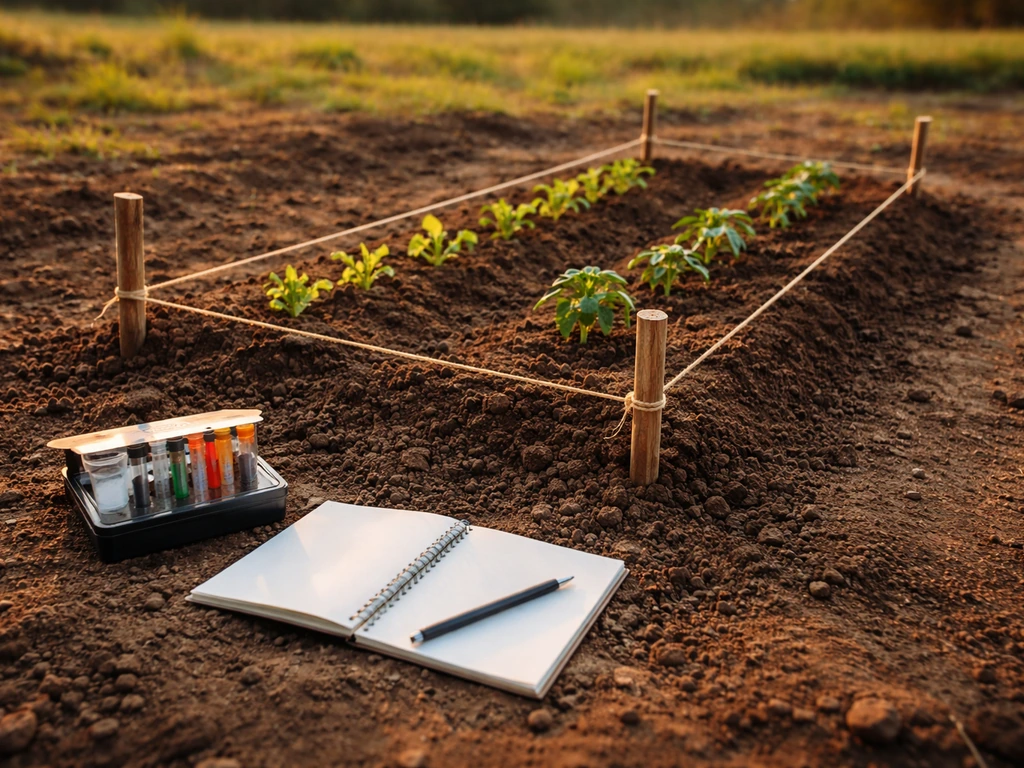
You don't need to commit your whole farm to a cash crop in year one. A small test plot approach is the most sensible way to learn your land and your market at the same time, and it limits your downside if something doesn't work.
- Run a soil test this week. Contact your local cooperative extension office for testing kits and regional crop pH and drainage recommendations. This costs under $20 in most states and is the most useful data point you can get.
- Pick two candidate crops based on your region and climate zone. Use the regional table above as a starting point, then cross-check with your state extension's crop production guides for yield data and input cost estimates.
- Pull current price data from USDA Market News for both crops. Look at the last 12 months of wholesale price data for the markets nearest to you. Calculate a rough revenue estimate: expected yield per acre × realistic market price.
- Build a simple enterprise budget for each crop. List seed/transplant cost, estimated labor hours × your labor rate, any irrigation or soil amendment costs, harvest and transport expenses. Compare against your revenue estimate. If revenue doesn't clearly exceed costs with room to spare, reconsider the crop or the market channel.
- Contact at least two buyers before planting. Confirm demand, volume, quality standards, and expected price range. A buyer who says 'yes, I'll take 200 pounds of X per week at $Y' is more valuable than any market report.
- Plant a trial plot of 0.25 to 0.5 acres for each selected crop. Track your actual labor hours, input costs, and yields through the season. This gives you real data for your land, not regional averages.
- After harvest, review your actual enterprise budget against your estimate. Adjust for year two: scale up what worked, drop or modify what didn't, and refine your market relationships.
If you're working with limited acreage, the decision framework above applies whether you're farming 1 acre or 100. If you are targeting the best crop to grow on 10 acres, focus on the same filters, then confirm which market channels you can realistically supply with that acreage.
The same logic also applies if you're thinking about specific farm sizes: the crop mix that makes sense on 5 acres looks different from what works on 50, because volume affects which market channels are accessible and what equipment investment is justified. If you want a quick starting point, many growers begin by shortlisting cash crops that can pencil out on 5 acres with the right market access and labor plan.
Starting small and measuring everything gives you real data to scale confidently.
The farmers who consistently do well with cash crops aren't necessarily growing the flashiest or highest-gross-revenue crops. They're growing crops that genuinely fit their land, that they can produce efficiently, and that they've built reliable buyers for. Once you know your fit, you can compare options to answer what are the most profitable crops to grow for your situation profitable cash crop operation. That combination, fit plus efficiency plus market, is what separates a profitable cash crop operation from a frustrating one. If you're still unsure, the best crops to grow on small farm are the ones that match your land and reliably sell through buyers close to you fit plus efficiency plus market.
FAQ
Can I rely on a seasonal price spike to choose the best cash crops to grow?
Yes, but only if you treat the buyer’s demand as part of your “production” plan. For perishables, confirm you can deliver on a schedule (days of week, minimum order sizes, and packaging/quality specs). For example, farmers markets and restaurants often require consistent weekly volumes, so start with crops you can harvest reliably within your labor window, not just crops with high per-acre yield.
What costs people forget when comparing the best cash crops to grow?
Be careful, because “highest price” usually ignores your shrinkage and selling window. Before planting, estimate post-harvest loss (rot, grading downgrades, transit time) and subtract it from expected revenue. A crop with strong wholesale prices can still lose money if it is hard to grade, store briefly, or requires cooling and fast transport you do not have.
How do I decide between irrigated versus dryland cash crops for my situation?
If you do not already have reliable irrigation, start with crops that tolerate moisture stress rather than assuming you can “figure it out later.” Run a simple feasibility check: are there local ET estimates and soil moisture monitoring options you can use, or would you be guessing? In many dryland areas, peppers and sweet corn fail because germination and early establishment are the least forgiving periods without consistent water.
If my county’s GDD supports a crop, does that guarantee it will succeed?
Use it, but not as your only screening tool. GDD tells you maturity likelihood, but not disease pressure, heat stress, or whether your local season window allows harvest before labor or market constraints. A crop can reach its GDD threshold and still underperform if you cannot manage pests, or if harvest overlaps with another high-labor crop you planned.
My soil test shows pH in range, but I’m still worried. What else should I confirm?
Do a quick soil “root reality check.” Strawberries are especially sensitive to drainage, so a good pH reading is not enough if the site stays wet. If your soil test suggests drainage problems, factor in remediation options (raised beds, drainage improvements, different varieties, or different crops) and budget time, because solving drainage after planting can be expensive.
How can I tell whether a high-value crop is actually realistic for my labor capacity?
Plan your labor calendar the same way you plan your planting dates. Identify the peak labor moments (transplanting, weeding, harvest, curing, grading, packing) and compare them to your available hours and helpers. Garlic often looks profitable until you count hand harvest and curing labor, while crops like dry beans may pencil out differently because harvest is more mechanical and harvest labor can be lower per unit.
What if I only have labor or greenhouse space for part of the year?
Yes, and it is often overlooked. If you have partial season coverage (for example, a few weeks when you can harvest), choose crops that match that window rather than crops that require continuous harvesting you cannot sustain. This is especially important when moving between cool-season and warm-season crops, since transplanting and pest management schedules can overlap.
Does having crop insurance automatically reduce my risk for the best cash crops to grow?
Even with crop insurance available, you can still be under-protected if the plan is not aligned with your production workflow. Ask whether your specific crop and variety, location, and practice are commonly insured and what perils dominate locally (drought, excess moisture, freeze, hail). Then build the insurance payout expectation into your enterprise budget as a risk offset, not as a substitute for realistic yields.
How should I run a test plot if I’m unsure which cash crop to grow?
Start with a “buyer-first” test plot. Make one small planting where you can meet a confirmed buyer requirement, then measure: germination rate, harvest grade, harvest timing, and total time per pound. If your first test plot performs but you cannot sell the volume, the issue is market fit, not agronomy, and you should pivot buyers or crop before scaling acreage.
How does choosing the best cash crops change as my acreage grows from 5 acres to 50 acres?
Yes, but the break-even point changes with scale. With very small acreage, you may rely on direct channels where you can capture premiums, while larger acreage may require wholesale contracts or processors. Re-check your “units sold” assumption and whether buyers can absorb your volume without lowering price or forcing different quality standards.
What’s the best way to verify market access so I don’t scramble at harvest time?
Do a “two-buyer rule,” then stress test the second option. Confirm both that they will buy your projected volume and that they agree on quality specs, packaging, and drop-off windows. If one buyer is seasonal or pricing is unstable, plan a fallback channel you can activate quickly to avoid being stuck at harvest.
Next Articles
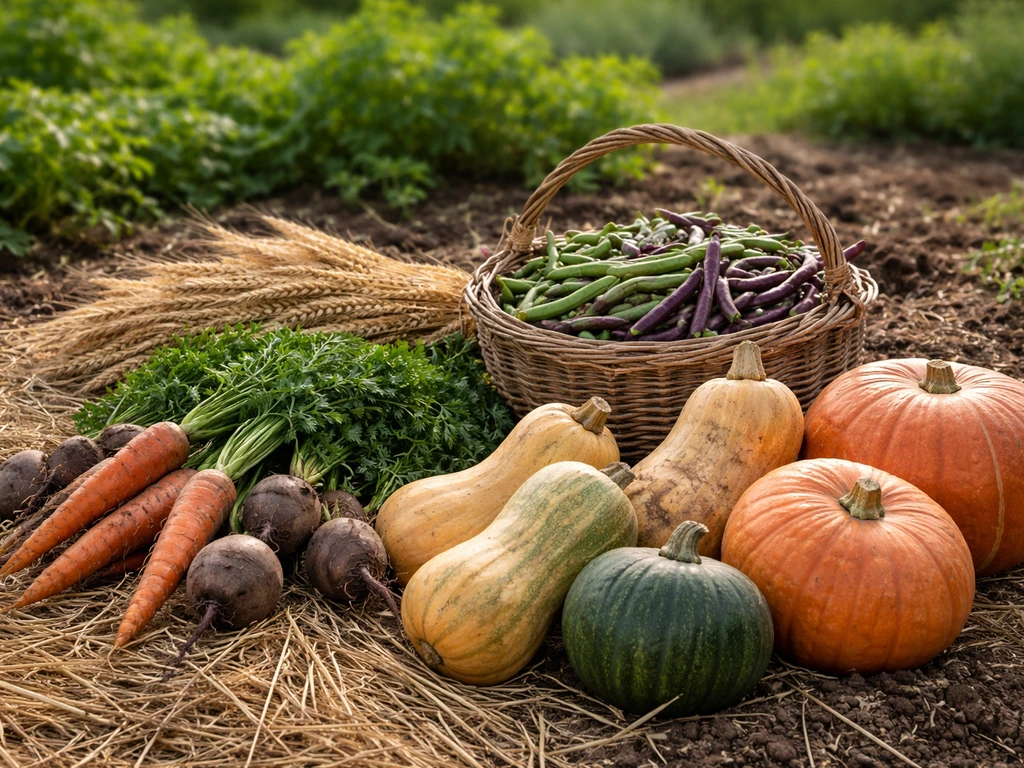
Best Survival Crops to Grow: Regional Picks and Steps
Learn best survival crops to grow by region with climate-fit picks, why they thrive, and an immediate planting plan.
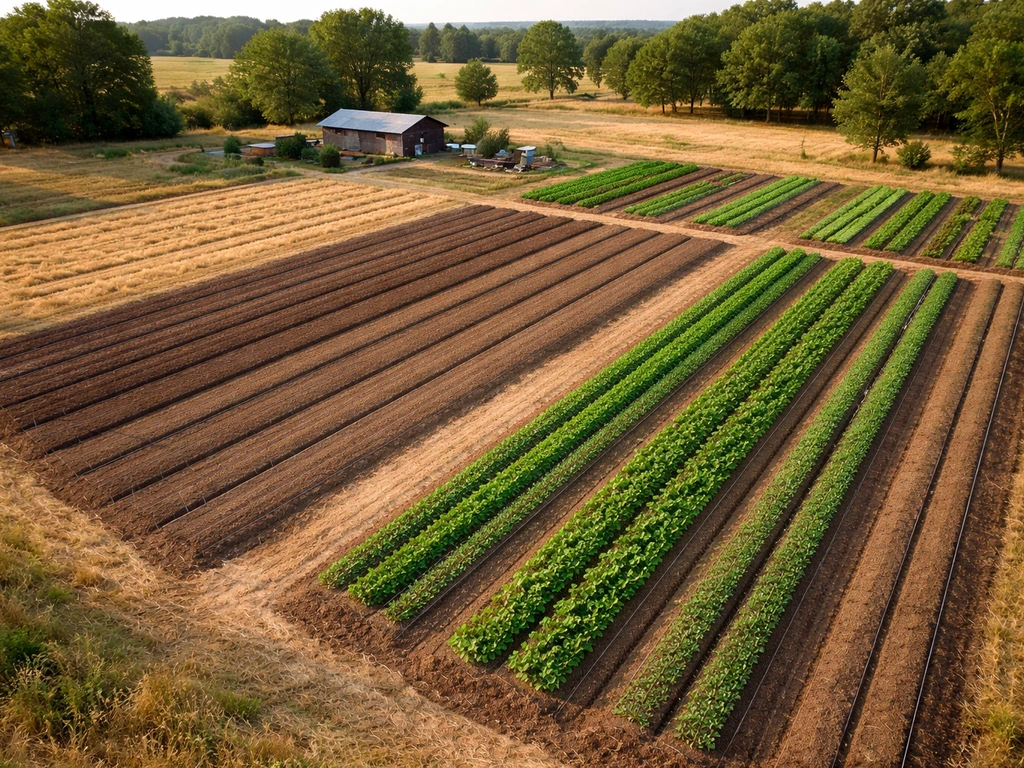
Best Crop to Grow on 10 Acres: Pick the Right One
Choose the best crop for 10 acres using climate, soil, irrigation, and goals, plus a practical start plan.
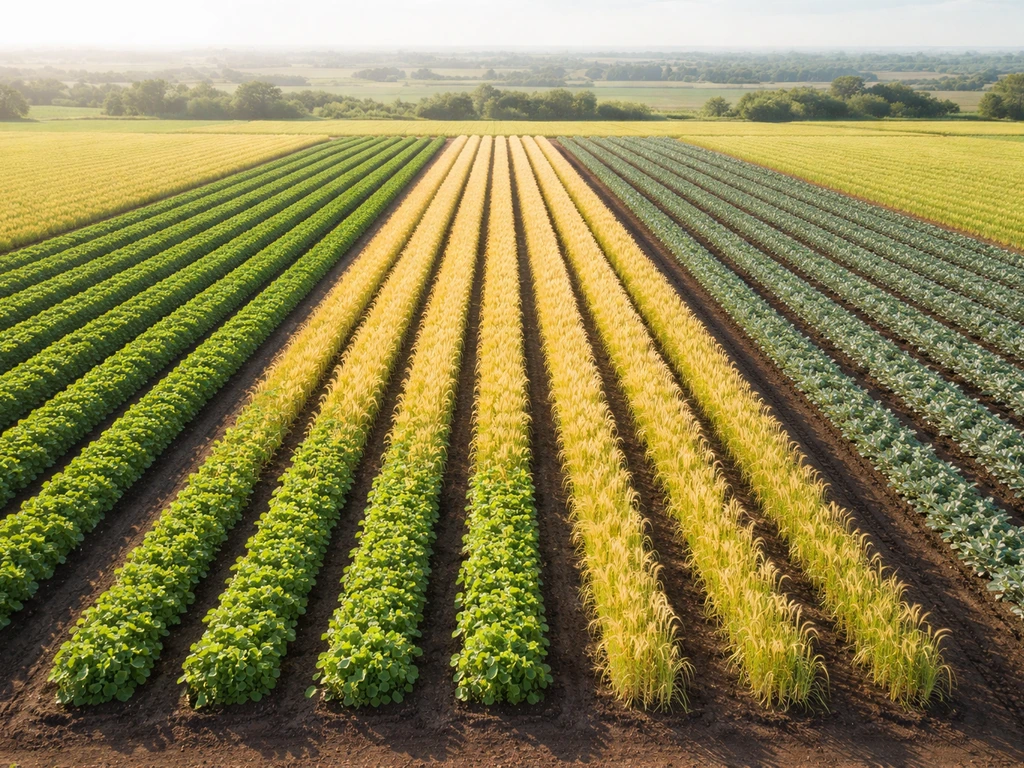
Best Crop to Grow on 5 Acres: Region-Based Guide
Pick the best crop for 5 acres by region using climate, soil, water, costs, yields, and market goals.