
The best agricultural crops to grow depend on three things above almost everything else: your climate zone, your soil, and what you plan to do with the harvest. For most growers in temperate North America, a rotation built around corn, soybeans, or small grains gives the lowest risk and the most established support infrastructure. Gardeners and small-farm operators tend to do better with high-value vegetables, legumes, and small fruits that can generate income or feed a household from a fraction of an acre. On a 10-acre farm, that same high-value mix can be scaled by matching which crops you grow to your market and labor capacity. Neither answer is universal, which is why the real skill is matching crop to place rather than chasing whatever seems popular.
Best Agricultural Crops to Grow: Pick Right for Your Climate

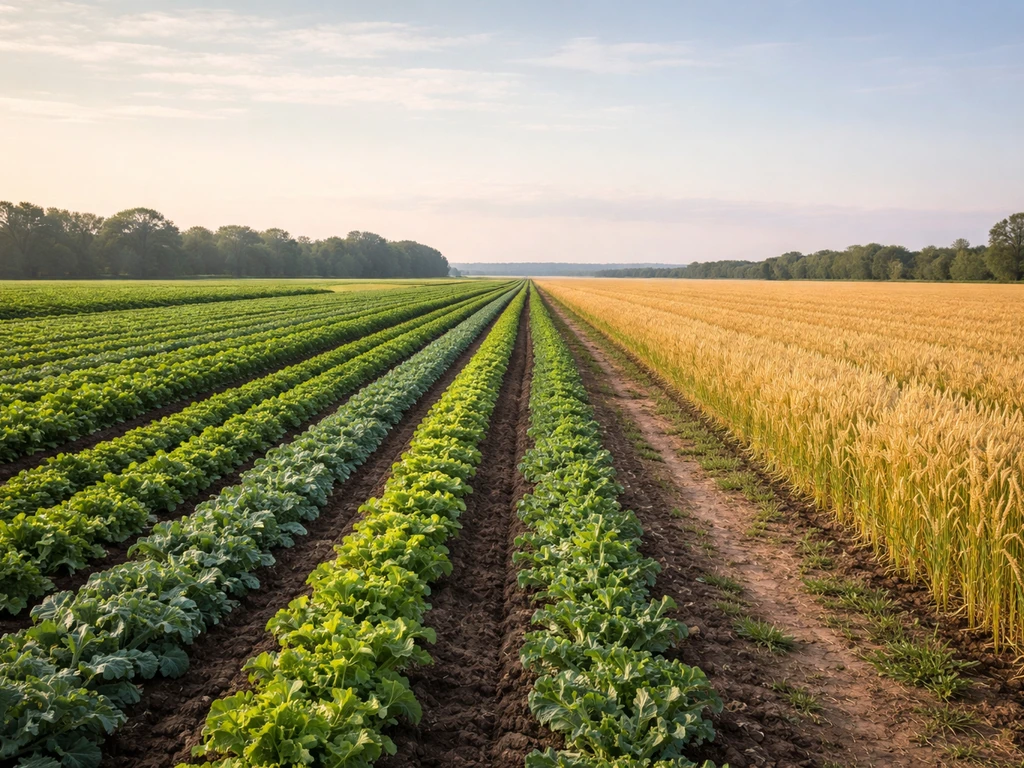
How to pick the "best" crops for your situation

Before settling on any crop, get clear on your goal. Growing staple food for your household, selling at a farmers market, supplying a wholesale buyer, or building long-term soil health all point toward different choices. Once you know the goal, work through these variables in order.
- Climate zone and frost dates: Know your average last spring frost and first fall frost, but think in probabilities rather than single dates. A crop planted one week too early into a late-frost window can wipe out an entire season's investment. USDA Climate Hub planning tools let you model freeze probability for specific planting dates using your location, irrigation setup, and soil type.
- Growing season length: Count the frost-free days between your spring and fall frost dates. Warm-season crops like corn, tomatoes, and peppers need 60 to 120+ frost-free days depending on variety. Cool-season crops like brassicas, spinach, and small grains tolerate light frost and can anchor early and late slots in your calendar.
- Soil type and pH: Most vegetables and field crops do best at a slightly acidic pH between 6.0 and 6.5. Soils outside that range lock up nutrients even when fertilizer is present. A simple soil test from your county extension office costs very little and tells you exactly how much lime or amendment to add before you spend money on seed.
- Water and irrigation: Consistent soil moisture is critical for high yields and for preventing quality problems like blossom-end rot in tomatoes or tip burn in lettuce. If you rely on rainfall, match your crop choices to your region's reliable precipitation window. If you irrigate, match your system's delivery rate to your soil's infiltration capacity so you avoid runoff and shallow rooting.
- Available land: A quarter-acre can support a profitable market garden focused on high-turnover crops. Five to ten acres opens up small grain, hay, or specialty crop options. Scale shapes what's logistically viable.
- Market access: Vegetables are perishable. If you intend to sell, confirm your market before you plant. Price volatility is real, and historical weekly market prices are worth studying before committing to a single crop.
The honest answer is that goal-first planning prevents the most common mistake in farming: growing something you can't sell or store before asking whether you have the land, climate, and market to support it.
Top high-yield, low-risk staple crops by climate and region
Staple crops are low-risk partly because they have long cultivation histories in specific regions. That history isn't accidental. Corn dominated the eastern woodlands and Midwest because the warm, humid summers and deep glacial soils are nearly ideal. Wheat anchors the Great Plains because it tolerates drought and cold that would destroy most other grain crops. Understanding why these patterns exist helps you apply the same logic to your own land.
| Climate/Region | Best Staple Crops | Why They Fit |
|---|---|---|
| Humid continental (Midwest, Great Lakes) | Corn, soybeans, winter wheat, oats | Long warm summers, reliable summer rainfall, deep fertile soils; corn/soy rotation is the most established low-risk system in North American agriculture |
| Semi-arid Great Plains | Winter wheat, grain sorghum, sunflowers, dry beans | Drought-tolerant crops evolved alongside or were adopted for low-rainfall, high-wind conditions; shallow-rooted alternatives fail here |
| Pacific Coast (mild, wet winters / dry summers) | Small grains (wheat, barley), cool-season vegetables, wine grapes, tree fruits | Mild winters allow cool-season crops to thrive; dry summers with irrigation support high-value fruits and vegetables |
| Southeast (humid subtropical) | Cotton, peanuts, sweet potatoes, soybeans, tobacco | Long frost-free season (200+ days), warm nights, and high humidity favor warm-season crops; sweet potatoes have been a regional staple for centuries |
| Northern short-season regions (Canada, northern U.S.) | Canola, spring wheat, barley, potatoes | Short frost-free window (90–120 days) demands fast-maturing varieties; canola and spring wheat are adapted to cool, brief summers |
| Tropical and subtropical (Hawaii, South Florida, Puerto Rico) | Sugarcane, rice, tropical fruits (mango, papaya), taro | Year-round warmth eliminates frost risk; water management is the primary constraint rather than temperature |
One useful planning layer that extension services use is degree-day modeling. Instead of relying only on a calendar date, degree-day tools track accumulated heat units to forecast when crops will reach specific growth stages. Oregon State's Croptime tool is a practical example: it helps vegetable growers schedule plantings so harvests align with labor availability and market windows, not just approximate weeks on a chart.
Best cash crops for selling value (and where they fit)
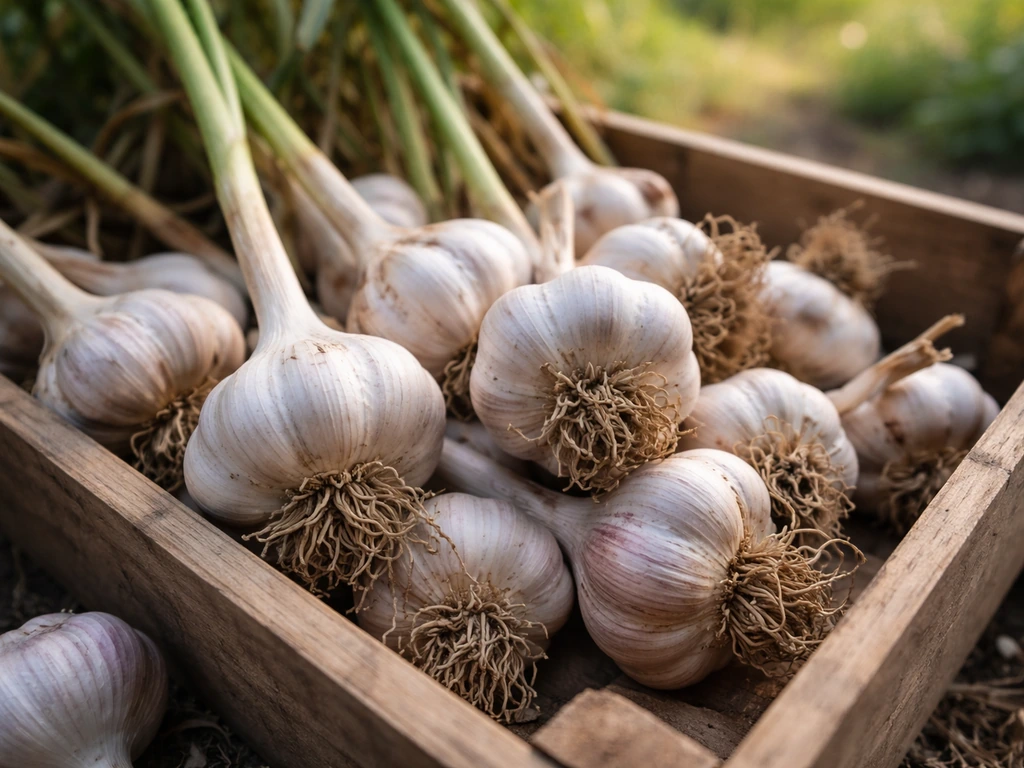
Cash crops are about margin per acre, not just yield per acre. A field of corn might yield 180 bushels at $4.50 per bushel. An acre of specialty peppers or cut flowers at a farmers market can gross ten times that. The tradeoff is that high-value crops usually demand more labor, more precise timing, and a reliable market outlet.
| Crop | Best Regions | Key Selling Notes |
|---|---|---|
| Garlic | Most of the continental U.S., especially northern states | Stores well, sells at strong premiums at direct markets; hardneck varieties are well-suited to cold winters |
| Tomatoes (heirloom/specialty) | Most temperate zones with 90+ frost-free days | High demand at farmers markets and restaurants; requires consistent irrigation and disease scouting |
| Berries (strawberries, blueberries, raspberries) | Varies by species: strawberries are widely adapted, blueberries prefer acidic soils in the Southeast and Pacific Northwest | Strong direct-market and u-pick demand; June-bearing strawberries concentrate harvest mid-June to early July; day-neutral varieties fruit across a longer window but need more nutrients |
| Hemp (CBD/grain/fiber) | Most U.S. states (regulations vary) | Profitable in the right market but highly price-volatile; research your state's licensing requirements before planting |
| Cut flowers | Temperate zones with reliable rainfall or irrigation | Very high gross revenue per acre at direct markets; perishability is extreme, so local market access is non-negotiable |
| Potatoes (specialty/fingerling) | Cool climates: northern states, Pacific Northwest, mountain regions | Strong restaurant and market demand for specialty types; conventional russets face commodity price pressure |
| Sweet corn (market-garden scale) | Humid eastern and Midwest regions | Fast-moving at farm stands; plan staggered plantings to extend the selling window rather than one large planting |
Profitability in cash cropping depends heavily on your marketing setup. Penn State Extension puts it plainly: because vegetables are perishable, you need a market before you plant, not after. Direct markets (farmers markets, CSA subscriptions, farm stands) generally pay better per unit than wholesale, but they require consistent volume and quality across a long season. Keeping records by crop, including seed costs, labor hours, and gross sales, is the only way to find out which crops are actually making you money.
If you're exploring cash crops specifically, the topic of what makes the most profitable crops to grow gets into the margin math in more detail, and it's worth reading alongside this guide when you're narrowing your enterprise list.
Garden-friendly and small-farm options (quick wins)
If you're starting with a garden plot or a small farm of a few acres, your advantage is flexibility. You don't need equipment for row crop farming, and you can hand-manage crops that would be impossible to harvest efficiently at scale. The crops below consistently reward beginners with fast results and real food or income. Choosing the best crops to grow on small farm means matching your options to your space, climate, and how (and when) you can sell or store what you produce.
- Salad greens and spinach: These are the fastest crops from seed to table, often ready in 30 to 45 days. They grow in cool weather, tolerate partial shade, and can be cut-and-come-again for multiple harvests from one planting.
- Bush beans and pole beans: Reliable, productive, and nitrogen-fixing (they leave soil in better shape for the next crop). Bush beans mature in about 55 days; pole beans take a bit longer but produce more per plant.
- Zucchini and summer squash: Prolific producers even in poor soil. One or two plants per person is usually enough. Be prepared to harvest frequently because squash left on the vine too long stops the plant from producing.
- Tomatoes (determinate varieties for beginners): Paste tomatoes like Roma are forgiving, disease-resistant, and versatile. One 10-foot row can supply a household for months.
- Kale and Swiss chard: Both tolerate frost, produce from mid-spring through fall in most climates, and recover quickly after harvesting outer leaves.
- Strawberries (day-neutral varieties): These produce throughout the season in the 45°F to 85°F temperature range and don't require the large footprint of other fruits. June-bearing varieties work well if you want a single concentrated harvest to freeze or sell.
- Garlic: Plant in fall, harvest in mid-summer, cure and store for months. Almost no daily attention required after planting.
High tunnels (simple unheated hoophouses) can extend your season by four to eight weeks on both ends, which significantly increases what's possible in short-season climates. Penn State Extension research suggests crop selection inside a high tunnel should be based on local market potential and projected return per square foot, with strawberries and leafy greens consistently ranking at the top.
If you're working with a defined land size, there's useful specific guidance for growers asking about the best crop to grow on 5 acres or the best crops to grow on small farms, where enterprise mix and infrastructure decisions shift the math considerably.
Crop rotation, soil health, and companion-style planning
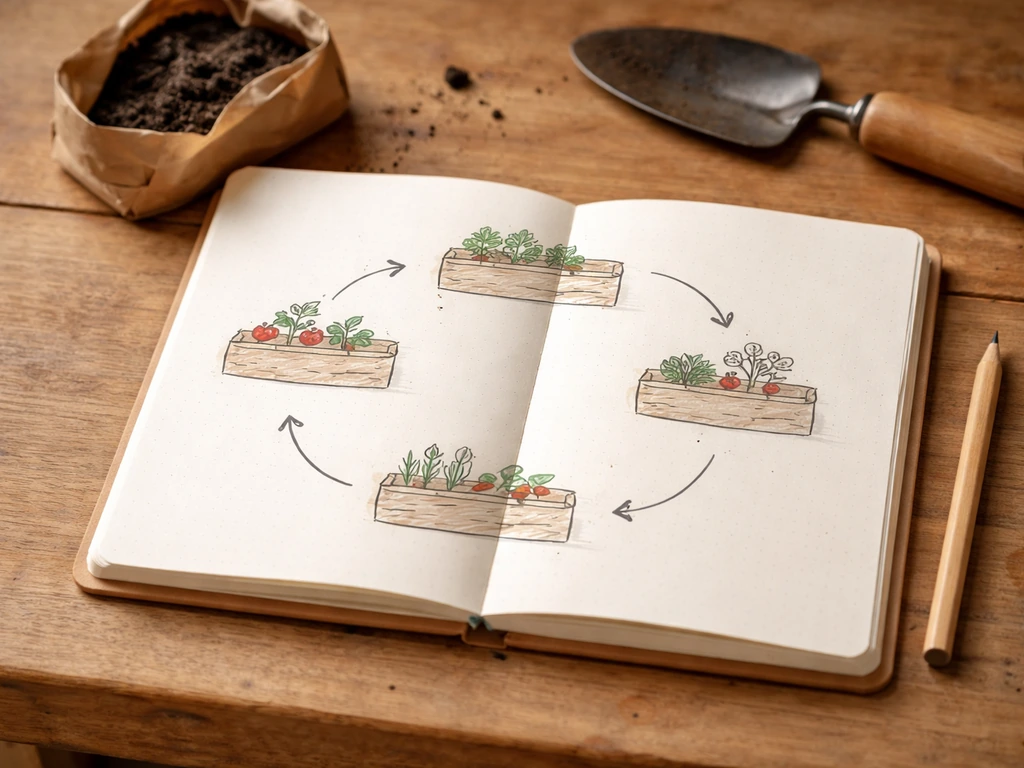
Rotation is the single highest-return practice in terms of long-term soil health and pest management. The core logic: don't grow the same crop (or crops from the same botanical family) in the same ground two years in a row. This breaks pest and disease cycles, prevents nutrient depletion, and keeps organic matter cycling through the system.
A simple rotation framework that works for most garden and small-farm situations follows this sequence. Follow a legume (beans, peas, clover) with a high-nitrogen-demand crop like corn, brassicas, or heavy-feeding leafy greens. Follow the heavy feeder with a root crop or small grain that doesn't need as much nitrogen. Then use a cover crop (especially a legume like crimson clover or hairy vetch) to rest the bed, fix nitrogen, and suppress weeds before starting the cycle again. ATTRA's crop rotation guidance for organic systems emphasizes that keeping soil occupied rather than leaving it fallow is key: bare soil loses structure, invites weeds, and lets pest populations overwinter in residue undisturbed.
Cover crops deserve their own spot in your planning calendar. UMN Extension notes that cover crops can fit into vegetable rotations during specific time windows between main crops. A fast-growing legume cover like field peas seeded after a summer crop can add 60 to 100 pounds of nitrogen equivalent per acre before winter, and the residue breaks down by spring to allow early planting without delay.
Pest management integrates directly into rotation planning. Rotating crops disrupts the life cycles of soil-dwelling pests that overwinter near their host plant's roots or residue. Utah State University Extension lists rotation alongside resistant varieties, composting, and sanitation as the core IPM practices, well before any discussion of spray schedules. The Purdue and Penn State extension IPM frameworks both emphasize blank" rel="noopener noreferrer">scouting (regular, systematic monitoring of your fields) as the foundation. Purdue Extension’s IPM guidance defines integrated pest management and highlights using inspection, monitoring, and scouting to guide decisions rather than reacting only after damage blank" rel="noopener noreferrer">Purdue and Penn State extension IPM frameworks both emphasize scouting. You can't manage pests you haven't looked for, and treating on a calendar rather than based on actual pest pressure wastes money and often creates resistance.
Practical start-up steps: planning, sourcing seed, and avoiding common mistakes
Utah State University Extension recommends defining your production goals, budget, and local climate challenges before spending money. That advice sounds obvious, but most early-stage farming mistakes trace back to skipping exactly this step. Here's a practical sequence to follow. If you're wondering what is the cheapest crop to grow, start by matching low-input crops to your local market and growing conditions rather than chasing the highest price.
- Run a soil test first. Before buying seed or fertilizer, send a sample to your state's extension lab or a certified private lab. You'll get pH, nutrient levels, and lime recommendations. Applying lime to reach the 6.0 to 6.5 target range before planting is far more effective than trying to correct pH after crops are in the ground. Most extension services offer tests for $15 to $25 per sample.
- Map your frost window honestly. Look up your county's frost probability data, not just the average last frost date. A date with a 50% frost probability means one in two years you'll get frost after that date. For valuable transplants, you want to be planting after the date with 10% probability or lower.
- Choose 3 to 5 crops for your first season. Beginners who try to grow 20 different crops spread their attention too thin and manage none of them well. Pick crops suited to your climate from the tables above, with at least one fast-maturing crop (greens, radishes, beans) that gives you a result and a learning cycle early.
- Source seed from regionally adapted suppliers. Regional seed companies and university variety trials select for performance in local conditions. A variety that dominates in California may struggle in Ohio. Check your state's extension service for current variety trial data; it's usually free and updated annually.
- Stagger plantings to avoid a single harvest crunch. Sow salad greens every two to three weeks rather than all at once. Plant corn in two or three successions two weeks apart. This is called succession planting, and it smooths out both labor and market supply.
- Set up even minimal recordkeeping before you plant. Note your planting dates, bed locations, variety names, and input costs. At the end of the season, this data tells you which crops earned their space and which ones didn't. Tracking labor alongside yield is how you discover that some high-yield crops are actually low-profit crops after you account for the hours they require.
- Scout weekly once crops are established. Walk your beds or fields every seven to ten days looking for pest damage, disease symptoms, and weed pressure. Catching problems at the first sign is dramatically cheaper than managing an outbreak. You're looking for insects (adults and larvae), egg masses on leaf undersides, chewed foliage, wilting that doesn't match soil moisture, and any unusual discoloration.
- Plan your next rotation before the season ends. While you're harvesting, decide what cover crop or follow-on crop goes in each bed. Leaving ground bare over winter or between crops is a missed opportunity to improve your soil for free.
One underrated mistake is ignoring irrigation system design until there's a drought. UC ANR notes that sprinkler spacing needs to match your soil's infiltration capacity: spacing too wide leaves gaps in coverage, and applying water faster than soil can absorb it causes runoff and uneven rooting. If you're setting up drip irrigation, which is more efficient for most vegetable crops, plan it at the same time you plan your bed layout, not as an afterthought.
Starting small, keeping records, testing your soil, and building your rotation around legumes and cover crops will put you ahead of the majority of first-time growers within a single season. The crops themselves are the easy part once the framework is in place.
FAQ
How do I decide between staple crops and cash crops if I have limited time and labor?
Start with a target daily or weekly labor budget, then match crops to how often they must be planted, weeded, and harvested. Cash crops tend to require frequent attention and consistent grading for sales, so if you cannot harvest on tight windows, you will usually make more money by growing fewer staples plus a small high-value component rather than trying to scale multiple cash crops at once.
What if my soil is too poor for corn or wheat but I still want reliable results?
Treat soil constraints as a crop selection rule, not just an amendment plan. Choose crops with lower nutrient demand or shorter grow cycles for your first season, then build fertility with legumes and cover crops. Also verify drainage and compaction, since fixing structure (tilth, drainage) often matters more than adding nutrients.
How should I use degree-day modeling if I am not using extension tools?
You can still apply the same concept by tracking local minimum and maximum temperatures and accumulating heat units from a known planting date, then comparing to crop-specific stage thresholds from reliable horticulture references. The key caveat is to use your local on-farm weather data, not a distant station, because heat units can vary enough to shift harvest timing by days to weeks.
Is crop rotation always two years, or can I rotate on a different schedule?
Rotation length depends on the pest and disease you are trying to break and how long residues persist. Some issues require longer gaps, while others can be managed with shorter rotations if you control volunteer plants and sanitize tools. If you have recurring pest pressure, extend the rotation interval for the affected botanical family rather than relying on a fixed two-year pattern.
What’s the best way to rotate if I grow only a few crops each year?
Use “functional rotation” instead of trying to rotate every crop type. For example, keep at least one legume or legume cover in the plan, then alternate between heavy feeders and lighter feeders, and insert a non-host cover crop during downtime. The goal is to break pest lifecycles and nutrient demand patterns even when your crop list is small.
Do cover crops really add enough nitrogen for the next crop, or am I taking a risk?
They can, but the impact depends on planting date, species, termination timing, and whether you get enough biomass before winter. A safe approach is to choose fast-establishing covers and terminate them at a consistent stage, then verify soil nitrogen with a plan for light supplemental fertility if the next crop shows nitrogen stress early in the season.
How do I fit cover crops into a vegetable rotation without delaying spring planting?
Pick covers that match your gap window and terminate early enough for residue to break down. If you plant a cover too late, residue can interfere with seeding and increase wetness. Plan termination based on both temperature (decomposition rate) and your equipment capacity, for example, ensure you can kill and clear residue before planting day.
What’s the biggest irrigation mistake for beginners in practical terms?
Do not set irrigation schedules only by minutes or by a fixed weekly calendar. Instead, calibrate output to your infiltration rate and rooting depth, then confirm uniformity, especially with sprinklers where wind and soil conditions cause uneven wetting. Uneven moisture leads to patchy growth, higher disease risk in dense canopies, and inconsistent yields.
How can I estimate whether a crop will be profitable per acre before spending on seed and inputs?
Do a simple “margin per unit” check using realistic prices and your expected yield range, then subtract the specific costs that scale with intensity, labor hours, packaging, and local compliance or grading. You also want a risk buffer for perishability, since direct-sale crops can lose value fast if you cannot harvest or deliver consistently.
If I’m selling at farmers markets, what should I plan differently than for wholesale?
For direct markets, plan for continuity and grading, so you have overlapping harvest windows rather than one short peak. For wholesale, plan for volume and timing coordination with the buyer’s receiving schedule. In both cases, track which fields and harvest dates produce the best quality for the price you actually receive, not just the average season yield.
Should I prioritize soil testing and amendments before choosing crops?
Yes, at least for pH and major nutrient basics, because some crops fail or underperform if pH or fertility is far out of range. However, do not wait for perfection. Start with a “minimum viable” soil test plan, then choose crops that tolerate your current conditions while you correct the biggest limiting factor for the next rotation cycle.
Best cash crops by zone, soil, and demand. Learn how to choose, test, and estimate profits for your farm.
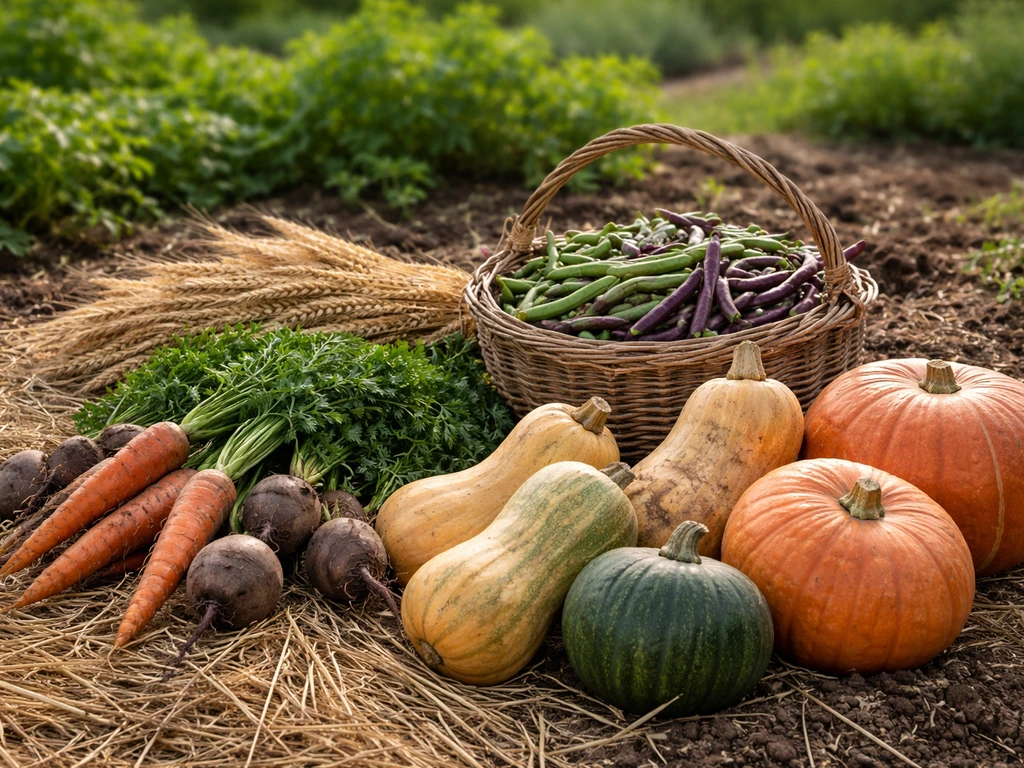
Learn best survival crops to grow by region with climate-fit picks, why they thrive, and an immediate planting plan.
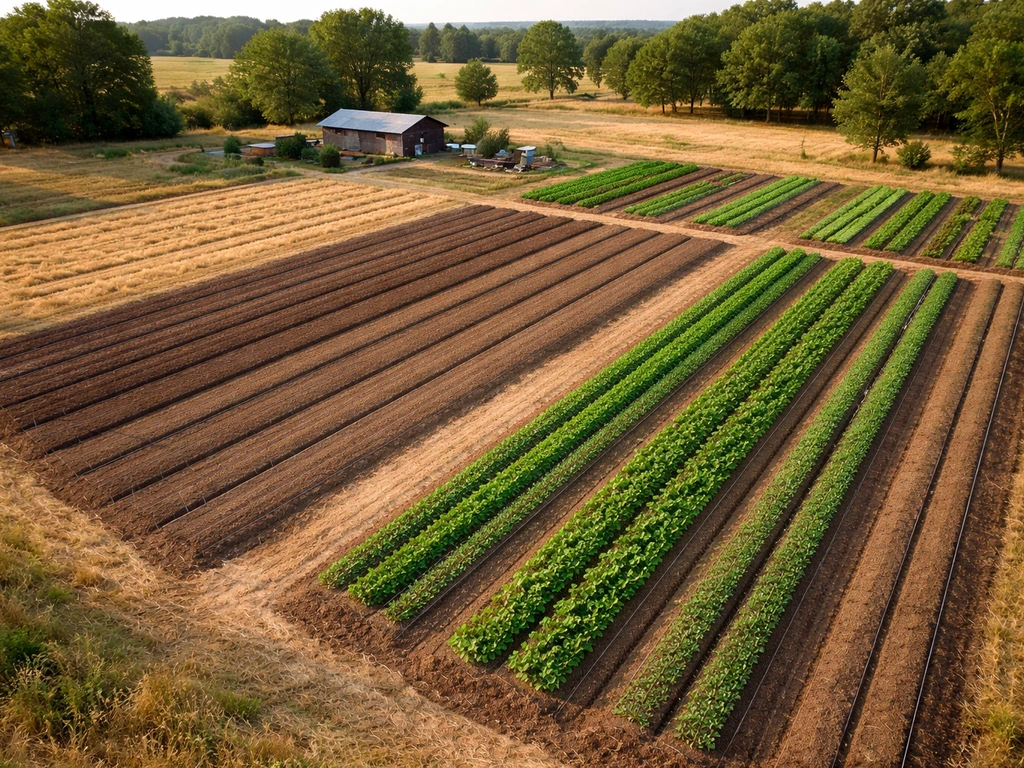
Choose the best crop for 10 acres using climate, soil, irrigation, and goals, plus a practical start plan.