Farmers grow whatever their climate, soil, and market will support. In the U.S., that means corn and soybeans dominate the Midwest (95.2 million and 83.4 million acres planted in 2025, respectively), wheat covers the Great Plains, cotton fills the South and Southwest, and specialty crops like almonds, grapes, and lettuce define California's irrigated valleys. Globally, the same logic applies: rice in humid tropical Asia, sorghum across sub-Saharan Africa, olives in the Mediterranean, and potatoes in Andean highlands. The crop follows the climate, the water, and the market, always in that order.
What Farmers Grow: Crops by Region, Climate, and Season

Samuel Rourke
17 Jun 2026
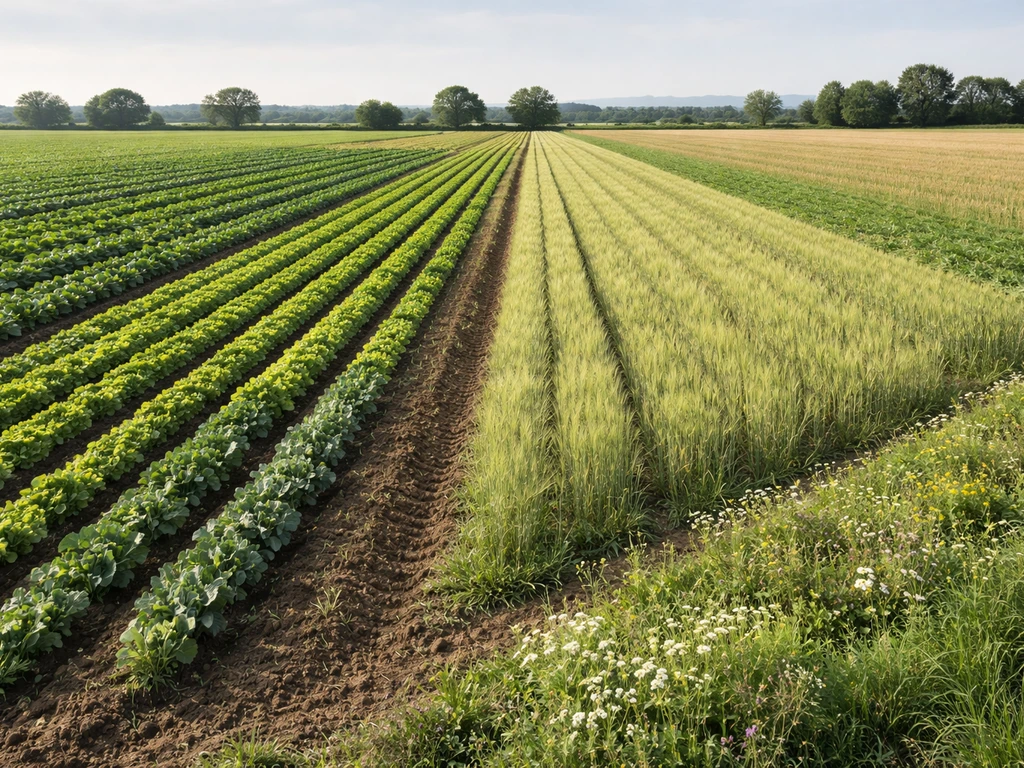
Common crops farmers grow by climate and region
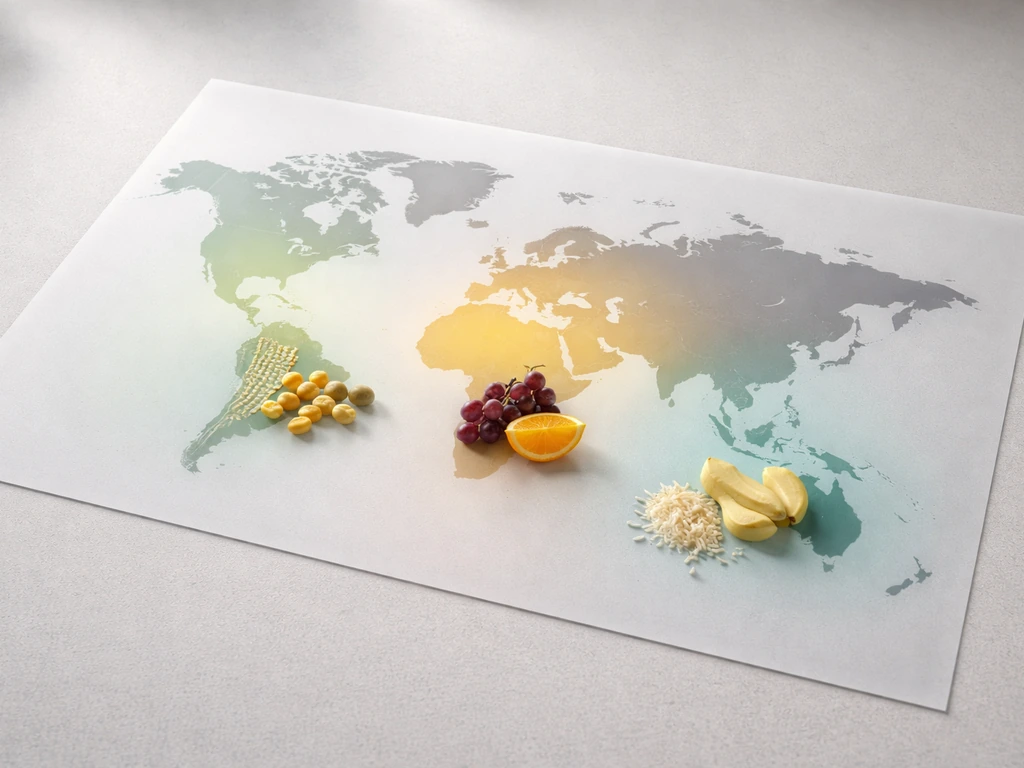
The fastest way to understand what farmers grow is to map it by climate zone. Temperate regions with reliable rainfall and moderate summers, think the U.S. Corn Belt, northern France, or the North China Plain, are built for high-yield row crops: corn, soybeans, wheat, and barley. Arid and semi-arid regions only produce high-value crops with irrigation, which is why California grows almonds (now over 1.2 million irrigated acres), lettuce, tomatoes, and strawberries despite low annual rainfall. Tropical and subtropical zones support crops that need heat and humidity year-round: rice, sugarcane, cassava, bananas, and coffee. Cold short-season climates narrow the options considerably, barley, oats, rye, canola, and cold-hardy vegetables are workhorses in northern Canada, Scandinavia, and highland areas.
| Climate Zone | Typical Crops | Example Regions |
|---|---|---|
| Temperate / Humid | Corn, soybeans, wheat, barley, oats, hay | U.S. Midwest, Northern Europe, Northern China |
| Arid / Irrigated | Almonds, cotton, lettuce, tomatoes, grapes, rice | California, Arizona, Egypt's Nile Valley, Central Asia |
| Tropical / Subtropical | Rice, sugarcane, cassava, bananas, coffee, soybeans | Southeast Asia, Brazil, West Africa, Caribbean |
| Cold / Short Season | Barley, oats, rye, canola, potatoes, cool-season vegetables | Canadian Prairies, Scandinavia, Andean highlands |
| Mediterranean | Wheat, olives, grapes, citrus, vegetables | Southern Europe, California Coast, Chile, South Africa |
Within the U.S., USDA data consistently shows eight crops accounting for the bulk of all harvested acres: corn, soybeans, hay, wheat, cotton, sorghum, barley, and rice. Corn alone makes up more than 95% of total U.S. feed grain production. That concentration tells you something important, most farmland is optimized for a handful of proven, traded commodities, not diversity.
Field crops vs specialty crops vs livestock feed
It helps to think about farm output in three broad buckets, because they represent very different management systems, markets, and land requirements.
Field crops (row crops and small grains)
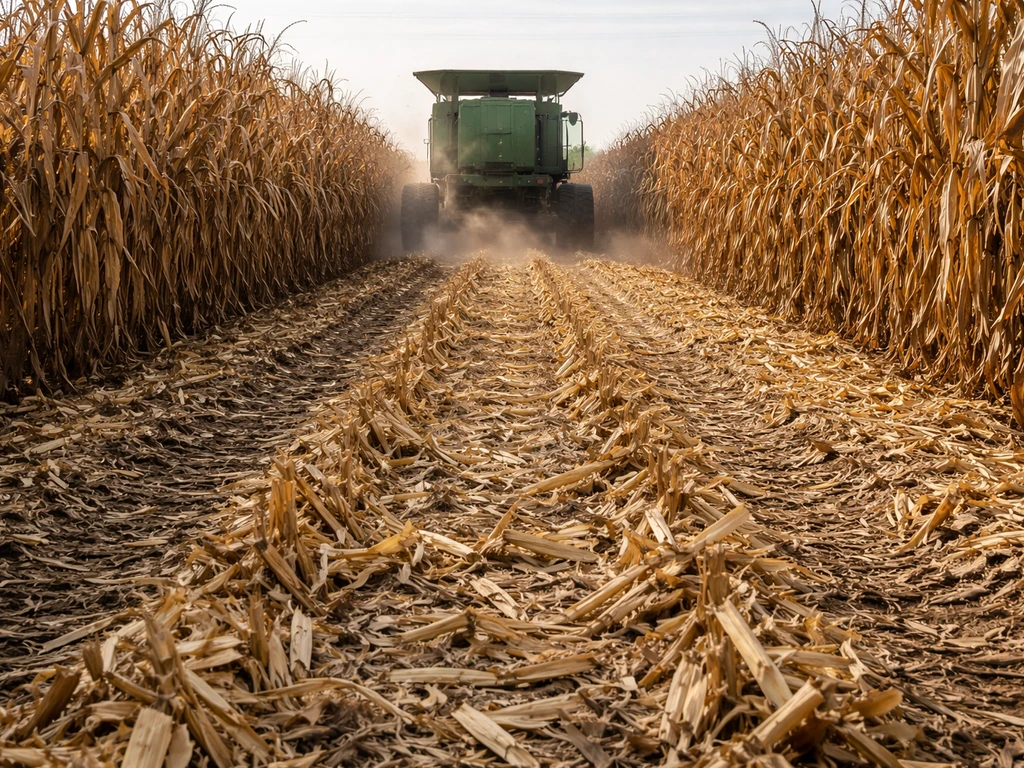
These are planted and harvested at scale with machinery: corn, soybeans, wheat, cotton, sorghum, barley, canola, rice, and dry beans. They're traded as commodities, priced on global markets, and grown on hundreds or thousands of acres per farm. Corn is primarily a feed and energy crop, most of the U.S. harvest goes straight into livestock feed or ethanol. Soybeans serve double duty as a protein meal for livestock and as a vegetable oil source, and they have the added benefit of fixing their own nitrogen, which reduces fertilizer costs compared to most other row crops.
Specialty crops (vegetables, fruits, and nuts)
Specialty crops are higher-value per acre but also higher-cost and higher-risk. Almonds, grapes, lettuce, tomatoes, strawberries, and tree fruits require more intensive management, often depend on irrigation, and are more vulnerable to weather events. California's irrigated valleys are the U.S. center of gravity here: almonds, walnuts, lettuce, tomatoes, strawberries, and grapes are all produced at commercial scale and depend heavily on managed water supply. A single failed frost or drought year can wipe out an entire season's revenue on a specialty crop.
Livestock feed and forage
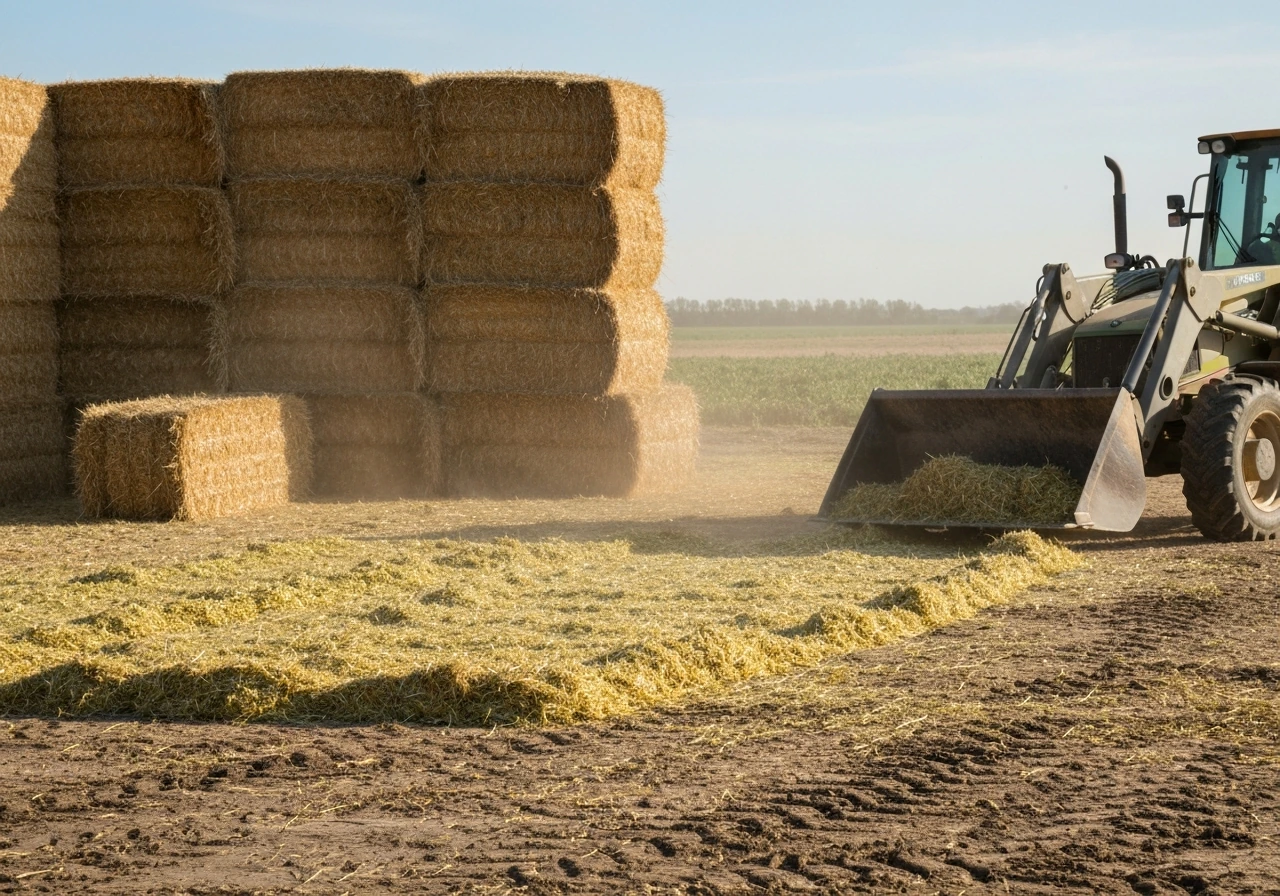
Hay, alfalfa, silage corn, and rangeland grasses often fly under the radar, but forage is a fundamental input to animal agriculture. Farmers grow a mix of field crops like hay and alfalfa along with forages such as rangeland grasses to feed livestock. Alfalfa is one of the most irrigated crops in western states. Range grasses support beef cattle across the Great Plains and intermountain West. As demand for meat and dairy grows globally, forage and range resources are only going to become more important, not less.
How to choose what to grow: soil, weather, water, and market
If you're trying to figure out what crops make sense for your location, work through these constraints in order. Skip one and you'll likely regret it.
- Soil type and fertility: Deep, well-drained loam soils with good organic matter grow almost anything. Heavy clay soils drain poorly and can make root crops, corn, and soybeans difficult to establish. Sandy soils drain fast and may need irrigation and fertilizer more frequently. Get a soil test before you commit to anything.
- Rainfall vs irrigation access: If you're in a rainfed system (no irrigation), you're limited to crops that match your average annual and seasonal rainfall. If you have access to reliable irrigation water, your options expand significantly—but so do your costs and water-management obligations.
- Temperature and growing-degree requirements: Every crop has a minimum and maximum temperature range for germination and development. Corn needs accumulated heat units to reach maturity. Cotton uses a base temperature of 60°F (DD60s) to track development milestones. Soybeans shouldn't go in the ground until soil temperature at two-inch depth reaches at least 50°F. Know your last spring frost date and first fall frost date before choosing a crop.
- Day length sensitivity: Soybeans and some other crops are photoperiod-sensitive—they flower in response to day length, not just temperature. Plant a southern soybean variety in the northern Midwest and it will flower too late to yield well.
- Pest and disease pressure: Local disease history matters. In Minnesota and North Dakota, planting wheat after corn raises Fusarium Head Blight risk. Certain soilborne diseases persist for years, which is exactly why rotation rules exist.
- Seed and input access: Growing a crop that requires specialized seed, equipment, or agrochemicals you can't reliably source is a setup for failure. Stick to crops your local suppliers, co-ops, and extension office understand.
- Market and infrastructure: The best crop agronomically is worthless if you can't sell it or store it. Check what elevators, processors, or direct markets exist within realistic trucking distance before committing acreage.
Season planning: planting windows, crop rotation, and frost and heat limits

Planting windows
Every crop has an optimal planting window, and getting outside that window costs yield. In west-central Nebraska, for example, USDA crop insurance sets the earliest corn planting date at April 10 and the earliest soybean planting date in the April 20–25 range depending on county.
In North Dakota, soybean trials consistently show that planting in the first half of May produces the highest yields, push it later and you lose yield, push it earlier into cold soils and you risk slow emergence, seed rot, and patchy stands. Cotton is even more specific: seed emergence requires accumulated heat units after planting, and UC IPM recommends using soil temperature readings plus a forecast window rather than a calendar date alone.
Oklahoma State University Extension describes cotton heat units using a base temperature of 60°F (DD60s) and provides heat-unit benchmarks and management timing for development milestones seed emergence requires accumulated heat units after planting.
Crop rotation basics
Rotation is one of the most reliable, low-cost tools in farming. Rotating crops breaks pest and disease cycles, improves soil structure, and often boosts yields. A long-running Fargo, ND study found wheat yields increased roughly 40% when wheat followed soybeans, about 20% when it followed sunflowers, and about 15% when it followed flax, compared to continuous wheat. The flip side: planting wheat or barley after another small grain, or after corn in Fusarium-heavy regions, raises disease pressure significantly.
The corn-soybean rotation is the backbone of Midwest agriculture precisely because each crop benefits the other: corn yields more after soybeans, and soybeans fix nitrogen that reduces fertilizer needs for the following corn crop. Continuous corn consistently underperforms rotated corn, and the negative effects compound over time.
Cover crops and soil building
Cover crops, planted between cash crop seasons, do several jobs at once: they trap excess nitrogen, reduce erosion, suppress weeds, and feed soil biology. Phacelia is often grown as a cover crop, especially to support pollinators and improve soil between cash crops cover crops. Common options include winter cereal rye, oats, annual ryegrass, and oilseed radish.
Cereal rye planted after corn harvest in the Midwest is one of the most practical choices because it germinates in cool conditions and provides ground cover through winter. Termination timing matters: terminate rye by late April before it gets too large, or you risk depleting soil moisture and tying up nitrogen right when your cash crop needs it. Termination options include herbicide (glyphosate is common), roller-crimping, or tillage, each with its own tradeoffs depending on your system.
Common growing systems: rainfed, irrigated, greenhouses, and cover crops
The growing system shapes everything else about how a farm operates and what it can realistically grow. These four systems account for most global crop production.
| System | How it works | Best for | Key constraint |
|---|---|---|---|
| Rainfed / dryland | Relies entirely on natural precipitation | Corn, wheat, soybeans, sorghum in humid/sub-humid zones | Drought risk; tied to seasonal rainfall patterns |
| Irrigated | Supplements or replaces rainfall with managed water delivery | Almonds, cotton, lettuce, alfalfa, rice in dry regions | Water supply reliability and cost; infrastructure investment |
| Protected culture / greenhouses | Crops grown under plastic or glass structures | Tomatoes, peppers, cucumbers, herbs, leafy greens | High capital cost; labor-intensive; energy use |
| Cover cropped / soil-health systems | Integrates cover crops between cash crop seasons | Any row crop or vegetable system focused on soil improvement | Termination timing and cost; moisture tradeoffs in dry years |
Irrigated agriculture deserves special attention because it fundamentally changes the geographic logic of what grows where. California is the clearest U.S. example: without irrigation supplementing rainfall in dry periods, the state's almond orchards, lettuce fields, and strawberry operations wouldn't exist at commercial scale. CIWR notes that almond orchards are California's largest irrigated crop, with more than 1.2 million acres, and it discusses deficit irrigation and post-harvest irrigation management considerations California's almond orchards. California's water-supply reliability is a direct input into crop selection, capital-intensive perennial crops like almond orchards using drip irrigation are planned around long-term water contracts. When water reliability drops, farmers shift to annual crops that can be fallowed in dry years.
Where crops grow: U.S. state and global examples, plus historical patterns
U.S. regional breakdown
- Corn Belt (Iowa, Illinois, Indiana, Ohio, Minnesota, Nebraska): Corn and soybeans dominate, supported by deep loam soils, adequate summer rainfall, and a robust commodity infrastructure of elevators, processors, and rail lines.
- Great Plains (Kansas, Oklahoma, North and South Dakota, eastern Colorado): Winter wheat in the southern and central Plains, spring wheat and sunflowers in the north, sorghum in drier southern areas. The Great Plains is one of the most distinctive agricultural regions in the world—more on what farmers grow there specifically is worth exploring on its own.
- South and Southeast (Georgia, Alabama, Mississippi, Arkansas, Louisiana): Cotton, rice, peanuts, soybeans, and poultry feed grains. Arkansas grows more rice than any other U.S. state.
- California and the Southwest: Almonds, walnuts, grapes, lettuce, tomatoes, strawberries, and citrus under irrigation. Cotton in the San Joaquin Valley and Arizona's Salt River Project.
- Pacific Northwest (Washington, Oregon): Wheat (especially soft white wheat for export), apples, potatoes, hops, cherries, and hazelnuts.
- Northeast and Upper Midwest: Dairy forage (corn silage, alfalfa, grass hay), apples, potatoes, maple syrup, and market vegetables.
Global crop patterns
Globally, rice feeds more people than any other single crop, produced across monsoon Asia from China and India through Southeast Asia. Wheat spans a remarkable range: from the steppes of Russia and Ukraine to the Punjab in Pakistan, to Australia's wheat belt and the U.S. Great Plains. Maize (corn) is now produced on every inhabited continent, but Sub-Saharan Africa and Latin America produce much of it as a food crop rather than a feed grain. Coffee, cacao, and rubber are tightly bound to tropical belt latitudes and require specific combinations of elevation, rainfall, and temperature that simply don't exist elsewhere.
How crop patterns change over time
Historically, staple crops were much more diverse and locally adapted. Ancient Mesopotamia grew emmer wheat and barley. Pre-Columbian Americas cultivated maize, squash, beans, quinoa, and amaranth. The Columbian Exchange after 1492 reshuffled global agriculture dramatically: potatoes moved from the Andes to Europe and became a staple in Ireland, northern Europe, and Russia.
Maize spread across Africa and Asia within a century of European contact. In the modern era, irrigation technology, plant breeding (especially the Green Revolution varieties of the 1960s–70s), and global commodity trade have dramatically concentrated production into fewer, higher-yielding crop varieties grown at enormous scale. If you are thinking about growing crops under plastic, irrigation planning and water delivery are especially important irrigation technology.
That concentration is efficient, but it also means today's crop maps look very different from those of even a century ago.
Turn your conditions into a realistic crop shortlist
The best next step after reading a guide like this is to get specific about your own location and constraints. Here's a practical checklist to work through. If you're wondering what do subsistence farmers grow, use this same checklist to think about locally available food and soil suited staples rather than only commercial cash crops.
- Identify your climate zone: Find your USDA Plant Hardiness Zone and your Koppen climate classification. These two together tell you what temperature extremes and moisture patterns you're working with.
- Get a soil test: Send a sample to your state university extension lab before choosing crops. Soil pH, organic matter, and nutrient levels will rule certain crops in or out immediately.
- Map your water resources: Do you have reliable rainfall, irrigation access, or both? If irrigation, what is your water cost and reliability over a 10-year horizon?
- Check local crop insurance and planting date windows: USDA Risk Management Agency (RMA) publishes crop-specific planting date windows by county. These are a practical reality check on what's insurable in your area.
- Talk to your local extension office: Every U.S. state has a land-grant university extension service with county-level staff. They know local disease history, pest pressure, and which varieties have performed well in your specific area. This is free, expert, local advice—use it.
- Look at what's already growing nearby: Drive your county roads. What are your neighbors growing? Local patterns reflect decades of trial, error, and adaptation to local soils and markets.
- Check market access: Identify your nearest grain elevator, processing facility, farmers market, or direct-sales outlet. The distance and price they offer should influence your crop choice as much as the agronomics.
- Use crop and region maps: Reference crop distribution maps by U.S. state or global region to see where your target crop is commercially produced and whether your conditions match those areas.
- Plan your rotation from day one: Don't just plan what to grow this season. Plan a two- or three-year rotation sequence that breaks pest cycles and maintains soil health.
For readers interested in specific growing contexts, there's a lot of depth worth exploring beyond this overview. What farmers grow on the Great Plains, what subsistence farmers grow, what crops get grown under plastic, and how many crops a farm might cycle through in a single year are all distinct enough topics that they each warrant their own focused look. The broader pattern, though, always comes back to the same logic: match the crop to the climate, the soil, the water, and the market, and you'll be starting from the right place.
FAQ
Can farmers grow crops outside their typical climate zone?
Yes, but it is limited by management and economics. In cool or wet climates you may get fewer successful options, yet you can still grow high-value crops by using short-season varieties, row covers/greenhouses, drainage improvements, or controlled irrigation (especially for frost-sensitive plants).
If my area gets enough annual rainfall, do I still need to irrigate?
A common mistake is assuming “more rainfall means you can skip irrigation.” Crops still depend on timing, soil water-holding capacity, and evapotranspiration, so a farm in a wetter region can still need irrigation during dry spells or drought years.
How should I use planting dates if my farm is in a different county or has different soil conditions?
Planting window guidance should be interpreted locally. Earliest dates are risk-based, and your county-level conditions (soil temperature, drainage, forecast, and seedbed firmness) matter as much as the calendar or regional average.
What’s the best way to plan planting when a crop depends on heat units, like cotton?
Interpreting “heat units” incorrectly can lead to poor stands. Make sure you calculate crop-specific emergence requirements and base them on your actual soil temperature depth, not only air temperature.
How do I choose a rotation if I want to reduce pests and disease, not just boost yields?
For rotations, you need to check more than plant families. Disease carryover is often the real limiter, for example wheat or barley following small grains can increase certain disease pressures, and corn after corn in Fusarium-heavy soils can worsen problems over time.
When cover crops help, and when can they hurt yield?
Cover crops can help, but they can also create yield drag if terminated too late or if they rob moisture or nitrogen. Use termination timing and species choice to match your cash crop’s nitrogen needs and spring soil moisture conditions.
Does switching cover crop types change seeding rates or planting setup for the next cash crop?
It depends on your system and termination method. Some rollers, mowing, or herbicide programs leave more residue that affects planting depth and seed-to-soil contact, so calibrate equipment and adjust seeding rates when switching cover crop species.
What changes when water reliability drops, especially for specialty crops like tree nuts and berries?
If you have limited water reliability, perennial specialty crops usually become risky because they require ongoing contracts and consistent irrigation. Farms often pivot to shorter-cycle annuals that can be fallowed in dry years.
Why do many farms end up with only a handful of crops, and is diversification always better?
Commodity crops are typically less diversified because they are optimized for scale and global pricing, but farms can still diversify by adding a rotation partner or forage system. If you increase species count, also plan for equipment compatibility, storage, and marketing channels.
Do I pick crops based only on soil and climate, or do market rules matter too?
You do not, and that misconception can stall decisions. Market access, storage, transport distance, and buyer requirements often matter as much as agronomy, particularly for specialty crops that rely on consistent quality.
Next Articles
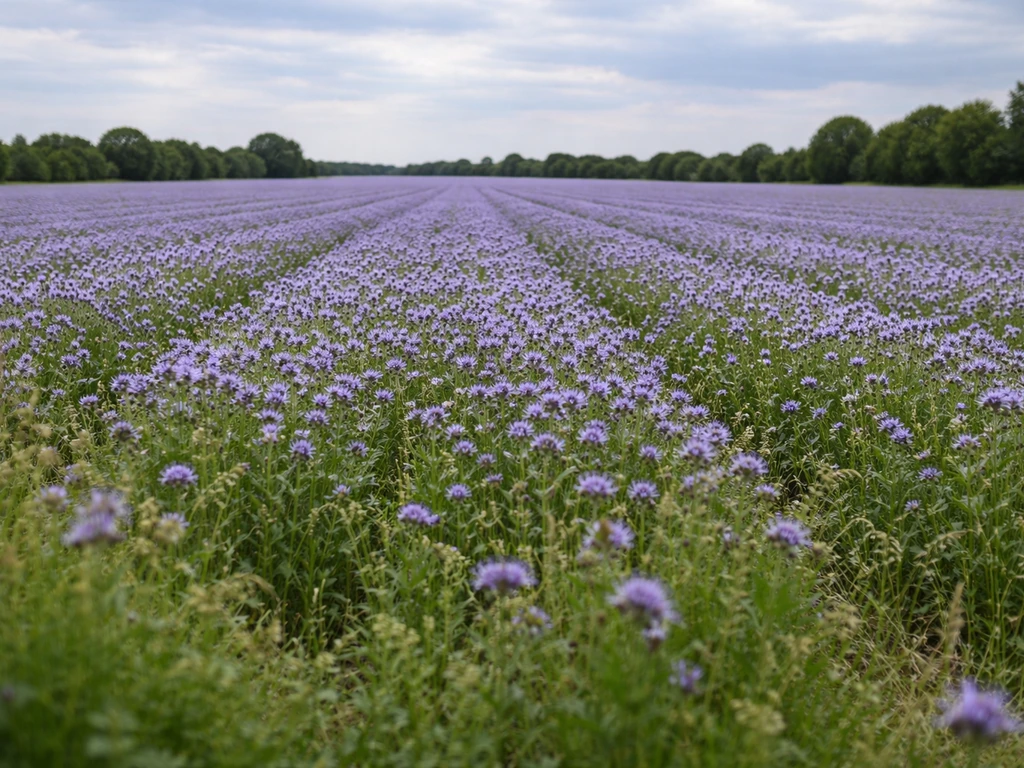
Why Farmers Grow Phacelia: Cover Crop, Soil, Pollinators
Farmers grow phacelia as a fast cover crop for soil building, erosion control, and pollinator support across temperate r
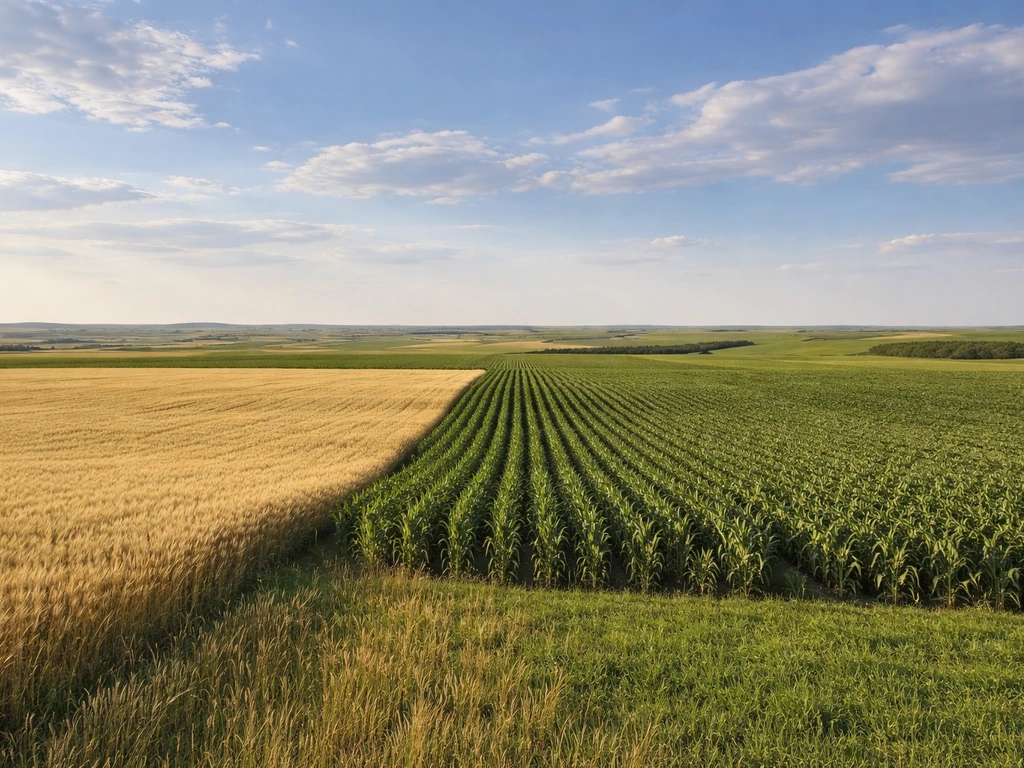
What Do Farmers Grow on the Great Plains? Crops Today
Discover main Great Plains crops today, from wheat and corn to soybeans and alfalfa, plus dryland vs irrigated farming.
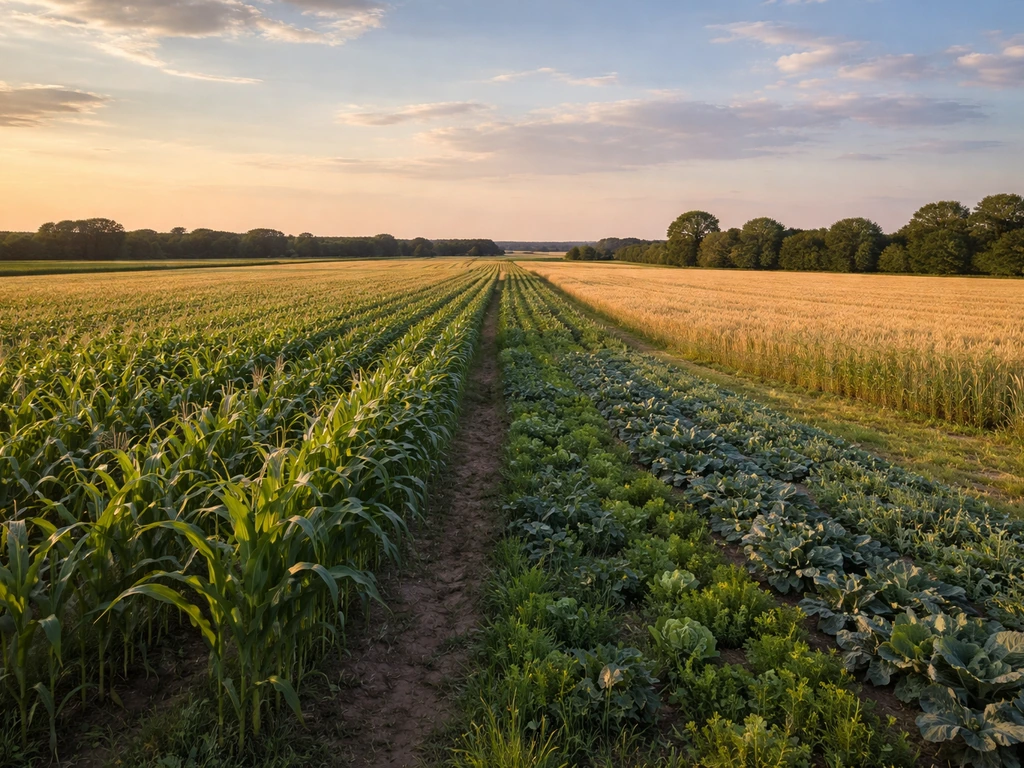
What Crops Do Farmers Grow By Region, Climate, and Time
Crop lists by region and climate, plus crop types and history, to answer what farmers grow and why.