In most open fields around the world, farmers are growing one of a handful of crops: grains like wheat, corn, and rice; oilseeds like soybeans, canola, and sunflowers; or forage crops like alfalfa and hay grasses. The FAO reports that maize, wheat, and rice alone accounted for 91% of total global cereal production in 2023. But which specific crops you'll find in any given field depends almost entirely on where you are. Subsistence farmers tend to grow staple crops and local varieties that can survive the specific climate and soil where they live. Climate, soil type, rainfall, and the length of the growing season are the real decision-makers, and understanding those factors is the fastest way to figure out what's growing in your local fields.
What Do Farmers Grow in Fields? Crops by Region and Climate

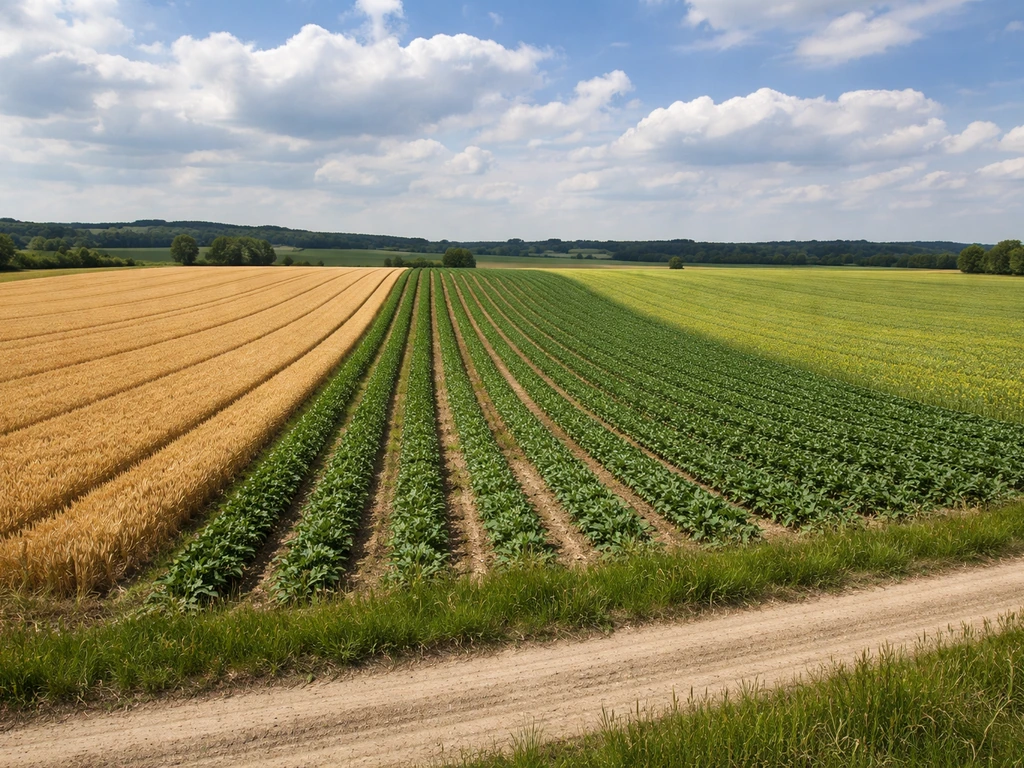
The most common field crops, broken down by category
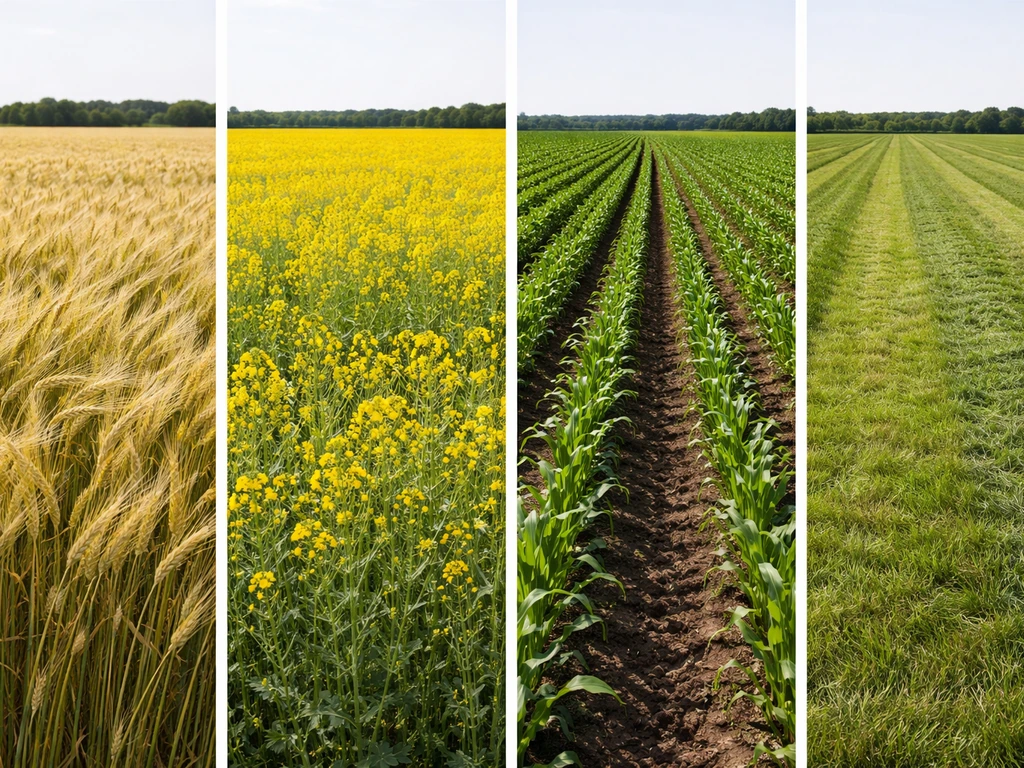
Fields are used for four broad crop categories, and most farmland you drive past falls into one of them. Knowing these categories makes it much easier to identify what you're looking at and why.
Grains and cereals
Wheat, corn (maize), rice, barley, oats, rye, and sorghum are the workhorses of global agriculture. Wheat is planted across hundreds of millions of acres worldwide, from the U.S. Great Plains to northern India to the steppes of Ukraine. Corn dominates the U.S. Midwest and is the most-produced crop by volume in the Americas. Rice fills the lowland paddies of Southeast and South Asia. Sorghum and millet step in where it's too hot and dry for corn.
Oilseeds
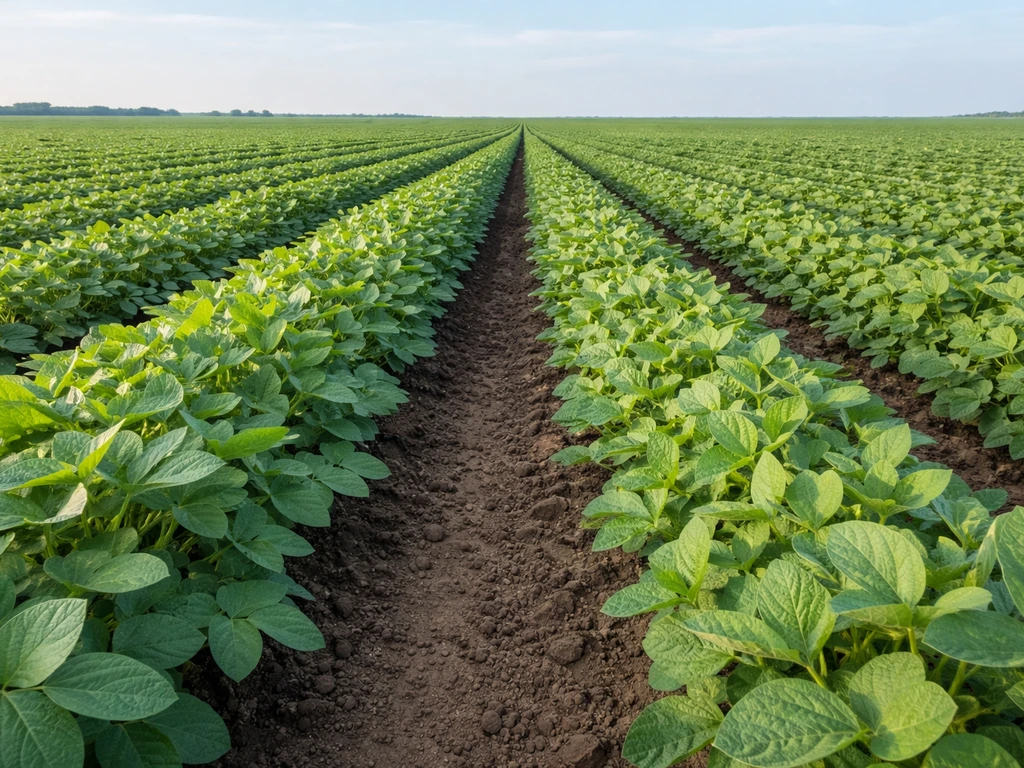
The USDA identifies the major U.S. oilseed crops as soybeans, cottonseed, sunflower seed, canola (rapeseed), and peanuts. Soybeans are the dominant oilseed in the U.S. by a wide margin, sharing the Corn Belt rotation with corn across states like Iowa, Illinois, Indiana, and Ohio. Canola is king in Canada's Prairie Provinces and is also grown heavily in the Pacific Northwest and northern Plains. Sunflowers show up in the Dakotas and parts of the central Plains.
Row crops for food and fiber
Cotton, sugar beets, sugarcane, and potatoes are major row crops with strong regional identities. Cotton is concentrated in the southern U.S. (Texas, Georgia, Mississippi). Sugar beets grow in the northern Plains and Pacific Northwest where cool temperatures suit them. Potatoes dominate parts of Idaho and eastern Washington. These crops are less universal than grains but are enormously important in the regions where they grow.
Forage and hay crops
Alfalfa, timothy, clover, and mixed grass hay cover millions of acres that support livestock. Alfalfa is especially important in the West and High Plains where irrigation is available, because it's a high-yield, high-protein feed crop. If you see a field being mowed three or four times a summer, it's almost certainly a hay or forage operation.
Why location changes everything
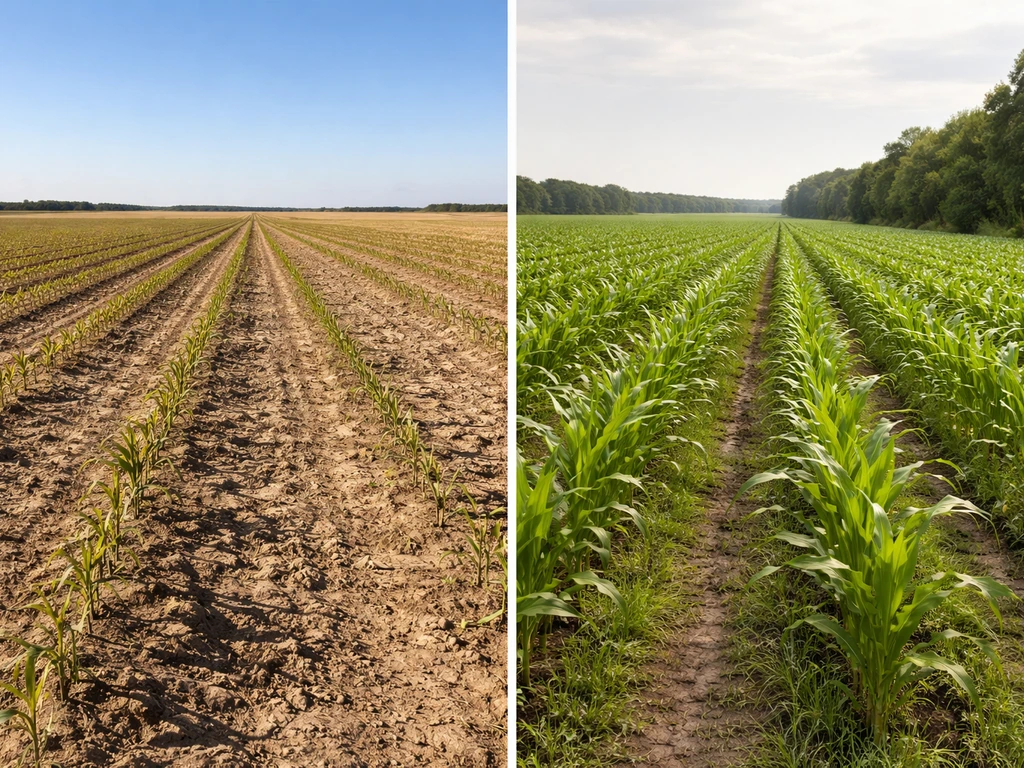
A farmer in Kansas and a farmer in Mississippi are both growing field crops, but the fields look completely different. That's because crop choice is driven by a combination of climate, soil, and water availability, and those factors shift dramatically from one region to the next. If you want to figure out what farmers grow nearby, pay attention to local climate, soil, and water availability crop choice.
Temperature and growing season length
Corn needs a frost-free growing season of roughly 90 to 120 days depending on the hybrid. Rice needs warm temperatures through a long season. Wheat tolerates cold winters and can be planted in fall (winter wheat) or spring (spring wheat), which is why it's grown across such a wide latitude band. The number of frost-free days in your area is one of the most reliable signals of what crops are viable locally.
Rainfall and irrigation
East of the 100th meridian in the U.S., most grain crops are grown on rainfall alone. West of it, irrigation becomes critical. Farmers grow a range of crops under plastic covers, often to speed up growth, protect plants from weather, or control pests and weeds. In California's Central Valley, about 75% of the state's irrigated land sits in that one valley, and crops like tomatoes, cotton, and cereal grains are entirely dependent on managed water. East of the Cascade Mountains in Washington and Oregon, irrigated fields grow potatoes and specialty produce while dryland areas grow wheat, barley, and legumes. The same irrigation logic applies globally: in India, the Kharif season (June to October) uses supplemental irrigation for rice and maize, while the Rabi season (November to April) requires almost total irrigation for wheat and other crops.
Soil type and pH
Soil texture and pH directly affect which crops can thrive. The USDA NRCS notes that soil pH controls nutrient availability, which plays a major role in crop performance. Blueberries want acidic soils; alfalfa prefers near-neutral to slightly alkaline conditions. Clay-heavy soils drain poorly and limit options for crops like potatoes that need loose, well-drained ground. Farmers working sandy soils in the Southeast often grow peanuts partly because they tolerate and even prefer that lighter soil type.
How the same field changes through the year
Most field crops aren't planted in the same field year after year. Rotation is standard practice across virtually all modern farming systems, both for soil health reasons and to manage pest and disease pressure. What a field grows in spring may be completely different from what it grew last fall or what it'll grow next year.
The classic U.S. Corn Belt rotation is corn followed by soybeans. Farmers alternate the two crops because soybeans fix nitrogen that feeds the following corn crop, reducing fertilizer costs and breaking disease cycles. In the semi-arid Great Plains, the traditional system has long been blank" rel="noopener noreferrer">wheat followed by a fallow year, where fields are left unplanted to accumulate soil moisture across the dry summer before the next wheat planting. In the semi-arid Great Plains, farmers commonly grow wheat as part of a wheat-fallow system. Research has shown this wheat-fallow approach helps stabilize yields in low-rainfall dryland systems, though newer rotations are incorporating warm-season annual crops to replace some of those fallow periods.
In northern India, the rice-wheat rotation is so dominant it defines entire regional farming systems. Farmers plant rice during the Kharif season, harvest it in October or November, and then plant wheat for the Rabi season, harvesting in spring. That two-crop annual cycle has been the backbone of food production across Punjab, Haryana, and Uttar Pradesh for decades. Understanding rotation matters because if you're asking what's growing in a field today in July, the answer depends on what was planted in spring and what will go in after this harvest.
What grows where: regional examples across the U.S. and beyond
| Region | Primary Field Crops | Key Climate/Soil Driver |
|---|---|---|
| U.S. Corn Belt (Iowa, Illinois, Indiana) | Corn, soybeans | Rich glacial soils, moderate rainfall, warm summers |
| U.S. Great Plains (Kansas, Nebraska, Oklahoma) | Winter wheat, sorghum, corn (irrigated) | Semi-arid, variable rainfall, hot summers |
| U.S. Northern Plains (North/South Dakota, Montana) | Spring wheat, barley, sunflowers, canola | Short growing season, cold winters, low rainfall |
| U.S. South (Mississippi, Alabama, Georgia) | Cotton, soybeans, peanuts, corn | Long frost-free season, warm/humid |
| U.S. Pacific Northwest (east of Cascades) | Dryland wheat, barley; irrigated potatoes | Dry summers, irrigation-dependent for specialty crops |
| California Central Valley | Tomatoes, cotton, cereal grains, hay, rice | Hot dry summers, extensive irrigation |
| Northern India (Punjab, Haryana) | Rice (Kharif), wheat (Rabi) | Monsoon-fed rice, irrigated wheat, two-season system |
| Canadian Prairies (Saskatchewan, Alberta) | Canola, spring wheat, barley, lentils | Short season, cold dry winters, flat fertile plains |
| Brazil (Cerrado region) | Soybeans, corn, cotton | Tropical savanna, two growing seasons per year |
These regional patterns aren't random. They reflect centuries of farmers learning which crops reliably produce in their specific conditions, shaped by trade, technology, and in many cases, historical agricultural traditions. Ancient civilizations in Mesopotamia grew emmer wheat and barley along irrigated river systems, much like farmers in the same geographic zone still grow wheat and barley today. The crops change over time, but the underlying logic of matching crop to climate and soil stays remarkably consistent.
For more detail on specific regional patterns, the articles on what farmers grow on the Great Plains and what crops farmers grow in general offer useful comparisons to the broad picture covered here.
How to find out what's actually grown near you
If you want to know specifically what's being grown in your county or region, you don't have to guess. You can use the USDA NASS Quick Stats Ad-hoc Query Tool to pull county-level crop and variable data by geography and field attributes blank" rel="noopener noreferrer">USDA/NASS QuickStats Ad. If you're wondering what crops do farmers grow near you, start by looking at the region-specific factors that determine which crops are viable. There are several practical tools that give you reliable, detailed answers.
- Use the USDA NASS Cropland Data Layer (CDL): This is a free, publicly available 30-meter resolution map of crop types across the entire U.S., updated annually using satellite imagery and ground-truth data. You can view it through CropScape (the NASS online mapping tool) and zoom into any county to see exactly which crops were planted where in a given year.
- Pull county-level crop statistics from USDA NASS Quick Stats: This interactive database lets you query planted and harvested acreage by state and county for dozens of crops, including corn, soybeans, wheat, cotton, sorghum, sunflowers, potatoes, and more. It's the most authoritative source for understanding local crop patterns.
- Check your local Cooperative Extension office: Every U.S. state has a land-grant university with an extension service that publishes crop production guides, planting calendars, and regional variety recommendations. These are written specifically for local conditions and are free to access online.
- Look up your county's USDA Farm Service Agency (FSA) office: FSA maintains records of what crops are enrolled in federal programs locally, which gives a reliable picture of what's grown in your area.
- Use climate cues to narrow down possibilities: Your average annual rainfall, frost-free days, and soil type (check the USDA Web Soil Survey for free soil maps) will tell you what crops are realistically viable. If your region gets less than 15 inches of annual rainfall without irrigation, dryland wheat or sorghum is far more likely than corn. If you're in a zone with more than 200 frost-free days and high humidity, cotton and peanuts become realistic candidates.
- For global patterns, use the FAO's GAEZ (Global Agro-Ecological Zones) tool: This system models crop suitability across the entire world using climate and soil data. It's the best free resource for understanding what crops are suited to any global region, including historical agricultural zones.
One important note: hardiness zones (the USDA plant hardiness zone map) are designed primarily for perennial plants and minimum winter temperatures. They're useful as a starting point, but they don't capture frost-free period length or summer heat patterns well enough to be your only guide for field crop identification. Pair zone information with actual first and last frost dates and local rainfall data for a more accurate picture.
Putting it all together
The fields you see as you drive through any agricultural region are growing crops chosen by farmers who have matched plant requirements to local realities. The big three cereals (corn, wheat, and rice) dominate global production, but locally you might find soybeans, cotton, canola, alfalfa, potatoes, or a dozen other crops depending entirely on soil, climate, water, and season. Most fields rotate through multiple crops across years, so what you see today may be different from what was there last season or what's planned for next spring. The fastest way to get a confident answer about your specific area is to check the USDA NASS CDL map for a visual snapshot or pull county statistics from Quick Stats, then cross-reference with your local extension office for the ground-level context. Phacelia is often grown as a cover crop to improve soil health and support beneficial insects, which is one reason farmers choose it in the right conditions.
FAQ
If I see corn in a field today, does that mean the farm always grows corn there?
Not always. Many places grow multiple crops by season, so the “field crop” you see in summer may be the second crop in a rotation (for example, wheat followed by another crop, or rice followed by wheat). To identify what’s growing now, use the current month and typical planting dates for your region rather than assuming the crop planted last year is still there.
How can I tell whether a wheat field is winter wheat or spring wheat?
Different “wheat” is grown in different climates. Winter wheat is sown in the fall and harvested the next year, while spring wheat is planted after winter and harvested later the same year. If you’re trying to identify a field, timing matters, because a field can look like “wheat” but be at a very different stage depending on whether it’s winter or spring wheat.
Can USDA hardiness zones alone tell me what farmers grow in fields?
Soil maps and hardiness zones help, but they do not reliably predict annual field crops on their own. Field crops depend more directly on the frost-free period length, rainfall pattern, irrigation access, and the specific rotation farmers use. A location can be “zone-appropriate” for a crop but still be unsuitable if irrigation or drainage conditions are wrong.
Do farmers grow the same crops under plastic covers, or does the cover change what crops are possible?
Yes, but the constraints are different. Many farmers use covered systems (greenhouse or high tunnels) for vegetables, while large field crops still depend on open-field conditions like frost-free days and soil drainage. If you see plastic stretched low over beds, it may be high-tunnel protection or low tunnel row covering, which usually supports earlier planting or pest control rather than replacing open-field crop logic.
If a field looks empty, does that always mean it is fallow with no planting?
Many farmers do use fallow periods, but “fallow” does not always mean weeds. In dryland regions, leaving land unplanted can conserve moisture for the next crop, but some farmers also seed cover crops during fallow to reduce erosion and improve soil structure. So if a field looks bare, it could be moisture-conservation fallow or a short cover-crop phase.
Why do I sometimes see different stages or different crops in the same farm during one month?
Rotation timing can make crops appear out of place for a given season. For example, in a system where one crop is harvested early and the next is planted quickly, you might see mixed stages across a farm (harvested strips, newly planted areas, and older growth). Identifying the crop by “what’s planted” requires looking at the planting stage, not just the crop type you expect.
How do soil pH and drainage show up in the real world for crop choices?
Soil pH and drainage can be major deciding factors, especially for crops like potatoes (which need loose, well-drained ground) and for alfalfa (which prefers near-neutral to slightly alkaline conditions). If you’re trying to guess crop choice from the landscape, look for signs of drainage issues, irrigation availability, and erosion patterns rather than relying only on climate.
If a field is flowering but not being harvested, could it be a cover crop?
You can, but you should interpret “cover crops” differently from harvest crops. A cover crop like phacelia is often grown for soil benefits and beneficial insects, and it may not be intended for harvest. So a field blooming or looking vegetative might be a cover crop phase rather than the main cash crop.
How accurate are county statistics when I’m trying to identify what’s in one specific field?
County-level datasets can show what was grown at a larger scale, but they may not reflect one specific field because farms differ in rotation timing and field-level drainage or irrigation. Use those statistics as a probability guide, then confirm with local context from extension recommendations and what’s visibly planted right now.
What’s the best way to narrow down crop identification when rotations are common?
Yes. Some crops are “rotation-dependent,” meaning they only fit certain systems where timing, residue, and pest pressure allow them. If you want a practical next step, check local extension resources for typical rotation schedules, then compare them to the current season’s planting and harvest window for your area.
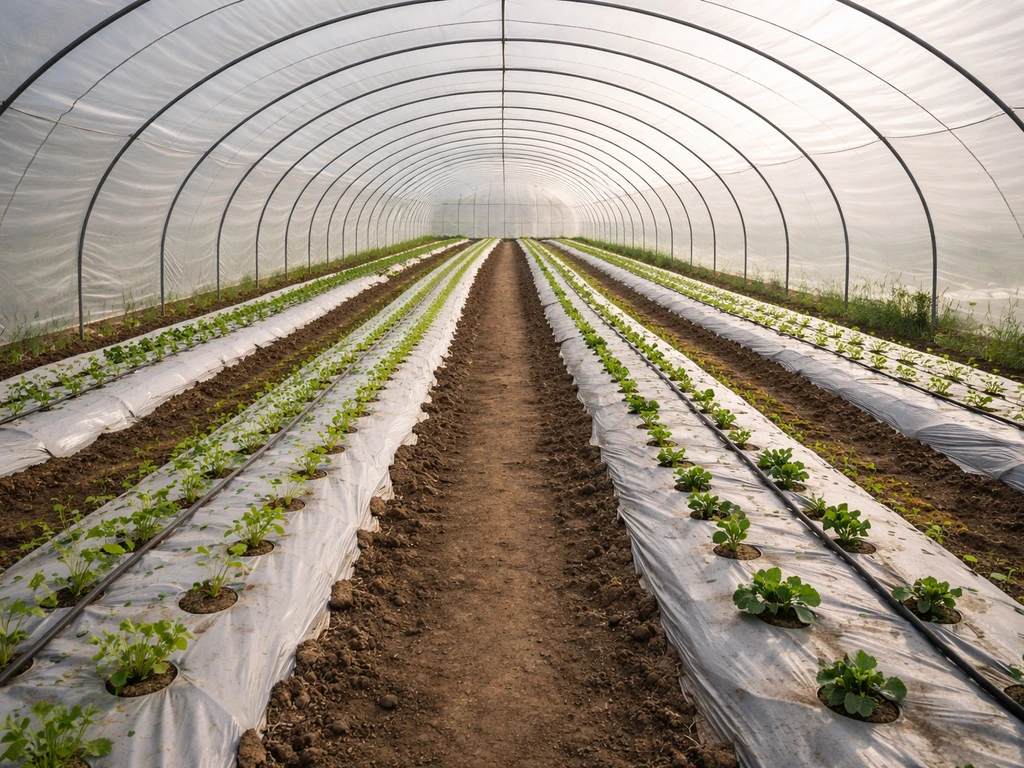
Crops grown under plastic by mulch, row covers, tunnels and greenhouses, with season and climate examples plus starter g
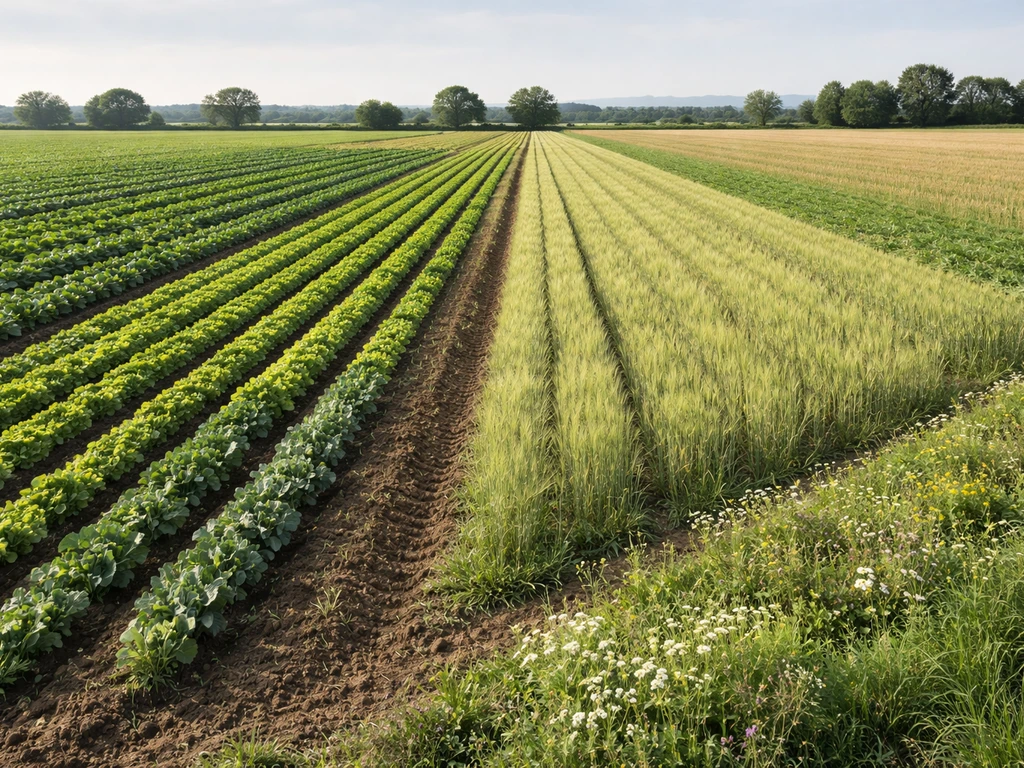
What farmers grow by region and season, with crop types, constraints, rotation, and production system examples.
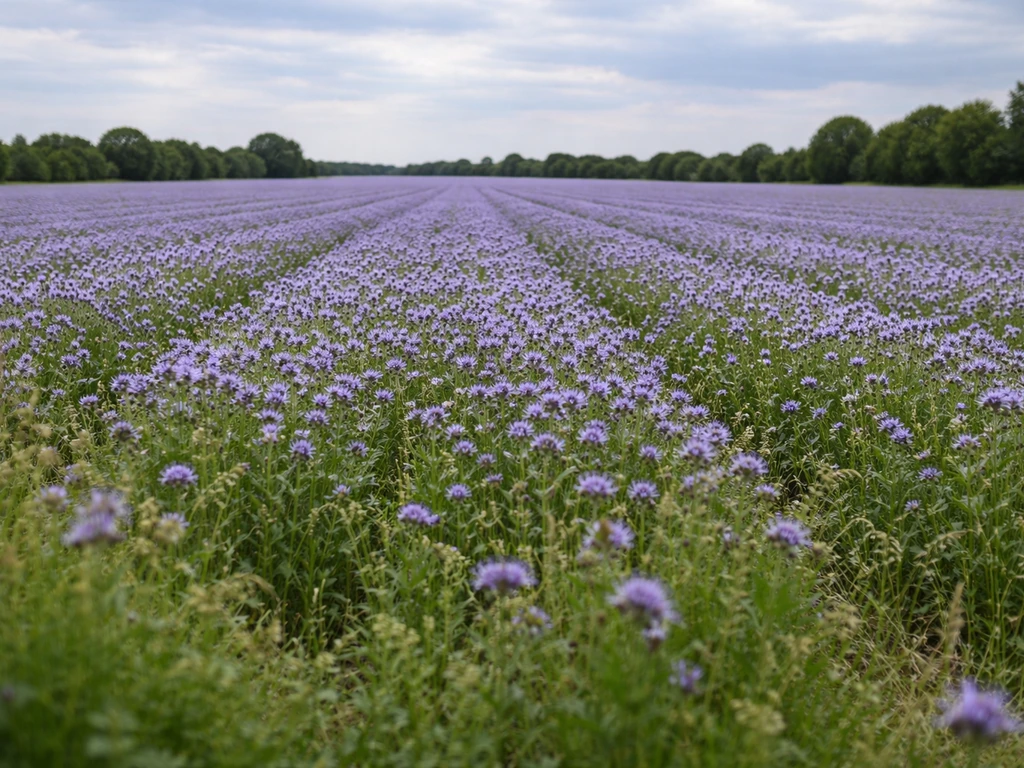
Farmers grow phacelia as a fast cover crop for soil building, erosion control, and pollinator support across temperate r