American frontier pioneers depended most heavily on corn, wheat, and potatoes as their core staples, but the full crop list shifted dramatically depending on where they settled, what climate they faced, and what seeds they could actually get their hands on. A settler breaking ground in 1840s Ohio planted a very different mix than one arriving in the Great Salt Lake Valley in 1847 or homesteading the Northern Plains in the 1870s. If you want to know what pioneers grew in a specific place, start with the region's frost-free growing season, soil type, and which migration route brought settlers there, and you will get most of the way to the right answer. If you’re trying to answer what crops did they grow in your area, match the climate, soil, and available seeds to the framework used for pioneer crop choices what pioneers grew in a specific place.
What Crops Did Pioneers Grow Most Commonly by Region

"Pioneers" can mean a lot of different groups
The word pioneer technically means one of the first to settle a place that is new to that settler community. In American historical use it usually points to 19th-century westward-migration settlers, but the term stretches further than that. Colonial Virginians pushing into the Tidewater interior, Appalachian settlers following the Wilderness Road, New Englanders migrating to the Western Reserve in northeast Ohio, Mormon wagon-train emigrants heading to Utah, and Oregon Trail families reaching the Willamette Valley were all pioneers in their own era and place. The crops each group relied on reflect that specific context, not some universal pioneer crop list.
The same logic applies outside the United States. If your question is about pioneer settlers in Canada, Australia, or South Africa, the framework is identical: match crop choices to the climate, the knowledge base the settlers brought with them, and the crops that were already being grown by Indigenous people in the region. This article focuses mainly on the American frontier experience, but the regional case section touches on how the method translates. For crop patterns from even earlier historical settlement waves, similar questions arise around what Vikings grew, what medieval peasants cultivated, or what the Pilgrims planted in their first seasons, all of which follow the same soil-and-season logic at their core.
How region and climate shaped pioneer crop choices
Before settlers put a seed in the ground, their options were already narrowed by climate. A short growing season on the Northern Plains ruled out long-maturing crops. Dry, alkaline soils in the Great Basin made irrigation the deciding factor, not just seed selection. The humid Southeast allowed a much wider range, including crops that would have failed entirely in the upper Midwest. Four regional variables did most of the sorting:
- Growing season length (frost-free days): short seasons in the North and mountain West forced reliance on fast-maturing varieties of corn, oats, and root vegetables
- Rainfall and irrigation access: the arid West required creek diversion and ditch work before any crop was viable; the humid East and Pacific Northwest had enough natural moisture for a wider mix
- Soil type and fertility: newly broken prairie sod was extraordinarily fertile for corn and small grains once turned; Virginia's rich virgin soils actually frustrated European cereals but favored tobacco; thin Appalachian mountain soils favored garden vegetables and orchard trees over large-scale grain
- Proximity to markets and trade routes: settlers near rivers or early roads could justify cash crops like wheat or tobacco earlier; isolated frontier families stayed subsistence-focused much longer
The Shenandoah Valley is a good example of how this played out. So the question of what crops the Romans grew depends on local climate and soil just like pioneer farming did what crops did the romans grow. Rather than depending on a single cash crop, Valley pioneers grew a diversified mix: corn, cereal grains, grasses for livestock, and flax for making linen. That spread made sense for a region with good soil and moderate climate but limited early market access, where self-sufficiency mattered more than maximizing a single sellable commodity.
Staple grains and legumes that showed up almost everywhere
Corn (maize) was the single most important crop across virtually every American frontier region. It stored well, fed both people and livestock, grew in a wide range of soils, and could be processed without expensive milling equipment. In Appalachia, Cherokee agricultural tradition had already established corn, beans, and squash (the Three Sisters) as the dominant system, and incoming frontier settlers adopted that same combination, whether by direct knowledge transfer or simply because it worked. Ohio pioneer records from Cuyahoga Valley show corn consistently ranked as the most important crop through the 1800s.
Wheat was the second anchor grain wherever the climate allowed it. Western Reserve farmers who migrated from New England brought their wheat-growing methods with them, and Ohio's crop production rankings placed wheat alongside Indian corn and oats as the top staples. Oats served double duty as both a food grain and a feed crop for draft animals, making it nearly universal on working frontier farms. Rye appeared in cooler, wetter regions and on poorer soils where wheat struggled, and Northeast Ohio pioneers specifically grew rye alongside wheat and corn.
Beans were planted almost everywhere, both as a food crop and a nitrogen source. In the arid West, Mormon pioneers in 1847 planted beans alongside potatoes and corn as their first Salt Lake Valley crops, and beans remained a frontier staple from the Ohio Valley to the Pacific coast. Buckwheat also appeared as a fast-maturing catch crop in short-season regions, showing up in the early Utah pioneer crop list alongside oats and turnips.
Vegetables and orchard crops in pioneer settlements
Every pioneer farm that lasted more than a season had a kitchen garden, and the contents were remarkably consistent across regions. Potatoes appear at the top of nearly every documented pioneer garden list. They were blank" rel="noopener noreferrer">the first crop the Mormon pioneers planted in July 1847, diverting water from City Creek specifically to get them in the ground. In the Pacific Northwest, potatoes became a main dietary staple as Oregon Trail settlers arrived in growing numbers. The Northern Plains pioneer gardens, documented at North Dakota's historic sites, record potatoes as the baseline, with carrots, peas, beets, onions, and cucumbers appearing in good years.
The Oregon City emigrant kitchen garden list from the mid-1840s through the 1880s gives a useful cross-section of what a well-established pioneer vegetable plot looked like: beets, carrots, beans, corn, onions, peas, squash, radishes, and watermelon. That mix shows up with slight regional variations across most frontier zones, with root vegetables (carrots, turnips, parsnips) being especially valued because they stored through winter without elaborate preservation.
Fruit trees came later than vegetables but were a deliberate long-term investment. Apple orchards were planted at Hopewell Furnace in Pennsylvania as early as 1788, and by 1835 peach orchards had been added. Historically, pioneer orchardists spaced apple and pear trees about 30 feet apart and peach, plum, and cherry trees at 16 to 20 feet. In mountain areas like the Great Smoky Mountains, dried apples became a key preserved food because drying made the fruit far lighter and easier to store or transport than fresh. Apples, peaches, and plums were the most common orchard species across the eastern frontier; the Pacific Northwest added pears and soft fruits once settlement stabilized.
Cash crops and trade crops pioneers adopted
Subsistence came first, but most pioneers eventually tried to generate some cash income from the land, and the crop they chose depended entirely on what the local market would buy and what the soil would grow profitably. Britannica’s description of the American frontier’s “second frontier” distinguishes earlier pioneers from later, more established settlement waves, which helps explain why subsistence crops often came first rather than long-distance market crops Britannica’s “second frontier” framing distinguishes earlier pioneers from later settlement waves.
Tobacco was the dominant early cash crop in the Tidewater and colonial Virginia frontier. John Rolfe's introduction of a South American tobacco variety in the early 1600s unlocked commercial success that shaped settlement patterns for generations. Virginia's virgin soils, it turned out, were too rich for European cereals to perform well but were ideal for tobacco, which is part of why tobacco became so central so quickly. By the 17th and 18th centuries it was the major cash crop for much of the colonial Virginia economy.
Further north, the cash calculation was different. Western Reserve (northeast Ohio) pioneers earned market income primarily by raising pigs and growing rye and wheat, crops that could be sold or traded in regional markets accessible by water or early roads. Wheat was the standard cash grain across the Midwest frontier because it milled into flour that traveled well and commanded reliable prices. Flax, grown for linen fiber, was another cash crop in mid-Atlantic and Shenandoah Valley pioneer areas. Cotton, of course, dominated the Deep South frontier as expansion moved into Alabama, Mississippi, and beyond, but that cash-crop system is a distinct chapter from the general pioneer crop story.
How pioneers got seeds, managed soils, and kept yields up
Seed sourcing was a practical problem that shaped everything else. Most pioneers brought seed with them from wherever they came from, which is exactly why the Western Reserve farmers planted the same New England cropping system in Ohio. Migration carried agricultural knowledge and seed stock together. When settlers ran out of a variety or needed something new, they traded with neighbors, bought from merchants at frontier posts, or adopted crops from Indigenous farmers who had already bred varieties suited to local conditions. The Three Sisters crops spread across the frontier partly because Cherokee, Haudenosaunee, and other Indigenous agricultural communities had already done the adaptation work over centuries.
Soil management on the frontier was mostly rotation-based, though it was rarely called that. Corn followed by small grains was a common sequence, with fallow periods or hay crops used when soil fertility visibly declined. Legumes (beans, clover when available) provided nitrogen without requiring purchased inputs, which is one reason they appear in almost every pioneer crop system regardless of region. Newly broken sod was often so fertile that the first few corn or grain crops needed nothing added, but yields would drop within a decade without some rotation discipline.
Irrigation was a frontier variable that only mattered in arid zones, but where it did matter it was decisive. The Mormon pioneers in 1847 could not have planted anything in the Great Salt Lake Valley without diverting water from City Creek and nearby streams. Their first crops, potatoes and then buckwheat, corn, oats, turnips, and beans, were chosen in part because those crops responded quickly to irrigation and could produce food before the first winter. So, what crops did the pilgrims grow depends heavily on where they settled, since climate and water access determined the short list they could reliably plant. That same water-first logic governed pioneer crop choices across the arid West.
Regional case examples: the same framework, different results
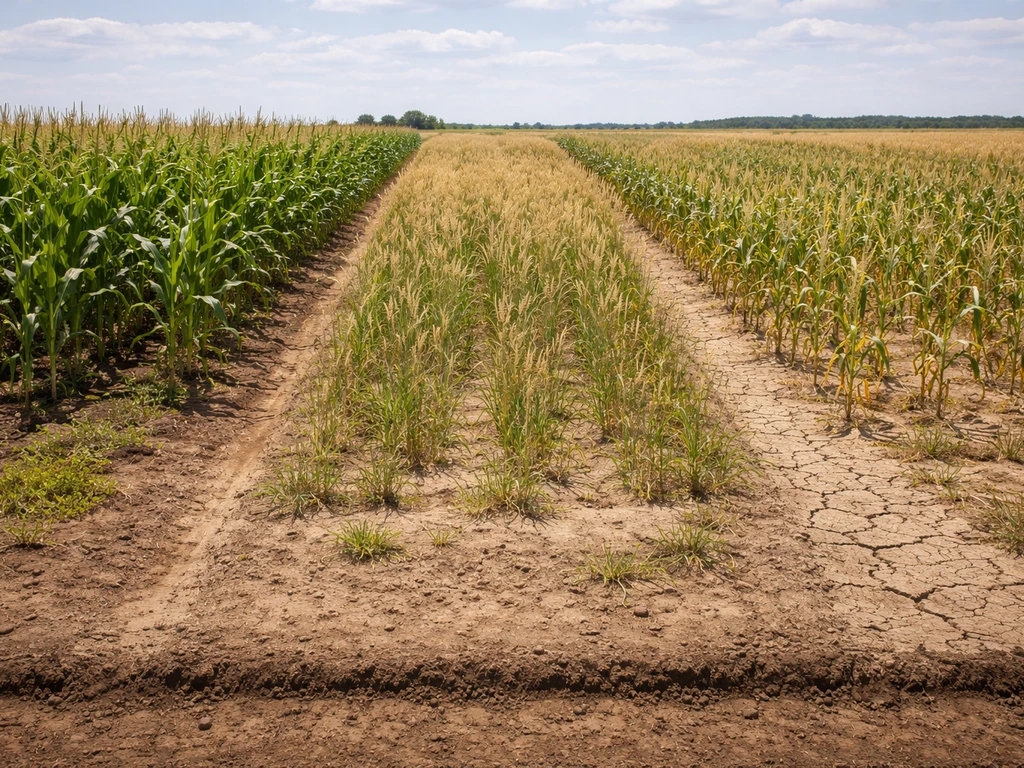
Looking at a few specific frontier zones side by side shows how the regional variables play out in practice.
| Pioneer Region | Key Staple Crops | Notable Cash/Trade Crops | Key Limiting Factor |
|---|---|---|---|
| Western Reserve, NE Ohio (early 1800s) | Corn, wheat, oats, potatoes, apples, garden vegetables | Wheat, rye, pigs | Market access via early roads and waterways |
| Shenandoah Valley, Virginia (late 1700s–1800s) | Corn, cereal grains, grasses, flax | Flax for linen, grain surpluses | Diversified to avoid single-crop dependence |
| Great Salt Lake Valley, Utah (1847) | Potatoes, buckwheat, corn, oats, turnips, beans | Minimal initially; isolation required subsistence focus | Aridity; irrigation from City Creek required before any planting |
| Northern Plains / North Dakota (mid–late 1800s) | Potatoes, carrots, peas, beets, onions, cucumbers | Wheat (as railroads arrived) | Short frost-free season; severe winters |
| Willamette Valley / Oregon Trail end (1840s–1880s) | Potatoes, beets, carrots, beans, corn, peas, squash, onions | Wheat, apples | Remote from eastern markets until rail; wet winters |
| Colonial Virginia / Tidewater frontier (1600s–1700s) | Corn (subsistence), kitchen garden vegetables | Tobacco (dominant cash crop) | Virgin soils too rich for European cereals; tobacco thrived |
The pattern is consistent: wherever settlers arrived, corn and potatoes anchored the food supply, small grains (wheat, oats, rye) filled out the calorie base and provided trade income when markets existed, and kitchen garden vegetables rounded out nutrition. This same approach can help answer what types of food Anglo-Saxons grew by linking crops to the climate, soils, and local knowledge of their regions kitchen garden vegetables. Cash crops appeared when market access and soil type made them viable, and orchard trees were planted as soon as settlers felt secure enough to invest in a multi-year payoff.
How to figure out pioneer crops for your specific location
If you want to identify the likely crop mix for a specific state, county, or non-U.S. To get a medieval-appropriate crop answer, focus on the local climate, soil quality, and the typical staple grains and legumes of the region what crops did medieval peasants grow. region, work through these steps:
- Find the frost-free growing season length for that location. Under 90 days means fast-maturing varieties of oats, buckwheat, root vegetables, and short-season corn. Over 150 days opens up wheat, longer-season corn, and orchard crops.
- Identify the rainfall pattern or irrigation source. Humid East and Pacific Northwest pioneers had wide crop flexibility. Arid West pioneers were constrained to whatever they could irrigate.
- Research the migration route. Settlers brought their home-region cropping systems with them. New Englanders in Ohio planted like New Englanders. Appalachian settlers heading south and west carried the Three Sisters system. Mormon pioneers brought Midwestern and British farming knowledge to Utah.
- Look for Indigenous agricultural history in the region. Crops already being grown by Indigenous communities were often the best-adapted options, and frontier settlers frequently adopted them directly or indirectly.
- Check for early market infrastructure. Rivers, roads, and later railroads determined whether a pioneer farm could support a cash crop. Without access to markets, subsistence crops dominated far longer.
- Use the regional crop table above as a cross-reference. Match your target region to the closest analog and adjust for local climate differences.
The same method works for non-U.S. pioneer contexts. Canadian prairie settlers in the late 1800s faced similar short-season, high-fertility conditions to the Northern Plains and landed on wheat, oats, and root vegetables as their staples. Australian settler agriculture in the 1800s followed a Mediterranean-climate logic in the south and tropical-crop logic in the north. In every case, climate and soil do most of the sorting, and historical settlement records fill in the details.
FAQ
If I only have time to guess, what are the most likely pioneer staple crops?
Almost always, the short list starts with corn and potatoes for calories, then adds one or more small grains (wheat, oats, or rye) depending on frost-free time. Many regions also had beans in the mix because they were reliable for food and soil fertility, even where markets were weak.
Did pioneers start with cash crops or subsistence crops?
Cash crops were usually a later step, after a farm had enough surplus to sell. Even in tobacco or cotton areas, early planting still relied on corn, grains, and garden vegetables for survival, because market prices could be unstable or transportation could fail.
Were potatoes always the main crop, or did they vary by region?
Potatoes were common in gardens and sometimes became the first priority when settlers faced a pressing first-winter deadline. But the exact role changed by region, for example in arid zones they could be more limited by water access than in humid areas.
How did pioneers change crops in places with irrigation constraints?
On farms where irrigation mattered, crop choices favored plants that could respond quickly to delivered water. That is why early Utah Valley planting included potatoes and then other fast-producing crops like buckwheat, corn, oats, turnips, and beans once water diversions were underway.
What did “rotation” look like on pioneer farms if it was not formal farming science?
Rotation was often handled informally, but the goal was consistent: prevent soil exhaustion and reduce yield drops. A common pattern was corn followed by small grains or hay, with legumes (and clover when available) used to restore nitrogen naturally.
What happens to the crop list if settlers ran out of certain seeds?
Seed availability could override ideal climate fit. If a settler could not obtain a variety that thrived locally, they would adopt substitutes through trade, merchants at frontier posts, or by taking up crops already proven by Indigenous neighbors.
Did pioneer kitchen gardens include the same crops as their fields?
Yes, but often in a different way than people expect. Gardening was usually distinct from field staples, so a farm could grow corn or wheat for bulk calories while still planting a wide variety of root and stored vegetables (carrots, beets, onions, turnips) to stretch winter food.
When did pioneers usually start planting orchards, and why not right away?
Fruit trees were typically planted when settlers could commit to multi-year space and care. That often meant apples and pears for general use in eastern regions, while mountain areas sometimes leaned on dried apples for storage because drying reduced spoilage risk.
Why were oats so widespread compared with some other grains?
Oats were valued because they served as both food and livestock feed, which matters for animal-powered frontier farms. That makes oats show up across many regions even when the cereal “anchor” grain differed.
What is the quickest, most reliable method to figure out what crops pioneers grew in my specific area?
A strong rule of thumb is to match three things in order: length of the frost-free season, soil type and fertility constraints, then local food and market pressures. Migration route and “what seeds arrived with people” explain fine details, not the basic ceiling imposed by climate and soil.
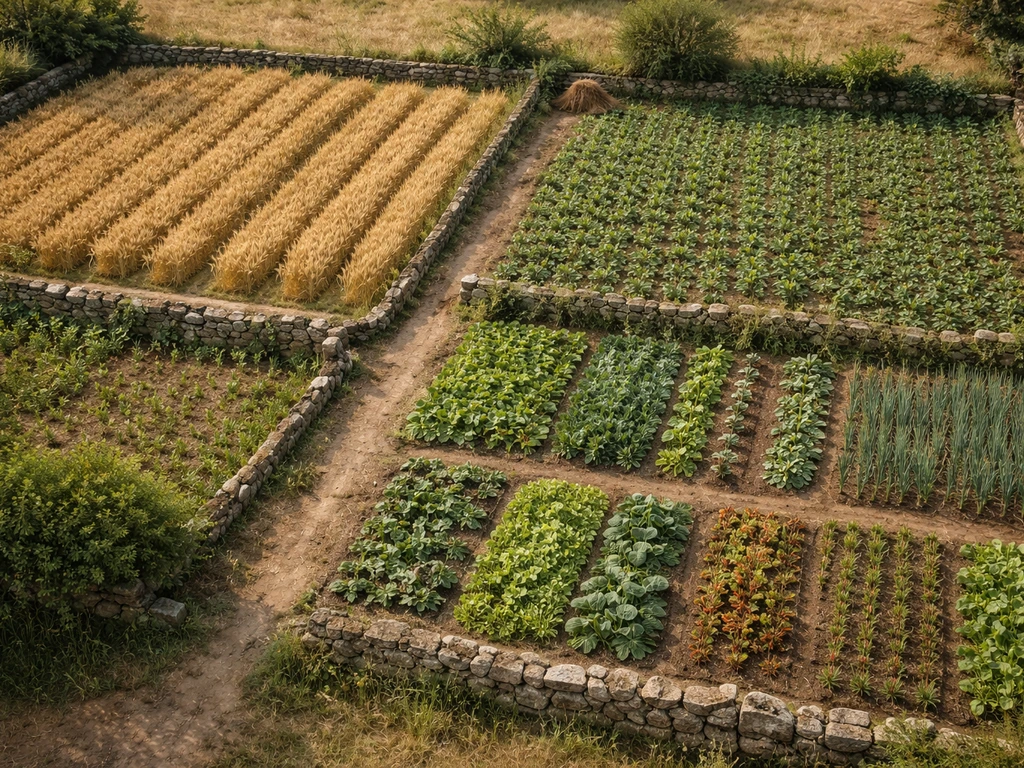
Region-by-region guide to medieval peasant crops: grains, legumes, veggies, oil, fiber, cash crops by climate and soil.
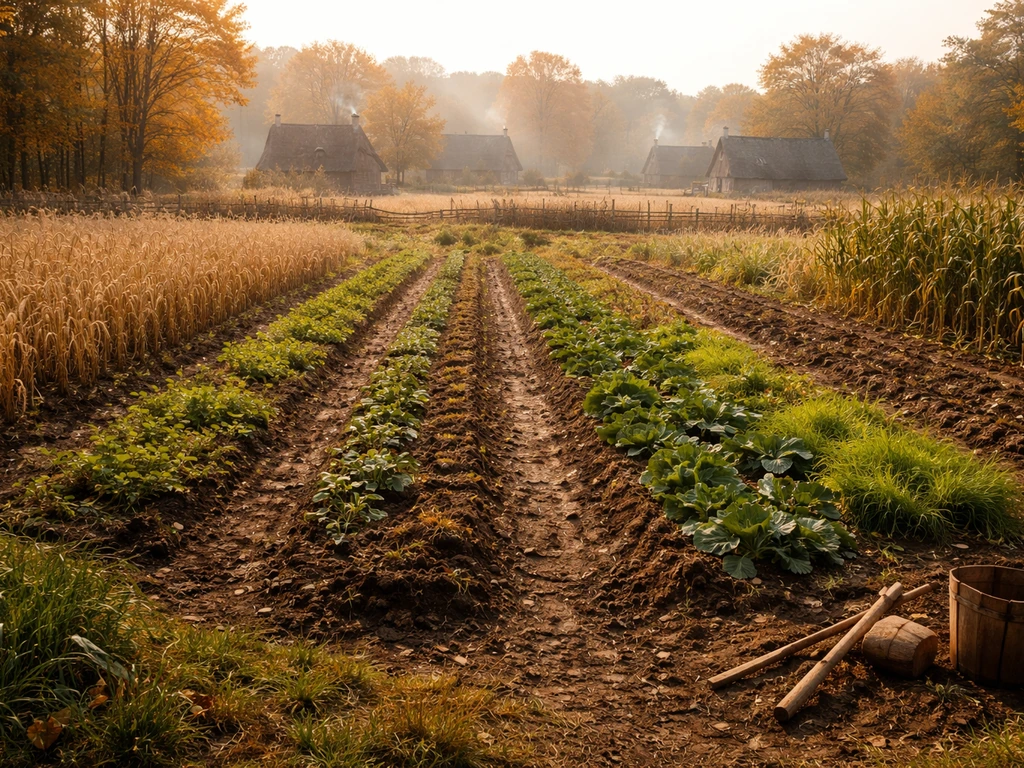
Learn which crops Plymouth Colony Pilgrims grew, when and where, plus how they adapted English farming to New England.
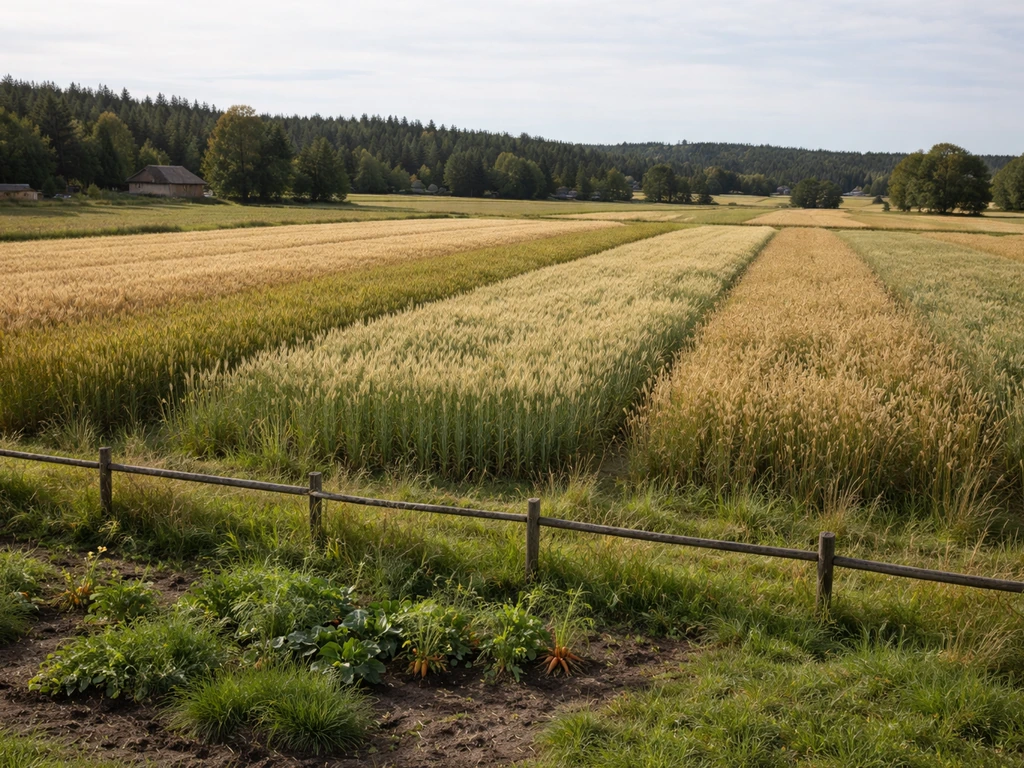
Discover key Viking crops by region: barley, oats, wheat or rye, plus legumes and roots, and why they fit Scandinavia.