In Farmer's Dynasty, most field crops follow a season-based grow cycle tied to the in-game calendar: you sow in the appropriate month, the crop ripens after its set number of in-game days, and it's ready to harvest the next morning after that ripening period ends. Greenhouse vegetables run on a shorter cycle of roughly one month, which means you can squeeze several harvests out of them per year if you manage moisture and timing well.
Farmer’s Dynasty: How Long Crops Take to Grow

Samuel Rourke
13 Jun 2026
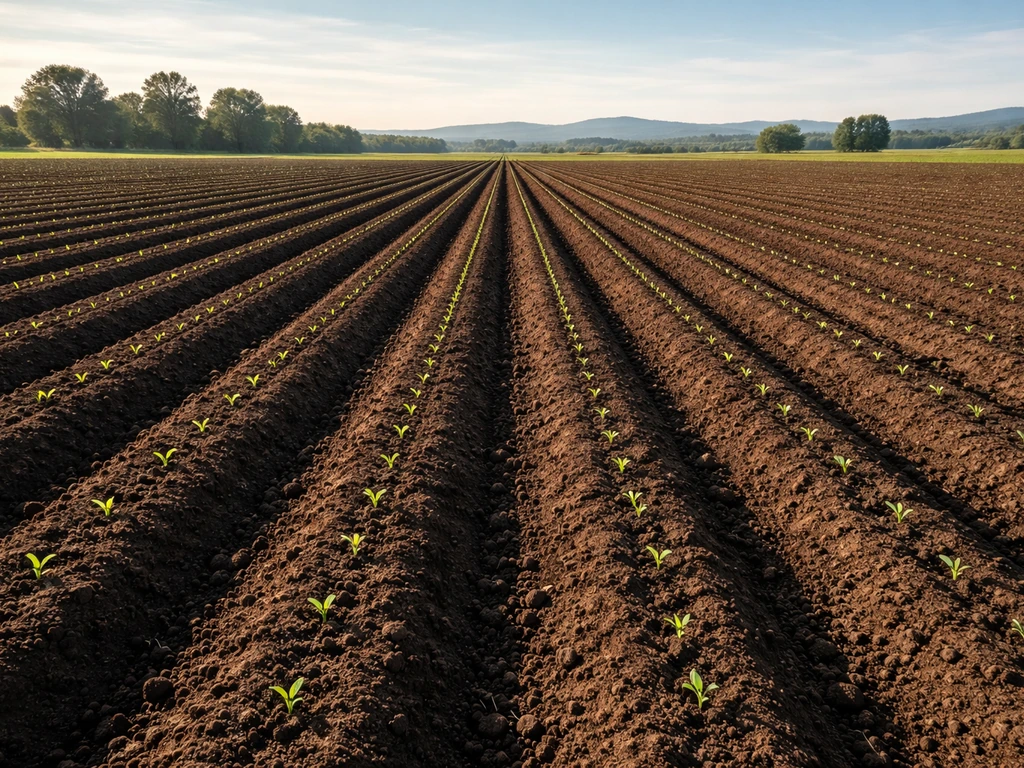
How crop growth cycles work in Farmer's Dynasty
The core formula is simple: sowing day + ripening time = harvest day (usually the following morning once the crop is ready). The game tracks crop maturity against the in-game calendar, so the month you plant matters as much as the crop itself. Sow too late in a season and you risk the crop not reaching maturity before the season turns, which can cost you the whole batch. The game gives you a clear enough signal when something is ready, but planning ahead so you're not scrambling is where most players run into trouble. If you are wondering what is the hardest crop to grow, this is usually where maturity-signal timing and planning ahead start to matter most.
blank" rel="noopener noreferrer">Field crops and greenhouse crops operate on separate logic. Field crops are season-locked, meaning they need to be sown at the right point in the calendar and will ripen within that seasonal window. Greenhouse vegetables are more flexible because the controlled environment extends your planting options year-round, but they still have a roughly one-month grow cycle per batch. Not all greenhouse vegetables ripen on the same day within that window, so expect to harvest over a few days rather than all at once.
Crop-by-crop grow times and harvest windows
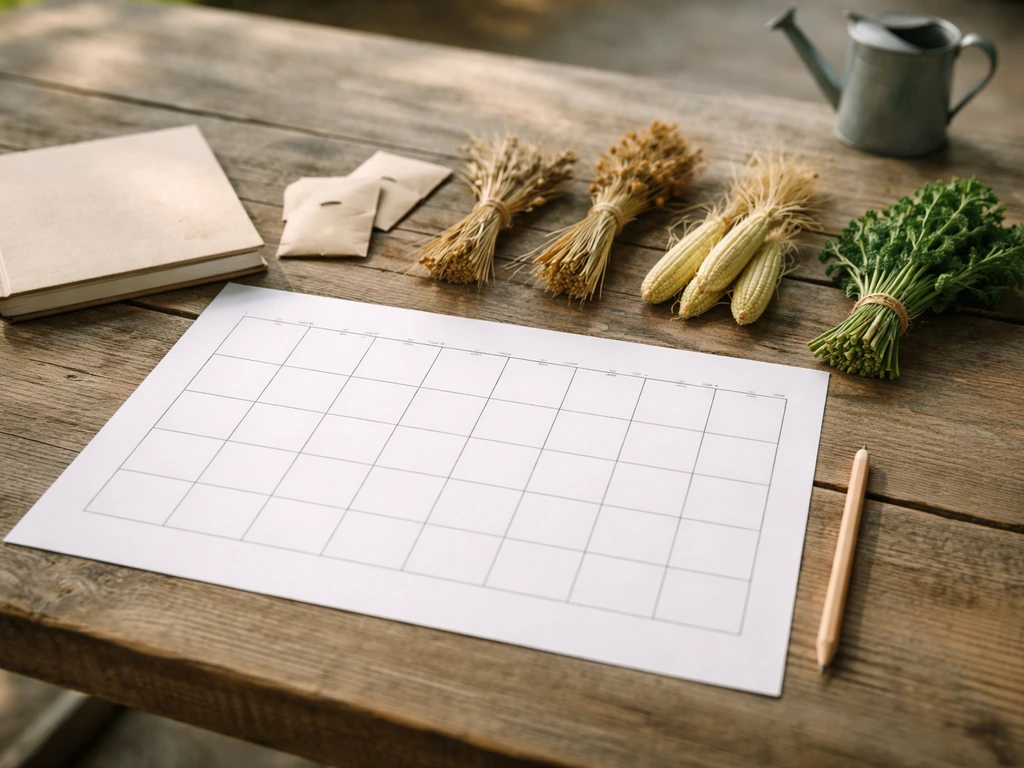
Here's a practical breakdown of the main crops in Farmer's Dynasty, their recommended sowing periods, and approximate time to harvest. If you are wondering which crop takes almost a year to grow, look at the longest ripening times in the game’s crop-by-crop tables. The German community wiki flags September as the key sowing window for winter crops, which aligns with real-world winter wheat planting logic across central Europe.
| Crop | Sow Window | Approx. Grow Time | Notes |
|---|---|---|---|
| Winter Wheat | September | Over winter, harvest late spring/summer | Classic winter grain; sow in September for best results |
| Rye | September (autumn) | Similar to wheat, overwinters | Hardy grain; tolerates poorer soils |
| Potatoes | Spring (after frost risk) | Several in-game months | Spring sow, summer/autumn harvest |
| Greenhouse Vegetables | Any season (indoors) | ~1 month per batch | Multiple harvests per year possible; ripening spans a few days |
| Sunflowers | Spring/early summer | Mid-to-late season harvest | Warm-season crop; needs a full growing period |
The greenhouse crops are the standout option for players who want reliable, frequent harvests. A roughly one-month cycle means you can run three to four batches in the time a field crop completes a single cycle. That said, field crops yield larger volumes per harvest and are essential if you're trying to build up grain stores or meet bulk selling targets.
What actually changes your grow time
Season and calendar timing
Timing your sow to the right season is the single biggest variable. Planting winter crops in September (as the wiki recommends) gives them the full overwintering period they need. If you miss that window, the crop either won't establish properly or won't mature before the next seasonal shift. Think of it the same way a real Central European farmer would plan: winter wheat goes in the ground in autumn so it vernalizes (gets the cold exposure it needs) and then surges in spring growth.
Greenhouse moisture and humidity
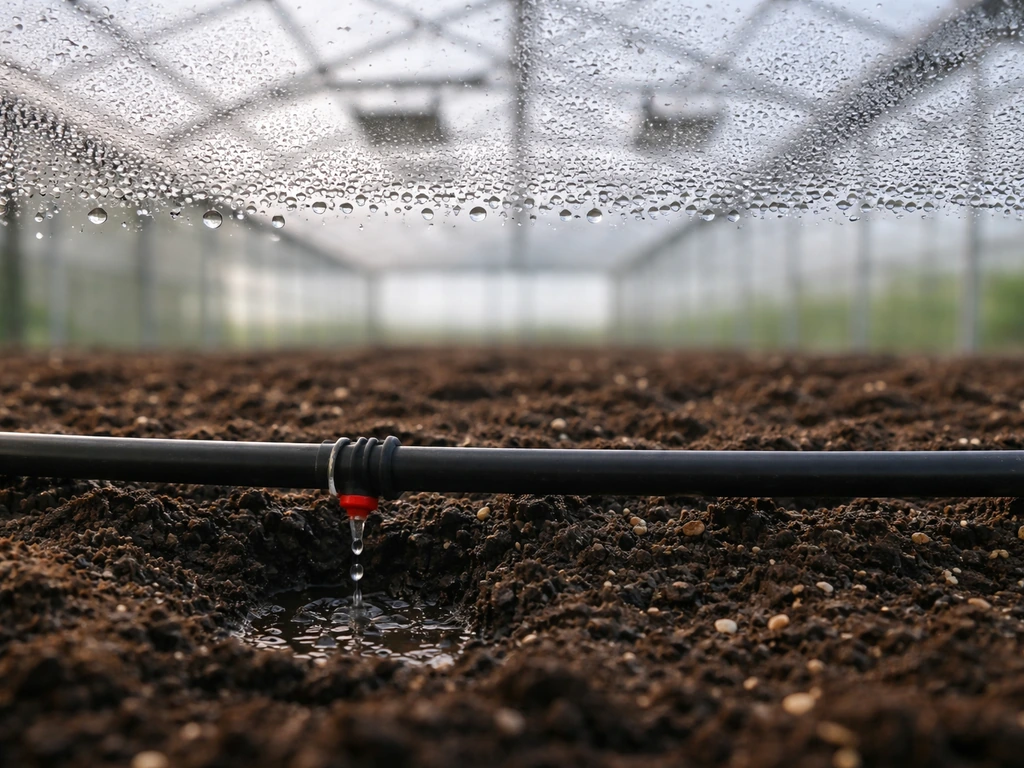
For greenhouse crops, moisture management is the critical variable. On hot days, leaving the ceiling panels open causes humidity to drop fast, and the growing medium can go from adequately watered to 'Very Dry' within a short time. A dry greenhouse doesn't necessarily extend your grow time linearly, but poor moisture conditions do stress crops and affect what you harvest. Keep an eye on humidity levels, especially in warmer in-game seasons, and close those ceiling panels when it's hot outside.
Fertilization and field prep
Fertilizer doesn't change how long a crop takes to grow, but it significantly changes how much you get when you do harvest. Skipping fertilizer is fine if you just want to get something in the ground, but your yields will be noticeably lower. The recommended field prep order is: plow, cultivate, fertilize, then sow. Using Fert-ex (R) lets you combine the fertilizer and manure steps into one pass, which saves real time when you're managing multiple fields.
You can also use a helper plane to spray Fert-ex over a field in minutes, which is one of the most efficient time-savers in the game once you have access to it. You can run up to four helpers at once, which means you can keep several fields moving through the prep and planting pipeline simultaneously.
Planting and scheduling strategy
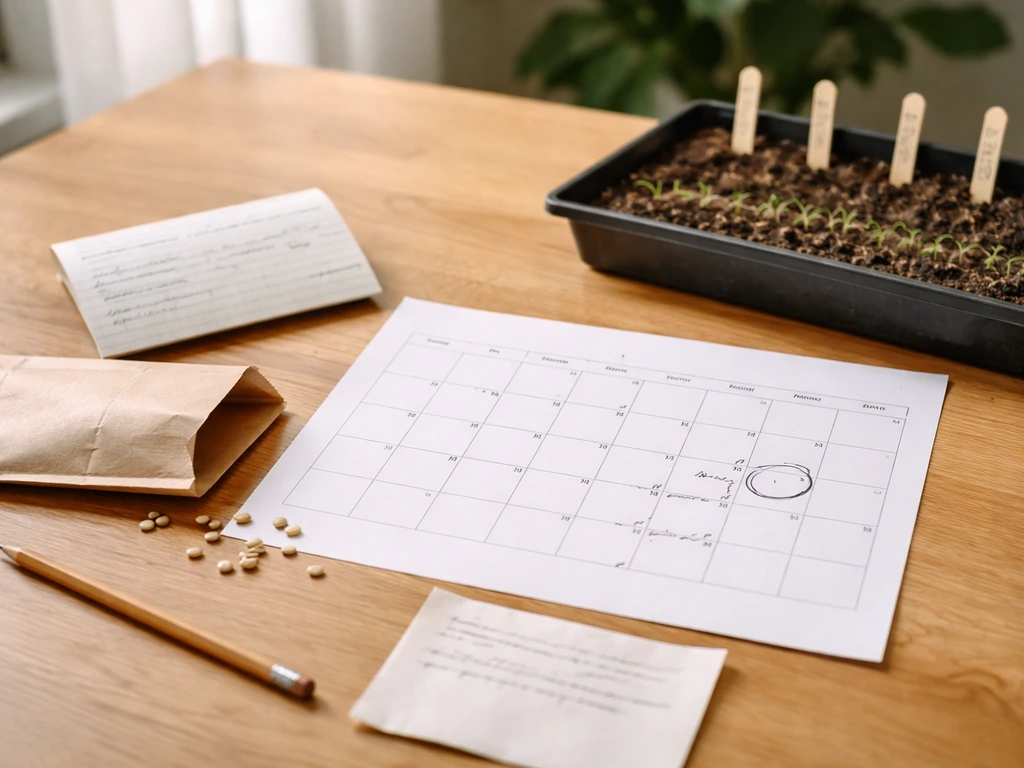
The best approach is to work backwards from your target harvest date. Decide when you need the crop ready, look up or note the ripening time for that crop, and count back to find your latest safe sowing date. One Steam community discussion describes a practical way to schedule it as sowing day plus ripening time, then using the next day when the crop is actually ready for harvest ripening time for that crop. For winter crops, that calculation is locked in around September. For greenhouse vegetables, you have more flexibility, but since not all plants ripen on the same day, plan for a harvest window rather than a single harvest event.
- Identify what you need to harvest and when (selling targets, seasonal events, or stock goals).
- Check the sowing window for that crop. Winter grains go in September; spring crops go in after the frost risk window passes.
- Complete field prep (plow, cultivate, fertilize) before sowing day so you're not delayed by missing a step.
- For greenhouse crops, stagger your plantings by a week or two so you don't have everything ripening at once and then a long gap before the next batch.
- Use helpers and Fert-ex to keep multiple fields on schedule if you're managing more than two or three plots.
- Note the sowing date for each field so you can calculate the expected harvest day using the sowing day + ripening time formula.
The staggered planting approach is especially useful in the greenhouse. Because the grow cycle is about a month, planting a new batch every two or three weeks means you'll always have something coming in rather than a feast-and-famine cycle. This mirrors what real market gardeners do to maintain a steady supply of perishable vegetables rather than having everything mature at once.
Regional and climate context for growth timing
Farmer's Dynasty is set in a central or eastern European rural environment, which maps closely to real agricultural patterns in countries like Poland, Germany, or the Czech Republic. In that real-world context, the crop calendar makes complete sense: winter wheat and rye are sown in September through October, overwinter under snow cover, resume growth in early spring, and are harvested in July or August. Potatoes go in the ground in April or May after the last frost and are dug up in September. These are crops that have been grown on central European plains for centuries, and the game's timing reflects that regional agricultural logic directly.
If you've ever looked at crop calendars for different regions, you'll notice that the same crop can have very different planting-to-harvest timelines depending on climate. Wheat grown in Kansas, for example, follows a similar overwintering pattern to European winter wheat, but the sowing and harvest dates shift based on local frost dates and summer heat. A farmer in southern Spain might grow a spring wheat variety with a completely different calendar. Farmer's Dynasty essentially locks you into a temperate European climate zone, so the September sow date for winter crops isn't arbitrary: it's the realistic window for that geography. Understanding that connection helps you internalize why the game's calendar works the way it does rather than just memorizing numbers.
Historical context: why these crop calendars are ancient
The crop timing in Farmer's Dynasty isn't a game invention. It reflects agricultural calendars that have been followed in central Europe for over a thousand years. Medieval farmers across the European continent used a two-field or three-field rotation system, and autumn-sown winter grains like rye and wheat were the backbone of that system. The timing of sowing in September and harvesting in summer was so central to rural life that it structured the entire medieval calendar, from labor obligations to religious feast days tied to planting and harvest seasons.
Greenhouse cultivation is the more modern layer. The Romans experimented with forcing environments for cucumbers and other vegetables, but the kind of glass greenhouse that allows year-round vegetable production became widespread only in the 17th and 18th centuries in northern Europe, where short growing seasons made protected cultivation commercially attractive.
The roughly one-month cycle for greenhouse vegetables in Farmer's Dynasty reflects real accelerated growing conditions: controlled heat, humidity, and light allow crops that would normally take a full outdoor season to ripen much faster in a protected environment. If you want to dig further into which crops grow fastest or take the longest across different systems, those patterns hold up whether you're looking at modern cultivation or historical agricultural records.
If you are trying to figure out what crop takes the longest to grow, focus on the field crops tied to the seasonal calendar rather than the greenhouse batches which crops grow fastest or take the longest.
How to estimate your own timeline
To nail down your specific harvest schedule in Farmer's Dynasty, use this process. First, check which crops are available to you and note their season tags. Second, apply the sowing day + ripening time formula to calculate your harvest day. Third, build your field prep timeline backwards from sowing day so you're ready to plant on time. For greenhouse crops, track your first planting date and expect harvest to begin roughly one month later, spread over a few days since not everything ripens simultaneously. Adjust for any moisture or humidity issues you're managing inside the greenhouse, since dry conditions can affect crop health even if they don't appear to change the clock directly.
The broader takeaway is that Farmer's Dynasty uses a crop calendar that mirrors real temperate European agriculture almost exactly. Once you understand that logic, the timing feels intuitive rather than arbitrary. September is when you plant winter grains because that's when a real farmer in that climate would plant them. The greenhouse is your year-round insurance policy, running on a much faster one-month cycle. Get those two rhythms right and you'll rarely find yourself waiting on crops or missing a harvest window.
FAQ
If I plant a field crop on the last day of its recommended sowing window, will I still be able to harvest on time?
Sometimes, but the safe rule is to count back from your target harvest date using the crop’s ripening days, then add a small buffer. If your sowing date is too close to the seasonal shift, the crop can stall or fail to reach the ready state before the calendar moves on, so you may end up with an incomplete batch rather than a late harvest.
Does harvest always happen exactly the morning after ripening, or can it be delayed?
Harvest is tied to the crop reaching its ready maturity state, and the game typically advances the harvest availability the next morning, but real planning should account for logistics. If the field is not reachable or you miss the ready window, the crop can remain harvestable for a limited time until you get to it, so prioritize harvest day staffing and tool/worker availability.
How do I handle greenhouse batches if the harvest comes over several days, and I need produce for a specific market date?
Treat the one-month cycle as a harvest window rather than a single date. Start the batch far enough ahead so the first ripening days land before your deadline, and stagger the next greenhouse planting by 2 to 3 weeks so you have coverage even if one batch ripens earlier or later than expected.
Can I speed up greenhouse crops by changing watering, or does moisture only prevent crop stress?
Moisture management mainly affects crop health and whether plants remain viable, it does not directly shorten the game’s built-in grow cycle. In hot periods, drying conditions can reduce what you get when you harvest (and potentially prevent full development), so focus on keeping humidity and moisture stable rather than expecting a faster “clock.”
What’s the most common mistake players make when using the sowing day plus ripening time formula?
Using the ripening time but forgetting the calendar interaction for field crops. Field crops are season-locked, so even if the math lands you “near” harvest, planting outside the allowed seasonal window can make the batch effectively invalid. Always confirm the crop’s season tags for the month you plan to sow.
Should I stagger greenhouse planting by exactly two weeks, or is there a better interval?
Two to three weeks is a practical range, but the best interval depends on how many harvest days you can process at once. If you have limited labor or storage, use slightly longer gaps to avoid having more ready produce than you can sell or store, then tighten the schedule only once your handling capacity is stable.
Does fertilizer change how long crops take to grow, and should I fertilize every field before planting?
Fertilizer does not change the maturity timer, it increases harvest yield. If you are planting early just to get coverage, you can skip fertilizer in some fields, but for high-priority harvest windows or profit targets, fertilize first so the batch pays off when it becomes ready.
Is it better to focus on winter field crops or greenhouse vegetables if I want the fastest overall production?
For fastest repeatable output, greenhouse vegetables are usually better because they run on roughly a month per batch and support multiple harvest waves per year. For building larger grain or bulk commodity stores, field crops still matter because their per-harvest volume is higher and they align with the long overwintering rhythm.
Next Articles
Which Crops Grow the Fastest: Quick Harvest Guide by Climate
Fastest crops by climate with harvest timelines, frost-based planning tips, and a quick checklist to plant for first yie
What Is the Hardest Crop to Grow? A Region-Based Guide
Discover the hardest crop to grow by region using climate, soil, pests, and growing season limits, plus mitigation tips
What Crop Takes the Longest to Grow? Timelines by Region
Find the slowest crops by category and region, compare timelines to maturity, and get steps to plan your longest grow.