The crops that take almost a full year to grow are mainly fall-planted garlic (around 250–270 days), long-season onions (up to 120 days from transplant, but longer from seed and with photoperiod dependencies), and a handful of tropical or semi-tropical crops like sugarcane and cassava that genuinely need 10–12 months in the ground. If you're in a temperate climate and planning a near-12-month crop cycle today, fall-planted garlic is the most practical and well-documented candidate. It goes in the ground in October, overwinters, and comes out the following June or July, that's roughly 8–9 months of calendar time, but the full seed-to-harvest cycle including curing stretches the experience to about a year.
Which Crop Takes Almost a Year to Grow

Samuel Rourke
3 Jul 2026
What 'almost a year' actually means in crop timing
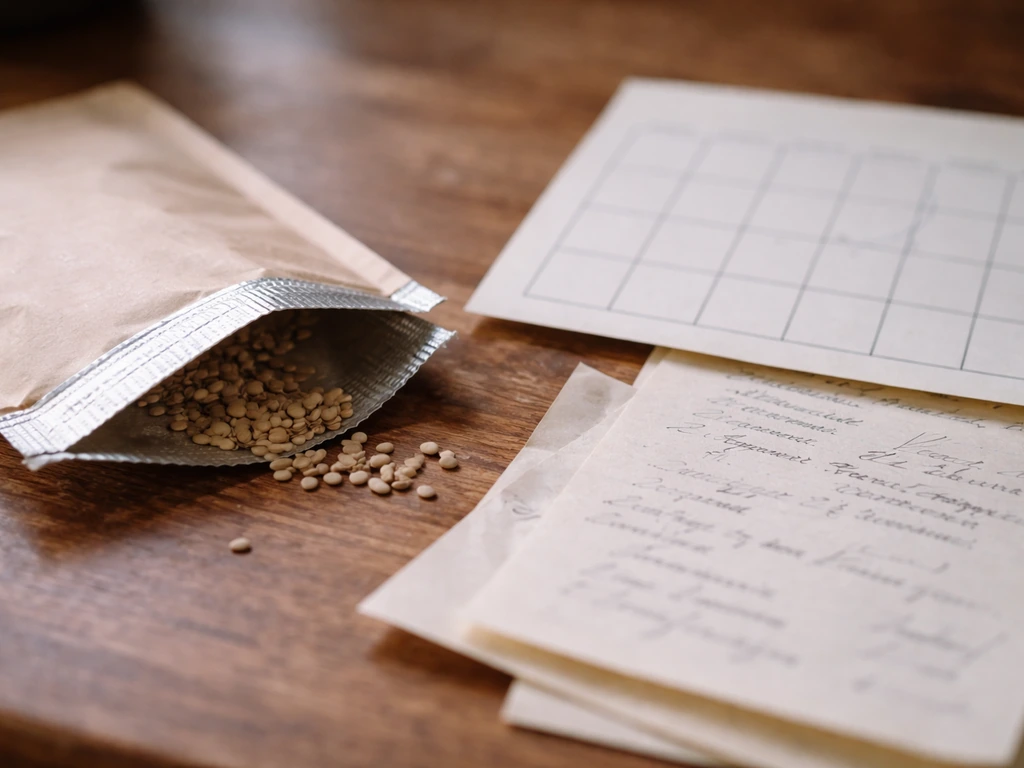
When growers and seed packets talk about how long a crop takes, they use a number called 'days to maturity' (DTM). UMN Extension also emphasizes that choosing cool-season crops for a fall harvest depends partly on their days to maturity so they can finish growth before cold limits. That number looks simple, 90 days, 120 days, 270 days, but it hides a lot of nuance. DTM is usually measured from either direct seeding or transplanting, not from when you first started seeds indoors. So a tomato labeled '75 days to maturity' might actually take 100+ calendar days if you count from when you sowed seeds in a tray indoors. The same logic applies to every long-season crop.
For 'almost a year' crops, the gap between DTM and real calendar time is even wider. Fall-planted garlic has a DTM of 250–270 days from planting, but that count starts at planting in fall, and in many regions, the crop spends part of that time essentially dormant under frost. The University of Maryland Extension lists garlic at 250–270 days for fall-planted varieties. University of Nevada Reno describes garlic's time to harvest more simply as 'about 6 months', which is actually the active growing portion after the plant breaks dormancy in spring. Both numbers are correct; they're just counting from different starting points.
The practical takeaway: when you see 'days to maturity,' always ask three questions. Is that from seed or transplant? Does it include any dormant or establishment period? And does that DTM assume a specific climate or season? Once you nail those down, you can translate DTM into real calendar dates for your location.
The crops with ~11–12 month growing cycles
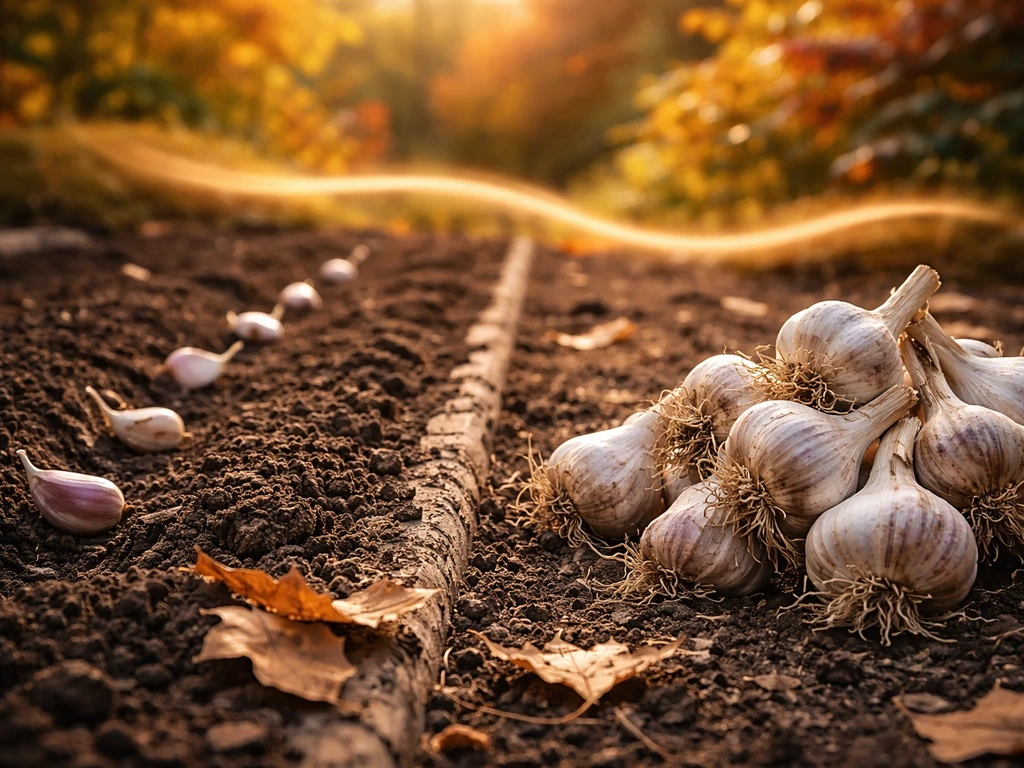
In temperate regions, the clearest example of a near-annual crop is fall-planted garlic. You plant cloves in October (or as late as November in warmer zones), they establish roots before the ground freezes, resume growth in early spring, and you harvest in late June through late July. The University of Minnesota Extension puts garlic harvest between late June and late July depending on variety and climate zone. That's a calendar span of 8–9 months from planting to harvest, which becomes closer to a full year when you factor in curing time before the garlic is truly 'done.' This is the crop most people are thinking about when they ask which crop takes almost a year to grow.
Long-day onions planted from seed in late winter for a summer harvest also approach a year-long cycle in certain regions, especially when started from seed rather than sets. Bulb onions require about 100–120 days from transplant, but seed-started plants need another 6–8 weeks of indoor growing before transplanting. In northern states where onions are direct-seeded in early spring, the full timeline from indoor seeding to cured bulb can span February through August, about 6–7 months. That's shorter than garlic's cycle, but it's worth noting that photoperiod sensitivity means long-day onions in northern latitudes won't even begin bulbing until day length exceeds 14–16 hours. Latitude determines when that trigger happens, which is why onion timing varies so much by region.
In tropical and subtropical climates, several crops genuinely require 10–12 months or more. Sugarcane takes about 12 months for a first plant crop (sometimes longer at higher elevations). Cassava (manioc) is typically harvested 8–12 months after planting depending on variety and local conditions, with some bitter varieties left 18–24 months. Turmeric and ginger both need roughly 8–10 months from planting rhizomes to harvest. These are the staple long-cycle crops across much of South Asia, Southeast Asia, and sub-Saharan Africa historically and today.
| Crop | Typical DTM or Cycle Length | Planting Season (Temperate) | Harvest Window | Climate Fit |
|---|---|---|---|---|
| Garlic (fall-planted) | 250–270 days from planting | October–November | Late June–Late July | Temperate, needs cold vernalization |
| Garlic (spring-planted) | 120–185 days from transplant | Early spring | Late summer | Milder climates, shorter cycle |
| Long-day onion (from seed) | ~120 days transplant + 6–8 wks indoor | Seed Feb–Mar, transplant May | July–August | Northern temperate (above 36°N) |
| Sugarcane | ~12 months (plant crop) | Spring (tropical) | Year-round by zone | Tropical/subtropical only |
| Cassava | 8–12 months (some varieties 18+) | Rainy season start | Dry season | Tropical, frost-free required |
| Turmeric/Ginger | 8–10 months from rhizome | Spring after last frost | Fall before first frost | Warm temperate to tropical |
| Asparagus | First harvest in year 3 after crowns | Crowns planted spring | Spring (year 3+) | Temperate perennial |
Asparagus deserves a special mention because it's the crop most likely to surprise first-timers with its timeline. University of Minnesota Extension is clear: harvest should not begin until the third year after planting crowns. Purdue Extension and Illinois Extension both reinforce this, you do not harvest in year one, you harvest lightly or not at all in year two, and you get your first real harvest in year three. That's a multi-year investment, not just a near-annual one. It belongs in any conversation about long-growing crops, but it operates differently than garlic or sugarcane.
How climate, latitude, and frost dates shift your timeline

The same crop can take noticeably different amounts of calendar time depending on where you're growing it. The core drivers are temperature (which affects growth rate), photoperiod (day length, which triggers key developmental stages in onions and garlic), and the length of your frost-free season (which caps how much of the year a tender crop can actually be in the ground).
Take garlic: Penn State Extension explicitly notes that garlic maturation is a function of day length. In northern states (Minnesota, Maine, the Pacific Northwest), spring comes later, day length increases more steeply, and garlic tends to mature in July. In warmer southern states, garlic planted in the fall can be harvested as early as May or June. The calendar spread between the same variety grown in Minnesota vs. Georgia can be 4–6 weeks. OSU's Extension guide lists garlic DTM at 120–185 days depending on production approach, while UMD lists 250–270 days for fall-planted, the difference isn't a contradiction, it reflects different production models and starting points.
For onions, the photoperiod effect is even more pronounced. Long-day varieties require 14–16 hours of daylight to begin forming bulbs, which only happens at latitudes north of roughly 36–38 degrees north in early summer. If you plant long-day onions in southern Georgia or Texas, the days never get long enough to trigger bulbing properly. That's why short-day and intermediate-day varieties exist. The University of Maryland Extension explains that bulb enlargement is directly linked to day length, and Penn State ties cultivar selection to photoperiod type. What this means practically: your latitude determines which onion type you can grow, and that determines your growing calendar.
Tropical crops like cassava and sugarcane have their own climate constraints, they simply cannot tolerate frost. Cassava dies at freezing temperatures, and sugarcane in the continental U.S. is commercially grown only in Florida, Louisiana, Hawaii, and parts of Texas. If you're in a temperate northern region and want a true 12-month crop, garlic is realistically your main option. If you want to know the hardest crop to grow, consider your local climate limits and how long the crop must stay in the ground before harvest. If you're in a frost-free zone, the list gets much longer.
How to confirm the right crop for your location
The most reliable way to match a near-annual crop to your location is to work backward from your expected harvest date using DTM, adjusted for your local first and last frost dates. Here's how to approach it:
- Find your average first fall frost date and last spring frost date. Your local cooperative extension service (state-based, like UMN, OSU, CSU, or UGA Extension) has frost date tables by county or region.
- Pick your crop and variety, and note the DTM on the seed packet or catalog. Make sure you know whether it counts from seeding or transplanting.
- For fall-planted crops like garlic, count forward from your planting date (usually 2–4 weeks before your average first hard frost) to confirm the harvest window falls in late spring or early summer the following year.
- For spring-planted crops with long cycles, count backward from your first fall frost date. If your DTM is 270 days and your frost arrives October 1, you'd need to plant by early January — which is impossible in most northern climates. That tells you the crop won't work as a spring-to-fall cycle and you need a fall-planting model instead.
- Cross-check against your state extension's vegetable planting guide. UMN Extension, UGA Extension, and Colorado State Extension all publish tables that pair recommended planting dates with DTM ranges and expected harvest windows by region.
- For onions specifically, confirm you're using the right photoperiod type (long-day, short-day, or intermediate) for your latitude before trusting the DTM numbers.
Variety selection matters as much as crop selection. Within garlic alone, hardneck varieties (Rocambole, Porcelain, Purple Stripe) typically have tighter harvest windows and shorter overall cycles than softneck varieties, which store longer and are better for warmer climates. Seed catalogs from regional suppliers often note whether a variety is suited to northern or southern growing zones, which gives you a second layer of confirmation beyond DTM alone.
The FAO Crop Calendar is a useful free tool if you're thinking about this across countries or multiple climates. It maps planting and harvest periods by crop and agroecological zone, which is particularly helpful if you're working in a non-U.S. context or comparing historical crop patterns across regions.
Practical next steps if you want a near-12-month crop in your area
If you've confirmed the crop and variety, here's how to set yourself up for a successful near-annual cycle. The three areas that most affect outcomes are soil preparation, irrigation timing, and schedule management.
Soil and fertility
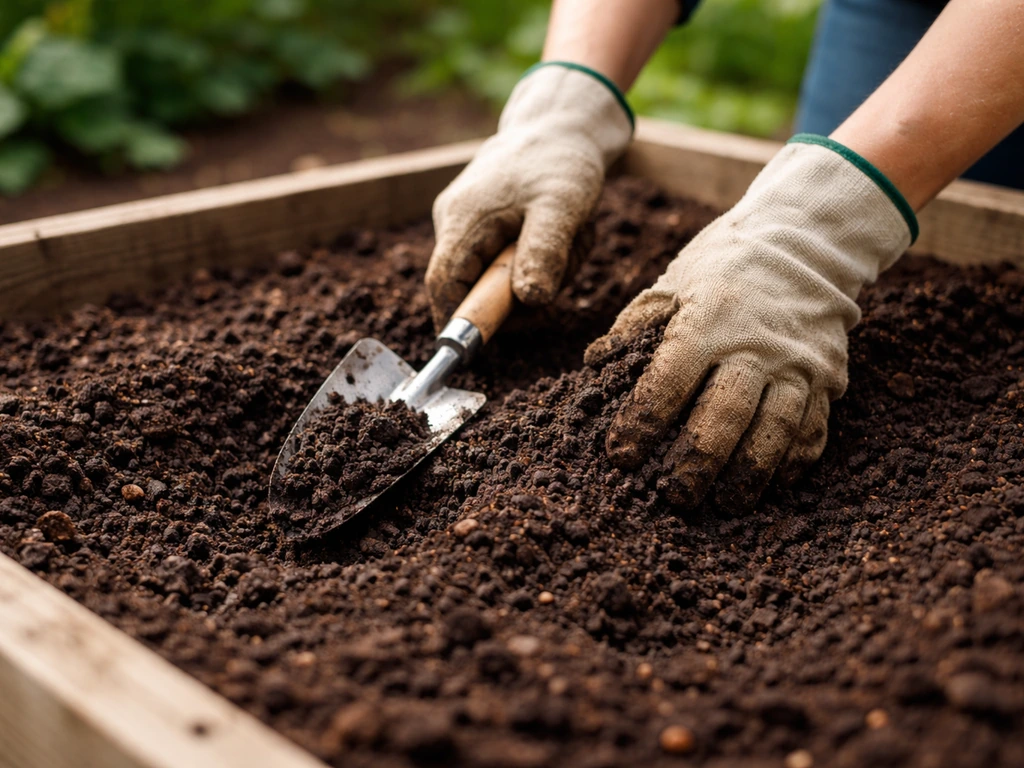
Long-cycle crops demand a lot from the soil over many months. For garlic, well-drained, loose, fertile soil with a pH of 6.0–7.0 is ideal. Work in compost before fall planting and apply a nitrogen-rich fertilizer in early spring when shoots emerge. Onions are heavy nitrogen feeders, particularly in the early leaf-building stage before bulbing begins. For tropical long-cycle crops like cassava and ginger, soil drainage is critical, waterlogged roots are the most common failure point in humid climates.
Irrigation
Garlic planted in fall usually doesn't need irrigation before winter dormancy in most temperate regions, fall rains handle establishment. The critical irrigation window is late spring (April through June) when bulbs are actively sizing up. Consistent moisture during this phase has a direct effect on final bulb size. Reduce or stop watering 2–3 weeks before expected harvest to encourage the outer wrappers to dry down. Onions need similar management: consistent water during bulbing, then a dry-down period before harvest. For cassava and turmeric, irrigation requirements depend heavily on your rainy season timing.
Schedule and planning
The biggest scheduling risk with near-annual crops is missing the planting window. For fall-planted garlic, that window is typically a 4–6 week period in fall (usually October in northern states, November in warmer zones). Miss it, and you're waiting a full year to try again. Mark your planting date on the calendar well in advance. Similarly, plan your harvest and curing space ahead of time, garlic needs 3–4 weeks of curing in a dry, well-ventilated space before it's shelf-stable, so the 'harvest date' is not the end of the process.
The mistakes that throw off your timeline
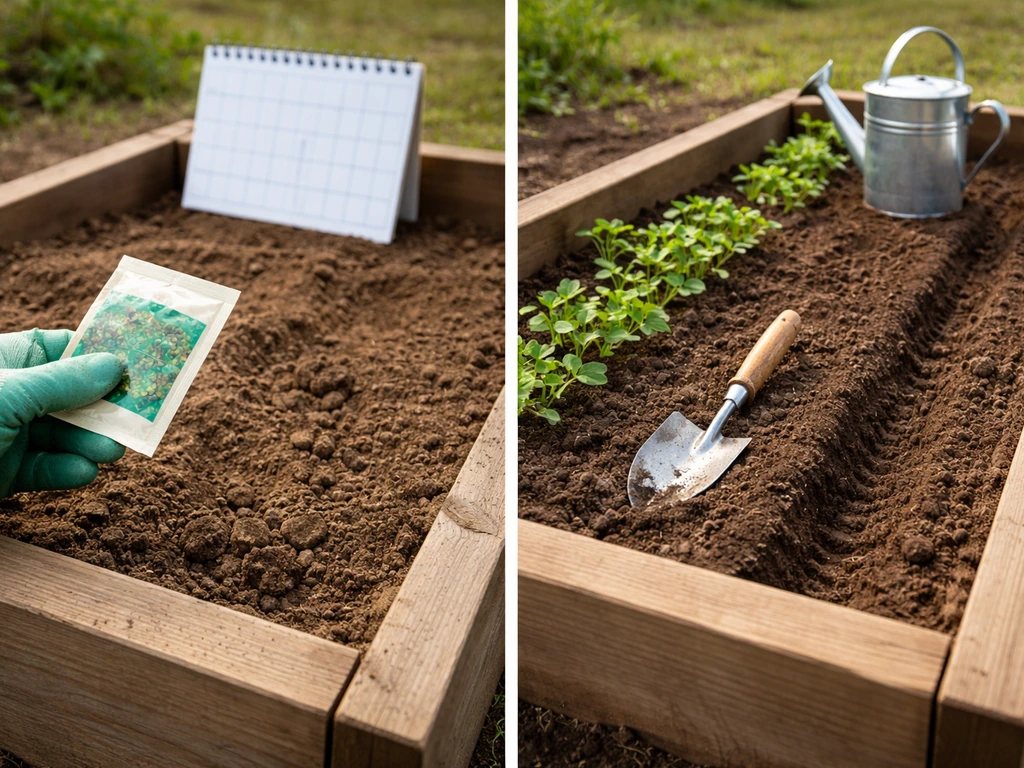
The most common mistake is treating days-to-maturity as a fixed, universal number. For a direct answer to what crop takes the longest to grow, start by comparing each crop’s days-to-maturity and adjust for your local growing conditions. It isn't. The same garlic variety planted in October in Minnesota and in October in Georgia will be ready to harvest on very different dates. DTM is calibrated to a set of conditions that may or may not match your farm or garden. Iowa State Extension's fall planting framework explicitly builds in buffer days around the frost date to account for this variability. UNH Extension recommends checking cold tolerance and DTM together, not just one or the other, to validate whether a crop will finish before hard frost.
A related mistake is confusing calendar months with growing days. A crop with 270 days DTM planted on October 15 reaches maturity around July 12 the following year, but that count assumes active growing throughout. Dormant periods in winter are included in the calendar span but not always in the DTM figure, depending on how the source calculates it. If you want the crop you’re considering to fit a medieval-style growing schedule, start by estimating days to maturity and then plan around frost and dormancy periods. Always check whether the DTM from your seed source accounts for a dormancy period or not.
Another trap: assuming that 'days to maturity' tells you when to harvest. For garlic, University of Utah State Extension notes that growers should watch for physical cues, when the lower leaves start yellowing and fall over, the plant is signaling readiness regardless of what the calendar says. Penn State Extension puts garlic harvest timing at when 40–60% of leaves have yellowed. Weather conditions in any given year can push that earlier or later by 1–2 weeks. The same is true for onions, potatoes, and most root crops: plant cues are more reliable than counting days off a calendar.
Finally, don't make the asparagus mistake. Because asparagus is a perennial that takes 2–3 years to establish before first harvest, some growers plant it expecting a 'near-annual' result and are frustrated when they can't harvest in year one. That's not a near-annual crop, it's a long-term perennial investment. Worth it, but a different category entirely from garlic or onions. If you're interested in comparing crops by how long they take, the question of what crop takes the longest to grow touches on asparagus, tree fruits, and other perennials that operate on completely different timescales. If your goal is the opposite, you might also want to compare options for what is the easiest crop to grow in your conditions what crop takes the longest to grow.
On the opposite end, it's easy to accidentally overlook faster crops when planning. Quick-maturing vegetables like spinach (40–48 days) or radishes can be squeezed into the shoulder seasons around your long-cycle crop without much conflict. If you're curious about the other direction, there's a lot of practical overlap with resources on which crops grow the fastest and which crop takes the shortest time to grow, useful for filling in gaps in your crop calendar while your garlic or onions finish their long run.
FAQ
If I need a near-annual cycle, is garlic always the best answer to “which crop takes almost a year to grow”?
In most home-garden temperate situations, fall-planted garlic is the closest match to “almost a year” because it has a long calendar span with a winter dormancy phase. But if you need a true 10 to 12 months of active growth in-ground, sugarcane or cassava are the more realistic categories, with the caveat that they require frost-free, suitable climates.
How do I convert “days to maturity” into real harvest dates for my garden?
To estimate calendar time, take the variety’s days to maturity and count from the same start point the DTM was measured. If the label assumes transplanting, you must add the indoor seedling time before transplant. If it assumes direct seeding, you do not add transplant time, but germination and early establishment delays still affect real dates.
Does “almost a year to grow” include curing for garlic, or is that only the harvest date?
Yes, curing changes the practical “finished” date. Garlic is often harvested when the plant’s leaves fall and then cured for about 3 to 4 weeks before storage quality is good, which means your shelf-ready date is later than the harvest date.
Can two seed catalogs disagree on the timing for the same garlic or onion variety, and why?
It can be, depending on the source and the region. Some garlic and onion descriptions effectively include dormant or slowed growth in the calendar span, while others emphasize the active bulbing or sizing period. Always check whether the days figure starts at direct planting, transplanting, or another production step.
What happens if I miss the garlic planting window by a couple of weeks?
If your “almost-a-year” plan is timed from fall to harvest the following summer, missing the planting window usually pushes you to the next cycle, not a shortcut. For fall-planted garlic, planting is typically a 4 to 6 week window, and late planting can reduce winter establishment and shift harvest later or reduce bulb size.
How can I tell when to harvest if the calendar says it’s ready but the crop doesn’t look right?
Watch plant cues, not only the number of days. For garlic, many growers time harvest when leaf yellowing and leaf fall indicate readiness, then adjust for weather, humidity, and soil conditions. The same idea applies to many crops where stress or unusual seasons changes the development pace.
Why do onion harvest dates vary so much, even when we follow the same planting schedule?
Photoperiod can override your planting calendar for onions. Long-day onions may not bulb if day length never reaches the cultivar’s trigger threshold, which is why growers in lower latitudes often need short-day or intermediate-day varieties rather than trying to force the long-day type.
What’s a practical step-by-step method to plan a near-annual crop around my frost dates?
For near-annual planning, do a back-calculation from your first and last frost using the variety’s DTM start point, then add buffers for dormancy and weather. A practical approach is to confirm that you can both establish before the first frost (for fall-planted crops like garlic) and finish before hard frost ends (for tender long-season crops).
Is asparagus an example of a crop that takes almost a year to grow?
Asparagus is the common “gotcha” because people expect a year-like result. Even though it stays productive for many years, the first meaningful harvest often does not occur until the third year after planting crowns, so it is not comparable to garlic, sugarcane, or cassava in a single-season calendar.
What are the most common reasons long-cycle crops don’t finish when expected?
Common failure causes differ by crop. For cassava and other long-cycle tropical roots, waterlogging during humid periods is a frequent problem, while garlic mainly fails from poor soil drainage, weak establishment, or inconsistent moisture at bulb sizing. Your irrigation plan and soil prep can have a larger impact on final timing and quality than the label DTM alone.
Next Articles
Medieval Dynasty: How Long for Crops to Grow
Get crop grow times in Medieval Dynasty: days to first harvest, harvest windows, and how seasons affect yields and repla
Farmer’s Dynasty: How Long Crops Take to Grow
Crop grow-time guide with planting to harvest timelines, plus what changes durations by climate, season, and conditions.
Which Crops Grow the Fastest: Quick Harvest Guide by Climate
Fastest crops by climate with harvest timelines, frost-based planning tips, and a quick checklist to plant for first yie