
Radishes win the speed race at 28 to 40 days from seed to harvest, followed closely by arugula, spinach, and baby lettuce at 30 to 45 days. If you want a quick, low-effort option, choosing one of the fastest cool-season crops is often the easiest way to get results what is the easiest crop to grow. For warm-season growers, bush beans come in around 50 to 60 days. But the honest answer is that "fastest" depends on your climate, your current date, and whether you mean the first leaves you can pick or a fully mature plant. Getting that right is the whole game.
Which Crops Grow the Fastest: Quick Harvest Guide by Climate

Samuel Rourke
9 Jun 2026
What "fastest" actually means before you plant anything
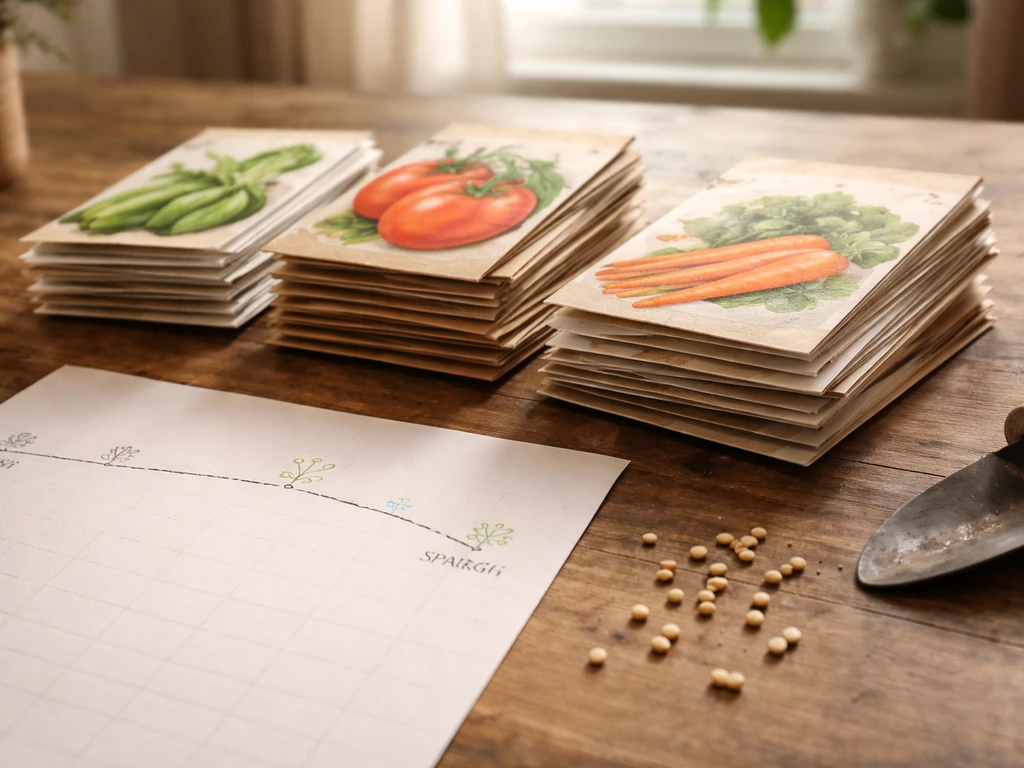
Seed packets and planting guides throw around "days to maturity" as if it means one thing, but it doesn't. OSU Extension’s educator guide explains that “days to maturity” can be based either on seed-to-harvest or transplant-to-harvest, and it also discusses transplant age days to maturity can be based either on seed-to-harvest or transplant-to-harvest. That number can mean days from seed to first harvestable size, days from transplant to full-size fruit, or days to seed set for a grain. A tomato listed as 65 days is 65 days from transplant, not from seed. Start it from seed indoors and add another 6 to 8 weeks. A radish listed at 28 days is 28 days from the moment you drop the seed in the ground.
For cut-and-come-again crops like lettuce, kale, and spinach, you can often take your first harvest even earlier than the listed maturity date, because you're cutting baby leaves rather than waiting for a full head. That distinction matters a lot when your growing window is short. If you want the absolute quickest result possible, look for crops where "days to maturity" counts from direct seed sowing and where baby or partial harvest is acceptable.
It's also worth knowing that days to maturity figures are measured under near-ideal conditions: adequate moisture, good fertility, and the recommended temperature range. Cold soil slows germination. Shaded beds stretch timelines. A 30-day radish in warm, loose soil can take 50 days in cold, compacted clay. Keep that in mind as you read the numbers below.
The fastest crops, broken down by category
Cool-season crops (your fastest overall options)
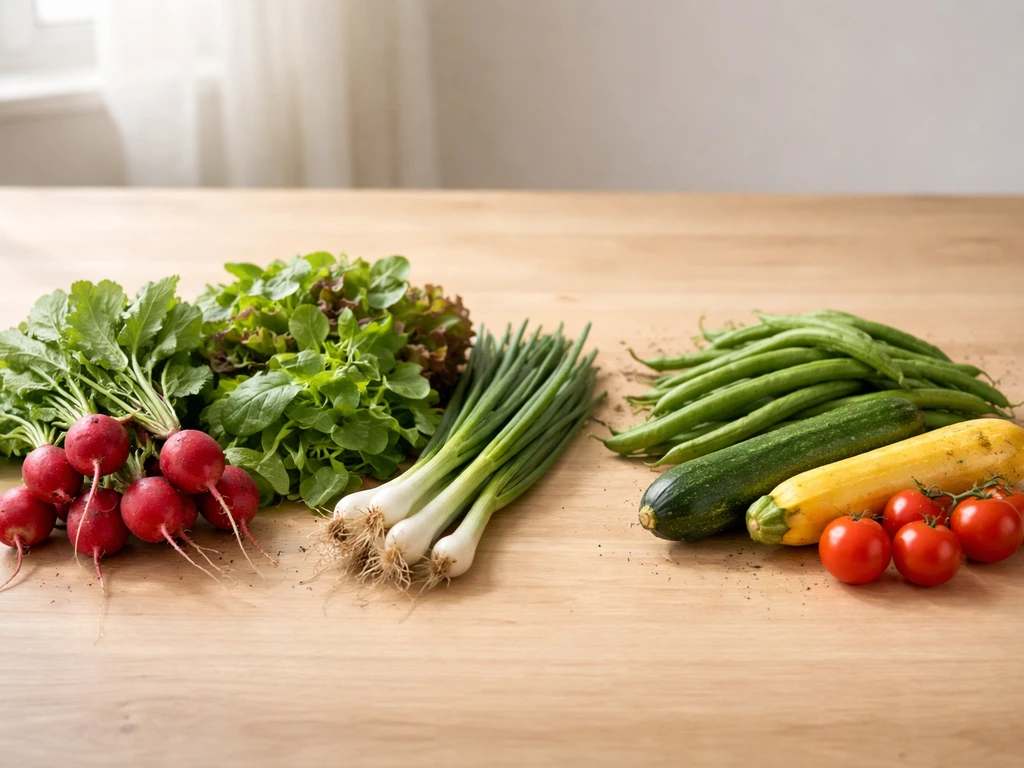
Cool-season crops are the speed champions of the vegetable world, and they thrive in exactly the conditions that slow warm-season plants down: soil temps between 45°F and 65°F, shorter days, and even light frost. These are the crops to reach for in early spring and fall, and in northern climates with short summers.
| Crop | Days to Harvest | Counted From | Notes |
|---|---|---|---|
| Radish | 28–40 days | Direct seed | Fastest common vegetable; loose soil helps enormously |
| Arugula | 30–40 days | Direct seed | Baby harvest possible at 21 days |
| Baby spinach | 30–45 days | Direct seed | Baby leaf harvest at 25–30 days |
| Baby lettuce (loose-leaf) | 30–45 days | Direct seed or transplant | Cut-and-come-again extends harvest window |
| Bok choy (baby) | 30–45 days | Direct seed | Full-size heads take longer; baby size is fast |
| Turnip greens | 30–45 days | Direct seed | Greens are faster than the root |
| Kale (baby leaf) | 25–35 days | Direct seed | Baby harvest only; full maturity is 55–75 days |
| Pea shoots | 14–21 days | Direct seed | Harvesting shoots, not pods; pods take 60–70 days |
Warm-season crops
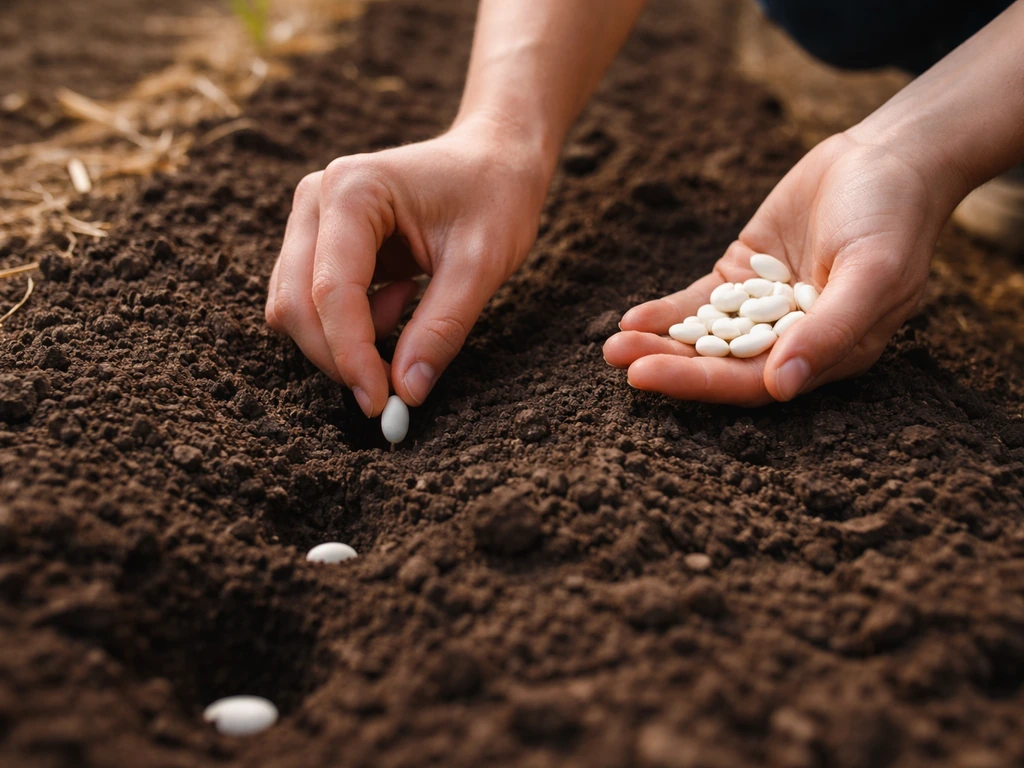
Warm-season crops need soil above 60°F to germinate reliably and grow fast. They won't beat cool-season greens on raw speed, but if your window is summer and you need food quickly, these are your best bets. Bush beans are the standout: 50 to 60 days from direct seed, no staking, and they produce a concentrated harvest. Summer squash and zucchini follow at 50 to 55 days from transplant (add 3 to 4 weeks if starting from seed). Cherry tomatoes like 'Juliet' or 'Sun Gold' run 55 to 65 days from transplant, which makes them significantly faster than large slicing varieties that often need 80 or more days.
| Crop | Days to Harvest | Counted From | Notes |
|---|---|---|---|
| Bush beans | 50–60 days | Direct seed | No staking; concentrated harvest window |
| Zucchini/summer squash | 50–55 days | Transplant | Fast once established; direct seed adds 3–4 weeks |
| Cherry tomatoes | 55–65 days | Transplant | Far faster than large-fruited varieties |
| Cucumber | 50–70 days | Transplant | Trellising speeds airflow and fruit development |
| Snap peas (warm-tolerant vars.) | 60–70 days | Direct seed | Best in cooler end of warm season |
Fast grains and legumes
If you're thinking beyond the vegetable garden, buckwheat is one of the fastest grain-type crops at 70 to 90 days from seed to harvest, and it's commonly used as a fast cover crop or quick grain in short-season northern areas. Dry beans run 85 to 100 days. Spring wheat varieties intended for short seasons can come in at 90 to 100 days. None of these compete with radishes on speed, but among agronomic crops, they're the fast lane.
Matching the fastest crop to your climate and season
The right fast crop is the one that fits your current season, not just the one with the smallest number on the seed packet. Planting a warm-season crop like bush beans in cold May soil doesn't get you a faster harvest. It usually gets you rotted seed and a delayed start.
Here's how to think about it by climate type. If you're in a short-season northern region (think Minnesota, Montana, or similar), your entire growing season may be 90 to 120 frost-free days. Cool-season greens in spring and fall bookend your season, and fast warm-season crops like bush beans or cherry tomatoes (started indoors) fill the middle. If you're in the mid-Atlantic or Pacific Northwest, you get longer cool seasons and can run greens nearly year-round with minimal protection. In the South and Southwest, the challenge flips: summers are too hot for cool-season crops, so your fast-growing window is fall through spring, and warm-season crops dominate the brief heat-tolerant window.
| Climate / Region Type | Best Fast Cool-Season Crops | Best Fast Warm-Season Crops | Key Timing Note |
|---|---|---|---|
| Short-season North (zones 3–5) | Radish, spinach, arugula, pea shoots | Bush beans, zucchini, cherry tomatoes (transplant) | Start warm-season crops indoors 4–6 weeks before last frost |
| Temperate / Mid-season (zones 5–7) | All cool-season greens spring and fall | Bush beans, cucumbers, cherry tomatoes | Two full cool-season windows per year possible |
| Mild / Maritime (Pacific NW, coastal) | Greens nearly year-round | Bush beans, zucchini | Watch for late blight on tomatoes; greens are the reliable fast crop |
| Hot South / Southwest (zones 8–10) | Greens in fall to spring (Oct–Mar) | Bush beans in spring and fall shoulder seasons | Summer heat ends cool-season crops quickly; time accordingly |
| High Altitude | Cold-hardy greens, radishes, pea shoots | Short-season bean and squash varieties | Use row covers; frost risk extends later into spring |
How to calculate your actual time to harvest
The formula is simple: take the days-to-maturity number from the seed packet, add it to your planting date, and check whether that harvest date falls before your first fall frost (or after your last spring frost). USDA NRCS defines the last frost as the last date before the growing season when the minimum temperature drops below an index temperature, usually 32°F (0°C) last spring frost. If it does, you're fine. If it doesn't, you need a faster variety, an earlier planting, or frost protection.
- Find your last spring frost date and first fall frost date. The USDA NRCS defines the last frost as the last date in spring when temperatures drop below 32°F (0°C), and frost dates are also analyzed at 28°F and 24°F for crops that are damaged at those lower thresholds. Your local Cooperative Extension office will have these numbers for your specific county.
- Count forward from your intended planting date using the days-to-maturity figure on your seed packet. Note whether that figure is from seed or from transplant.
- For transplanted crops, add the transplant age to the total. A tomato listed as 65 days from transplant, started as a 6-week-old transplant, is actually 107 days from when you started seeds indoors.
- Check whether your projected harvest date lands inside your frost-free window. If it's too close to first fall frost, choose a faster variety or use row covers to extend your season by 2 to 4 weeks.
- Adjust for soil temperature. Seed packets assume reasonably warm soil. If your soil is still cold in early spring, germination will be slow. A soil thermometer is a cheap, useful tool.
For example: you're in zone 5 with a last frost of May 10 and first fall frost of October 1. That gives you about 144 frost-free days. Bush beans planted May 15 at 55 days to maturity should be ready by July 9, well inside your window. Radishes planted April 20 (they tolerate light frost) at 35 days are ready by May 25. You can fit multiple successions in that window.
How to actually make your crops grow faster
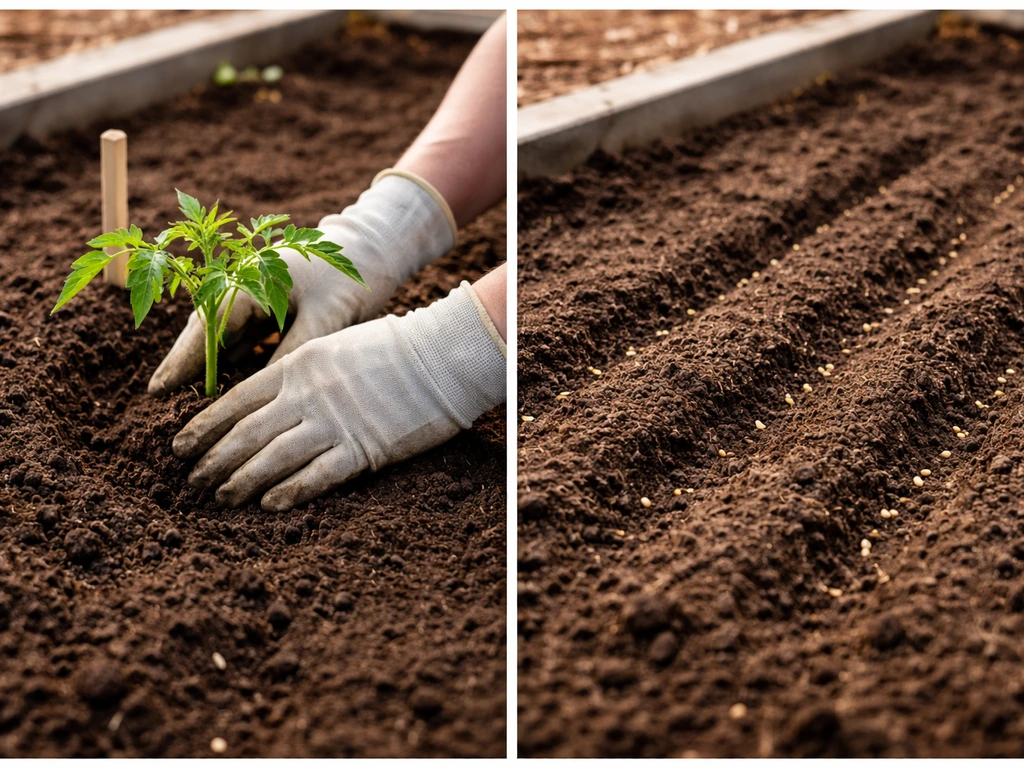
Days to maturity is a baseline, not a ceiling. Good growing conditions compress that timeline noticeably. Here's what moves the needle most.
Start with transplants when you can
For warm-season crops especially, starting with transplants rather than direct seed is the single biggest time-saver. You're essentially shifting the indoor seed-starting time into a controlled environment, then delivering a ready-to-grow plant to the garden. A 4-week-old zucchini transplant can be producing squash in 5 to 6 weeks after transplanting. Direct-seeded zucchini takes 10 to 12 weeks from the same calendar date. Oregon State University Extension makes this distinction explicit in their vegetable guides, separating days-to-maturity figures for seed-started versus transplanted crops.
Soil temperature, fertility, and moisture
Warm, loose, fertile, and consistently moist soil is fast soil. For cool-season crops, get soil above 45°F and aim for 50°F to 65°F for the fastest germination. Warm-season crops want 60°F minimum, with 65°F to 75°F being ideal. Use black plastic mulch to warm soil 2 to 4 weeks earlier in spring. Consistent moisture (not soggy) prevents the stress pauses that extend growth time. A balanced fertilizer or compost-amended bed gives plants what they need without hunting for nutrients.
Row covers and season extension
Lightweight floating row covers (like Agribon AG-19) let you plant cool-season crops 2 to 3 weeks earlier in spring by buffering frost down to about 28°F. They also trap a few degrees of warmth during the day, accelerating growth. For warm-season crops, low tunnels with heavier row cover can get you started 3 to 4 weeks ahead of bare-soil planting. These tools are especially valuable in short-season northern climates and at high altitudes where the frost-free window is tight.
Spacing and sunlight
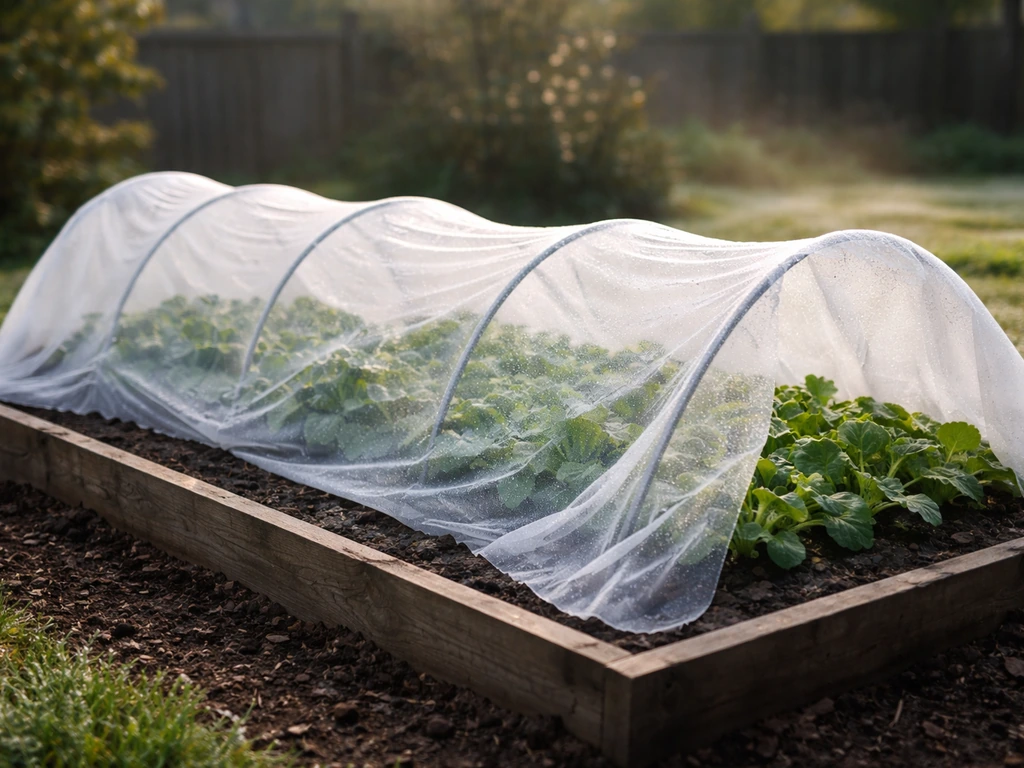
Don't crowd plants. Overcrowded beds compete for light, water, and nutrients, which slows everyone down. Full sun (6 or more hours of direct light) is non-negotiable for fast growth in most crops. Even shade-tolerant crops like spinach and lettuce grow noticeably slower in heavy shade.
Choose speed-optimized varieties
Variety selection matters enormously. 'Cherry Belle' radish is reliably at the fast end of the 28 to 40-day range. 'Provider' bush beans are known for quick germination even in slightly cool soil. 'Astro' arugula germinates fast and has good bolt resistance for spring. When you're shopping seeds, look specifically for varieties bred for short seasons or described as early-maturing. Seed companies serving northern markets (zones 3 to 5) do a particularly good job flagging these.
Why fast crops keep showing up in short-season regions throughout history
It's not a coincidence that the fastest-maturing crops have always clustered in regions with short growing seasons. Across northern Europe, Siberia, highland Central Asia, and the Great Plains of North America, subsistence farmers and Indigenous communities alike favored crops that could complete their cycle in 60 to 100 days, because a late spring or early fall frost could wipe out anything slower. Varieties of millet, buckwheat, and cool-season legumes became staples in these regions precisely because they were fast enough to fit inside unpredictable frost windows.
The same logic shaped early American agriculture in New England and the upper Midwest. Farmers grew fast-maturing corn varieties like the northern flint types, and leafy greens were planted in spring and fall when temperatures suited them, not in the brutal heat of summer. That historical pattern still makes practical sense today: the crops that have dominated short-season regions across centuries are almost universally the same crops that top modern fast-growing lists. Radishes, turnips, leafy greens, and bush legumes appear again and again because they evolved or were selected to perform in exactly those conditions.
If you're curious about which crops take the longest to reach maturity at the opposite extreme, or how crop timing works in farming simulation games that model real-world agricultural patterns, those angles are worth exploring separately. A crop that takes almost a year to grow is typically something like corn, depending on the variety and growing conditions which crops take the longest to reach maturity. If you're playing Medieval Dynasty, you may also be wondering how long crops take to grow in-game so you can plan planting for the next harvest medieval dynasty how long for crops to grow. If you're wondering what is the hardest crop to grow, that opposite extreme often comes with more tricky timing, pests, and soil requirements. In contrast, the crop that takes the longest to grow depends on whether you're talking about vegetables, grains, or legumes and on the growing season length what crop takes the longest to grow.
What to plant today for your quickest harvest
Today is June 9, 2026. Depending on where you are, here's exactly what to do right now.
- Northern zones (3–5): You're past last frost. Direct-sow bush beans, summer squash, and cucumbers now. For greens, wait until late July to early August for a fall planting of radishes, spinach, and arugula. Count back 45 days from your first fall frost to time it right.
- Mid-season zones (5–7): You have time for a full warm-season crop. Plant bush beans or zucchini transplants now. You can also start radishes and fast greens in a spot that gets afternoon shade to keep them from bolting in summer heat.
- Southern/warm zones (8–10): June is hot. Most cool-season greens will bolt or fail now. Focus on heat-tolerant crops (okra, sweet potatoes, southern peas) and plan your fast cool-season window for September through October planting.
- Pacific Northwest / maritime: Greens are excellent right now. Direct-sow arugula, spinach, and radishes. Warm-season crops like beans and zucchini are well-timed for transplanting in June.
- High altitude: Use row covers. Direct-sow radishes and spinach now. Choose the fastest-labeled bean varieties you can find, and get transplants in immediately.
Quick-start checklist
- Look up your first fall frost date for your county or ZIP code.
- Count back from that date using days-to-maturity for your chosen crop to confirm you have enough time.
- Check soil temperature before planting (45°F minimum for cool-season crops, 60°F for warm-season).
- Amend your bed with compost if you haven't already this season.
- Choose speed-optimized varieties: 'Cherry Belle' radish, 'Provider' bush bean, 'Astro' arugula, or 'Sun Gold' cherry tomato (as a transplant).
- Use a row cover or low tunnel if temperatures are still swinging near frost thresholds.
- Water consistently after planting to keep germination on track.
- Thin seedlings to proper spacing once they're up; crowding is one of the most common reasons fast crops slow down.
FAQ
If I want the fastest harvest, should I measure by the first pick or full maturity listed on the packet?
Choose the “first harvestable size” definition. Many packets list full-size or seed-set dates, which can be much later. For leafy greens, baby-leaf picking often starts before the maturity date, so you get a quicker meal even if the plant is not fully developed yet.
Why do my “fast” crops take longer than the days-to-maturity on the label?
The biggest causes are cold soil, inconsistent moisture, and low light. Germination slows sharply in cold beds, and growth pauses when plants swing between dry and soggy conditions. Also confirm the packet’s reference point (direct seed versus transplant), since the same crop can be timed very differently.
Can I speed up warm-season crops without buying transplants?
Yes, by improving soil temperature and early protection. Use black plastic mulch to warm the bed, then start with a low tunnel or heavier row cover to raise effective temperature. This can help direct-seeded crops establish faster, but it still usually won’t beat a true transplant start.
What’s the fastest cool-season option if I’m aiming for multiple harvests from one bed?
Cut-and-come-again crops, like baby lettuce and spinach, are usually the quickest path to repeat harvests because you can start picking earlier and continue through the season. Just plan for re-sowing or staggered plantings since production can slow as conditions warm or daylight changes.
Do radishes always beat other fast crops, and how do I get the best speed?
They are among the fastest, but timing and variety matter. Some radishes tolerate light frost, which lets you plant earlier, but heat can also shorten quality and trigger bitterness or bolting. For maximum speed, plant when soil temperatures match the variety’s preferred range and harvest promptly when they reach usable size.
How close can I plant fast crops without losing speed?
Avoid overcrowding. Tight spacing forces competition for light, water, and nutrients, which slows leaf expansion and delays harvest readiness. For speed, follow the recommended spacing on the packet, then thin early if seedlings are crowded, because thinning too late can set you back.
What’s the easiest way to confirm whether a crop will fit my frost-free window?
Work backward from your local first fall frost and last spring frost, then use the packet’s actual timing type. Add days-to-maturity to your planting date, but make sure you’re using the correct base (seed versus transplant). If the calculated harvest date falls outside your frost window, switch variety, start earlier with protection, or choose a crop that matures faster.
If my goal is “fastest,” is succession planting better than planting one big batch?
Usually, yes, for vegetables like radishes and leafy greens. Succession sowing lets you capture the earliest window and then keep production going even if weather shifts. It also reduces waste, since you can harvest what you need as the crop comes ready rather than all at once.
Are floating row covers worth it for early planting, and what do I need to watch out for?
They can be very effective for cool-season crops because they buffer frost and warm the immediate microclimate. Watch for overheating on sunny days, secure edges to prevent wind lift, and remove or vent when plants get larger so they do not become too humid or stressed.
What is a common mistake when comparing crops from different regions or guides?
Mixing climates and timing assumptions. A “fast” crop in a mild or longer-season area may still fail to mature in a short-season region if you plant at the wrong time. Always compare temperatures, day length, and your local frost dates, not just the headline days-to-maturity number.
Next Articles
What Is the Hardest Crop to Grow? A Region-Based Guide
Discover the hardest crop to grow by region using climate, soil, pests, and growing season limits, plus mitigation tips
What Crop Takes the Longest to Grow? Timelines by Region
Find the slowest crops by category and region, compare timelines to maturity, and get steps to plan your longest grow.
What Is the Easiest Crop to Grow Plus Easiest Cash Options
Learn which crop is easiest and most profitable for your region, with a step by step plan from soil to harvest.