There is no single hardest crop to grow for every farmer or gardener everywhere. But if you pressed most experienced growers for a shortlist, you would hear the same names come up repeatedly: wasabi, vanilla, saffron, artichokes in cold climates, and melons or peppers in short-season regions. What makes a crop "hard" is almost always a mismatch between what the plant needs and what your specific location can reliably provide in terms of heat, water, soil structure, and pest pressure. Once you understand that mismatch, you can both identify the hardest crop for your region and figure out whether it is worth attempting.
What Is the Hardest Crop to Grow? A Region-Based Guide

Samuel Rourke
28 May 2026
Why "hardest" depends on climate, soil, and risk
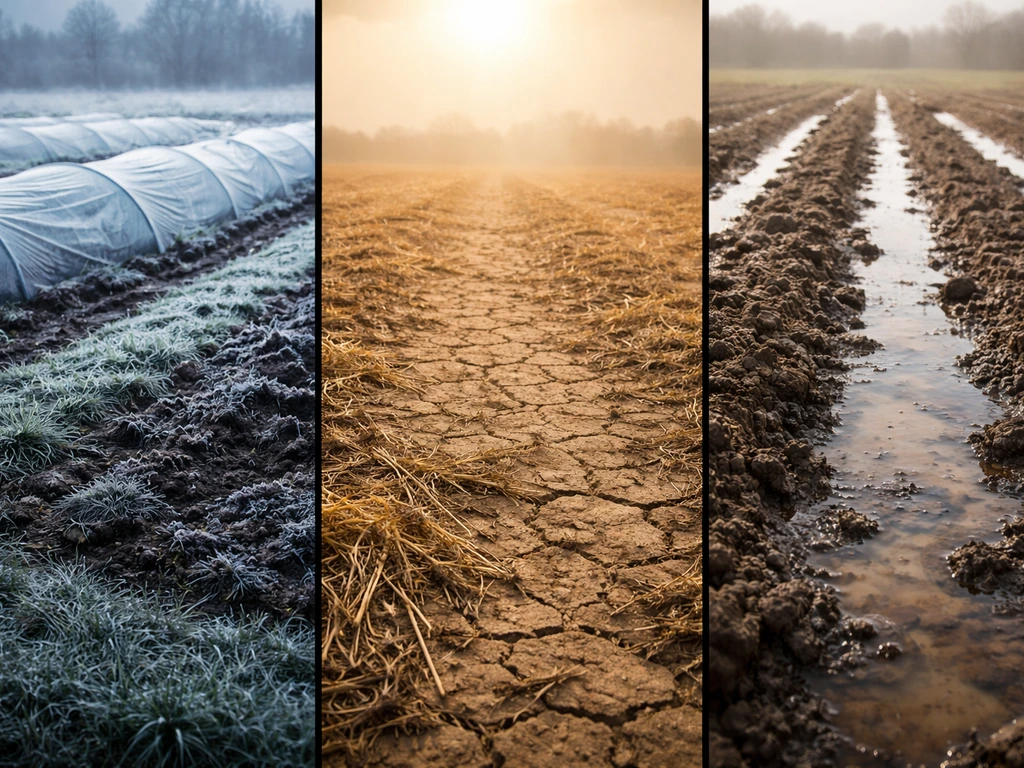
A crop that is brutally difficult in Vermont can be almost effortless in coastal California, and vice versa. "Hard" is not a fixed property of the plant alone. It is a relationship between the plant's requirements and the growing environment you are working with. The main constraint categories that define difficulty are:
- Heat units (also called degree-days): Some crops need a specific accumulation of warmth over time to reach maturity. Oregon State University Extension research on degree-day models shows that maturity timing is driven by heat accumulation between lower and upper temperature thresholds, not just calendar days. If your location does not accumulate enough heat units before first frost, crops like watermelon, sweet corn, or peppers simply will not finish.
- Rainfall and irrigation: Crops like rice need consistent flooding or very heavy rainfall. Crops like saffron need a dry summer dormancy. Neither tolerates the opposite.
- Soil type and drainage: Salt-affected soils, heavy clay, or soils with high pH can make otherwise manageable crops nearly impossible. OSU Extension's guidance on salt-affected soils makes clear that salinity and drainage problems are not just inconveniences; they are crop killers, and a soil survey before you plant can save a season.
- Growing season length: Short-season regions eliminate crops with long days-to-maturity windows entirely, unless you use tunnels or controlled environments.
- Pest and disease pressure: UConn Extension IPM research emphasizes that pest and disease management is timed to crop development stages, not just the calendar. A crop that is pest-prone in a region with a specific climate can be nearly impossible to protect without intensive scouting and intervention.
- Pollination and labor demands: Some crops require hand pollination, precise harvest windows, or processing steps that multiply the difficulty far beyond what the seed catalog suggests.
- Risk tolerance: A crop with high input costs and a narrow success window carries more real-world risk than a technically complicated but forgiving crop.
When you layer all of these together, difficulty becomes geographic. That is the core insight that should guide every planting decision.
A shortlist of crops that are often the hardest (and why)
These are the crops that consistently earn "hardest" status across a wide range of growing regions. Each one has a specific reason for its reputation.
| Crop | Primary Difficulty | Where It Is Especially Hard | Potential Reward |
|---|---|---|---|
| Wasabi | Extremely narrow temperature range (45–70°F), needs clean moving water, highly prone to root rot and disease | Almost everywhere except cool, humid PNW stream environments | High market value, but rarely worth it outside ideal sites |
| Vanilla | Requires hand pollination, tropical humidity, specific host vines, 3+ years to first harvest | Anywhere outside tropical/subtropical zones | Very high value; mostly grown in Madagascar, Indonesia, Mexico |
| Saffron | Labor-intensive hand harvesting, needs dry summer/wet winter cycle, deer and rodent pressure | Hot humid summers (southeastern US), waterlogged soils | High per-pound value; small plots can be profitable in right climate |
| Artichokes (in cold climates) | Perennial that dies in hard freezes; needs vernalization to produce heads; long season | Zones 6 and colder without protection | Worth the effort in Zones 7–10 with the right variety |
| Celery | Needs cool, moist conditions the entire season; very slow germination; salt and heat sensitive | Hot, dry, or short-cool-season climates | Common in stores but among the hardest home garden crops |
| Melons (in short-season climates) | High heat unit requirement; needs warm soil, long growing season, consistent water | Northern US states, high-altitude regions, cloudy maritime climates | Possible with black plastic mulch and row covers, but marginal |
| Peppers (hot, specialty types) | Need high heat accumulation, long season, warm nights; disease-prone in wet climates | Short-season northern regions, high-rainfall areas | Possible in containers or high tunnels; field production is difficult |
| Cotton | Needs 200+ frost-free days, high heat units, specific soil drainage; very pest-intensive | Zones below 7, high-rainfall humid regions without fungicide programs | Major commodity crop but requires serious infrastructure |
| Rice (upland or paddy) | Paddy rice needs water management infrastructure; upland rice needs very specific rainfall patterns | Most of the US outside the Mississippi Delta and parts of California | Staple crop globally but requires significant system investment |
Hardest crops by challenge type
Cold-season and short-season crops
Crops that need cool temperatures but also a long growing period are pinched between two constraints. If you are also estimating timelines like medieval dynasty how long for crops to grow, the same idea applies: long-period crops like celery are the ones that get squeezed hardest by your local temperature window long growing period. Celery is the classic example: it germinates slowly at 60–70°F, wants consistent moisture, and bolts or turns bitter if temperatures spike. In most of the continental US south of Zone 6, the window between "cool enough" and "too hot" is razor thin. Heading broccoli and cauliflower face a similar problem. Cauliflower, in particular, requires almost perfectly consistent cool temperatures to form a compact, white head. Any heat stress during curd development causes it to "rice" (break into loose, grainy sections). Growing these crops well is largely a timing problem, which is why heat unit models and accurate last-frost dates matter so much.
Heat and drought-dependent crops
Watermelon, cantaloupe, and specialty peppers need not just high temperatures but sustained heat units over a long season. In the northern US, even a warm summer may not accumulate enough degree-days for full maturity. Saffron sits in an unusual category here: it actually needs a dry, hot summer dormancy followed by a cool, wet fall and winter. This Mediterranean cycle is almost the opposite of what most of the eastern US provides, which is why saffron production in the US is clustered in parts of the intermountain West and a few dry-summer areas of the Pacific Northwest.
Soil-sensitive crops
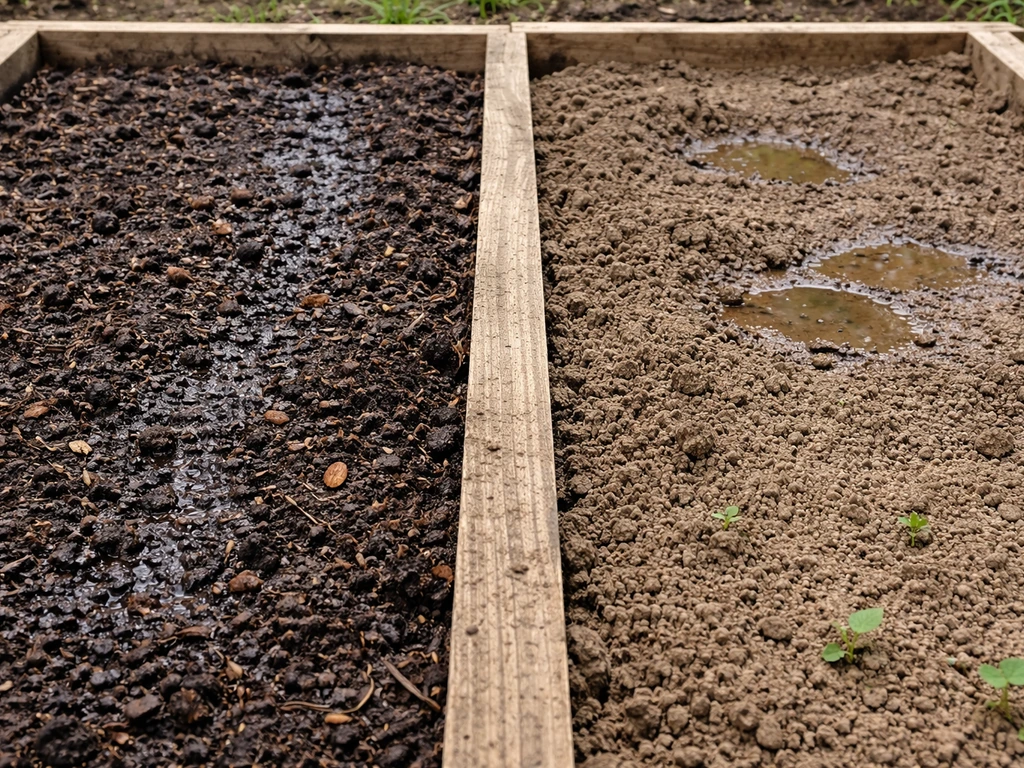
Wasabi and celery both require very specific soil conditions: consistent moisture but excellent drainage, low salinity, and high organic matter. Wasabi is particularly brutal. It needs a pH of 6–7, near-constant cool moving water (like a stream-fed bed), high humidity, and shade. Salt accumulation in irrigated soils, a common problem in the arid West, can make many crops underperform or fail entirely. The OSU Extension guidance on salt-affected soils recommends soil survey data and targeted soil testing before committing to sensitive crops in regions with irrigation-dependent agriculture, because salinity problems are often invisible until a crop fails. Root vegetables like parsnips and salsify also fall into this category; they need deep, loose, stone-free soil, and in rocky or heavy clay ground they fork, stunt, or rot.
Disease and pest-intensive crops
Vanilla, hops, and grapes all carry significant disease burdens that require precise timing to manage. The UConn Extension IPM scouting approach is instructive here: management decisions for diseases like downy mildew in hops or grapes are tied to crop growth stage and environmental conditions, not just a spray calendar. If you are not scouting regularly and responding to what you observe, these crops can collapse quickly. Hops are particularly challenging in the eastern US, where humid summers fuel disease pressure that Pacific Northwest growers rarely experience at the same intensity. Vanilla is arguably in a category of its own: hand pollination is required outside its native range in Mexico (where its natural pollinator exists), and fungal root rot is a constant threat.
How to pick the hardest crop for your region
The most reliable method for identifying what is hardest in your specific location is a layered elimination process. Think of it as mapping your constraints first, then overlaying crop requirements.
- Start with your USDA Plant Hardiness Zone and your average last/first frost dates. These define your growing season length and eliminate any crop that needs more frost-free days than you have.
- Look up accumulated heat units (degree-days) for your location for an average season. State extension services often publish these by county or weather station. Match that number to crop heat unit requirements. If your site accumulates 2,200 heat units and watermelon needs 2,500 to 3,000, you already have your answer.
- Run a basic soil test before planting anything unusual. Pay attention to pH, drainage class, and salinity if you are in an irrigated region. OSU Extension recommends reviewing USDA soil survey maps for your county as a first step for identifying drainage or salinity problem areas.
- Check your regional extension service pest and disease pressure guides. Some crops, like hops in the humid East or tomatoes in wet seasons, face disease burdens that are manageable elsewhere but overwhelming locally.
- Factor in your water access. Crops like paddy rice, wasabi, or celery with high or very specific water requirements should be weighted heavily against your actual irrigation capacity.
- Cross-reference historical records. If a crop has been grown and abandoned in your region before, that pattern is informative. The USDA historical crop data and county agricultural census records often show exactly this.
Using this framework, a grower in coastal Oregon might find that saffron is their hardest viable crop (because the summer is too cool and wet for proper dormancy), while a grower in central Kansas might find that celery is nearly impossible due to summer heat. Both answers are correct for their respective places.
Practical ways to make difficult crops succeed
Choosing to grow a hard crop is not automatically a bad decision. Many valuable crops are difficult precisely because few growers manage them well, which can mean less competition and higher prices. The key is knowing which levers to pull.
Variety selection
This is the single highest-leverage decision for most difficult crops. Short-season watermelon varieties like 'Sugar Baby' (75 days) or 'Blacktail Mountain' (70 days) can succeed in northern regions where full-season varieties fail completely. For farmer's dynasty, the same principle applies: once you pick a variety, you should check how long for crops to grow so your harvest lines up with the season. Cold-tolerant artichoke varieties like 'Imperial Star' can be grown as annuals in Zone 6 by treating them to cold vernalization before transplanting. Always check whether a resistant or regionally adapted cultivar exists before assuming a crop is impossible in your area. University extension variety trial databases are the most reliable source for this.
Timing and season extension
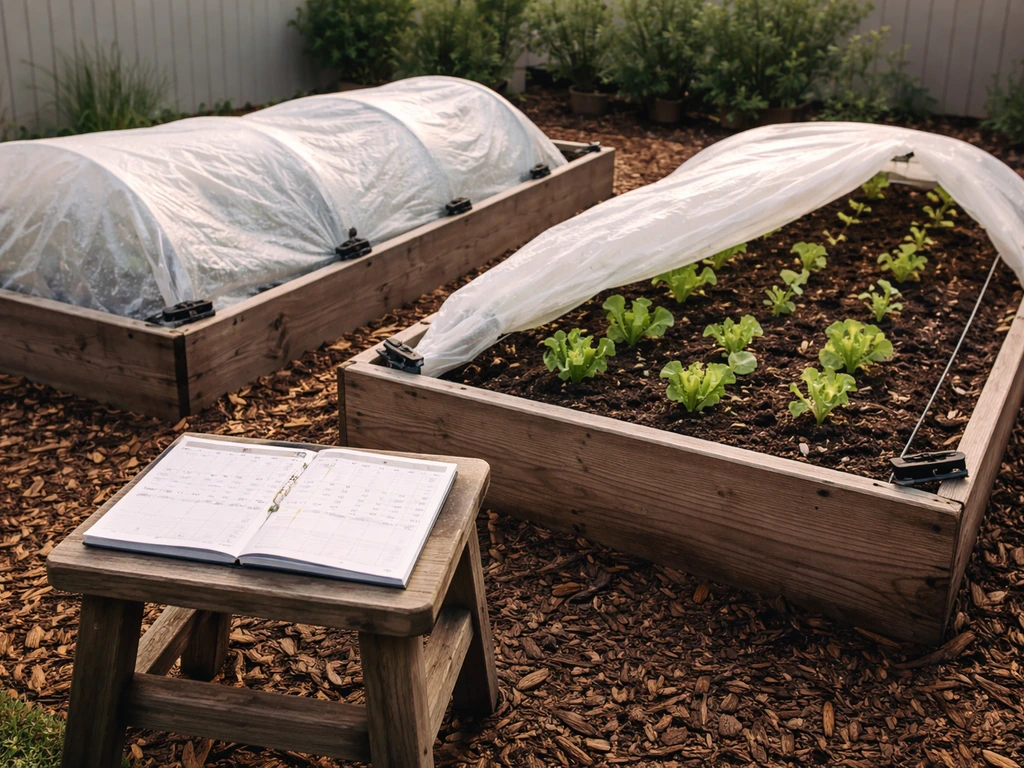
For heat-unit-limited crops, starting transplants indoors 6 to 8 weeks before last frost and using black plastic mulch (which can raise soil temperature by 5 to 10°F) can add meaningful heat accumulation. Row covers add approximately 4 to 6°F of protection and extend the season on both ends. High tunnels are the most effective season extension tool available to small-scale growers and have made crops like peppers, melons, and specialty tomatoes viable in regions where they previously were not. Timing also matters for cool-season crops: planting celery or cauliflower with enough lead time that they mature before summer heat arrives is the entire game.
Soil preparation
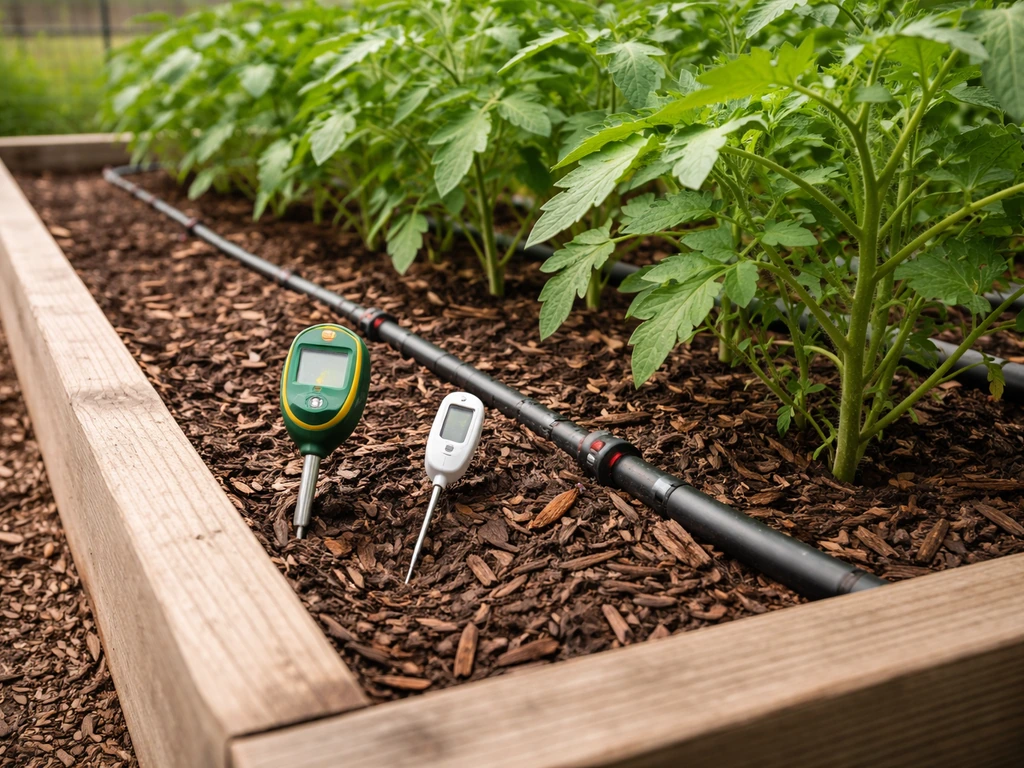
Difficult crops punish poor soil harder than easy crops do. For drainage-sensitive crops, raised beds with amended growing media can substitute for naturally well-drained ground. For salt-sensitive crops in irrigated areas, leaching applications (heavy irrigation to flush salts below the root zone) may be necessary before planting. Deep-rooted vegetables need 12 to 18 inches of loose, well-structured soil; in compacted or rocky ground, mounding or deep tillage is the baseline requirement.
Water management
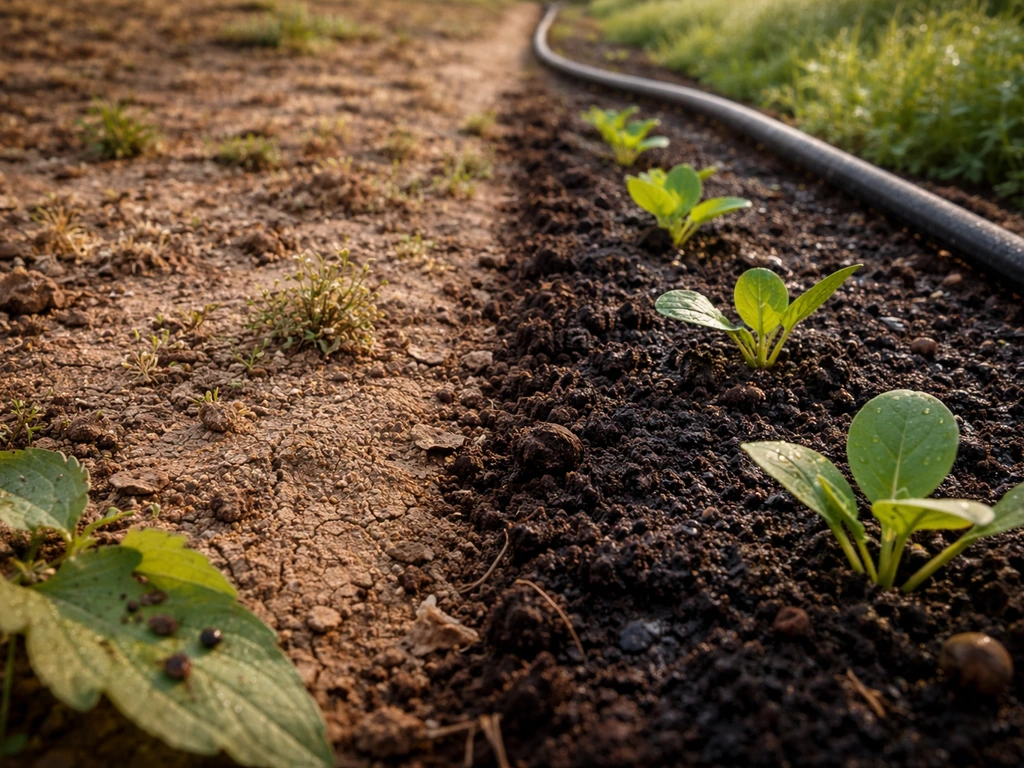
Drip irrigation is not just convenient for difficult crops; it is often the difference between success and failure. It keeps foliage dry (critical for disease-prone crops like grapes and hops), delivers consistent moisture to moisture-sensitive crops like celery and wasabi, and allows precise management in crops like saffron that need water withdrawn entirely during summer dormancy. If you are serious about a hard crop, the irrigation system design should happen before the first seed goes in the ground.
Pest and disease planning
The UConn Extension IPM approach is the right model here: scout regularly, tie your management actions to crop growth stages and environmental triggers, and do not rely on a fixed spray schedule. For crops with significant disease risk (vanilla, hops, grapes, brassicas in wet climates), build a scouting log from the start of the season. Many failures in difficult crops are not from a single catastrophic event but from a slow accumulation of unnoticed disease pressure that crosses a threshold before the grower realizes it.
Common failure points and when to pivot to something easier
Knowing when to adapt versus when to quit is a practical skill. Some failures are fixable; others are telling you something real about your location.
- If you fail the same crop two or three years in a row with different strategies, the problem is almost certainly environmental, not technique. Stop and reassess what constraint is driving the failure.
- If your soil test reveals persistent drainage, pH, or salinity issues that would cost more to fix than the crop is worth, redirect that investment to a site-appropriate crop.
- If your heat unit accumulation consistently falls short for a crop even in a warm year, the answer is not more effort, it is a different variety or a different crop.
- Disease pressure that requires weekly fungicide applications to keep a crop alive is a signal that the crop is poorly matched to your climate. It may be profitable at scale with infrastructure, but it is rarely worth it at the garden or small-farm level.
- Labor and processing demands that you underestimated (saffron hand-harvesting, vanilla hand-pollination, hop picking and drying) often only become clear after the first season. Build a realistic time budget before committing to a second year.
For context, if you want to compare the other end of the spectrum, crops like radishes, zucchini, and green beans are among the easiest to grow because their requirements are broad and forgiving, almost the opposite profile from everything on the hard list. The fastest-growing crops also tend to be the most forgiving, since they complete their cycle before most problems compound. If you want a related shortcut like the crop with the shortest time to grow, look first for the fastest-growing options that mature before problems compound which crop takes the shortest time to grow. If you are wondering which crops grow the fastest, focus on varieties that mature quickly and can finish before heat or cold tightens the window. The hardest crops are typically also among the crops that take the longest time to reach maturity or require the most precise conditions throughout a long season. Many of these hardest crops take a long time to reach maturity, sometimes close to a year which crop takes almost a year to grow. In general, the crop that takes the longest to grow is one that needs a long season to mature what crop takes the longest to grow.
Historical vs. modern realities: where difficult crops have actually grown
The history of agriculture is partly a history of forcing difficult crops into marginal environments, sometimes successfully, sometimes not. Vanilla was domesticated by Totonac people in Mexico and later spread by Spanish colonizers to other tropical regions. Outside its native range, it required the discovery that hand pollination could replace its natural bee pollinator, a technique still used in every vanilla-growing region outside Mexico today. That single adaptation turned an impossible crop into a viable one in Madagascar, Indonesia, Tahiti, and Hawaii.
Saffron has a similar story. It originated in the eastern Mediterranean and was cultivated across Persia, Greece, and eventually Spain and Kashmir. Each successful cultivation zone shares the same basic climate: hot dry summers, cool wet winters, and well-drained soils. The historical distribution of saffron production almost perfectly maps onto the crop's climate requirements, which is why you see it historically concentrated in Iran (still the world's dominant producer at roughly 90% of global supply), Spain (La Mancha), and Kashmir. Attempts to grow saffron in humid eastern climates, both historically and today, have largely failed or required significant environmental modification.
Cotton is a useful modern example of a difficult crop that became a commodity through infrastructure rather than easy cultivation. In the antebellum US South, cotton required enormous labor inputs and specific climate conditions (200+ frost-free days, high heat accumulation, adequate rainfall or irrigation). It succeeded in a band from South Carolina through Texas, failed north of that zone, and shaped the entire agricultural and economic history of that region. Today, mechanical harvesting and pest management programs have made cotton manageable at scale, but small-scale cotton production without that infrastructure remains genuinely hard.
Hops present a modern case study in regional adaptation. The US hop industry moved over the 20th century from a distribution spread across New York, Wisconsin, and California to a heavy concentration in the Yakima Valley of Washington and the Willamette Valley of Oregon. The reason is exactly what the difficulty framework predicts: those regions provide the specific combination of long summer days, warm but not excessively hot temperatures, low humidity during flowering, and well-drained volcanic soils that hops demand. Growers in other regions trying to compete with Yakima Valley hops face a structural disadvantage rooted in climate, not skill.
These historical patterns reinforce the core principle: the hardest crops are not randomly distributed in their difficulty. They are hard in specific places for specific, mappable reasons. Understanding those reasons is what separates a grower who attempts a difficult crop with a plan from one who attempts it with just enthusiasm.
FAQ
How can I figure out the hardest crop for my exact location, not just in general?
In most cases, the hardest crop for your area is the one where a single constraint creates a cascading failure (for example, a heat window that is too short for a cool-season crop, or drainage that is just slightly off for a moisture-sensitive crop). If multiple constraints are failing at once, you may be better off selecting a different crop rather than trying to “patch” the environment after planting.
If a crop is listed as hardy in my USDA zone, is it still likely to be “hard” for me?
Yes, but you need the right kind of match. A “zone” number is only a proxy for temperature. For crops like celery, cauliflower, wasabi, and grapes, moisture timing, humidity, and soil structure often matter as much as average winter minimums. Use local last-frost and heat patterns (and ideally historical degree-days) to check whether the crop’s critical growth stages align with your weather.
What should I check about timing if I suspect the crop is hard because of temperature spikes?
Start by checking whether the crop’s most sensitive stage happens near your hottest, coldest, wettest, or most disease-prone weeks. For instance, cauliflower can fail during curd development from brief heat stress, not just from the overall summer temperature. A useful test is to look at your calendar and ask, “What happens if my weather is 5 to 10°F warmer or wetter than average during that stage?”
Can variety selection alone make an impossible crop possible?
If the crop depends on careful pollination or specific insects, variety choice may not be enough. Vanilla is a clear example, where hand pollination replaces the natural pollinator outside its native range. If the crop relies on a rare disease suppressing environment or beneficial organisms, you may need more than scouting, you may need infrastructure or relocation to a truly matching microclimate.
Should I attempt a hard crop at full scale right away?
For hard crops, assume a learning curve and build a small trial first, one bed, one block, or one greenhouse bay. Don’t use your entire budget on the first attempt, because some failures come late in the season (such as disease thresholds or maturity timing). Plan a “failure budget” and decide in advance what symptom or yield level means you will switch crops next year.
How do I know if salinity is the reason a “hard” crop is failing?
If salt is the concern, you cannot rely on symptoms until plants are already suffering. Measure electrical conductivity (EC) and review water salinity, then consider soil testing focused on root-zone salinity for irrigated areas. If you do leach for salt, do it with a drainage plan in place (raised beds or improved outflow), otherwise salts can move upward again.
What drainage mistakes most often cause failure in moisture-sensitive crops like wasabi or celery?
For drainage-sensitive crops, a common mistake is improving the topsoil but leaving an impermeable layer below it. Raised beds with enough depth, amended growing media, and attention to subsurface compaction matter. Also verify that irrigation rates do not create waterlogging, because crops that need “moist but not wet” often fail from persistently saturated pockets rather than from outright dryness.
How should I scout differently for a crop that is hard due to disease pressure?
If the crop is difficult due to disease, scouting cadence and record-keeping matter more than the exact product schedule. Use growth-stage-based scouting, document leaf condition and weather triggers (humidity and rainfall periods), and watch for early lesions. A practical rule is to treat based on what you see at the current stage, because the disease pressure can change quickly with weather.
What extension tools actually change the outcome for hard crops, and when are they not enough?
Yes, but only when you can control the season rather than just cover plants. Row covers help, but they do not replicate a hot dry dormancy or a specific cool wet winter cycle. High tunnels can shift temperature, reduce leaf wetness, and stabilize day-to-day conditions, which is why they often make peppers, melons, and specialty tomatoes feasible, but they are not a universal fix for every “hard” crop.
How do I choose an irrigation setup for a crop that is hard to grow?
Most “hard crop” advice assumes ideal irrigation, but in practice you need system design before planting. Drip irrigation is often essential for disease-prone crops because it keeps foliage dry, and for consistency it prevents stress swings that trigger quality issues. Also match emitter spacing and run time to your crop’s root depth and soil texture, not just to convenience.
How do I decide whether to adapt to my climate or switch crops?
If you are in a region where the crop is borderline, the decision to adapt or quit should be based on whether the constraint is mappable and solvable. If you cannot realistically provide the required seasonal pattern (like a dry hot summer dormancy for saffron or a long enough heat unit accumulation), adaptation may become endless tinkering. In that case, consider a different crop or a crop with a shorter critical window.
If I pick an early variety, does that automatically reduce the difficulty for all crops?
If your goal is to harvest sooner, choose varieties with shorter days-to-maturity and also check performance under your local heat or daylength conditions. For example, early watermelon varieties can fit northern regions, but you still need to manage soil warmth and planting dates so the seedlings get through establishment before the window closes. A short variety does not eliminate the need for correct season alignment.
Next Articles
What Crop Takes the Longest to Grow? Timelines by Region
Find the slowest crops by category and region, compare timelines to maturity, and get steps to plan your longest grow.
What Is the Easiest Crop to Grow Plus Easiest Cash Options
Learn which crop is easiest and most profitable for your region, with a step by step plan from soil to harvest.
What Did the Delaware Colony Grow: Crops, Uses & Legacy
Colonial Delaware’s main crops, grains, hay, flax, fruits, vegetables, livestock, why they thrived and how they were sold.