
Neolithic farmers grew a core set of cereals, legumes, and fiber crops that archaeologists call the 'Southwest Asian founder crops': einkorn wheat, emmer wheat, and barley for grain; lentil, pea, chickpea, and bitter vetch for protein; and flax for oil and fiber. Ancient Egyptian farming came later and had a different set of crops, so what the Egyptians grew is not the same as the Near Eastern founder package what did the ancient egyptians grow. That list is the best-supported starting point, but the honest answer is that which crops appear depends heavily on where and when you look. The Near East had the richest crop package from the earliest phase (roughly 10,000 to 8,000 BCE), while European Neolithic farmers who arrived later often worked with a narrower set, sometimes skipping legumes in the earliest stages of settlement.
What Crops Did They Grow in the Neolithic Age?

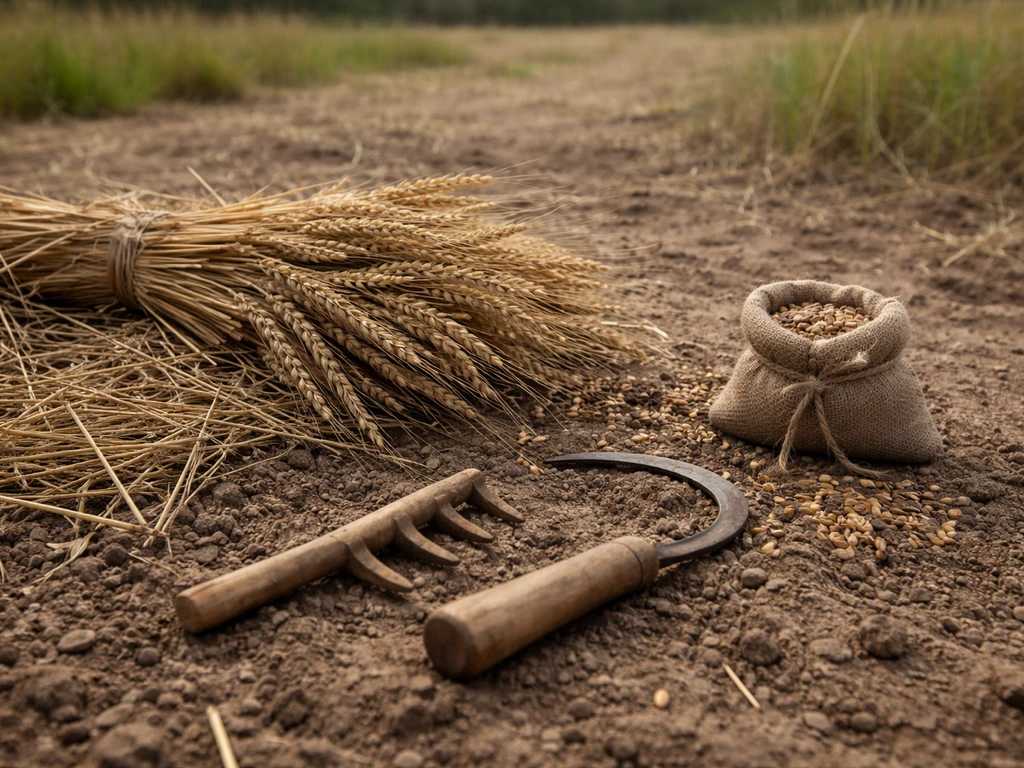
What 'Neolithic' actually means for crop history
The Neolithic is not a single moment. In the Near East, it begins with the Pre-Pottery Neolithic A (PPNA, roughly 12,200 to 10,800 years ago) and moves through Pre-Pottery Neolithic B (PPNB, roughly 10,800 to 9,000 years ago) before pottery-using farming villages spread outward.
In Europe, the Neolithic arrives later: at blank" rel="noopener noreferrer">Franchthi Cave in Greece, for example, AMS-dated domestic seeds place the start of cereal cultivation in the first half of the seventh millennium BCE. For the early Sumerian world in southern Mesopotamia, the main cultivated crops also leaned heavily on cereals such as barley and wheat, along with legumes like lentils.
That 3,500-year spread from the Near East to the northwestern edge of Europe means the 'Neolithic crop list' shifts substantially depending on which region and phase you are studying. Archaeobotanists working in this field analyze plant assemblages from individual site-phases, not from 'the Neolithic' as a single unit, and large database studies tracking crop diversity from Southwest Asia into Europe consistently show that crop-taxa diversity narrows as farming moved westward and northward.
The staple cereals: wheat and barley first
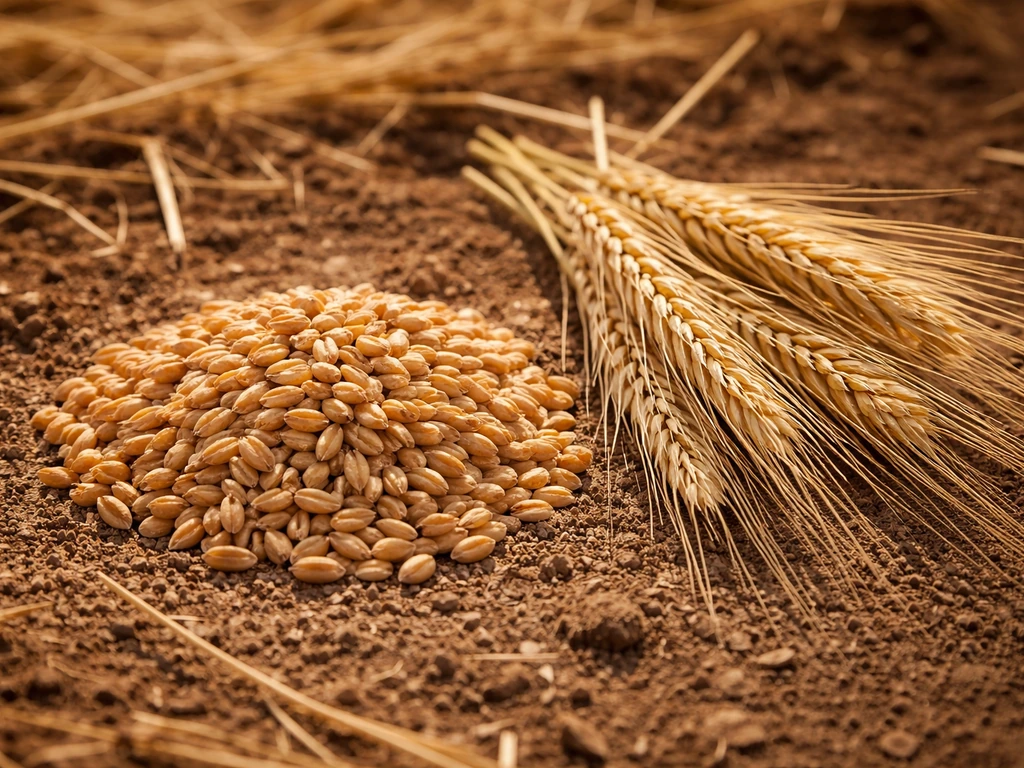
The three cereal workhorses of Neolithic agriculture were einkorn wheat (Triticum monococcum), emmer wheat (Triticum dicoccum), and barley (Hordeum vulgare). Mesopotamians also relied on staple cereals like wheat and barley, along with legumes such as lentils and chickpeas. blank" rel="noopener noreferrer">All three appear across the Fertile Crescent by the middle PPNB, around 10,200 to 9,500 years ago. The earliest securely identified domesticated einkorn and emmer come from Upper Euphrates Valley sites: Çayönü and Cafer Höyük in southeastern Turkey, dated to roughly 10,600 to 9,900 calibrated years before present. Domesticated emmer also appears in the northern Levant at sites like Dja'de and Abu Hureyra II in early PPNB, and shortly after in the southern Levant at Beidha and Jericho.
Barley was equally important and arguably more tolerant of marginal soils and dry conditions, which helps explain why it traveled so well with expanding farming populations. By the time Neolithic farming reached central Europe, these cereals were often the dominant crops, with einkorn and emmer both well-documented in early European assemblages. Emmer tended to dominate in many Near Eastern contexts, while einkorn became relatively more common in parts of Europe, likely reflecting local environmental selection.
Legumes and oilseeds: the protein and fat side of Neolithic farming
Alongside the cereals, the Near Eastern founder package included four key legumes: lentil (Lens culinaris), pea (Pisum sativum), chickpea (Cicer arietinum), and bitter vetch (Vicia ervilia). These were not afterthoughts. Legumes fix nitrogen in soil, which matters enormously in rain-fed farming without modern fertilizers, and they provided dietary protein to complement grain-based diets. Lentil remains in large quantities and with domestic-type seed sizes appear at Cafer Höyük around 10,200 years ago, and at Yiftahel in the Levant. Bitter vetch cultivation evidence at Çayönü dates to roughly 9,500 to 9,300 years ago. Chickpea has a slightly more complex domestication story with ongoing morphological debates, but it appears in PPNB contexts across the region.
Flax (Linum usitatissimum) rounds out the Near Eastern founder package and serves a dual role: it was grown for both oilseed and fiber. Domestication in the Near East dates to at least 8,000 to 10,000 years ago, with archaeological evidence including seeds from multiple PPN sites. Flax spreads to Europe during the Early Neolithic, where it appears to have been particularly valued as a fiber crop. It is worth noting that some early claims about Neolithic flax textiles have been revised, because some fibers originally attributed to flax turned out to come from tree bast. The seed record for flax is generally more secure than the textile record.
One important nuance on legumes: identifying domesticated versus wild lentil and other legumes from charred archaeobotanical remains is genuinely difficult. Seed size and shape overlap between wild and cultivated forms, especially in early assemblages. So while legumes are firmly part of the Neolithic crop picture, the exact timing and domestication sequence for each species is still debated. Lentil remains from southeastern Turkey, Iran, and Iraq show up at sites dated between roughly 9,450 and 7,350 calibrated years before present, illustrating how even within the Near East, individual species turn up at different sites and different times.
Vegetables, fruits, and fiber: the supporting cast
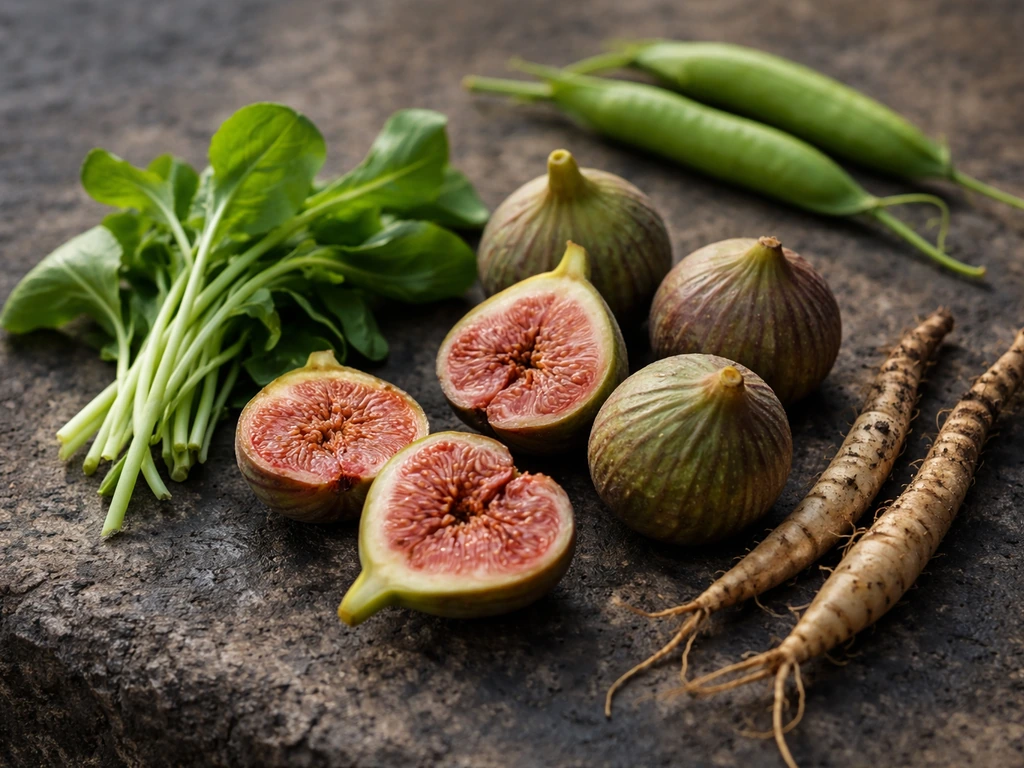
Beyond the founder crop package, archaeobotanical records hint at early horticulture for fruits and minor crops, though the evidence here is less uniform. Fig is one of the most intriguing cases: subfossil fig remains from Gilgal I in the Jordan Valley date to roughly 9,400 to 9,200 BCE, which would make fig cultivation pre-date or coincide with the earliest cereal and legume domestication. These appear to be parthenocarpic (seedless) figs, suggesting deliberate vegetative propagation rather than wild collection. Olive and grape cultivation comes later, with pollen evidence for olive in the Southern Levant around 4,500 BCE, and charcoal and seed evidence for early olive and grape horticulture in the Central Jordan Valley around 7,000 years ago.
Small aromatic and vegetable plants are the hardest category to pin down in Neolithic assemblages, because seeds are tiny and preservation is patchy. Phytolith analysis of pottery residues has opened up some possibilities, showing traces of spice-type plants in European prehistoric contexts where charred seeds are absent. But these detections are generally treated as suggestive rather than confirmed crops. The practical takeaway is that the Neolithic diet almost certainly included gathered and possibly tended wild plants beyond the core domesticated list, but separating 'crop' from 'gathered wild plant' in the archaeological record gets complicated fast.
Near East vs Europe: how the crop list changes by region
The Near Eastern Neolithic, centered on the Fertile Crescent and Anatolia, had the most diverse crop package. In Mesopotamia specifically, the early farming economy relied on the same cereal and legume staples that spread from the Fertile Crescent what crops did Mesopotamia grow. All eight classic founder crops were in use by mid-PPNB, and additional taxa like wild rye appear in some early assemblages, suggesting the original founder crop framing is actually a bit too narrow. Climate stability in the Levant around 10,000 years ago correlates with agricultural emergence, and the warm, seasonally dry conditions of the Near East suited the drought-tolerant cereals and legumes that became the foundation of Neolithic farming worldwide.
European Neolithic farming, introduced by migrating Near Eastern farmers over roughly 3,500 years, shows a progressive narrowing of crop diversity from southeast to northwest. Studies analyzing plant assemblages across hundreds of early Neolithic sites consistently find fewer crop taxa in central and northwestern Europe compared to Southwest Asian origin sites. Compiled multi-site archaeobotanical work has reported a [documented reduction in crop diversity in early central European Neolithic](https://www. researchgate.
net/publication/223537826FounderEffectDriftandAdaptiveChangeinDomesticCropUseinEarlyNeolithicEurope) contexts, showing how “Neolithic crop assemblages” are often operationalized as domestic crop-use presence and abundance in curated site sets. Early Neolithic Greece (represented at Franchthi Cave) shows domestic cereals from the seventh millennium BCE, but legumes were not incorporated as crops in the earliest Neolithic agroecologies there. These changes are part of why we can talk about what crops did ancient Greece grow, rather than assuming a single Neolithic crop list Early Neolithic Greece.
This pattern repeats across Europe: cereals arrive first, the full legume complement follows later and often incompletely, and some crops from the Near Eastern package never become widespread in certain European regions.
| Crop | Near Eastern Neolithic | European Neolithic |
|---|---|---|
| Einkorn wheat | Core crop from PPNB (~10,600 BP) | Present in early European Neolithic |
| Emmer wheat | Core crop from early PPNB (~10,600 BP) | Present; often dominant in early European sites |
| Barley | Core crop from PPNB | Widely adopted across Europe |
| Lentil | PPNB (~10,200 BP at Cafer Höyük) | Present but variable; sometimes delayed |
| Pea | Part of the founder package | Present but less consistent than cereals |
| Chickpea | PPNB contexts | Limited; more common in southern Europe |
| Bitter vetch | Çayönü ~9,500–9,300 BP | Present at some sites; regionally variable |
| Flax | Near East ~8,000–10,000 years ago | Early Neolithic; strong fiber role in Europe |
| Fig | Jordan Valley ~9,400–9,200 BCE | Not part of European Neolithic crop set |
| Olive | Levant pollen evidence ~4,500 BCE | Mediterranean Europe; post-early Neolithic |
How archaeologists actually know which crops were grown
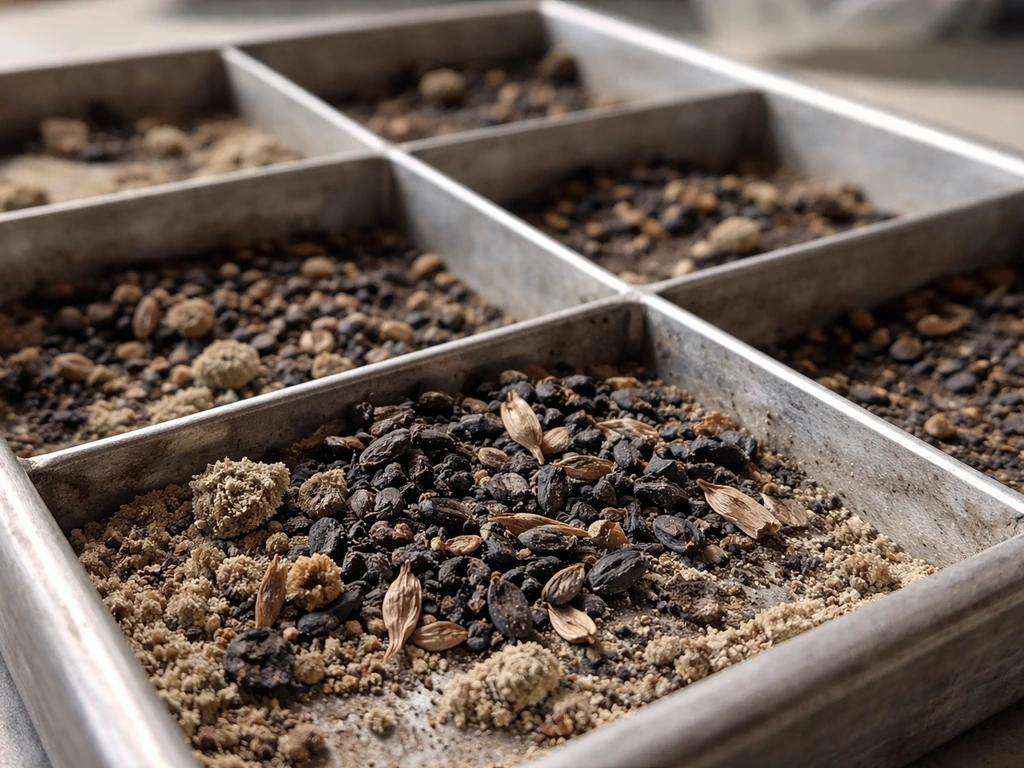
The evidence for Neolithic crops comes from several overlapping lines of inquiry, and knowing which types of evidence exist for a given crop helps you judge how confident to be about its inclusion. Charred (carbonized) seeds and grain impressions in fired clay are the most common and reliable source. When seeds accidentally burned during storage or processing, they preserve for thousands of years. Researchers count and identify these seeds across site-phases, building up assemblage databases that now cover hundreds of early Neolithic sites and millions of individual seeds. Although the chapter focuses on the Near East and Europe, the same archaeobotanical methods are used to identify which crops ancient India grew.
- Charred seeds and grain chaff: the backbone of Neolithic crop identification; well-preserved at sites across the Near East and Europe
- Plant impressions in pottery and mud brick: seeds pressed into wet clay before firing leave identifiable outlines even when the organic material is gone
- Phytoliths: microscopic silica bodies from plant cells that survive in sediment and pottery residues; useful for detecting grasses, reeds, and some spice plants when seeds are absent
- Pollen analysis: helps reconstruct surrounding vegetation and detect cultivated fields, though distinguishing crop pollen from wild relatives can be tricky
- Stable carbon and nitrogen isotopes (δ13C, δ15N): measured on grain remains to infer cultivation practices such as irrigation or soil fertility management
- Textile and tool residues: bast fibers, grinding stone residues, and sickle gloss on flint blades indicate processing of specific plants, though misidentification (for example, flax versus tree bast fiber) is a recognized risk
- AMS radiocarbon dating on individual seeds: allows direct dating of specific plant taxa to confirm their Neolithic-age context rather than relying on stratigraphic association alone
The quality of evidence varies considerably by crop and region. Cereals like emmer and einkorn are among the most reliably identified Neolithic crops because the grain morphology, chaff structure, and domestication signatures (like non-shattering rachis scars) are well-studied and distinctive. Legumes are harder because wild and cultivated forms overlap in seed size. Fruits like fig and olive rely more on context, seed morphology, and pollen, which leaves more room for debate.
One honest caveat worth keeping in mind: some older interpretations of Neolithic crop use have been revised when assemblages were reanalyzed with updated identification frameworks or better chronological controls. The broad outlines are solid, but details at the species level or for specific sites can shift as new data comes in.
Connecting Neolithic crops to climate and soil logic
One of the most useful ways to think about the Neolithic crop list is through the lens of why these crops worked where they did. The Near Eastern founder crops are all adapted to the Mediterranean-type climate of the Fertile Crescent: warm, dry summers and mild, wet winters. Einkorn and emmer are both hulled wheats that do well on thin, stony soils with relatively low rainfall. Barley is even more drought-tolerant and saline-tolerant, which is why it often turns up as the dominant crop in drier or more marginal Near Eastern contexts. Lentil and chickpea are similarly drought-adapted legumes that fit naturally into the same cropping system.
As farming moved into Europe, the wetter, cooler Atlantic and continental climates of central and northern Europe pushed farmers toward crops that handled higher moisture and shorter seasons. Emmer remained versatile enough to persist, einkorn stayed competitive on poor soils, and barley's tolerance kept it relevant almost everywhere. Some Near Eastern crops like chickpea struggled north of the Mediterranean because they need warm, dry conditions to set seed well, which explains why they thinned out in the European archaeobotanical record. Flax, interestingly, thrived in cooler, moister European conditions, which may be part of why it took on a prominent fiber role in European Neolithic agriculture beyond its oilseed function.
This climate-crop alignment is not just historical trivia. If you are a gardener or farmer trying to grow heritage Neolithic varieties today, understanding the original environmental fit helps a lot. Einkorn and emmer are available as heritage grain seeds and perform best on low-fertility, well-drained soils with minimal inputs, which matches what Neolithic farmers in the Near East were actually working with. Lentils and chickpeas want warm, dry summers to thrive, while flax is a natural fit for temperate gardens in northern climates. The Neolithic farmers who worked out these combinations over generations were solving the same basic problem modern farmers face: matching crops to climate and soil.
For context, the Neolithic crop story connects closely with what ancient Egypt, Mesopotamia, and ancient Greece grew, since all of those civilizations built their agriculture on the same Southwest Asian founder crop foundation. In that same shared Southwest Asian tradition, ancient Egypt grew cereals such as wheat and barley, along with legumes like lentils and peas. The Near Eastern Neolithic is essentially the origin point for the cereal and legume crops that powered ancient Mesopotamian and Egyptian farming, with some local additions and adaptations along the way. Understanding Neolithic crops gives you the baseline for understanding why ancient civilizations across the Old World grew what they grew.
FAQ
If I ask what crops they grew in the Neolithic age, can I give one universal list for everyone?
No. The “Neolithic” spans thousands of years and multiple regions, so the best-supported approach is to use a site and time window (for example PPNA versus PPNB, or early versus later European Neolithic) and then read the plant assemblages for that phase, since crop diversity can narrow as farming spreads westward and northward.
Were the Neolithic crops mostly wheat, or were there other staple grains?
Wheat mattered, but barley was often as important or more important in drier and more marginal areas. Also, in some early assemblages researchers report additional wild-adjacent cereals (like wild rye) that do not always make it into short “founder crop” lists, so grain use could be broader than the classic eight founder crops.
How do archaeologists know whether a legume plant was actually domesticated, not just gathered wild?
They rely on criteria like seed size and shape, but overlap between wild and domesticated legumes can be large in early phases. As a result, even when lentils, peas, chickpeas, and bitter vetch appear in records, the exact domestication timing and sequence for each species can remain contested.
Why do legumes seem to show up later in some European Neolithic records?
A common pattern is that cereals establish first, then legumes follow incompletely. This can reflect real adoption delays driven by local climate fit, but it can also be influenced by preservation and sampling differences, since small seeds and charred remains do not always survive equally across sites.
What evidence is strongest for saying a crop was grown?
Charred seeds (or other plant remains) from storage, processing, or cooking are generally the most reliable. Less direct evidence includes grain impressions in fired clay and indirect residues from tools or pottery, which can suggest use but may not prove full cultivation for every species.
Do we know for sure what “Neolithic fruit and minor crops” were eaten?
Only in a limited, uneven way. Some candidates like fig have more compelling subfossil or residue-style evidence in specific sites, while others like spices or small vegetables are harder because seeds are tiny and preservation is patchy, so many detections remain suggestive rather than confirmed crops.
Were flax textiles definitely made from flax in the early Neolithic?
Not always. Earlier claims sometimes over-attributed fibers to flax, later work suggested some fibers came from tree bast instead. Seed evidence for flax tends to be more secure than textile fiber claims, so “flax as a grown crop” is usually easier to support than “flax specifically used for textiles” at a given site.
If I’m looking for crops in ancient Mesopotamia or Egypt, are they the same as the Neolithic founder list?
They largely draw from the same Southwest Asian cereal and legume foundation, but “same package” does not mean identical proportions or timing. Local conditions, later agricultural developments, and different regional chronologies can shift which crops dominate or appear in the archaeobotanical record.
Could Neolithic farmers have grown or tended crops beyond the founder set?
Yes. The core founder crops are the clearest signals, but archaeobotanical records sometimes indicate additional taxa, and practices like tending, collecting, or managing semi-wild plants can blur the line between “crop” and “gathered wild plant.” That distinction becomes especially difficult for tiny-seeded plants.
If I want heritage crops today, which Neolithic choices are most climate-matched to modern gardening?
As a practical rule, einkorn and emmer tend to be well suited to poorer, well-drained soils with modest inputs, flax fits temperate conditions well, and legumes like lentil and chickpea generally prefer warm, dry summers. The key is matching the crop’s original Mediterranean-type or temperate performance needs rather than assuming a universal Neolithic diet.
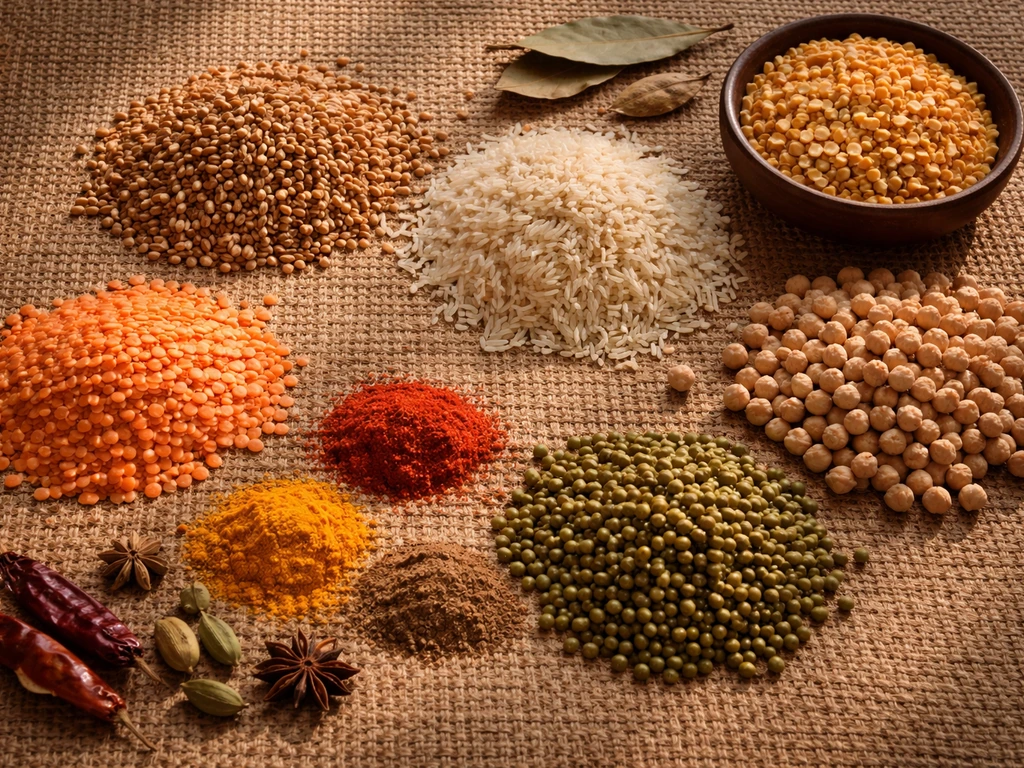
Ancient India crops list: grains, pulses, oilseeds and spices by region and period, with evidence and climate needs.
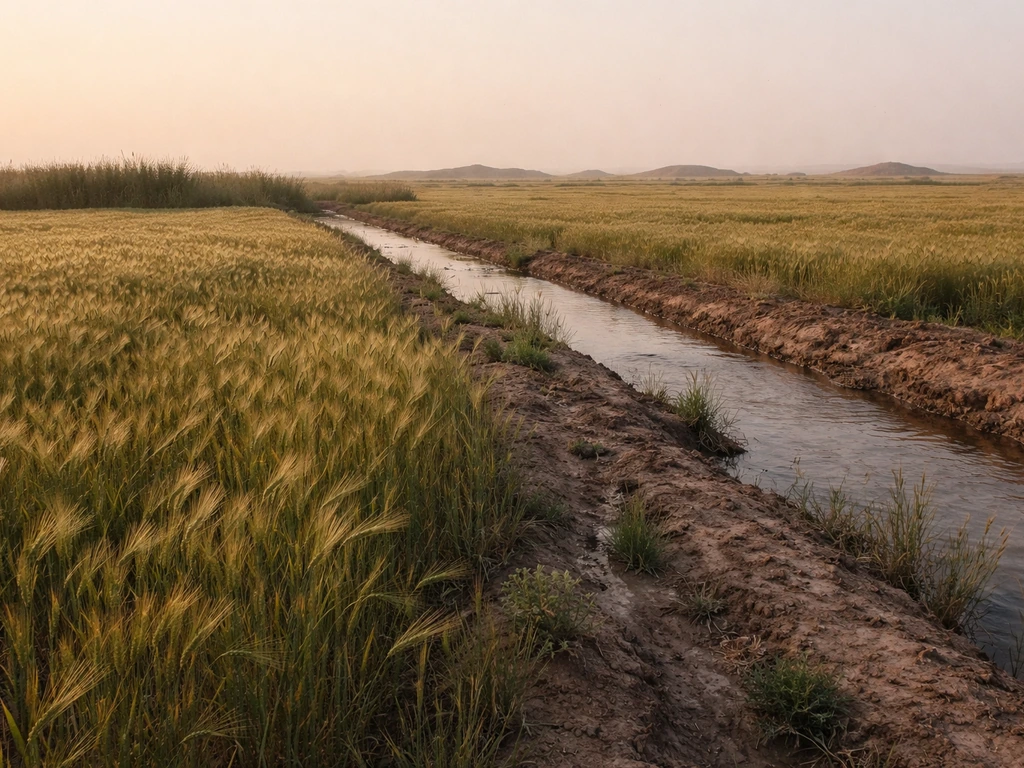
Attested Sumerian crops list with grains, legumes, oils, fibers, fruits, plus evidence types and regional irrigation con
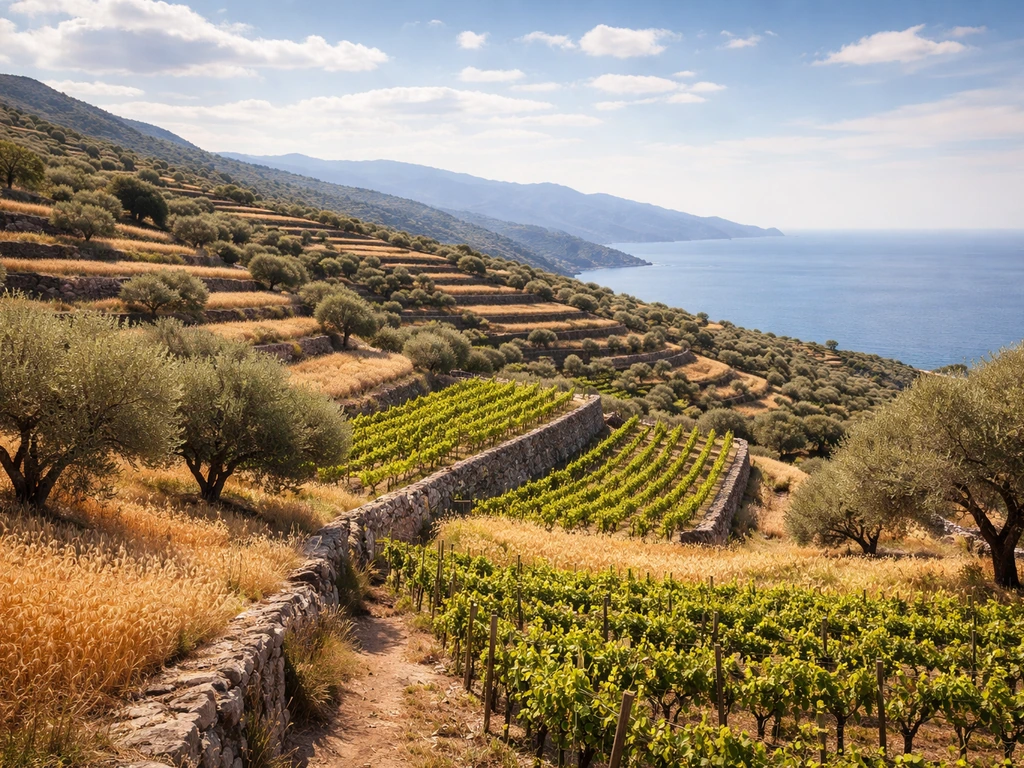
Region by region crops in ancient Greece, climate fit, and modern equivalents for today’s Mediterranean gardening.